Best Canyoning Destinations for Adventure Seekers: Top Spots Worldwide
Introduction
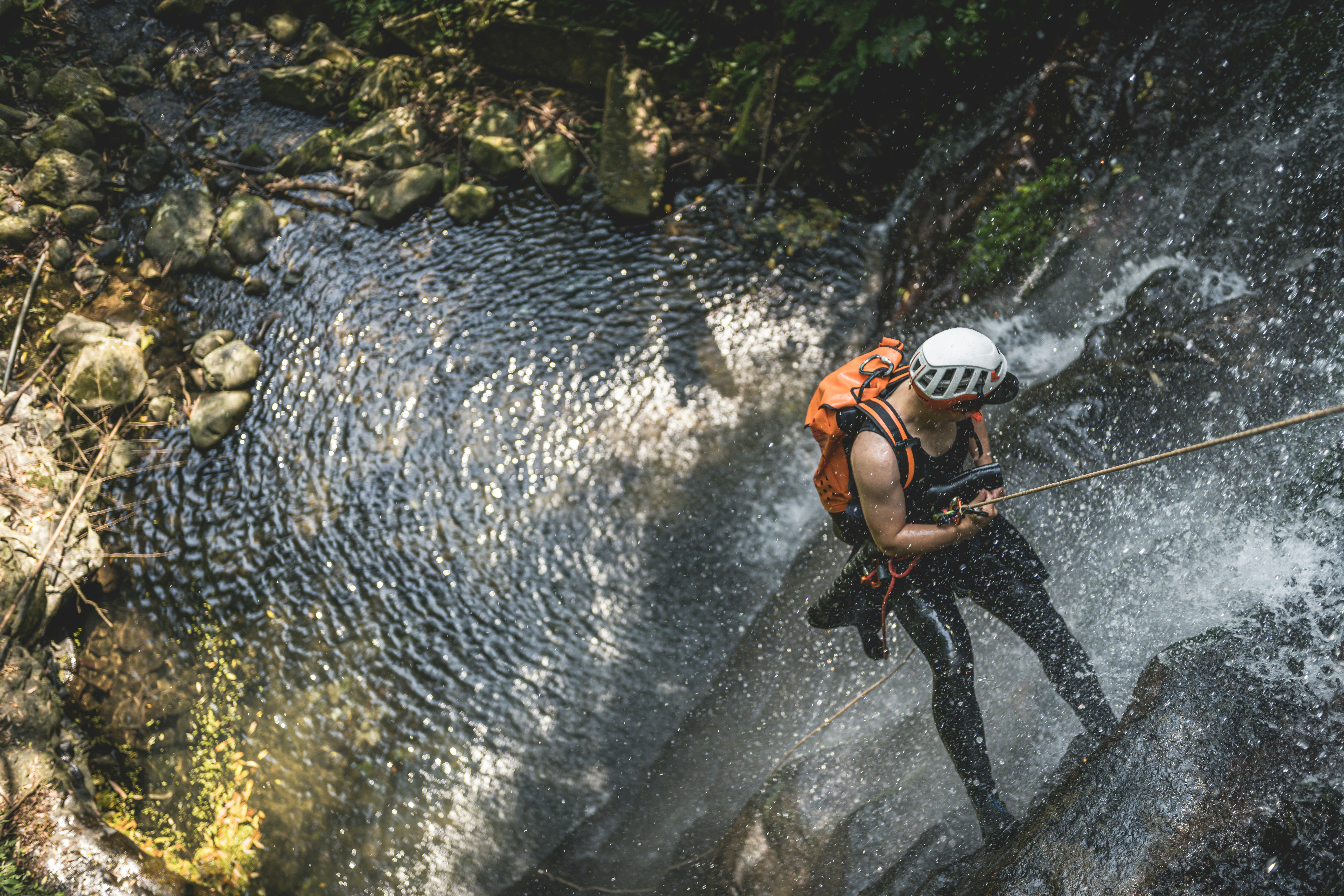
Canyoning is the art of navigating a canyon from top to bottom using a mix of rappelling, swimming, climbing, and scrambling. It’s not a single-skill sport. You need a bit of rope work, some aquatic confidence, and the ability to stay calm in tight, wet spaces. If you’re reading this, you’re likely looking for the best canyoning spots worldwide to plan your next vacation. This guide is built on my own descents, from the slot canyons of the American Southwest to the glacial meltwater runs in the Alps. I’ve focused on the logistics that matter: permit systems, seasonal windows, gear needs, and how to book the right trip. Travelers who need a reliable way to stay organized might consider a durable dry bag for keeping gear safe. This isn’t a list of pretty pictures. It’s a decision-making tool for adventure seekers at every skill level. We’ll cover the requirements, the tradeoffs, and the practical steps to get you into the right canyon.

What Makes a Great Canyoning Destination?
Not all canyons are created equal, and not every famous destination is actually a great place to learn or push yourself. I use a few key criteria to separate the real spots from the tourist traps. First is water quality. Warm, clear water is fun. Cold, silty water requires better gear and more caution. Then there’s route variety. A good destination offers multiple canyons—short and long, technical and scenic—so you can match the day to your group’s fitness and skill. Accessibility matters, too. A canyon that’s a two-hour hike in might be gorgeous, but it also means a big commitment if the weather turns. Safety records and guide availability are non-negotiable. You need a community of experienced operators or a well-documented route. Finally, seasonal windows dictate everything. Many of the best canyons in the world are only runnable for a few months a year due to snowmelt or seasonal rains. I also look at permit requirements. Some places like Zion require a lottery, while others are first-come, first-served. If you don’t plan, you don’t get in. A great destination makes the planning straightforward, not the other way around.
Top Canyoning Destinations: Global Overview
Here’s a high-level look at the destinations we’ll dive into. This table is meant to be scanned quickly so you can jump to the section that fits your goals.
| Destination | Difficulty Range | Best For |
|---|---|---|
| Zion National Park, USA | Intermediate to Advanced | Technical slot canyons, classic adventure |
| Interlaken, Switzerland | Beginner to Advanced | Guided alpine experiences, varied options |
| Queenstown, New Zealand | Intermediate | Unique adventure combos (jetboats), scenery |
| Corsica, France | Intermediate to Advanced | Scenic, technical canyoning, wild camping |
| Barranco del Infierno, Spain | Beginner to Intermediate | Year-round access, warm weather |
| Blue Mountains, Australia | Intermediate to Advanced | Abseiling focus, creek style canyons |

1. Zion National Park, USA – The Classic Canyon
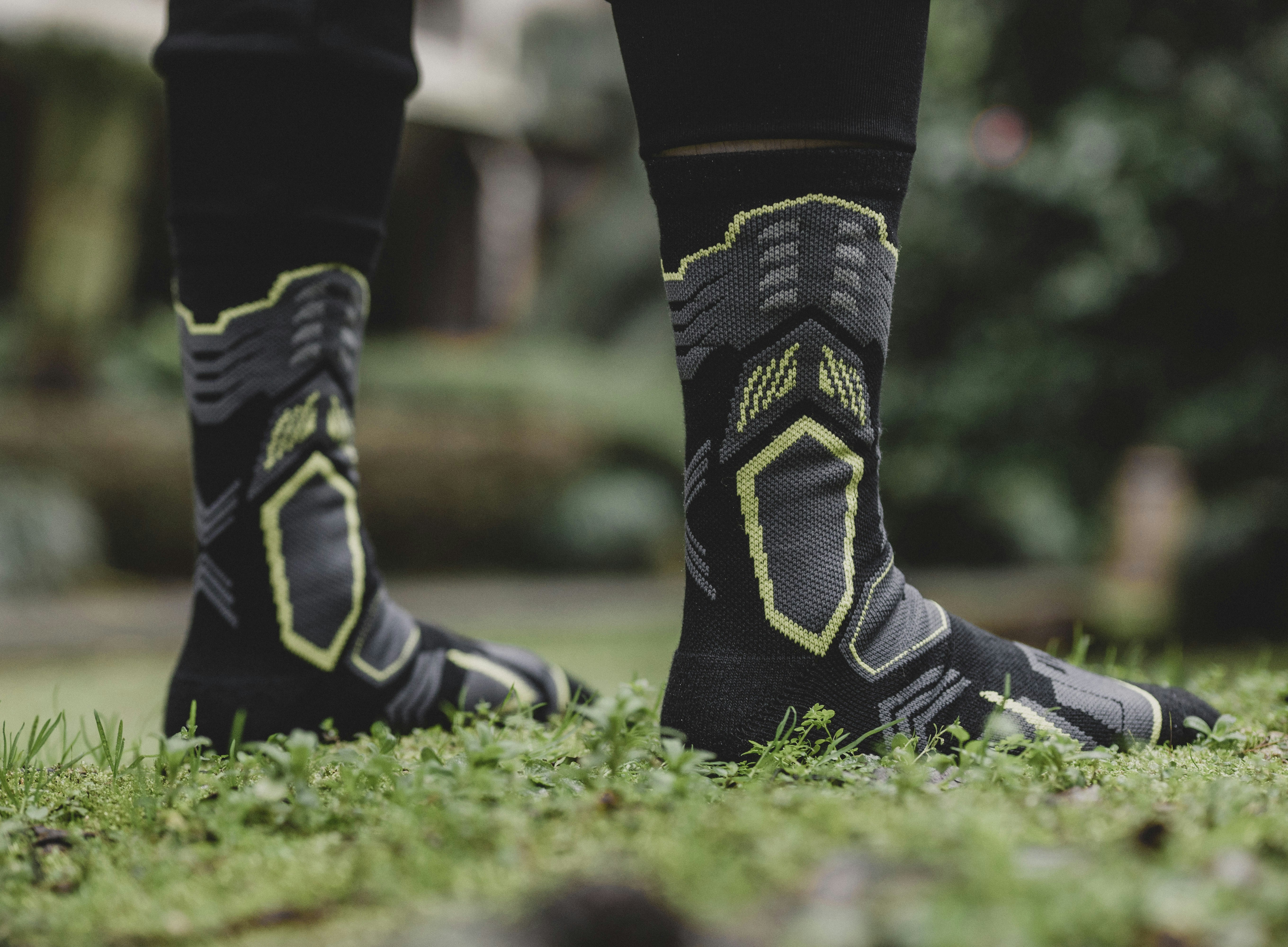
Zion is the benchmark. The canyons here, especially The Narrows and the technical routes like Pine Creek and Behunin, are world-class. But this is not a beginner zone. The Narrows is a hike, not a rappelling canyon, but it requires navigating cold, swift water. The technical canyons involve multi-rappel descents up to 30 meters or more. The permit system is the main logistical hurdle. You need a backcountry permit, and some of the best canyons require a seasonal lottery (the technical canyons lottery opens in January for spring/summer). You also need to check the flow rates. If the river is too high, the canyon closes. For gear, you need a high-quality wetsuit. A 3/2mm is usually sufficient in summer, but a 5/4mm is better for early-season trips. Neoprene socks are essential. A good pair of canyoning shoes is also important; you can rent them in Springdale, but buying your own ensures a proper fit. A pair of canyoning boots with good grip is a worthwhile investment. A dry bag is also critical for keeping your phone and snacks dry.
Best for: Intermediate to advanced canyoners who want a classic, technical challenge. Skip this if you’re a pure beginner or can’t handle permits and variable conditions.
2. Interlaken, Switzerland – Alpine Canyoning Hub
Interlaken is a purpose-built adventure hub. It sits in a valley between two lakes, with dozens of canyons in the surrounding mountains. The main draws are Saxeten Canyon and Chli Schliere. Saxeten is a fantastic beginner canyon. It has a series of jumps, slides, and rappels in a beautiful limestone gorge. The water is glacier-fed, so it’s cold. A good wetsuit is mandatory, and most guided tours provide one. Chli Schliere is a different beast. It’s a high-adrenaline route with longer rappels, tighter squeezes, and more technical rope work. This is for experienced canyoners only. You absolutely should book a guided tour here. Self-guiding is dangerous due to the complex hydraulics and route finding. Most tours include all gear, so you only need to bring swimwear and sturdy shoes. Bookings fill up weeks in advance, especially in July and August. Accommodation near Interlaken is varied, from hostels to mid-range hotels. The best move is to stay in one of the villages closer to the canyons, like Lauterbrunnen, to reduce travel time.
Best for: A well-rounded destination where beginners and experts can both get their fix. The guided tours are well-organized and safe.
3. Queenstown, New Zealand – Adventure Capital
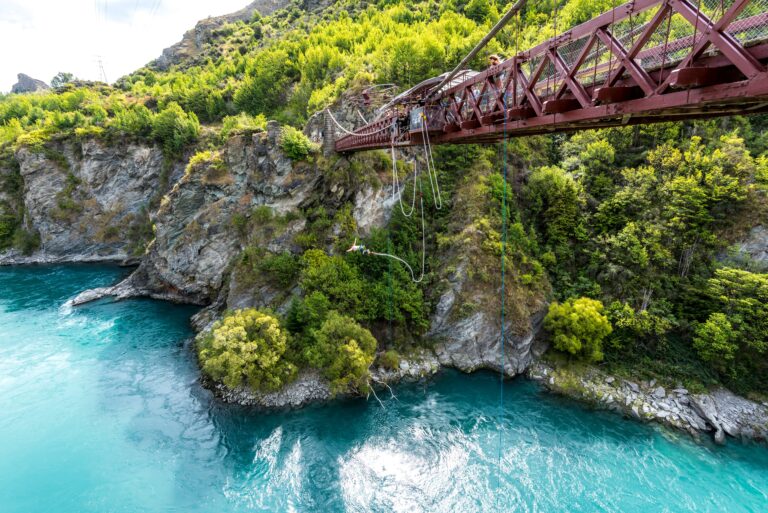
Queenstown lives up to its reputation. The Shotover and Skippers Canyons are the two main draws. The Shotover Canyon is famous for combining canyoning with a jetboat ride to the start. You abseil down waterfalls, jump into deep pools, and slide down rock chutes. It’s an efficient, high-octane half-day trip. Skippers Canyon is more remote and has longer rappels. It’s less commercialized. The best months are November through April. That’s the New Zealand summer, when water levels are lower and the weather is more stable. The skill level is intermediate. You need to be comfortable with rappelling and have some fitness. The guided ratios are usually 1 guide to 4 or 5 clients, which is safe. For gear, a helmet and harness are provided by the tour operator. You can buy your own canyoning boots for a better fit. Consider a multi-activity pass if you’re also doing bungy jumping or whitewater rafting. It can save you money.
Best for: Those who want a unique combo of adventure activities in one of the world’s most scenic settings.
4. Corsica, France – Classic Canyoning
Corsica offers a different style of canyoning. The canyons here, especially in the Restonica and Tavignanu valleys, are more technical and require excellent rope skills. The rock is granite, which offers great grip but can be sharp. The water is cold, even in summer, because it comes from high-altitude snowmelt. The scenery is rugged and pristine. This is not a place for casual tourists. You need to know what you’re doing. I recommend hiring a guide for your first few descents. The routes are not always obvious, and the rope lengths need to be precise. Wild camping is allowed in some areas, but there are strict regulations. You must pack out all waste and avoid sensitive vegetation. For gear, a dry bag is essential for keeping your rope dry and your gear organized. A waterproof phone case is also a good idea for navigation. Rope lengths vary, so bring at least a 60-meter rope for longer descents.
Best for: Experienced canyoners who want a technical challenge in a stunning, less-commercialized setting. Not for beginners.
5. Barranco del Infierno, Spain – Tenerife’s Hidden Gem
The Barranco del Infierno (Hell’s Gorge) is a beginner-to-intermediate canyon in Tenerife. It’s accessible year-round, which is its main selling point. The canyon itself is a series of rappels and slides in a dry (or semi-dry) riverbed. The water is warm, and the rappels are not very high. The biggest challenge is the hike out. It’s a steep, exposed climb back to the top. Many beginners underestimate this and get tired. A common mistake is not bringing enough water or wearing shoes without good grip. A guided tour is mandatory. They handle the permits and provide the gear. It’s also a good idea to book your accommodation nearby. The town of Adeje has a range of options. On a hot day, the canyon is a welcome relief.
Best for: Beginners who want a safe, warm, year-round introduction to canyoning. Avoid this if you’re an expert looking for high-adrenaline descents.
6. The Blue Mountains, Australia – Abseiling Heaven
The Blue Mountains, just west of Sydney, are famous for their abseiling. Canyons like Claustral Canyon and Empress Canyon are classic creek-style descents. These aren’t river canyons. They’re narrow, deep slots with constant water flow. The abseiling component is dominant. You’ll be rappelling down wet, often slippery rock faces into deep, cold pools. The gear requirement is full wetsuits, helmets, and harnesses. Flash flood risk is real here. You must check the weather forecast and the Bureau of Meteorology before you go. If there’s rain in the catchment area upstream, the canyon can turn deadly very quickly. The best times are spring (October-November) and autumn (March-April). Winter is too cold, and summer has too many thunderstorms. For gear, a descender is essential. A canyoning descender like a Petzl Simple or a Pirana is my preference. A safety lanyard is also a good idea for managing yourself on ledges. You can buy these on Amazon.
Best for: Intermediate canyoners who want to improve their abseiling skills in a unique, creek-style environment.
Comparing Canyoning Destinations: Which One Should You Choose?
| Destination | Cost (per day) | Difficulty | Best Season | Beginner Friendly | Guide Required |
|---|---|---|---|---|---|
| Zion National Park | Low (permit only) | Intermediate-Advanced | Spring/Fall | No | No (self-guided possible) |
| Interlaken | Medium (guided tours) | Beginner-Advanced | Summer | Yes (Saxeten) | Recommended |
| Queenstown | High (tours + jetboat) | Intermediate | Nov-Apr | No | Yes |
| Corsica | Medium (guide or self) | Intermediate-Advanced | Summer | No | Recommended |
| Barranco del Infierno | Low (guided tour) | Beginner-Intermediate | Year-round | Yes | Yes |
| Blue Mountains | Low (self-guided) | Intermediate-Advanced | Spring/Autumn | No | No (self-guided) |
Best for beginners: Barranco del Infierno or Interlaken’s Saxeten Canyon. Best for experts: Corsica or Zion’s technical routes. Best for scenery: Queenstown or Corsica. Best for budget: Zion (self-guided) or Barranco del Infierno (cheap tour).
Essential Canyoning Gear: What to Pack
Your gear can make or break a day in a canyon. Here’s the checklist, with specific recommendations.
- Wetsuit: For cold water, a 5/4mm is standard. For warmer climates, a 3/2mm works. A shorty is only for tropical canyons.
- Canyoning Shoes: Don’t use gym shoes. They’re too slippery. Get proper canyoning boots with Vibram soles and rubber toe caps. Good brands include Five Ten and Adidas Terrex.
- Helmet: A climbing helmet works. But a canyoning helmet with a visor is better for low ceilings.
- Harness: A climbing harness is fine, but a canyoning-specific harness is more comfortable for swimming and has plastic buckles that don’t rust.
- Descender: A Petzl Simple or a similar device is standard. For longer descents, a figure-8 is good.
- Carabiners: Use HMS locking carabiners. You need at least two.
- Dry Bag: A 30-50 liter dry bag is essential for keeping your gear dry. A roll-top style is reliable.
- First Aid Kit: A small waterproof kit with bandages, antiseptic wipes, and painkillers.
Sizing advice: Wetsuits should be snug but not restrictive. Shoes should be a half-size larger than your normal shoe to accommodate thick socks. Pack weight should be under 10kg for a day trip. For first-timers, it’s often cheaper to rent from a local guide shop for the first few trips. Buy your own boots and a waterproof dry bag. Those items are personal and affordable.

Common Canyoning Mistakes and How to Avoid Them
I’ve seen the same errors repeated over and over. Here’s what to watch for.
- Overestimating fitness: Canyoning is physically demanding. It’s hiking, swimming, and climbing all at once. If you aren’t fit enough for a 10km hike with a 10kg pack, choose a shorter canyon or a guided tour that handles the heavy gear.
- Ignoring weather forecasts: A rain upstream that you can’t see can cause flash floods. Check the weather for the entire catchment area, not just the canyon entrance.
- Poor rope management: A tangled rope can ruin a rappel. Keep your rope in a bucket or a rope bag. Flake it out properly before the first descent.
- Not having a backup light: Many canyons have dark sections. A headlamp is essential. A small backup light (like a Petzl e+LITE) is cheap insurance.
- Wrong wetsuit thickness: A 3/2mm in the Alps in May is a recipe for hypothermia. A 5/4mm in the tropics is a recipe for heatstroke. Ask locals what they wear.
How to Book a Canyoning Trip: Practical Tips
Booking is straightforward if you follow a few rules. For guided trips, book at least 4-6 weeks in advance, especially for popular destinations like Interlaken or Queenstown during peak season. Check the guide credentials. Look for certifications from the American Canyon Association (ACA) or the European Canyoning Association (ECA). Read recent reviews. Look for comments on gear quality, guide experience, and safety procedures. For self-guided trips, you need permits. Apply early. Many permit systems have a lottery that opens months in advance. Travel insurance that covers canyoning is not optional. Make sure your policy covers evacuation from a remote canyon. Most standard policies exclude it. You can find specific adventure sports insurance providers online. Once you have your permit or guide booked, you can focus on gear and logistics. The direct booking links for tours are usually found on the official tourism websites for each destination.
Call to Action: Ready to find your canyon? Check available tours and gear now.
Final Thoughts: Start Planning Your Canyoning Adventure
The best canyoning spots worldwide each offer a different flavor of challenge. Zion is a technical masterpiece. Interlaken is a reliable hub for guided variety. Queenstown combines adventure with iconic scenery. Corsica tests your rope work. Barranco del Infierno is a safe starting point. The Blue Mountains push your abseiling skills. The key is to match your destination to your experience and fitness. Prioritize safety over ego. Pack appropriate gear. And book early. There’s nothing worse than showing up at a world-class canyon only to find permits sold out or the canyon closed. Start planning now. Check the tours, buy your boots, and get ready to descend.