How to Stay Fit While Traveling for Adventure: A Practical Guide for Active Travelers
Introduction
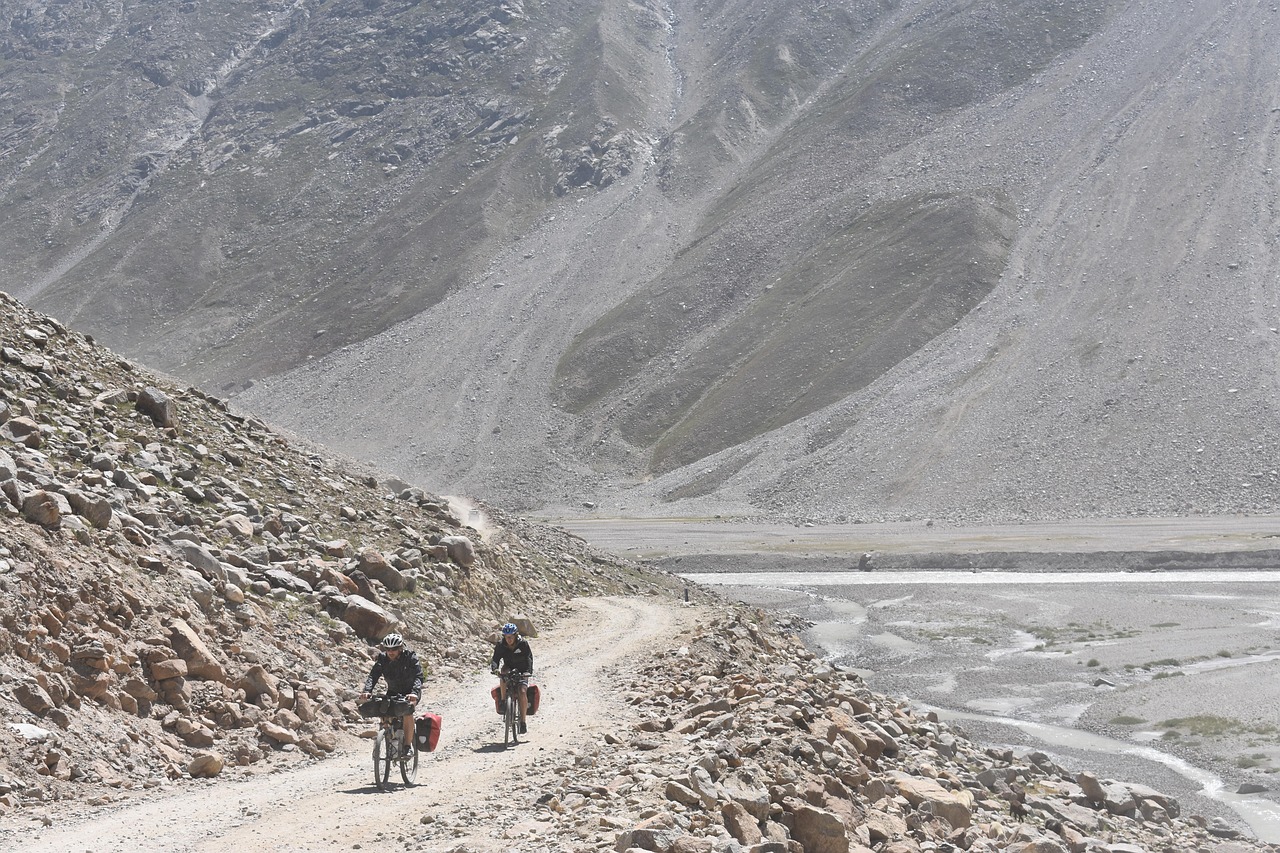
Every adventure traveler knows the worry: you’ve spent months building strength, endurance, and flexibility for an upcoming trip, only to imagine it all slipping away while you’re on the road. I’ve been there—staring at a hotel room too small for a proper workout, or feeling guilty for choosing a sunset hike over a gym session.
This article covers practical ways to maintain fitness for adventure travelers without letting your training derail your trip. It’s about keeping what you’ve built so you can handle the climbs, paddles, and treks that matter. The goal isn’t peak performance—it’s sustained capability. Whether you’re planning a multi-day backpacking trip, a kayaking expedition, or a climbing vacation, these strategies will keep you trip-ready.
 ups in a hotel room with minimal space” loading=”lazy” />
Why Maintaining Fitness Matters for Adventure Travelers
There’s a direct connection between your fitness level and how much you enjoy the actual adventure. A strong core means better balance on uneven terrain. Good cardiovascular endurance means you’re not the one lagging behind on a steep ascent. Solid lower body strength reduces the risk of knee pain after a long descent.
But let’s be realistic: some fitness loss during travel is normal, and that’s okay. You’re trading gym time for unique experiences. The goal isn’t to return home with the same numbers on your lifts—it’s to stay healthy enough to fully participate in your chosen activities without injury. For adventure travelers, fitness maintenance is about injury prevention and recovery, not ego lifting.
When you maintain a baseline level of strength and endurance, you also recover faster between days of activity, meaning you can pack more into your trip. That’s the real payoff.
The Biggest Mistakes Adventurers Make with Fitness on the Road
I’ve watched plenty of travelers—including myself early on—fall into these traps. Here’s what to avoid.
Overtraining before the trip. There’s this idea that you need to be in the best shape of your life before leaving. That leads to burnout or injury right before you travel. Instead, focus on consistent, moderate training. Peak a few weeks out, then taper into your trip. You’ll arrive fresh, not exhausted.
Neglecting mobility and recovery. Adventure activities demand range of motion—reaching for holds, twisting for paddling, crouching through tight spaces. Stretching should be as routine as strength work. A stiff back or tight hips will ruin your trip faster than any strength deficiency.
Trying to maintain peak gym performance on the road. You won’t have your squat rack, barbells, or endless time. Accept that. Shift to maintenance mode. A 20-minute bodyweight circuit beats skipping a workout entirely because you’re upset about not hitting a heavy lift.
The most common mistake is an all-or-nothing mindset. You either do a full workout or nothing. That’s not sustainable for travel.
Bodyweight Workouts That Work Anywhere
You don’t need a gym to maintain fitness for adventure travelers. A well-structured bodyweight circuit takes 15–20 minutes and covers all the movement patterns you’ll need.
Here’s a circuit I rely on, adaptable for a hotel room, campsite, or hostel floor:
- Push: Push-ups (standard, incline from a chair, or decline for more challenge)
- Pull: Inverted rows under a sturdy table, or doorframe rows with a resistance band
- Squat: Bodyweight squats, focusing on depth and control
- Hinge: Glute bridges (single-leg for extra difficulty)
- Core: Plank (30–60 seconds) and bicycle crunches
Perform each exercise for 40 seconds on, 20 seconds rest. Complete 3 rounds. That’s your 15-minute session.
If you have space, adding a set of resistance bands turns this circuit into something closer to a full resistance workout. My travel bands are about the size of a wallet and weigh nothing. Travelers looking for a compact option may find a set of portable resistance bands useful for adding variety to bodyweight circuits. A lightweight travel yoga mat also makes floor work more comfortable. For Amazon, look for kits that include multiple resistance levels—they allow progression without extra bulk.
Consistency beats intensity every time. Four to five of these sessions per week will maintain your baseline.
Using Adventure Activities as Your Workout
Your adventure activities themselves count as training. A 6-hour hike with elevation gain taxes your cardiovascular system and legs similarly to a long endurance session. Kayaking builds upper back and core. Scrambling uses grip strength and lower body stability.
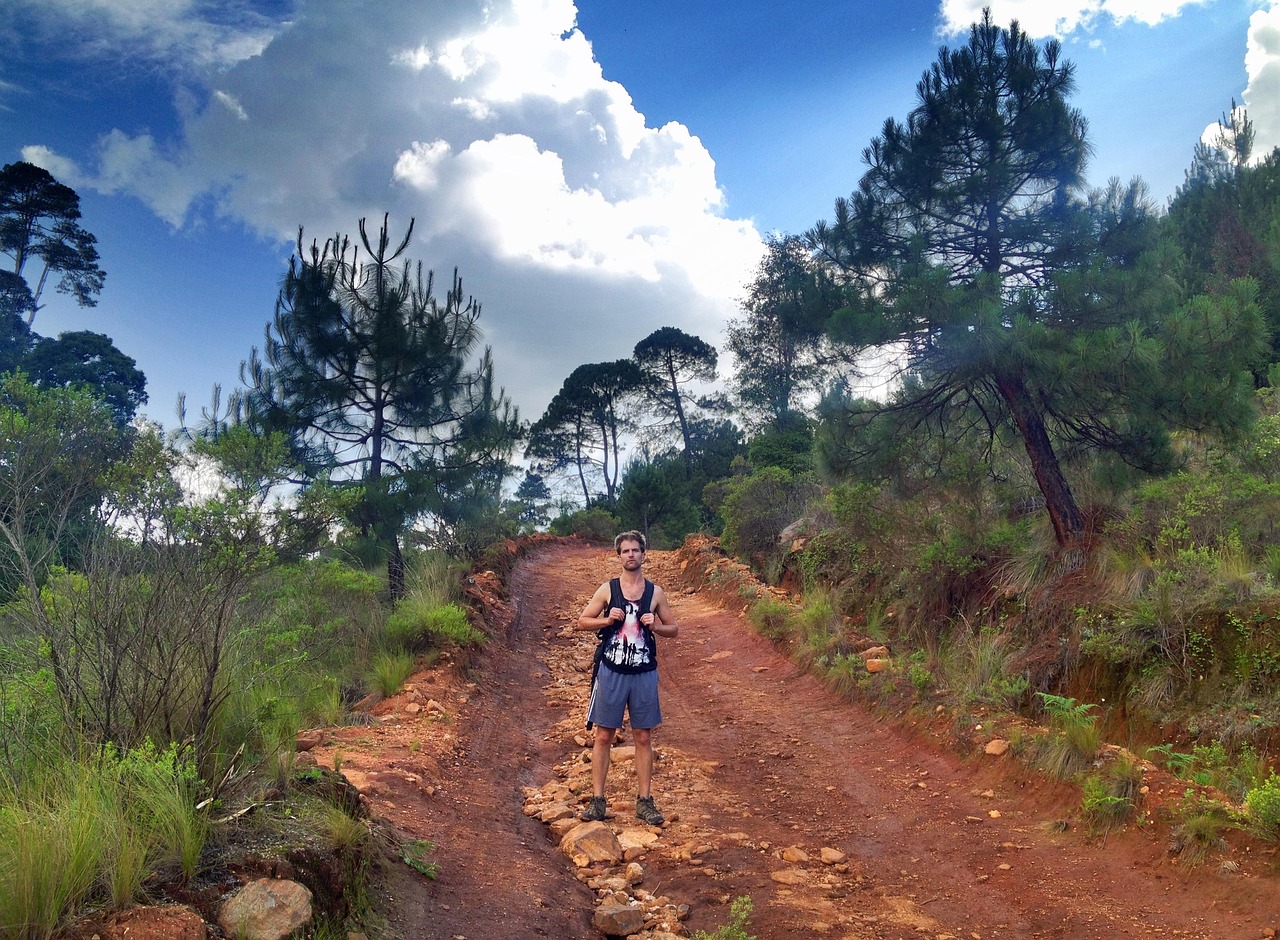
The tradeoff is how you manage recovery. If you have a big climb planned, you don’t need to do an additional strength session that day. That hike is your leg day. Listen to your body—if you’re sore from three consecutive days of activity, take a rest day or do something easy like a short swim.
Match your activity intensity to your goals. If you’re prioritizing a multi-day trek, reduce your usual strength volume beforehand. Let the trip become your training. Many travelers overdo it by trying to maintain a full gym schedule while also doing intense exploration. That’s a fast track to burnout.
Booking a guided hiking tour or a sea kayaking expedition can double as your structured workout for the day, freeing up time for other experiences.
Essential Gear for Staying Fit on the Road
You don’t need much, but a few items make consistent fitness easier. Here’s what I pack and why.
Travel resistance bands. These are the single most space-efficient strength tool. They provide progressive resistance for rows, presses, lateral raises, and glute work. Look for a set with at least three resistance levels. They also double as a mobility aid for stretching. Best for travelers who want a complete gym without the weight.
Jump rope. A compact, lightweight cardio option. 10 minutes of jumping rope equals a solid warm-up or a full cardio session if you’re short on time. Best for those who need quick, high-intensity work without space or equipment.
Lightweight foam roller or massage ball. Recovery matters when you’re active daily. A small foam roller or a lacrosse ball takes minimal space but helps release tight muscles after a long day. Best for adventurous travelers expecting strenuous daily activities.
Portable suspension trainer. If you’re willing to carry a little extra weight (about 1 pound), these give you hundreds of bodyweight exercise options, including rowing, pressing, and core work. Best for long trips where you want maximum training variety.
For Amazon, these items are widely available. Prioritize packability over durability if weight is a concern—you can always replace them later.
Nutrition and Hydration Strategies for Active Travelers
You can’t out-train poor nutrition, especially when you’re burning extra calories through adventure activities. But you also can’t be overly rigid about diet on the road—flexibility is part of the experience.
Prioritize protein at every meal. It supports muscle repair and keeps you full longer. Options like eggs, nuts, jerky, or protein bars work anywhere. If you struggle to find quality protein abroad, consider packing a small bag of protein powder. A reusable shaker bottle and a scoop or two of powder take almost no space.
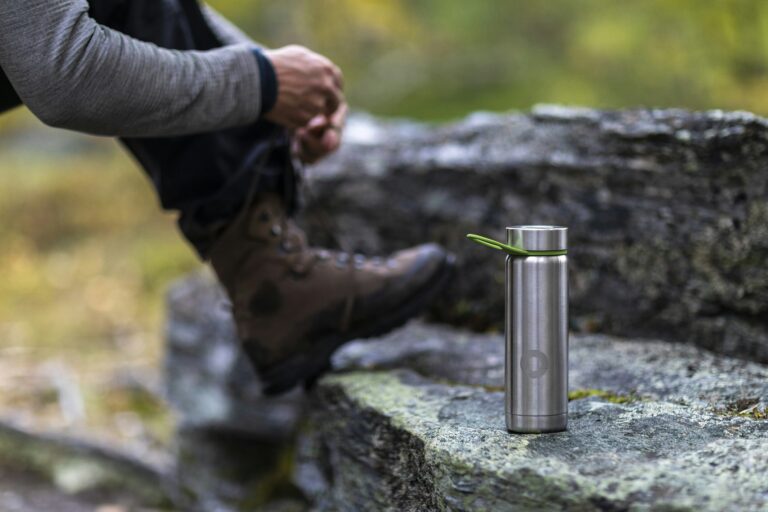
Hydration is non-negotiable, especially at altitude or in humid climates. Start your day with water, carry a reusable bottle, and refill whenever you can. Electrolyte powders help if you’re sweating heavily or dealing with altitude headaches. Skip the sugar-laden sports drinks if you can—plain water with a pinch of salt is cheaper and just as effective.
Adapt to local food without overindulging. Enjoy the local cuisine, but balance heavy meals with lighter options like grilled fish, salads, or fruit. Airport terminals are a challenge—plan ahead with a protein bar or nuts rather than relying on convenience store options. A small water bottle with a filter also helps in places where tap water isn’t reliable.

How to Plan Your Training Around a Trip Itinerary
A little planning prevents a lot of lost fitness. Here’s a simple framework.
2–4 weeks before the trip: Maintain your regular training but slightly reduce volume. Focus on compound movements and add a bit more mobility work. If you’re about to do a multi-day trek, practice loaded walking or hiking stairs.
During the trip: Aim for maintenance sessions. If your itinerary is activity-heavy (e.g., daily hikes), you might only need two to three short bodyweight sessions per week. If you have rest days planned, use one for a quick circuit. Keep sessions under 30 minutes—this is about maintenance, not building.

After returning: Accept that you’ll likely have some regression. It’s normal. Give yourself a week or two of lighter training before trying to hit your old numbers. Rushing back leads to injury. The body adapts quickly when you return to a consistent routine, especially if you used maintenance strategies on the road.
Recovery and Sleep: The Overlooked Components of Travel Fitness
Sleep disruption is one of the biggest challenges for fitness for adventure travelers. Jet lag, unfamiliar beds, and early starts all conspire against rest. Yet recovery is when your body rebuilds and adapts. Ignore it, and you’ll feel it.
Practical steps: prioritize getting to bed early the first few nights. Use a travel pillow and eye mask to improve sleep quality in strange environments. If you’re crossing time zones, try to adjust your meals and sleep schedule to local time as quickly as possible.
Active recovery matters. A 10-minute stretching or mobility session in the morning or evening keeps your muscles from tightening up. For travelers dealing with tired legs, compression socks can help with leg recovery after a long day of standing or hiking. These are small investments that pay off.
Remember that rest isn’t weakness. If you’re tired, taking a rest day will make the following days more enjoyable. Pushing through fatigue increases injury risk and reduces your overall trip enjoyment.

Comparing Accommodations: Which Are Best for Staying Active?
Your choice of accommodation affects how easy it is to stay fit. Here’s how different options stack up.
Hotels with gyms: The obvious choice if you need equipment. Look for 24-hour fitness centers if you have early departures. A hotel gym, even a basic one with dumbbells and cardio machines, beats a bodyweight circuit. Best for travelers who prioritize strength training consistency.
Hostels: Generally minimal equipment, but they often have common areas where you can use resistance bands. The tradeoff is noise and lack of privacy for floor work. Best for budget travelers who can adapt to bodyweight-only workouts.
Campgrounds: Plenty of open space for bodyweight circuits, but no shelter from weather. Good if you have a tent for privacy and can get up early before others. Best for self-sufficient travelers who like being outdoors.
Serviced apartments: Often have enough floor space for a mat and some basic equipment. Having a kitchen makes nutrition easier. Best for longer stays where you want control over food and workout space.
The advice is simple: if you rely on a gym, book a hotel with a 24-hour fitness center. If you’re comfortable with bodyweight work, almost any accommodation works as long as you have a bit of floor space.
Staying Motivated When You’d Rather Explore
The toughest part of maintaining fitness on the road is the internal battle. You’re in a new city with incredible sights, winding streets, and inviting restaurants. A hotel room workout feels dull by comparison.
Here’s the mindset shift that helps: separate ‘working out’ from ‘being active.’ A 15-minute circuit in the morning frees up the rest of your day for exploration. Or integrate exercise with sightseeing—run through a park, do lunges on a trail, or use a landmark as your interval marker. It feels less like a chore and more like part of the adventure.
Also, reward consistency, not intensity. If you do a quick session four out of five days, that’s a win. Don’t beat yourself up for skipping one workout because you were too busy exploring. That’s the whole point of traveling.
Realistic Expectations: You Don’t Need to Be in Peak Shape
If you’ve read this far, you understand the core principle: maintaining fitness for adventure travelers is about readiness, not perfection. You’re traveling to have experiences, not to break personal records. Some regression in strength and endurance is normal and acceptable.
The most prepared traveler is the one who can adapt—to a missed workout, a change in weather, or a spontaneous opportunity. The fitness you maintain on the road serves the trip, not the other way around.
Focus on consistency, listen to your body, and accept that travel is a balance. If you prioritize what matters—injury prevention, endurance for activities, and quick recovery—you’ll return home feeling fulfilled and ready to rebuild.