Best Caving Destinations Worldwide: A Practical Guide for First-Time Spelunkers
Best Caving Destinations Worldwide for First-Time Explorers
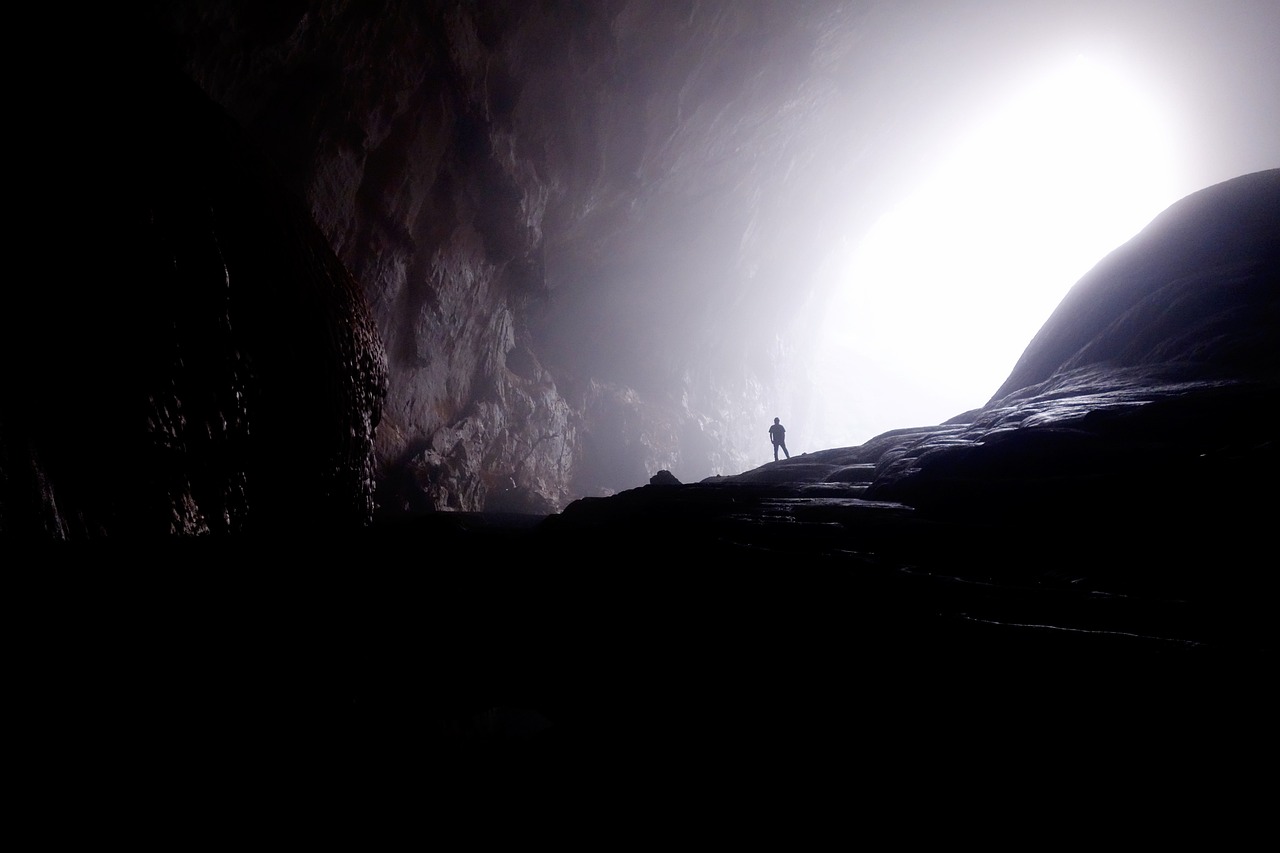
Caving and spelunking let you see a part of the world most people never experience. If you’re new to underground exploration, choosing the right destination makes the difference between a trip you love and one that feels overwhelming or unsafe. This article covers the best caving destinations worldwide for beginners, the gear you’ll need, how to prepare, and what to avoid. It’s a practical, no-nonsense guide to planning your first few trips.

What Makes a Great Caving Destination for Beginners?
Not every cave is suitable for a first-timer. The best beginner destinations share a few key characteristics.
- Guided tours available: An experienced guide keeps you safe, teaches you the basics, and points out interesting formations you’d miss on your own.
- Well-lit passages: Good lighting reduces anxiety and lets you focus on the cave itself rather than worrying about where to step.
- Varied formations: Stalactites, stalagmites, flowstones, and other features make the experience rewarding.
- Nearby accommodations: A destination with hotels or lodges within a short drive makes planning much easier.
- Clear difficulty rating: Reputable operators will tell you if their cave requires crawling, climbing, or long hikes.
Choosing a cave that fits these criteria means you can focus on enjoying the experience instead of worrying about logistics or safety. Skip the caves that require technical gear or previous experience until you’ve done a few guided trips first.
Top 5 Best Caving Destinations Worldwide
The following caves are some of the best caving destinations worldwide for new explorers. Each one offers guided options, solid safety infrastructure, and features worth the trip.
Mammoth Cave, Kentucky, USA
Mammoth Cave is the world’s longest known cave system with over 400 miles of mapped passages. The National Park Service runs multiple guided tours ranging from easy 1-hour walks to longer 4-hour trips that include some stooping and climbing. The 2-hour ‘Domes and Dripstones’ tour is excellent for first-timers. The cave stays at around 54°F year-round. There are plenty of hotels and campgrounds near the park entrance. Travelers who want to be comfortable on the way can consider a good pair of hiking boots for the uneven terrain.
Postojna Cave, Slovenia
Postojna Cave is one of the most accessible caves in Europe. A small electric train takes you 2.5 miles into the cave, and the rest is a well-lit walking route. Tours last 90 minutes. The cave features massive chambers, impressive stalagmite formations, and the famous ‘human fish’ (olm). The nearby town of Postojna has good lodging and restaurants. This cave is ideal if you want a guided, low-exertion experience.
Waitomo Caves, New Zealand
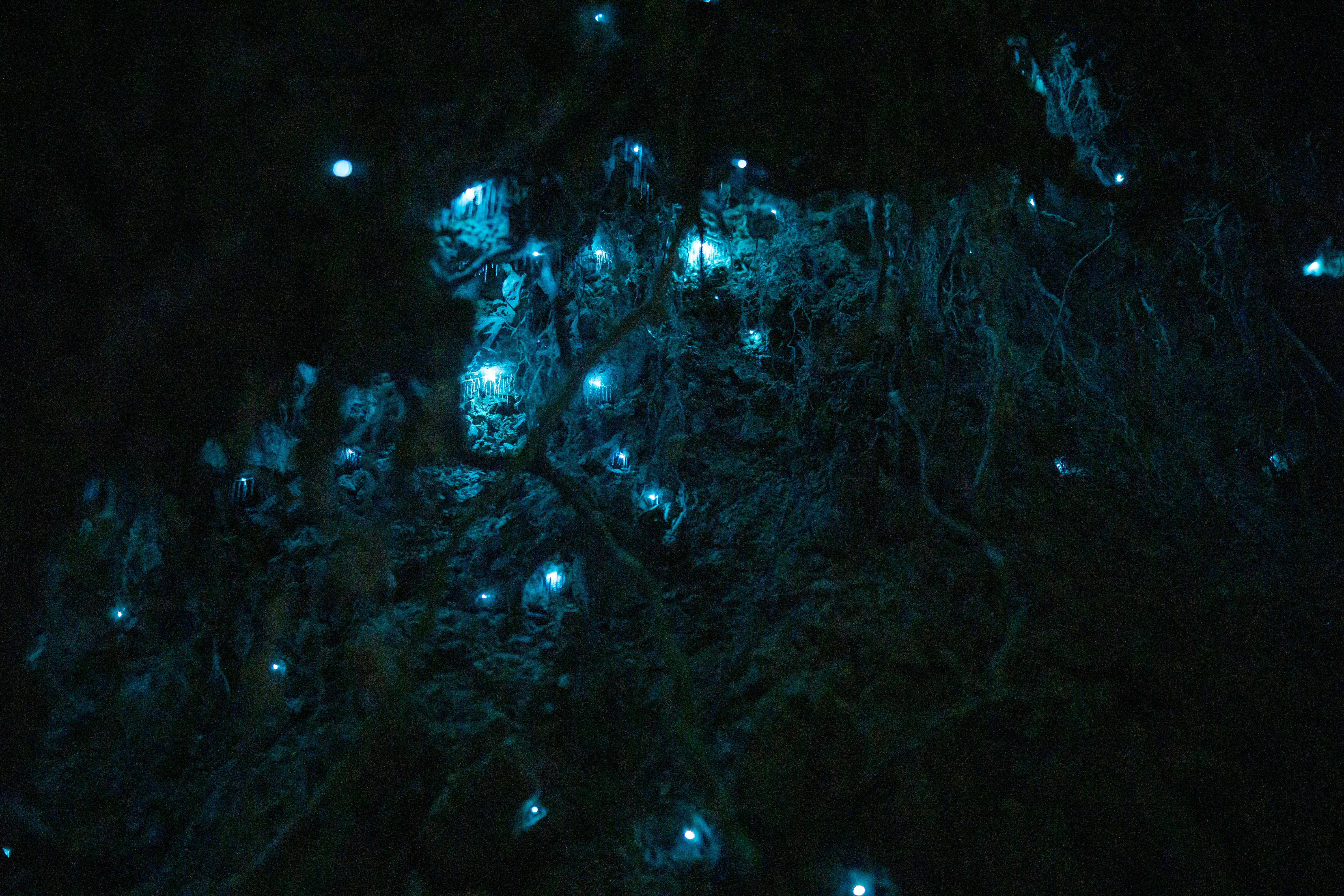
Waitomo is famous for its glowworms, which turn the cave ceiling into a starry sky display. The standard 45-minute boat tour is easy and suitable for all ages and fitness levels. For something a bit more active, the ‘Black Labyrinth’ tour includes floating through dark passages on an inner tube. Either way, you need to book in advance as tours sell out regularly during peak season. If you are dealing with a long wait, having a reliable rechargeable headlamp can help pass the time reading or exploring around town.
Carlsbad Caverns, New Mexico, USA
The Big Room at Carlsbad Caverns is one of the largest underground chambers in North America. You can walk in through the natural entrance (steep, takes 30 minutes) or take an elevator directly down. The self-guided route around the Big Room is paved, well-lit, and takes about an hour. Rangers give talks every hour. The cave is a consistent 56°F. Book ahead if you want to do a ranger-guided tour into some of the undeveloped passages.
Hang Son Doong, Vietnam (Aspirational)
Son Doong is the world’s largest cave by volume. It’s massive enough to have its own weather system. Tours are guided, but they require decent fitness, cost around $3,000, and need to be booked about six months in advance. This cave is not for your first trip. But if you pick up the hobby and enjoy it, Son Doong gives you something to work toward. For now, treat it as a bucket-list goal.

Caving vs Spelunking: What’s the Difference and Why It Matters
‘Caving’ and ‘spelunking’ get used interchangeably, but they describe different levels of involvement. Caving generally refers to recreational cave exploration, often with a guide, on established trails or well-maintained cave systems. Spelunking is more technical—it involves off-trail travel, crawling through tight spaces, rappelling, and sometimes navigating without fixed lighting.
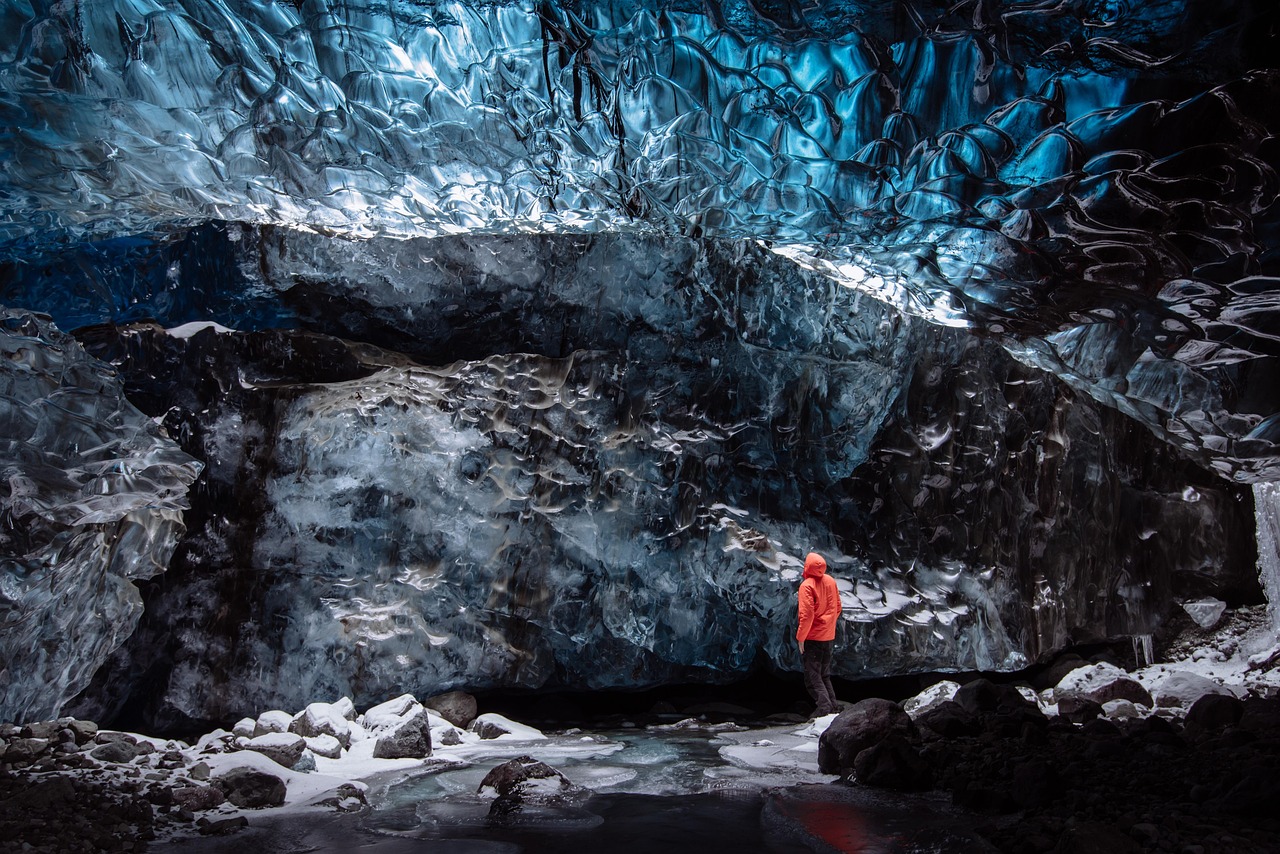
This article focuses on beginner-friendly caving destinations. The information applies to early-stage spelunking as well, but if you sign up for a ‘spelunking’ tour, expect more physical demands and less infrastructure. Always confirm the difficulty level with the tour operator before you book. Biting off more than you can handle underground is not a mistake you want to make.
Essential Gear for Your First Cave Trip
Most guided tours provide a helmet and light, but having your own gear is better. Here’s what you need.
- Helmet: A climbing or caving-specific helmet protects your head from low ceilings. The Black Diamond Half Dome is a solid choice.
- Headlamp: Hands-free lighting is essential. The Petzl Actik Core is bright, rechargeable, and reliable.
- Backup light: Never rely on a single source. A small Black Diamond Spot 400 serves as a backup.
- Gloves: Mechanix-style gloves protect your hands from sharp rocks and wet surfaces. A simple way to reduce scrapes is to pack a pair of caving gloves.
- Sturdy boots: Caves are slippery. Hiking boots with good tread are best. Avoid sneakers.
- Knee pads: If your tour involves any crawling, knee pads prevent bruises and scrapes.
- Layered clothing: Caves are typically 45-60°F. A synthetic base layer, a fleece, and a thin outer shell work well. Avoid cotton.
- Water and snacks: A small hydration bladder or 1-liter water bottle plus some trail mix.
- Small pack: A 20-liter daypack is enough to carry everything.
Quick checklist: Helmet, headlamp, backup light, gloves, boots, knee pads, layered clothing, water, snacks, small pack. Buy the gear you’ll reuse for hiking and camping to get more value from your investment.
How to Prepare: Fitness, Research, and Booking
Most beginner caves require moderate fitness—enough to walk for a couple hours and climb some stairs. You do not need to be an athlete. The bigger challenge is comfort with enclosed spaces and uneven footing. Research cave conditions before you go. Check tour difficulty ratings, recent reviews, and seasonal restrictions. Some caves close during rainy seasons or have limited winter hours.
Booking guided tours in advance is non-negotiable. Popular caves sell out weeks ahead, especially during weekends and holidays. Use platforms like Viator or GetYourGuide to compare options and secure your spot. Local tour operators often provide all necessary equipment and safety briefings, so you can show up without gear if you want. That said, having your own helmet and headlamp is still recommended for hygiene and comfort.
Common Mistakes to Avoid on Your First Caving Trip
- Wearing cotton. Cotton holds moisture and chills you fast. Once you sweat or get damp, you stay cold. Wear synthetic layers. Merino wool also works.
- Not testing headlamps beforehand. It happens more than you’d think. People show up with dead batteries or weak lights. Test all equipment a day before your trip.
- Going alone. Cavers have a rule: never go underground alone. Stick with your group even on self-guided routes.
- Overestimating ability. A cave rated ‘moderate’ might involve hours of stooping or uneven climbs. If you’re unsure, pick the easiest tour option.
- Forgetting a backup light. A primary headlamp failing in total darkness is dangerous. Bring a second light in your pack.
- Touching cave formations. Stalactites and stalagmites grow at a glacial pace. Touching them damages their surface and stops growth. Look with your eyes, not your hands.
These mistakes are easy to fix with a little planning. Avoid them and your first cave trip will be significantly more enjoyable.
Caving Destinations Compared: Guided Tours vs Self-Guided Exploration
| Feature | Guided Tour | Self-Guided |
|---|---|---|
| Safety | Guide manages risks, knows routes, carries emergency gear | You manage everything |
| Equipment | Usually included | You bring your own |
| Knowledge | Guide explains geology, history, formations | You rely on signs or research |
| Cost | $30-150 per person depending on cave | Lower to free (park fees only) |
| Flexibility | Fixed schedule | Go at your own pace |
| Best for | First-timers, safety, education | Experienced cavers, budget trips |
For most beginners, guided tours are the right choice. You get gear, knowledge, and safety all bundled in one experience. As you gain confidence, you can consider self-guided options in designated caves like parts of Mammoth Cave or Carlsbad Caverns. But don’t rush that step.
If you want a guided experience, browse options for these top caves on Viator or GetYourGuide to compare prices and availability.

Planning Your Trip: Best Times to Visit and What to Expect
Caves stay cool year-round. Most maintain a temperature between 45°F and 60°F regardless of the outside season. This makes them great summer destinations, but it also means you should dress warmly even if you’re visiting during a heatwave. Pack a jacket and pants you don’t mind getting dusty.
The best time to visit popular caves like Mammoth or Carlsbad is during the shoulder seasons—spring and fall. Summer crowds mean longer lines and sold-out tours. Winter can be fine if the cave is open, but some have reduced hours. For caves like Waitomo in New Zealand, summer (December-February) is peak tourist season, so book three months in advance.
If you need a hotel near the cave, Booking.com has good options for all major destinations. Staying close to the cave means you don’t waste travel time and can show up for your tour slot without stress.
Safety Tips for Cave Exploration
- Never go alone. Always cave with at least one other person. Solo caving is how accidents become fatalities.
- Tell someone your plan. Leave your route, expected return time, and cave location with a friend or family member above ground.
- Bring three light sources. Two is the minimum. Three gives you a real margin of safety. At least two should be headlamps.
- Stay with your group. Getting separated underground is disorienting and dangerous. Keep visual contact with others.
- Know the cave map. On self-guided routes, understand the trail layout and any side passages.
- Watch for loose rocks. Cave floors are uneven. Step carefully and use your light to scan ahead.
- Check weather conditions. Heavy rain can cause flash flooding in some cave systems. If your tour is outdoors and it’s storming, reschedule.
- Carry basic first-aid knowledge. Know how to treat minor cuts and hypothermia. A small first-aid kit in your daypack is smart.
Safety underground is mostly about preparation and common sense. The caves themselves are not inherently dangerous if you respect them and follow the rules.
Frequently Asked Questions About Caving
Is caving scary?
It can be for some people, especially if you’re not comfortable with tight spaces or darkness. Most beginner caves have well-lit passages and open chambers, which reduces anxiety. If you’re concerned, start with a short guided tour to test your comfort level.
Do I need experience?
Not for the caves listed in this article. Guided tours are designed for people with no previous caving experience. You just need to be able to follow instructions and walk for a couple hours.
What if I’m claustrophobic?
Stick to large chambers with high ceilings. Caves like Carlsbad’s Big Room or Postojna have massive open spaces. Avoid narrow crawl tunnels until you know how you react underground. And let your guide know—they can often suggest alternatives.
How long do cave tours typically last?
Beginner tours range from one to four hours. Most are in the 90-minute to two-hour range. Longer tours may include lunch breaks or require moderate hiking to reach the entrance.
Are caves safe for children?
Yes, for family-friendly caves. Many guided tours set a minimum age of 4 to 6 years. Check age requirements before booking. Kids need to be able to walk the distance and follow safety rules.
Final Tips Before You Go
Test all your gear before your trip. A headlamp that dies half an hour in isn’t just frustrating—it’s a safety issue. Charge batteries, check straps, and make sure everything works.
Book tours in advance, especially during peak season. Last-minute bookings often lead to disappointment.
Pack a change of clothes after your cave trip. You will get dirty. Dry socks and a clean shirt make the drive back much more pleasant.
Take a camera. Most caves allow photography, but you’ll need one with good low-light capability. A phone with night mode can work if you’re careful. Avoid flash near formations or glowworms.
And most importantly, pick a destination that matches your experience level. The five caves I covered are some of the best caving destinations worldwide for a first trip. Don’t skip to advanced routes or off-trail exploration until you’ve logged a few guided outings. The underground world rewards patience and preparation.
Check out the top destinations above and book your guided tour today. Your first cave is waiting.