Costa Rica Adventure Travel Guide: Planning an Epic Trip
Introduction
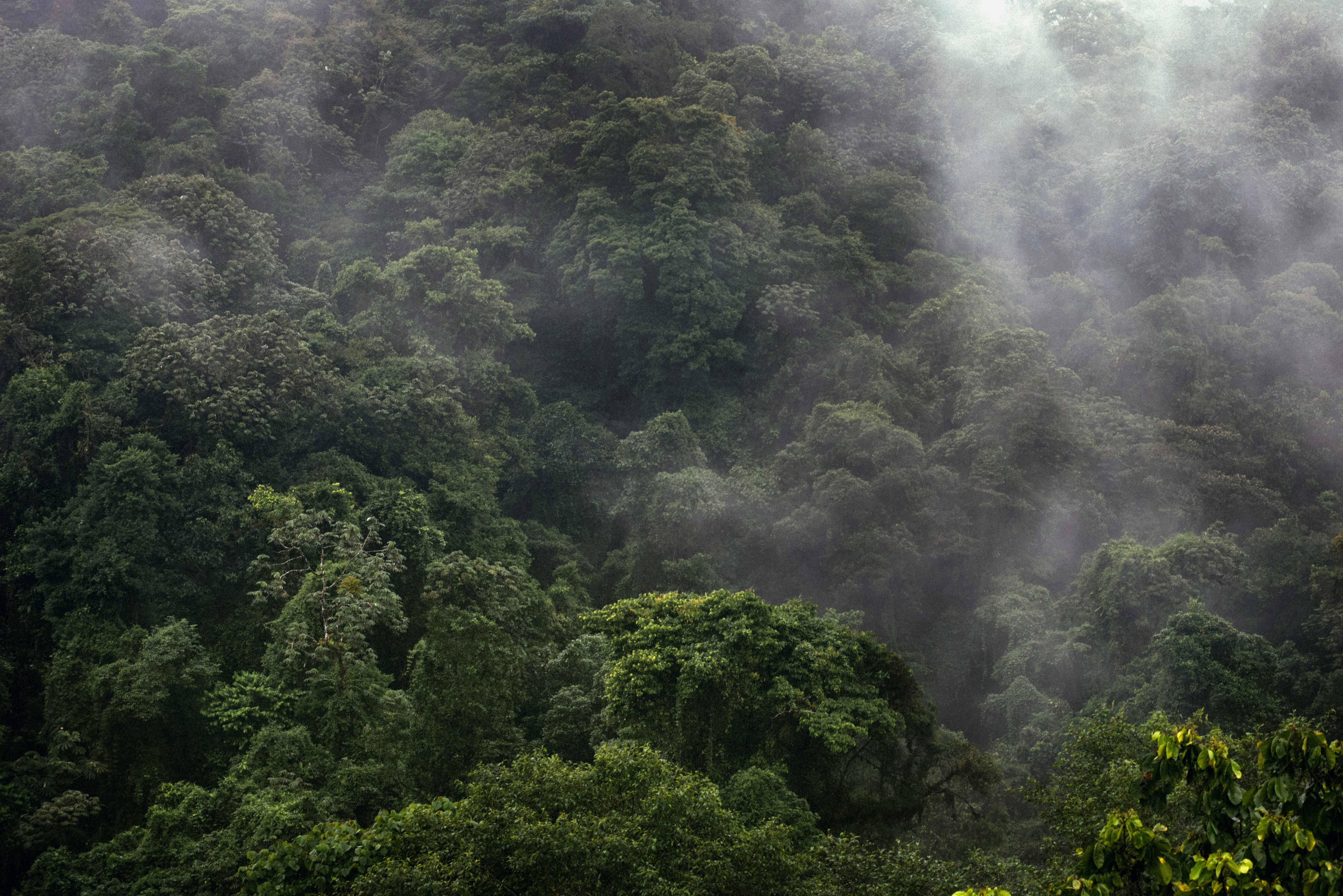
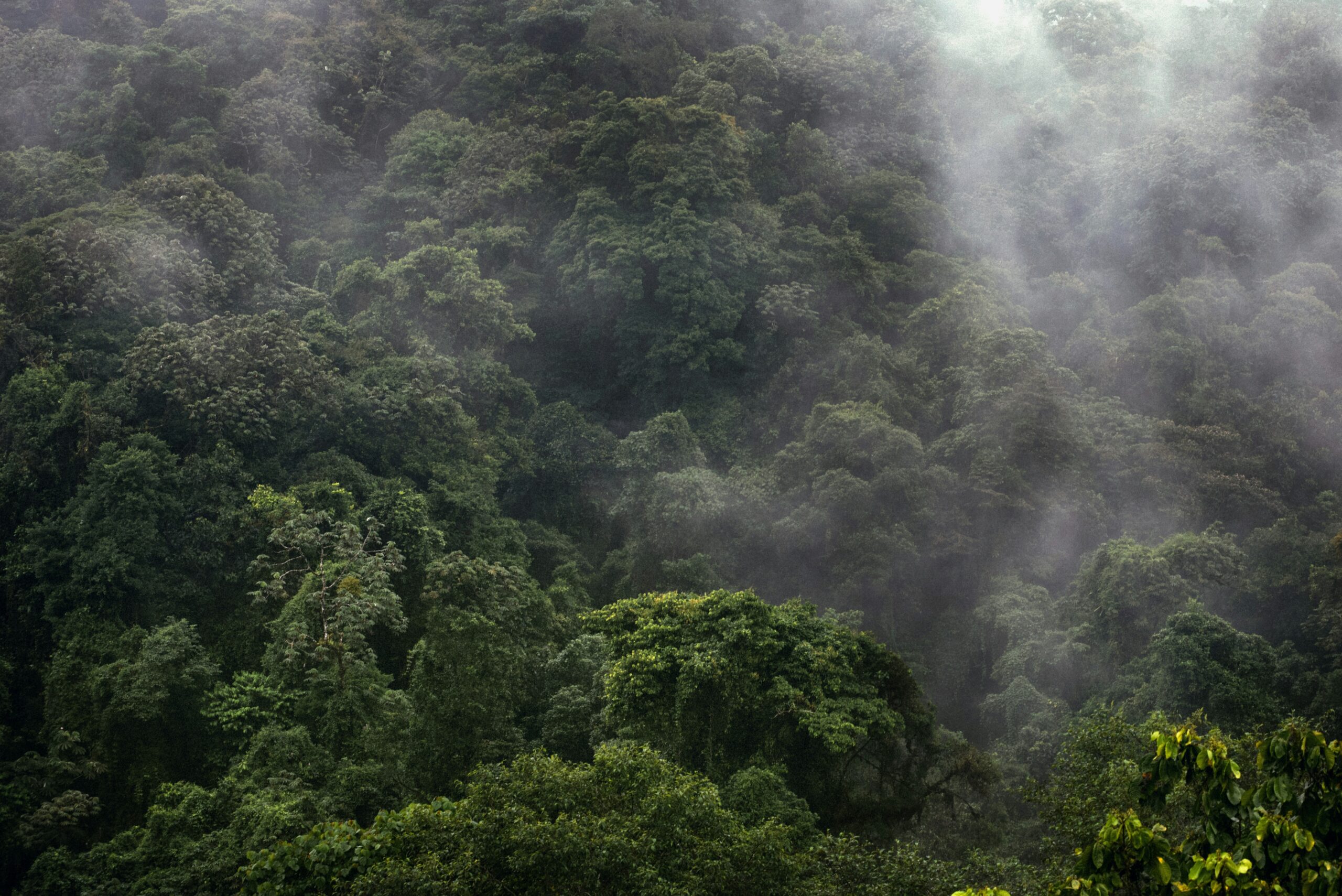
Costa Rica is one of those places that keeps popping up on adventure travelers’ lists, and for good reason. It’s a small country—smaller than Lake Michigan—but packed with active volcanoes, cloud forests, two coastlines, and rivers that move fast enough to keep serious rafters happy. Planning a trip isn’t as simple as booking a flight and showing up. You have to make real choices about timing, logistics, and where to base yourself. This costa rica adventure travel guide is for first-timers and experienced travelers who want to get it right the first time. I’ve been through the mud, sat in traffic on dirt roads, and slipped my way down rainy hiking trails. This guide covers the logistics, tradeoffs, and practical advice you actually need to plan a trip that works.

Is Costa Rica Right for Your Adventure Style?
Costa Rica covers a lot of adventure bases, but it’s not for everyone. If you’re after extreme altitude trekking or multi-day expeditions into true wilderness, you’re better off in Patagonia or the Himalayas. What Costa Rica does well is accessible adventure with variety. You can zip-line through cloud cover in the morning, soak in volcanic hot springs by noon, and be on a surfboard by late afternoon.
Here’s how the main adventure types stack up:
- Zip-lining and canopy tours: Best in Monteverde and Arenal. Easy for beginners.
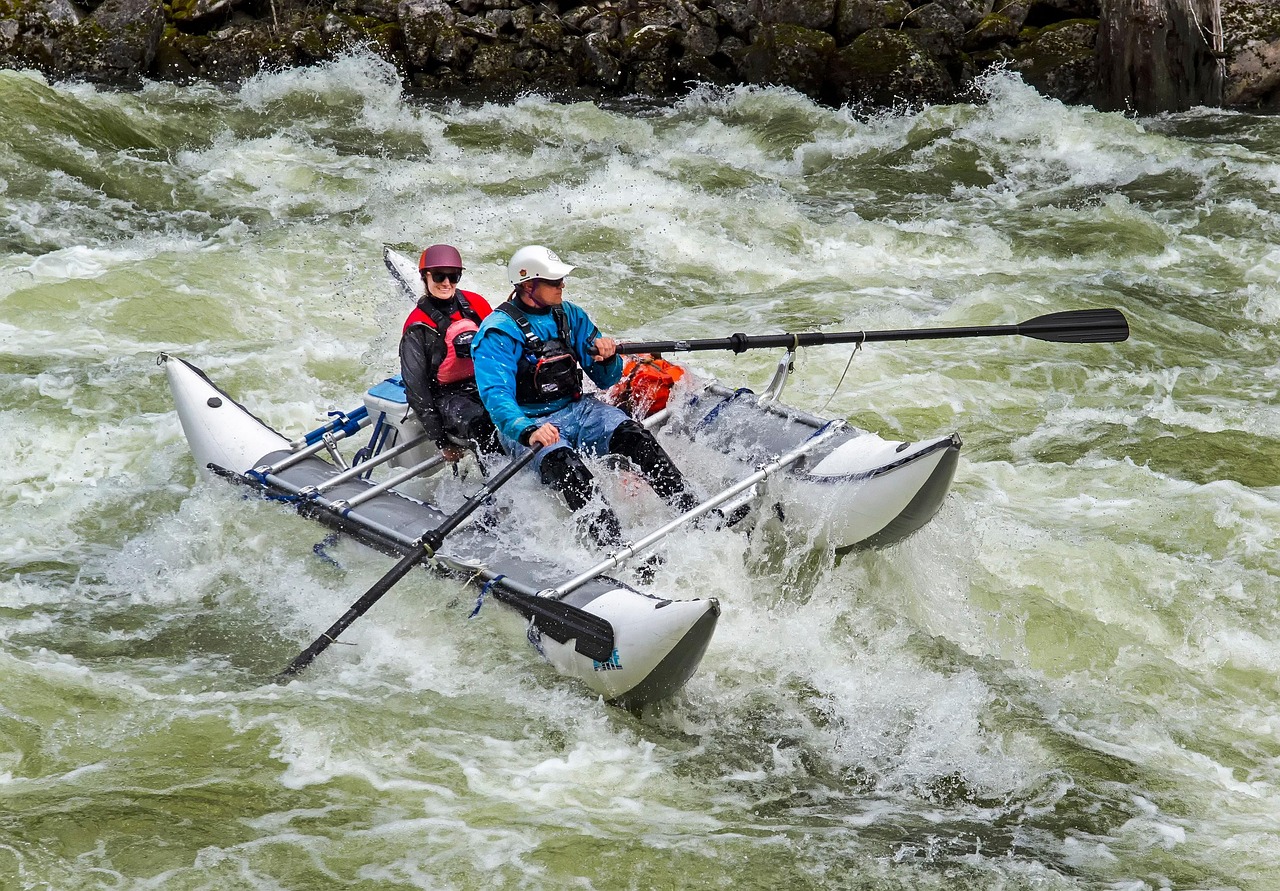
- Whitewater rafting: Pacuare River is world-class. Class III-IV rapids. Serious fun.
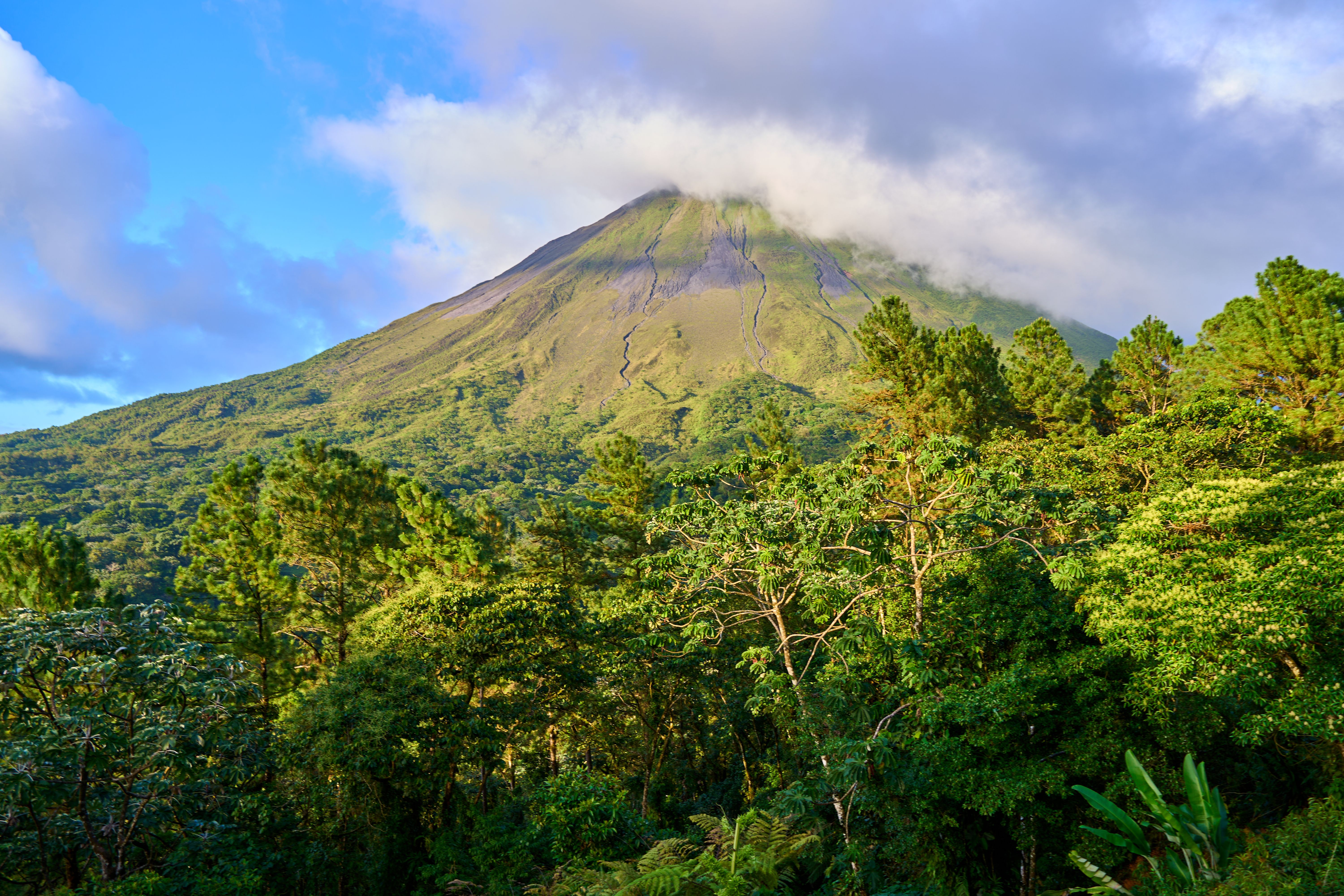
- Volcano hiking: Arenal is a steady incline. Rincon de la Vieja is more rugged. Not mountaineering.
- Wildlife tours: Manuel Antonio and Corcovado are top-tier. Active walking, not extreme.
- Surfing: Tamarindo, Nosara, and Pavones offer everything from beginner waves to advanced breaks.
Crowds are real during peak season (December through April). Trails and popular tours get busy. If you prefer solitude, green season (May through November) is quieter but comes with rain. Difficulty levels are generally beginner to intermediate. If you’re looking for technical climbing or extreme backcountry, keep looking.
When to Go: Balancing Weather, Crowds, and Prices
Your timing affects everything: what you can do, how much you’ll pay, and how many people you’ll share the trail with.
Dry season (December to April) is the most popular time. The weather is more predictable, especially on the Pacific side. Trails are dry, rivers are lower but still raftable, and wildlife spotting is solid. The downsides are higher prices and larger crowds. If you’re visiting during this window, book popular activities like whitewater rafting or hanging bridges at least a few weeks ahead.
Green season (May to November) has a bad reputation it doesn’t fully deserve. Rain usually comes in short afternoon bursts, not all-day downpours. Mornings are often clear. The benefit is greener landscapes, fewer tourists, and lower prices. Surfing is better during this time because the swell picks up. The tradeoff is that some roads get trickier, and you’ll want a good rain jacket for afternoon hikes. A packable rain jacket is easy to stow for those sudden afternoon downpours.
Shoulder months (May and November) are a sweet spot. Weather is decent, crowds are thinner, and prices sit somewhere in the middle.
Getting Around: Rental Cars, Shuttles, or Domestic Flights?
This is where many travelers get tripped up. Costa Rica’s roads are not like highways in the US or Europe. Distances are short on the map but slow on the ground.
Rental cars give you the most freedom, but you need a 4×4 if you plan to visit the Nicoya Peninsula, remote parts of the Osa Peninsula, or any volcano region outside Arenal. Driving conditions include potholes, river crossings, and the occasional livestock traffic jam. Insurance requirements are strict: you’ll need a Costa Rican liability policy that most rental companies sell at the counter. Expect to pay $50-80 per day for a decent SUV. It’s worth it if you want flexibility.
Shared shuttles are a middle-ground. Companies like RideCR and Interbus operate door-to-door service between popular destinations. Cost is around $50-75 per person per leg. It’s less stressful than driving but ties you to a schedule.
Domestic flights with Sansa or Green Airways save serious time for long hauls. Flying from San Jose to Tamarindo or to Puerto Jimenez takes about an hour instead of a half-day drive. Tickets run $80-150 one-way. If your itinerary is tight, this is the smart play.

Top Adventure Activities: What’s Worth Your Time and Money
Not every activity is as good as the brochures make it sound. Here’s the breakdown of what’s genuinely worth doing and who should skip it.
Whitewater Rafting on the Pacuare River
This is a must-do for anyone comfortable on the water. The Pacuare runs through a gorge with waterfalls and jungle on both sides. Most trips are full-day, covering Class III and IV rapids. Cost is around $90-120 per person including lunch, transport, and gear. Best for confident swimmers and first-time rafters with some fitness. Avoid if you’re prone to back injuries or hate getting soaked.
Hanging Bridges in Monteverde
Walking across suspension bridges above the cloud forest canopy gives you a perspective you can’t get from the ground. Difficulty is easy. Duration is about 2 hours. Cost is $30-40. Bring binoculars for birdwatching. A compact pair that packs easily is ideal for this kind of outing. Compact binoculars make a big difference when spotting toucans and howler monkeys. Skip if you have serious vertigo or prefer ground-level hiking.
Volcano Hiking at Arenal
The main Arenal trail is a steady 2-hour loop over old lava flows. Easy to moderate. Cost is about $15 park entry. You can combine it with a visit to the hot springs or the hanging bridges nearby. Worth doing if you’re in La Fortuna. Not worth going out of your way for if you’ve already hiked active volcanoes elsewhere.
River Tubing on the Tenorio River
Expect bumpy, fun Class II rapids through jungle scenery. Duration is around 2 hours on the water. Cost is $40-60. Great for families and groups who want something milder than rafting. Bring a waterproof phone pouch and secure footwear. A dry bag is also a smart way to keep valuables safe during water activities. Waterproof phone pouches are worth every dollar for river activities like this. Skip if you want adrenaline or a workout.
Surfing at Tamarindo or Nosara
Tamarindo has consistent beach breaks perfect for beginners. Nosara has longer point breaks suitable for intermediate surfers. Lesson and board rental cost around $40-60 for 2 hours. Best during green season when the swell is bigger. Avoid if you’re a cold-water surfer—the water here is bathwater warm.
Where to Stay: Basing Yourself for Adventure
Your base determines what you can do without burning hours in transit. Here are the four main hubs:
Arenal/La Fortuna is the adventure capital. Volcano hikes, hot springs, rafting on the Pacuare, and hanging bridges are all within 30-45 minutes. Lodging ranges from backpacker hostels ($30/night) to luxury eco-lodges ($200+). Mid-range hotels with hot springs run about $100-150.
Monteverde is all about cloud forest canopy tours and wildlife walks. Accommodation is smaller and more boutique. Budget hostels are $25-40. Mid-range hotels run $80-120. Book ahead in dry season.
Manuel Antonio/Uvita is the coastal choice with beaches and wildlife. Lodging near the park is expensive. Stay in Uvita for a quieter, cheaper base. Budget hotels are $40-60. Mid-range is $100-150.
Osa Peninsula is remote and requires planning. Eco-lodges start at $100 and go up from there. This is for serious wildlife enthusiasts and those willing to trade comfort for immersion.
Sample Adventure Itineraries: 5, 7, and 10 Days
These itineraries include travel time and buffer for weather. Adjust based on your pace.
5-Day Itinerary: Arenal and Monteverde
- Day 1: Fly into San Jose, drive or shuttle to La Fortuna (3 hours).
- Day 2: Arenal volcano hike in the morning, hot springs in the afternoon.
- Day 3: Whitewater rafting on the Pacuare (full day).
- Day 4: Drive to Monteverde (3 hours). Hanging bridges and zip-lining.
- Day 5: Return to San Jose for departure.
7-Day Itinerary: Adds Manuel Antonio
- Days 1-3: Same as 5-day.
- Day 4: Drive to Monteverde, canopy tour.
- Day 5: Drive to Manuel Antonio (3 hours). Beach time and wildlife walk.
- Day 6: Guided national park tour or surf lesson.
- Day 7: Drive back to San Jose.
10-Day Itinerary: Includes Osa Peninsula
- Days 1-4: Arenal and Monteverde.
- Day 5: Fly from San Jose to Puerto Jimenez. Transfer to Osa eco-lodge.
- Days 6-8: Guided jungle walks, night hikes, Corcovado day trip.
- Day 9: Return to San Jose.
- Day 10: Depart.
Budgeting for Your Adventure: What Things Really Cost
Running out of money mid-trip is a common mistake. Here are real prices:
- Park entrance fees: $15-25 per person
- Guided tours (rafting, canyoning): $60-120 per person
- Meals: $5 for a soda (local diner), $15-25 for a sit-down restaurant
- Lodging: $30-50 budget, $80-150 mid-range, $200+ luxury
- Tours with transport: $80-150
Daily budget estimate for a mid-range traveler: $120-180 per person including activities, meals, and lodging. Budget travelers can do $60-100. Luxury travelers will spend $250+. Hidden costs include ATM fees (withdraw in San Jose), tips for guides (10-15%), and park parking fees.
What to Pack for a Costa Rica Adventure
Packing wrong means either carrying too much or being miserable. Here’s what works:
- Quick-dry towel: You’ll use it after hot springs, rivers, and rain. A regular towel stays wet for days.
- Waterproof phone pouch: Worth every dollar for river activities and taking calls in the rain.
- Trail sandals (like Chacos or Bedrocks): Better than hiking boots for most dry-season hiking. Boots are overkill unless you plan serious backcountry.
- Rain jacket: A lightweight shell that packs small. You will need it even in dry season.
- Reusable water bottle: Tap water isn’t safe in most places, but many hotels and eco-lodges have refill stations.
Leave behind: jeans (too heavy when wet), bulky electronics (you’re not going to use them), and heavy hiking boots unless you know you need them.
Common Mistakes First-Time Adventure Travelers Make
I’ve made most of these, and I’ve seen others make them too. Skip them.
- Underestimating drive times: That 3-hour drive is rarely 3 hours. Plan for 4 with stops and road conditions.
- Not booking popular tours in advance: Whitewater rafting on the Pacuare and sloth sanctuary tours in Manuel Antonio sell out in dry season. Book at least 3-4 weeks out.
- Skipping travel insurance: A twisted ankle in a remote area means a helicopter evacuation. Not cheap without coverage.
- Packing too much: You’ll buy T-shirts and shorts there. Bring half of what you think you need.
- Ignoring the ‘no’ at river crossings: If the sign says no crossing when raining, believe it. Flash floods happen fast.
- Thinking dry season means no rain: It’s less rain, not zero rain. Always carry the jacket.

Health, Safety, and Practical Logistics
Water safety is straightforward: stick to bottled or filtered water. Tap water in most hotels is treated, but your gut might not like it. I always tell travelers to bring a reusable bottle and fill it at the hotel or eco-lodge filtered station.
Insects are real. Use repellent with at least 30% DEET, especially in the jungle and during dusk hours. Sunscreen is necessary even in cloud forest—you’re closer to the equator than you think. Altitude isn’t a big deal here, but Poás Volcano is over 8,000 feet. If you have breathing issues, take it slow.
Travel insurance is non-negotiable if you plan rapids, hiking, or surfing. A basic policy that covers medical evacuation and trip interruption runs $40-60. It’s cheap peace of mind for activities with real risk.
Local emergency numbers: 911 works throughout the country. For road assistance, the Red Cross (1322) is your best bet.
Final Tips for a Smooth Costa Rica Adventure
Here are a few less-obvious tips that make a real difference:
- Download offline maps. Cell service is spotty in mountains and coastal areas. Google Maps offline mode or Maps.me will save you.
- Check road conditions on Facebook groups. Groups like ‘Costa Rica Travel’ and ‘Arenal Expats’ have recent reports on closures and conditions.
- Carry small bills for tolls and roadside stops. Tolls are $1-2 and many vendors don’t have change for larger bills.
- Know that ‘Pura Vida’ means flexible timelines. Tours will start 15-20 minutes late. Buses may wait. Roll with it.
If you found this guide useful and you’re ready to lock in your adventure, check out the tour packages and gear recommendations on our booking page. Everything there is vetted by someone who has actually done it. That’s the whole point.