New Zealand Adventure: North vs South Island – Which Is Right for You?
“`html
Introduction
Picking between New Zealand’s North and South Islands for an adventure trip isn’t just about the destination—it’s about which kind of playground suits your style. After spending months on both islands, I can tell you the new zealand north vs south island adventure question runs deeper than scenery. The North Island brings volcanic thrills and cultural depth, while the South Island delivers raw alpine intensity. Your budget, how you handle weather, and the type of adventure you’re after will point you toward one over the other. This guide lays out the practical differences so you can make the right call.

A Quick Look: The Key Differences Between the Islands
For adventure travelers, the two islands offer distinct experiences. Here’s the high-level breakdown:
- Terrain: North Island is volcanic with geothermal hotspots and rolling farmland; South Island is alpine with glaciers, fjords, and rugged coastlines.
- Weather: North Island is warmer and more stable year-round; South Island is cooler, windier, and far more variable, especially in winter.
- Signature Adventures: North Island features black water rafting in Waitomo, zorbing in Rotorua, and the Tongariro Alpine Crossing. South Island is known for bungy jumping in Queenstown, heli-hikes on Franz Josef Glacier, and kayaking in Milford Sound.
- Vibe: The North Island feels more built-up with easier access to amenities; the South Island is sparser, wilder, and demands more self-sufficiency.
That contrast sets the stage for deeper decisions. Let’s dig into each island’s offerings.
North Island Adventures: Geothermal Thrills and Maori Culture
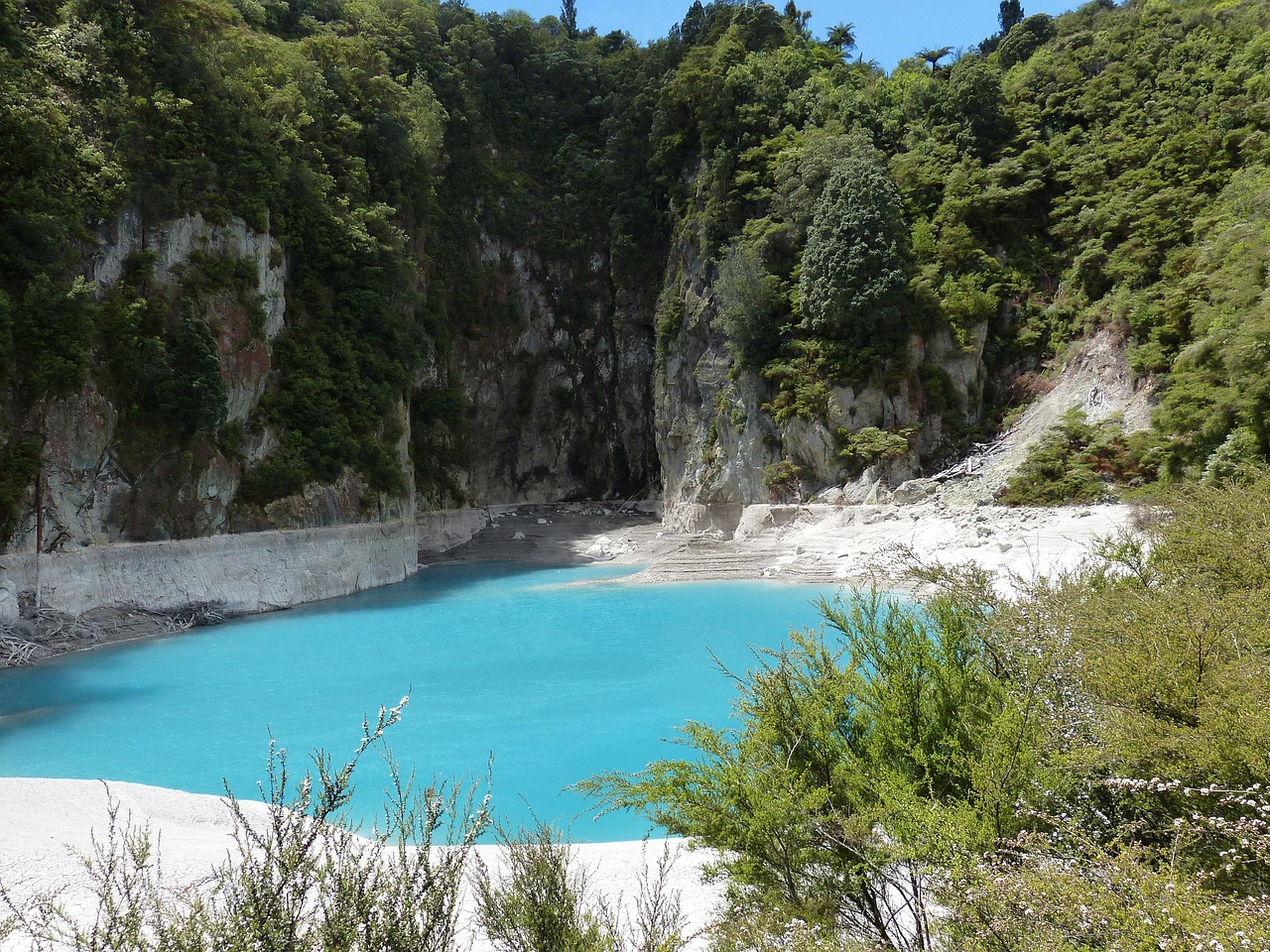
The North Island packs a surprising range of adventure into a compact area. Rotorua alone is a hub for high-energy activities: whitewater rafting on the Kaituna River, zorbing down hills in giant inflatable balls, and mountain biking through redwood forests. The water here is warm, thanks to geothermal activity, making it comfortable year-round. Book rafting trips at least a week in advance during summer (December–February). Expect to pay around $130–180 NZD per person for a half-day trip.
Taupo is another adrenaline hotspot, offering bungy jumping from a platform over the Waikato River and skydiving over the lake. The bungy cost is about $170 NZD, comparable to Queenstown but with less waiting. Skydiving starts at $249 NZD for 12,000 feet. Gear rental—like dry bags for rafting or helmets for biking—is widely available, but travelers who prefer their own gear might want to bring a quality waterproof jacket to avoid rental fees that add up.
The Tongariro Alpine Crossing is a must-do hike, but skip it in winter (June–August) without a guide. The track gets icy and dangerous, and rescue operations are costly. In summer, it’s a stunning 19.4 km trek past emerald lakes and volcanic craters. Start early to avoid crowds and afternoon winds.
Waitomo’s black water rafting is unique to the North Island. You’ll float through glowworm-lit caves on inner tubes. This is a half-day commitment, costing around $150–200 NZD. A headlamp is essential; most operators provide it, but a backup is smart.
Avoid this if: You’re claustrophobic or have bad knees—caves involve some awkward crawling and wading through cold water.
South Island Adventures: Alpine Playground and Wild Rivers
The South Island is where adventure goes big. Queenstown is the obvious epicenter, with bungy jumping (starting at $205 NZD), jetboats ($139 NZD), and skydiving ($299 NZD for 12,000 feet). The mountains here are taller, the rivers faster, and the weather more temperamental. Summer is the prime window for most activities—December to February offers the longest days and best visibility for heli-hikes.
Wanaka, just an hour from Queenstown, offers canyoning in the Matukituki Valley and hiking Roy’s Peak. Canyoning trips run about $200 NZD, and the drive between the two towns is stunning but slow. Do not underestimate these driving times; the road is winding and often shared with tour buses. Glacier country—Franz Josef and Fox—requires at least a 4–5 hour drive from Queenstown. A heli-hike on the glacier starts at $429 NZD, which is steep but unforgettable. Booking a month in advance is essential during peak season.
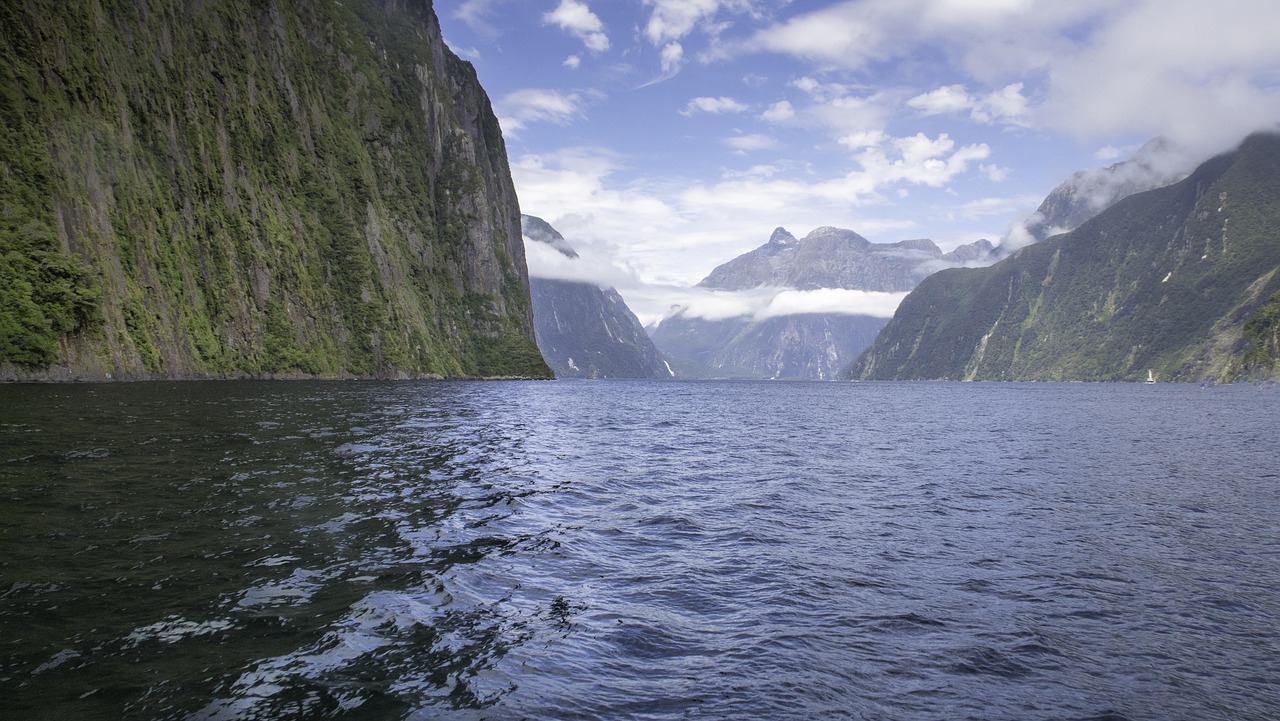
Milford Sound kayaking is a highlight but fickle. It rains heavily here—200 days a year—so be flexible with your schedule. A half-day kayak tour costs $150–200 NZD. For such wet conditions, a fully waterproof jacket is worth bringing; the spray from waterfalls and rain can soak through cheaper gear.
Common mistake: Visitors often try to squeeze Queenstown, Wanaka, and the glaciers into a few days without accounting for driving. Plan at least two full days for Queenstown, one for Wanaka, and one for the glacier town.

Adventure Style: Which Island Suits Your Travel Personality?
Your adventure style dictates the island choice. Here’s the quick guide:
- Adrenaline junkies: South Island wins hands down for bungy, skydiving, jetboats, and heli-hikes. Queenstown is the world capital for this.
- Hikers and nature lovers: Both islands offer world-class trails, but the South Island has more remote, multi-day treks like the Routeburn Track. The North Island has the Tongariro Crossing, which is easier to access and complete in a day.
- Water sports enthusiasts: North Island has better surfing (Raglan, Piha) and ocean kayaking (Bay of Islands). South Island excels in lake and fjord kayaking (Milford, Wanaka).
- Family-friendly adventurers: The North Island is easier due to more infrastructure, shorter drives, and better weather reliability.
Logistics: Getting Around and Weather Considerations
Driving is the most flexible way to explore both islands. On the North Island, roads are generally well-maintained and less challenging. The South Island requires more caution—one-lane bridges, gravel roads, and mountain passes are common. A standard 2WD car works for most North Island trips, but for South Island glacier country or off-road trails near Queenstown, rent a 4WD or at least a high-clearance vehicle.
The ferry between Wellington and Picton is a bottleneck. Book it at least two months in advance during summer; otherwise, you’ll face limited availability and higher last-minute fares. The crossing takes 3–3.5 hours, and weather can cancel it, so build in a buffer day if you’re doing a combined itinerary.
Weather patterns are critical. The North Island is milder but can still get cold in winter (July–August). The South Island has more extreme variation: snow can close mountain passes in spring and autumn. During shoulder seasons (October–November, March–April), expect rain in Milford Sound and frosty mornings in Queenstown. Pack layered clothing, a waterproof outer shell, and thermal base layers.
Mistake to avoid: Assuming the South Island’s weather will be similar to the North Island. I once drove into a snowstorm in early November on the Crown Range Road near Queenstown—always check the forecast and road conditions before heading out.
Cost Comparison: Adventure Budget on Each Island
Adventure travel in New Zealand isn’t cheap, but costs vary by island. A moderate trip (one or two paid activities per day, mid-range accommodation, self-catered meals) runs about $200–400 NZD per day per person on the North Island. The South Island is roughly 10–15% higher due to longer distances, pricier fuel, and more expensive activity permits.
Specific activity costs help: bungy jumping in Taupo costs around $170 NZD compared to $205 NZD in Queenstown. A heli-hike in the South Island starts at $429 NZD, while black water rafting in Waitomo is $150–200 NZD. Accommodation follows a similar pattern—motels and hostels in Rotorua are often cheaper than their equivalents in Queenstown. Fuel is more expensive in remote South Island regions, so budget extra.
Warning: Many travelers underestimate South Island fuel costs by $50–100 NZD per day, especially on long drives like Queenstown to Franz Josef or down to Milford Sound.
The Best of Both Worlds: Itineraries That Combine Islands
If you can’t choose, combining both islands works, but you need a smart plan. Here are two options:
Adrenaline Rush (10 days): Spend 3 days on the North Island (Rotorua for rafting, Waitomo for black water rafting), then fly from Auckland to Queenstown. Use the remaining 7 days for bungy, skydiving, jetboating, and a heli-hike on Franz Josef Glacier. This minimizes driving but costs more due to the flight.
Balanced Explorer (10 days): Spend 5 days on each island. Start in Wellington, take the ferry to Picton, and drive down to Kaikoura (whale watching) and Queenstown. On the North Island, hit Rotorua, Tongariro, and Taupo. This route involves more driving—3–4 hours per day—but it’s sustainable.
Warning: Packing too much into one trip leads to exhaustion and missed activities. If you have less than 7 days, stick to one island. With 14 days, you can comfortably see both without burning out.
Common Mistakes Adventure Travelers Make
Here are the pitfalls I’ve seen—and made—on both islands:
- Assuming the South Island is always better. The North Island has geothermal adventures (black water rafting, zorbing) that you can’t find in the South. Don’t overlook it.
- Underestimating driving times. The South Island’s distances are deceptive. Queenstown to Milford Sound is 4 hours of winding roads; the glacier drive is similar. Add 30% to Google Maps estimates for rest stops and traffic.
- Not booking iconic activities in advance. Tongariro Crossing and heli-hikes sell out weeks ahead. Book at least two weeks out for key summer dates.
- Neglecting gear. Cheap waterproof jackets leak. Sandflies in the South Island are relentless without repellent. A quality insect repellent makes a big difference. Invest in good gear before you arrive.
Essential Gear for Both Islands
Packing right makes or breaks an adventure trip. Here’s what I always carry:
- Layered clothing: Thermal base layer, fleece mid-layer, and a waterproof jacket. The Columbia Watertight II jacket is a solid choice for both islands.
- Sturdy hiking boots: Merrell Moab boots handle the Tongariro rocks and South Island trails well. Break them in before the trip.
- Dry bags: Essential for rafting, kayaking, and glacier trips. Sea to Summit dry bags are reliable and come in various sizes.
- Sunscreen and insect repellent: The UV is intense even on cloudy days. Sandflies in the South Island require DEET-based repellent like Natrapel.
- Glacier gear: If you’re heli-hiking, bring crampons (most operators provide them, but having your own for safety is wise) and a warm beanie.
Quality matters more than quantity. Cheap gear fails in rough conditions—I’ve seen rain jackets soak through on a single day’s hike. Investing in proven brands found through a hiking gear search can save you trouble.

Final Verdict: Which Island Wins for Your Adventure Trip?
Here’s the decision framework:
Choose the North Island if: You have a moderate budget (under $300 NZD per day), want warmer weather, prefer shorter driving distances, and are interested in unique activities like black water rafting or geothermal experiences. It’s also better for families and first-time adventurers.
Choose the South Island if: You crave big alpine scenery, extreme adrenaline, and are willing to pay more for activities and fuel. You need a flexible schedule to accommodate variable weather, and you’re comfortable with long drives on winding roads.
If I had to pick one for a pure adventure trip, I’d go South for raw, world-class intensity. But the North Island offers variety and ease. Either way, book your trip now—slots fill fast, especially for heli-hikes and the Tongariro Crossing. Pack smart, plan for weather, and get ready for an unforgettable adventure.
“`