Komodo Island Diving and Travel Guide: Everything You Need to Know for an Indonesia Adventure
Why Visit Komodo Island? Diving and Dragons in One Trip
Komodo Island is one of those places where two completely different bucket-list experiences sit right next to each other. You get world-class diving in some of the most nutrient-rich waters on the planet, and you can walk within meters of the world’s largest lizard. Not many destinations offer that kind of variety in a single trip.

The whole area falls within Komodo National Park, a UNESCO World Heritage site that protects both the dragons and the marine ecosystem. The biodiversity here is serious. Mantas, reef sharks, turtles, pygmy seahorses, and healthy coral reefs are the norm, not the exception. Above the water, the dragons roam wild on several islands, with Rinca and Komodo being the two main spots to see them.
That said, Komodo is not a luxury resort destination. Labuan Bajo, the main gateway, is a working town that has grown quickly in recent years but still lacks the polish of Bali or Thailand. Expect basic infrastructure, limited ATMs, and a lot of dusty roads. The payoff is access to one of the best diving ecosystems in Southeast Asia and a wildlife encounter that truly feels wild. The best time to pull this off is between April and October, when the seas are calm and the weather cooperates.
Getting to Komodo Island: Flights, Ferries, and Gateways
Labuan Bajo on Flores Island is the primary entry point for anyone visiting Komodo National Park. Komodo Airport (LBJ) receives direct flights from Bali (Denpasar) and a few flights from Jakarta and Surabaya. The flight from Bali takes about an hour and a half. Domestic carriers like Wings Air, Batik Air, and Lion Air operate these routes. Prices vary wildly depending on season and how far ahead you book. Expect to pay anywhere from 600,000 to 1,800,000 IDR one-way.
The overland route via Sumbawa is an option for the budget-conscious or those with extra time. You can take a ferry from Bali to Lombok, then bus and ferry across Sumbawa to Flores. This takes two to three days and is not a comfortable journey. I only recommend it if you have more than a week to spare and are on a shoestring budget.
Once you land at Komodo Airport, it is a short 10 to 15-minute drive to Labuan Bajo harbor. Taxis and ride-hailing apps like Gojek are available. If you are staying at a mid-range hotel, they usually offer airport pickup.
Book your flights early during peak season. July, August, and September see the heaviest demand. Flights get full weeks in advance, and prices spike. Also, prepare for delays. Domestic Indonesian airlines have a reputation for schedule changes, so build in a buffer day if your itinerary is tight.
Permits and Fees: What You Need to Enter Komodo National Park
Komodo National Park charges multiple fees, and they have gone up significantly in the last couple of years. As of 2024, you are looking at around 150,000 IDR for the park entry fee per day and another 100,000 IDR for a conservation fee. These fees are per person.
If you are trekking to see dragons, a guide is mandatory. That fee is usually bundled into your tour package. For a day trip from Labuan Bajo, expect to pay between 500,000 and 700,000 IDR for a shared tour. This includes transport, guide, park fees, and lunch. Private tours cost more.
If you are diving multiple days, look into a multi-day park pass. It saves you money and hassle. Some dive operators handle the permit process for you, but confirm this before booking. You can also pay online through the official park website, though the system can be finicky. Most travelers just pay through their tour operator or at the ranger station on arrival.
One more thing: carry enough cash. The park offices and many operators do not accept cards. Labuan Bajo has ATMs, but they have been known to run out of cash during busy periods. Travelers who need to plan for unexpected expenses may want to pack a travel money belt for secure cash storage.
Best Time to Visit Komodo for Diving and Dragon Spotting
The dry season from April to October is the standard recommendation, and for good reason. Seas are calm, visibility underwater is at its best, and the weather is predictable. July through September gives the clearest water for diving, often exceeding 30 meters of visibility. These months also coincide with the best manta sightings at Manta Point.
If crowds bother you, aim for April through June. The water is still good, and the number of tourists is lower. The dragons are also more active during the dry season because they congregate around water sources, making them easier to spot during treks.
The wet season from November to March is riskier. Rough seas can cancel ferry services and boat trips. Water visibility drops significantly, and some dive sites become dangerous due to strong currents. I advise against visiting between December and February unless you have flexible plans and are okay with possibly not diving. Some budget travelers do fine during this period, but it is a gamble.
- July to September: Best visibility for diving, peak crowds
- April to June: Good visibility, fewer tourists
- October: Transition month, still decent conditions
- November to March: Wet season, rough seas, low visibility
Top Dive Sites in Komodo National Park: For Beginners to Experienced Divers
Komodo has a dive site for every experience level, but conditions vary a lot. Some sites require excellent buoyancy control and experience with currents. Others are calm enough for newer divers.
Batu Bolong is the most famous site. A submerged pinnacle rising from deep water, it is a magnet for marine life. Currents are moderate to strong. You will see trevallies, fusiliers, reef sharks, and often mantas. This is not a beginner site. Depth ranges from 5 to 30 meters.
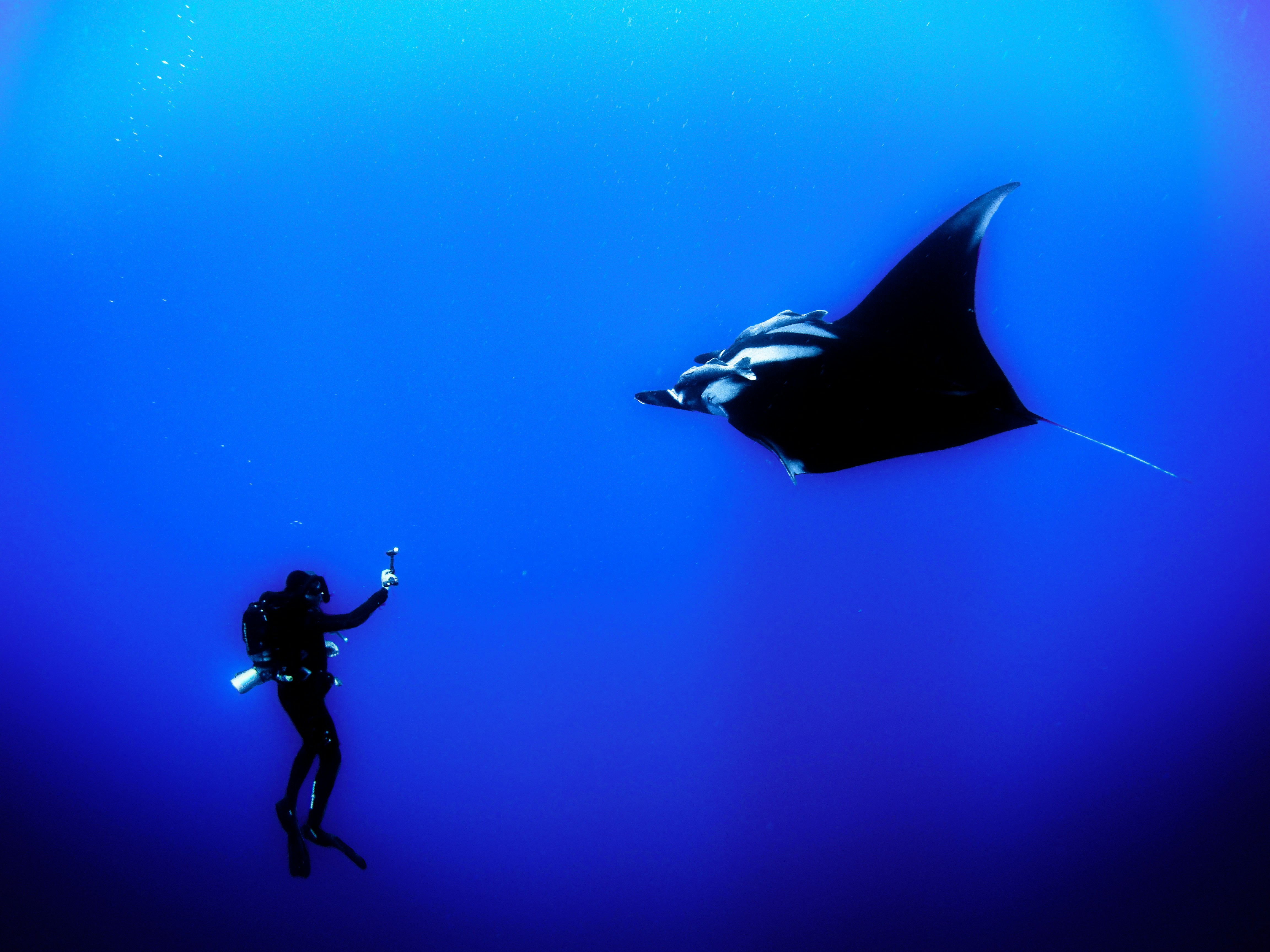
Manta Point is exactly what it sounds like. A cleaning station for mantas at around 12 to 15 meters depth. Currents are generally mild. Even if you are a newer diver, this site is accessible. The mantas are huge and unbothered by divers. Go early in the morning for the best encounters.
Castle Rock is for experienced divers only. Strong currents, deep water, and gray reef sharks. You drop down and grab onto the rock to hold position while the current sweeps past. The reward is seeing large pelagics. Definitely not for someone with fewer than 50 dives under their belt.
Cannibal Rock is a macro lover’s paradise. This site is a muck diving gem with pygmy seahorses, frogfish, and nudibranchs. Depths range from 10 to 25 meters. Currents are manageable. Good for intermediate divers who want to slow down and look for tiny critters.
Tatawa Besar is a reef slope with beautiful hard corals. Turtle Alley is here. Currents are moderate. Suitable for intermediate divers. Good as an alternative to the high-current sites if the conditions are not cooperating.

Liveaboard vs Day Trips: Which is Better for Komodo Diving?
This is the most common decision divers face. Both options work, but they serve different priorities.
Liveaboard is the way to go if you are serious about diving. You get access to remote sites that day boats cannot reach. You dive four times a day, including night dives. Meals and accommodation are included. Prices range from $200 to $500 per day depending on the boat and amenities. The lower-end boats are basic but functional. The high-end ones have private cabins and nicer food. This option is best for divers with at least 50 dives who want to maximize their time underwater.
Day trips from Labuan Bajo are cheaper and more flexible. You pay between $80 and $150 per day. You get two to three dives, lunch, and hotel pickup. The downside is that you are limited to sites within a reasonable boat ride from town. You miss the deeper, more exposed sites on the edge of the park. This option suits casual divers, beginners, and anyone on a tighter budget.
If you are a non-diver, day trips for snorkeling are also available. They cost less and cover the same area, but you obviously see less beneath the surface.
Komodo Dragon Trekking: What to Expect on the Islands
There are three main trekking options, each offering something different.
Rinca Island has the highest density of dragons and the shortest treks. You can see dragons within a few minutes of walking. The landscape is dry savannah. Trekking times range from 30 minutes to two hours. This is the easiest option and the one I recommend for most first-time visitors.
Komodo Island has fewer dragons but a wilder feel. The trek is longer and more physically demanding. The forest is denser, and the terrain is more rugged. It takes about two to three hours. If you want a more adventurous trek and are willing to walk further, choose Komodo Island.
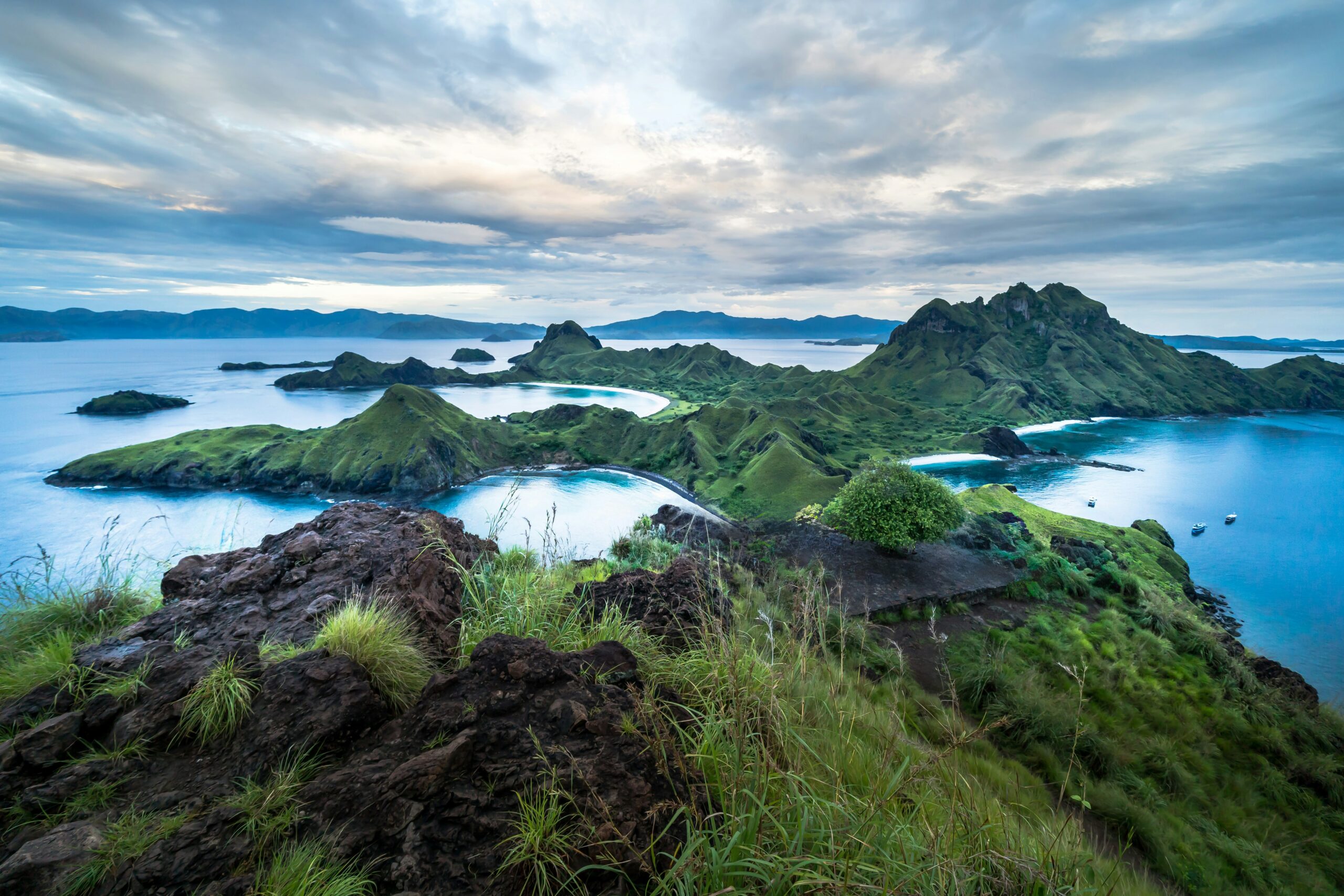
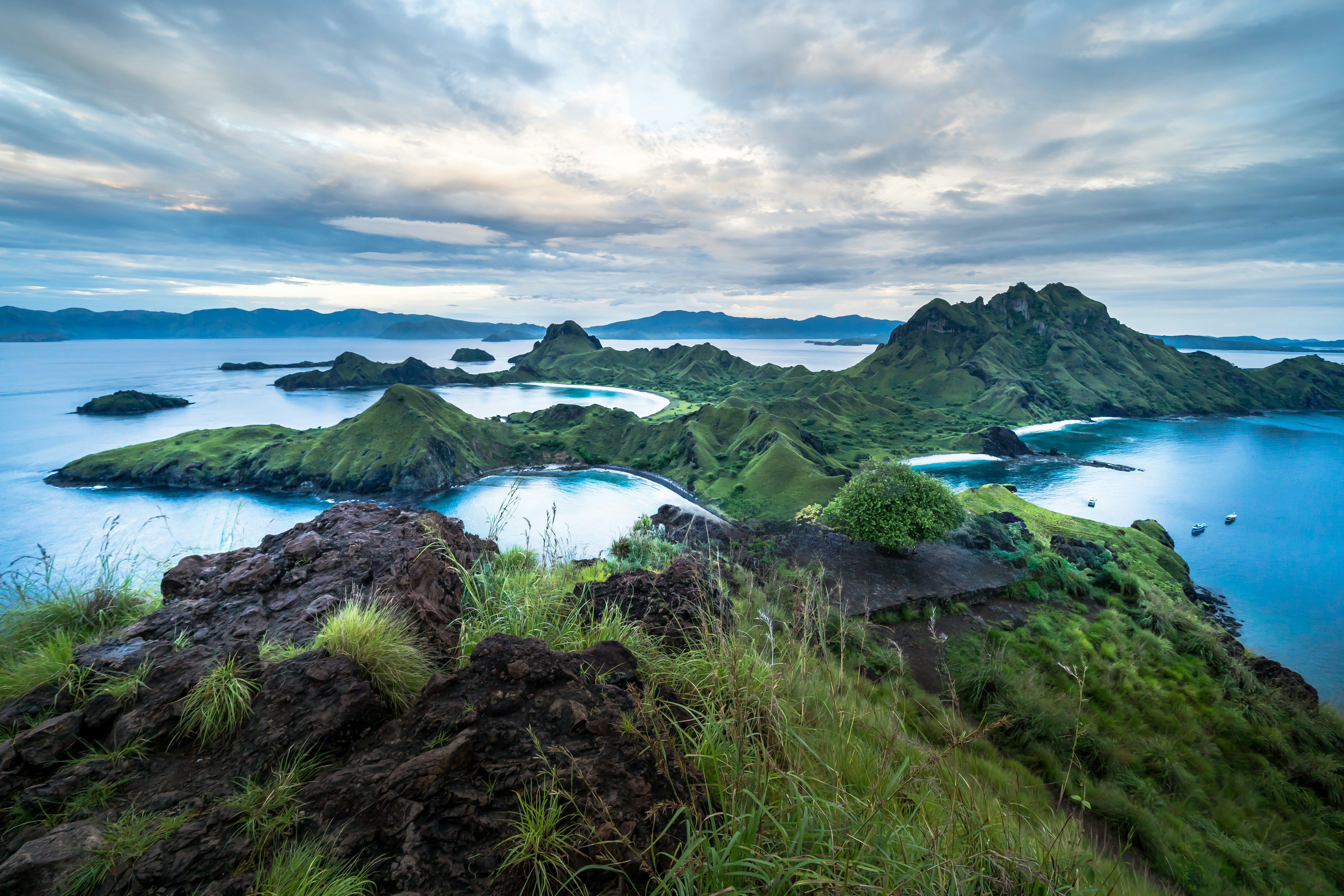
Padar Island has no dragons. It is famous for its viewpoint overlooking three colored beaches. The hike is steep but short, about 30 minutes. The view is worth the effort. Most day trips combine Padar with a dragon trek on Rinca.
A guide is mandatory for all dragon treks. They carry a forked stick to keep dragons at a distance. Safety rules are simple: stay at least three meters away, do not run, and listen to the ranger’s instructions. Dragons can move fast over short distances, and they are opportunistic predators. Incidents are rare, but they happen every few years when tourists ignore the rules.
Bring a hat, plenty of water, sunscreen, and sturdy shoes. The sun is brutal, and the terrain can be uneven. For the trekking, a reliable hydration pack is a practical way to carry water and keep your hands free.
Where to Stay: Accommodation Options from Budget to Luxury
Labuan Bajo has a range of places to sleep, but options thin out quickly during peak season.
Budget guesthouses ($20 to $50 per night) are small, basic, and often lack hot water. The beds are firm, and the walls are thin. The benefit is location and price. You can find places like Puri Sari Beach Hotel or similar local guesthouses near the harbor. They are functional for a few nights.
Mid-range hotels ($60 to $150 per night) offer better comfort and often include breakfast. Properties like Eco Hill Boutique Hotel or Sudamala Resort have decent rooms, pools, and better service. This is the sweet spot for most travelers. You do not feel like you are roughing it, but you are not spending a fortune.
Luxury options ($200+ per night) include private villas and island resorts. The Ayana Komodo Resort on Waecicu Beach is a popular choice. Comfortable. Pricey. The tradeoff is that you are further from town, so you need to factor in transport costs.
Essential Gear and Packing List for Komodo Island
Packing for Komodo requires balancing weight, necessity, and the availability of rentals locally. Here is what I bring:
- Reef-safe sunscreen – Standard sunscreen damages coral. Bring a biodegradable option. The sun is intense, and you will burn quickly.
- Rash guard – Good for both diving and snorkeling. Provides sun protection and prevents chafing.
- Dive computer – Rental computers are available but quality varies. If you are a regular diver, bring your own. A personal dive computer ensures your safety and reduces the risk of equipment failure.
- Waterproof bag – Boat rides can be wet. Protect your electronics and dry clothes.
- Hiking shoes – The trek on Komodo and Rinca involves uneven, rocky terrain. Sandals are not safe.
- Dry bag – Useful for keeping camera gear dry during transfers.
- Camera with underwater housing – You will see plenty worth photographing. A GoPro is the simplest setup.
Dive gear like BCDs, regulators, and tanks can be rented in Labuan Bajo. The quality is hit or miss. If rental regulators fail, it can ruin a dive day. I prefer bringing my own mask, computer, and regulator. Rental fins and wetsuits are usually fine.
5 Common Mistakes Travelers Make on Komodo Island
- Not booking permits in advance during peak season. Tour operators and park permits fill up weeks ahead. If you show up in July without a booking, you will struggle to find a spot. Book at least a month in advance.
- Underestimating currents while diving. Komodo has some of the strongest currents in Indonesia. If you are not comfortable with drift diving or have less than 30 dives, stick to the calmer sites or hire a private guide who knows the currents.
- Not bringing enough cash. Labuan Bajo has ATMs, but they run out of money. Many park fees, tips, and local purchases require cash. Bring enough for at least three days of expenses.
- Skipping sun protection on treks. The sun on Rinca and Komodo is relentless. Sunburn happens fast. Bring a wide-brimmed hat, sunglasses, and sunscreen. Reapply during breaks.
- Forgetting travel insurance. Diving without insurance is a risk. A trip to the hyperbaric chamber costs thousands of dollars. Standard policies often exclude diving. Get a plan that covers decompression illness.
Sample 5-Day Komodo Island Itinerary
This itinerary balances dragon trekking, diving, and travel time. Adjust based on your fitness level and diving experience.
Day 1: Arrive in Labuan Bajo by midday. Check into your hotel. Spend the afternoon exploring the town and catching the sunset at the hilltop viewpoint. Have dinner at a local seafood restaurant on the water.
Day 2: Dragon trekking on Rinca Island in the morning. The trek takes about two hours. Then head to Padar Island for the viewpoint hike. Have lunch on the boat. Return to Labuan Bajo by late afternoon. Rest and prepare for diving the next day.
Day 3: Full day diving. First dive at Manta Point to catch the mantas early. Second dive at Batu Bolong. Third dive at a calmer reef site like Tatawa Besar. Return to town by late afternoon.
Day 4: Second day of diving. Head to the northern sites: Castle Rock and Cannibal Rock. These require an early start and a longer boat ride. Dive two or three times depending on conditions. This is a full day on the water.
Day 5: Departure from Labuan Bajo. If you have a late flight, you can squeeze in a quick morning snorkel trip or a visit to the local market before heading to the airport.
If you are not diving, replace the diving days with island hopping. Visit Kanawa Island for snorkeling, or take a boat tour that includes several smaller islands. You will still see nice reefs and beaches.
Frequently Asked Questions About Komodo Island Diving and Travel
Do I need to be an experienced diver? Not necessarily, but you should be comfortable with currents. Some dive sites are advanced, but there are plenty of calm sites for beginners. If you have fewer than 20 dives, consider taking a refresh course or hiring a private guide.
Are Komodo dragons aggressive? They are wild animals and can be aggressive if provoked. Attacks on humans are rare but happen when people ignore safety rules. Stay with your guide and maintain distance.
Is it safe to snorkel? Yes, but stick to calm areas. Currents can be strong in some spots. Wear a life vest if you are not a strong swimmer.
What about sea sickness on boats? The sea between islands can be rough, especially in the wet season. If you are prone to seasickness, take medication before the trip. Ginger tablets work for some people.
Can I visit on a budget? Yes, if you stay in cheap guesthouses and book shared tours. Expect to spend around $50 to $80 per day for a basic trip. The biggest expense is getting to Labuan Bajo.
How much does the whole trip cost? A typical 5-day trip costs between $500 and $1,500 depending on accommodation, flights, and diving. Liveaboard trips push the upper end higher.

Start Planning Your Komodo Island Adventure
Komodo Island gives you two incredible experiences in one trip. The diving rivals Raja Ampat in raw biodiversity, and the dragons are unlike anything else on earth. But it requires planning. Permits, flights, accommodation, and dive bookings fill up fast during the dry season.
Lock in your permits and flights at least two months ahead if you are visiting between June and September. Book your accommodation with some cancellation flexibility. And do not skip travel insurance that covers diving.
If you want a hassle-free experience, booking a guided tour or a liveaboard through a trusted platform simplifies everything. They handle the permits, transport, and logistics so you can focus on the dragons and the diving. Preparation makes the difference between a trip that feels chaotic and one that flows smoothly.