Tanzania Adventure Travel Guide: Safari and Kilimanjaro Planning
Introduction
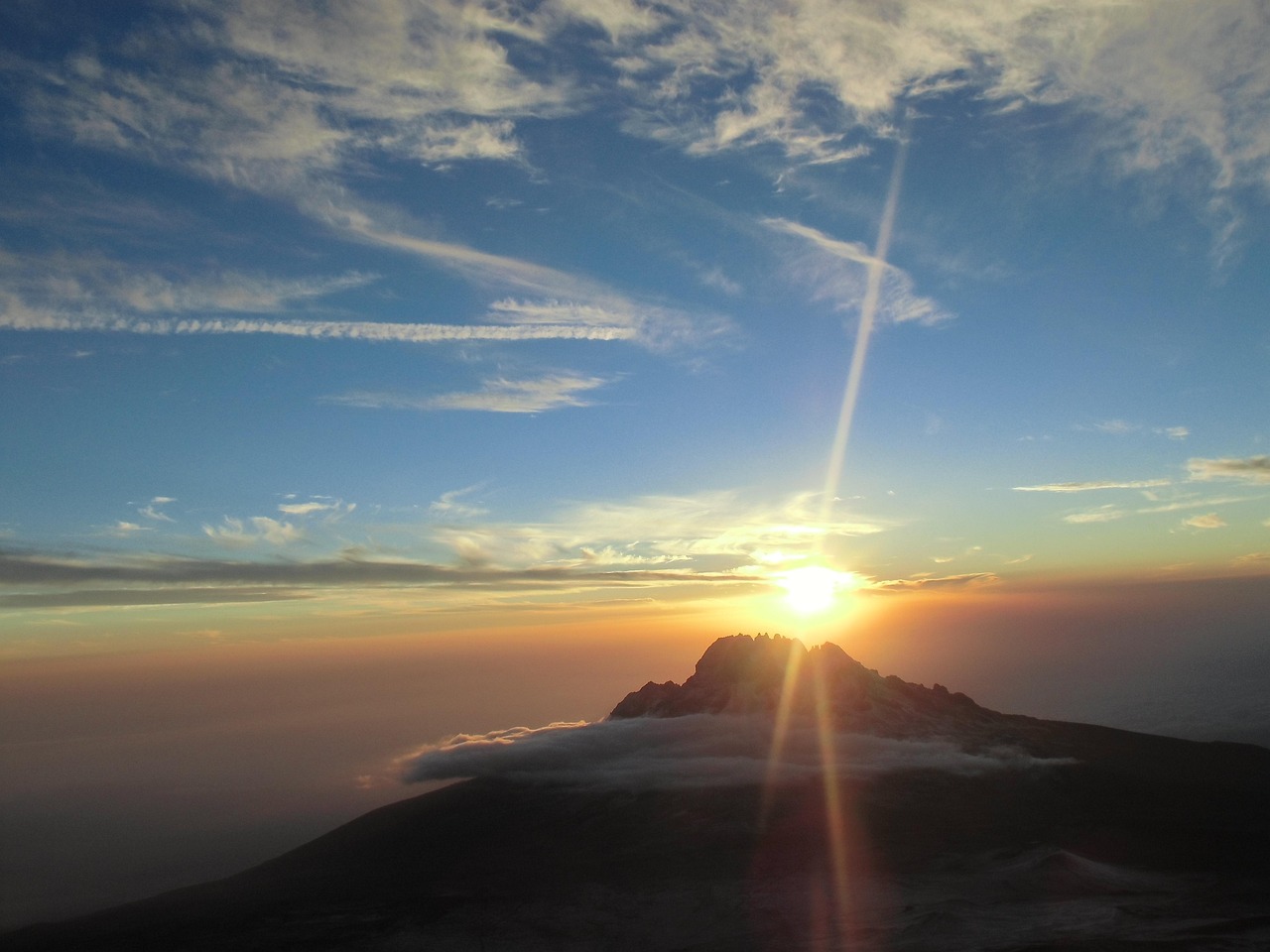
Most people dreaming of a Tanzania adventure come for two things: the summit of Kilimanjaro and the wildlife of the northern safari circuit. Combining both into one trip is perfectly doable, but it takes practical planning to avoid the common mistakes that turn an adventure into an expensive logistical headache. This tanzania adventure travel guide is for first-time visitors who want to climb Kilimanjaro, go on safari, and come home with stories instead of regrets. I’ve done this combination multiple times with local operators, and the difference between a trip that works and one that falls apart usually comes down to route choice, timing, and how you handle the altitude. This guide focuses on those realities.

Best Time for a Tanzania Adventure: Balancing Trekking and Safari
Timing matters more here than for almost any other trip you’ll plan. Kilimanjaro treks run year-round, but the best windows are the dry months: June through October and December through March. Trekking gets harder during the wet seasons (April-May and November) because rain makes the trail slippery and clouds can block summit views. Safari game viewing, on the other hand, peaks during the dry season from June to October when animals gather around water sources and the wildebeest migration is active in the Serengeti.
The tradeoff comes when you try to combine both. Trekking seven days then immediately jumping into a safari vehicle will leave you exhausted. Your legs will be sore, and you might not have the energy for early morning game drives. Booking complexity also goes up—you need to coordinate transfers from Moshi to Arusha and then into the parks. For most people, January and February offer the best balance. The trails are quieter, the weather is dry on the mountain, and the safari parks have good game viewing without the July-August crowds. If you absolutely want the classic wildebeest migration river crossings, July and August are your window, but expect busier trails on Kilimanjaro and higher prices across the board.
Kilimanjaro Routes: Not All Are Created Equal
If you only take one piece of advice from this guide, let it be this: choose your route carefully. The Lemosho route is widely considered the best for first-time climbers combining with safari. It takes seven to eight days, which gives you excellent acclimatization. Success rates hover around 85% because the profile allows for proper altitude adjustment. The scenery is also spectacular—you traverse the remote western side of the mountain before joining the more popular trails.
The Marangu route is the only one with hut accommodation, which sounds appealing, but its success rate is the lowest at roughly 60%. The five-day option is particularly risky because the rapid ascent leaves little time to adapt. The Machame route, also called the Whiskey Route, is popular and scenic, but it is also crowded and has a success rate around 75% on the six-day version. The Rongai route approaches from the north and is quieter, but it offers less dramatic scenery and similar success rates to Machame.
For anyone planning to add a safari after the climb, I strongly recommend the Lemosho or the Northern Circuit route. Both give you at least seven days on the mountain, which maximizes your summit odds and leaves you in better physical shape for the safari. Do not attempt the five-day Marangu route and then expect to enjoy a week of game drives—you will be too exhausted.

Safari in the Northern Circuit: Serengeti, Ngorongoro, and Lake Manyara
The northern circuit is Tanzania’s classic safari route for good reason. The Serengeti ecosystem is massive, roughly the size of Connecticut, and it offers the wildebeest migration, big cats, and incredible birdlife. You need at least three days here to cover the main sectors: central Seronera for cats, western Corridor for river crossings during migration season, and the northern reaches if you are there between July and October. Do not try to rush the Serengeti in one day—you will spend most of your time driving between distant sightings. A good pair of binoculars makes a big difference when scanning for distant wildlife.
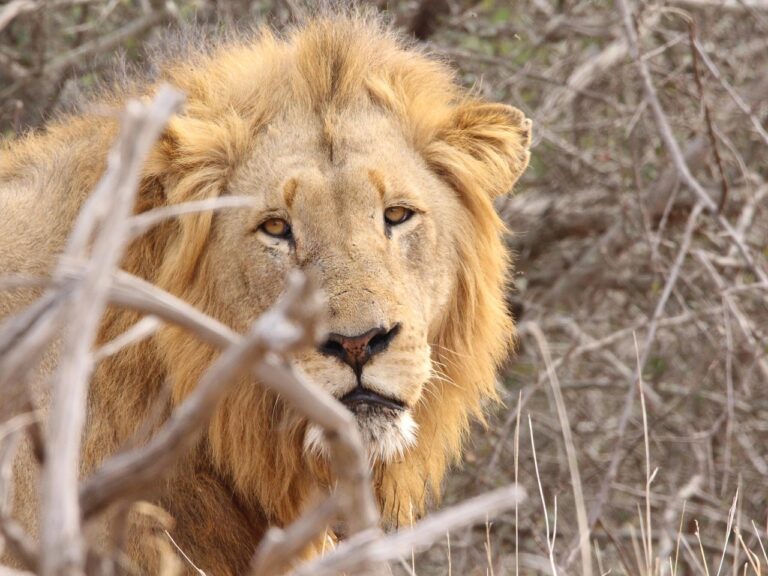
The Ngorongoro Crater is a different experience. It is a collapsed volcanic caldera with a concentrated wildlife population. In a single day, you can see lion, hyena, zebra, and black rhino in a relatively small area. This makes it ideal if you are short on time or recovering from the Kilimanjaro trek. It is also a good halfway point between the Serengeti and Arusha.
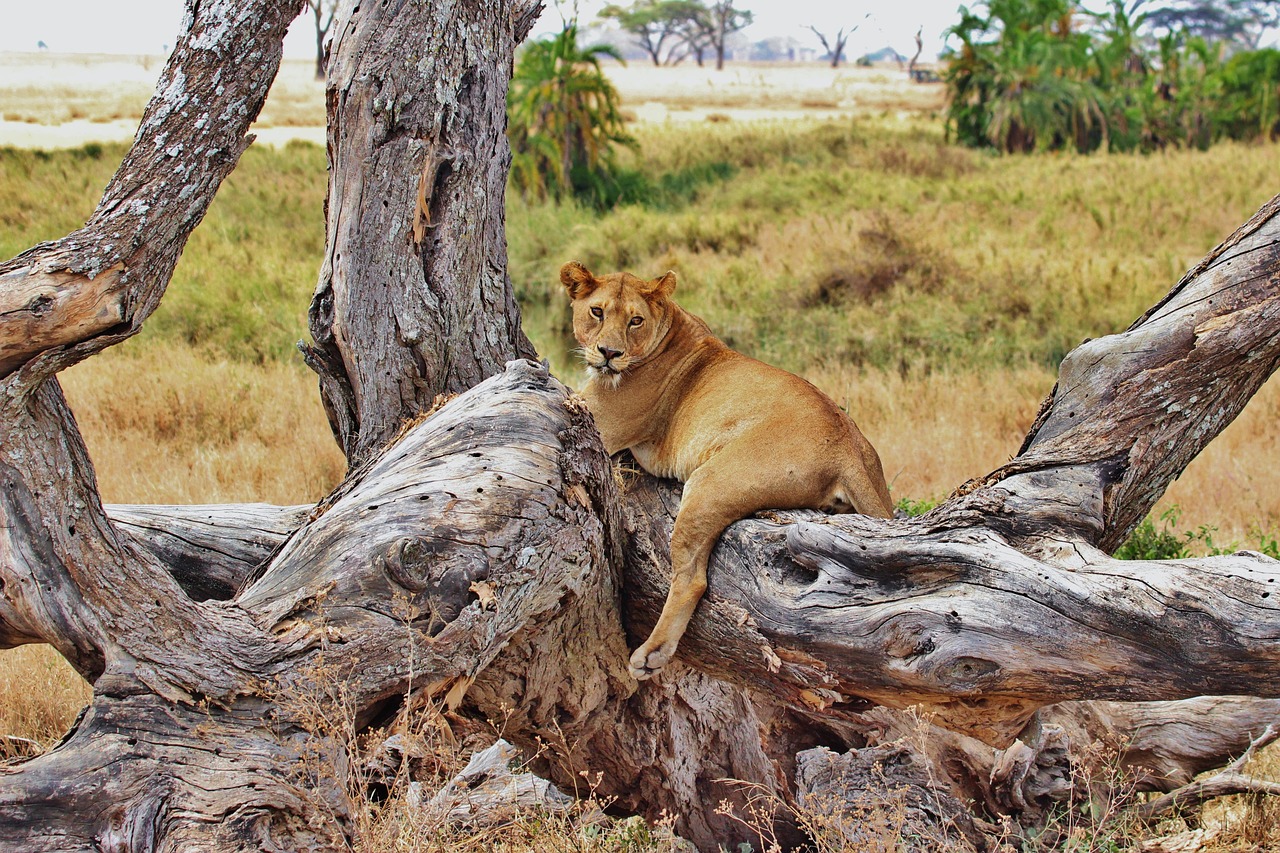
Lake Manyara is smaller and often treated as a half-day stop. Its main draw is the tree-climbing lions—a behavior rarely seen elsewhere—and abundant birdlife, especially flamingos during the wet season. Tarangire National Park, often included on longer itineraries, is famous for its elephant herds and ancient baobab trees. A five- to six-day safari covering Serengeti, Ngorongoro, Lake Manyara, and Tarangire gives you a solid overview of the northern circuit without feeling rushed. If you have less time, focus on Ngorongoro and a two-day Serengeti trip.
How Many Days Do You Really Need for Both?
This is where most travelers make their first planning mistake. They assume a week is enough for both the climb and safari. It is not. The realistic minimum for a combined trip is twelve to fourteen days. A typical schedule looks like this: one day for arrival and settling into Moshi, seven days for the Kilimanjaro climb on a route like Lemosho, one day to rest and travel to Arusha, four to five days for safari, and one day for departure.
If you try to squeeze both into ten days, you risk serious issues. Jet lag hits most people from the US or Europe, altitude adjustment on the mountain cannot be rushed, and the travel between parks takes hours. I have seen travelers arrive at the safari lodge after summiting Kilimanjaro and immediately fall asleep during the game drive. That is not an adventure—it is a wasted opportunity.
For a shorter trip, skip the Serengeti and focus on Ngorongoro and Tarangire. That gives you a four-day safari with less driving. It still feels substantial, but you miss the migration and the big cat density of the Serengeti. If you have the time, the fourteen-day classic combo is the way to go.
Budget Breakdown: What You’ll Actually Spend
Let me be direct about costs because many travel blogs inflate or understate them. A Kilimanjaro trek ranges from $1,500 to $4,000 per person. The lower end covers group treks on popular routes like Machame with basic gear. The higher end buys a private trek on the Lemosho route with better food, more porters, and higher safety standards. Safari costs run $250 to $600 per person per day for mid-range accommodation and private vehicles. Luxury tented camps push that closer to $800 per day.
Park entry fees in Tanzania are substantial. Kilimanjaro National Park charges roughly $70 per day per person. Serengeti fees are around $55 per person per day, and Ngorongoro adds a $50 per vehicle fee. These are non-negotiable and should be included in any operator quote. Flights from the US or Europe to Kilimanjaro International Airport range from $500 to $1,200 depending on season and advance booking. Tipping is expected: budget $100 to $200 total for porters and guides on the mountain, and another $50 to $100 for safari guides and lodge staff.
Cheapest operators are a red flag. I have seen treks advertised for $1,000 that fail to provide adequate gear, have no emergency oxygen, and treat porters poorly. Mid-range pricing ($2,500 for the trek, $400 per day for safari) gives you reliable operators, proper safety equipment, and ethical treatment of staff. Travel insurance that covers high-altitude trekking and helicopter evacuation is non-negotiable. Do not skip it.
Gear and Packing Mistakes to Avoid
The most common packing mistake on Kilimanjaro is bringing too many clothes but forgetting proper rain gear and sun protection. A 4-season sleeping bag rated to at least -10°C (14°F) is essential because the summit night is brutally cold. Trekking poles save your knees on the descent, and they are worth buying rather than renting. A headlamp is mandatory for the pre-dawn summit push. Water purification tablets are lighter than carrying extra water, but many people forget them.
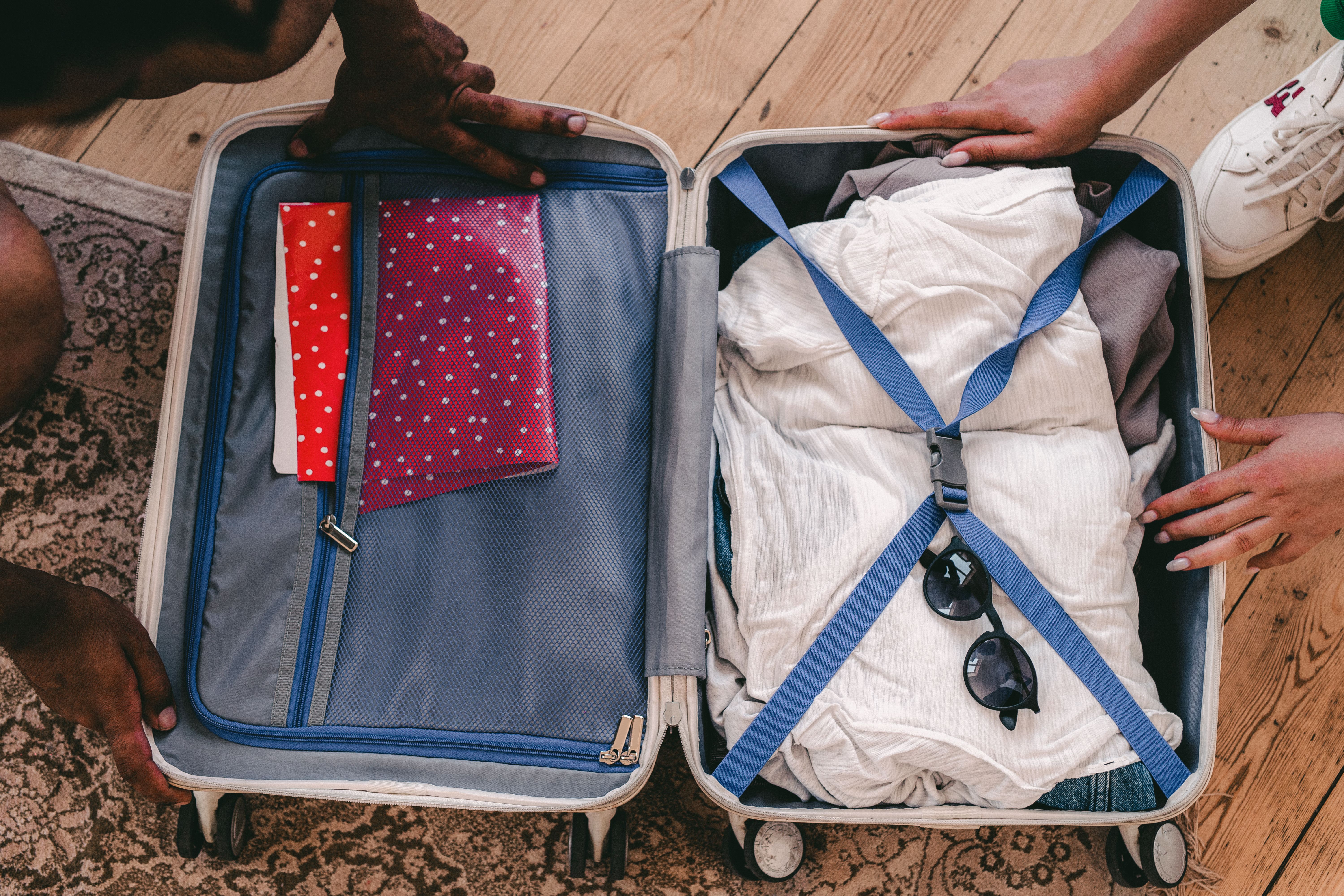
For the safari, lightweight neutral clothing in khaki, green, or beige works best. Avoid bright colors that spook animals. Binoculars with at least 8x magnification are more useful than a fancy camera for most people. If you bring a camera, make sure it has optical zoom—a camera with good optical zoom will capture wildlife better than a smartphone. One mistake I see repeatedly is bringing a duffel bag that exceeds the porter weight limit, which is usually 15 kilograms on Kilimanjaro. Your personal duffel for the mountain must be soft-sided and stay under that weight.

Altitude and Acclimatization: Why You Shouldn’t Rush the Summit
I have seen fit, young athletes fail to summit Kilimanjaro because they underestimated altitude. Fitness helps, but acclimatization is the real determining factor. The principle of “climb high, sleep low” is why routes like Lemosho and Northern Circuit work—they take you up to a high point during the day, then bring you back to a lower elevation for sleep. This gradual ascent gives your body time to produce more red blood cells and adapt to the thinner air.
Acute Mountain Sickness (AMS) symptoms include headache, nausea, dizziness, and fatigue. If you experience these, the only cure is descending. Do not push through—it can turn into HACE or HAPE, which are life-threatening. A practical step is to take Diamox (acetazolamide) after consulting a doctor. It helps speed acclimatization, but it does not replace slow ascent. Avoid sleeping pills on the mountain because they suppress breathing, which makes altitude sickness worse.
Visas, Vaccinations, and Logistics Before You Go
The practicalities of entering Tanzania are straightforward but require attention. You can get a tourist visa on arrival at Kilimanjaro Airport for $50 to $100, depending on your nationality. A passport valid for at least six months from your entry date is mandatory. Yellow fever vaccination is not always required, but Tanzanian border officials sometimes ask for proof if you are arriving from a country with yellow fever. The safe move is to get it anyway—it lasts ten years and costs around $100.
Malaria prophylaxis is essential for the lowland areas of the safari circuit. Start your medication a few days before departure and continue for the recommended period after return. Doxycycline and Malarone are the most common options; consult your doctor. For getting around, flying domestically from Zanzibar to Arusha is much easier than driving, which can take twelve hours or more. If you are planning a safari-only trip, fly into Kilimanjaro Airport or Arusha Airport directly.
Carry US dollars for tips and park fees—clean, crisp bills from after 2009 are preferred. Small denominations ($5 and $10) are useful for tipping at lodges and camps. Use Tanzanian shillings for market purchases and small expenses. ATMs are available in Arusha and Moshi but not in the parks.
Choosing a Tour Operator: What to Look For
Your operator makes or breaks this trip. Do not book based solely on low price or a flashy website. Look for KPAP certification, which ensures ethical treatment of porters. Read recent reviews on TripAdvisor and Google, but read the negative ones carefully—if complaints consistently mention poor gear, safety neglect, or hidden fees, move on. Confirm that park fees are included in the quoted price, not added later.
Red flags include operators who underquote competitors by more than 20%. That money is coming out of somewhere: porter wages, food quality, or equipment maintenance. Discounts for same-day deposits are also a warning sign. A professional operator will want you to take time to decide and will provide a clear contract with a deposit of 30-50% rather than 100% upfront. Book six to twelve months in advance for July-August and December-January, which are the peak seasons. For shoulder months like February or September, three months ahead is usually enough.
A good operator will also help coordinate the logistics of combining the trek and safari, handling transfers and booking flights to Zanzibar if needed. Do not try to book these separately—you will end up with gaps or double-booking. A single operator managing both components reduces stress and ensures that if something goes wrong, someone is responsible for fixing it.
Shop Music Production Gear
Shop Music Production Gear
Shop Music Production Gear
Shop Music Production Gear