Portugal Adventure Travel Guide: Lisbon Coast and Azores
Why Portugal for Adventure Travel? A Quick Overview
If you’re planning an active trip and looking for a Portugal adventure travel guide that delivers, know this: Portugal isn’t one destination. The Lisbon coast and the Azores are worlds apart. The coast delivers consistent surf, reliable hiking trails, and easy access from the city—perfect for days you want adventure without a long commute. The Azores are remote, volcanic, and demand more planning. Together, you get coastal cliffs, volcanic craters, hiking trails, and some of Europe’s better surf breaks. The climate is reliable. Infrastructure is good. But you need to understand the tradeoffs. I’ve spent time in both areas, and I know where you get value and where the headaches are waiting.
Portugal’s terrain makes it a strong choice for adventure travel. The Lisbon coast offers the Sintra-Cascais trails, the Arrábida Natural Park, and world-class surf beaches like Praia do Guincho. The Azores have volcano hikes, whale watching, and hot springs. The climate is mild year-round, but the best months depend on what you want to do.

Best Time to Visit for Adventure Activities
Timing matters a lot here. Along the Lisbon coast, March to October is prime. Surf is consistent year-round, but the biggest swell comes in winter. Hiking is best in spring and fall when temperatures sit in that comfortable range. Summer brings crowds to popular trails and beaches, so expect more people and higher prices. Shoulder season—April–May and September–October—gives you good conditions and fewer people.
The Azores are a different story. Best months are May to September. The weather is more unpredictable, but summer offers the most stable conditions for hiking and whale watching. Visit outside these months and you risk rain and wind that close trails and cancel boat tours. The tradeoff is that summer in the Azores draws crowds. Book accommodation and tours months ahead, especially for whale watching and ferry trips between islands.
The mistake many people make is assuming the Azores are a year-round destination—they’re not. If you want to hike the Sete Cidades crater without fog or rain, aim for July or August. If you want to surf the Lisbon coast with a wetsuit, March through October is fine. For winter surf, you need a thick wetsuit and experience with bigger waves.
Lisbon Coast Adventures: Hiking, Surfing, and Day Trips
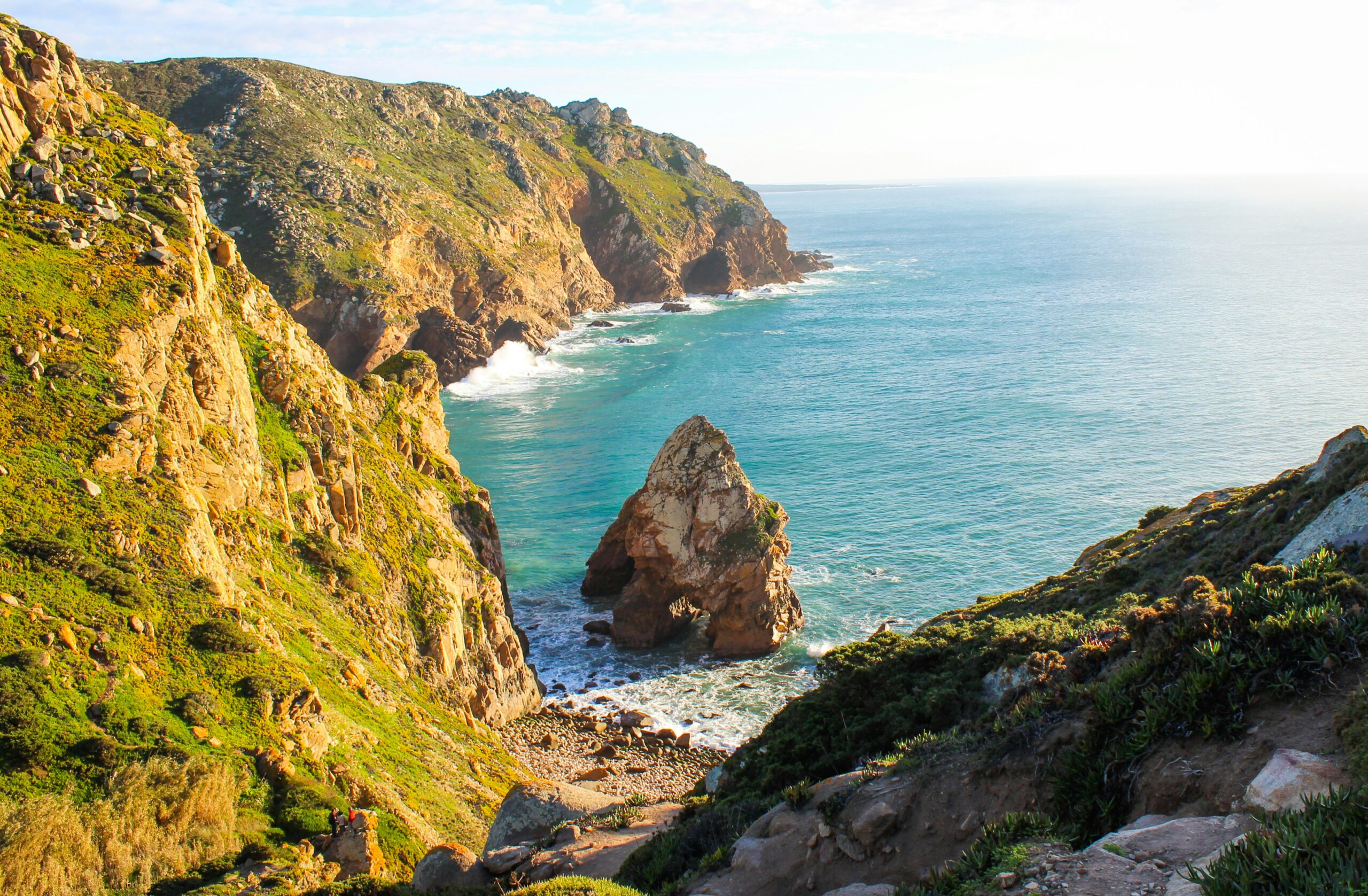
The Lisbon coast is where most people start, for good reason. The Sintra-Cascais Natural Park offers trails that combine forest, cliffs, and ocean views. The hike from Sintra to the coast is moderate and takes about 4–5 hours. You can take the train from Lisbon to Sintra, then walk to the trailhead. Arrábida Natural Park is worth a day trip too, with trails through limestone cliffs and Mediterranean scrub. The water is clearer there, though the wind can hit hard on exposed sections. I underestimated the wind on my first hike near Cabo da Roca—it made the last few kilometers uncomfortable. Travelers facing similar conditions might want a windproof jacket for exposed sections.
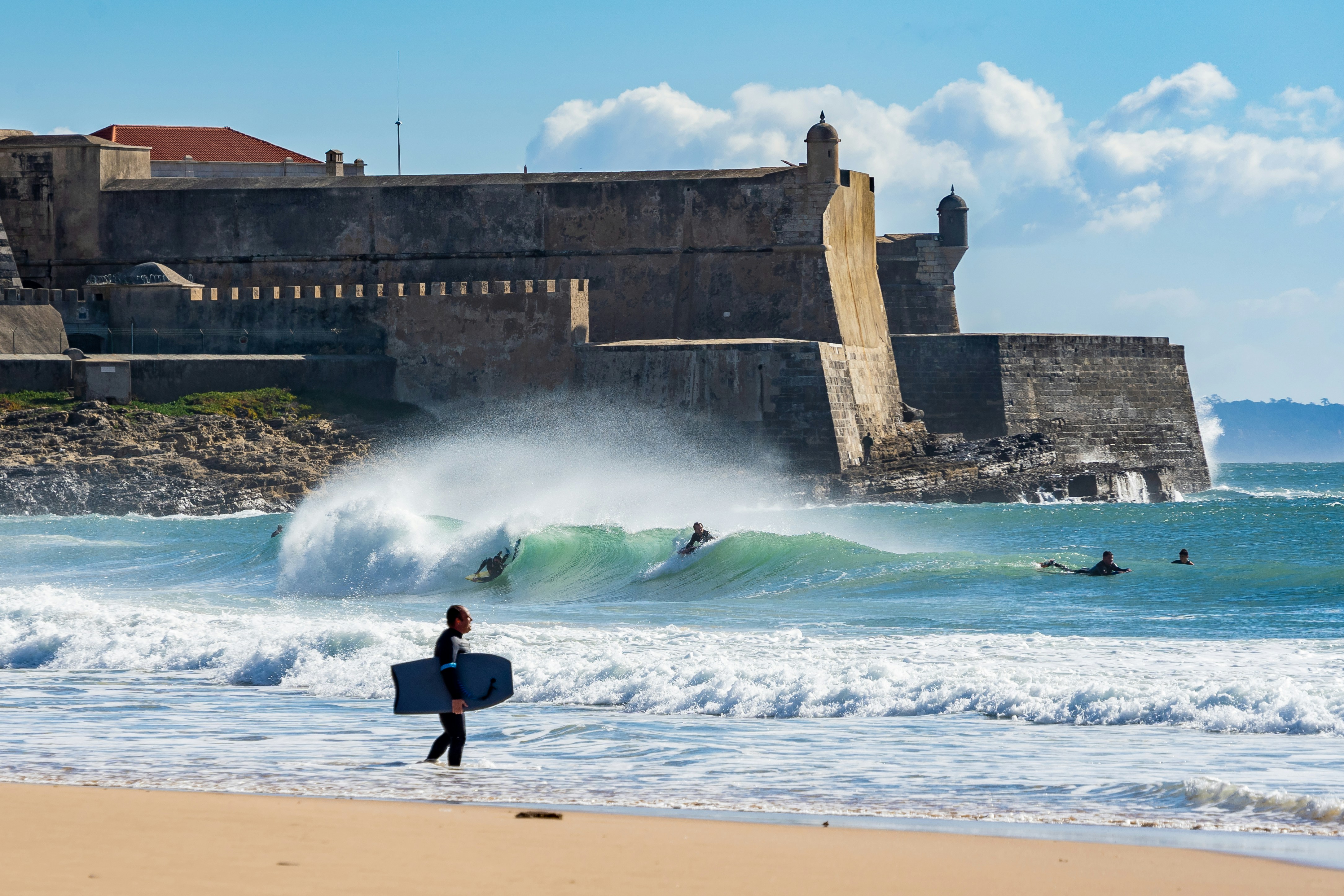
For surfing, Praia do Guincho is the most famous spot. Consistent waves, close to Cascais. If you’re a beginner, surf schools in Ericeira and near Lisbon offer lessons for €35–50. Ericeira is a surf town about 45 minutes north of Lisbon—laid-back, good breaks for different levels, plenty of places to rent gear. Logistics are simple: rent a car or take a bus from Lisbon. A day trip is doable, but staying overnight gives you more flexibility.
One practical tip: the Lisbon coast has strong currents and wind, especially in the afternoon. Morning sessions are usually calmer. If you’re hiking, start early to avoid heat and crowds. Parking at popular trailheads fills up by 10 AM on weekends.
Azores Adventures: Volcano Hikes, Whale Watching, and Hot Springs
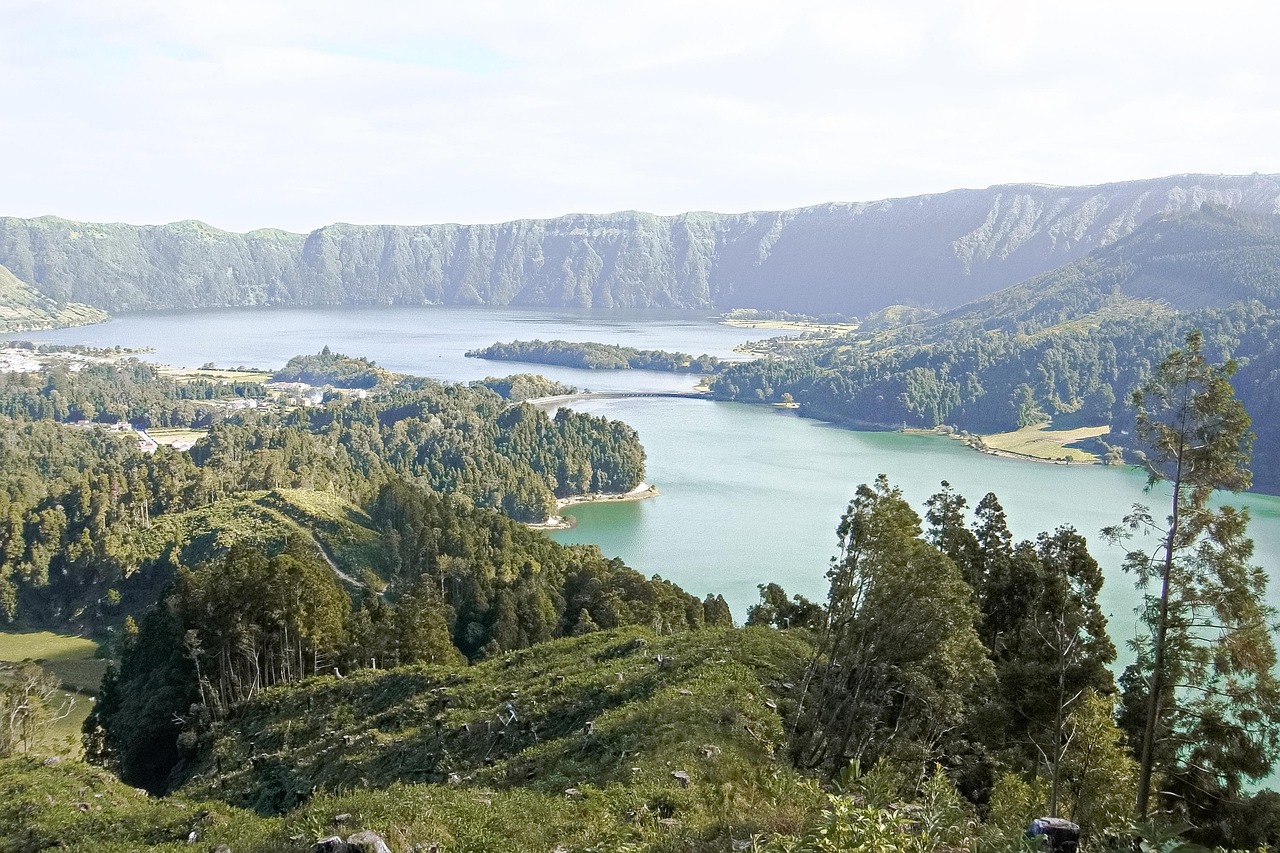
The Azores require more planning but reward you with experiences you can’t get on the mainland. São Miguel is the main island for most visitors. The Sete Cidades crater hike is the most popular—a 12-kilometer trail around the rim of a massive volcanic caldera with two lakes. It takes 4–5 hours, and the views are dramatic, but the weather changes fast. A lightweight rain jacket is worth bringing even on a sunny morning.
Lagoa do Fogo is another must-hike—a steep trail leading up to a crater lake at the top of a mountain. The view from the top is worth the climb. The Furnas area has hot springs where you can soak after a long hike, making it a good recovery option. You can also do a guided tour of the geothermal area, but exploring on your own works fine if you have a car.
Whale watching in the Azores is some of the best in Europe. Boat tours cost around €50–70 and last 2–3 hours. You’ll see sperm whales, dolphins, and sometimes blue whales depending on the season. If you want to save money, you can spot whales from the coast, but boat tours get you closer. The mistake people make is booking a tour on the same day as a long hike—you’ll be exhausted. Plan separate days for each activity.
Inter-island travel is possible but time-consuming. Flights from São Miguel to Terceira take 30 minutes and cost around €60–100. Ferries are cheaper but take 2–3 hours and run less frequently. If you have less than a week, stick to one island. Trying to visit multiple islands in a short trip is a common mistake that eats into your time and budget.

Surfing on the Lisbon Coast vs. Azores: Which Is Better for You?
If surfing is your priority, the Lisbon coast is the better choice for most people. Consistent waves, beginner-friendly beaches, and plenty of surf schools. Water temperature is moderate, but you’ll need a wetsuit. A 4/3mm is fine for spring and fall. In summer, a 3/2mm works. Booties aren’t usually necessary unless you’re surfing in winter.
The Azores are different. Waves are more exposed and variable—better for intermediate to advanced surfers who want uncrowded lineups. Water is colder, especially in spring and fall. You’ll need a 4/3mm wetsuit and booties. Surf season in the Azores is shorter, with the best conditions from September to November. If you’re a beginner, stick with the Lisbon coast. If you want to surf in a remote, volcanic setting with fewer people, the Azores are worth the effort. Best for beginners: Lisbon coast. Best for intermediates: Azores.
Essential Gear for Your Portugal Adventure
Packing the right gear makes a big difference. For hiking on the Lisbon coast, you need waterproof hiking boots. Trails can get muddy after rain, and rocky sections are easier on your ankles with proper footwear. Quick-dry clothing is useful for both hiking and surfing. A lightweight daypack with a water bladder is ideal for longer hikes.
For the Azores, the same boots work, but you also need a good rain jacket. The weather changes fast. A hat and sunscreen are essential even on cloudy days—UV is strong here. Reef-safe sunscreen is a good habit.
For surfers, a wetsuit is necessary. A 4/3mm is the most versatile for both areas. If you’re visiting the Lisbon coast in summer, a 3/2mm might be enough. Booties are optional on the Lisbon coast but recommended in the Azores, especially if you’re surfing on rocky reefs. You can rent gear at most surf schools, but bringing your own wetsuit ensures a proper fit. Frequent surfers may benefit from carrying their own surf wetsuit for consistency.
Bring a small first aid kit with blister patches and pain relievers. Trails are remote in places, and a blister can ruin a hike. Also, pack a power bank because offline maps are useful when you lose signal.
Accommodation Tips for Active Travelers
Where you stay affects your trip more than you might think. On the Lisbon coast, Ericeira is the best base for surfers—small town with a good vibe, plenty of restaurants, and easy access to several surf beaches. Cascais is a better base for hiking because it’s close to Sintra and the coastal trails. Both offer a range of accommodation from hostels to boutique hotels.
In the Azores, Ponta Delgada is the most convenient base for São Miguel. Hotels, restaurants, and car rental agencies are all there. Furnas is quieter and better for access to the hot springs and the Furnas valley. If you want a central location, choose Ponta Delgada. If you want peace and quiet, Furnas is worth the tradeoff. Book accommodation early for summer visits—prices rise as availability drops.
Common Mistakes People Make on a Portugal Adventure Trip
A few mistakes I see travelers make repeatedly. First, not booking ahead for Azores transport—if you want to visit multiple islands, book flights or ferries at least a month in advance. They sell out, especially in summer. Second, overpacking heavy gear. You don’t need a full camera kit or multiple pairs of shoes. Pack light and rent what you need locally. Third, underestimating hiking distances. Trails like Sete Cidades look shorter on a map than they are on the ground—bring more water than you think you need. Fourth, skipping a wetsuit in cooler months—even in May, the water is cold. A wetsuit isn’t optional if you plan to surf.
How to Combine the Lisbon Coast and Azores in One Trip
If you have 10 to 14 days, you can combine both regions effectively. Start with 5 days on the Lisbon coast—hiking in Sintra, surfing in Ericeira, exploring Cascais. Then fly from Lisbon to Ponta Delgada. The flight takes about 2 hours. Spend 5–7 days on São Miguel—focus on Sete Cidades and Lagoa do Fogo hikes, a whale watching tour, and a day at Furnas hot springs. Rent a car on São Miguel because public transport is limited.
The common mistake is trying to visit more than one island in the Azores. Stick to São Miguel—you’ll have enough to do without feeling rushed. If you have extra days, you can add a short trip to Terceira, but only if you have at least 10 days just for the Azores.
Budgeting for Your Portugal Adventure: What Things Really Cost
Portugal isn’t cheap, but it’s reasonable compared to other European adventure hubs. On the Lisbon coast, budget €50–100 per night for a decent hotel or hostel. In Ericeira, it’s closer to €70–120. Surf lessons cost €35–50 for a 2-hour session. Meals run €10–20 for a casual dinner. Car rental costs €30–50 per day depending on the season.
In the Azores, accommodation is similar, but transport costs are higher. Flights to the Azores can be €100–200 round trip from Lisbon. Whale watching tours cost €50–70. Car rental on São Miguel is €30–50 per day. National park fees are minimal or free. The biggest cost is transport, so plan your itinerary to minimize moving around. The Lisbon coast is generally cheaper than the Azores for most activities. Shoulder season offers better prices and fewer crowds.

Final Checklist and Practical Resources
Before you go, make sure you have travel insurance that covers adventure activities—this isn’t optional. Surfing, hiking, and whale watching carry real risks. Book key tours like whale watching and surf lessons in advance, especially in summer. Download offline maps for the Azores, because cell coverage is patchy in remote areas. Bring a reusable water bottle to refill—Portugal has good tap water.
Start planning your trip now. Check current deals on tours and gear—the earlier you book, the more options you have.