Iceland Adventure Travel Guide: Waterfalls, Glaciers, and Volcanoes
Introduction
If you are planning a trip focused on waterfalls, glaciers, and volcanoes, you need a practical Iceland adventure travel guide built around real logistics, not romanticized bucket lists. This article covers Iceland’s top adventure spots with honest advice on when to go, what to bring, and how to do it safely. I have spent years guiding clients through Icelandic terrain in all four seasons, and the difference between a trip that works and one that frustrates usually comes down to preparation. We will go through the major geological features, break down the seasonal tradeoffs, and give you specific gear and booking recommendations so your adventure actually works on the ground. No fluff, no filler, just the information you need to plan a trip that matches your budget, timeline, and experience level.

Why Iceland Is a Top Adventure Destination
Iceland sits on the Mid-Atlantic Ridge where the North American and Eurasian tectonic plates pull apart. That geological reality means volcanic activity, glacial rivers, and waterfall erosion all happen in a concentrated space. You can drive from a massive glacier tongue to an active eruption zone in under two hours on a good day. That accessibility makes it rare among adventure destinations.
But here is the honest part: the weather is unpredictable. You can get horizontal rain, gale-force winds, and sun all within an hour. Roads close without notice. Summer daylight lasts twenty hours, and winter daylight barely reaches five. The adventure value is incredibly high, but so is the planning requirement. Many first-timers underestimate the cold and the wind, which causes real discomfort if you are hiking or glacier walking.
The terrain itself is diverse: black sand beaches, moss-covered lava fields, massive cascades, and rivers that shift course every decade. If you want variety in a small geographic footprint, Iceland delivers. But you need to respect the environment. You do not need to be an elite athlete for most adventures here, but you do need appropriate gear and realistic expectations.
Best Time to Visit for Adventure Activities
The optimal time depends entirely on what you want to do. If glacier hiking and ice caves are your priority, the shoulder seasons win. May through early June offers longer daylight, fewer crowds than summer, and still enough snowpack for good glacier conditions. Ice cave season runs November through March, and those tours book out weeks in advance. September to early October is another sweet spot: autumn colors, less wind, and more availability for guides.
Summer, June through August, gives you the famous midnight sun and the best road access to highlands and F-roads. You can hike, camp, and explore for as long as your body holds up. The tradeoff is crowds. Major sites like Seljalandsfoss and Gullfoss will have tour buses from 10am to 4pm every single day. If you want solitude, go early morning or late evening. Summer also means no ice cave tours, since the caves melt and become unsafe.
Winter, November through February, is the only time for northern lights and ice caves. Daylight is limited to five or six hours, so you must plan tightly. Roads can close for days. Renting a 4×4 is not optional in winter unless you stay near Reykjavik and book day tours. The advantage is empty waterfalls and a dramatic, snow-covered landscape. Many adventure travelers find winter immersion worth the reduced daylight if they prioritize ice caves and glacier photography.
If you can only come once and want a balance, aim for late May or early September. You get reasonable weather, manageable crowds, and access to most activities.
Essential Gear for Iceland’s Terrain
Icelandic terrain is wet, windy, and uneven. The gear you bring directly determines how comfortable and safe your trip is. Here is what I recommend packing across categories.
Waterproof Layers
A quality waterproof shell jacket and pants are non-negotiable. Look for Gore-Tex or a reliable three-layer membrane. A poncho will blow apart in the wind. For rain pants, make sure they have side zips so you can remove them without removing boots. Travelers who need reliable outerwear can browse waterproof rain jackets for options that hold up in Icelandic conditions. On a budget, the Marmot Minimalist is decent, but expect to re-treat the DWR coating after a week of heavy use.
Footwear
Good waterproof hiking boots with stiff soles for crampon compatibility. Hiking around waterfalls and on glacier moraine requires ankle support. The La Sportiva Nucleo High II GTX and Solomon Quest 4 GTX are dependable options. If you plan to do any ice cave or glacier hiking, bring boots that accept automatic or semi-automatic crampons. Avoid trail runners unless you stay on paved paths. Iceland’s terrain is too sharp and wet for light footwear.
Crampons
Microspikes or actual crampons depending on season. For summer glacier hikes, the guide company provides them, but having a pair of Kahtoola Microspikes in your daypack helps on ice patches near waterfalls. For winter, bring full crampons if you do independent hiking off guided routes. Never rely on cheap spikes from discount stores.
Layering System
Base: merino wool or synthetic. Avoid cotton. Mid: fleece or light down jacket. Shell: as above. You want the ability to add and remove layers without stopping for ten minutes. A thin down jacket or Patagonia Nanopuff works well under a hard shell.
Other Essentials
A dry bag for electronics is critical. Even waterproof housing can leak after hours in Icelandic drizzle. A headlamp with spare batteries is useful even in summer, because some glacier tunnels are dark. Insulated, waterproof gloves are not optional—your fingers will freeze taking photos. The Black Diamond Mercury Mitts are warm and durable. If you are still building your kit, consider a complete Iceland hiking layering system to simplify packing.
For budget travelers, the Outdoor Research Foray jacket and Columbia Omni-Heat pants offer solid performance at half the cost of premium brands. Just be ready to replace them sooner if you do heavy adventure days. The ‘buy once’ approach pays off if you plan multiple trips to Nordic climates.

Must-See Waterfalls: Practical Viewing Tips
Iceland has hundreds of waterfalls. The most famous ones are popular for a reason—they are spectacular—but each requires a different approach for the best experience.
Seljalandsfoss
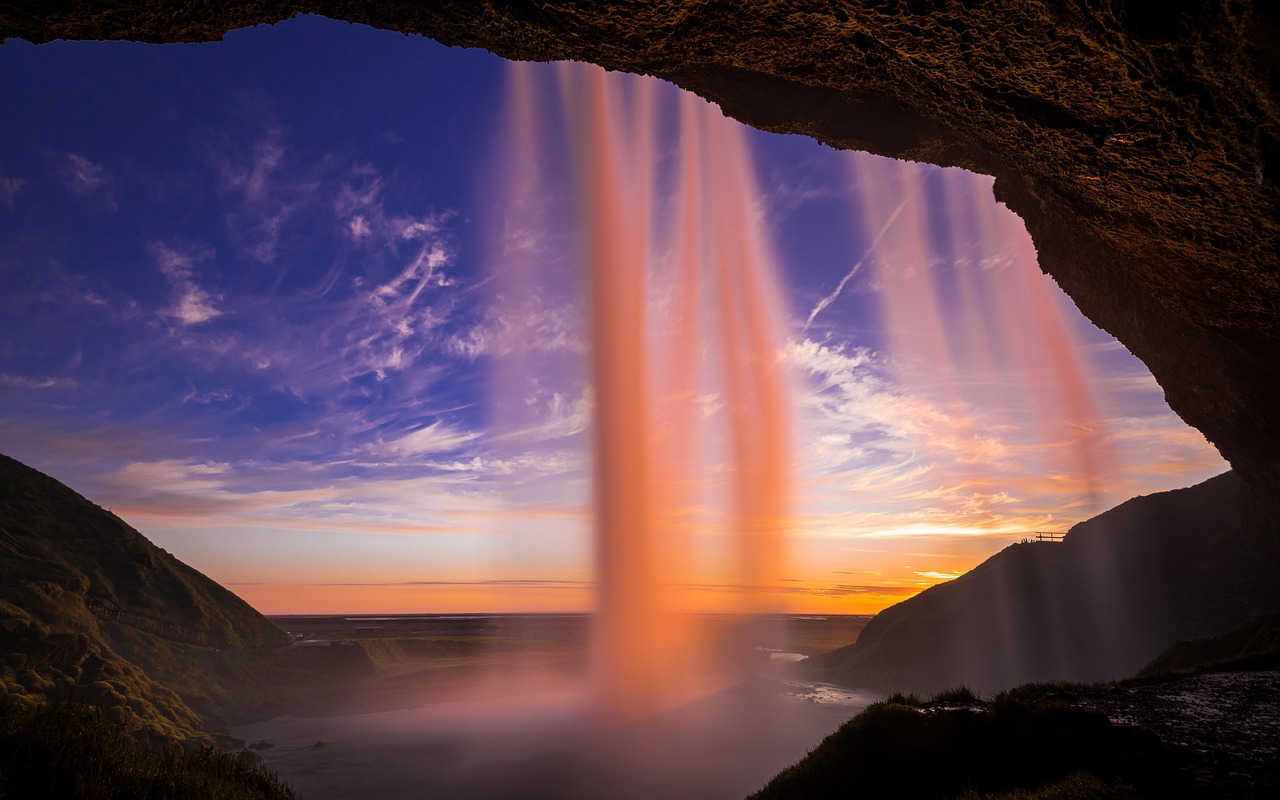
This is the waterfall you can walk behind. The path is slippery, especially in winter. Wear your waterproof jacket and pants here, because you will get misted. The best time to visit is early morning in summer or late afternoon in winter for direct sun hitting the spray. You will need about thirty minutes to walk behind and back. A dry bag for your camera is mandatory if you want photos from behind the falls.
Skógafoss
Wider and more powerful than Seljalandsfoss. You can climb the stairs to the top for a different perspective. The stairs are steep and windy, but the view of the coastline is worth it. Time needed: forty to sixty minutes if you do the climb. For the best photos, shoot from the base with a wide lens. A rain cover for the camera is not optional here. If you climb, watch for loose rocks near the top edge.
Gullfoss
A massive two-tiered cascade in the Golden Circle. The viewing platforms offer different angles, but the mist can be relentless. Bring a microfiber cloth for your lens. The lower platform gets very wet. The best light for photos is late afternoon in summer. Allow one hour for a proper visit. There is a small visitor center with a café if you need a break.
Dettifoss
Europe’s most powerful waterfall by volume. Located in the northeast, it requires a longer drive. The road to Dettifoss is gravel; a 4×4 is recommended in wet conditions. The main viewpoint has a metal walkway, but the spray is so intense that you will get soaked if you get close. Use a rain cover for yourself and your gear. Winter access is difficult; check road.is before going.
Glymur
Less visited and more adventurous. A hike of about two hours each way through a canyon. The trail involves a river crossing and some scrambling. Not suitable for beginners or bad weather. Bring trekking poles and sturdy boots. The reward is fewer crowds and a dramatic feel. If you have limited time, skip Glymur and hit the others. If you want a real hike with a waterfall payoff, it is worth the effort.
Glacier Hikes and Ice Cave Tours: What to Expect
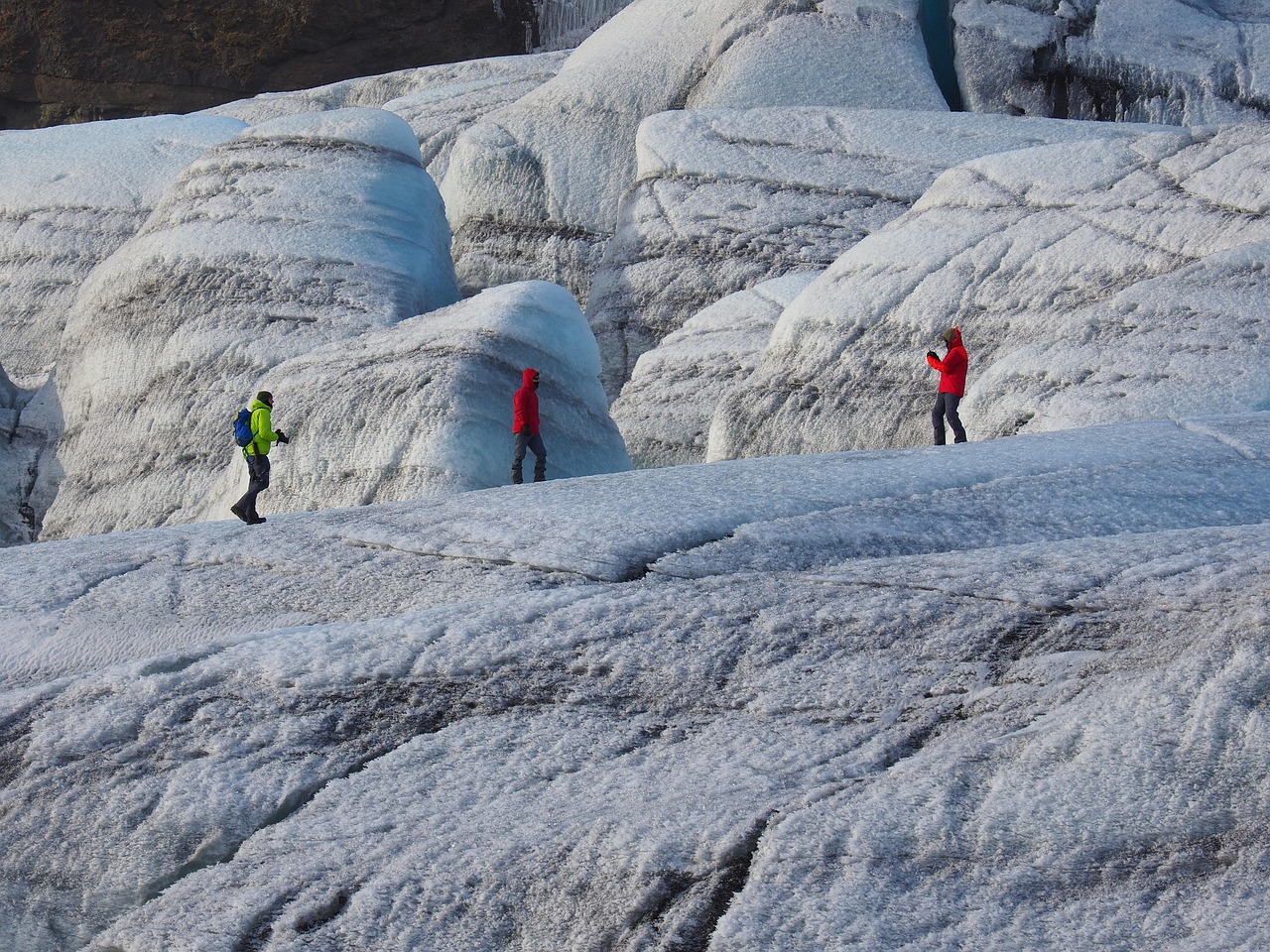
Glacier hiking is one of the most popular adventure activities in Iceland. You do not need prior experience, but you do need to book with a certified guide. DIY glacier hiking is extremely dangerous and not permitted. The main locations are Sólheimajökull in the south and Vatnajökull in the east. Sólheimajökull is easier to access and closer to Reykjavik, making it good for day trips. Vatnajökull is larger and offers more varied terrain, including opportunities for longer treks.
The physical difficulty is moderate. You will walk on uneven ice, sometimes with steep sections. Crampons are provided by the guide. You need a helmet and a harness in some cases. The guide will teach you basic ice axe use. Tours last two to four hours. Costs range from $70 to $150 per person depending on length and location. Book at least two weeks in advance in summer, four weeks in winter. Glacier hikes run year-round, but conditions vary.
Ice cave tours are a winter activity only. They take place inside glacier tongues in Vatnajökull. The caves form naturally as water melts and refreezes. The blue light is real, not edited. You need to book through a specialist operator who has access to safe caves. Prices start at $150 per person. The physical demand is low—mainly walking on flat ice—but the cold can be severe. Bring hand warmers and a proper camera. The best photos come from a wide-angle lens with a small aperture for depth of field.
Never skip the guide here. Ice caves collapse, and the glacier surface changes daily. The companies that run these tours have hardened safety protocols. Paying for a good operator is not optional.
Exploring Iceland’s Volcanoes Safely
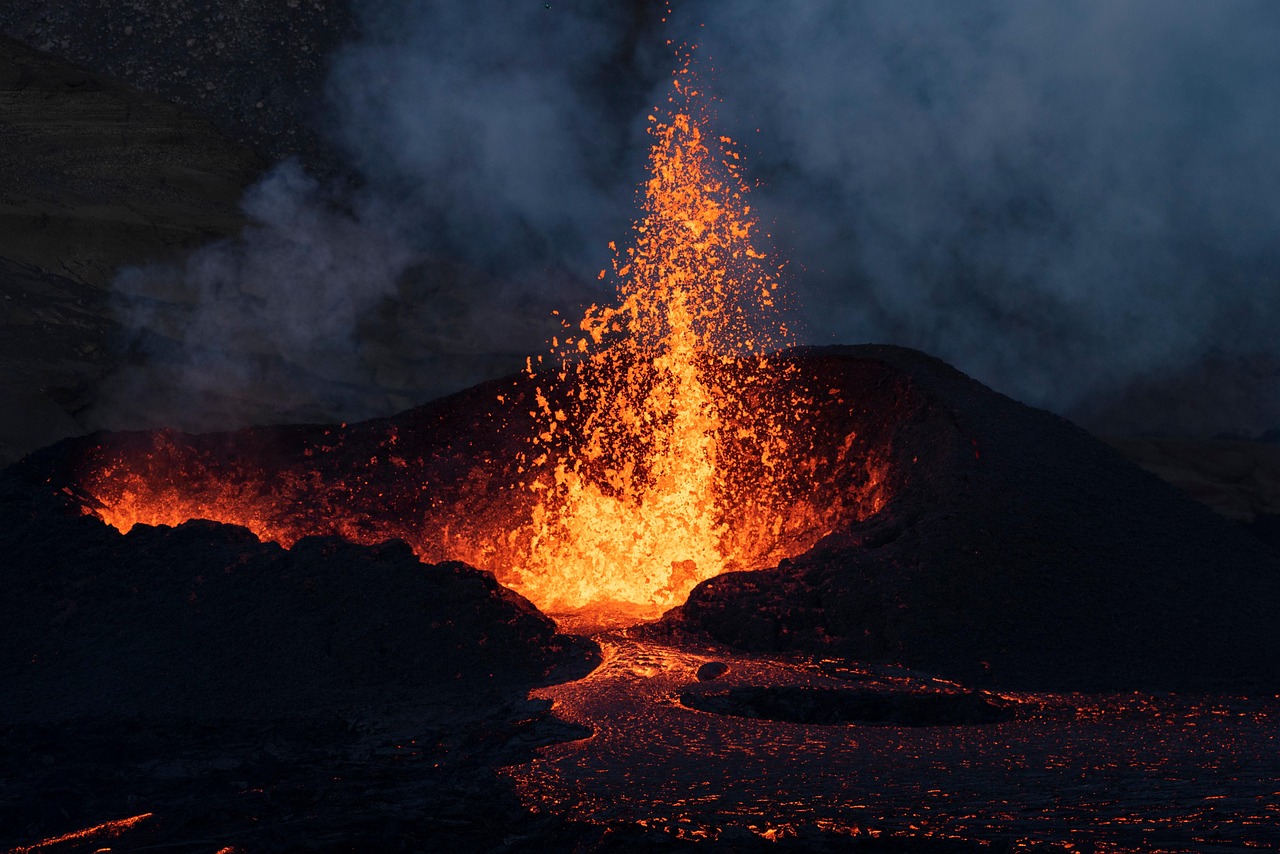
Volcanoes are a big draw for adventure travelers. The most accessible ones include the Eyjafjallajökull area, Askja, and Snæfellsjökull. The current eruption zone is on the Reykjanes Peninsula, where the Litli-Hrútur and Fagradalsfjall eruptions have occurred in recent years. This area is active and can change overnight. Safety protocols matter here more than anywhere else.
If you want to see an active eruption, always check the Icelandic Met Office for gas levels and eruption status. Gases like SO2 and CO2 can be lethal, even in seemingly clear conditions. Do not approach the eruption vent. Stay on marked trails or follow guide directions. Guided tours to eruption sites are the safest option. They provide gas masks and know the current hazard zones. Without a guide, you risk serious injury or worse.
For dormant volcanoes, Askja in the highlands requires a 4×4 and a river crossing. The drive is long but the caldera and lake are striking. Snæfellsjökull is a glacier-capped volcano accessible via Snæfellsnes. You can hike the base without a guide, but summiting requires one. The summit can be technical in summer and requires glacier gear in winter.
If you only have a day, a guided hike on the Reykjanes Peninsula gives you the safest experience of an active volcanic landscape. It is close to the airport, so good for a first or last day. The terrain is raw and otherworldly, and you get a real sense of Iceland’s living geology.
Self-Drive vs Guided Tours: Pros and Cons
Self-driving gives you maximum flexibility. You control the pace, can stop at random viewpoints, and adjust plans based on weather. To do it safely, you need a reliable 4×4 for anything beyond the main ring road. Gravel roads and F-roads require serious clearance. The cost of renting a 4×4 in summer starts around $120 per day. In winter, you should budget $150 to $200 per day for a vehicle with studded tires.
Guided tours simplify logistics. You do not need to navigate, book accommodations, or worry about road conditions. Day tours from Reykjavik cost $80 to $200 per person depending on length and activities. They include transport and a guide. The downside is less spontaneity and larger groups. Some tours have twenty or more people, which slows things down. Private guides are available for $400 to $800 per day and offer much better experiences if your budget allows.
Which is better depends on your comfort with driving on gravel and your tolerance for uncertainty. If you are confident driving on rough roads, self-drive is the way to go. If you want a worry-free trip with expert interpretation, book tours. Many people do a mix: self-drive for the Golden Circle and south coast, then join a guided tour for glacier hiking or ice caves. That hybrid approach works well.
Common Mistakes First-Timers Make
I see these mistakes season after season, and they all come down to preparation.
Underestimating the weather. Iceland’s wind can knock you over. Drizzle turns into horizontal rain that soaks through anything below a quality shell. People think it is ‘fine’ because they are from a windy city. It is not the same. Pack for cold, wet, and windy conditions every single day.
Skipping insurance. Many travelers skip travel insurance because they feel invincible. Glacier falls, car accidents, and medical evacuations happen. If you injure yourself on a hike, the nearest hospital can be hours away. Comprehensive coverage with evacuation benefits is not optional.
Not booking glacier tours ahead. Ice cave and glacier tours sell out in peak seasons. Do not assume you can show up and find a spot. Book at least two weeks ahead, preferably four.
Ignoring F-road restrictions. F-roads are only for 4×4 vehicles. Driving a standard rental car on them voids insurance and risks damaging the car. Many tourists get stuck or cause accidents. Check road.is and know which roads are permitted for your vehicle.
Failing to check road conditions. Weather changes fast. Check road.is daily, sometimes more, especially in winter. Knowing a road is closed saves you hours of frustration.
Where to Stay: Base Camps for Adventure
Where you stay depends on your itinerary. Here are the best base locations for adventure travelers.
Reykjavik is best for day trips to the Golden Circle, Reykjanes, and the south coast. Accommodation ranges from hostels like Kex Hostel to mid-range hotels like CenterHotel Miðgarður. If you want a quiet escape, look for guesthouses in the city’s outskirts. Reykjavik is the most convenient hub for first-time visitors.
Hvolsvöllur sits on the south coast and provides faster access to Seljalandsfoss and Skógafoss. It is less crowded than Reykjavik. Hotels like Hotel Hvolsvöllur offer solid comfort. You will drive less to reach waterfalls.
Vík is a good base for the entire south coast and gives you access to Reynisfjara beach and black sand areas. Accommodation is limited, so book early. Hotel Vík í Mýrdal is reliable.
Egilsstaðir in the east covers Dettifoss and eastern fjords. It suits travelers doing a full ring road loop. The area is less crowded. Look for cabin-style guesthouses like Lake Hotel Egilsstaðir.
For a more remote experience, consider farm stays or cabins near Vatnajökull. They offer quicker access to glacier tours and are quieter than town bases.
Packing List: What You Actually Need
Your packing list should prioritize weight and multi-use items. Here is a practical breakdown.
Clothing
– Base layer: merino wool top and bottom (two sets)
– Mid layer: fleece or thin down jacket
– Shell layer: waterproof jacket and pants
– Wool socks: three to four pairs
– Waterproof gloves: insulated and durable
– Beanie or hat
– Buff or neck gaiter
– Waterproof hiking pants (not jeans)
Footgear
– Waterproof hiking boots with good tread
– Camp shoes or sandals for evenings
– Crampons or microspikes (optional but useful)
Safety and Accessories
– Headlamp with extra batteries
– First aid kit with blister treatment
– Emergency blanket (lightweight Mylar)
– Portable charger (10,000mAh minimum)
– Reusable water bottle (insulated for winter)
– Dry bag for electronics and valuables
– Camera with rain cover
– Trekking poles (helps with crossing streams and ice)
Extras
– Sunglasses (glare on snow is serious)
– Sunscreen (yes, even in cloudy weather)
– Snacks (protein bars, nuts, chocolate)
– Towel (quick-dry microfiber)
Every item here serves a purpose. Do not bring unnecessary gadgets or fashion pieces. Your gear will get wet and dirty. Plan for it. A good Iceland travel packing list can help you check off these essentials before you depart.
Sample 7-Day Adventure Itinerary
This itinerary balances adventure, drive time, and rest. It assumes self-drive with some guided activities.
Day 1: Arrival and Reykjavik
Arrive at KEF, pick up your 4×4, and drive to Reykjavik (45 min). Spend the afternoon at a local geothermal pool for recovery. Do a quick grocery run at Bonus or Kronan. Stay in a central guesthouse.
Day 2: Golden Circle and Gullfoss
Drive to Þingvellir National Park (40 min), then Geysir geothermal area, then Gullfoss (1.5 hours drive). Spend about two hours at Gullfoss. Drive to Hvolsvöllur for overnight. Total drive time: 3 hours.
Day 3: South Coast Waterfalls and Sólheimajökull Glacier Hike
Stop at Seljalandsfoss (20 min), then Skógafoss (30 min). Drive to Sólheimajökull (30 min) for your booked glacier hike (allow 3 hours). Continue to Vík for the night. Total drive time: 2 hours.
Day 4: Vatnajökull Ice Cave
Drive to Jökulsárlón glacier lagoon (2.5 hours). Take a guided ice cave tour in Vatnajökull (3 hours). Visit Diamond Beach. Stay near Höfn or Skaftafell. Total drive: 3 hours.
Day 5: Reykjanes Volcano Hike
Drive back towards Reykjavik (4 hours). From there, drive to the Reykjanes Peninsula (1 hour) for a guided hike in the current eruption zone (3–4 hours). Stay near Grindavík or return to Reykjavik. Total drive: 6 hours.
Day 6: Snæfellsnes Peninsula
Drive to Snæfellsnes (2.5 hours). Explore the coast, Arnarstapi, and Snæfellsjökull. Short hike near the glacier. Drive back to Reykjavik for overnight (2.5 hours). Total drive: 5 hours.
Day 7: Relaxation and Departure
Morning visit to a local geothermal pool. Drive to KEF for departure. Leave at least three hours before your flight. Total drive: 45 minutes.
If time is tight, drop Snæfellsnes and spend an extra day on the south coast or Reykjanes. This itinerary covers the main adventure hits without being overly aggressive on driving days.
Budget Tips for Adventure Travelers
Iceland is expensive. But you can manage costs without compromising the experience.
Buy groceries. Skip restaurants. Buy bread, cheese, cured meats, and fruit at Bonus. Make sandwiches for lunch. Cook your own dinners if your accommodation has a kitchen. This alone saves hundreds of dollars per week.
Visit free natural sites. Many waterfalls and hiking trails are free. Check which ones require parking fees. Most do not. The money you save on entrance fees goes to guided tours and gear.
Book tours directly. Do not use third-party booking sites. Operators pay commissions that drive up prices. Contact the tour company directly for sometimes lower rates or last-minute deals.
Travel in a group. Splitting accommodation and car rental costs makes things affordable. A 4×4 rental split four ways is manageable. Group booking discounts on tours are common.
Use campervans. If you do not need comfort and want maximum flexibility, rent a campervan. It saves accommodation costs and gives you freedom. The Iceland Camping Card covers many campsites for a fixed price. Just know that camping requires good gear, especially in cooler months.
Do not skimp on insurance or safety gear. That is where poor budget decisions hurt the most.
Final Tips for a Smooth Trip
A few things to keep in mind that often get overlooked.
Check weather.is and road.is. Do this every morning before you drive. Conditions change fast. Avoid being caught in a weather window that closes.
Download the 112 Iceland app. It functions as an emergency tracker that sends your location to SAR teams. Cell service is spotty, so having an app ready on your phone helps.
Bring cash for remote toilets. Many public restrooms in remote areas require a small coin fee (200 ISK). Credit cards work everywhere else.
Have travel insurance. Comprehensive coverage that includes medical evacuation, trip interruption, and equipment loss. Skipping it is not worth the risk.
Book key tours now. Glacier hikes, ice caves, and volcano excursions sell out in peak seasons. The earlier you commit, the better your options. If you want a reliable glacier hike with experienced guides, book your glacier hike today and secure your spot. Do not wait until you arrive.