Scotland Adventure Travel Guide: Best of the Highlands, Islands, and Castles
Is Scotland Adventure Travel Right for You?
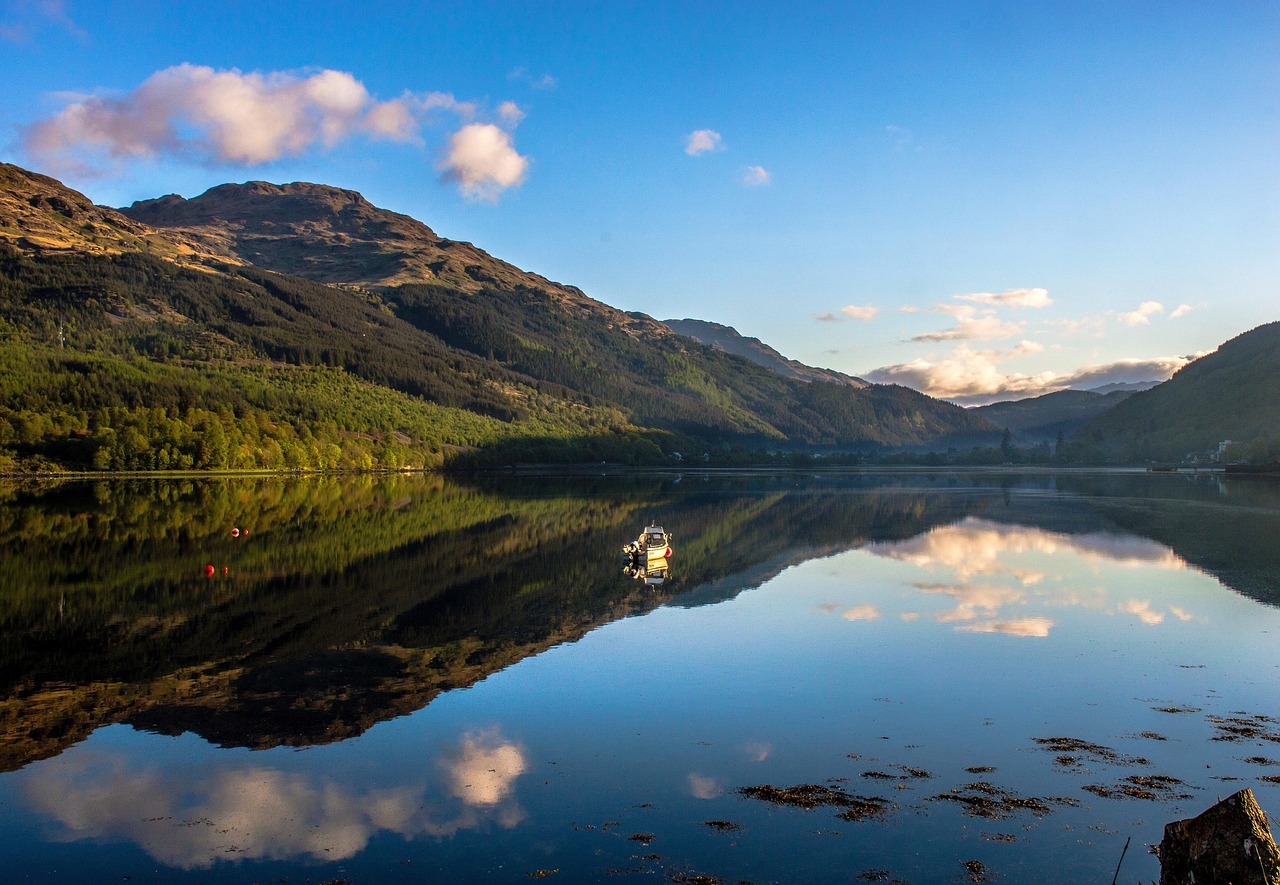

Scotland is a great fit for active travelers who don’t mind changing weather and rough terrain. This scotland adventure travel guide is aimed at people who want to hike the Highlands, explore castles, and island-hop. It’s not for anyone after beach holidays, all-inclusive resorts, or city breaks focused on museums and nightlife. If you’re okay with rain on your face, narrow roads, and planning around ferries, Scotland delivers dramatic landscapes. You’ll need to be flexible—weather and transport can shift plans quickly. The payoff is fewer crowds, raw nature, and history that feels close.
Best Time to Visit for Adventure Activities
For hiking, island hopping, and castle visits, aim for May through September. June and July have the longest daylight—up to 18 hours in the far north—which helps with long days on the trail. August and September bring the Edinburgh Festival and slightly warmer weather, but accommodation gets booked fast. The shoulder months of May and September are often best: fewer midges, decent weather, and quieter trails. Winter (November to March) is for serious adventurers only—short days, some ferries stop running, and many attractions have limited hours. If you plan to hike the Cuillin Ridge on Skye or kayak in the Hebrides, book permits and guides by April. For castles, spring and autumn offer good light and shorter queues. Always book accommodation at least three months ahead for July and August.
Planning Your Route: Highlands, Islands, or Both?
You have three main options: Highlands only, Islands only, or a mix. Each has tradeoffs.
- Highlands only (5–7 days): Best for hikers and castle fans focused on Glen Coe, the Cairngorms, and Loch Ness. You save time and money on ferries. Driving is manageable, around 3–4 hours a day between main spots.
- Islands only (7–10 days): Ideal for coastal scenery, archaeology, and whisky. Skye, Lewis, Harris, and Orkney each need ferry bookings in advance. You need more time because ferries aren’t always frequent. Best for travelers who like a slower pace.
- Combined (10–14 days): Gives you a bit of both. Start in the Highlands, take the ferry from Mallaig to Skye, then hop to the Outer Hebrides. It needs careful scheduling and a willingness to adjust if a ferry is cancelled. Best for experienced trip planners.
If you’re driving, book a car early—automatic cars are rare and pricey in the UK. Non-drivers can look at bus tours from Inverness or Glasgow for structured routes.

Scotland Adventure Travel: Essential Gear for Your Trip
Packing right makes a real difference in Scotland. Weather can go from sunny to sideways rain in 20 minutes. Here’s what you actually need:
- Waterproof jacket and trousers: Not just a light rain shell—get something breathable for hiking. Gore-Tex or similar is worth it. A soaked day in the Highlands is no fun.
- Sturdy waterproof boots: Trails are often boggy and rocky. Ankle support helps prevent sprains on uneven ground. Break them in before you go.
- Daypack: 20–30 liters for layers, water, snacks, and a map. Look for one with a rain cover.
- Midge repellent: From May to September, midges are relentless near water. Smidge or Avon Skin So Soft actually works. A head net helps if you’re hiking in the evening.
- Layered clothing: Merino wool base layer, fleece mid-layer, and a windproof outer. Skip cotton for hiking—it stays wet and cold.
- Map and compass: Don’t rely only on your phone. Signal drops in glens and mountains. Get an OS Landranger map for your area.
Many beginners underestimate the wind. A cheap umbrella won’t last five minutes. If you’ll be dealing with frequent rain, a quality rain jacket designed for hiking helps you stay dry without sweating. For longer trips or exposed routes, a good midge repellent and head net are worth packing.
Top Castles to Visit and What to Expect
Scotland has hundreds of castles, but only a handful are worth planning a trip around. Here are five that deliver for adventurers:
- Edinburgh Castle: Must-see for history. Book tickets online in advance to skip the queue. Allow 3 hours. Best for first-time visitors. Crowded in summer but manageable on weekday afternoons.
- Stirling Castle: Less crowded than Edinburgh, equally significant. Sits on a volcanic crag with good views. Combine with the Wallace Monument. Parking is easier than at Edinburgh.
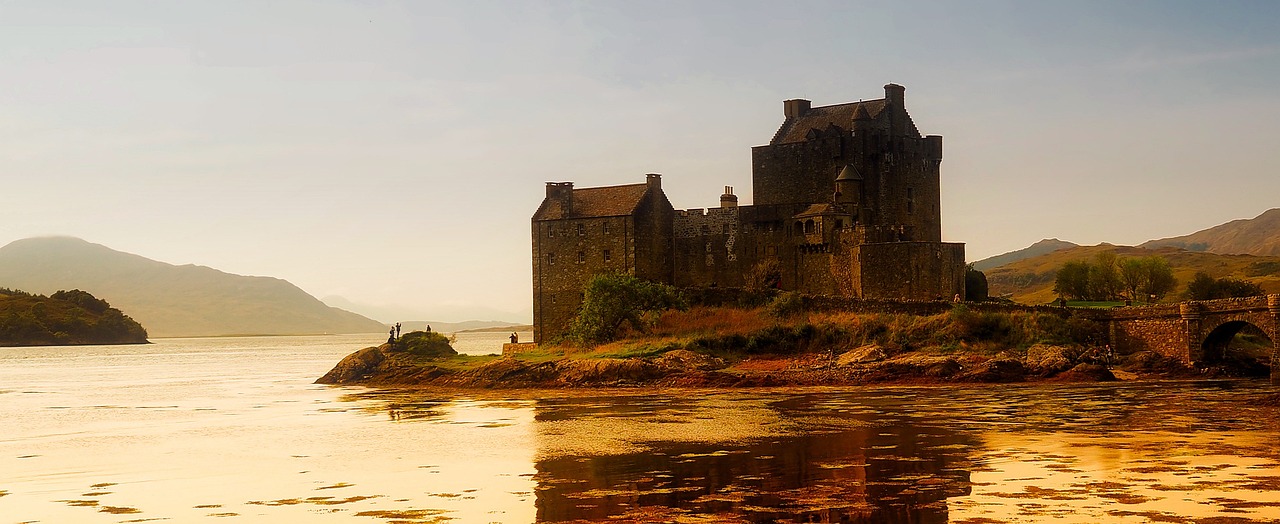
- Eilean Donan Castle: The most photogenic castle in Scotland. On a small island at the meeting of three lochs. Go early morning or late evening to avoid tour bus crowds. Good nearby hiking on the Kyle of Lochalsh.
- Dunnottar Castle: Ruined cliff-top fortress near Stonehaven. Steep walk down. Stunning for photography, especially at sunrise. No visitor center—bring water and snacks.
- Urquhart Castle: On Loch Ness with views of the water. Good for families and history. Visitor center has exhibits. Combine with a boat tour for a different angle.
Most castles charge £10–£15 entry. Some offer free access to Historic Environment Scotland members. Parking can be tight at smaller sites.
Exploring the Scottish Highlands: Must-Know Tips
The Highlands are wild and need respect. If you plan to hike in the Cairngorms, Glen Coe, or on Skye, follow these tips:
- Navigation: OS maps are non-negotiable. Mobile signal vanishes in glens. Learn to use a compass before you come. Many trails aren’t signposted well.
- Safety: Let someone know your route. Carry a whistle, first aid kit, and emergency blanket. Weather can turn from clear to whiteout in under an hour.
- Public transport alternatives: If you don’t drive, the Citylink bus network connects Inverness, Fort William, and Portree. It works but limits flexibility. For Skye, bus from Glasgow or join a small-group tour.
- Common mistakes: Underestimating distances—a 10-mile hike in the Highlands feels longer due to terrain and elevation. Overpacking food but underpacking water. Forgetting midges are worst near water after rain.
If you’re not confident in navigation or weather reading, hire a local guide for a day. It’s worth it for safety and learning the landscape.
Island Hopping in Scotland: Which Islands to Choose
Island hopping needs planning. Ferries can be pricey and weather-dependent. Here’s how the main islands compare:
- Skye: Most accessible by road bridge. Famous for the Old Man of Storr and Quiraing. Great for hikers but very crowded in summer. Book accommodation months ahead.
- Lewis and Harris: One island, two distinct feels. Lewis has prehistoric standing stones and white beaches. Harris has rugged hills and turquoise water. Best for archaeology and photographers. Ferry from Ullapool takes 2.5 hours.
- Orkney: Neolithic sites like Skara Brae and the Ring of Brodgar. Excellent for history. Flatter terrain, easier for cycling. Ferry from Gills Bay or Scrabster. Less rain than the west coast.
- Shetland: Remote and wild. Viking history, puffins, dramatic cliffs. Expensive to reach by ferry or plane. Best for experienced travelers who want solitude.
- Islay: Whisky lovers’ paradise with nine distilleries. Good for tours and coastal walks. Ferry from Kennacraig. Combine with Jura for a longer trip.
Tradeoffs: Skye is easiest but busiest. Outer Hebrides offer solitude but need more time. Ferries should be booked weeks ahead in summer, or you risk getting stuck.
Common Mistakes to Avoid on a Scotland Adventure
Based on plenty of trips, here are the mistakes I see most often:
- Overpacking: You don’t need a different outfit each day. Pack versatile layers and wash clothes mid-trip. Luggage space in rental cars is often smaller than you’d think.
- Not booking ferries: Summer ferries sell out. If you just show up, you might wait days. Book every ferry at least two weeks ahead.
- Underestimating midges: Don’t think you can tough them out. They swarm exposed skin and can ruin an evening hike. Use repellent and wear long sleeves.
- Ignoring weather forecasts: Check the Mountain Weather Information Service (MWIS) daily. 50 km/h winds are a real problem on exposed ridges.
- Skipping travel insurance: NHS covers emergencies, but getting airlifted off a mountain costs thousands. Get insurance that covers hiking, kayaking, and boat trips.

Where to Stay: Accommodation Options for Adventurers
Scotland has a range of places to sleep, depending on budget and style:
- Hostels: SYHA hostels are clean and affordable. Good for solo travelers and budget groups. Many are in historic buildings. Dorm beds from £20–£30 per night.
- B&Bs: Common in villages and small towns. Expect a warm welcome, cooked breakfast, and local advice. Prices range £60–£100 for a double. Best for couples and older travelers.
- Self-catering cottages: Ideal for groups or longer stays. You get a kitchen, privacy, and often scenic locations. Book through Airbnb or Sykes Cottages. Prices vary—expect £80–£150 per night for a decent cottage.
- Bothies: Basic stone huts with no services. Free to use, but bring a sleeping bag, stove, and water. Best for experienced hikers on multi-day treks. Follow Bothy Code: leave no trace, take out what you bring in.
For remote areas, book before you go. In summer, everything fills up.
Booking Tours, Transport, and Activities
Not everything needs booking months ahead, but some things do. Here’s a practical breakdown:
- Car rental: Book at least three months ahead for summer. Small cars are cheaper but struggle on steep, single-track roads. Consider a satellite navigation with Scottish maps. Pickup at Inverness or Glasgow airports saves driving time from Edinburgh.
- Bus tours: For non-drivers, Rabbie’s and Highland Explorers offer small-group day trips. They handle driving and often include castle entries. Good for solo travelers or those who prefer not to drive on the left.
- Activity bookings: Popular hikes like the Old Man of Storr or Fairy Pools don’t need permits, but guided trips for scrambling or sea kayaking need booking weeks ahead. Boat trips for whale watching from Mull or Gairloch also need advance reservations in summer.
- Ferry and train: Book all ferry crossings online. ScotRail trains can be booked ahead for best fares, but walk-up tickets are fine for shorter journeys.
Final Itinerary Suggestions for Different Trip Lengths
These itineraries are based on routes I’ve actually done. They balance driving, hiking, and sightseeing.
5 Days – Highlands Focus (for fast-paced hikers)
- Day 1: Arrive Inverness. Pick up car. Drive to Aviemore. Afternoon hike in Cairngorms (Loch an Eilein).
- Day 2: Drive to Glen Coe. Hike the Lost Valley or a shorter trail at Buachaille Etive Mor. Stay at Fort William.
- Day 3: Drive to Isle of Skye via Mallaig ferry. Visit Eilean Donan Castle en route. Hike the Old Man of Storr or Quiraing. Stay in Portree.
- Day 4: Explore Neist Point lighthouse or take a boat trip from Portree. Drive back to mainland via bridge. Stop at Urquhart Castle. Stay near Loch Ness.
- Day 5: Return to Inverness. Visit Culloden Battlefield or relax before departure.
10 Days – Highlands and Skye (moderate pace)
- Days 1–3: Same as 5-day itinerary, but take time on Skye for a full day hike on the Cuillin Ridge (if experienced) or a coastal walk. Add a day for a boat trip.
- Day 4–5: Drive to Ullapool. Ferry to Stornoway (Lewis). Visit Callanish Stones and beaches. Stay two nights.
- Day 6: Explore Harris. Hike at Luskentyre beach or Clisham. Ferry to Uig (Skye). Stay overnight.
- Days 7–8: Drive to Inverness. Visit Loch Ness and Cawdor Castle. Optional distillery tour.
- Days 9–10: Drive to Edinburgh. Explore Edinburgh Castle and Royal Mile before departure.
14 Days – Adding Islands (slow-paced)
- Days 1–3: As above, but include a day on Mull with boat trip to Staffa and Iona. Stay in Oban.
- Days 4–6: Skye and Outer Hebrides (Lewis and Harris). Include two nights on Harris for hiking.
- Days 7–9: Orkney. Ferry from Scrabster. Explore Skara Brae, Ring of Brodgar, coastal cliffs. Stay in Kirkwall.
- Days 10–11: Shetland. Fly from Kirkwall or take longer ferry. Visit Jarlshof and Sumburgh Head.
- Days 12–14: Drive from Inverness to Edinburgh via Speyside whisky trail. End with a day in Edinburgh.
Ready to Book Your Scotland Adventure?
Now is the time to move from planning to booking. Start with three steps: book accommodation and ferries early, especially for summer. Reserve a rental car that fits your route—small cars work for one or two people, but larger might be better for groups. Finally, get travel insurance that covers the activities you have in mind. Scotland is one of the most rewarding places for an active trip, but it rewards preparation. If you need gear, shop for a quality waterproof jacket before you go. With the right plan, you’ll spend less time worrying about logistics and more time on the trails, castles, and islands that make Scotland worth the trip.