How to Find Adventure Travel Companions: A Practical Guide for Solo Explorers
Introduction
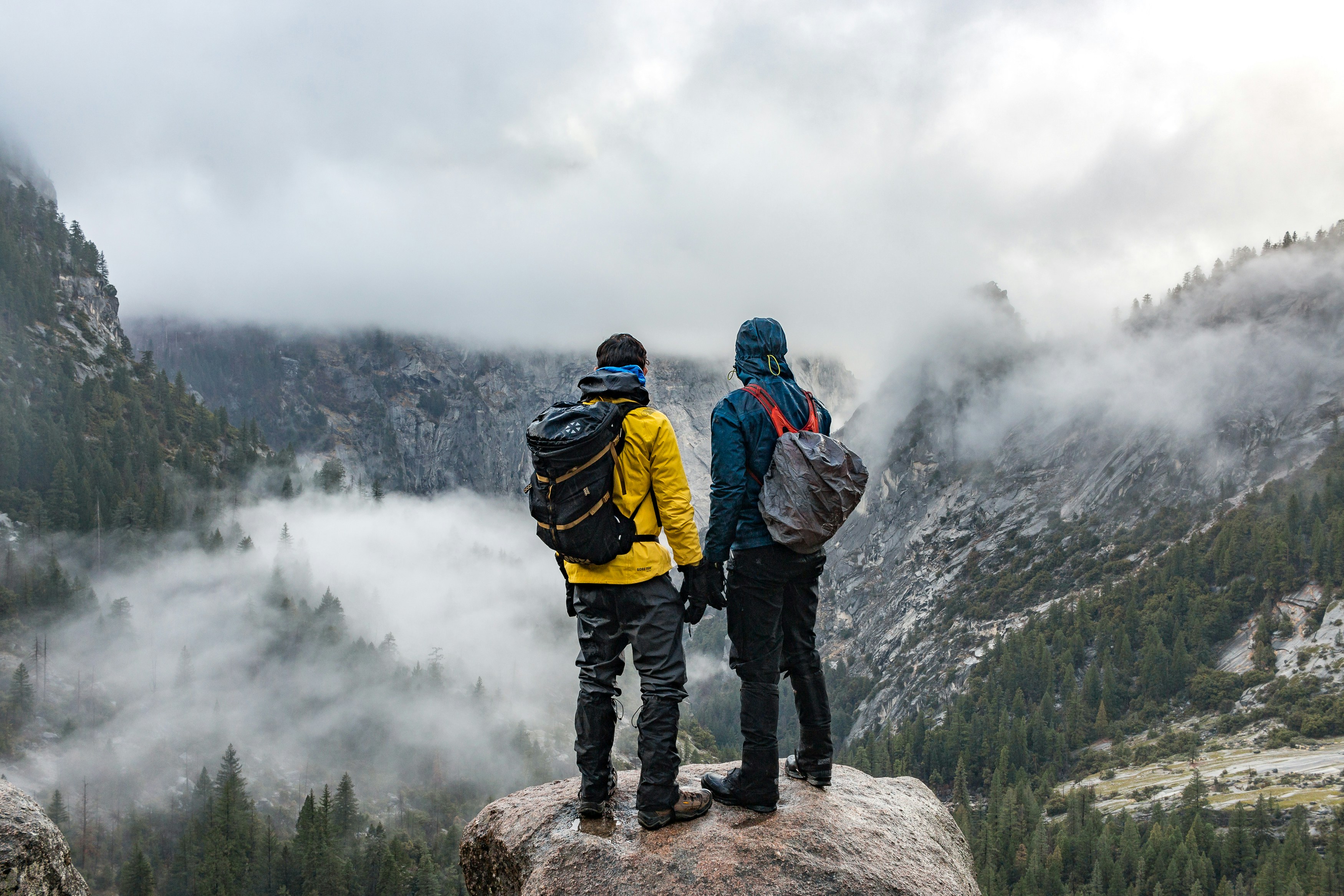
Finding the right person to share an adventure with changes the whole trip. This article covers practical ways to find adventure travel companions, whether you want to split costs, share logistics, or just have someone to watch your back on a remote trail. I’ve been traveling solo for over a decade, and I’ve learned that a good companion makes the trip better, but a bad one can ruin it. The trick is knowing where to look and what to prioritize. I’ll walk through the best platforms, how to meet people, and how to vet potential partners so you don’t end up stranded with someone who can’t keep up. Let’s jump in.

Why Finding the Right Travel Companion Matters for Adventure Trips
Adventure travel isn’t the same as a beach vacation. When you’re hiking through Patagonia, climbing a volcano in Guatemala, or navigating remote villages in Nepal, your travel companion isn’t just someone to have dinner with. They’re your safety net, your gear-sharing partner, and the person you make decisions with. The wrong person can leave you stranded, broke, or genuinely unsafe.
I once met a guy on a forum who seemed perfect for a Kilimanjaro trek. He had the gear, the experience, and the enthusiasm. Within two days, it was clear he couldn’t handle the altitude, refused to listen to guides, and wanted to push past everyone’s comfort zone. I ended up turning back early because the group dynamic fell apart. That trip cost me time and money I won’t get back.
The right companion makes everything smoother. You split the cost of a tent, share a stove, and take turns navigating. You have someone to make decisions with when the trail forks or the weather turns. More importantly, they understand your pace and your risk tolerance. Compatibility isn’t just nice—it’s necessary.
Best Online Platforms to Find Adventure Travel Companions
There are plenty of places to find travel companions online, but not all are built for adventure travel. Here are the ones that actually work:
Tourlina
Tourlina is a women-only platform, which makes it a safe choice for female travelers looking for adventure partners. It focuses on matching people for specific trips, so you can find someone with the same itinerary. The downside is it’s smaller than other platforms, so options can be limited depending on your destination.
Travello
Travello is a social network for travelers. It works well for finding people already on the road or planning trips. The app has a “travel companion” feature where you can post your plans and see who’s interested. It’s good for backpackers and budget travelers, but the quality of matches varies. Some people are just looking for a party, not a serious trek.
Facebook Groups
Facebook groups are still the most active places to find adventure companions. Groups like “Women Who Hike,” “Adventure Travel Partners,” and “Backpacking and Hiking Community” have thousands of members. The key is to search for groups specific to your destination or activity—for example, “Trekking in Peru” or “Climbing in Thailand.” Be specific in your post: dates, route, experience level, and what gear you’re bringing. You’ll get better responses.
When using any platform, vet profiles carefully. Look for people with recent activity, shared interests, and clear communication. Avoid anyone who seems pushy, vague, or unwilling to share basic details about their experience. A quick video call before booking anything can save you a lot of headaches.
Pro tip: If you’re serious about finding a companion, consider a reliable travel backpack that you can trust for multiple trips. A good pack makes it easier to meet people who share your gear standards.
Using Group Tours as a Way to Meet Like-Minded Travelers
Group tours are an underrated way to find future travel companions. You join a pre-arranged trip, meet people with similar interests, and then plan your next adventure together. It’s a low-risk way to test compatibility without committing to a full trip with a stranger.
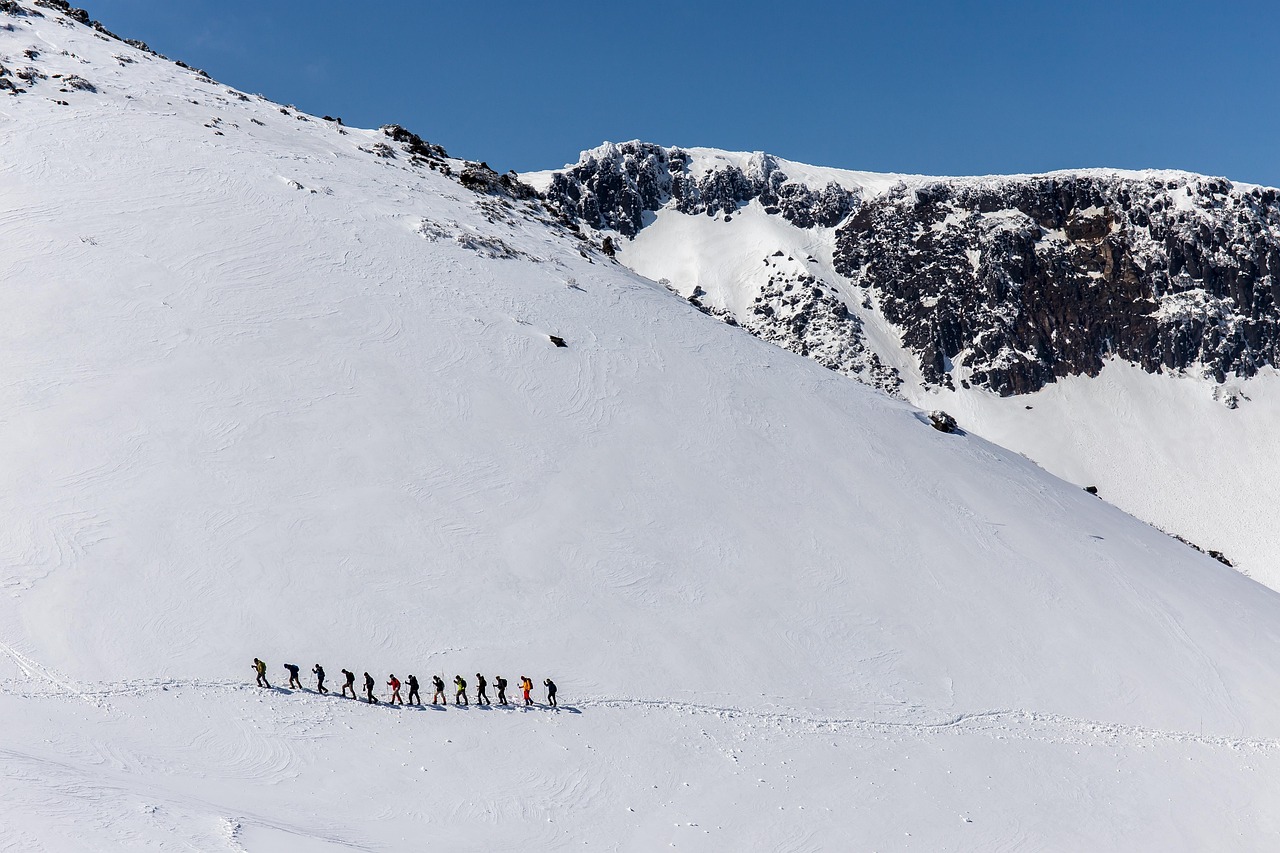
Companies like Intrepid and G Adventures offer adventure-focused tours that range from hiking in the Himalayas to cycling in Vietnam. These aren’t luxury tours—they’re designed for active travelers. You’ll spend a week or two with a small group, and by the end, you’ll know who’s worth traveling with again.
The tradeoff is flexibility. Group tours have fixed itineraries, so you can’t change plans on a whim. But if your goal is to find a reliable companion for a future trip, it’s worth the structure. I’ve met several people on group tours who became long-term travel partners.

How to Find Local Adventure Partners at Your Destination
Once you’re on the ground, you can find local adventure partners through hostels, adventure shops, and meetup apps. Hostels with a reputation for adventure travelers often have bulletin boards where people post looking for partners. Ask at reception—they usually know who’s planning what.
Adventure shops are another good bet. If you’re in a place like Chamonix or Queenstown, the gear shops often have guides or local climbers looking to share costs on a multi-day trip. Strike up a conversation while buying fuel or repairing a tent.
Apps like Meetup or Couchsurfing events can also connect you with groups going on day hikes or weekend trips. Just be cautious. When you meet someone for the first time, gauge their experience level quickly. Ask about their gear, their route knowledge, and their backup plans. If they seem disorganized or overly confident, trust your gut.
Safety checks are non-negotiable. Share your itinerary with someone back home. Keep your phone charged. And always have a backup plan—whether that’s a separate tent or a way to get back to town alone.
What to Look for in a Potential Adventure Travel Companion
Not everyone who wants to climb a mountain should climb with you. Here’s a decision-making framework to evaluate potential companions:
- Fitness level: Best if similar. Avoid if there’s a huge gap. One person gets bored, the other gets exhausted.
- Risk tolerance: Best if aligned. Avoid if one person is cautious and the other is reckless. This causes tension.
- Budget: Best if similar. Avoid if one wants budget hostels and the other wants mid-range hotels. Arguments about money kill trips.
- Travel style: Best if you both prefer flexible vs. rigid itineraries. Avoid if one needs constant planning and the other wants spontaneity.
- Communication style: Best if you can talk openly about problems. Avoid if one person is passive-aggressive or avoids tough conversations.
Before committing, have a conversation about all of these. Ask about their previous trips. Ask what they loved and hated. Ask how they handle bad weather, missed connections, or injuries. If they can’t answer clearly, that’s a red flag.
Common Mistakes When Finding Adventure Travel Companions
1. Rushing the Process
You find someone with a similar date window and jump into booking flights. That’s a mistake. Take time to talk through trip details. A week of messaging isn’t enough to know if someone will be a good partner for a 10-day hike.
2. Ignoring Red Flags
If they’re vague about their experience or defensive about their plans, pay attention. Someone who can’t give a straight answer about their fitness level is someone who might struggle on day one.
3. Not Discussing Finances
Money is the most common source of conflict. If you assume you’ll split everything equally and they assume you’ll cover the gear rental, you have a problem. Talk about costs before you leave.
4. Assuming Skill Parity
Just because someone says they’re “experienced” doesn’t mean they’re experienced at the same level. Clarify what trips they’ve done. Ask about specific routes. Don’t assume they can handle what you can handle.
Practical tip: Travel insurance is cheap insurance against these mistakes. If you end up bailing on a trip because your companion isn’t fit, insurance can cover some losses.
How to Plan and Split Costs with a Travel Companion
Cost-sharing only works if you agree on the rules upfront. Here’s a practical approach:
- Accommodation: Agree on a budget range. If you want hostels and they want camping, decide who compromises or plan to stay separately.
- Gear rental: If you’re sharing a tent or stove, decide who pays what. A fair split is usually 50/50, but if one person owns the gear, the other should cover a larger share of something else.
- Meals: Use an app like Splitwise to track shared expenses. It keeps everything transparent and avoids the “I bought dinner twice” argument.
- Transport: If you’re renting a car, split the cost evenly. If one person does all the driving, you might agree they pay less.
I once traveled with someone who insisted we split everything equally, but then kept buying expensive meals and expecting me to cover my half. That kind of friction can ruin a trip. Have the conversation before you leave. Write it down if you have to. It’s not romantic, but it’s practical.
Safety Tips for Traveling with Someone You Just Met
Even if you’ve vetted someone online, you’re still traveling with a relative stranger. Here’s how to stay safe:
- Share your itinerary: Send your daily plan to a friend or family member. Include your companion’s name and contact info if possible.
- Meet in public first: If possible, meet for coffee or a short hike before committing to a multi-day trip.
- Keep documents separate: Don’t leave your passport or wallet in their bag. Have your own copies.
- Use location sharing: Apps like Google Maps or Glympse let you share your location in real-time with a trusted contact.
- Have a backup plan: Carry extra cash, a power bank, and know how to get out of the area alone if needed.
Gear tip: A portable door lock or personal alarm is a small investment that adds a layer of security in shared accommodations.
When Traveling Solo Is a Better Option
Not every adventure needs a companion. Some trips are better done alone. Long solo thru-hikes like the Pacific Crest Trail or the Camino de Santiago are designed for solitude. Group dynamics can interfere with the meditative rhythm of a long-distance walk.
There’s also the issue of risk. If you’re doing a technical climb or a route that requires precise coordination, a poorly matched partner can be more dangerous than going alone. Trust your judgment. If you can’t find someone who meets your standards, it’s better to go solo and join a group for specific days or sections.
I’ve done plenty of trips alone, and I’ve never regretted it. The freedom to change plans on a whim is worth the occasional loneliness. Don’t force a companion just because you think you need one.
Final Thoughts on Finding Adventure Travel Companions
Finding the right travel companion for an adventure trip takes time, patience, and honesty. Prioritize compatibility over convenience. Start with low-risk trips—a weekend hike, not a month-long expedition—to test the waters. Trust your instincts. If something feels off, it probably is.
The best travel companions aren’t the ones with the most Instagram followers or the most expensive gear. They’re the ones who communicate clearly, respect your pace, and have your back when things go wrong. If you can find that person, the trip will be better for it.
If you’re still unsure where to start, consider booking a group tour as a low-pressure way to meet like-minded travelers. It’s a safe, structured environment to build connections for future adventures.

Shop Music Production Gear
Shop Music Production Gear
Shop Music Production Gear
Shop Music Production Gear