How to Pack Light for Adventure Travel: The Complete Guide
Introduction
For years, I dragged a 65-liter monster through airports, bus stations, and mountain trails. I thought I was prepared. In reality, I was just tired. The moment I switched to a 40-liter carry-on backpack, my entire travel experience changed. I moved faster, saved money on baggage fees, and stopped missing connections because I was wrestling with a heavy duffel. This guide covers how to pack light for adventure travel without sacrificing the gear you actually need. We’re talking about real reductions in weight and volume that let you move freely, avoid check-in counters, and stop being the person everyone waits for. This is practical logistics, not inspiration. If you want to enjoy your trip more and carry less, this is where you start.

Why Packing Light Matters More Than You Think
The benefits of packing light are not theoretical. They are logistical. When you travel with a single, lightweight carry-on bag, you eliminate checked baggage fees entirely. You also eliminate the risk of your bag being lost or delayed. But the biggest advantage is mobility. Adventure travel almost always involves moving between locations—a bus from the city to the trailhead, a boat to an island, or a cramped taxi over a dirt road. Every kilogram you shed makes those transitions easier. I have missed a train because my bag was too heavy to run with. I have paid overweight fees that exceeded my daily accommodation budget. And I have watched people struggle through airports with bags that clearly should have been left at home.
Packing light also reduces decision fatigue. When you have fewer items, you spend less time choosing what to wear and more time actually doing things. You can repack in minutes instead of spending an hour folding and reorganizing. It is not about being a minimalist as a lifestyle choice. It is about being practical in a world where transport systems are not designed to accommodate bulky luggage.
The Golden Rule of Packing: Less Is More
Every experienced adventure traveler eventually arrives at the same conclusion: you use twenty percent of your gear, eighty percent of the time. The rest is dead weight. The core principle is to build a capsule wardrobe that works in multiple scenarios. This means choosing versatile, quick-drying, and durable items that can be mixed and matched. Forget about bringing an outfit for every possible social situation. Instead, bring items that can handle hiking, eating at a restaurant, and sleeping—often all in the same day.
The 3-3-3 Packing Rule for Adventure Travel
This is the simplest system I have found that works across most climates and trip lengths. It is not a rigid formula, but a starting point: three tops, three bottoms, and three pairs of socks and underwear. Here is how it plays out in practice. For tops, choose one long-sleeve shirt for sun protection or cooler evenings, one short-sleeve or tank top for active days, and one light fleece or mid-layer. For bottoms, bring one pair of long pants, one pair of shorts, and one pair of comfortable travel pants that can double as sleepwear. For socks and underwear, three pairs each is usually sufficient if you wash them every two to three days. In warmer climates, you can drop the long pants for an extra pair of shorts. In colder conditions, add a base layer. The key is to do laundry every third day. Travelers who need a lightweight washing line and a bar of soap for hand washing can find compact options that pack down small. A simple way to reduce bulk is to use lightweight packing cubes to keep your 3-3-3 wardrobe organized. This rule forces you to be honest about what you actually wear.
Choosing the Right Carry-On Backpack
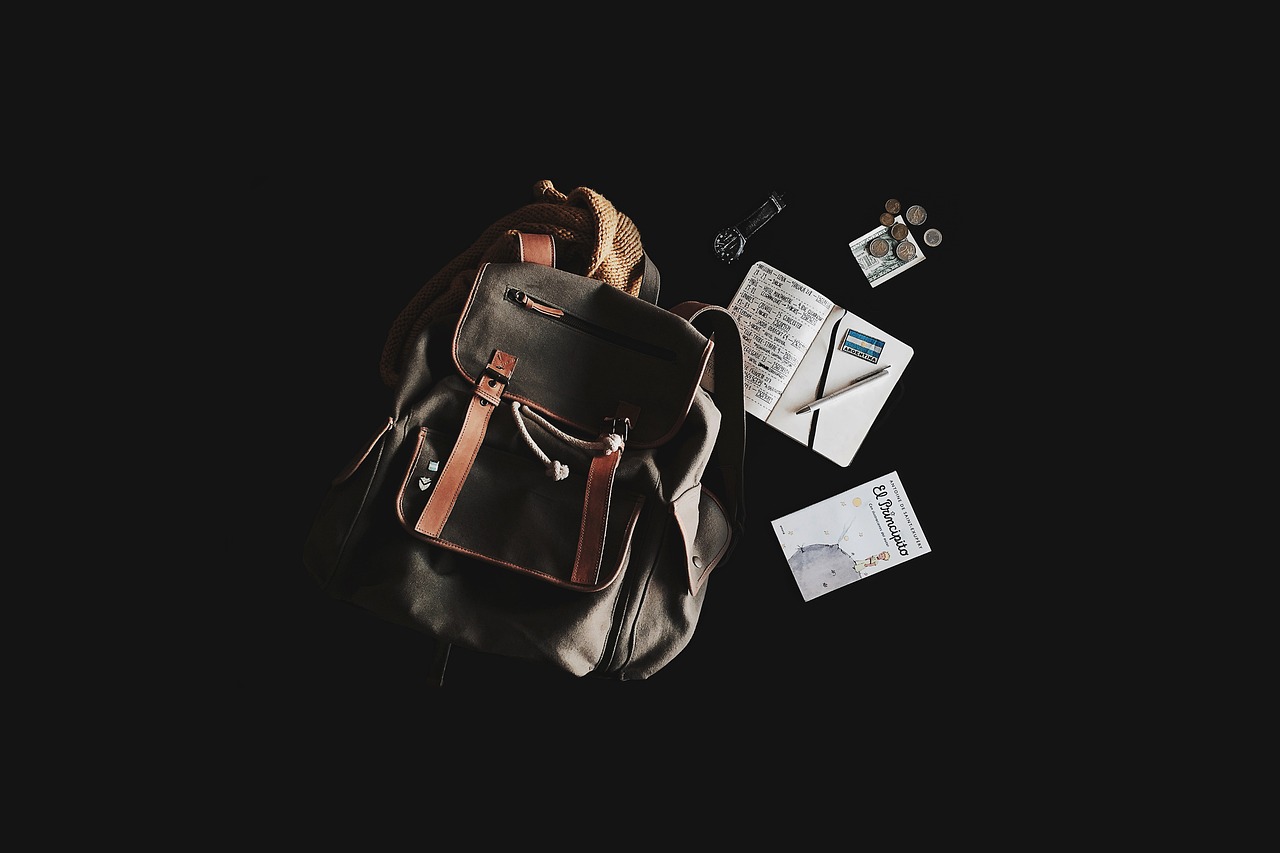
Your backpack is the single most important piece of gear in your kit. It decides how much you can carry and how comfortable you will be while carrying it. For adventure travel, a clamshell-opening backpack is usually better than a top-loader because it lets you access everything without unpacking. Look for a volume between 35 and 45 liters. Anything over 45 liters will be too large to fit most airline carry-on size restrictions without forcing you to under-pack or leave it behind.
Pay attention to the hip belt. A good hip belt transfers weight from your shoulders to your hips, which makes a huge difference on walking days. Many travel-focused backpacks have removable or stowable hip belts, which is useful if you need to fly or take buses. Also, consider the weight of the pack itself. Some “travel” backpacks are heavily padded and weigh nearly two kilograms empty. That is a lot of wasted capacity. A lightweight model around one kilogram is better.
I have used the Osprey Farpoint 40 for years and it remains a solid choice for most adventurers. For those exploring other options, checking reviews of travel backpacks 40 liter carry on can help narrow down the best fit. It opens like a suitcase, has a decent hip belt, and fits most airlines. For a more streamlined option, the Tortuga Outbreaker 35L is excellent for urban-focused trips, though it is a bit heavier. If you prefer a top-loader for actual hiking, the Gregory Zulu 40 is a good option. No single backpack is perfect for everyone, so prioritize airline compliance and comfort over brand name.

Packing Cubes: Worth the Hype?
Packing cubes are not a gimmick. They are genuinely useful for organization, but they do not create space. Compression cubes can reduce the volume of soft items like fleeces and t-shirts by about twenty to thirty percent. Standard cubes keep your clothes separated and make unpacking a ten-second task rather than a hassle. The downsides are that they add a small amount of weight and can encourage overpacking if you fill every cube to the brim.
I use compression cubes for clothing and a separate, smaller mesh cube for dirty laundry. The best ones are made of lightweight, ripstop nylon and have a two-way zipper for easy compression. If you are trying to fit everything into a 35L bag, compression cubes are almost essential. For a 45L bag, standard cubes are fine. Avoid heavy or padded cubes, as they waste weight capacity. The Eagle Creek Pack-It Specter series is my go-to for weight savings, though more affordable compression packing cubes on Amazon with similar designs work just as well for most people.
Clothing Strategies for Any Adventure
Fabric choice is where most people either succeed or fail at packing light. Cotton is heavy, absorbs water, takes forever to dry, and holds odors. It has no place in an adventure travel wardrobe. Instead, focus on merino wool and high-quality synthetics like nylon or polyester blends. Both dry quickly and resist odors to varying degrees.
Merino wool is a fantastic base layer because it is naturally odor-resistant and comfortable in a wide temperature range. The downside is that it is expensive and less durable than synthetic fabrics, especially when wet. A 150-200 gsm weight merino t-shirt is ideal for most conditions. A pair of merino boxer briefs is also great for odor control over multiple days. Synthetics are cheaper, more durable, and dry faster, but they smell after a day or two of heavy use. For the money, a polyester or nylon t-shirt from a brand like Patagonia or Outdoor Research is a solid choice.
A simple layering system for moderate climates includes a merino base layer, a lightweight synthetic mid-layer (like a fleece or puffy vest), and a windproof or waterproof outer shell. For tropical or hot climates, drop the mid-layer and use a sun-protective long-sleeve shirt as your main layer. I have found that a single Arc’teryx Atom Hoody or a Patagonia Nano Puff jacket works as both a mid-layer and an outer layer for most conditions, which saves carrying two separate pieces.
Footwear: The Biggest Decision You’ll Make
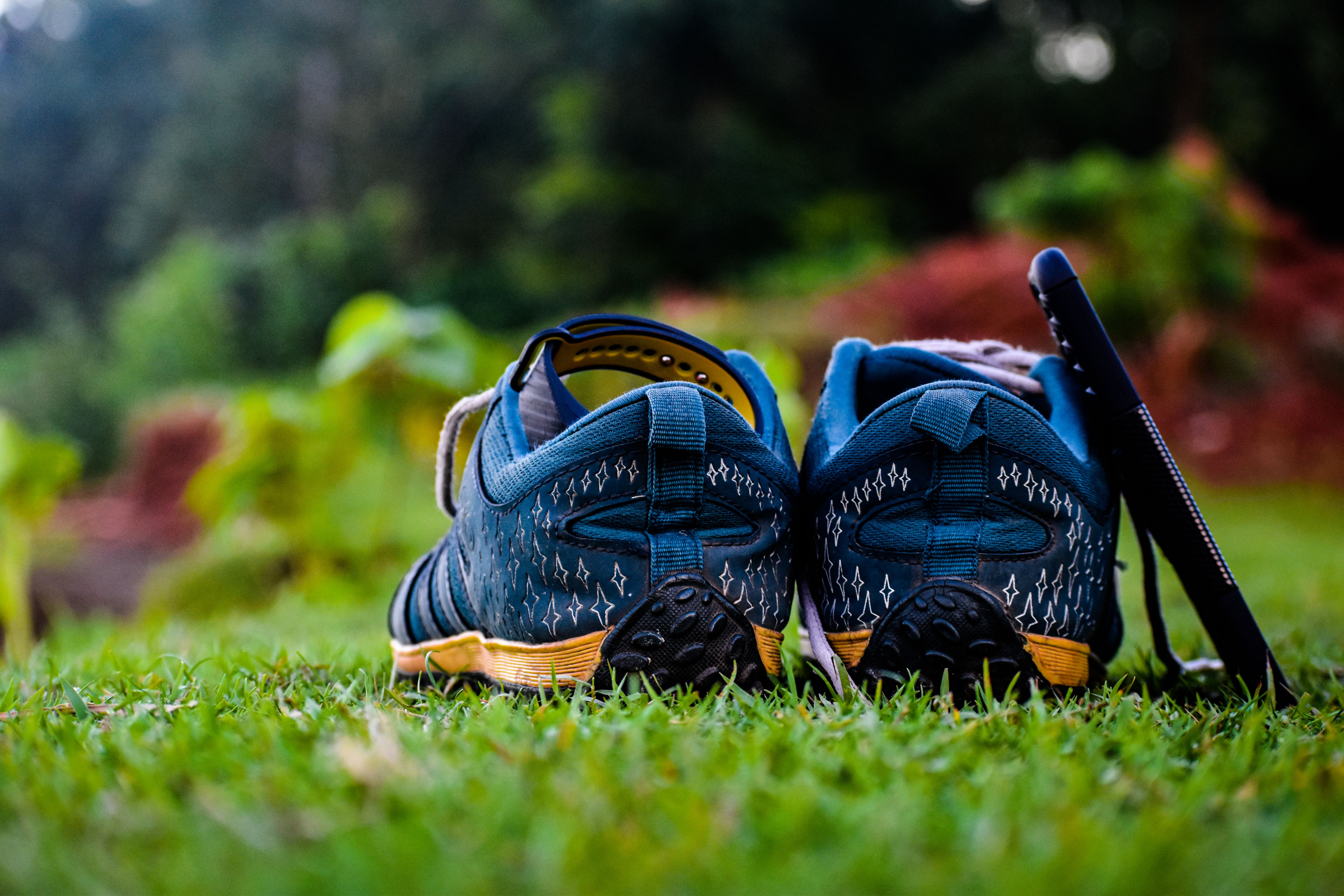
Your shoes take up the most space in your bag and also have the biggest impact on your comfort. The classic mistake is bringing heavy hiking boots and a second pair of casual shoes. That is a lot of weight and bulk. I have moved to a two-shoe system: one pair of trail runners for hiking and most daily activities, and one pair of ultralight sandals for campsites, showers, and relaxing. This covers nearly every scenario.
Trail runners are lighter, dry faster, and are more comfortable for long distances than boots, provided you do not need heavy ankle support for rough terrain. Boots only make sense if you are carrying a heavy load over technical, rocky trails for extended periods. Even then, many experienced hikers prefer low-cut boots. For sandals, brands like Bedrock or Luna make ultralight models that weigh under 200 grams and are durable enough for river crossings. For women, the Chaco Z1 is a popular choice, though it is heavier. Avoid bulky Keen-style sandals if you are serious about weight.
No matter what you choose, break in your shoes before the trip. Blisters are the fastest way to ruin an adventure. Pair your footwear with a good pair of lightweight, quick-drying socks (merino or synthetic) and treat any hot spots immediately with moleskin or leukotape.
Toiletries and Personal Care: Cut the Fat
Toiletries are easy to overpack, but they are also easy to optimize. The goal is to carry only what you use every single day and to switch to solid or concentrated forms whenever possible. Swap liquid soap for a solid bar that can handle body, hair, and laundry. Use powder toothpaste or toothpaste tablets instead of a tube. For sunscreen and insect repellent, buy small 1-ounce bottles or use solid sticks. A 1-liter clear TSA-approved ziploc bag is a good constraint for all liquids.
A basic first-aid kit containing blister treatment, pain relievers, antihistamines, and antiseptic wipes is essential. I carry a small kit from Adventure Medical Kits that weighs less than 100 grams. For general toiletries, I use a Matador FlatPak soap case for a solid soap bar and a similar-sized container for a solid sunscreen stick. This is not about being extreme; it is about being efficient. Every gram adds up. If you are unsure whether you will use something, leave it at home.
Electronics and Gadgets: What You Actually Need
Electronics are a common source of unnecessary weight. The question you should ask is: “Can I do this on my phone?” For most people, the answer is yes. A modern smartphone can replace a camera, a GPS, a guidebook, and a music player. The only exception is if you are a professional photographer or need to do complex editing. In that case, you already know your gear requirements. For everyone else, leave the laptop at home if you can. A small e-reader like the Kindle Paperwhite is lighter than a tablet and can hold hundreds of books.
A good power bank is essential. I carry a 20,000 mAh Anker PowerCore because it can charge my phone at least four times and is still small enough for carry-on restrictions. A universal travel adapter with multiple USB ports is also necessary. For headphones, in-ear monitors or lightweight over-ear models are best. Avoid heavy noise-canceling models unless you need them for long flights. A single cable that can charge both your phone and your power bank is a nice simplification. A small headlamp from Petzl or Black Diamond is useful for night walks, reading before bed, or navigating a campsite.
Three Common Packing Mistakes That Weigh You Down
Mistake 1: Overpacking for “Just in Case” Scenarios. People bring formal shoes for a possible nice dinner, extra clothes for a hypothetical cold snap, and gear for activities they do not even have planned. If you do not have a specific plan to use something, leave it out. The number of things you actually need versus what you think you might need is much smaller.
Mistake 2: Relying on Heavy or Bulky Gear. A thick, heavy towel, a bulky DSLR camera, a pair of jeans that take up half your bag—these are examples of items that take up disproportionate space. Prioritize lighter versions of essential items. If you are not using it every day, reconsider it.
Mistake 3: Not Accounting for Souvenirs. Every adventure traveler comes home with something. Even a small souvenir can throw off your carefully packed bag. Plan for this by leaving at least ten percent of your pack volume empty. If you know you will buy a specific item, such as a local blanket or a piece of pottery, consider what you can leave behind to make room.
How to Pack for Different Types of Adventure Travel
One packing list does not fit all trips. The context of your adventure changes what you should bring. Here is a breakdown of different travel styles and their specific packing needs.
- Backpacking / Thru-Hiking: Focus on ultralight gear. Think tent, sleeping bag, stove, and food. Weight is critical. A 40-50L pack is common. Prioritize multi-use items like a pot that doubles as a bowl. Cotton is banned. Expect to do laundry in streams.
- Cultural / City-Based Travel: Comfort and versatility are key. You need clothing that is appropriate for temples, museums, and restaurants while still being comfortable for walking. A 35-40L bag is perfect. Top items include a lightweight, long-sleeve shirt, comfortable walking shoes, and a packing cube for organization. You can afford a slightly more fashionable look without sacrificing function.
- Beach / Coastal Adventures: You will likely wear swimwear and sandals most of the time. A 25-30L daypack is often enough. Focus on a quick-dry towel, high SPF sunscreen, and a waterproof phone case. A single pair of good walking sandals can replace both hiking shoes and flip-flops.
- Multi-Activity Trips (Hiking + City + Beach): This is the hardest to pack for because you need the most variety. A 35-40L bag with compression cubes is nearly mandatory. The two-shoe system (trail runners + sandals) works well here. Choose clothing that can transition from trail to dinner without looking out of place. Merino wool t-shirts and a versatile, lightweight jacket work wonders.

Final Packing Checklist: Before You Zip Up
Before you leave, run through this short checklist to avoid common oversights.
- Weigh your bag. Get on a bathroom scale. If your bag exceeds seven kilograms, reconsider what is inside. This is a common carry-on weight limit.
- Test your setup. Walk around your house or yard with your fully packed bag. Does it feel comfortable? Is the weight distributed well? Adjust straps accordingly.
- Check airline restrictions. Confirm the carry-on size limits for the specific airlines you will fly. The bag you bought for one airline may not fit on a budget carrier like Ryanair or Air Asia.
- Pack for a layering system. Your bag should allow you to add or remove a layer quickly without repacking. Your outermost layer should be easy to access.
- Leave room for souvenirs. As mentioned, a five to ten percent empty volume buffer is a smart move.
Frequently Asked Questions About Packing Light
How do I pack for a month with a carry-on? The answer is laundry. You do not need to bring a month’s worth of clothing if you wash your clothes every two to three days. A small pack of laundry detergent sheets or a bar of soap is enough. Many hostels, hotels, and even campsites have a place to wash. If you really cannot bear the idea, a weekly visit to a laundromat is faster and cheaper than checking a bag.
What if I need gear for extreme weather? Extreme weather requires more gear, but it does not have to require a huge bag. A down jacket that compresses to the size of a water bottle, a lightweight waterproof shell, and a pair of insulated pants are far better than a heavy parka and multiple sweaters. For actual mountaineering, you may still need a larger bag, but many technical challenges can be addressed with layering rather than bulk.
Do packing cubes really save space? Yes, but mostly through compression rather than magic. Compression cubes reduce the volume of soft, fluffy items. Standard cubes save space by fitting items into a fixed volume, which prevents them from shifting and creating odd-shaped gaps. For me, they are worth the small weight penalty for the organization they provide.
What is the single most important recommendation you have? If I had to pick one item that transformed my packing approach, it would be a high-quality, lightweight, carry-on-compliant backpack in the 38-42 liter range. After that, a good pair of trail runners and a merino wool t-shirt are close behind. If you are looking for a starting point, I have linked my top gear picks below to make the shopping process easier.