Best Adventure Travel Cameras : The Complete Guide to Choosing the Right Camera for Your Next Trip
Introduction
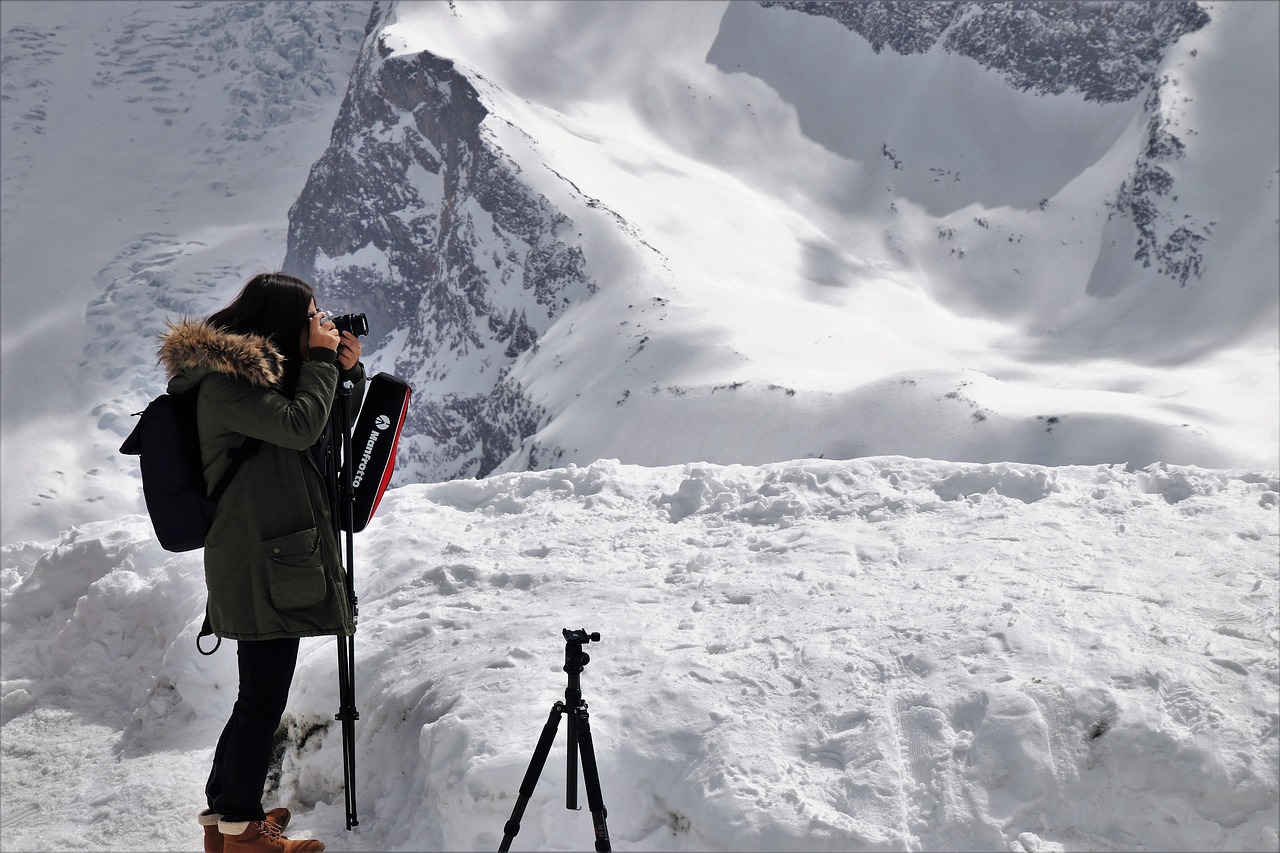
Picking a camera for adventure travel is never simple. Spec sheets all look good on paper, but what works in a studio often falls apart on a wet mountain pass or a dusty trail. The best adventure travel cameras balance weight, durability, image quality, and versatility in a way that fits how you actually move. You are not shooting a wedding. You are carrying everything on your back, often in bad weather, and you need a camera that works when you need it.
This guide breaks down the main options—mirrorless systems, rugged compacts, and action cameras—and the real tradeoffs between them. There is no single perfect camera, but there is a perfect camera for your next few trips. By the end of this, you will know exactly which one that is.

What Makes a Camera Good for Adventure Travel?
“Adventure travel” covers a lot of ground, from a weekend hike in the Alps to a month-long jungle trek. But the physical demands on your gear are similar. Here are the criteria that actually matter.
Weight and size. Aim for a body and one lens under 1.5 pounds (700 grams). Anything heavier gets left behind on longer days or becomes a burden that saps the joy out of the experience. A camera you do not carry is useless.
Weather sealing. Look for an IP rating or a manufacturer claim of “weather-sealed” that covers dust and light rain. This is not just about rain. It is about condensation in a humid tent, blowing sand on a beach, or snow melt. A camera that fails after one splash is a poor investment for adventure.
Battery life. Real-world battery life matters more than the CIPA rating. In cold weather, batteries drain faster. Figure on half the advertised number of shots if you are below freezing. The best adventure travel cameras let you charge via USB-C on the trail from a power bank. Travelers who need extra power for longer trips may want to carry a high-capacity power bank alongside spare batteries.
Lens ecosystem. A camera body is only as good as the lenses you can put on it. A compact body with only one mediocre zoom lens limits you. A system with a few compact, high-quality primes or a versatile zoom is ideal.
Ease of use. You need to operate the camera with gloves on, in the rain, and without looking at the screen. Physical dials and buttons that you can feel are better than touchscreens for bad conditions.
Contrast this with general travel cameras that prioritize zoom range and compactness over ruggedness and low-light performance. An adventure camera is built to survive the trip first and take great photos second. The best option for you depends on whether you are a thru-hiker who needs every gram or a climber who needs a pocketable camera that can take a fall.
The Problem with Most Camera Advice for Adventurers
Most camera advice comes from people who test gear in controlled environments or on short, comfortable trips. This leads to three common mistakes that cost adventurers money and ruin trips.
Mistake 1: Buying a heavy DSLR system. Full-frame DSLRs are excellent for image quality, but a basic kit with a 24-70mm lens weighs over three pounds. You will feel that on a 10-mile hike with a 30-pound pack. By day three, that camera stays in the tent or the hotel room. The pictures you do not take because your gear is too heavy are the ones you will regret most.
Mistake 2: Assuming your phone is enough. Modern phones take impressive photos in good light. But they fail on wildlife (no zoom) and in low light (small sensor, noise, motion blur from handheld shots). If you are shooting a bear at dawn or the stars over a ridge, your phone will not deliver usable results. It is a backup, not a primary camera for serious adventure photography.
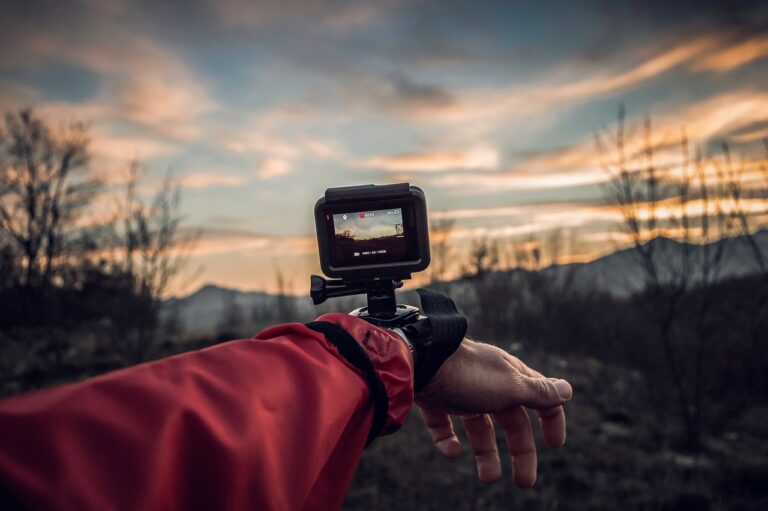
Mistake 3: Buying a waterproof action camera for all-around use. A GoPro or a rugged compact like the TG-7 is fantastic for underwater shots, action sequences, and rough conditions. But its small sensor struggles in anything other than bright daylight. Indoor shots, evening campfire scenes, and misty forests will look noisy and flat. It is a specialist tool, not a general-purpose camera.
These mistakes happen because marketing and influencer photos make everything look easy. The reality is that every camera involves tradeoffs. This guide helps you pick which tradeoffs you are willing to make for your specific adventures.

Before You Buy: Key Specs That Actually Matter
Spec sheets are full of numbers that sound impressive but tell you little about real-world performance. Here is what to focus on when comparing the best adventure travel cameras.
Sensor size. Full-frame sensors (35mm) offer the best low-light performance and dynamic range but require larger lenses. APS-C sensors, found in cameras like the Sony A6700, are a great compromise: excellent image quality in a smaller package. Micro Four Thirds (MFT) is even smaller but shows its limits in dim conditions. A 1-inch sensor, common in compact cameras and the TG-7, is fine for well-lit landscapes but will struggle in a forest at dusk or inside a cave. For most adventure photography, APS-C is the sweet spot.
Weather resistance. Look for an IP rating (e.g., IP53) or a specific claim like “weather-sealed” that mentions dust and moisture. Do not assume that a camera labeled “weather-resistant” can survive being submerged. That is a different requirement. A camera that can handle light rain and splashes is different from one you can wash off under a tap. Know the difference based on your typical conditions.
Image stabilization (IBIS). In-body stabilization is essential for handheld shots in low light, whether it is a twilight landscape, a campfire scene, or a moving subject. It allows you to use slower shutter speeds without a tripod. Cameras without IBIS (like many budget DSLRs) force you to bump up ISO or carry a tripod for every evening shot.
Max burst rate. If you shoot wildlife, fast action, or kids and dogs moving fast outdoors, a burst rate of 10 frames per second (fps) or higher is useful. It increases your chances of capturing a decisive moment. But be aware that high burst rates drain the buffer and the battery quickly. It is not a feature you need every day, but when you need it, it is invaluable.
Video quality. If video matters to you, look for 4K at 60 fps or higher and good autofocus tracking. 10-bit color and ProRes options are for serious videographers. For most adventurers, reliable 4K with usable stabilization is enough. Do not buy a camera purely for video specs if you primarily shoot stills.
Best Overall Adventure Camera: Sony A6700
The Sony A6700 is the most versatile all-around camera for adventure travel in 2025. It uses an APS-C sensor that delivers excellent image quality, comparable to many full-frame cameras from a few years ago, in a body that weighs just over a pound with a lens attached.
What sets it apart is the autofocus. Sony’s real-time tracking for animals, birds, and people is the best in the mirrorless world. When you are hiking and a deer steps into the path or a bird flies overhead, the A6700 locks on and tracks it reliably. That is a practical advantage over the Fuji X-T5, which has beautiful colors but slower autofocus for moving subjects. It is also lighter than the Canon R8 and has a more affordable lens selection for a complete kit.
The weather sealing is solid. It handles light rain and dust without complaint. Battery life is good for a mirrorless camera—around 500 shots per charge in normal conditions, less in cold. You can charge via USB-C on the trail, which is essential for longer trips.
Best For: Hikers, climbers, and travel photographers who want one versatile system for landscapes, portraits, wildlife, and video. It is the camera to buy if you want the best balance of weight, image quality, and features without the compromises of a compact or the bulk of a full-frame system.
For those who want to start with a solid kit, a Sony A6700 lens kit is a practical way to get a body and a versatile zoom in one purchase.
Best Compact & Rugged Camera: OM System Tough TG-7
The OM System Tough TG-7 is the go-to camera for wet, dirty, or high-impact adventures where a mirrorless camera would get destroyed. It is waterproof to 15 meters (49 feet), shockproof from a 2.1-meter drop, and crushproof to 100 kgf. You can take it kayaking, canyoneering, or into a downpour without a single worry.
The image quality is not going to win any awards. The 1-inch sensor is small, and you will see noise at ISO 800 and above. In bright daylight, the colors are good and the sharpness is acceptable. The macro mode is surprisingly good for shooting bugs, flowers, or details. The built-in GPS is nice for logging locations, though it drains the battery faster.
The limitation is low light. If you are shooting inside a cave, at dusk, or under a forest canopy, the TG-7 will produce soft, noisy images. It is a daylight camera. That is the tradeoff for its durability.
Best For: Kayakers, snorkelers, climbers, and anyone who routinely exposes their gear to water, mud, or drops. If you need a camera that will survive being treated poorly, this is it. If you want high-quality photos in variable light, look at the Sony A6700 instead.
Best Mirrorless for Video-Heavy Adventures: Nikon Zf
The Nikon Zf is a full-frame mirrorless camera with a retro design that looks great but is also genuinely weather-resistant. It uses the same sensor as Nikon’s higher-end Z8, which means excellent dynamic range and low-light performance for stills. For video, it shoots 4K at 60 fps with 10-bit color and ProRes support internally. The in-body stabilization is among the best, making handheld shots smooth even while walking.
The catch is weight. The Zf body alone is 710 grams (1.56 pounds), which is heavier than the Sony A6700. By the time you add a lens, you are carrying a significant amount of weight. This camera is best suited for base-camp photography, car-based adventures, or trips where you are not covering long distances on foot. It is a powerhouse for capturing high-quality video in challenging conditions, but you pay for it in the weight you carry.
Consider this if you prioritize video and can handle the extra grams. For most adventurers, the Sony A6700 is a better all-around choice, but for video enthusiasts, the Zf is hard to beat in this category.
Consider This If: You shoot a lot of video on your adventures and can tolerate heavier gear. It is also a great option if you already own Nikon F-mount lenses via an adapter.
Best Budget Option for Beginners: Panasonic Lumix G85
The Panasonic Lumix G85 is the most affordable way to get a weather-sealed, interchangeable-lens camera with in-body stabilization. It uses a Micro Four Thirds sensor, which is smaller than APS-C, but the quality is good enough for most adventure photography in good light. The in-body stabilization is excellent for handheld shots, and the ergonomics are comfortable even with larger hands.
The autofocus is contrast-detect and not as fast as Sony’s hybrid system. It will struggle with fast-moving subjects like birds in flight or kids running. But for landscapes, portraits, and slow-moving wildlife, it works fine. The video is good-quality 4K at 30 fps, though the rolling shutter is noticeable with quick pans.
You can find a used G85 body for under $300, which makes it an incredible entry point into the mirrorless world without the financial commitment of a Sony or Nikon system. The main downside is the smaller sensor, which means worse low-light performance and less background blur compared to APS-C or full-frame.
Best For: Beginners on a budget, or as a backup camera for an existing Micro Four Thirds shooter. For general hiking, camping, and city-to-trail trips, it punches well above its price. Do not rely on it for fast action in low light.
Camera Comparison Table: Key Models Side by Side
Here is how the top contenders stack up on the specs that matter for adventure photography. Use this to quickly compare weight, sealing, and sensor size.
| Camera | Weight (Body Only) | Weather Sealing | Sensor | Battery Life (CIPA) | Best For |
|---|---|---|---|---|---|
| Sony A6700 | 493g | Weather-sealed | APS-C | ~570 shots | All-around adventure photography |
| OM System TG-7 | 249g | IP68 (15m) | 1-inch | ~340 shots | Wet, dirty, high-impact scenarios |
| Nikon Zf | 710g | Weather-sealed | Full-frame | ~380 shots | Video-heavy, base-camp adventures |
| Panasonic Lumix G85 | 505g | Weather-sealed | MFT | ~330 shots | Budget-friendly all-around |
| Fuji X-T5 | 557g | Weather-sealed | APS-C | ~580 shots | Stylish, film-simulation color |
| Canon EOS R8 | 461g | Weather-sealed | Full-frame | ~290 shots | Compact full-frame, limited lens selection |
Note: Battery life in cold weather will be half of these numbers. Always carry spares.
Lenses That Are Actually Worth Carrying
A good lens makes more difference to your photos than a good body. For adventure travel, you want lenses that are compact, versatile, and weather-sealed. Here are the types worth considering.
The standard zoom: 16-50mm f/3.5-5.6 for APS-C (or equivalent). This is the most versatile lens for hiking. It covers wide landscapes at 16mm and a short telephoto at 50mm for portraits or compressed scenic shots. It is light and small. The aperture is slow, so you will need higher ISO in low light, but for daytime use, it is the lens to bring.
The fast prime: 30mm f/1.4 for APS-C (or 24mm f/1.8 for full-frame). This is your low-light lens. Use it for evening shots, campfire scenes, or indoor interiors. The wide aperture lets in more light, allowing faster shutter speeds and better low-light performance. It is also smaller and lighter than a standard zoom. A lens like the Sigma 30mm f/1.4 DC DN Contemporary is affordable and sharp.
The compact telephoto: 55-210mm f/4.5-6.3 for APS-C. If you shoot wildlife or want to compress distant landscapes, a telephoto zoom is useful. Avoid the large, heavy 70-200mm f/2.8 lenses. A slower, lighter telephoto like the Sony 55-210mm (under 350g) is fine for daylight wildlife. Do not carry it unless you are sure you will use it.
Avoid this: Do not bring a 70-200mm f/2.8 on a multi-day trek unless you are a pro with a sherpa. It weighs over three pounds and will ruin your pack balance. Similarly, avoid large, fast lenses like a 24-70mm f/2.8 unless you are car camping and weight is not an issue.
Essential Accessories for the Trail and Tripod Debate
A few lightweight accessories make a big difference in the quality and reliability of your adventure photography. Here is what is worth carrying and what is not.
Extra batteries. This is non-negotiable, especially in cold weather. Carry at least two spare batteries and keep them in an inner pocket close to your body to keep them warm. A USB-C power bank is also essential for recharging on longer trips.
A polarizing filter (circular polarizer). This screw-on filter reduces glare, cuts through haze, and saturates colors in landscapes. It is small, light, and dramatically improves sky and foliage shots. Get one that matches your lens thread size.
A rain cover. Even weather-sealed cameras are not truly waterproof. A simple waterproof cover or a large Ziploc bag with a hole cut for the lens will protect your gear from a downpour. It costs almost nothing and saves your camera.
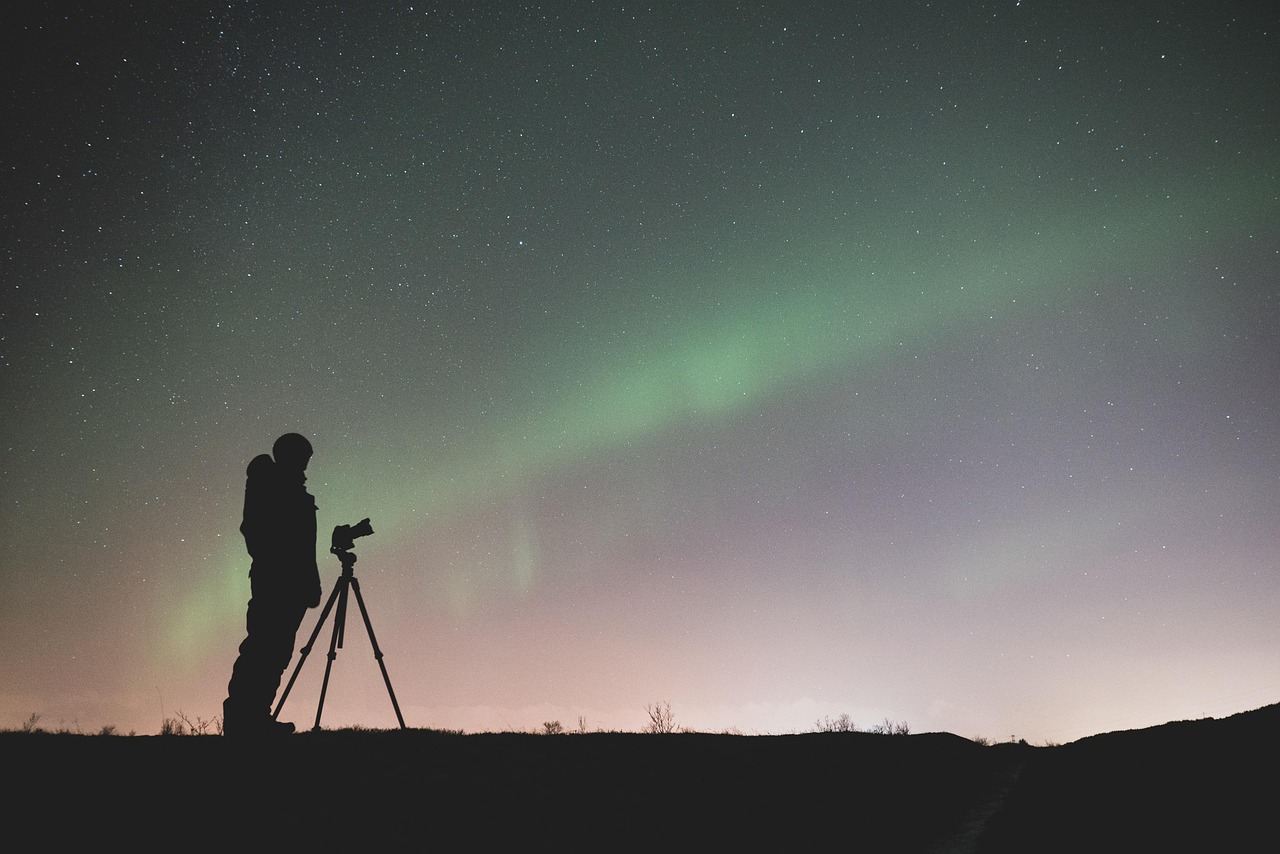
The tripod debate. Most adventurers do not need a full-size tripod. A small tabletop tripod or a clamp that attaches to a tree branch or a hiking pole is enough for 95% of shots. For night photography or long exposures, a lightweight carbon fiber tripod under 2 pounds (like the Peak Design Travel Tripod) is a worthwhile investment. If you are not shooting night skies or waterfalls, skip the tripod entirely.
Frequent users may benefit from a Peak Design Travel Tripod for its balance of weight and stability.
How I Pack My Camera Gear for a 10-Day Trek
Here is my standard setup for a multi-day trek where weight and accessibility are critical. It is a system I have refined over dozens of trips in the Alps, the Rockies, and the Himalayas.
I use a Sony A6700 with a 16-50mm f/3.5-5.6 kit lens attached. This is my primary lens for almost everything. I keep the camera in a chest pouch (like the Peak Design Capture Clip or a simple padded bag on my chest strap) so it is always accessible. I do not put it in my pack. A camera buried in your pack is a camera you will not use.
I carry two spare batteries. One is in a pants pocket, the other in a small pouch in my pack. I also carry a small power bank (10,000 mAh) for recharging at night. A microfiber cloth lives in the chest pouch for wiping dew, dust, or rain off the lens.
For night shots, I bring a small tabletop tripod (like the Manfrotto Pixi) that fits in the side pocket of my pack. It weighs nothing and lets me shoot star trails, light trails, or long-exposure landscapes. I do not bring a full-size tripod unless I plan to do dedicated night photography.
I leave the 70-200mm lens at home. For wildlife, I accept that I will not get National Geographic shots. The 16-50mm is enough for the kind of wide, contextual wildlife shots I value. A heavy telephoto lens is the first thing I skip when packing light.

Common Questions About Adventure Travel Cameras
Is a GoPro enough for photos?
No, not for serious still photography. A GoPro is excellent for action video but its small sensor and fixed wide-angle lens produce soft, noisy photos in anything other than bright daylight. It works as a backup or for quick, candid shots, but it will not replace a proper camera for quality landscapes or portraits.
Should I buy a DSLR in 2025?
Only if you already own a set of lenses and do not want to switch systems. DSLRs are heavier, louder, and generally less weather-resistant than modern mirrorless cameras. The optical viewfinder is nice, but the electronic viewfinder in a mirrorless camera gives you a live preview of your exposure, which is more useful for adventure photography.
How do I protect my camera from sand and snow?
Use a weather-sealed camera and a rain cover. For sand, keep the camera inside a sealed dry bag when not in use. In snow, avoid lens changes in a blizzard. Condensation when moving from cold to warm is a bigger risk than snow itself—let the camera warm up slowly in a sealed bag before opening it.
Is a 1-inch sensor good enough for adventure photography?
It depends on your standards. For bright daylight landscapes and well-lit subjects, a 1-inch sensor (like in the TG-7 or Sony RX100) is perfectly capable. For low-light shots, fast action, or large prints, the smaller sensor will show its limits. It is a compromise you make for compact size and durability.
Do I need a full-frame camera for adventure photography?
Not for most adventures. APS-C cameras like the Sony A6700 produce excellent images that are indistinguishable from full-frame in most conditions. Full-frame matters mostly for extreme low-light or when you need the largest possible prints. The weight penalty is real. For 99% of adventurers, APS-C is the right choice.
Final Verdict: Which Camera Should You Pack?
The choice comes down to where you are going and what you are doing. Here is the short version:
- For most hikers, climbers, and general adventurers: Sony A6700. It is the best all-around camera for weight, image quality, and versatility. Pair it with a 16-50mm zoom and a spare battery.
- For wet or rough conditions (kayaking, canyoneering, beach trips): OM System Tough TG-7. It will survive anything and take good daylight shots. Accept the low-light limitations.
- For beginners on a budget: Panasonic Lumix G85. It is cheap, weather-sealed, and offers interchangeable lenses. A great entry point without breaking the bank.
Before you buy, think about your next three trips. The weight and weather conditions on those trips will be the deciding factors. A camera that is too heavy for your primary adventure is not the right camera. A camera that cannot handle the rain is a risk.
Check current prices on Amazon to find the best deals on these models. Your adventure camera should be an investment in capturing memories, not a burden you carry.