Solo Female Adventure Travel Safety: 15 Essential Tips for Women Traveling Alone
Why Solo Female Adventure Travel Has Unique Safety Considerations
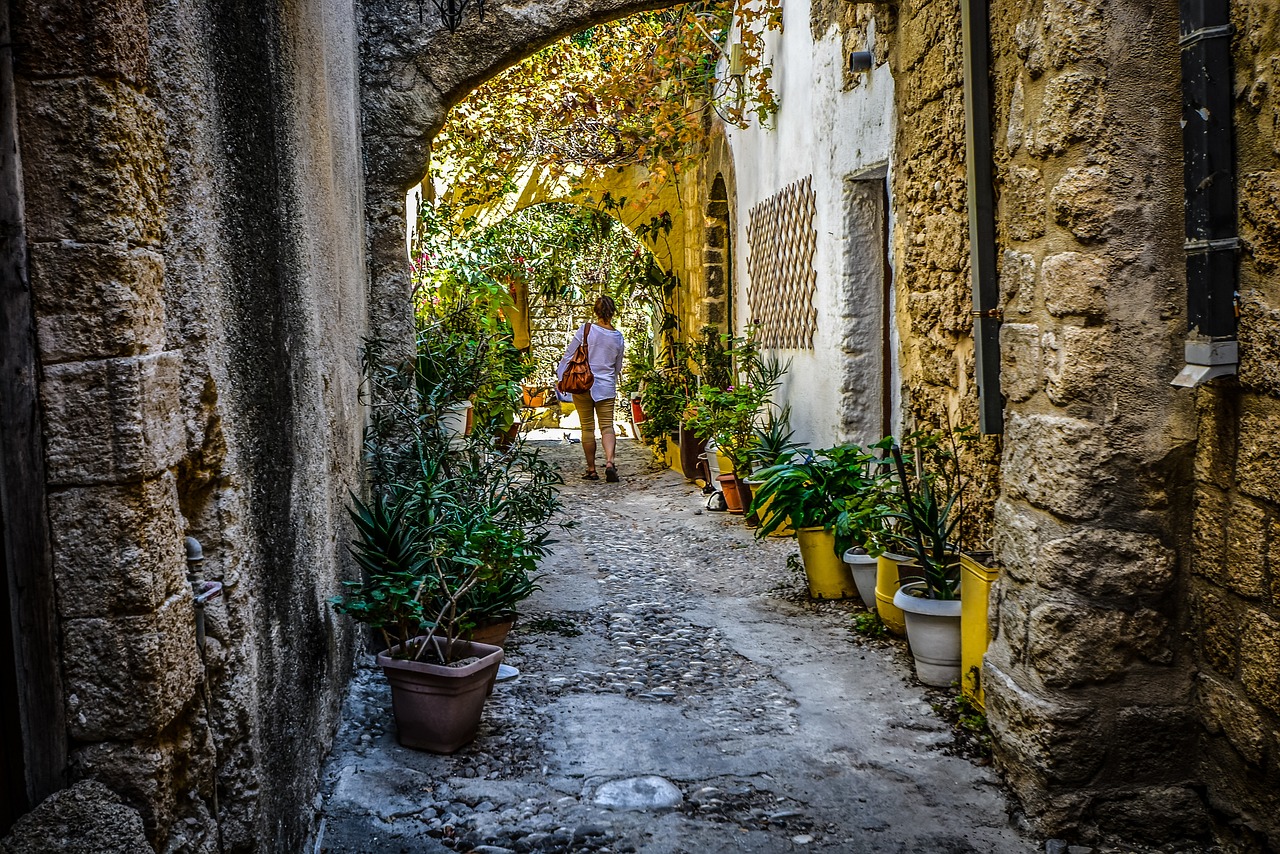
Adventure travel pushes you beyond predictable environments. You’re navigating unfamiliar trails, using public transport you don’t know, handling rented gear, and interacting with strangers. For a woman traveling alone, these factors create specific safety considerations that differ from general solo travel or a trip with a partner.
It’s not about assuming danger lurks everywhere. It’s about acknowledging that as a woman, you face different challenges: unwanted attention, assumptions about your independence, and sometimes being targeted by people who see a solo woman as an easier mark. The tradeoff is between the freedom of solo adventure travel and the need for heightened situational awareness. You’re not operating from fear, but from practical preparation. Understanding this is the first step in solo female adventure travel safety. The goal is to plan well enough that you can relax and enjoy the adventure, knowing you’ve already accounted for the most common risks.

Before You Go: Pre-Trip Safety Research and Planning
The most important safety work happens before you board a plane. Start with specific research on your destination. Don’t just read general travel advisories. Search for “solo female travel safety in [destination]” and focus on forums like Reddit or Facebook groups for women travelers. Look for recent, specific posts about local customs regarding women, safe neighborhoods, and taxi scams.
Make copies of your passport, visa, and travel insurance documents. Store one digital copy in a secure cloud folder (Google Drive or Dropbox) and give a physical copy to someone you trust at home. Share your itinerary with that person so someone knows exactly where you should be on any given day. Include flight numbers, accommodation addresses, and any booked tour details.
Before you leave, check your phone plan or buy a local SIM. Having data is a safety tool, not a luxury. Download offline maps of your destination on Google Maps or Maps.me. You need to navigate even without service. As for travel insurance, don’t skip it. Adventure activities like whitewater rafting or scuba diving come with inherent risk, and medical evacuation or trip cancellation can cost thousands. Research policies that cover adventure sports. You’re paying for a safety net, not a convenience. Travelers who need reliable travel insurance may want to look for comprehensive options through adventure travel insurance plans.
Choosing Safe Accommodations for Solo Female Adventurers
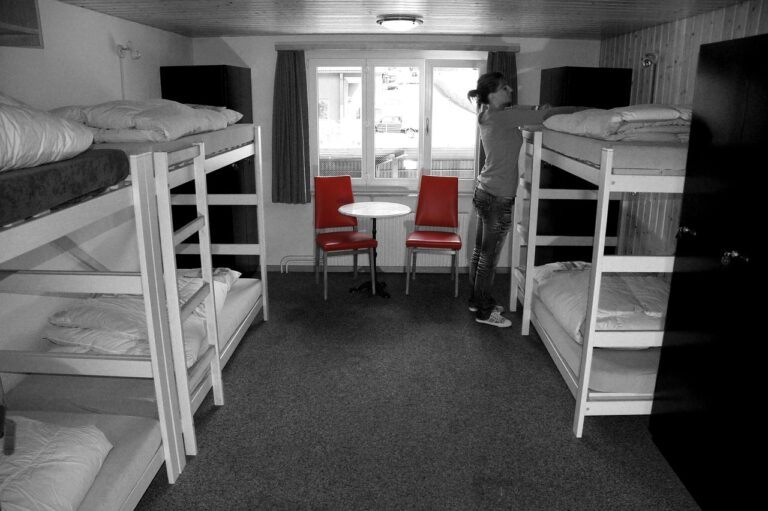
Your accommodation is your base, and it needs to feel safe. There’s a tradeoff between budget, privacy, and security. Hostels are social and cheap, but dorm rooms can feel exposed. Look for hostels with good common areas, female-only dorms, and lockers that fit your gear. Read reviews from other solo women. Hotels offer more privacy and often have 24-hour front desks, which is a major safety feature. Guesthouses or homestays can be excellent if the host is trustworthy, but they offer less anonymity.
For a solo woman, the best choice is often a hotel or hostel with 24-hour reception. You want someone on-site who speaks the local language and can help in an emergency. Read recent reviews, not just the highest-rated ones. Look for specific mentions of security: are lights on in the parking lot? Is the street well-lit at night? Does the front desk check guests? Avoid places where reviews mention doors that don’t lock properly or neighborhoods that feel deserted after dark.
If you want to book with confidence, use a trusted booking site. Look for the flexibility to filter by property type, read verified reviews, and access customer support if something goes wrong. For added peace of mind at night, consider carrying a portable door lock for travel for an extra layer of security.
Packing the Right Gear for Safety and Practicality
You don’t need to buy a ton of gear, but a few smart items make a difference. The key is packing multi-use items that contribute to safety without weighing you down.
Essential items for a solo female adventurer:
- Portable door lock (like the Addalock): This small device gives you an extra layer of security in hotel rooms or hostels. It fits in a pocket and works on most inward-swinging doors.
- Whistle: Small, cheap, loud. It can call attention in a remote area or scare off an animal. Attach it to your pack.
- Headlamp: Hands-free light for navigating trails, campsites, or power outages. A basic Black Diamond or Petzl is fine.
- Personal first aid kit: Don’t rely on finding a pharmacy. Pack blister plasters, antiseptic wipes, painkillers, and any prescription medication.
- Money belt or hidden pouch: Keep your passport, extra cash, and a backup credit card separate from your main wallet.
- Reusable water bottle with a filter (like a Lifestraw or Grayl): This lets you drink safely from rivers or taps, avoiding dehydration and stomach issues.
Who this is for: This list is best for women who want to cover their bases without buying a separate “travel safety” kit. You already own most of these. Pick up a door lock and a whistle. That’s 90% of the work. Don’t overthink the packing.

Navigating Transportation Safely as a Solo Woman
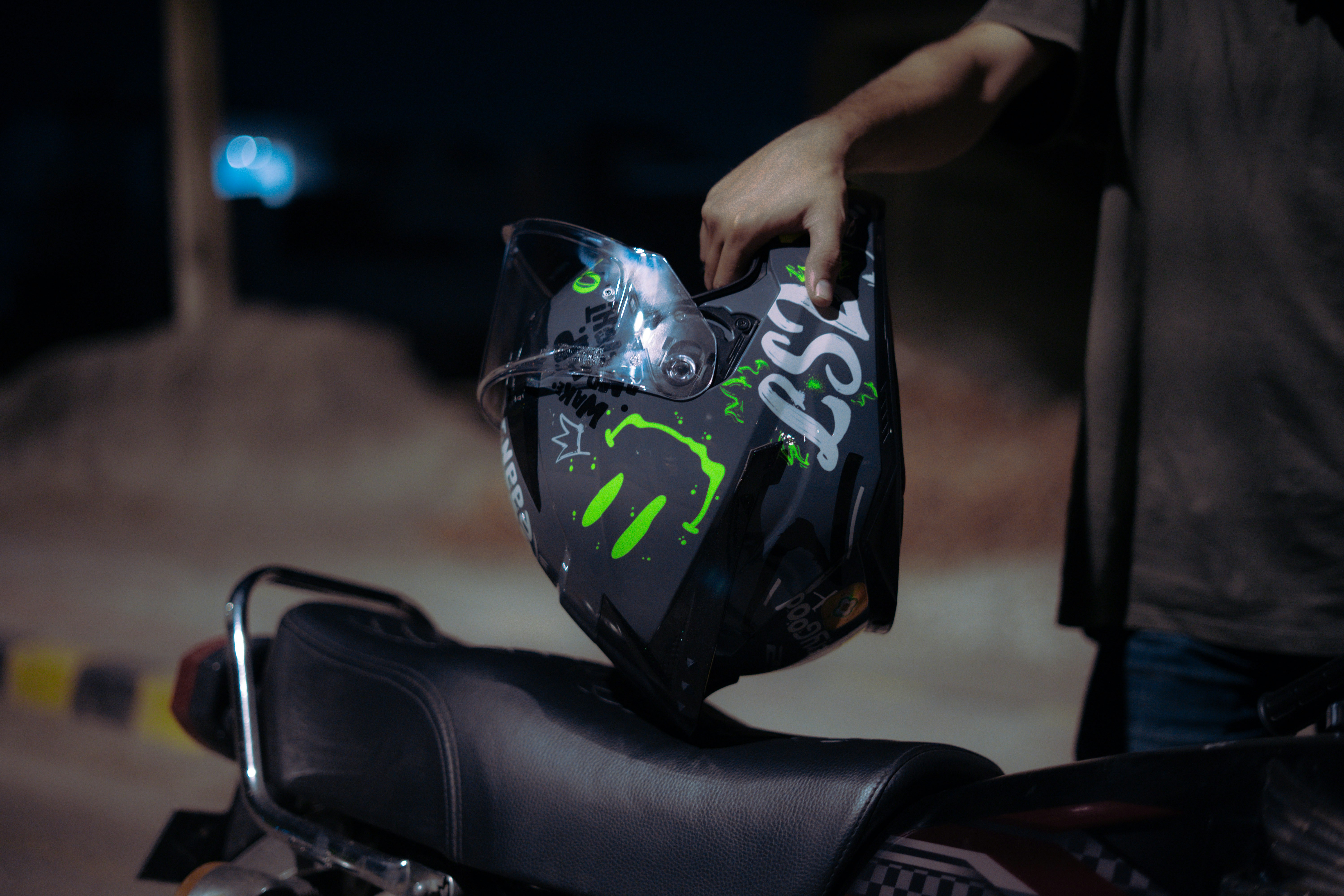
Getting from point A to point B can be the riskiest part of solo travel, especially at night or in remote areas.
On public buses and trains, sit near the driver or in a well-populated car. Avoid empty cars or compartments, especially at night. On local minibuses or shared vans, wait until you see a vehicle with other women or families. Don’t be afraid to walk away from a ride that feels off. For taxis and rideshares, always verify the driver and plate number before getting in. Share your ride status with your phone contact. Where possible, use official taxi stands or pre-book a ride through a reputable app. The cost is higher, but the safety is worth it.
Avoid arriving at a destination after dark, particularly if your accommodation is in a less central area. It’s better to take an afternoon bus and arrive in daylight than to save an hour and arrive at 10 PM in an unfamiliar city. If you must travel at night, choose a bus company that has a good safety record and book a direct route with no unscheduled stops. When you arrive, have your accommodation’s address ready and use your phone’s location sharing. Pre-arranged transfers booked through a tour operator or your hotel are a reliable option. You’re booking a service, not a risk.
Common Mistakes Solo Female Travelers Make (and How to Avoid Them)
Even experienced adventurers make these. Knowing them now saves you trouble later.
Mistake 1: Oversharing your plans with strangers. In a hostel common room or on a bus, you don’t need to tell everyone your exact itinerary, where you’re staying, or that you’re traveling alone. A vague answer like “I’m exploring for a few weeks” is enough. You’re being social, not filling out a report.
Mistake 2: Trusting too easily. People on the road are often friendly and helpful, but you must maintain boundaries. Don’t leave your bag with a new acquaintance while you go to the bathroom. Don’t accept a ride from someone you just met. This isn’t cynicism; it’s basic safety.
Mistake 3: Ignoring local dress codes. Some countries have strong expectations around how women dress, especially outside of tourist hubs. Dressing respectfully doesn’t mean you’re agreeing with those standards; it means you’re avoiding unnecessary attention. It’s a practical choice, not a statement.
Mistake 4: Not trusting your instincts. If a trail feels wrong, a guide seems off, or a neighborhood feels dangerous, you leave. Period. There’s no reason to be polite or to finish what you started if your gut is screaming. You’re not rude for prioritizing your safety.
Best for: Women who naturally lean toward trusting people too quickly. A little healthy skepticism goes a long way in adventure travel.
Staying Safe During Outdoor Adventure Activities
Adventure activities are why you’re here, but they come with additional risks, especially if you’re alone.
When booking a guided activity like hiking, kayaking, or climbing, vet the guiding company thoroughly. Look for reviews that mention safety standards, equipment condition, and guide professionalism. Don’t just go for the cheapest option. A good guide checks your equipment, briefs you on the route, and monitors the weather. They are your safety net. Ask if the group will be large enough to help in an emergency. Never go on a remote hike or climb with a guide who is the only person in your group.
If you’re doing an independent activity, tell someone your plan and expected return time. Stick to well-marked trails and avoid going off-route. Check the weather forecast and turn back if conditions deteriorate. For water-based activities, always wear a life jacket, even if you’re a strong swimmer. For climbing or scrambling, check your gear before every use.
Tradeoff: Guided vs. Independent. Guided tours cost more but offer safety in numbers, local knowledge, and proper equipment. Independent travel costs less and offers flexibility. For a solo woman, guided is generally the safer choice for high-risk activities. You’re paying for an extra layer of protection. A good way to stay prepared on the trail is to carry a hiking safety whistle to signal for help if needed.
Managing Alcohol and Social Situations Abroad
This is a practical topic. You’re not a child, and you don’t need a lecture. You do need strategies.
If you choose to drink, do it in safe environments: a hostel common room, a restaurant you know, or a bar that is busy and well-lit. Always watch your drink being prepared and never leave it unattended. This isn’t paranoid; it’s a basic rule that applies to everyone, especially solo women. Keep your phone charged and have a plan for getting back to your accommodation. Know the local emergency number for a cab or rideshare.
When you go out, keep your location sharing on with your contact back home. If someone makes you uncomfortable, you’re allowed to leave. You don’t need to explain. “I have to go” is a complete sentence. Avoid getting so intoxicated that you cannot navigate back to your room or make sound decisions. It’s about control, not abstinence. You can enjoy a glass of wine with dinner. You just need to stay in control of your environment.
Using Technology and Apps to Enhance Safety
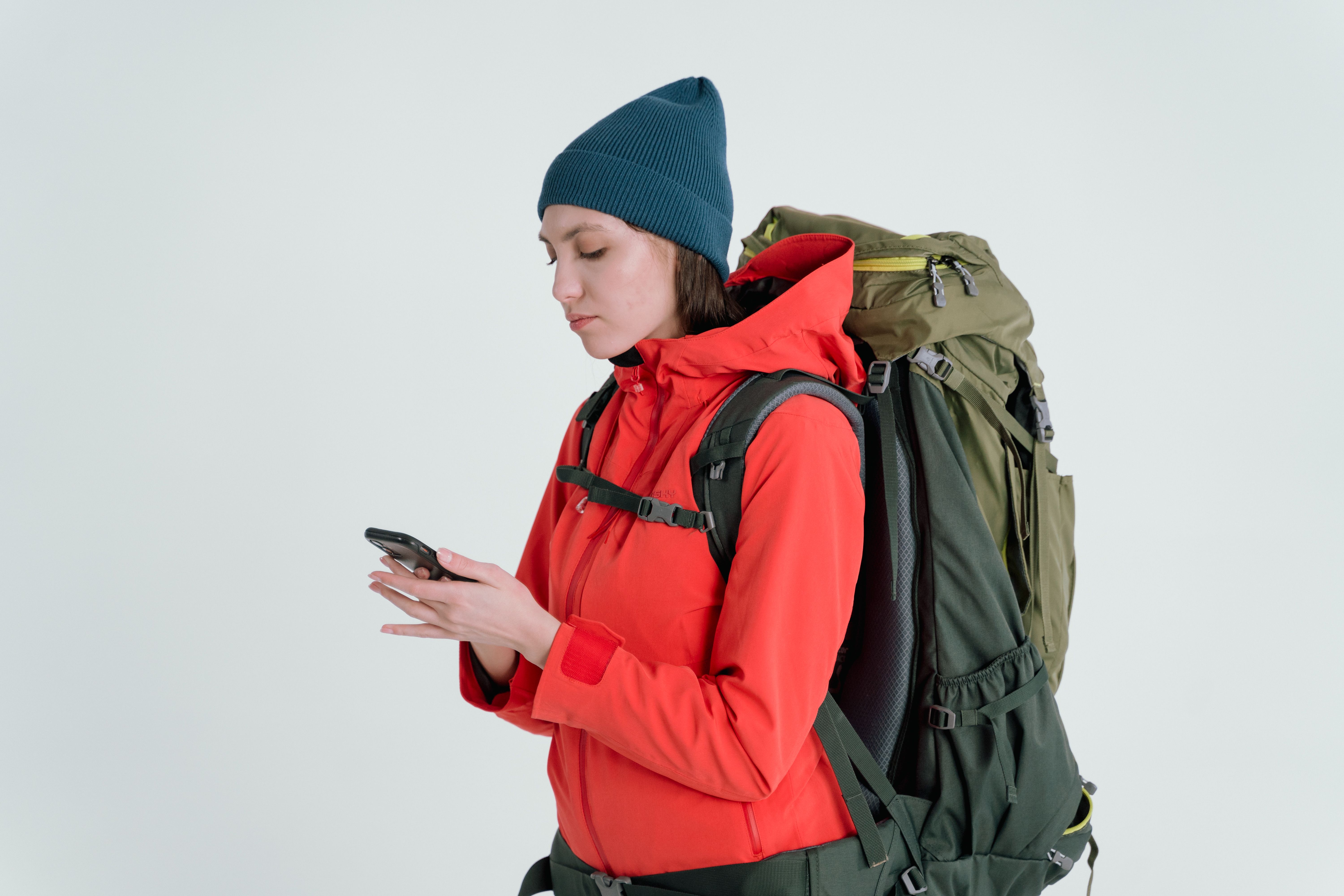
Your smartphone is a powerful safety tool when used correctly.
Install these types of apps before you leave:
- Location sharing: Google Maps or WhatsApp allow you to share your real-time location with a trusted contact. Use it.
- Offline maps: Maps.me or Google Maps offline. You need to navigate without data.
- Emergency services: Save the local emergency numbers in your phone. Know the local equivalent of 911.
- A translation app like Google Translate: Helpful for communicating in an emergency.
- Weather app: Critical for planning outdoor activities.
Tech gear to pack: A portable power bank is essential. Your phone is useless with a dead battery. A small 10,000mAh battery can charge your phone twice. Also bring a backup charging cable. In remote areas, a solar charger or a larger battery bank makes sense. For longer trips, a portable power bank for travel can keep your devices running when you’re off the grid.
Who this is for: Every solo adventurer. Tech is a supplement, not a replacement, for good judgment. It’s your backup system. Don’t rely on it entirely, but use it to make your life easier and safer.
Trusting Your Gut: When to Change Plans
Your intuition is a finely tuned danger detector. It picks up on subtle cues your conscious mind misses. If something feels off, it’s worth listening to.
Examples of when to change your plans:
- A guide seems overly interested in your personal life or tries to get you alone on a detour.
- A trail feels empty or overgrown, and you have no clear way back.
- The driver of your taxi is taking a route that feels wrong, even if he says it’s a shortcut.
- Your hostel room door doesn’t lock properly, and the area feels sketchy at night.
- You arrive at a town and the atmosphere feels hostile or unwelcoming.
Actionable rule: If your gut says “no,” you say “no.” You don’t need a reason. You’re not being rude. You’re protecting yourself. Change your accommodation, cancel the tour, walk away from the ride. There is always another option. The cost of being wrong is much higher than the cost of being inconvenienced. This isn’t fear; it’s healthy caution.

What to Do in an Emergency: A Practical Checklist
Emergencies are rare, but you need to know exactly what to do if one happens. Panic kills decision-making.
Emergency checklist:
- Call for help. Know the local emergency number (112 in Europe, 911 in the US/Canada, 110/119/120 elsewhere).
- Contact your country’s embassy or consulate. They can help with lost passports, medical emergencies, or legal trouble. Save the local number in your phone.
- Use backup funds. Always have a separate stash of cash and a backup credit card in a hidden pouch. You need money to pay for a taxi, a hotel, or a flight change.
- Contact your travel insurance provider. They have a 24/7 helpline. Call them before you pay for anything medical. They can arrange evacuation or direct you to a recommended facility.
- Inform your trusted contact at home. Tell them your situation and any new plans.
- Know basic self-defense. A short online course or one local class is enough. Focus on how to break a grip, where to strike, and how to create distance.
If you want to be more prepared, consider a self-defense course or a safety guidebook. These are investments in your confidence, not your fear.
Final Thoughts: Safety Is About Preparation, Not Fear
Solo female adventure travel is an incredible way to see the world. You get to move at your own pace, make all the decisions, and build confidence that stays with you long after the trip ends. Safety isn’t about avoiding adventure; it’s about being prepared for it. You’ve done the research, packed the right gear, and planned your routes. Trust yourself and your preparation.
Now, you can focus on what matters: the climb, the river, the trail, the sunrise. Go explore, travel smart, and know you have everything under control. The adventure is waiting.