Is Solo Travel in Central America Safe? Honest Safety Tips
Introduction
If you’re thinking about solo travel in Central America and safety, you’re already on the right track. A lot of people skip the research and just hope for the best. That’s not you. You’re here because you want a real, unfiltered look at what it takes to travel this region alone without unnecessary risk. Safety in Central America isn’t simple. It’s not a single category where every country ranks the same. It’s nuanced, and it depends heavily on where you go, what you do, and how you carry yourself. This guide is for solo travelers who are in the planning stage and want practical advice, not fear-mongering. We’ll cover common mistakes, country-by-country comparisons, packing essentials, transportation tips, scams to watch for, and when a tour actually makes sense. By the end, you’ll have a clear picture of how to navigate Central America safely on your own terms.

Why Central America Isn’t as Dangerous as You Think (But Preparation Matters)
The headlines make it sound like a war zone. The reality is far more ordinary. Most incidents targeting travelers in Central America are crimes of opportunity. A phone snatched from a hand on a crowded bus. A bag left unattended at a beach. A wallet pulled from a back pocket in a market. These aren’t violent attacks. They’re preventable mistakes. The vast majority of solo travelers complete their trips without a single serious incident. Compare it to major cities in Europe or the US. Pickpocketing in Barcelona happens every day. Phone theft on the Paris Metro is routine. Central America isn’t automatically more dangerous just because it’s less familiar.
That said, preparation matters. If you arrive without any understanding of local dynamics, you increase your risk. What matters most is awareness. Keep your phone in your front pocket or a zipped bag. Don’t wear flashy jewelry. Be cautious about who you trust in tourist-heavy areas. Don’t walk alone after dark in poorly lit streets. This isn’t rocket science. It’s basic travel sense that applies anywhere. The key difference is that in Central America, the consequences of inattention can escalate faster because police presence is often minimal and healthcare infrastructure is weaker. So yes, the region isn’t as dangerous as the media suggests, but it demands more self-reliance than a trip to London. Preparation is your insurance policy. Travelers who want a reliable place to keep important documents close may consider a travel money belt for added peace of mind.
The 5 Most Common Safety Mistakes Solo Travelers Make in Central America
1. Flashing Valuables
Pulling out a smartphone on a crowded street in Guatemala City or using an expensive camera in a market in San Salvador is an invitation. Locals don’t do it. Why should you? Keep your phone tucked away unless you need it. Use a cheap burner phone if you’re really worried. The solution is simple: a money belt or an anti-theft backpack with hidden pockets. These aren’t gimmicks. They work. I recommend the Travelon Anti-Theft Crossbody Bag or the Pacsafe Citysafe. Both have locked zippers and cut-resistant straps. That’s money well spent if it saves you from a single theft. For those looking for a versatile option, an anti-theft travel backpack is worth checking out.
2. Walking Alone at Night in Unfamiliar Areas
Even in safe-seeming tourist zones, things change after dark. Streets empty out. Lighting gets spotty. Drunk locals become unpredictable. If you’re alone, stick to main streets with other people around. Use a trusted taxi or rideshare. If you must walk, keep your phone off and your hands free. Many hostels offer group dinners or social events. That’s a safer way to spend the evening than wandering solo.
3. Trusting the Wrong Person
The “helpful” stranger who offers to carry your bags, give you directions, or show you a “better” market is often after commission, not hospitality. This is a classic scam in Antigua, San Pedro, and Granada. Politely decline. Keep walking. If you need directions, ask at your hotel or hostel. Never accept food or drinks from strangers you just met. It’s not paranoid. It’s common sense.
4. Ignoring Local Advice
Your hostel owner tells you not to walk past a certain street after dark. Listen. A taxi driver warns you against going to a quiet beach alone after sunset. Take the hint. Locals know the situation better than any guidebook. If they say a place is unsafe, it probably is. Don’t argue with it. Just adjust your plans.
5. Not Having a Backup Plan
What happens if your bus breaks down in the middle of nowhere? What if your hostel cancels your reservation? What if your phone gets stolen? Solo travelers without a backup plan panic. Always have offline maps downloaded. Have a backup payment method. Know the location of your country’s embassy. This isn’t about being paranoid. It’s about having a mental cushion so you stay calm when things go sideways.
Best and Worst Central American Countries for Solo Travelers (Safety Edition)
Costa Rica
The safest bet for most solo travelers. Costa Rica has strong tourism infrastructure, well-maintained roads, and a reliable police presence in tourist zones. Petty theft happens, especially on buses and beaches, but violent crime against tourists is rare. Best for first-timers and anyone wanting a smoother entry to the region. Avoid if you want a raw, off-the-beaten-path experience.
Panama
Panama City is a modern metropolis with all the safety precautions you’d take in any big city. Beyond the city, the interior feels safe during the day. The Panama Viejo area has higher risk. Stick to tourist-friendly zones like Casco Viejo and the Canal area. Best for those who want a mix of city and nature without huge safety concerns.
Guatemala
A mixed bag. Antigua is very safe for solo travelers. Lake Atitlán is generally fine but use caution in remote villages at night. Guatemala City has dangerous areas. Don’t walk around Zona 1 alone after dark. The main risk is petty theft, especially on buses. Best for those who want culture and Mayan ruins. Avoid if you’re not comfortable with public transport or low police presence.
Nicaragua
Improving but still requires caution. Granada and San Juan del Sur are relatively safe. Managua is not a walking city. Political instability can flare up. Check current travel advisories. Best for budget travelers who don’t mind a bit of uncertainty.
Honduras
High risk in certain areas. San Pedro Sula and Tegucigalpa have high crime rates. The Bay Islands (Roatán, Utila) are much safer for tourists. Avoid overland travel between major cities unless you’re on a trusted shuttle. Best for divers and beach lovers willing to fly directly to the islands.
El Salvador
Once the murder capital of the world, now dramatically safer under the state of emergency. Still, avoid wandering alone in the countryside. Use guided tours for popular sites like Ruta de las Flores. Best for those who want to see a turnaround story but are willing to stay on well-trodden tourist paths.
Belize
Small and English-speaking, which helps. Belize City has a reputation for crime, but the cayes and inland resorts are safe. Use water taxis and trusted shuttles. Best for beach and diving focus without language barriers. Avoid if you plan to explore inland areas alone.

Day vs. Night: Timing Your Activities for Maximum Safety
During daylight hours, most Central American destinations are safe with standard precautions. You can walk, take public transport, and visit markets without much worry. The real shift happens after sunset. Once it gets dark, your options narrow. Streets empty. Lighting gets patchy. The risk of mugging or robbery rises significantly. This doesn’t mean you have to lock yourself in your hostel. It means you need to adjust your behavior.
Stick to main streets with other people. If you’re heading to a bar or restaurant, take a taxi or rideshare instead of walking. Uber works in many major cities (San José, Panama City, San Salvador) and is safer than street taxis. Avoid walking alone in quiet residential areas, especially those without streetlights. In smaller towns, activities rarely go late anyway. Most places shut down by 9 or 10 PM. Use this natural rhythm. Do your exploring during the day and keep evenings social but contained. It’s not restrictive. It’s smart.
Packing for Safety: 5 Items Every Solo Traveler Should Carry
1. Anti-Theft Backpack
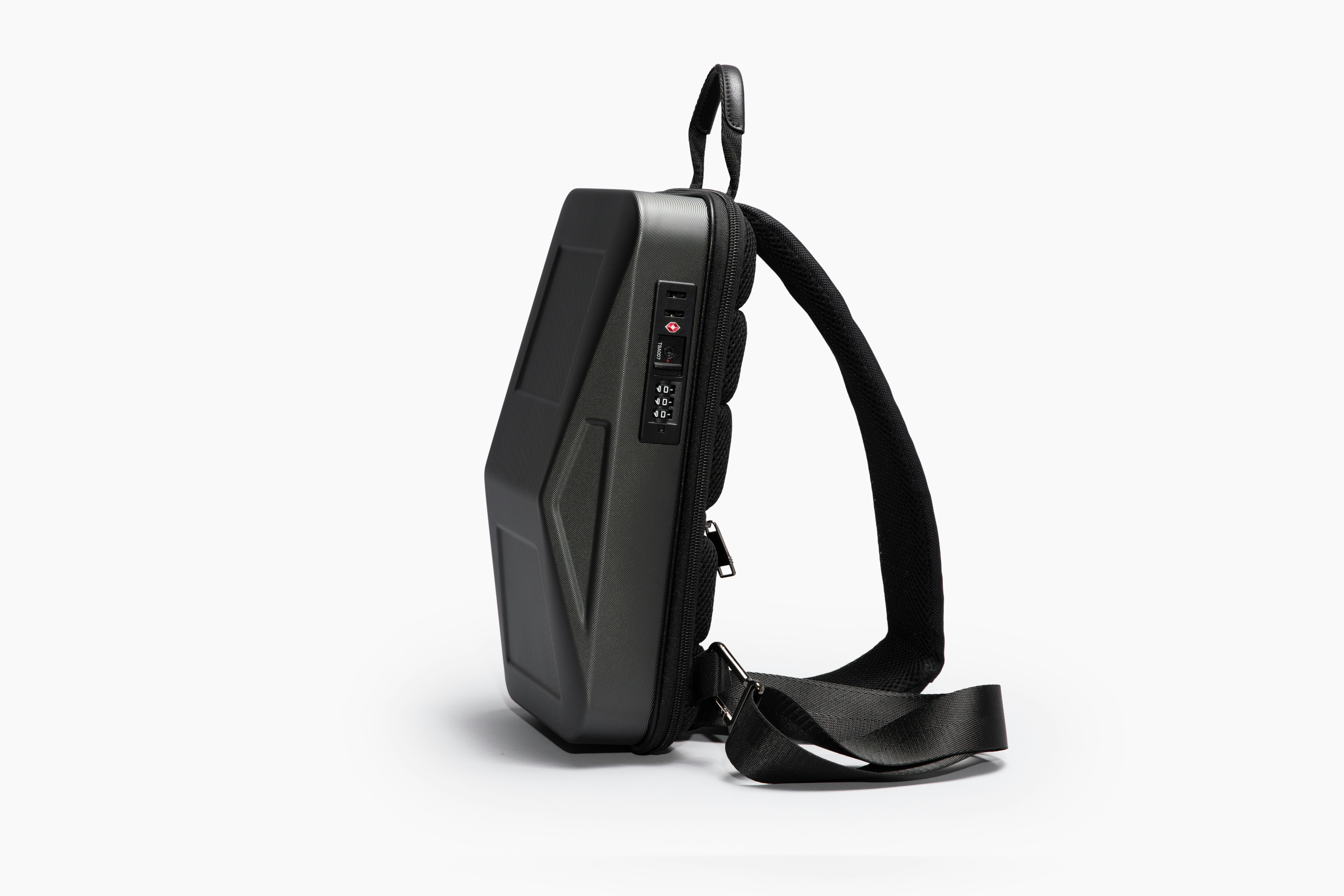
The best all-in-one solution. Look for locking zippers, cut-resistant straps, and RFID-blocking pockets. The Pacsafe Venturesafe is durable and well-reviewed. The Travelon version is lighter and cheaper. Both work. Use this for your laptop, camera, and valuables. Wear it frontward in crowded areas.
2. Portable Door Lock
Essential for hostels or budget hotels. A simple wedge lock or travel door alarm gives you peace of mind. The Addalock is small, reusable, and requires no installation. Slide it under the door for extra security. Best for dorm rooms or thin latches. A travel door lock can be a simple addition for added security.
3. Money Belt
Not for daily use. Wear it under clothes when you’re in high-risk zones like bus stations or crowded markets. Put your passport, backup cards, and emergency cash inside. The Eagle Creek Hidden Pocket Money Belt is comfortable and discreet. Don’t rely on it for your everyday phone or wallet. That’s what your anti-theft backpack is for.
4. Personal Alarm
Small, loud, and requires no battery. The Sabre Personal Alarm clips to your bag or belt. Pull the pin and it emits 120 decibels. That’s enough to deter an attacker or attract attention. It’s better than nothing and legal to carry everywhere.
5. First-Aid Kit
Basic supplies for cuts, blisters, stomach issues, and dehydration. Add antibiotics, antidiarrheals, and rehydration salts. Central America has decent pharmacies in cities, but in remote areas, you’re on your own. A small kit costs under $15 on Amazon and can save you a lot of hassle.

Transportation Safety: Buses, Shuttles, and Rideshares in Central America
First-Class Buses vs Local Chicken Buses
First-class buses like Tica Bus or King Quality run between major cities. They’re air-conditioned, have assigned seats, and stop only at designated points. They’re safe and comfortable. Chicken buses (retired US school buses) are cheap and colorful but crowded, noisy, and more prone to petty theft. If you’re on a tight budget, chicken buses work, but keep your bag on your lap and your phone hidden. The best budget option is chicken buses. The best safe option is first-class buses.
Pre-Booked Shuttles
Shared shuttles run by agencies like Interbus or Grayline are door-to-door and reliable. They cost more than buses but save time and reduce risk of theft or getting lost. Best for first-time solo travelers who want low-stress transfers. Book online in advance.
Rideshares and Taxis
Uber works in San José, Panama City, San Salvador, and Guatemala City. Use it over street taxis. Taxis in smaller towns may lack meters, so agree on the fare before getting in. Avoid unmarked taxis. Share your ride status with a friend via Google Maps or WhatsApp. For longer distances, avoid hitchhiking completely. It’s not worth the risk.
Boat Travel
In places like Lake Atitlán or the Panama Canal, boat travel is common. Stick to official water taxis and avoid small, unregulated operators. Life jackets are mandatory but often dirty. Check that you have one. Boats can be overcrowded. Pick one that’s not overloaded.
Staying Connected: How to Share Your Location and Stay in Touch
Getting a local SIM or eSIM is cheap and easy. Claro and Tigo are the main providers. You can buy a SIM at the airport or convenience store for under $10. For eSIM, Airalo works well and activates before you leave. You’ll have data the moment you land, no hunting for a physical SIM. It’s a small cost for peace of mind.
Use WhatsApp for messaging. It’s universal in Central America. Share your location with a trusted contact using Google Maps or Life360. Offline maps are a must. Download Google Maps for your entire route before you go. If your phone dies or gets stolen, you can still navigate. Keep an offline map backup on a cheap phone or printed paper. It sounds old-school, but it works.
Solo Travel Central America Safety: Scams to Watch Out For
Fake Tour Operators
You’ll see them near bus stations and tourist squares. They offer bargain prices for “authentic” tours. The tour is either non-existent or a rushed, unsafe operation. Always book through your hostel or a reputable agency. Ask for a physical office and check online reviews. Legitimate operators have a presence on GetYourGuide or Viator. If they don’t, be suspicious.
“Helpful” Locals Giving Directions
Someone offers to show you a shortcut or directs you to a “better” attraction. Then they demand money or lead you to a shop where they get a commission. Politely say “no” and keep walking. If you need directions, ask a shop owner or a hotel receptionist.
Overcharging at Markets
Common in Antigua and San Juan del Sur. Vendors quote you double or triple the local price. Haggling is normal, but get a sense of fair prices from locals or other travelers. Don’t feel pressured to buy. Walk away. If they call you back with a lower price, you know you were being overcharged.
Fake Taxi Meters
In cities like San Salvador, some taxis use rigged meters that spin faster than they should. Agree on a price before you get in. Use Uber if available. If you must take a taxi, use a radio-dispatched service from your hotel.
When to Consider a Tour or Guide for Extra Safety
Not every trip needs a guide, but some situations make it a smart move. Hiking volcanoes in Guatemala or Nicaragua solo is risky. Trails can be confusing, and cell service is spotty. A guided hike adds safety and local knowledge. Same goes for visiting remote ruins or national parks. In Honduras, the Copán ruins are fine to explore alone, but the surrounding area might not be. A tour gives you transport and a guide who knows the safe routes.
Night activities in less touristy zones also benefit from a tour. Walking through a night market in Managua or a street food tour in San Salvador is safer with a local. Shared tours also offer social benefits. You’ll meet other solo travelers and not feel as exposed. For budget solo travelers, shared group tours are best. For those wanting flexibility, private guides can be arranged. For a few dollars extra, you get safety, social connections, and a better experience.
Conclusion: Trust Your Gut and Plan Ahead
Central America is more than safe enough for solo travelers who prepare. Most of the danger is avoidable with basic awareness and a few smart habits. Trust your gut. If a situation feels off, leave. If a street looks sketchy, take another route. Planning ahead doesn’t mean being paranoid. It means being so prepared that you don’t have to worry. The reward is a trip full of genuine cultural experiences, incredible landscapes, and a sense of freedom that few places can match. Don’t let fear stop you from having that.
Solo Female Adventure Travel Safety: 15 Essential Tips for Women Traveling Alone
Colombia Adventure Travel: Cities, Coast, and Jungle
Solo Backpacking Australia: The Complete Route & Planning Guide
The Best Solo Female Hiking Tours & Guided Adventures: A Practical Guide