Colombia Adventure Travel: Cities, Coast, and Jungle
Introduction
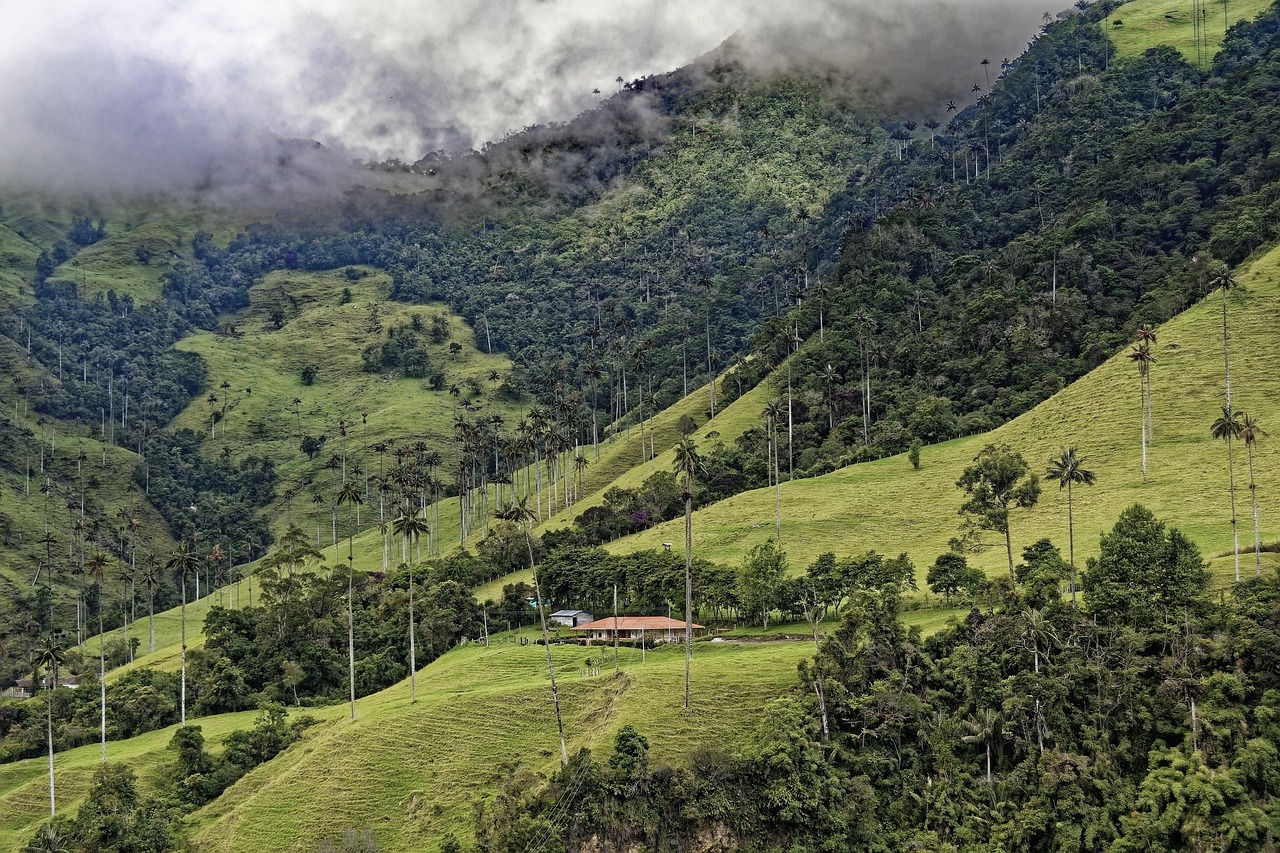
Colombia has turned into one of South America’s most interesting spots for active travelers. You can start your morning hiking through a cloud forest in the Coffee Region, spend the afternoon in a colonial city like Cartagena, and end the week deep in the Amazon jungle. That kind of variety sets it apart from more one-note adventure destinations. But that diversity also comes with some logistical headaches. This Colombia adventure travel guide covers the practical stuff you need to plan a trip that mixes cities, coast, and jungle without burning time or money. I’ll break down when to go, how to get around, what to do in each region, and what mistakes to sidestep. If you’re after a trip that blends culture, nature, and real physical activity, Colombia delivers. But you do need to plan ahead. The country is safe enough, accessible enough, and welcoming, but infrastructure varies quite a bit between regions. This guide is built around solving those practical problems so you can focus on the adventure.

Why Colombia Works for Adventure Travel
Colombia’s geography is set up for adventure travel. The Andes split into three ranges, giving you high-altitude cities like Bogota and Medellin. The Caribbean coast has beaches, national parks, and jungle-covered mountains. The Amazon basin covers the southern third. And the Coffee Region sits at that perfect elevation for hiking through lush valleys. So within a week you can go from hiking at 2,600 meters in Bogota to trekking through humid jungle in Tayrona National Park. The country has also gotten a lot safer over the last decade. Tourist infrastructure has improved significantly. Domestic flights connect most major regions at reasonable prices. Long-distance buses are reliable and comfortable. English is more common in tourist areas than it used to be. For active travelers, Colombia offers more variety per dollar than most South American destinations. You get Andes trekking, Caribbean beach camping, Amazon jungle expeditions, and coffee farm tours without needing a whole month of vacation. The trick is understanding the logistics of moving between these very different environments.
When to Go: Weather Windows and Crowds
Colombia sits near the equator, so seasons are more about rainfall than temperature. The best time to visit depends heavily on which regions you plan to hit. For the Andes cities and the Coffee Region, the dry months from December to March and July to August give you the most reliable weather for hiking and outdoor activities. The Caribbean coast, including Cartagena and Tayrona, sees its driest weather from December to April and July to October. If you’re heading to the Amazon, the dry season runs roughly from July to November. That’s when wildlife is easier to spot because animals gather near shrinking water sources. The tradeoff is that dry season means higher prices and bigger crowds, especially during Semana Santa (the week before Easter) and December through January. If you want to save money and avoid crowds, consider the shoulder months of May or November. Rain is possible, but it rarely lasts all day. Just pack a good rain jacket and plan for afternoon showers. For a trip that covers multiple regions, aim for a window between December and March. That gives you the best chance of decent weather in the Andes, the coast, and the Coffee Region. The Amazon will be a bit wetter, but still manageable.
Getting Around: Flights, Buses, and Private Transfers
Getting around Colombia takes a mix of transport options. Domestic flights are the most efficient way to cover long distances. Avianca, Latam, and the budget carrier Viva Air (now part of Avianca) connect Bogota, Medellin, Cartagena, Santa Marta, and Leticia (the Amazon gateway). A one-way flight between major cities typically costs between $40 and $80 if you book a few weeks in advance. Booking last minute can double that price. For medium distances, like Bogota to Medellin or Cartagena to Santa Marta, buses are a solid option. Companies like Expreso Brasilia and Copetran run comfortable coaches with air conditioning and reclining seats. A bus from Bogota to Medellin takes around 8 hours and costs about $15 to $25. For shorter distances, like Medellin to Guatape or Santa Marta to Minca, shared minibuses or colectivos are common and cheap. Private transfers are worth considering for remote areas like the Amazon or for groups. A private van from Santa Marta to the Tayrona park entrance costs around $30 to $50 and saves you an hour compared to public transport. For the Amazon, you’ll fly from Bogota to Leticia. There are no roads. Book your flight early. I recommend using a flight comparison site to check multiple airlines. Travel insurance is also worth considering, especially if you’re doing multi-day treks or jungle expeditions where unexpected delays or injuries could be costly.
Bogota: A City Base with Mountain Adventure
Most international flights arrive in Bogota, and the city itself has solid adventure options for a day or two. The biggest challenge is the altitude. Bogota sits at 2,600 meters. If you fly in from sea level, give yourself at least a full day to get used to it. Drink water, skip the alcohol, and take it easy. Once you’re adjusted, head to the Eastern Hills for day hikes. The most popular is the climb up Monserrate. You can take the cable car or funicular, but the real adventure is the hiking trail. It’s a steep 2.5-kilometer climb that gains about 600 meters in elevation. Start early to avoid the midday sun and crowds. Another option is Cerro de Guadalupe, a longer hike with fewer people and better views. For a tamer option, walk through the La Candelaria neighborhood. It’s the historic district with colorful colonial buildings, street art, and the Gold Museum. The museum is worth an hour if you’re into pre-Columbian artifacts. Safety in Bogota is manageable if you stay in safe areas like La Candelaria or Chapinero during the day. Avoid walking alone at night in unfamiliar areas. Use Uber or official taxis after dark. Bogota works best as a 1- to 2-day stop before you fly to the Coffee Region or Medellin. Don’t try to do everything here. Use it as a launchpad.
The Coffee Region: Hikes, Farms, and Hot Springs
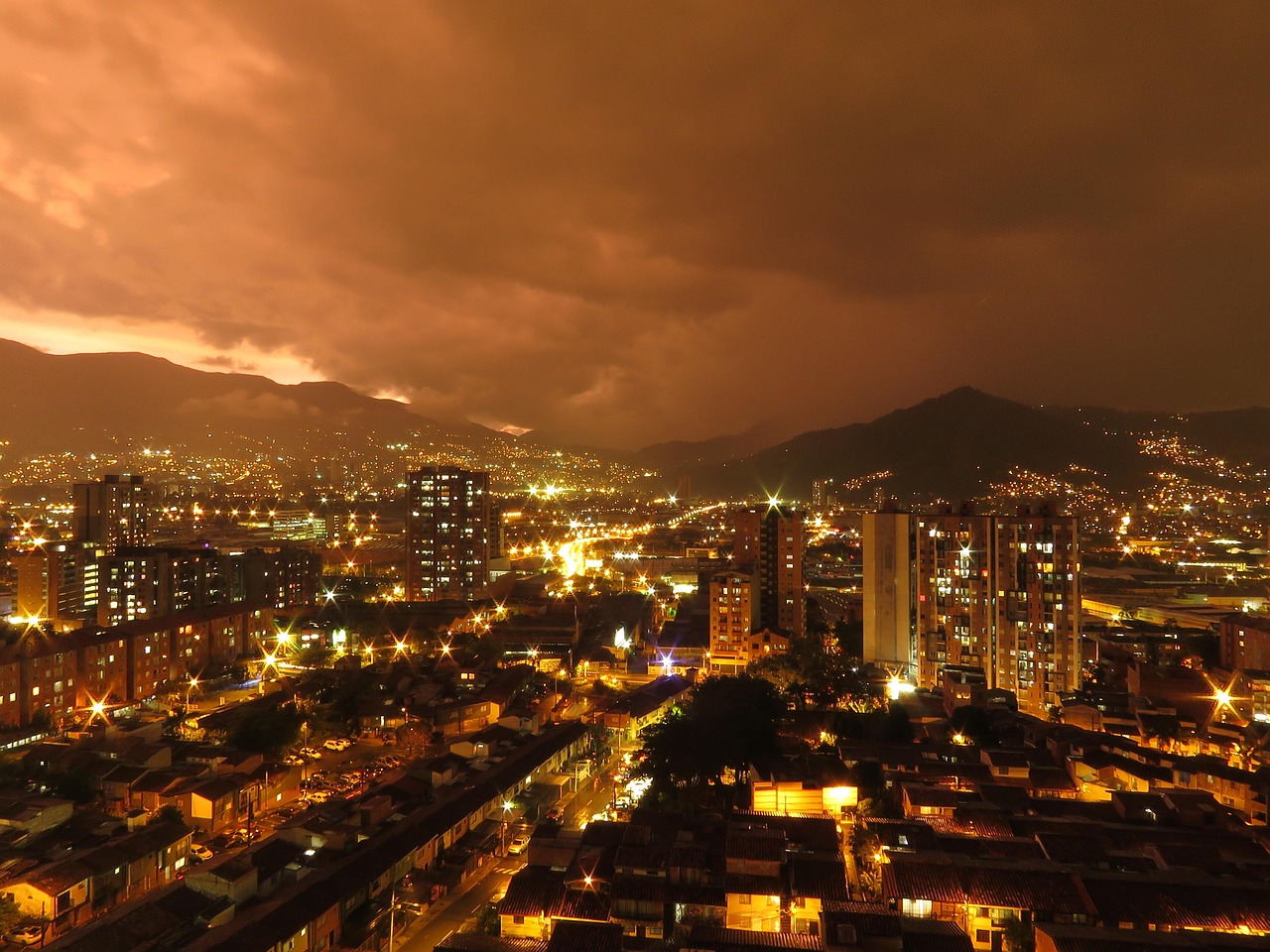
The Coffee Region, or Eje Cafetero, is one of the most beautiful parts of Colombia. The main base for adventure travelers is Salento, a small town about 6 hours by bus from Bogota or 4 hours from Medellin. The highlight here is the Cocora Valley. It’s home to the world’s tallest palm trees, the wax palms that can reach 60 meters. You can do a circular hike through the valley that takes about 4 to 5 hours. The trail starts easy along a river, then climbs into cloud forest, and loops back through open farmland. It’s muddy after rain, which happens often. Pack a waterproof jacket and sturdy boots. Travelers who frequently hike in wet conditions may also want a pair of lightweight gaiters to keep mud and debris out of their shoes. After the hike, visit a coffee farm. Many offer tours that explain the entire process from bean to cup. I recommend Finca El Ocaso or Finca Don Elias. Tours cost around $10 to $15 and include a tasting. The Coffee Region is also home to natural hot springs. The town of Santa Rosa de Cabal has several thermal pools set in the mountains. It’s a good way to recover after a hike. The best time to visit is during the dry months of December to March or July to August. Rain is still possible, but less frequent. The Coffee Region is ideal for travelers who want a mix of moderate hiking, cultural immersion, and relaxation. It’s not for hardcore trekkers. For that, you’d be better off in the Sierra Nevada or the Amazon.

Medellin: Urban Adventure and Outdoor Access
Medellin is a city that combines urban energy with easy access to outdoor activities. The city itself is worth a couple of days. The Metro system is efficient, clean, and connects to cable cars that climb the surrounding hills. Take the Metrocable to Parque Arvi for a view of the city and access to hiking trails. It’s a unique way to see the city without a tour. The main adventure from Medellin is a day trip to Guatape and El Peñol. El Peñol is a massive granite rock that rises 200 meters above the surrounding lake. You can climb the 740 steps to the top for panoramic views. The climb takes about 15 to 20 minutes but it’s steep. Do it early in the morning to avoid heat and crowds. The town of Guatape is colorful and pleasant for a walk and lunch. For something more active, look into paragliding. The town of San Felix, about an hour from Medellin, is a popular launch point. Tandem flights cost around $60 to $80 and last 15 to 20 minutes. It’s a genuinely thrilling experience. For accommodation, stay in El Poblado or Laureles. El Poblado is more touristy with better nightlife. Laureles is quieter, more local, and often cheaper. Medellin works well as a 3- to 4-day stop. Use it as a base for day trips, then move on to the Coffee Region or the coast.
The Caribbean Coast: Cartagena, Tayrona, and Beyond
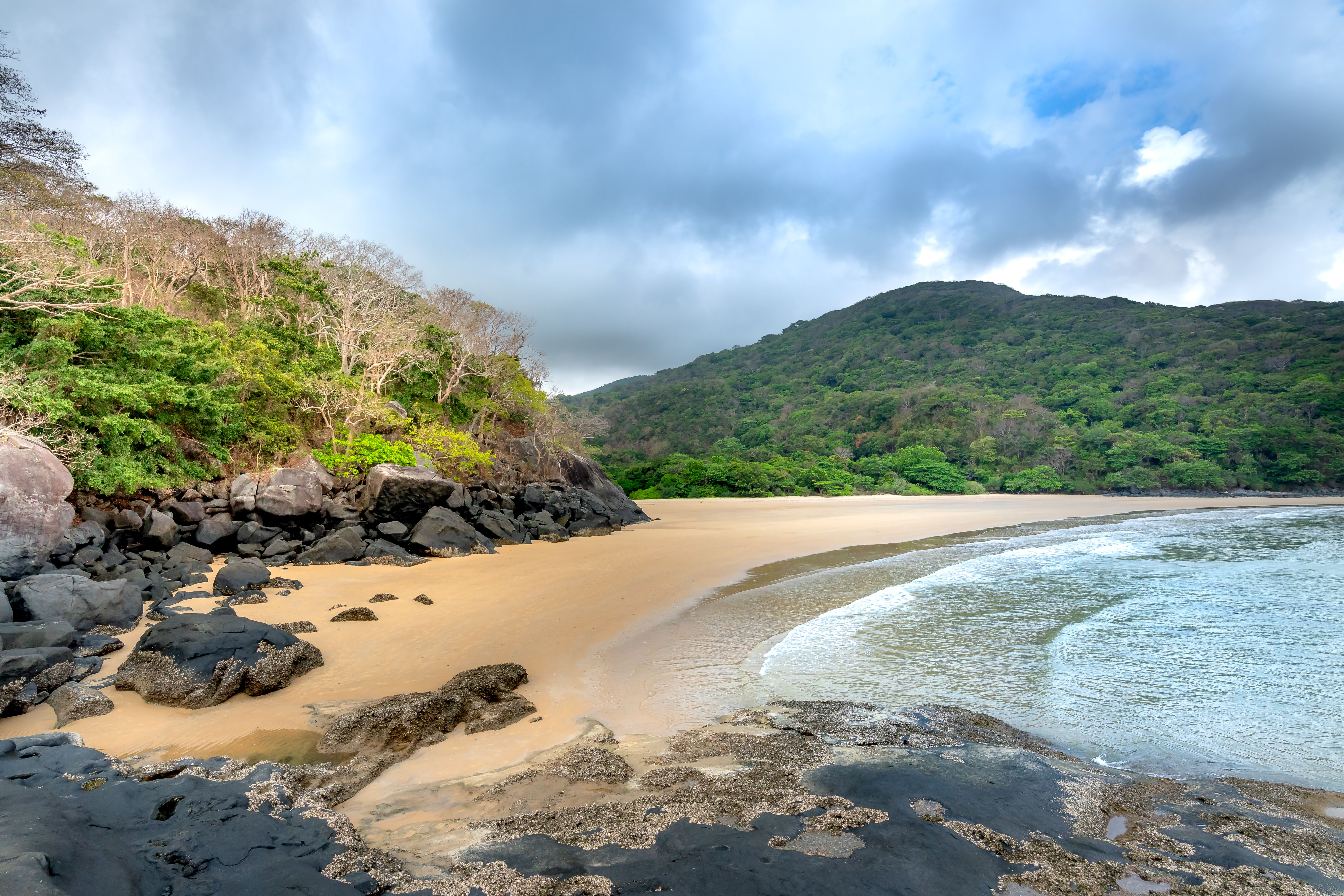
The Caribbean coast is where many travelers start or end their Colombia trip. Cartagena is the main entry point. The walled city is beautiful, but it can feel crowded and touristy. Spend a day walking the walls, exploring the Getsemani neighborhood, and taking a boat trip to the Rosario Islands. For a more active experience, head east to Tayrona National Park. The park is about an hour from Santa Marta. You can do day hikes or stay overnight. The most popular hike is from the park entrance to Cabo San Juan beach. It’s about 5 kilometers each way through jungle with some elevation gain. The reward is a stunning beach with calm water and places to camp or sleep in hammocks. Entry costs about $15 for foreigners. Bring cash. If you want a quieter alternative to Tayrona, consider Minca. It’s a small town in the Sierra Nevada mountains, about an hour from Santa Marta. Minca offers coffee farm tours, waterfall hikes, and birdwatching. The climate is cooler than the coast. It’s a good place to spend a day or two. For transport, buses run regularly between Cartagena and Santa Marta. The trip takes about 4 hours and costs around $10 to $15. From Santa Marta, you can take a minibus to Tayrona or Minca. Pack for heat and rain. Lightweight, quick-dry clothing works best. A good pair of hiking sandals or trail runners is useful for Tayrona, where wet river crossings and muddy paths are common. Avoid flip-flops on the trails.
The Amazon Jungle: How to Visit Responsibly
Visiting the Colombian Amazon requires more planning than any other region. The gateway town is Leticia, a small city on the border with Brazil and Peru. You can only reach Leticia by plane. Flights from Bogota take about 2 hours and cost between $100 and $200 round trip. Book well in advance. Once there, multi-day jungle treks are the main activity. Most tours last 3 to 5 days and include a local guide, meals, and hammock accommodation in the jungle. Prices range from $100 to $200 per person per day depending on the level of comfort. The Amazon is not an easy destination. Expect intense heat, high humidity, mosquitoes, and limited facilities. You need to be physically fit and mentally prepared for discomfort. But the wildlife is incredible. You can see pink river dolphins, monkeys, sloths, caimans, and hundreds of bird species. The key is to book with a responsible operator. Look for tours that use local guides, limit group sizes, and avoid practices that harm wildlife. Avoid tours that promise captive animal encounters or feed wild animals for photo opportunities. The best time to visit is during the dry season from July to November. Water levels are lower, which makes it easier to spot wildlife on riverbanks. The Amazon is best for experienced, fit travelers who want a genuine wilderness experience. If you’re a beginner or have limited time, consider skipping it and focusing on the Andean regions or the coast.
Packing for Colombia’s Diverse Climates
Packing for Colombia is a challenge because you’ll encounter everything from cold mountain air to jungle humidity. The key is layers. For the Andes cities like Bogota and Medellin, bring a mid-layer fleece or sweater and a waterproof shell. Temperatures range from 10°C to 20°C. A good rain jacket is essential. For the Coffee Region, pack the same layers plus hiking pants and a pair of sturdy boots. The trails can be muddy. For the Caribbean coast and Tayrona, bring lightweight, quick-dry clothing, a swimsuit, reef-safe sunscreen, and a wide-brimmed hat. For the Amazon, you need long sleeves and long pants to protect against insects and sun. Lightweight, breathable fabrics work best. Add insect repellent with DEET, a headlamp, and a waterproof bag for electronics. A good daypack in the 25- to 35-liter range works for most activities. A smaller pack or waist pack is useful for city days. Packing cubes help keep things organized across different climates. A reusable water bottle with a filter is useful for the Amazon and remote areas where tap water is not safe. For hiking in Tayrona or Cocora Valley, trail runners or light hiking boots are better than heavy boots. They dry faster and are more comfortable on varied terrain.
Common Mistakes Travelers Make in Colombia
Here are the most common mistakes I see people make in Colombia, and how to avoid them.
- Not booking domestic flights early. Prices can double if you book less than two weeks in advance. Book at least a month ahead when possible.
- Underestimating altitude. Bogota and parts of the Coffee Region sit above 2,500 meters. Altitude sickness is real. Plan a slow first day. Skip the heavy exercise until you adjust.
- Overpacking. You need layers, but you don’t need a full wardrobe for every climate. Stick to a few versatile pieces that can be mixed and matched.
- Ignoring safety in big cities. Colombia is safe if you use common sense. Don’t walk alone at night in unfamiliar areas. Don’t flash expensive gear. Use Uber or official taxis after dark.
- Assuming the Amazon is a quick visit. You need at least 3 days for a worthwhile Amazon trip. If you only have 2 days, skip it and focus on the Andean regions.
- Not carrying cash. Many smaller towns, park entrances, and local shops don’t accept credit cards. Withdraw enough cash in major cities.
- Expecting English everywhere. English is common in tourist areas, but not in smaller towns. Learn a few basic Spanish phrases. It makes a big difference.
Budgeting: Costs for Different Travel Styles
Colombia is affordable compared to the US or Europe, but costs vary quite a bit by travel style. For budget travelers staying in hostels and eating street food, expect to spend $25 to $40 per day. A hostel dorm bed costs $8 to $15. A street food meal costs $2 to $4. A long-distance bus ticket between cities costs $10 to $20. For mid-range travelers staying in hotels and eating at local restaurants, budget $60 to $100 per day. A private room in a mid-range hotel costs $30 to $60. A restaurant meal costs $8 to $15. Domestic flights cost $40 to $80 per leg. A guided day tour costs $30 to $60. For luxury travelers, expect $150 to $250 per day. A luxury hotel costs $100 to $200 per night. Fine dining costs $20 to $40 per meal. Private transfers and premium tours add to the cost. The biggest variable is transport. If you’re flying between all regions, your transport budget will be significantly higher than if you’re using buses. For a 10- to 14-day trip covering Bogota, the Coffee Region, Medellin, and the coast, a mid-range budget of $1,000 to $1,500 per person (excluding international flights) is realistic. Travel insurance is another cost to factor in, especially if you’re doing adventure activities. It typically costs $50 to $100 for a two-week trip.
Safety and Health Tips for Active Travelers
Colombia is safer than many travelers assume, but you still need to take precautions. The most common risks for active travelers are petty theft and health issues. Keep your phone and wallet in a front pocket or a secure bag. Use official taxis or Uber, especially at night. Avoid using non-state-controlled ATM machines. They are sometimes fitted with skimmers. Use bank ATMs located inside malls or airports. Health-wise, the main concerns are altitude sickness in Bogota and the Andes, and traveler’s diarrhea everywhere. For altitude, drink plenty of water, avoid alcohol for the first day, and take it easy. If symptoms persist, descend to a lower altitude. For stomach issues, avoid tap water, unpeeled fruit, and street food that has been sitting out. Carry rehydration salts and anti-diarrheal medication. Vaccinations to consider include hepatitis A, typhoid, and yellow fever. Yellow fever vaccination is required for entering the Amazon region. Check with your doctor or a travel clinic at least a month before your trip. The risk of violence against tourists is low, but don’t let your guard down. Stay in well-reviewed accommodation, avoid walking alone at night in unfamiliar areas, and keep your valuables locked away. Solo travelers, especially women, should choose hostels or hotels with good security and read recent reviews.

Final Thoughts: Is Colombia Right for Your Adventure?
Colombia is an excellent choice for travelers who want variety and are willing to plan ahead. If you want a trip that mixes city exploration, mountain hiking, beach camping, and jungle trekking, Colombia delivers. The country is safe, affordable, and welcoming. But it’s not for everyone. If you prefer a single-location resort vacation with no logistics, this isn’t the right destination. If you’re not comfortable with changing climates, long bus rides, and basic accommodation in remote areas, consider a simpler trip. But if you’re ready for a real adventure, Colombia is one of the best places in South America to combine culture, nature, and physical activity. Start planning now. Book your domestic flights early. Reserve accommodation in advance for popular areas like Tayrona and Salento. Consider booking a guided tour for the Amazon or multi-day treks. The more you plan, the smoother the trip will be. Use a booking platform or tour operator to secure your key activities. That’s the practical first step. The rest is just showing up and enjoying the ride.