The Best Adventure Travel for Couples: Real Trips That Actually Work
Introduction
Planning an adventure trip as a couple is different from solo travel or a group expedition. You aren’t looking for a romantic escape where you do nothing but lounge, and you probably aren’t training for a summit of Everest. You want something real. Something that requires effort, delivers a shared payoff, and doesn’t leave one person bored or the other miserable because the logistics were a nightmare.
This article covers the best adventure travel for couples that actually works. These are trips we’ve tested or pulled apart from the planning side to make sure they’re achievable. Every recommendation here comes with real-world logistics, honest tradeoffs, and practical advice for pulling it off without burning your budget or your relationship.
If you want options you can book, execute, and actually enjoy together, this is the starting point.

What Makes an Adventure Trip Work for Two?
Not every adventure is suited for two people traveling together. The difference comes down to a few specific criteria that separate a great couple’s trip from a frustrating one.
Shared experience without compromise. The best trips allow both people to participate without one constantly sacrificing what they want. That doesn’t mean you have to do everything together. The core activities should work for both fitness levels and interests. If one person wants to summit a peak and the other wants to paddle a kayak, you either split days or choose a destination that offers both.
Balanced activity levels. This is where many couples go wrong. One person overestimates their fitness or underestimates the physical demands of a multi-day trek. You need an honest conversation before you book. The trip should push both of you but not break the weaker link. Build in rest days. Accept that you might skip one optional hike.
Logistics that don’t ruin the trip. Couple travel amplifies bad planning. If your transport is unreliable, your accommodation cancels, or your permits are sold out, the stress lands on both of you. Choose trips where the booking systems are reliable or where a good operator handles the heavy lifting, at least for the first time.
Flexibility and safety. Traveling as a pair changes your risk profile. A minor injury on a solo trip is an inconvenience. On a couple’s trip, it can derail everything. Prioritize destinations with decent infrastructure, reliable communication, and options to adjust plans on the fly.
The tradeoff between thrill and downtime is real. You want adrenaline, but you also need time to process it. The trips below strike that balance well.
Trip #1: Patagonia Trekking (Chile & Argentina)
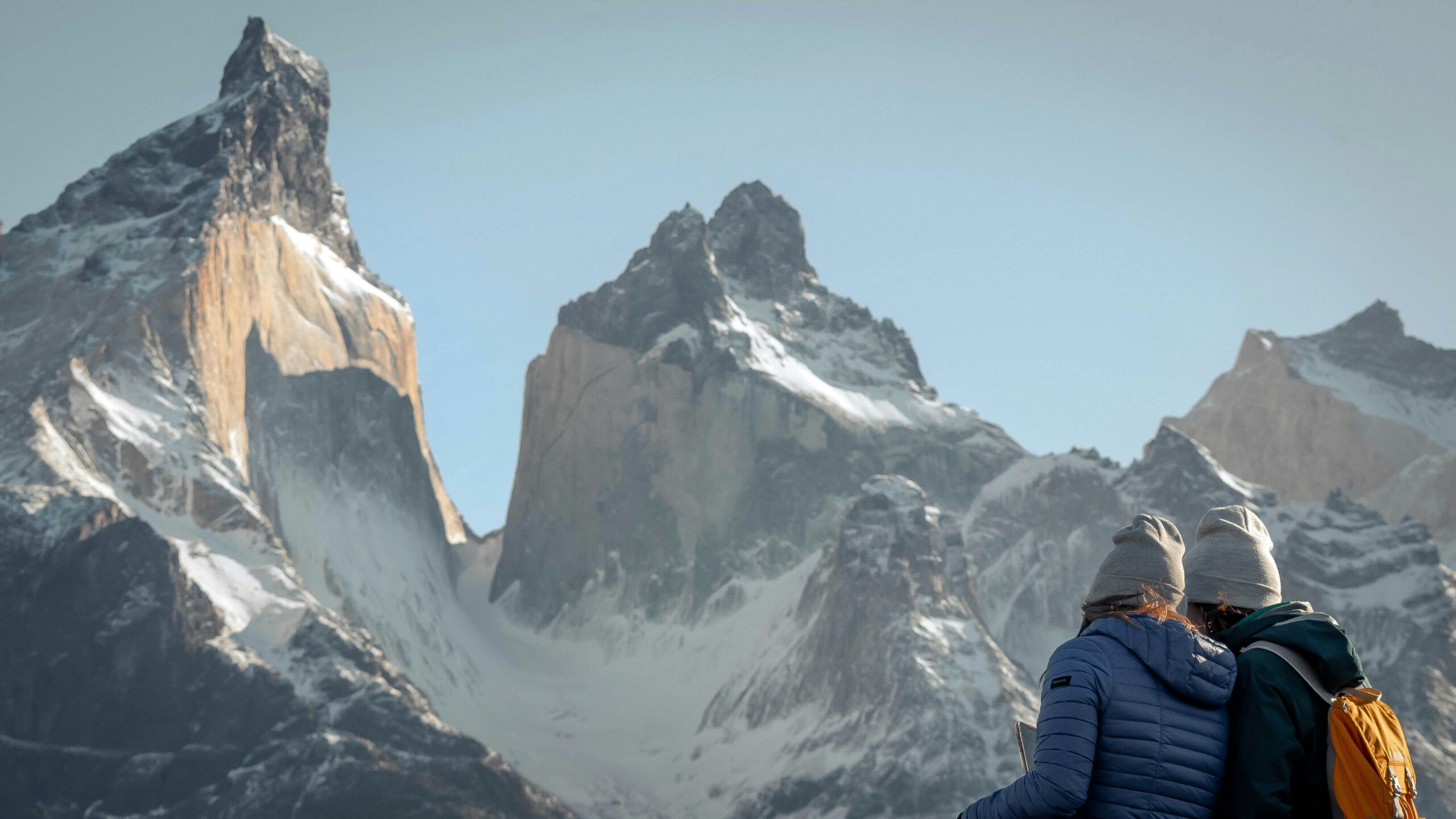
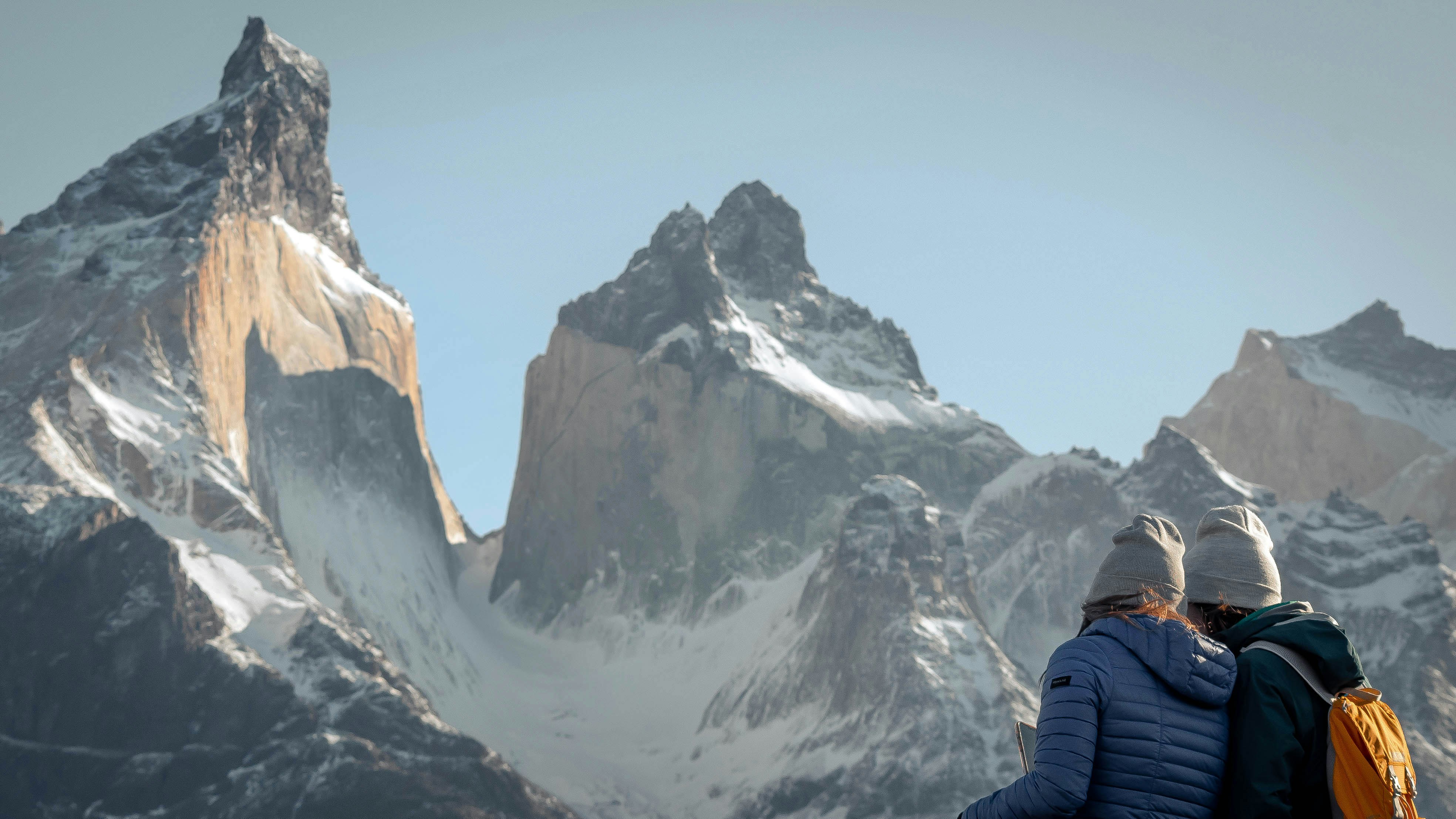
Patagonia is the gold standard for couple trekking if you both enjoy long days on the trail and dramatic scenery. Torres del Paine in Chile and Los Glaciares in Argentina sit side by side, and you can easily combine them into a two-week itinerary.
Best time to go: October to April. December through February offer the longest days and most stable weather, but also the highest demand. November and March are sweeter spots with fewer crowds.
W Trek vs O Trek. The W is five days, relatively moderate, and stays in refugios or rentable tents. The O adds the backside of the massif and takes around eight days. If you’re both fit but not obsessive, the W is the right call. The O works if you’re experienced with multi-day trekking and don’t mind carrying more gear.
Key logistics: Book refugios months in advance. That is not optional. The campsites and refugios along the W fill up fast, especially for the popular routes. You also need to arrange transfers from Puerto Natales or El Calafate. Do not try to wing it in peak season.
Gear advice: Patagonia weather changes hourly. You need waterproof jackets, reliable hiking boots, and multiple layers. A good pair of trekking poles makes a noticeable difference on steep sections. Split the responsibility: one person manages permits and accommodation bookings, the other handles the gear checklist and food planning. Travelers who need a dependable pack for this kind of trek should look for a waterproof daypack that fits comfortably and distributes weight well.
Trip #2: Safari & Gorilla Trekking in Rwanda/Uganda
This is a different style of adventure. It is physically demanding in short bursts and logistically complex, but the experience is singular.
Gorilla trekking permits cost around $1,500 per person in Rwanda and $700 in Uganda. You book these months ahead through the respective tourism boards. The permits are non-refundable, so you must commit.
Physical demands: The hike can last anywhere from one to six hours, at altitude, through dense jungle and steep terrain. Both of you need to be in decent hiking shape. It is not a casual walk. If one person struggles, the whole group moves together, and you cannot fall behind.
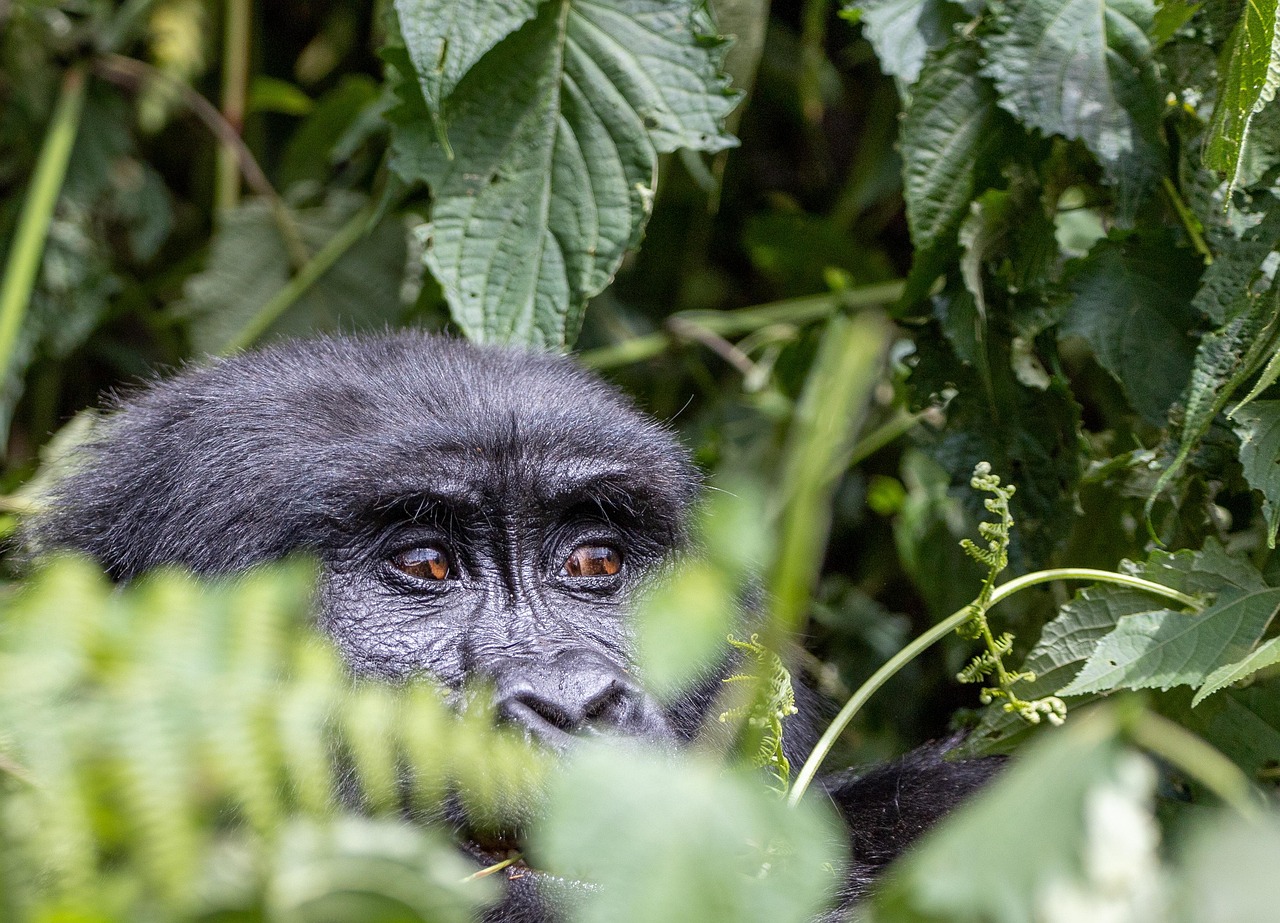
Combining with a safari. Akagera National Park in Rwanda and Queen Elizabeth National Park in Uganda both offer solid game viewing. A typical split is 3-4 days for the safari, then 2-3 days for the gorilla trekking. Budget lodges work fine for the safari, but for the gorilla trek, the proximity of the luxury tented camps to the trailheads is worth the upgrade.
Packing essentials: Good hiking boots, gaiters, a rain jacket, moisture-wicking layers, and a pair of binoculars. You also need travel insurance that covers medical evacuation, since the trailheads are remote. A simple way to reduce pack weight and stay safe is to carry a compact travel first aid kit for blisters and minor cuts.

Trip #3: Multi-Sport Costa Rica (La Fortuna & Manuel Antonio)
Costa Rica is the safest bet for a couple that wants variety without complicated logistics. A 10-14 day itinerary covering La Fortuna and Manuel Antonio gives you white-water rafting, zip-lining, volcano hiking, and wildlife spotting.
Getting around: A rental car gives you the most flexibility, but the shuttles between major destinations are reliable and cheaper. If you drive, book through a reputable company and get the full insurance coverage. The roads can be rough, and breakdowns happen.
Booking tours: Most tour operators offer flexible cancellation, which matters in the rainy season. Rafting the Pacuare River is the highlight. Afternoon night hikes in the Arenal area are worth the expense. The trap to avoid is overpacking your itinerary. You do not need an activity scheduled every single day. Build in at least two fully free afternoons.
Accommodation strategy: Look for hotels that offer adventure packages. Some properties bundle rafting, zip-lining, and waterfall hikes into a single price. That often saves money and simplifies planning. Manuel Antonio has a range of mid-range eco-lodges that work well for couples.
Trip #4: Hiking & Via Ferrata in the Dolomites, Italy
The Dolomites combine alpine hiking with the unique challenge of via ferrata, protected climbing routes that are accessible to fit beginners. It is a great option for couples who want a physical challenge without committing to technical rock climbing.
Best time: June through September. July and August are peak months, but the weather is most reliable. Late June and early September offer quieter trails.
Gear requirements: You need a harness, helmet, and via ferrata kit. Most outdoor stores sell reasonably priced sets, and you can buy online ahead of time. Beginners may want a pre-assembled via ferrata kit that includes lanyards and carabiners. Break in your hiking boots before you go. The approaches to the via ferrata routes involve long hiking sections.
Hut-to-hut logistics: Booking rifugi (mountain huts) is mandatory. They fill up months ahead and require a sleeping bag liner. You can book directly through the respective hut websites. The rifugio system makes it possible to hike for days without carrying a tent or cooking gear, which is a major advantage over other hiking trips.
Guided vs independent: If neither of you has done via ferrata before, book a guide for the first day. The gear is intuitive but the exposure can be intimidating. After one guided route, most couples can continue independently. Cortina d’Ampezzo is the best base for a mix of via ferrata and easier trails.
Trip #5: Island Adventure in New Zealand (South Island)
New Zealand’s South Island is the adventure capital of the world for a reason. Queenstown alone offers bungee jumping, jet boating, and skydiving. But the real appeal for couples is the variety of activities packed into a single region.
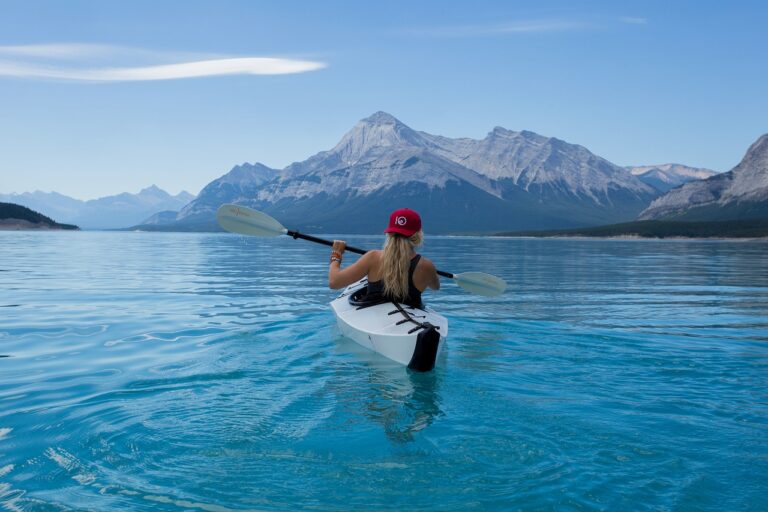
Queenstown core: The bungee jumping at the Kawarau Bridge is iconic. Jet boating on the Shotover River is adrenaline in its purest form. But you should also book a half-day kayaking trip on Milford Sound. That combo gives you both thrill and scenery.
Routeburn Track: This three-day hut-to-hut hike is one of New Zealand’s Great Walks. It is well-marked and suits fit beginners. Book the huts through the Department of Conservation as early as possible. They sell out quickly.
Managing distance: Driving times between destinations are longer than they appear on maps. Wanaka and Te Anau are better alternatives to Queenstown for a quieter base. Wanaka has good hiking and a more relaxed vibe. Te Anau is the gateway to Milford Sound and offers cheaper accommodation.
Budget vs premium: Campervan rentals are a popular option. Jucy and Britz offer affordable vehicles that sleep two. For fixed accommodation, look at Airbnb or booking.com. Activities can be booked through BookMe.co.nz for discounts on same-day slots.
Trip #6: Desert Trekking & Wadi Rum in Jordan
Jordan is a desert adventure that combines physical activity with cultural depth. The Wadi Rum desert offers multi-day jeep or camel safaris with Bedouin guides, and you can combine it with hiking in Petra.
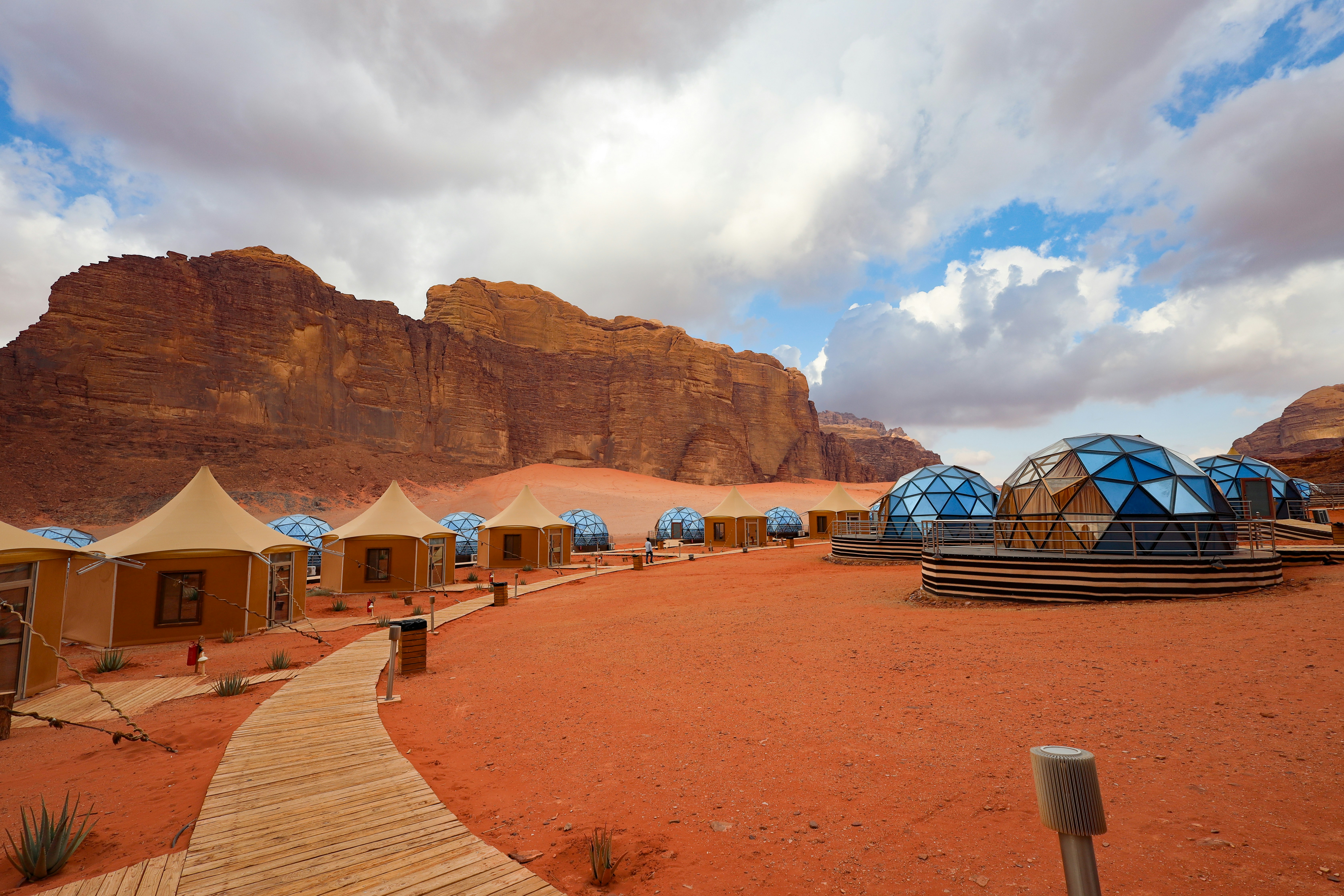
Wadi Rum logistics: A two-day one-night jeep safari is the sweet spot. You visit the key landmarks, sleep in a desert camp, and have enough time to hike short sections through the canyons. Bedouin guides cook meals over an open fire. The experience is genuine, not staged.
Petra hiking: The Monastery hike is steep and exposed. It takes about an hour each way. Do it early in the morning before the crowds and heat build up. If you’re both in reasonable shape, add the high trail overlooking the Treasury for a different perspective.
Budget vs luxury: The bubble dome camps in Wadi Rum are Instagram-famous, but they are expensive and less authentic. Standard Bedouin camps are far more affordable and give you the same experience. Save the luxury budget for Petra accommodation or a higher-end hotel in Amman.
Heat management: Jordan is hot, especially from May to September. UV shirts, a wide-brim hat, a hydration pack, and good sandals for camp are essential. Book a private guide for the desert part. It costs more but ensures a smoother experience. For longer days outdoors, a reusable hydration pack makes staying hydrated easier without stopping to dig out a bottle.
Common Mistakes Couples Make When Planning Adventure Travel
- One person handles all the planning. That leads to resentment and missed preferences. Split the work: one manages logistics and permits, the other handles gear and itinerary building. Share the final plan before booking.
- Ignoring fitness differences. The trip should challenge the fitter person without breaking the less fit one. You can skip one hike. You can split a day. Do not assume you will rise to the occasion.
- Overpacking gear. Adventure travel involves moving between locations, often on foot or in small vehicles. Packing too much gear creates friction. Share weight. Buy things like a power bank or first aid kit that both of you use.
- Not booking flexible itineraries. Weather changes. Injuries happen. Book activities and accommodation with free cancellation policies. The few dollars saved by choosing the non-refundable option are not worth the stress.
- Skipping travel insurance. If you are doing any of the above trips, get comprehensive travel insurance that covers activity-related injuries, medical evacuation, and trip cancellation. It is not optional.

How to Choose the Right Trip for Your Couple Type
- Thrill-Seekers: New Zealand South Island (bungee, jet boat, skydive). Also consider via ferrata in the Dolomites if you want an alpine twist.
- Nature Lovers: Patagonia trekking. The landscapes are unmatched, and the hiking is immersive without being technical.
- Cultural Adventurers: Jordan. The Bedouin camp experience and Petra hiking give you physical activity alongside deep historical context.
- Budget Conscious: Costa Rica offers the best value per adventure dollar. Group tours, mid-range eco-lodges, and local transport keep costs low while delivering variety.
Essential Packing Checklist for Couple Adventures
- Power bank (shared).
- First aid kit with blister treatment and antihistamines (shared).
- Water filter or purification tablets (shared).
- Quick-dry towels (one each).
- Quality insoles for hiking boots (individual).
- Dry bags for electronics (shared).
- Headlamps (one each).
- Collapsible trekking poles (shared for lighter trips, individual for heavy hiking).
- Multi-tool (shared).
- Travel insurance documentation (digital and printed, both).
Booking Strategy: When to Book and How to Save
- Flights: Book six months out. Use Google Flights alerts. Look for stopover deals (e.g., Icelandair, Turkish Airlines).
- Tours and permits: Patagonia refugios and gorilla permits need booking three to six months in advance. Dolomites rifugi open for booking in early spring. Book as soon as dates are available.
- Activities: Use BookMe.co.nz for New Zealand activities. For Costa Rica, book directly with operators who offer free cancellation. For Jordan, use reputable tour agencies.
- Accommodation: Use Booking.com or HotelsCombined for comparison. Filter for free cancellation. For campervans in New Zealand, compare Jucy, Britz, and Maui early.
- Travel insurance: Buy a comprehensive policy covering adventure activities. Compare policies on comparison sites. Do not buy the cheapest.
Final Advice Before You Book
Start with one trip. Do not try to combine three adventures in your first year as an adventurous couple. Pick the destination that fits both your fitness levels and interests. Invest in solid gear that works for multiple trips. Book everything early enough to get your first choice. And talk through the plan together before you commit.
The trips above are tested, achievable, and worth the effort. If you want to make one of them happen this year, start the booking process now.
Best Adventure Travel Destinations for Solo Travelers: Where to Go & What to Know
Solo Adventure Itinerary New Zealand: The Ultimate Guide
South Africa Adventure Guide: Safaris and the Coast – What You Need to Know Before You Go
Best Safari Destinations in Africa for First Timers: A Practical Guide