How to Find Adventure Travel Deals: A Practical Guide to Saving Money on Thrilling Trips
How to Find Adventure Travel Deals

This article is for budget-conscious travelers who want real adventure without a premium price tag. Adventure travel—trekking, diving, climbing, rafting—is often assumed to be expensive by nature. That’s not entirely true. Some things cost more, but smart planning and timing can cut costs significantly. This guide covers how to find adventure travel deals, from avoiding common mistakes to knowing when to book and which tools actually help. If you’re planning a trip and want to stretch your budget further, this is where you start.

The Biggest Mistake Travelers Make When Searching for Adventure Deals
The most common error is treating adventure travel like any other vacation. People focus on cheap flights and hotel discounts and stop there. That only covers part of the picture. The real costs come from guides, permits, specialized gear, and activity fees. A cheap flight to Nepal means nothing if you can’t afford the trekking permit and a licensed guide. The fix is simple: search for package deals and operator-specific discounts. Companies like Intrepid Travel, G Adventures, and regional outfitters often bundle flights, accommodation, and activities into a price lower than booking everything separately. That’s the first habit to break—stop looking for generic travel deals and start looking for adventure-specific ones.
Best Time of Year to Book Adventure Travel for Lower Prices
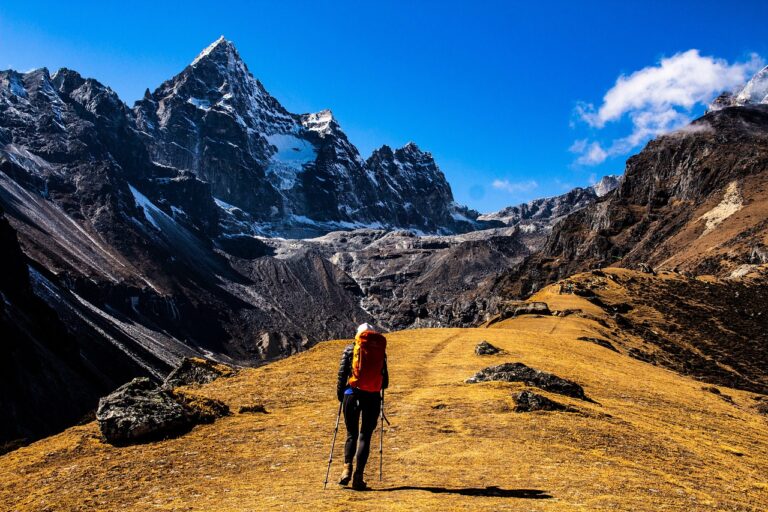
Timing matters more for adventure travel than for city breaks because weather and seasonality directly affect safety and availability. For trekking in places like Patagonia, the Himalayas, or the Andes, the shoulder seasons—spring and fall—offer the best balance of decent weather and lower prices. You avoid peak season crowds and high-season premiums while still having manageable conditions. Diving trips in the Maldives, Indonesia, or Belize see price drops during monsoon or rainy seasons, but you need to check if visibility or safety is compromised. Skiing is cheaper in early season (December) or late season (March-April) before or after school holidays. Rafting and kayaking often have spring discounts when rivers are high but fewer tourists are booking. The tradeoff is always some weather risk. You might get a few rainy days or less than perfect snow, but if you’re flexible and prepared for variable conditions, the savings are substantial. If you’re planning a trek, a compact waterproof trekking backpack can help keep your gear dry during unexpected weather.
5 Essential Tools and Websites for Finding Deals
These are the tools I use most. Not every tool works for every trip, but knowing when to use each one matters.
- Skyscanner: Best for flight comparisons, especially if you use the “everywhere” search to find the cheapest destination from your home airport. Set alerts for specific routes.
- TourRadar: Useful for finding packaged adventure tours. You can filter by activity, duration, and budget. Many operators offer early-bird discounts on this platform.
- The Dyrt: If camping is part of your adventure, this app helps you find free or low-cost campsites in the U.S. and beyond. It’s not a booking tool, but it saves money on accommodation.
- Active Junky: A cashback portal for outdoor gear. You buy from REI, Backcountry, Moosejaw, or similar retailers through their links and get a percentage back. The savings are modest, but they add up over multiple purchases.
- Google Flights: Use the price tracking feature. It sends email alerts when prices drop for specific routes. The interface is clean and the alerts are reliable.
For gear, consider buying used or refurbished items for things like backpacks and tents. REI’s used gear section or local gear swaps can save you 40-60% on quality equipment.

How to Use Price Alerts Without Getting Overwhelmed
Price alerts are useful, but they can turn into noise quickly. Here’s how to make them work: Set alerts on Google Flights for specific dates and destinations you’re serious about. Avoid vague searches—narrow down to a 3-4 day window. Use Kayak’s price drop feature, but only for flights you’ve already researched. Sign up for airline newsletters, but create a separate email folder for them. Check that folder once a week instead of daily. The goal is to catch a price drop without obsessing over fluctuating numbers. Focus on destinations where base fares are already low—saving 20% off a $200 flight is more impactful than saving 20% off a $1000 flight.

Booking Direct vs. Third-Party: What Works Best for Adventure Trips
This depends on the trip structure. For multi-day treks or multi-activity packages, booking with a third-party operator like G Adventures or Intrepid can save you time and money. They have built-in insurance, experienced guides, and pre-arranged logistics. You pay for convenience, but it often works out cheaper than arranging permits, guides, and transport separately. For guided day tours—kayaking, snorkeling, short hikes—booking direct with the local operator is usually better. You avoid the third-party markup and can often negotiate price or add extras. The tradeoff is that direct bookings have less consumer protection if something goes wrong. My rule: for trips over 5 days with complex logistics, use a third-party specialist. For shorter, simpler activities, go direct and save 10-20%.
Why Package Deals Often Beat Piecing It Together
Adventure package deals—flights, accommodation, meals, and activities bundled—offer volume discounts that individual bookings rarely match. Operators like National Geographic Expeditions or Exodus Travels negotiate bulk rates for flights and hotels, then pass some savings to you. The real value isn’t just price. It’s the time and stress saved from coordinating multiple vendors. You avoid the risk of booking a non-refundable flight that doesn’t align with a tour departure. For example, a 10-day trek in Peru might cost $2,500 if booked separately (flights, guides, permits, accommodation, transfers). A package deal from a reputable operator might be $2,000 and include everything plus a safety net if something goes wrong. That’s worth more than the lowest possible price.
Using Credit Card Points and Miles for Adventure Flights
Points and miles are most valuable for adventure travel because remote destinations often have expensive flights. The key is flexibility. Use transfer partners to book award flights on airlines that serve adventure hubs. For example, Aeroplan points transfer to Air New Zealand, useful for hiking in New Zealand. Chase Ultimate Rewards transfer to British Airways for flights to South America, or to United for domestic U.S. legs. Look for sweet spots: booking a domestic U.S. flight for 7,500 points through British Airways Avios, or a flight to Central America for 10,000 points via Air Canada. Travel credit cards like the Chase Sapphire Preferred or Capital One Venture also offer trip cancellation insurance and lost luggage protection, which is valuable when your gear is expensive. For a quick reference, a book like “Travel Rewards 101” covers the basics—it’s a small investment that can pay for itself in points saved.
When to Splurge vs. Save: Gear, Guides, and Accommodation
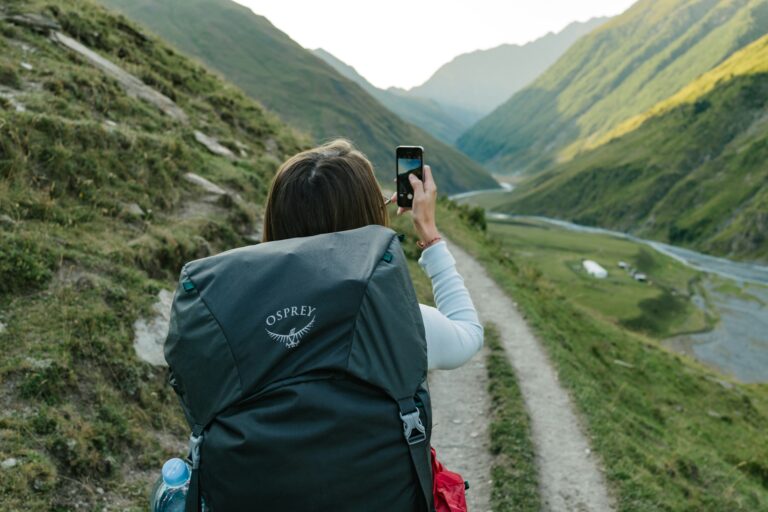
Not every expense is equal. Save on accommodation by choosing hostels, camping, or basic guesthouses. You’re spending most of your day outside anyway. Save on gear by buying used or renting locally for one-time trips. Buy a used backpack from REI’s used gear section instead of a new $300 Osprey. Where to splurge: guides for technical activities. A cheap climbing guide could be dangerous. Paying for an experienced guide with proper certifications is non-negotiable. Also splurge on safety equipment—proper boots, a reliable tent, and a first aid kit. You can skimp on a fancy sleeping bag liner or a camp stove. Prioritize safety and experience over comfort and convenience for most items. For those looking for a reliable first aid kit, a lightweight compact first aid kit for travel is worth considering for any trip.

How to Find Hidden Deals Through Local Operators and Facebook Groups
Sometimes the best deals aren’t online. Contact local tour operators directly via email or WhatsApp. They can offer discounts for cash payments, off-season bookings, or last-minute gaps in their schedule. Join Facebook groups for specific destinations—for example, “Backpacking Patagonia” or “Trekking in Nepal.” These groups often have members selling spare tours, sharing discount codes, or announcing last-minute openings. WhatsApp groups for adventure travelers in places like Bali or Cusco circulate deals on multi-day treks and day tours. The effort is higher, but the savings can be 20-30% compared to booking through mainstream platforms. It’s worth spending an hour researching these channels before committing to a big booking.
Common Adventure Travel Deals to Avoid and Why
Not every deal is worth taking. Avoid unsustainably cheap tours. If a 10-day trek in the Himalayas costs $500, something is wrong—likely unethical labor practices, skipped safety protocols, or hidden fees. Also avoid gear sold with unrealistically low discounts. “70% off a $400 tent” from an unknown website is often a counterfeit or poor quality product. Another warning: group trips with all-inclusive price tags that list “optional extras” like permits, meals, or transport. Those extras add up fast. Always read the fine print. A good deal is transparent about what’s included. If it feels too good to be true, it probably is.

Putting It All Together: Your 5-Step Deal-Finding Workflow
Here’s a repeatable process based on everything above.
- Set alerts early: Use Google Flights to track prices for your target destination 3-6 months out. Set a price alert for the route you want.
- Research operators and packages: Search TourRadar or G Adventures for package deals. Compare the bundled price to piecing it together yourself.
- Compare direct vs. bundled: For complex trips, go with a package. For simple activities, book direct with local operators. Weigh time vs. money.
- Use points strategically: Check if your credit card points can cover the most expensive flight. Transfer to partner airlines for the best value.
- Book and gear up: Once you’ve found a deal, book it. Then buy or rent gear using cashback sites or used gear markets. Start with one action today: set a Google Flights alert for a dream destination. You don’t need to book yet, just start watching.
For gear, a reliable multi-functional item like a good quality travel backpack can make multiple adventures easier and save you from buying separate bags for every trip.