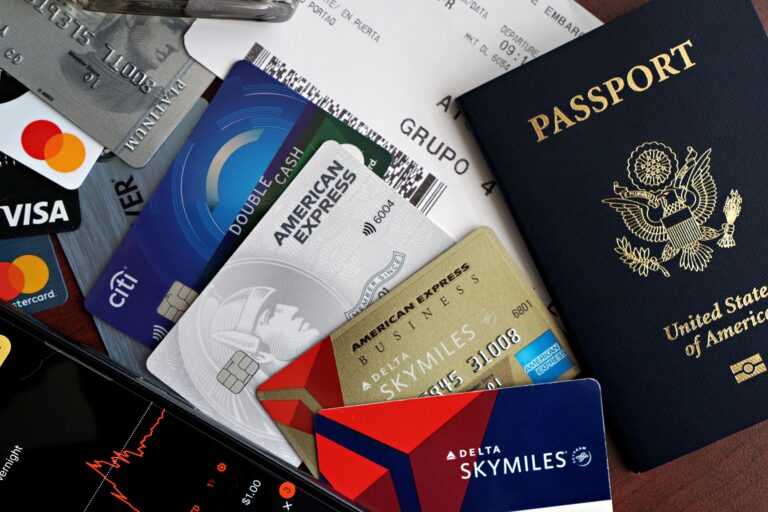
Best Travel Rewards Cards for Adventure: How to Maximize Points and Miles on Your Next Trip
Why Adventure Travel Changes the Rewards Game
Most travel rewards advice is written for people flying business class to Paris. That advice usually falls apart when your trip involves a 6 AM flight to a regional airport in Montana, a bush plane to a remote lodge, or a multi-day trek where the nearest hotel is a tent.
Adventure travel has a different set of logistical realities. You are often flying smaller airlines with limited transfer partners. You might be booking through aggregators for the best route into a trailhead. Your spending is less on hotel restaurants and more on outdoor gear, transportation to the start of a hike, and park entry fees. You also face higher physical risk, which makes trip insurance and medical evacuation coverage more important than a welcome gift at check-in.
Generic card recommendations often ignore these realities. A card that gives you 5x points on dining at Michelin-starred restaurants is less useful if your dining is mostly trail mix and gas station sandwiches. A card with no travel insurance for high-altitude trekking leaves you vulnerable if something goes wrong. The best travel rewards cards for adventure are the ones that solve the specific problems of active, off-the-beaten-path travel.

What to Look for in a Travel Rewards Card for Adventure
Before you pick a card, understand what actually matters for the kind of travel you do. Here are the features that separate a useful adventure card from a card that will frustrate you.
No foreign transaction fees – This is non-negotiable. If you cross borders, a 3% foreign transaction fee eats into your rewards. Most premium cards do not have them, but some mid-tier cards still do. Check before you apply.
Strong travel insurance – Adventure travel involves more planes, buses, and unpredictable weather. You want trip cancellation, trip delay, and baggage loss coverage. Medical evacuation coverage is a big plus. Some cards offer it as a benefit, others do not. If your card does not, you should buy a separate policy. Travelers who want to be fully covered can also look into a standalone travel insurance policy before departure.
Flexible point transfer partners – Fixed-value portals (where 1 point equals 1 cent) can work, but transferring points to airlines and hotels often gives you more value per point for adventure destinations. Look for cards that transfer to United, Air Canada, British Airways, or Hyatt. These partners cover more remote locations than luxury-centric programs.
Bonus categories that match your spending – Outdoor gear purchases, transportation, and everyday essentials like supermarkets and gas stations matter more than dining out. A card that gives you bonus points on general travel and everyday spending is better than one that rewards fine dining.
Lounge access – This is a bonus, not a priority. It helps on long layovers when you are flying to an adventure hub, but it should not drive your decision. You can buy day passes if needed.
The tradeoff is simple. Cards focused on luxury travel often have higher annual fees and perks you will not use. Adventure-focused cards should prioritize flexibility and protection over status symbols.
Top 5 Travel Rewards Cards for Adventure Travelers (2025)
These five cards cover different needs and spending styles. None of them are perfect for everyone, but each one solves a specific problem that adventure travelers face.
Chase Sapphire Preferred: The All-Around Workhorse
This is the card I recommend most often for people new to travel rewards. It has a reasonable $95 annual fee (waived the first year), no foreign transaction fees, and solid travel insurance including trip cancellation and baggage delay. Points transfer to United and Hyatt, both of which serve adventure hubs like Jackson Hole, Moab, and ski towns. The sign-up bonus is usually enough for a domestic round-trip flight. The downside is that the bonus categories are not exceptional (2x on travel and dining), but the flexibility of the points makes up for it. Worth noting: the annual fee is offset by a $50 hotel credit, so your real cost is $45.
Capital One Venture X: Premium Perks for High-Volume Travelers
If you travel several times a year and want a premium experience, the Venture X is a strong option. The $395 annual fee looks high, but you get a $300 annual travel credit and 10,000 bonus miles every anniversary, which effectively drops the cost to near zero. You earn 2x miles on everything, so you do not have to track categories. The card also includes lounge access and a Global Entry or TSA PreCheck credit. Transfer partners include Air Canada, British Airways, and Turkish Airlines, which cover many adventure routes. The main limitation is that the transfer partner list is smaller than Chase’s, but the simplicity and perks make it a great daily driver for frequent adventurers.

American Express Gold: Best for Food and Gear Bonuses
This card earns 4x points at U.S. supermarkets and restaurants. That covers meal prep before a trip and eating out on the road. It also earns 3x on flights booked directly with airlines. The annual fee is $250, which is offset by dining and Uber credits if you use them. The problem is that American Express is not accepted everywhere abroad. Many small shops, gas stations, and cafes in remote areas only take Visa or Mastercard. So this card works best as part of a two-card setup, not as your only card. The travel insurance is also weaker than Chase or Capital One, so you may need to supplement it.
Bilt Mastercard: Rent Pays for Travel
If you rent instead of own, the Bilt Mastercard lets you earn points on rent without a transaction fee. That is unique. Points transfer to over a dozen partners including United, American Airlines, and Hyatt. The card has no annual fee and no foreign transaction fees. The catch is that you need to make at least five transactions per statement period to earn points on rent. That is easy to do if you use the card for small purchases like coffee or gas. The Bilt card is a good addition to a portfolio for renters who want to maximize their everyday spending, but it does not offer any travel insurance, so you still need a card like the Chase Sapphire Preferred for protection.
United Explorer Card: Best for a Specific Airline
This card is only valuable if you fly United frequently. It gives you a free checked bag, priority boarding, and two United Club passes per year. The annual fee is $0 for the first year, then $95. It also includes travel insurance and no foreign transaction fees. The problem is that award availability on United can be tight for adventure destinations, especially smaller regional airports. You might end up paying cash for flights. However, if your home airport is a United hub and you fly them often, the checked bag benefit alone can save you more than the annual fee. It works best as a complement to a flexible card like the Chase Sapphire Preferred.

How to Maximize Points on Adventure Gear Purchases
Gear is one of the biggest expenses for adventure travel. You can earn points on those purchases without changing your behavior, but you need a strategy.
Use cards with bonus categories on sporting goods stores. The Chase Freedom Flex or Freedom Unlimited sometimes have rotating categories that include sporting goods. The Amex Gold earns 4x points at U.S. supermarkets, which is useful if you buy gear at stores like REI that also sell groceries (though REI is not a supermarket). Some co-branded cards like the Alaska Airlines card earn bonus miles on purchases at certain retailers.
Stack points with shopping portals. Most major card issuers have online shopping portals where you earn extra points per dollar. You can click through the portal to stores like REI, Backcountry, or Moosejaw and earn additional points on top of your card’s base rate. It adds up if you are buying a tent, sleeping bag, or boots.
Do not overspend just for points. This is the most common mistake. If you buy gear you do not need just to hit a sign-up bonus, you lose money. Only use these strategies on purchases you were already planning to make.
If you need help organizing your gear, consider a packing cube set. It keeps your dry bags and electronics separated, and it is a small purchase that can earn you points through a portal.
Using Points for Adventure Activities, Not Just Flights
Most people think of points for flights and hotels. But you can also use them for the activities that make a trip memorable.
Book tours and excursions through card travel portals. Chase and Capital One both have travel portals where you can use points to book day hikes, rafting trips, multi-day treks, and equipment rentals. The value is usually around 1 cent per point, which is lower than transferring to a partner, but it gives you flexibility. If you need a specific operator and they are listed on the portal, it can be worth it.
Transfer to hotel partners with adventure packages. Hyatt, for example, has properties near ski resorts and national parks. If you transfer Chase points to Hyatt, you can book rooms at Category 1-4 properties for as few as 5,000 points per night. That is a much better value than using points for a flight. The same applies to IHG and Marriott for properties near adventure hubs.
Use cash for flexibility. Sometimes paying cash is better than using points, especially for last-minute bookings or activities with cancellation policies. Points are best used for fixed, non-refundable bookings like flights. For tours and rentals, cash gives you more flexibility to change plans if the weather turns or you get injured.
The key is to compare the value. If you can get 2 cents per point on a flight transfer versus 1 cent per point on a tour booking, the flight is the better use of points. Pay cash for the tour. Do the math on every redemption.
Common Mistakes Adventure Travelers Make with Rewards Cards
I have seen people lose thousands of dollars in value because of avoidable errors. Here are the most common ones.

Ignoring annual fees on low-use cards. A card with a $95 fee is fine if you use it every month. But if you only travel once a year, that fee eats into your rewards. If you are not earning more in value than the fee costs, cancel the card or downgrade to a no-fee version.
Not checking for foreign transaction fees. Some cards that seem like good travel cards have hidden foreign transaction fees. A 3% fee on a $1,000 purchase is $30. That is real money. Always verify before you swipe abroad.
Choosing a card with poor travel insurance for risky activities. Not all travel insurance is the same. Some cards exclude coverage for adventure sports like skiing, scuba diving, or mountaineering. If your trip involves these activities, read the policy carefully. A card with no coverage for medical evacuation leaves you exposed. Buy a separate policy if needed. A simple waterproof phone pouch can help protect your card and phone from moisture on the trail.
Missing sign-up bonuses because of spending thresholds. Many cards require you to spend $3,000 to $5,000 in the first three months to earn the bonus. If you are a minimalist traveler or do not have big upcoming purchases, you might not hit that threshold. Do not apply for a card unless you are confident you can meet the minimum spend naturally.
Transferring points to the wrong partner. Point transfer values vary wildly. Transferring 50,000 points to a partner that gives you a flight worth $500 is better than transferring to one that gives you a flight worth $200. Always check the award availability and value before you transfer. Once you transfer, you usually cannot reverse it.

The Best Strategy for Building a Rewards Portfolio for Adventure
You do not need ten cards. A good setup is two to three cards that cover your bases.
One flexible transfer card. This is your core card. The Chase Sapphire Preferred is the top choice for most adventure travelers because of its transfer partners and strong travel insurance. It gives you a foundation for earning and redeeming points.
One high-earning everyday card. Use this for your regular spending. The Amex Gold is great for food and gear purchases if American Express is accepted where you shop. The Bilt Mastercard works well for renters. The key is to pick a card that matches your biggest spending categories.
One co-branded or backup card. If you fly a specific airline often, their co-branded card can save you on checked bags and offer priority boarding. If you do not, a no-foreign-transaction-fee Visa or Mastercard (like the Capital One Venture X or a no-fee card) is essential backup for places that do not take Amex.
Focus on your home airport’s airline hub. If you live near a United hub, a United card and a Chase Sapphire Preferred complement each other well. If you are near an American hub, consider a Citi card or American Airlines card. Tailor your portfolio to what is actually available to you.
Start with one card, learn how to transfer and redeem points, and add cards as your travel frequency increases. Do not overcomplicate it.
Practical Tips for Keeping Your Card Safe on the Trail
Cards are useless if they get wet, lost, or stolen. Here is how to keep them safe.
Carry only one card on your person. Keep your primary card in a waterproof pouch or a zippered pocket inside your jacket. A simple waterproof phone pouch works well. Leave the rest in your accommodation.
Notify your bank of travel. Most banks now detect foreign transactions automatically, but it is still smart to set a travel notice. It prevents your card from getting frozen when you try to pay for a bus ticket in a small town.
Have a backup card stored separately. Put a second card in a dry bag or a different compartment of your pack. If you lose your main card or it gets stolen, you still have a way to pay. Digital wallets on your phone are also helpful as a backup.
Consider an RFID blocking sleeve. This is not essential, but it adds a layer of security against digital pickpocketing. It is a cheap insurance against a rare problem. A small travel wallet with RFID blocking is a good investment.
Your card is a tool. Treat it like one. Keep it dry, keep it accessible, and keep a backup.
Final Thoughts: Start Small, Stack Smart
The best travel rewards cards for adventure are the ones you actually use and understand. Do not chase sign-up bonuses on cards you cannot use. Do not overcomplicate your setup with cards that do not match your travel style.
Start with one flexible card like the Chase Sapphire Preferred. Learn how transfer partners work. Redeem your first points for a flight to a trailhead or a hotel near a national park. See how it feels. Then, if you want to expand, add a card that earns more in your everyday spending categories.
Stack smart. Use your cards for planned purchases. Pay attention to terms and fees. Do not let the card drive your spending. The goal is to fund your next adventure with points, not to accumulate points for the sake of it.
If you are ready to get started, check current offers on the cards I recommend. Find one that fits your spending and your next trip. Plan your adventure. Use the card. Then go.
Best Adventure Travel Credit Cards: Boost Your Points on Every Expedition