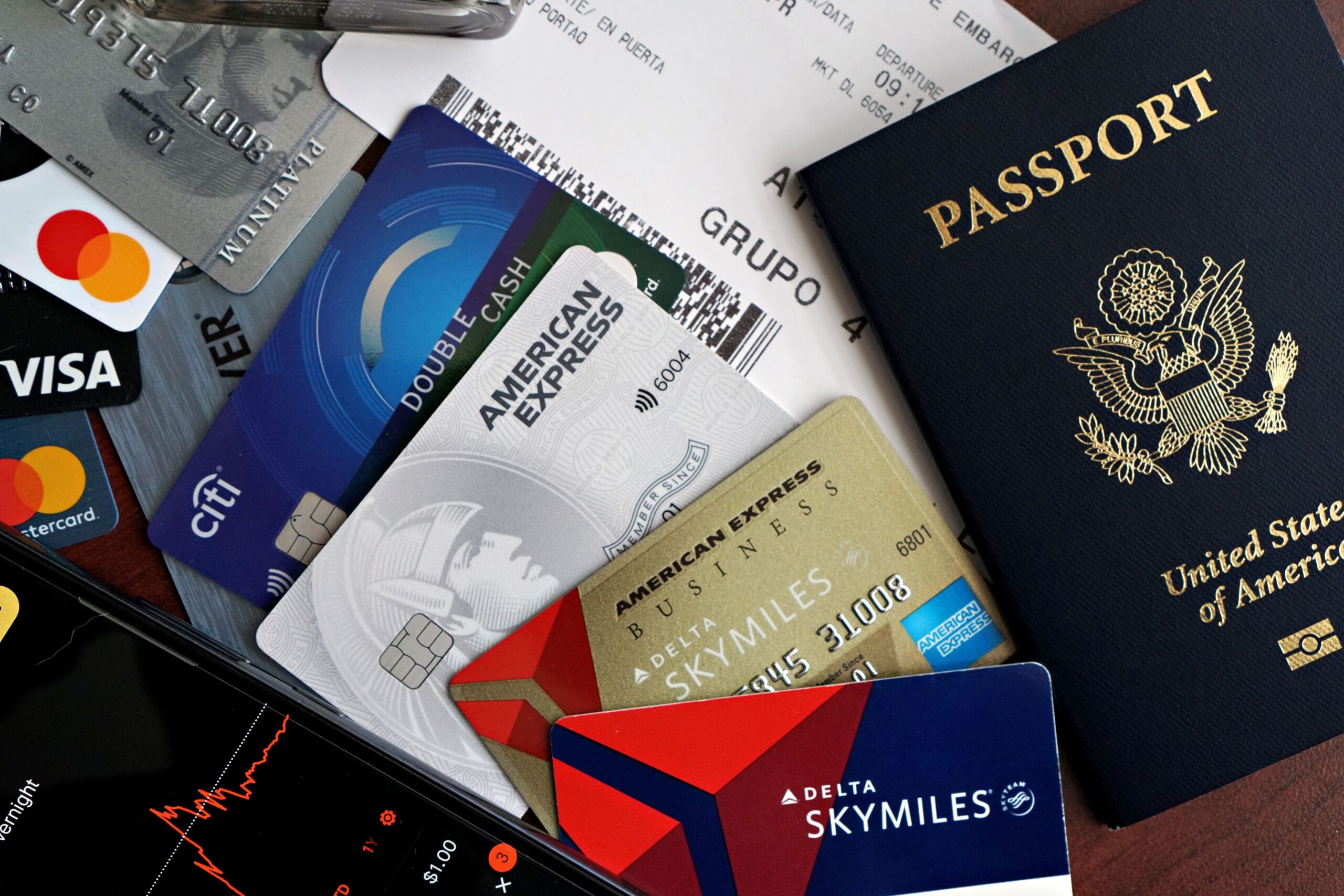
Best Adventure Travel Credit Cards: Boost Your Points on Every Expedition
Introduction
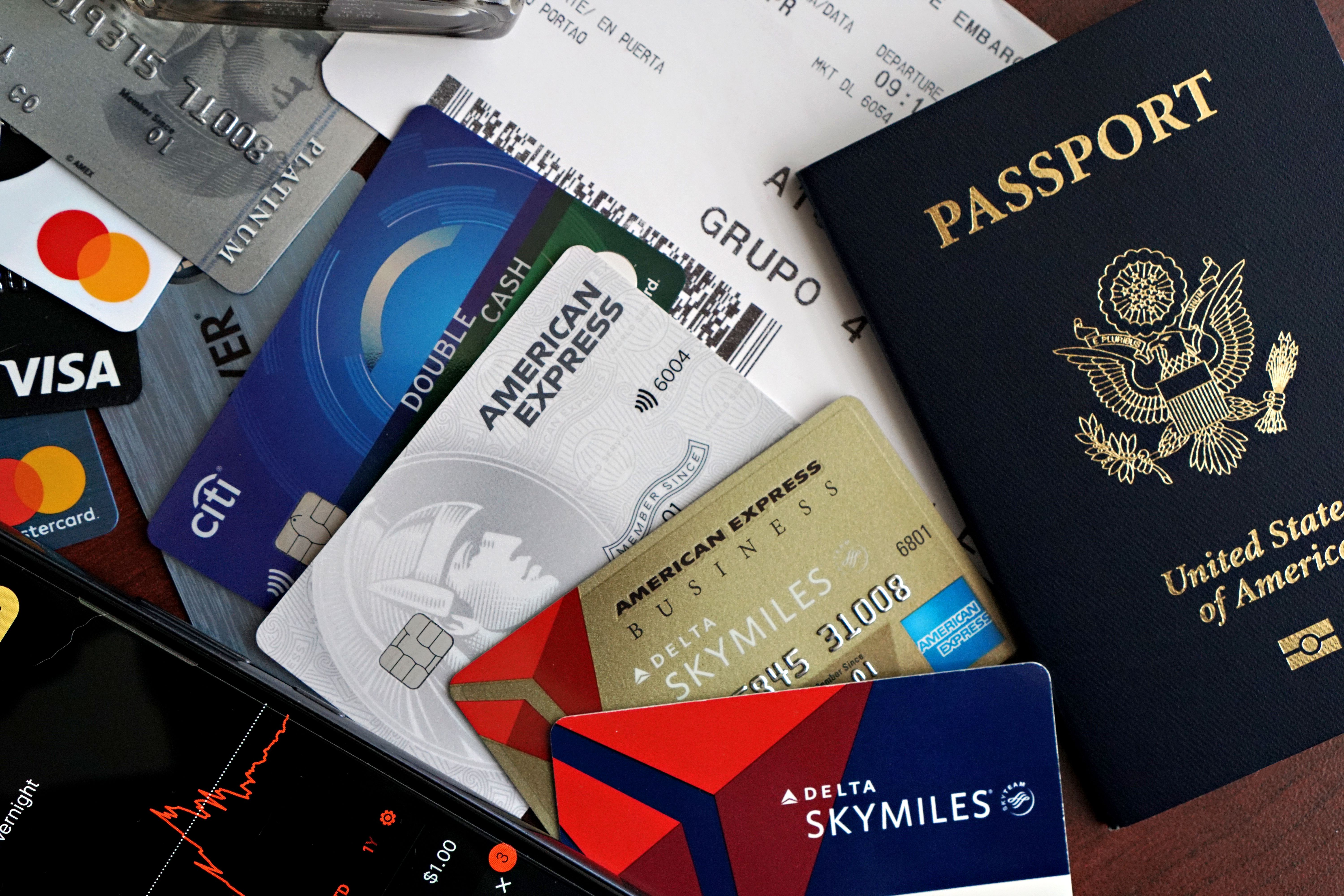
The right credit card can turn an expensive adventure into something more manageable. Whether you’re booking a last-minute flight to a trailhead, paying for a new tent, or covering an emergency evacuation, the card you carry matters. This guide is for travelers who hike, climb, bike, dive, or do anything involving a passport and a pack. You want to maximize points without giving up features like insurance and no foreign transaction fees. The best adventure travel credit cards do both. They reduce your out-of-pocket costs and protect you when things go wrong. That’s what this guide covers—no hype, just logistics and real savings.

What to Look for in an Adventure Travel Credit Card
Standard travel cards work for a business trip to a city. Adventure travel is different. You need a card that handles rough itineraries, gear purchases, and unpredictable changes. Here are the features that matter most.
No foreign transaction fees. If your card charges 3% on every purchase abroad, it adds up fast. Gear, lodges, guide services—those fees burn cash. Every card on this list waives them.
Robust travel insurance. Trip cancellation, baggage delay, and emergency medical evacuation are non-negotiable for adventure. You need real coverage, not marketing fluff. Read the benefits guide to see what’s actually covered. Some cards cover ‘extreme sports,’ others explicitly exclude them.
High rewards on travel and dining. Adventure travelers spend money on flights, hotels, and meals. Cards that earn 2x or more on these categories accelerate your points balance faster than flat-rate cards.
Flexible point redemption. You want to transfer points to airline or hotel partners, not just get a statement credit. Transfer partners often provide more value, especially for international flights to remote destinations.
Primary rental car coverage. If you’re driving to a trailhead, you want primary coverage so you don’t have to file a claim with your personal insurance first. It’s a small difference that matters when you’re off the grid.
No single card does everything perfectly. Tradeoffs exist. Chase Sapphire Preferred has a low annual fee but weaker lounge access. Amex Platinum has excellent insurance but a high fee. The key is picking the card that matches how you travel, not just what looks best on paper.
Our Top Picks for Best Adventure Travel Credit Cards
The cards below were chosen based on real-world use and community reports. They handle rugged itineraries, gear purchases, and emergency situations. These are not just lounge cards. They are workhorses for people who move.
1. Chase Sapphire Preferred® Card
The Chase Sapphire Preferred is one of the most balanced cards for adventure travelers. You earn 2x points on travel and dining, which covers everything from flights to trailhead diners. The sign-up bonus is typically strong enough to cover a domestic round-trip flight or a few nights at a mid-range lodge.
Insurance is where this card shines. Trip cancellation and trip interruption insurance cover up to $10,000 per trip. Baggage delay insurance gives you $100 a day for up to five days if your gear gets lost. Those are real protections that save money when your bag full of climbing gear goes missing. Travelers who are concerned about delayed gear can also look at portable gear organizers to keep essentials accessible. The card also includes primary rental car coverage, which is excellent for road trips to remote areas.
The annual fee is $95, which is reasonable for what you get. Compared to the Chase Sapphire Reserve, you lose priority pass lounge access and a few premium perks, but you save $555 per year. That’s cash you can spend on actual adventures.
Points transfer to partners like United, Hyatt, and Air France/KLM. I’ve used Ultimate Rewards points to cover a last-minute flight after a gear delay forced a schedule change. It wasn’t glamorous, but it worked.
Best for: Travelers who want strong insurance, solid rewards, and a low annual fee. Good for foodies who camp—dining points apply to meals on the trail, not just fine dining.

2. Capital One Venture Rewards Credit Card
If you hate tracking categories and just want simplicity, the Capital One Venture is your card. You earn 2x miles on every purchase. No rotating categories, no quarterly caps. Buy a tent, earn miles. Book a tour, earn miles. Pay for a meal, earn miles. It’s straightforward.

Redemption is equally simple: miles are worth a flat 1 cent each toward travel. You can also transfer to partners like Air France/KLM, Turkish Airlines, and Singapore Airlines. The transfer option adds value for international trips, especially to South America or Southeast Asia. I’ve booked flights to Patagonia using transferred miles and got better value than the 1 cent baseline.
The Global Entry or TSA PreCheck credit is included, which speeds up your return through customs. No foreign transaction fees, obviously. The travel insurance is not as strong as Chase or Amex, but it covers the basics: trip cancellation and interruption, baggage delay, and a modest emergency assistance hotline.
Tradeoffs: Lower insurance coverage than premium cards. If you’re booking a high-risk trip with expensive deposits and limited refund options, you might want a card with stronger protections.
Best for: Travelers who want a simple, high-earning card with flexible redemption. Works well as a primary card for day-to-day spending, not just travel expenses.
3. The Platinum Card® from American Express
The Amex Platinum is a premium card designed for frequent travelers who want maximum insurance and lounge access. The annual fee is $695, which is high. But the credits can offset that if you use them. The $200 airline fee credit, $240 digital entertainment credit, and $200 hotel credit help reduce the effective cost.
Insurance is comprehensive. Trip cancellation covers up to $10,000 per trip. Baggage insurance covers lost, damaged, or stolen bags. There is also access to the Global Lounge Collection, which includes Centurion Lounges, Priority Pass, and Delta Sky Clubs. If you have long layovers between flights to remote destinations, a lounge makes a difference.
Access to Fine Hotels & Resorts is useful for booking lodges in remote areas that offer reliable standards. The card also includes a $100 experience credit at those properties, which can offset dining or activities.
Tradeoffs: American Express is not accepted everywhere. In rural areas abroad, you may run into merchants who only take Visa or Mastercard. Always carry a backup card. The high annual fee also means you need to travel frequently to justify it.
Best for: Serial adventurers who fly multiple times a year, book tour packages, and want premium insurance. Not ideal for cost-conscious travelers or those on a single big trip per year.
4. Bilt World Elite Mastercard®
Bilt is a niche card for renters. You earn points on rent payments without a fee. Points transfer to partners like American Airlines, Turkish Airlines, and Marriott. That opens up booking options for international adventure flights.
Practical use case: you pay rent each month, earn points, then transfer to Turkish Airlines for a flight to Tanzania to climb Kilimanjaro. Turkish often has great award availability to African destinations. The points can also be used for hotels or cash back.
The card has no annual fee. It earns 1x points on rent (up to 100,000 points per year), 2x on travel, and 3x on dining. The travel partners are solid, especially for international trips.
Tradeoffs: Mastercard acceptance is good, but not universal in some regions. Domestic earnings on non-rent purchases are low unless you spend heavily on travel and dining. Not a card for gear purchases.
Best for: Urban adventurers who rent apartments and want to build points passively. Works as a secondary card for renters who also have a travel card.
5. REI Co-op Mastercard®
This card is designed for gear heads. You earn 5% back at REI (as a member dividend), 1.5% on other purchases. No annual fee. The dividend can be used for future gear purchases, which is a real cash-saving tool if you buy expensive equipment regularly.
If you hike, climb, bike, or kayak, you probably spend hundreds of dollars at REI each year. The card gives you a direct return on that spending. Combined with the REI member dividend, you can effectively knock 15% off your gear costs over time.
Tradeoffs: The card is not useful for flights or hotels. Rewards are capped at REI spending and general purchases. It’s a bad choice for earning travel points. You want to pair this card with a travel card like Capital One Venture or Chase Sapphire Preferred. Use the REI card for gear, the travel card for everything else.
Best for: Gear-focused travelers who buy equipment frequently. Works well in a two-card strategy.
Comparing the Best Adventure Travel Credit Cards (At a Glance)
- Chase Sapphire Preferred: $95 annual fee, 2x travel/dining, no foreign fees, strong insurance, primary rental car coverage. Best for balanced travelers.
- Capital One Venture: $95 annual fee (waived first year), 2x everything, simple redemption, Global Entry credit. Best for simplicity.
- Amex Platinum: $695 annual fee, 5x flights, lounge access, comprehensive insurance. Best for premium travelers.
- Bilt World Elite: $0 annual fee, earn points on rent, transfer partners. Best for renters.
- REI Co-op: $0 annual fee, 5% back at REI, 1.5% elsewhere. Best for gear purchases.
Use this table to shortlist your top two cards before reading the detailed analysis.

Common Mistakes When Choosing an Adventure Travel Card
Ignoring foreign transaction fees. A 3% fee on gear, hotels, and meals abroad adds up fast. If your trip costs $5,000, that’s $150 wasted. Every card here waives these fees. Don’t settle for less.
Picking a card with weak travel insurance. I’ve seen travelers save $100 on an annual fee, then lose thousands when a trip gets canceled or gear gets delayed. Adventure travel is unpredictable. You want real coverage, not a bare-minimum policy.
Choosing a card without international acceptance. Amex is great, but not accepted everywhere. In rural areas abroad, you may need Visa or Mastercard. Always carry a backup card that works where you’re going.
Overvaluing sign-up bonuses. A huge bonus doesn’t matter if the card doesn’t fit your spending. I once saw a traveler sign up for a card with a 100,000-point bonus, only to realize the card had weak insurance and limited acceptance for their Africa trip. Read the fine print, not just the bonus.
How to Maximize Your Adventure Travel Credit Card Points
Use your card for all trip expenses. Gear, deposits, tours, flights—charge it all to your card to earn points. But pay off the balance immediately. Carrying a balance at high interest destroys any value from points.
Transfer points to airline partners. For long-haul flights to adventure destinations (Patagonia, Nepal, New Zealand), transferring points to partners often gives better value than booking through the card’s portal. Test a few routes before you commit.
Stack cards. Use the REI card for gear, Chase Sapphire Preferred for hotels and dining, and Capital One Venture for everything else. Each card earns best in its category.
Take advantage of category bonuses. Chase Sapphire Preferred earns 2x on dining. That applies to restaurants on the trail. Capital One Venture earns 2x on everything. Use the right card for the right purchase.
Don’t redeem points for cash back. Statement credits often give lower value than transferring points to travel partners. If you want cash, you’re leaving value on the table.

The Verdict: Which Card Should You Choose?
Your choice depends on your travel style. For a gear-focused traveler who buys expensive equipment, pair the REI card with Capital One Venture. The REI card handles gear, Capital One covers everything else. For a frequent flyer who wants strong insurance, the Chase Sapphire Preferred is the best balance of cost and coverage. For a luxury adventurer who flies often and stays in lodges, the Amex Platinum delivers premium insurance and lounge access. For renters, the Bilt card turns rent into travel points without an annual fee.
There is no perfect one-card solution. Think about your next three trips. Where are you going? What gear do you need? How will you book flights and hotels? Choose a card that aligns with those logistics. For most people, starting with a no-annual-fee card like Capital One Venture or REI Co-op is a safe way to test the waters. You can always upgrade later.
Frequently Asked Questions About Adventure Travel Credit Cards
What credit score do I need for these cards? Typically 670 or higher for most. Chase Sapphire Preferred, Capital One Venture, and Amex Platinum all require good-to-excellent credit. Bilt and REI cards are slightly more forgiving.
Can I use multiple cards on a trip? Yes. Use your REI card for gear purchases, Chase for dining and hotels, Capital One for miscellaneous spending. Just track your spending to avoid overdrafts.
Do these cards cover gear theft? It depends on the card. Amex Platinum and Chase Sapphire Preferred have baggage insurance that covers lost or stolen luggage, including gear. Read the benefits guide to see limits and exclusions. A simple way to reduce risk is to use a luggage lock on your pack when it’s out of sight.
What is the best card for first-time adventurers? Capital One Venture or REI Co-op are both beginner-friendly. Capital One has simple rewards and good global acceptance. REI gives you immediate value on gear.
How do I apply without hurting my score? Use pre-approval tools on the card issuer’s website. They run a soft inquiry that doesn’t affect your credit. If you’re pre-approved, the hard pull comes later.
Final Thoughts on Adventure Travel Credit Cards
The best card for adventure travel depends on your specific style. No single card fits everyone. Focus on features that matter: no foreign transaction fees, strong insurance, flexible point redemption, and international acceptance. Travel insurance is especially important for adventure trips where weather, cancellations, and gear issues are more common. Always read the fine print around activity exclusions—some cards exclude coverage for extreme sports like skiing or climbing. Choose the card that fits your next adventure and start earning on your next gear purchase. Start small, test a no-annual-fee card, then scale up as you gain experience.
Shop Music Production Gear
Shop Music Production Gear
Shop Music Production Gear
Shop Music Production Gear
Shop Music Production Gear
Shop Music Production Gear