Solo Backpacking Europe: Budget Tips and Routes That Actually Work
You’ve got the savings together and the time off is sorted. Now you’re staring at a map of Europe, wondering how to make a limited budget stretch across weeks of solo travel. It’s a common spot to be in. Europe is expensive—that’s no secret. But with the right approach, it’s absolutely doable on a tight budget. This guide covers how to plan a solo backpacking trip through Europe without blowing your bank account. We’ll break down routes, costs, transport, accommodation, and the specific hacks that actually save you money. Forget the polished travel blogs. This is the practical, experience-based stuff that gets you out there and keeps you going longer.

Why Budget Matters for Solo Backpackers in Europe

Let’s start with the numbers because that’s what matters. When you travel solo, you don’t split costs. That single hostel dorm, that bus ticket, that meal at a cheap restaurant—it’s all on you. In Western Europe—think France, Italy, or the UK—average daily costs for a solo budget traveler hover around $60 to $80 per day. That includes a dorm bed ($25–35), three budget meals ($15–25), local transport ($5–10), and one attraction or activity ($10–15). In Eastern Europe, your daily spend drops significantly. Poland, Hungary, and the Czech Republic can be done for $30 to $40 per day. Accommodation, food, and beer are all noticeably cheaper.
The core difference is that you’re paying a solo premium. No one to split a taxi from the airport, no one to share a grocery run, no one to share a room. Travelers looking to keep their trip affordable might consider a lightweight travel money belt to safely secure cash and cards while on the move. A budget isn’t just a good idea; it’s a survival tool. Without one, you’ll blow through your savings in a week in Zurich. With one, you can stretch a couple thousand dollars into a month-long trip. Know where you’re going and what it costs before you step on the plane.
Best Budget Routes for Solo Backpackers
Route choice is the single biggest factor in your total trip cost. Here are three specific routes that balance cost, safety, and solo-friendliness.
1. The Central Europe Loop: Berlin → Prague → Vienna → Budapest
This route is a classic for a reason. It connects four major cities with excellent and affordable train or bus connections. You can travel between each city for $15–30 on a FlixBus or RegioJet. Hostel culture is strong everywhere, English is widely spoken, and the cities are walkable. Plan for 2–3 days per city. Total daily budget: $45–60. This route works for solo travelers because the hostel scene in Berlin and Budapest is legendary—you’ll meet people easily. Avoid July and August if possible; prices spike and crowds are heavy.
2. The Balkan Backpacker Trail: Budapest → Belgrade → Sarajevo → Dubrovnik → Kotor
This is the cheapest route in Europe, with daily budgets as low as $25–35. The cities are raw, fascinating, and less touristy. Transport between them is cheaper but slower—think buses that take 6–8 hours. Hostels run around $10–15 per night. Street food is excellent and cheap. The main tradeoff is that English is less widespread outside of tourist areas, and some bus stations are chaotic. For a solo traveler, this route offers a genuine adventure and incredible value. Spring and fall are ideal; summer in Dubrovnik is expensive and packed.
3. The Iberian Peninsula: Lisbon → Porto → Madrid → Barcelona
Portugal and Spain offer a mix of culture, food, and budget-friendly options. Daily budget: $45–60. The bus network is good (again, FlixBus). Hostels are social. The food scene alone is worth it—tapas culture means you can eat well for cheap. Lisbon and Porto are particularly affordable for Western Europe. Solo travelers will find the nightlife and hostel common areas very welcoming. The only catch is that Madrid and Barcelona are more expensive than the Portuguese cities, so factor that in.
Budget Accommodation: Hostels, Couchsurfing, and Alternatives
Your accommodation is your biggest single expense. Here’s how to handle it.
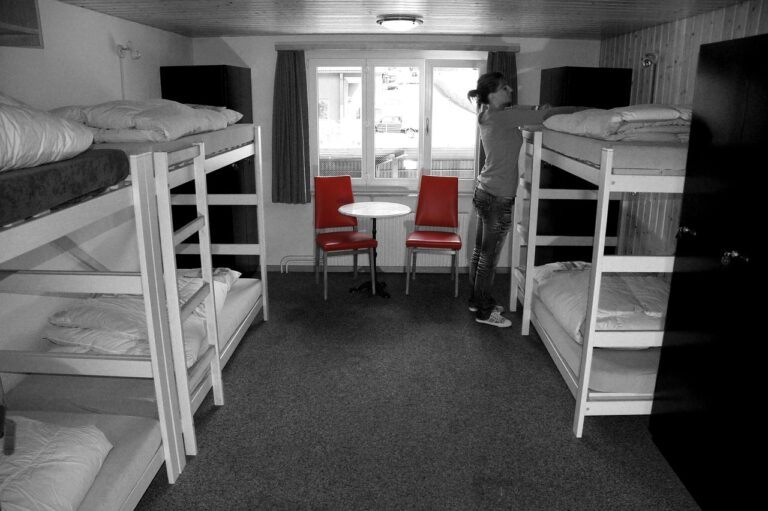
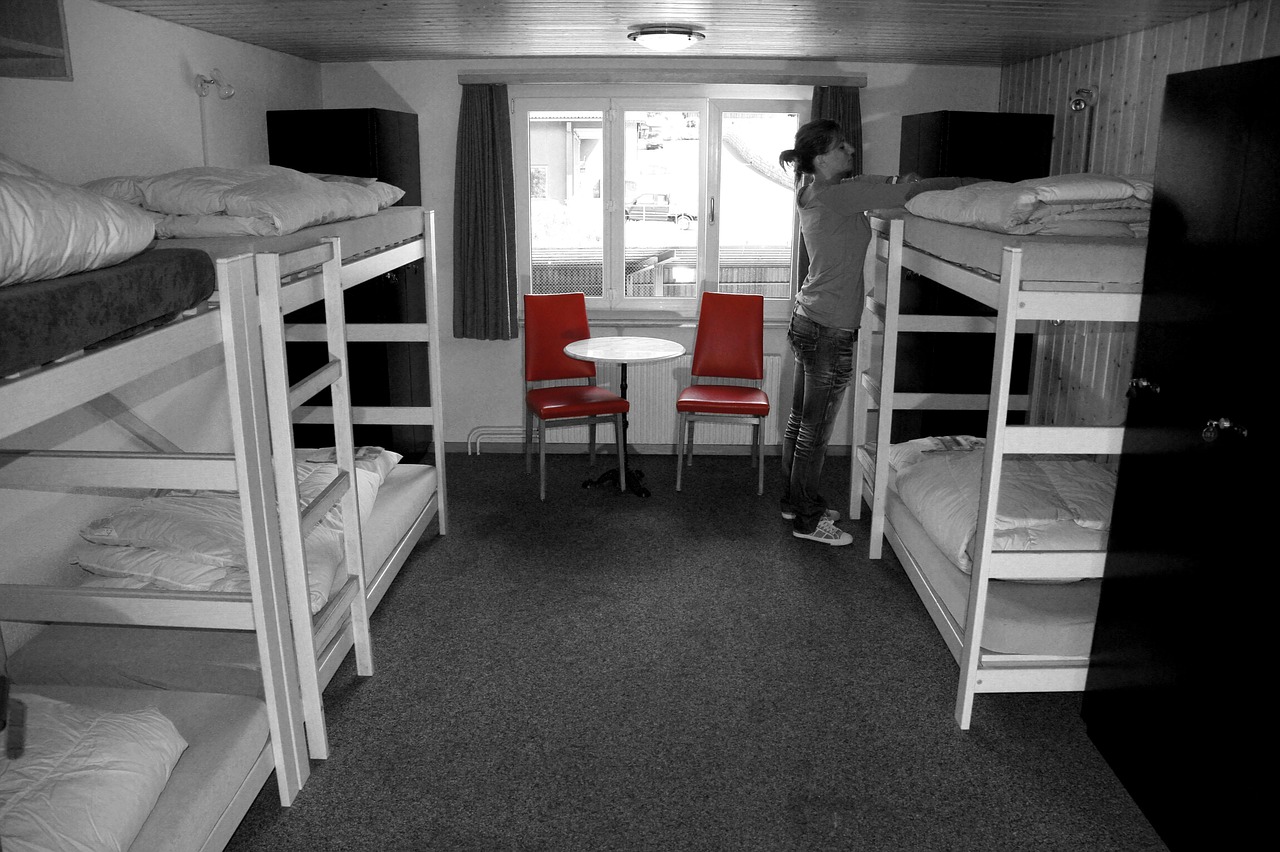
Hostels are the backbone of solo budget travel. A dorm bed in a good hostel in Central Europe runs $20–35 per night. In Eastern Europe, it’s $10–15. Use Hostelworld or Booking.com to find them. Look for hostels with a common area, free walking tours, and free breakfast—that alone can save you $5–10 per day. Always book directly for the best price. Hostels often offer 10% off if you book on their website. For getting a good night’s rest, a pair of travel earplugs and a sleep mask are essential for blocking out noisy dorm mates. Bring a padlock for the lockers provided.
Couchsurfing is free, but it requires vetting. Read profiles thoroughly, look for verified hosts, and send personalized requests. It’s not a guaranteed option, especially in popular cities, but when it works, it saves you a ton and gives you a local guide. Have a backup hostel booking ready just in case.
Budget hotels are an option when you need a private room. Use Booking.com or Agoda, but know they’ll cost $40–80 per night. This is for when you’re sick of dorms or need to catch up on sleep. Camping is possible in summer, especially in national parks or outside cities. It’s cheap ($5–15 per night) but requires gear and planning.

Getting Around Europe on the Cheap: Transport Tips
Buses are the cheapest option for longer distances. FlixBus and RegioJet dominate the market. A Berlin-to-Prague bus costs $15–25 if booked a week in advance. Buses have Wi-Fi, power outlets, and decent legroom. The downside? They can be slow, and overnight buses are not comfortable for sleeping.
Trains are faster and more comfortable, but often more expensive. Eurail passes are rarely worth it for budget travelers on short trips. Point-to-point tickets are cheaper if booked in advance. Use the Omio app to compare bus and train prices. For solo travelers, trains are safer and easier than buses for overnight journeys.
Budget airlines like Ryanair and EasyJet can be incredibly cheap—$10–30 for a flight. But factor in the full cost: baggage fees ($30–50 if you have a checked bag), transport to and from airports ($5–15 each way), and the time and hassle. For short hops (2–3 hours), a bus is often cheaper and simpler. For longer distances (5+ hours), a flight may be worth it. Always check the true cost, not the headline price.
BlaBlaCar is a ride-sharing app that connects drivers with empty seats. It’s cheap and social. For solo travelers, it’s a great way to meet locals and save money. Just be smart about safety—check driver ratings and verify the car details.
Money-Saving Hacks for Food, Attractions, and Daily Expenses
Food is the biggest daily variable. Shop at local grocery stores (Lidl, Aldi, Billa) for breakfast and lunch. A baguette, cheese, and an apple costs around $3. Eat street food for dinner—kebabs, pizza slices, or local specialties. Hostel kitchens are a godsend—cook a shared dinner with new friends. Lunch specials at sit-down restaurants are often half the price of dinner. In Spain, look for the “menú del día” for a set meal with multiple courses.
Attractions. Free walking tours are your best friend. They’re tip-based, so you pay what you think it’s worth ($5–10). They cover the city’s highlights and history in 2 hours. Many museums offer free entry on specific days—check in advance. City passes are rarely worth it for solo budget travelers because you have to see a lot to break even. Skip them unless you’re a museum fanatic. Student and youth discounts are real; bring your student ID if you have one.
Daily expenses. Get a travel-friendly debit card like Revolut or Wise. They offer near-perfect exchange rates and zero ATM fees within limits. Carry a reusable water bottle—tap water is safe in most of Europe. Avoid buying bottled water. Many hostels offer free coffee or tea in the morning—that’s a free breakfast. Use free Wi-Fi instead of a data plan when possible.
Solo Travel Safety on a Budget: What You Actually Need to Know
Safety is a real concern, but it doesn’t have to be a source of anxiety. Focus on practical steps. Keep your passport, cards, and cash in a money belt under your clothes. Use hostel lockers for everything else. Don’t flash expensive gear. Stay in neighborhoods that are well-lit and have decent tourist infrastructure. Check a hostel’s location on Google Maps before booking.
Risks vary by region. Pickpocketing is common in Barcelona, Rome, and Prague. Petty theft occurs on overnight trains. Violent crime is rare. Use common sense: don’t walk alone in empty streets at 2 AM, don’t accept drinks from strangers, and don’t leave your bag unattended. A small portable doorstop alarm or a portable lock for your zippers is a cheap investment that provides peace of mind. Trust your gut. If a situation feels off, leave.
Packing Light and Right: Gear that Saves You Money
Packing light saves you money by avoiding checked baggage fees and preventing back pain. Here’s the essential list:
- Lightweight daypack (20-30L): For daily exploration. Look for one that’s lockable.
- Reusable water bottle: Saves money and reduces plastic waste.
- Packing cubes: Keep your backpack organized and compress clothes.
- Travel towel: Quick-dry and compact. Hostels rarely provide them.
- Universal adapter: For charging electronics.
- Small first-aid kit: For minor cuts and scrapes.
- Padlock: For hostel lockers.
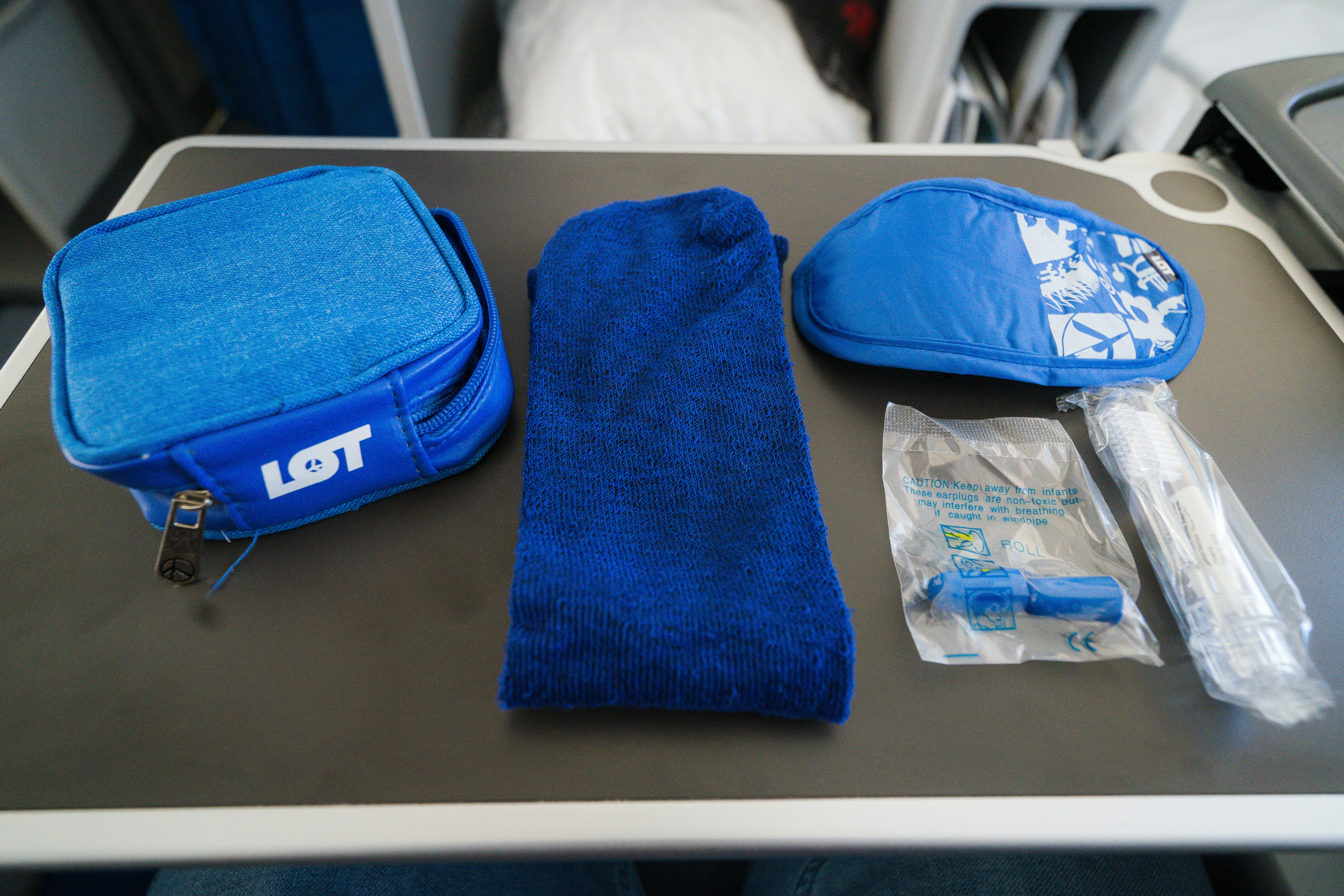
- Earplugs and sleep mask: Essential for dorm rooms.
For the main backpack, you have two solid options: a 40L carry-on sized backpack (like the Osprey Farpoint 40) or a 55–65L traditional backpack. The 40L is perfect for budget airlines because it fits in the overhead bin, avoiding checks. The larger pack gives you more room but is harder to carry and costs more on flights. Unless you’re hiking, stick with the carry-on.

Common Mistakes First-Time Solo Backpackers Make
- Mistake: Overpacking. You bring too many clothes and gear you don’t need.
Better approach: Pack for 5–7 days of clothes and wash them in hostel sinks or laundromats. - Mistake: Booking everything too rigidly. You have no flexibility to stay longer in a place you love or leave a bad one early.
Better approach: Book the first two nights in advance, then book as you go. - Mistake: Underestimating transport costs. You budget for a train that turns out to be $60 more than you expected.
Better approach: Research the specific bus or train route prices before you go. - Mistake: Skipping travel insurance. You have an accident or get sick, and the hospital bill is thousands.
Better approach: Buy travel insurance from a reputable provider. It’s not optional. - Mistake: Not accounting for entry fees. You think a city is cheap, but then the castle, museum, and cathedral each cost $15.
Better approach: Research major attraction costs upfront and build them into your daily budget.
How to Stay Connected and Manage Money Abroad
Staying connected. The cheapest option is an eSIM from Airalo or similar. You buy a data-only plan for a specific country or region. Costs about $10–20 for 5–10GB, enough for maps, messaging, and social media. Local SIM cards are often cheaper—a prepaid SIM in Poland might be $5 for 30GB. But you need an unlocked phone and time to buy one. Free Wi-Fi is widespread in hostels, cafes, and train stations. Download offline maps on Google Maps before you lose signal.
Managing money. Use a no-fee debit card from Revolut, Wise, or Monzo. These offer real exchange rates and minimal fees. Withdraw cash from ATMs, but avoid ATMs in tourist areas with high fees. Carry a backup credit card in case your main card is lost or blocked. Use a budgeting app like TravelSpend or Trail Wallet to track your expenses daily. This prevents you from blowing your budget by the second week.
Making Friends as a Solo Budget Traveler
Meeting people doesn’t require a paid activity. The best ways are free. Stay in social hostels with common areas, kitchens, and organized events like pub crawls or family dinners. Join free walking tours—you’ll naturally end up talking to others. Use apps like Backpackr or Meetup.com to find local events or other travelers. Share a meal in the hostel kitchen—cooking with others is a direct way to make friends. You can even split the cost of groceries. Making friends reduces your costs indirectly because you’ll share taxis, groceries, or tips for good places to eat.
Sample 2-Week Budget Itinerary: Eastern Europe
Here’s a concrete 2-week itinerary for an Eastern European budget route: Budapest → Krakow → Prague → Berlin. This route is ideal for solo backpackers because of the strong hostel culture, walkable cities, excellent train connections, and low costs.
Daily Breakdown:
- Days 1–3: Budapest
- Accommodation: $15/night (dorm)
- Food: $10–15/day (street food, grocery breakfast)
- Transport: $5/day (local)
- Attractions: Free walking tour, Buda Castle (free), ruin bars (free entry)
- Day 4: Travel to Krakow (train or bus, $25–35, 6–8 hours)
- Days 5–7: Krakow
- Accommodation: $12/night (dorm)
- Food: $8–12/day
- Transport: $3/day (walking)
- Attractions: Old Town (free), Wawel Castle (free grounds), Auschwitz day trip ($15)
- Day 8: Travel to Prague (bus, $20–30, 4–6 hours)
- Days 9–11: Prague
- Accommodation: $18/night (dorm)
- Food: $10–15/day
- Transport: $5/day (local)
- Attractions: Charles Bridge (free), Prague Castle (free grounds), Old Town Square (free)
- Day 12: Travel to Berlin (train, $25–35, 4–5 hours)
- Days 13–14: Berlin
- Accommodation: $25/night (dorm)
- Food: $12–18/day
- Transport: $5/day (local)
- Attractions: Brandenburg Gate (free), East Side Gallery (free), Reichstag (free with registration)
Total Budget Estimate:
- Accommodation: $225 (14 nights x $16 avg)
- Food: $165 (14 days x $12 avg)
- Transport: $90 (three long-distance trips + local)
- Attractions: $30
- Miscellaneous: $50
- Total: ~$560
- Realistic with buffer: $700–800
This is a realistic, lean budget. You can add $100–200 for flights, insurance, and gear. But it shows that a solid two-week trip through Eastern Europe is achievable on less than $1000.
Final Checklist and Resources
Before you go:
- [ ] Apply for a travel-friendly debit card (Revolut, Wise)
- [ ] Download offline maps for your route
- [ ] Book first two nights of accommodation
- [ ] Buy travel insurance
- [ ] Pack: daypack, reusable bottle, padlock, earplugs, travel towel
- [ ] Download apps: Hostelworld, FlixBus, Omio, Google Maps, TravelSpend
- [ ] Check visa requirements
On the road:
- [ ] Use grocery stores for cheap meals
- [ ] Join free walking tours
- [ ] Stay in social hostels with common areas
- [ ] Withdraw cash from ATMs with Revolut/Wise
- [ ] Use eSIM or local SIM for data
- [ ] Share meals and transport with new friends
Start planning now. The best way to make a budget trip happen is to book one thing, see the numbers work, and then build from there. The routes here are proven, the costs are real, and the advice comes from years of doing it. Get out there.