Best Beginner Kiteboarding Spots in the World
Introduction
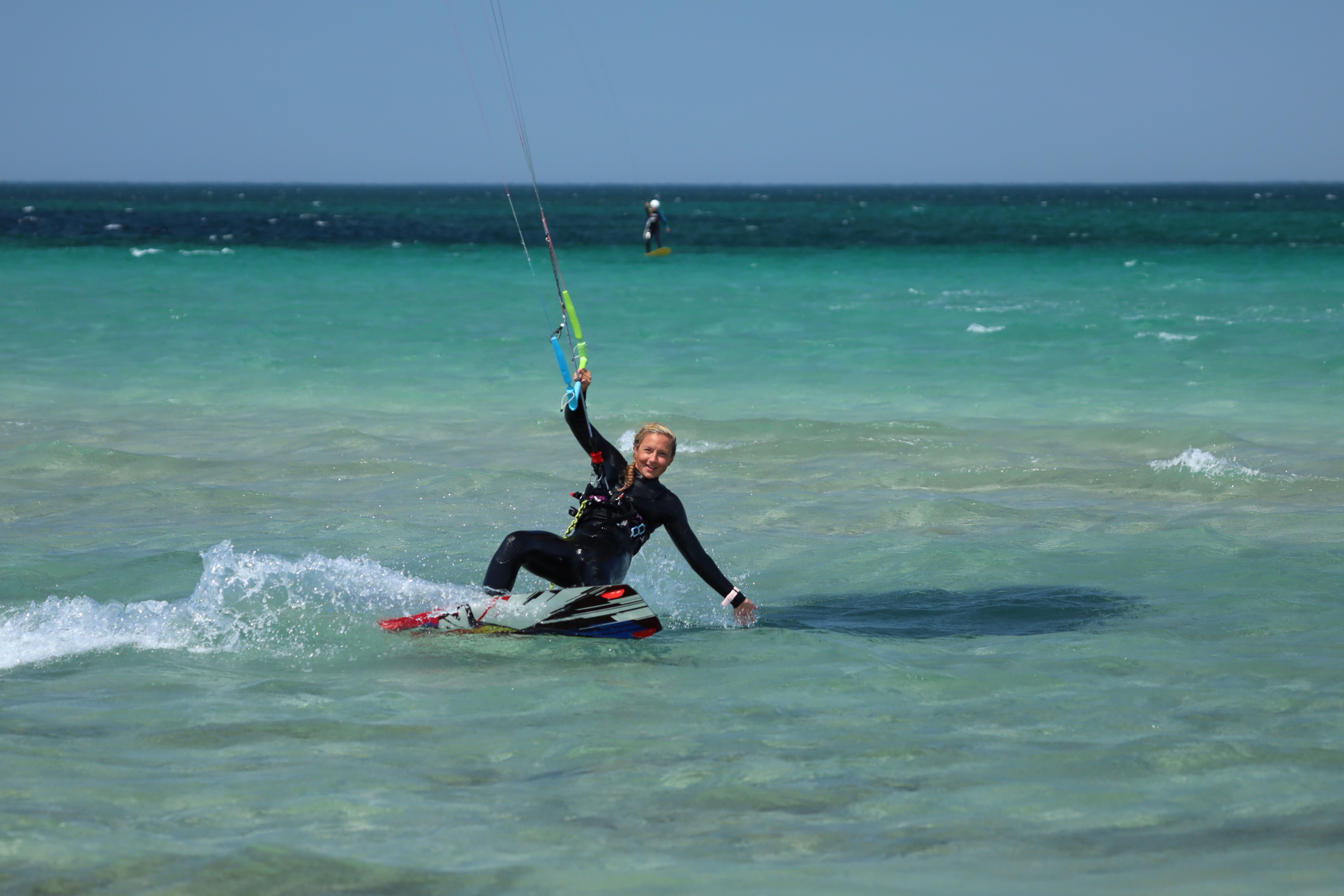
Every kiteboarder remembers that first time they finally got up on the board and rode. But getting there depends as much on where you learn as it does on your instructor. The best beginner kiteboarding spots in the world share flat or shallow water, consistent side-shore wind, and quality schools that have taught thousands of first-timers. This guide covers ten of them. These aren’t picks based on hype or Instagram aesthetics—they’re chosen for real learning conditions, safety, and school quality. If you’re searching for beginner kiteboarding spots that will actually get you riding, start here.

What Makes a Great Kiteboarding Spot for Beginners?
Not every beautiful beach is a good classroom. Beginners need specific conditions to progress safely and quickly. Here’s what actually matters:
- Flat or shallow water: Deep chop makes board starts frustrating. A shallow, sandy-bottom lagoon lets you stand up, relaunch your kite, and try again without swallowing water.
- Side-shore or side-onshore wind: Offshore wind can drag you out to sea. Onshore wind pushes you onto the beach. Side-shore is the sweet spot for safety and control.
- Consistent thermal wind: Gusty conditions make kite control harder and sessions short. Predictable wind windows mean more time learning each day.
- No strong currents or tides: A safe spot lets you focus on kite handling, not fighting the ocean.
- Proximity to a good kite school: A school with modern gear, IKO-certified instructors, and a dedicated beginner zone cuts your learning curve dramatically.
Crowd levels and accommodation costs also affect your trip. A spot with ten other beginners is fine. A spot with fifty advanced riders buzzing around you is not.
1. Cabarete, Dominican Republic
Cabarete is probably the most famous beginner kiteboarding destination in the Caribbean. Kite Beach on the north coast has a shallow, flat-water lagoon protected by an offshore reef. The trade winds blow side-shore at 15–25 knots from December through August. The wind is reliable enough that you can plan a week and reasonably expect to ride most days.
The main kite school zone is right on the beach. You can walk from your lesson to lunch without carrying gear far. Lesson costs run around $50–80 per hour for private instruction; group lessons are cheaper. Accommodation ranges from basic hostels near the beach to villas with wind protection. The town has restaurants, bars, and a social scene that mixes kiters with windsurfers and travelers.
If you’re serious about learning fast, Cabarete is hard to beat. Pack a good rash guard for the tropical sun and an impact vest for early wipeouts. Book accommodation close to Kite Beach so you’re not walking gear far.
2. Tarifa, Spain
Tarifa is the European kiteboarding capital, but it’s not all for experts. The Levante wind is strong and side-shore, which is safe for beginners when handled correctly. The best learning areas are around Valdevaqueros, where the water is shallower and the wind is slightly less intense than the main beach. June through September offers the most consistent conditions.
The tradeoff in Tarifa is that the wind can be gusty or really strong—easily over 30 knots. You need to pick a school that takes beginners out in appropriate conditions. Many schools use smaller kites and separate beginner zones. The vibe is social and international. Accommodation is pricey in peak season, but there are good options outside the town center.
If you’re in Europe and want a classic kite trip, Tarifa works. Just go with an IKO school that knows how to manage beginners, not one trying to push you into the water on a 12-meter kite when it’s blowing 25.
3. La Ventana, Baja California Sur, Mexico
La Ventana is a winter-only destination—November through March—but it’s excellent for beginners. The Sea of Cortez side offers warm water, steady thermal winds of 15–25 knots, and a large, shallow bay. The wind is side-shore and consistent. Compared to Cabarete, La Ventana is less crowded and cheaper.
Schools operate right on the beach. Accommodation is mostly beachfront eco-lodges and small hotels. The town is quiet and focused on kiting. There’s not much nightlife, which suits travelers who want to ride, eat, sleep, and repeat.
Pack UV-protective clothing and board shorts. A quality rash guard is essential because the sun is intense even in winter. Book accommodation ahead—lodging is limited and fills up fast during peak season. This is a relaxed, simple spot where you can focus entirely on learning.

4. Kalliste Beach, Phan Thiet (Mui Ne), Vietnam
Mui Ne is the best value beginner kiteboarding spot in Asia. The main kite area at Kalliste Beach has side-shore wind, shallow flat water, and consistent wind from November through April. The wind is thermal and predictable, usually around 15–20 knots. Water is warm enough that you can ride in board shorts year-round.
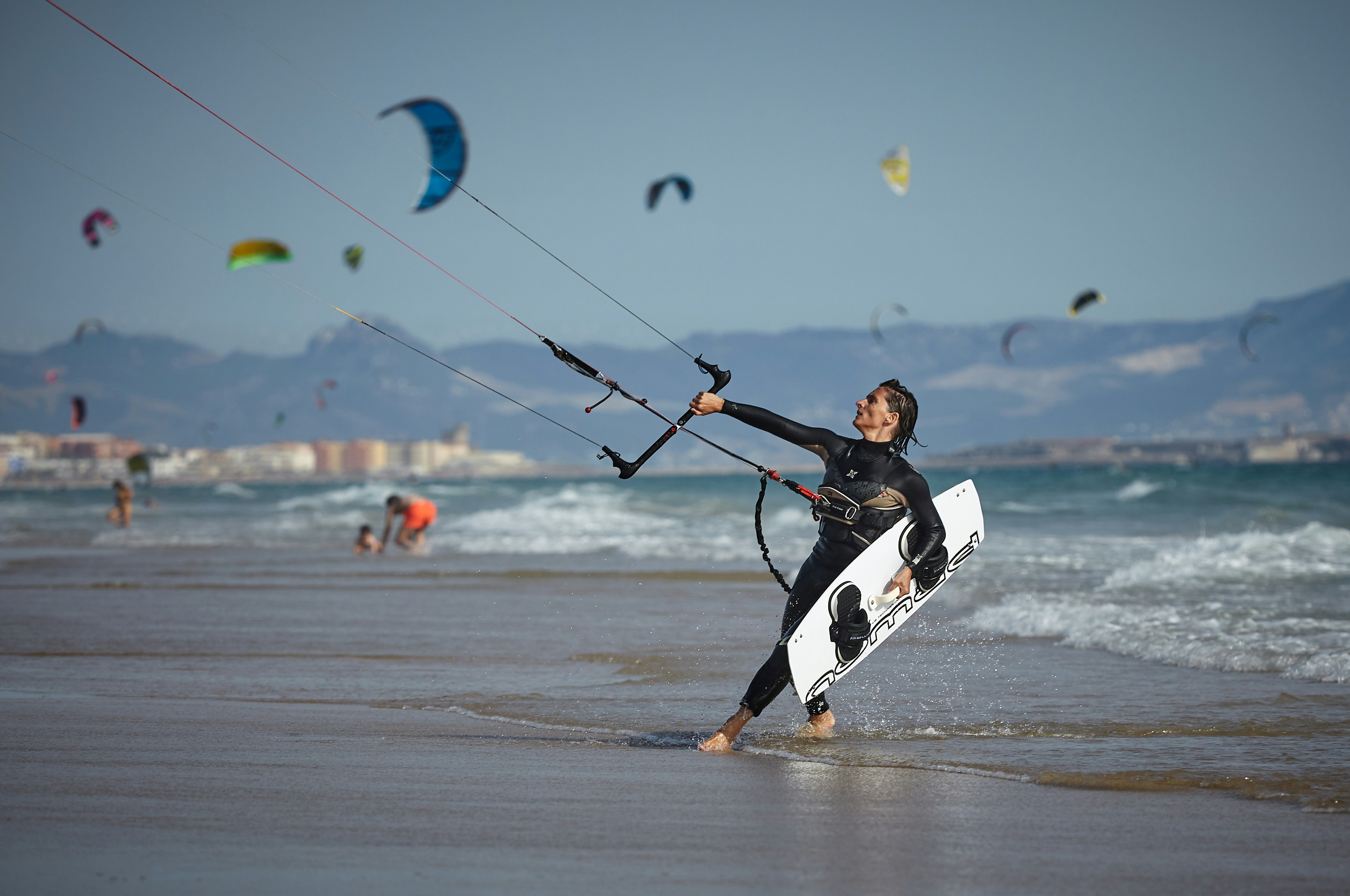
Lesson costs are remarkably cheap—$30 to $50 per hour for private lessons. Schools are resort-based, so you can stay, eat, and learn on the same property. It’s a short drive from Ho Chi Minh City. The town has a backpacker vibe with cheap street food and beachfront bungalows.
During peak season (January–February), the beach gets crowded. Get out early or late afternoon to avoid the busiest times. For the price, Mui Ne delivers the most learning per dollar. Bring a waterproof camera to record your progress—you’ll want to see your first ride.
5. Le Morne, Mauritius
Le Morne is a luxury beginner destination. The lagoon is flat, shallow, and protected by a massive reef. Trade winds blow from June through September, consistently hitting 15–25 knots. The water is warm year-round. The scenery is stunning—a UNESCO-listed mountain backdrop, clear water, and white sand.
Several professional schools operate in the lagoon, with separate beginner zones. Accommodation is high-end: five-star resorts, luxury villas, and beachfront hotels. It’s not cheap. But if you want a vacation where you learn to kiteboard in beautiful conditions without crowds, Mauritius is hard to beat.
Because you’re on a reef-protected lagoon, the water is extremely safe. The main downside is cost. Pack reef-safe sunscreen—it’s required by the marine park. This spot works best for couples or solo travelers who want a premium experience.
6. Playa El Tunco, El Salvador
El Tunco is a budget-friendly option with consistent wind from November through April. The main beginner zone is in the river mouth where the water is flat and shallow. The wind is side-shore and reliable. Several IKO schools operate right on the beach. The town has a relaxed surf vibe with cheap food and accommodation.
Compared to Costa Rica, El Tunco is less crowded and cheaper. Lesson costs run $40–60 per hour. The local community is welcoming to kitesurfers. One safety note: the river mouth can have currents during high tide, so choose a school that knows the local conditions and stays out of the river channel during peak flow.
If you’re traveling Central America on a budget, El Tunco should be on your list. A dry bag is useful here for keeping gear dry between the beach and your hostel.
7. Zanzibar, Tanzania (Paje & Jambiani)
The southeast coast of Zanzibar offers flat, shallow lagoons and steady trade winds from June through March. Paje and Jambiani are the two main kiting villages. The water is warm, and the wind is side-shore. At low tide, the lagoons are incredibly flat—perfect for board starts and early ride practice.
School culture is strong here. You’ll find a mix of backpacker resorts and mid-range hotels. Accommodation is beachfront bungalows. The experience includes local culture, spice tours, and beautiful beaches. Some areas have coral bommies (small coral heads) in the shallow water, so good water shoes are essential for walking through the shallows.
Zanzibar combines a unique travel experience with solid beginner kiting. It’s less developed than Cabarete or Tarifa, which some travelers prefer.
8. Hood River, Oregon, USA
Hood River is the top US beginner kiteboarding destination. The Columbia River Gorge produces steady thermal winds from June through August, often 15–30 knots. The water in the channel is flat, especially near the Event Site. Several schools have experienced instructors. The infrastructure is excellent—gear shops, campsites, hotels, and restaurants.
The biggest tradeoff is water temperature. The Columbia River is cold even in summer. You need a wetsuit, boots, and possibly a hood. Crowds are heavy on weekends, but weekdays are better. Launch etiquette matters here—there are strict protocols at the main launch zones.
If you’re based in North America and want a road-trip-friendly destination, Hood River is your best bet. A 3/2mm wetsuit is the minimum recommendation for summer.
9. Dakhla, Morocco (Oasis Lagoon)
Dakhla is a remote desert outpost with an enormous shallow lagoon. The water is flat, warm, and protected. Winds blow side-shore from April through October at 20–30 knots. The area is famous for the ‘Point 7’ spot, but the entire lagoon system is beginner-friendly. Kite camps dominate the accommodation scene, offering all-inclusive packages with lessons, gear, and meals.
Cost of living is low. Kite camps are affordable compared to similar destinations in the Caribbean. The vibe is uncrowded and focused. The tradeoff: Dakhla is dusty, remote, and hot. It’s not a vacation spot for non-kiters. If you just want to ride all day for two weeks, it’s perfect.
Polarized sunglasses are essential here—the bright white sand and shallow water create intense glare. Book a camp package that includes transfers from the airport; there’s nothing else nearby.
10. Cumbuco, Brazil
Cumbuco is near Fortaleza on Brazil’s northeast coast. It has a flat-water lagoon and reef-protected inner area. Trade winds blow from August through January at 15–25 knots. The wind is side-shore. Schools are plentiful and lessons are affordable—$40 to $60 per hour. The Brazilian vibe is relaxed and friendly.
Accommodation ranges from beachfront pousadas to mid-range hotels. The infrastructure is good. The main safety note: avoid launching near buildings or structures that create wind shadows—stick to the open beach. Brazil has a dengue risk, so bring effective insect repellent for evenings.
Cumbuco is a warm winter escape that combines solid learning conditions with Brazilian hospitality. It’s a good choice if you want to learn while experiencing strong local culture.

Beginner Kiteboarding Spot Comparison Table
Use this table to quickly compare the ten destinations.
| Spot | Best Season | Water Temp | Wind (knots) | Water Type | Lesson Cost/hr | Accommodation Range | Crowd Level |
|---|---|---|---|---|---|---|---|
| Cabarete | Dec-Aug | Warm | 15-25 | Flat lagoon | $50-80 | $–$$$ | Moderate |
| Tarifa | Jun-Sep | Cool | 20-35 | Choppy | $60-100 | $$$ | High |
| La Ventana | Nov-Mar | Warm | 15-25 | Shallow bay | $50-70 | $–$$ | Low |
| Mui Ne | Nov-Apr | Warm | 15-20 | Flat beach | $30-50 | $–$$ | Moderate |
| Le Morne | Jun-Sep | Warm | 15-25 | Flat lagoon | $70-120 | $$$ | Low |
| El Tunco | Nov-Apr | Warm | 15-20 | River mouth | $40-60 | $–$$ | Low |
| Zanzibar | Jun-Mar | Warm | 15-25 | Flat lagoon | $40-70 | $–$$$ | Moderate |
| Hood River | Jun-Aug | Cold | 15-30 | Flat river | $70-100 | $$–$$$ | High |
| Dakhla | Apr-Oct | Warm | 20-30 | Flat lagoon | $40-70 (camp) | $–$$ | Low |
| Cumbuco | Aug-Jan | Warm | 15-25 | Flat lagoon | $40-60 | $–$$ | Moderate |
How to Choose the Right Spot for Your Kiteboarding Trip
Your choice depends on budget, season, travel distance, and what you want beyond kiting. Here’s a simple breakdown:
- Warm water year-round: Cabarete, Mui Ne, Zanzibar, Cumbuco
- Tight budget: Vietnam (Mui Ne), El Salvador (El Tunco), Morocco (Dakhla)
- Luxury experience: Le Morne (Mauritius), Cabarete (villas), Zanzibar (resorts)
- Europe-based travelers: Tarifa (Spain), Hood River (if North America)
- Solo travelers: Mui Ne, La Ventana, Dakhla (kite camps are social)
- Remote and uncrowded: La Ventana, Dakhla, El Tunco
Check wind statistics before booking. Each spot has a peak season and a dead season—a week in Mui Ne in September will leave you sitting on the beach. Book your first lesson in advance, too. Schools at popular spots fill up fast during peak season. Arriving without a reservation means wasting a day sorting logistics.
Common Mistakes Beginners Make When Choosing a Destination
Mistakes cost time and money. Here are the most common:
- Booking during the wrong wind season: A cheap flight in the off-season is not a good deal if the wind doesn’t blow.
- Choosing an advanced spot: Some beaches look beautiful but have strong currents, deep water, or gusty winds unfit for beginners.
- Not checking accommodation distance to the launch: Walking 20 minutes with a kite, board, and harness in tropical heat is exhausting. Stay close.
- Ignoring school certification: Not all schools are equal. Look for IKO-certified instructors and modern gear.
- No backup plan: Wind can be fickle. Have a list of alternative activities or nearby spots you can visit on light-wind days.
Checking wind averages before booking is the single most important step. A reliable wind app is worth its weight in gold during planning.
Final Tips Before You Book Your Kiteboarding Trip
Take a lesson on your first day even if you’ve been self-taught. A good instructor fixes bad habits early. Consider travel insurance that covers kiteboarding gear—your baggage policy might not cover a lost board or kite.
Pack sunscreen, a buoyancy vest, and a repair kit. A minor gear issue can end your trip if you can’t fix it. For a first trip, choose a spot with a school that provides all gear so you don’t need to invest in a full quiver before you know what you like.
Check the latest deals on accommodation for your chosen destination. Booking early saves money and guarantees a spot with kite access. Most of these destinations have limited lodging near the best beaches.
Have you learned at one of these spots? Leave a comment with your experience. Sharing helps other beginners make the right choice.