Best Bungee Jumping Destinations Around the World: A Practical Guide to the Top Spots
What to Look for in a Bungee Jumping Destination
Before sorting through the best bungee jumping spots worldwide, it helps to know what actually separates a solid jump from a tourist trap. Not every high bridge with a rope qualifies as a well-run operation. The difference between a great experience and a mediocre one comes down to a few specifics.
Jump height seems obvious, but it isn’t everything. A 400-foot crane jump over a flat field feels completely different from a 200-foot leap off a canyon bridge where wind moves against the rock walls. The setting matters more than most first-timers realize. Bridge jumps offer natural scenery and a classic feel. Cliff jumps give you open air with nothing underneath. Platform jumps from dams or towers tend to be the tallest but usually feel more industrial.
Safety record is non-negotiable. Look for operators following international standards, using regularly inspected equipment, and holding years of incident-free operation. Cost varies widely—from about $100 for a basic bridge jump to over $500 for a high-profile tower jump with video packages. Accessibility matters too. Some of the best jumps are remote and require a full-day commitment. Others are a short walk from a city center.
Use these criteria as your baseline when reading through the list below. Every jump here meets all of them.

The Top 5 Best Bungee Jumping Spots Worldwide
These five destinations are widely considered the best bungee jumping spots worldwide for good reason. They combine height, safety, setting, and a certain iconic status that makes the experience memorable beyond just the fall.
1. AJ Hackett Kawarau Bridge – Queenstown, New Zealand
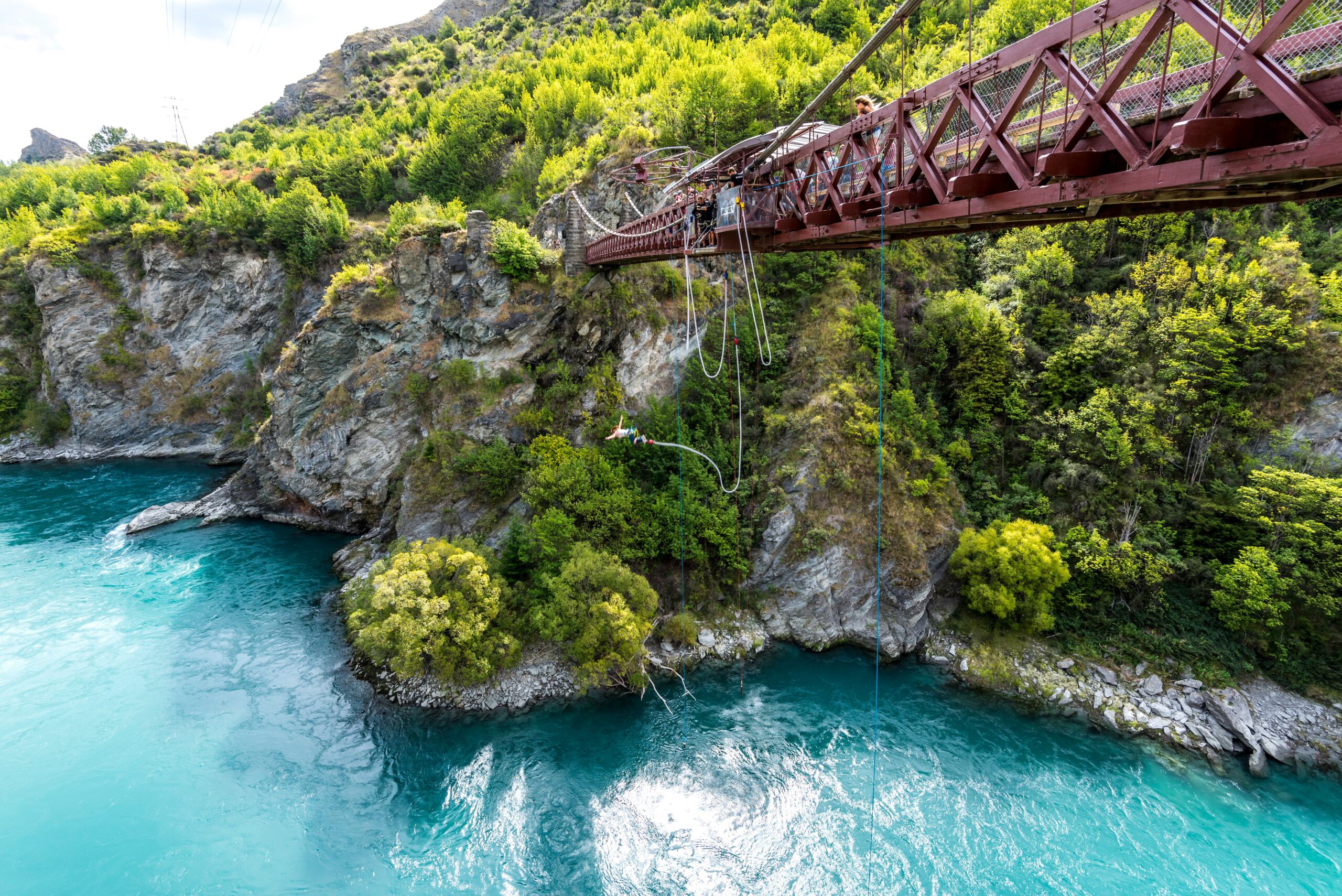
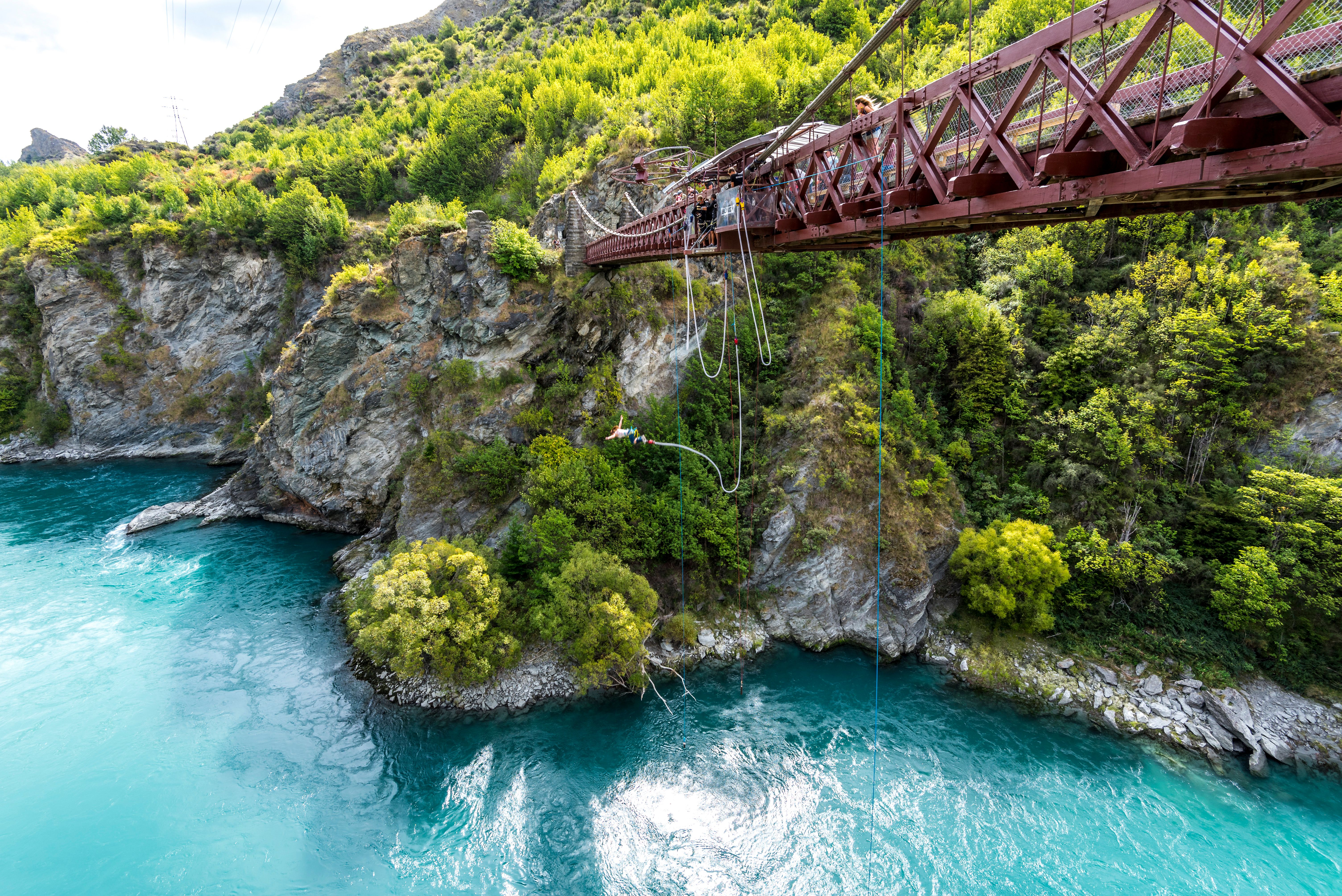
Height: 141 feet | Setting: Historic bridge over the Kawarau River | Operator: AJ Hackett Bungy | Cost: About $200 USD (includes photos and video if booked as a package)
This is where modern bungee jumping started in 1988. The jump itself isn’t the tallest, but the history, canyon setting, and crystal-clear river below make it a must for purists. You can also choose a water touch option where your head dips into the river. Best for anyone who wants the original experience and a scenic location without extreme height. Travelers who want to capture the moment can bring a waterproof action camera to document the jump and scenery.
2. Victoria Falls Bridge – Victoria Falls, Zambia/Zimbabwe
Height: 364 feet | Setting: Bridge spanning the Zambezi River gorge | Operator: Safari Par Excellence and Shearwater | Cost: Around $170 USD (video and photos extra)
Jumping between two countries with the spray of Victoria Falls rising in the background is hard to beat. The gorge is deep, the wind is real, and the setting is genuinely dramatic. The jump itself is a controlled freefall with a swing element at the bottom. Best for travelers already visiting the falls who want a bucket-list experience with natural grandeur.
3. Bloukrans Bridge – Bloukrans, South Africa
Height: 709 feet | Setting: Bridge over Bloukrans River gorge | Operator: Face Adrenalin | Cost: About $100 USD (one of the cheapest high jumps in the world)
The highest commercial bungee bridge jump in the world. The freefall lasts about seven seconds. The setting is a lush river gorge, and the bridge is part of the Garden Route, so it’s easy to reach. The price is remarkably low for the height. Best for height seekers on a budget. Beginners should know this isn’t a gentle introduction.
4. Verzasca Dam – Locarno, Switzerland
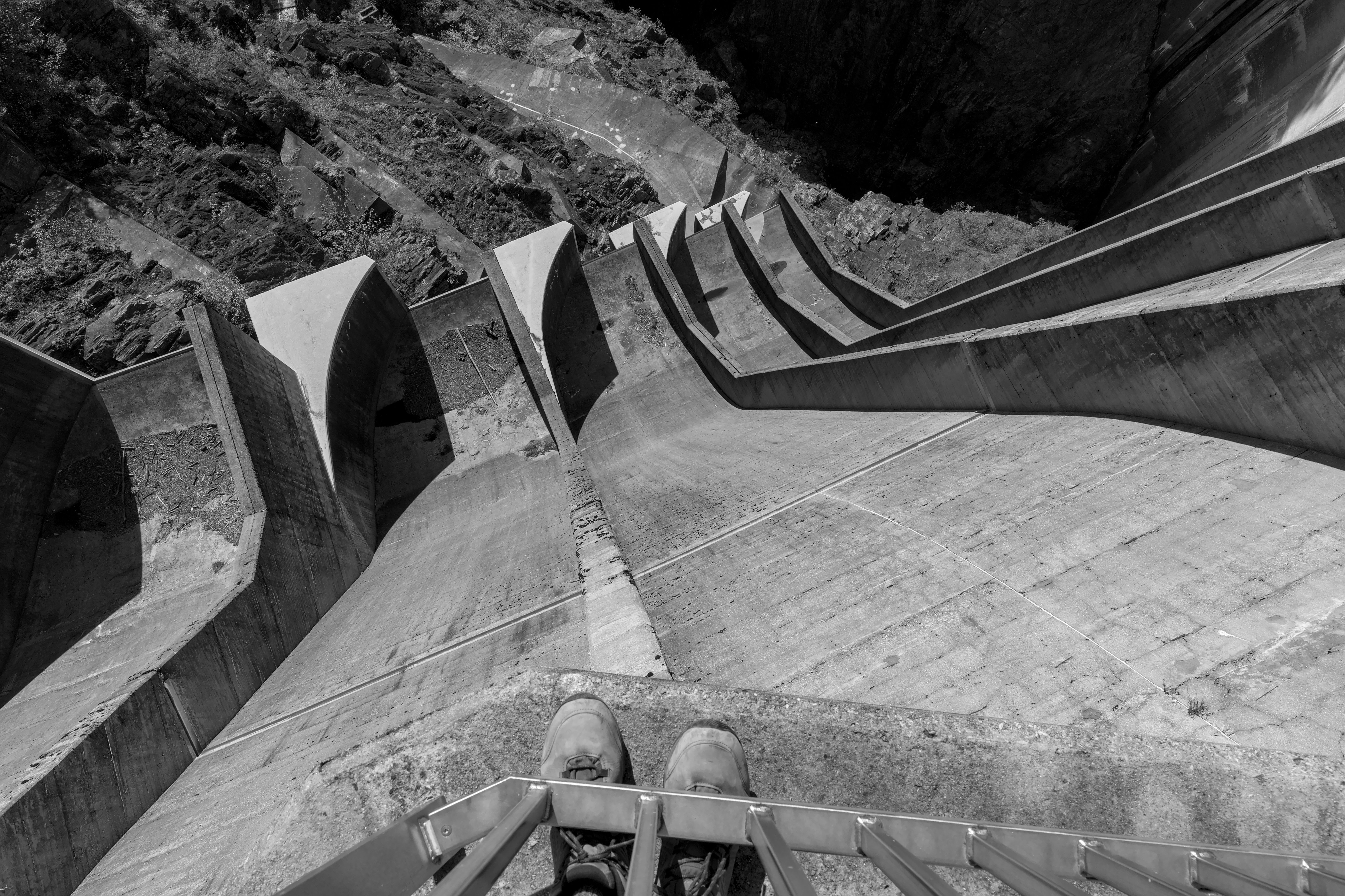
Height: 720 feet | Setting: Concrete dam in a mountain valley | Operator: Various (Treasure Adventure is common) | Cost: Around $300 USD (includes video and photos)
Known to a generation as the location of the opening jump in GoldenEye. The dam itself is an imposing structure. The jump is a straight vertical drop into a narrow alpine gorge. The views of the valley and turquoise river below are exceptional. Best for adventure enthusiasts who want a unique structural jump with a cinematic pedigree.
5. Macau Tower – Macau, China
Height: 764 feet | Setting: Urban skyscraper | Operator: Macau Tower Adventure | Cost: About $400 USD (includes video and photos)
The highest commercial bungee jump on record. You leap from an observation deck on the side of a 1,109-foot tower. The fall happens above dense city development—a very different feeling from a natural gorge. The entire experience is slick and professional. Best for thrill seekers who want the tallest possible jump and don’t mind an urban backdrop.

Bungee Jumping New Zealand: The Home of the Sport
New Zealand isn’t just another destination for bungee jumping. It’s where the sport was commercialized, and the infrastructure and safety culture reflect decades of refinement. If you only have time for one country to do multiple jumps, this is the place.
Queenstown is the hub. You have the Kawarau Bridge for the classic experience, the Nevis Bungy at 440 feet for a serious drop over a canyon, and The Ledge Bungy at 1,300 feet above sea level for a jump that swings out over the lake and city. Auckland also has a bridge jump at the Auckland Harbour Bridge for a shorter, more urban option.
AJ Hackett runs most of the major sites in New Zealand, and their operation sets the standard globally. Equipment is checked multiple times daily. Staff are trained extensively. The booking process is simple. If you plan on doing more than one jump, bundle them. AJ Hackett offers multi-jump packages that save you about 20–30 percent compared to booking each separately.
A practical tip for avoiding crowds: book your jump for the first slot of the day, around 8 or 9 AM. The queues at the Kawarau Bridge get long by midday, especially during peak season from December through February. Arriving early also means better light for photos and less wind interference. For longer days at the site, an insulated water bottle is useful for staying hydrated while you wait.
How Much Does Bungee Jumping Cost? A Price Comparison
Bungee jumping isn’t cheap, but the cost range is wider than most people expect. Understanding what you’re paying for helps you decide where to spend your money.
At the low end, you have jumps like Bloukrans Bridge in South Africa at around $100 USD. That price typically includes the jump itself and basic gear. Video and photos are extra. This is a great option if you’re budget-conscious and prioritize height over extras.
Mid-range jumps like Kawarau Bridge and Victoria Falls Bridge run between $170 and $200 USD. These often include a basic video package or a shirt. The setting and operator reputation justify the premium.
High-end jumps like Macau Tower and Verzasca Dam cost $300 to $500 USD. You’re paying for extreme height, a unique setting, and a polished experience that includes high-quality video and photos. The Macau Tower jump also includes a certificate and access to the observation deck.
A quick tip: book direct with the operator and look for bundles. Many operators offer discounts if you book two or more jumps in advance. Third-party booking sites sometimes add fees, so compare prices before committing.
Safety: What to Check Before You Jump
Safety standards vary by country and operator, so it’s worth doing a quick check before you book. Here’s what to look for.
First, check that the operator follows an international standard like ASTM or UIAA guidelines. Operators that have been in business for over a decade with no major incidents are a safe bet. Ask about their rope replacement schedule. Most reputable operators replace ropes after every 500 to 1,000 jumps or every six months, whichever comes first.
Watch for visible equipment wear when you arrive. Harnesses should be clean. Buckles should be free of rust. Ropes should not show fraying. A good operator will inspect your harness in front of you and explain the safety check process. If they skip this, walk away.
One piece of gear worth your attention is the harness itself. A well-padded, full-body harness distributes force evenly and reduces the risk of injury. If you’re jumping somewhere that uses lower-quality gear, consider bringing your own. There are travel-friendly bungee jump harnesses that meet international safety standards. They aren’t cheap, but for frequent jumpers, they’re worth the investment.

Common Mistakes First-Time Jumpers Make
First-timers tend to make the same mistakes. Avoid these and your experience will be smoother.
Wearing the wrong clothing. Loose shirts billow up during the fall and get in your face. Shorts can ride up. Wear fitted athletic clothing like leggings or compression pants and a tight shirt or tank top. Closed-toe shoes that are firmly laced are a must.
Not eating beforehand. An empty stomach makes the adrenaline hit harder and increases the chance of feeling dizzy or nauseous after the jump. Eat a light meal two hours before. Avoid heavy, greasy food.
Booking too late. Popular jumps like Kawarau and Macau Tower often sell out days in advance, especially during peak season. Book at least a week ahead if you have a specific date in mind. Last-minute cancellations happen, but don’t count on them.
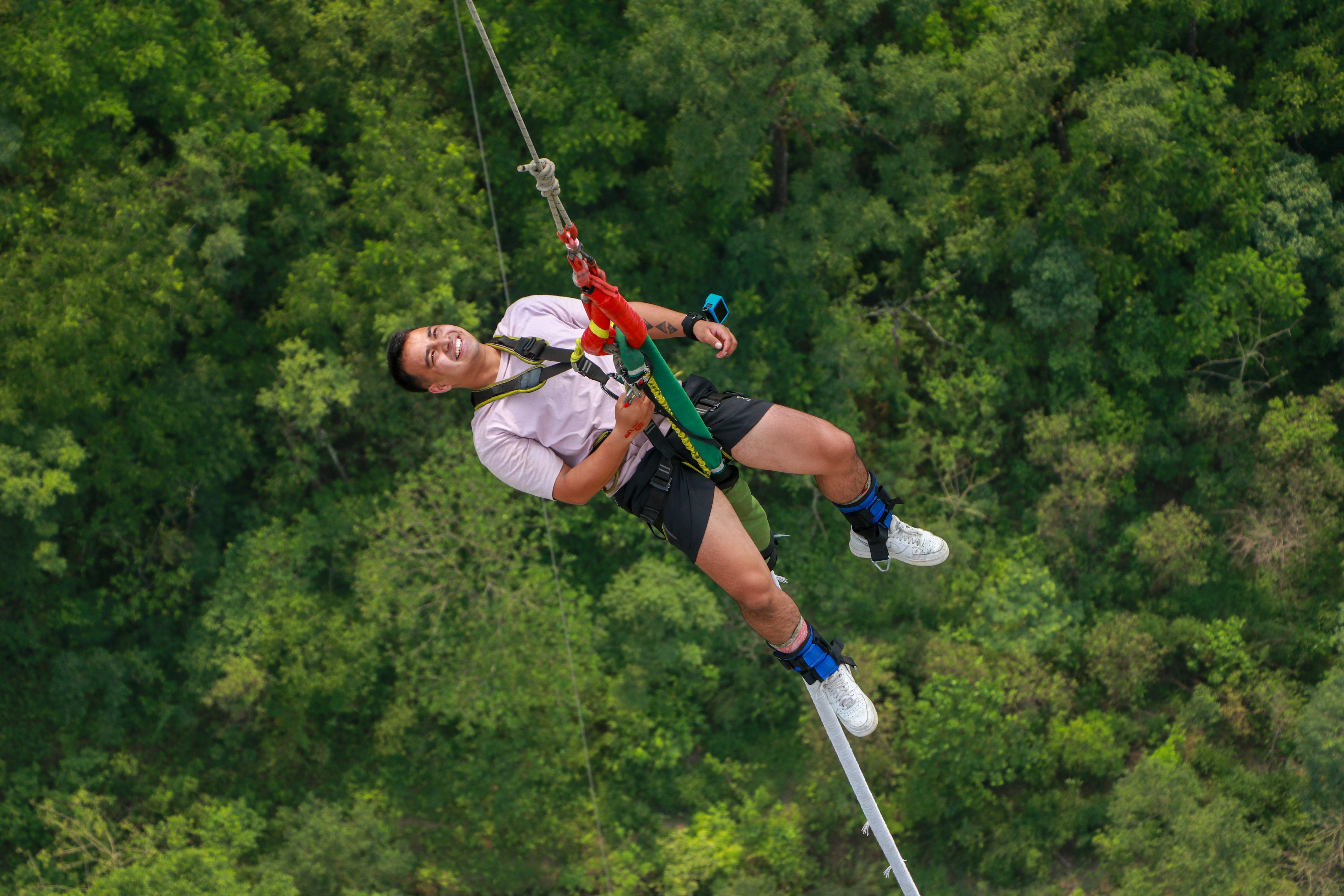
Ignoring weight restrictions. Operators enforce strict weight limits for safety. The typical range is 35 kg (77 lbs) to 100 kg (220 lbs). Some operators allow up to 120 kg (265 lbs) with a heavier harness. Check before you book, and be honest about your weight when asked.
When to Go: Seasonal Considerations for Top Spots
Seasonality affects weather, visibility, and crowds at key destinations. Timing your jump well can improve the experience significantly.
Victoria Falls is best during the dry season from June to August. The water level in the gorge is lower, which means the bridge jump is open without interruption. The spray from the falls is also lighter, giving you clear views of the gorge and the Zambezi River below. During the wet season from November to March, heavy fog and rain can obscure visibility and cause cancellations.
New Zealand peaks in summer from December to February. Weather is warm and stable, but crowds are heavy. Autumn (March to May) and spring (September to November) offer milder weather and fewer people. Winter jumps are possible but expect cold winds and potential delays from snow.
Bloukrans Bridge in South Africa is jumpable year-round. The best conditions are in the dry months from May to September when rain is minimal. Summer thunderstorms can cause delays.
Best for Non-Jumpers: What to Do While Your Friends Jump
Not everyone in your group will want to jump. That’s fine. Most top bungee locations have viewing areas and nearby activities that keep non-jumpers entertained.
At Kawarau Bridge, there’s a small viewing platform right next to the jump site. You can watch the entire experience from start to finish. The site also has a cafe and a short walking trail along the river. It’s an easy way to spend an hour or two.
Victoria Falls Bridge has a viewing walkway on the Zambian side. From there, you can see the jumpers fall into the gorge and the falls in the background. The nearby town of Livingstone offers zip-lining, whitewater rafting, and helicopter tours for those who want their own adventure without jumping.
If someone in your group is afraid of heights or simply doesn’t want to jump, consider buying them adventure travel insurance. Some policies cover trip cancellation if a jumper gets cold feet or if weather forces a cancellation. It’s a small expense that can save a lot of hassle.
How to Book a Bungee Jump: Direct vs. Package Deals
You have two main options for booking a bungee jump: direct with the operator or through a third-party platform that bundles transport and sometimes extras.
Direct booking is usually better if you’re confident in your travel plans and want the most flexibility. You can choose your exact time slot, and you can often reschedule up to 24 hours before without penalty. Direct booking is also cheaper because you skip the aggregator’s commission fee.
Package deals through platforms like Viator or GetYourGuide are useful if you need transport included or if you’re visiting a remote location that’s hard to reach independently. A package for the Victoria Falls Bridge jump, for example, often includes pickup from hotels in Livingstone or Victoria Falls town. The cost is slightly higher, but the convenience is real.
For most travelers, I recommend booking direct for well-known jumps like Kawarau Bridge or Macau Tower. Use a package deal for remote jumps or if you’re short on time and want someone else to handle logistics.
Which Bungee Jump Is Right for You? A Decision Guide
Use this quick guide to match your preferences with the right destination.
If you want the tallest jump possible: Choose Macau Tower. The 764-foot drop is unmatched. Just know the setting is an urban skyscraper, not a natural landscape.
If you want a scenic natural setting: Go for the Kawarau Bridge or Victoria Falls Bridge. Both offer stunning surroundings without sacrificing height. Kawarau is better for beginners. Victoria Falls is better for the dramatic gorge.
If you want the best value: Bloukrans Bridge wins. At $100 USD for a 709-foot jump, it’s hard to beat. The scenery is good, and the safety record is solid.
If you want the most unique experience: Verzasca Dam is the one. A dam jump in a Swiss valley with cold alpine air is something else.
If this is your first jump: Start with a mid-range jump like Kawarau Bridge. Don’t book Macau Tower or Bloukrans Bridge first. The extreme height can be overwhelming, and you want to enjoy the fall, not just survive it.
Final Tips for Planning Your Bungee Jumping Trip
Book your jump ahead of time, especially for popular spots on weekends. Arrive at least 30 minutes early to complete waivers and get weighed. Bring a change of clothes if you plan on doing a water touch or if rain is possible.
Check weight restrictions before you leave for the airport. Nothing is worse than showing up and being told you can’t jump. And if you’re jumping in a foreign country, confirm the operator has liability insurance that covers tourists.
Now that you know what to expect and where to go, it’s time to pick your destination. Compare prices and availability for your chosen spot and book your jump. The fall is waiting.