Solo Travel in South America: The Complete Backpacking Guide
Why Backpack South America Alone? The Real Appeal
Backpacking solo in South America isn’t a bucket-list fantasy. It’s a logistical exercise that rewards flexibility and common sense. The real appeal is simple: you make every decision. Want to spend an extra week in a small Colombian pueblo because the coffee is good? You can. Want to skip a famous ruin because you’re tired of ruins? No one argues. That freedom is the actual benefit.
Language diversity is a challenge, but not a wall. Spanish varies wildly from Colombia to Chile, and Portuguese in Brazil is a different game. You’ll make mistakes. You’ll order the wrong food. That’s fine. Hostel staff and other travelers fill the gaps. The social pressure that comes with group tours? Gone. You talk to people because you want to, not because you’re stuck with them.
The tradeoff is that you carry all the mental load. Booking buses, finding hostels, handling your cash, keeping your passport safe—it all lands on you. That’s not for everyone. But for the type who reads a solo travel guide and thinks ‘I can handle that,’ it’s exactly the right setup.

The Gringo Trail: Classic Route for First-Timers
The ‘Gringo Trail’ exists for good reason. It’s the path of least resistance for solo backpackers, and it works. The classic version runs Colombia to Bolivia, or sometimes Brazil to Peru. It’s well-trodden, which means infrastructure, hostels, and transport options are abundant. You’re rarely the first person to try this.
Colombia to Bolivia: The Standard Route
Start in Bogotá or Medellín. Both cities have strong backpacker scenes, solid hostels, and good connections. From Colombia, head south through Ecuador. Quito and Baños are common stops. Then into Peru: Lima for food, Cusco for Machu Picchu and altitude acclimatization. La Paz, Bolivia, is the typical endpoint, with access to the Salar de Uyuni and the Amazon basin.
Transit is mostly overnight buses. They’re cheap, reasonably comfortable on the better companies, and save you a night’s accommodation. Buses in Peru and Bolivia run frequent routes. Book ahead at bus stations or online. Some travelers use Busbud for advance bookings, which can save hassle with language barriers. Flights within countries exist but are expensive relative to buses. Only fly if you’re short on time.
This route works for solo travelers because you’ll never be the only one. Dorm beds, shared taxis, and hostel common rooms make meeting people easy. The trail has its downsides—crowds in peak season, repetitive tourist menus—but for a first solo trip, it’s hard to beat.
Alternate Routes: Patagonia and the Southern Cone
If your idea of backpacking involves glaciers, wind, and expensive gear, skip the Gringo Trail and head south. Chile and Argentina offer a completely different experience: stunning landscapes, fewer budget hostels, and higher costs. It’s a tradeoff that works best for hikers and nature-focused travelers.
Patagonia Logistics
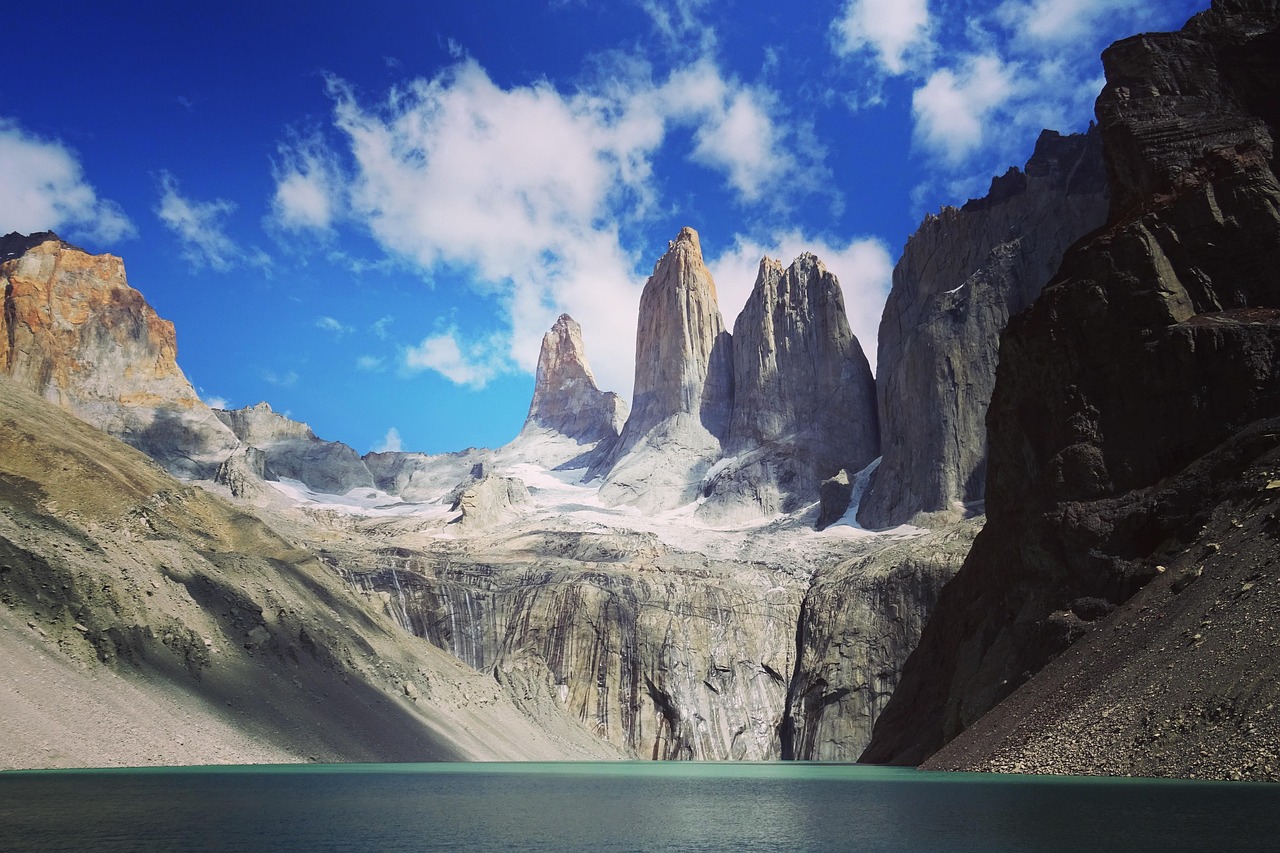
Start in Santiago or Buenos Aires. Both cities are worth a few days, but the real draw is the south. From Puerto Natales (Chile), you access Torres del Paine. From El Chaltén (Argentina), you hike in Los Glaciares National Park. Border crossings between the two countries are straightforward but time-consuming. Carry your passport at all times.
Currency differences are a real headache. Chile uses the Chilean peso, and ATMs work fine. Argentina has a complex official vs. ‘blue dollar’ rate. Carry cash in USD and exchange at cuevas (informal exchanges) for a better rate. Don’t rely solely on cards. Patagonia eats cash fast.
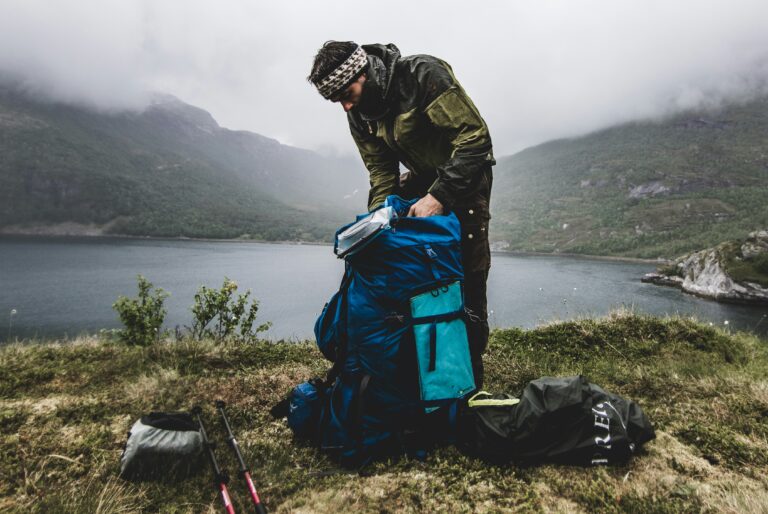
Accommodation in Patagonia is limited and expensive. Refugios (mountain huts) book out months in advance for popular treks like the W Trek. Hostels in towns are better but still pricier than Bolivia. If you’re serious about hiking, consider a Patagonia trekking tour for logistics support. Otherwise, plan your own route and book refugios early. Gear matters here—a good backpack like the Osprey Atmos AG makes multi-day treks manageable.

Safety for Solo Travelers: What You Actually Need to Know
Safety in South America isn’t about paranoia. It’s about knowing what’s real and what’s overblown. I’ve traveled the continent alone for months without serious incident. That’s not luck—it’s preparation.
Real Risks
- Scams: False police officers asking for documents. Someone spills something on you and a ‘helper’ appears. Keep your wallet hidden. Never hand over your actual passport—carry a copy.
- Bag slashing: Common on crowded buses and metro systems. Keep your daypack in front, not on your back. Use a lock on zippers in high-risk areas like La Paz or downtown Lima.
- Night buses: Choose reputable companies (Cruz del Sur in Peru, Pullman in Chile). Avoid cheap, no-name buses. Keep valuables under your seat, not in overhead bins.
When to Be Cautious vs. Relaxed
In safe neighborhoods (Palermo in Buenos Aires, El Poblado in Medellín, Miraflores in Lima), leave the money belt at the hostel. Walk around normally. In border areas or rough parts of big cities, stay alert after dark. This isn’t fear-mongering—it’s just knowing your context.
A money belt is useful for long bus rides or days carrying everything. For daily walking, a hidden pouch under your shirt or a zippered pocket works better. I’ve stopped using money belts entirely in places where I felt comfortable. Trust your gut, but don’t trust strangers who offer unsolicited help.
Budgeting for a Solo South America Backpacking Trip
Costs vary dramatically by country. Here’s a realistic breakdown based on actual travel, not tourism board numbers.
| Country | Daily Budget (USD) | Notes |
|---|---|---|
| Colombia | $30-40 | Cheap hostels, good street food, affordable buses |
| Peru | $25-35 | Very cheap in the highlands, more in Lima/Cusco |
| Bolivia | $20-30 | Lowest cost, but cash-heavy |
| Chile | $50-70 | Expensive. Hostels cost more, food costs more |
| Argentina | $40-60 (with blue dollar) |
Official rate is high; blue dollar makes it cheaper |
Saving Strategies
- Cook in hostel kitchens. A 10-minute pasta meal costs a fraction of restaurant food. Shop at local markets, not tourist supermarkets.
- Take overnight buses. They save a night’s accommodation cost. The tradeoff is comfort, but you sleep and travel simultaneously.
- Buy from local markets. Fruit, bread, cheese—it’s fresh, cheap, and supports the local economy.
- Use a travel credit card with no foreign fees. Cards like the Chase Sapphire Preferred or Capital One Venture save on transaction fees. But always carry cash for countries like Bolivia and Argentina.
Accommodation Strategies for Independent Travelers
Hostels are the default for solo backpackers, but they’re not all the same. Your strategy depends on your social style and budget.
Hostels vs. Guesthouses vs. Private Rooms
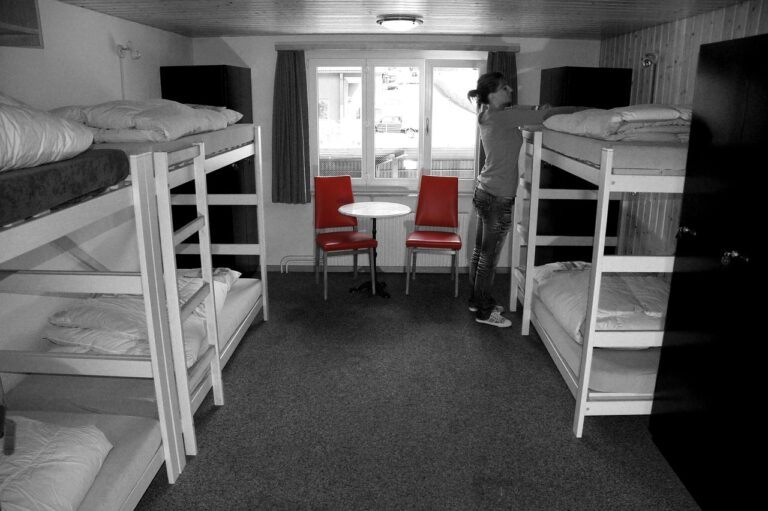
- Hostels: Best for meeting people. Party hostels in cities like Medellín or Buenos Aires. Quiet ones in smaller towns. Book via Hostelworld for reviews or Booking.com for flexibility.
- Guesthouses: Cheaper in rural areas. Less social, but quieter. Good for a break from dorm life.
- Private rooms: Common in hostels. Worth it when you need rest. Cost 2-3x a dorm bed.
When to Book Ahead vs. Show Up
In popular cities (Cusco, Buenos Aires, Cartagena), book a day or two ahead in peak season (June-August, December-January). Show up for smaller towns or off-peak travel. Many hostels accept walk-ins at same-day rates. The risk is being stuck with limited options. The reward is flexibility.
A good sleep setup matters. Bring a travel pillow for overnight buses and hostels with thin pillows. Earplugs are non-negotiable for noisy dorms. A small travel lock secures your locker. These items cost little and improve your experience significantly.
Packing for South America: What Works (and What Doesn’t)
South America’s climate is all over the map. You’ll need gear for heat, cold, rain, and dry conditions. Packing light is essential, but don’t sacrifice the right items.
Essential Items
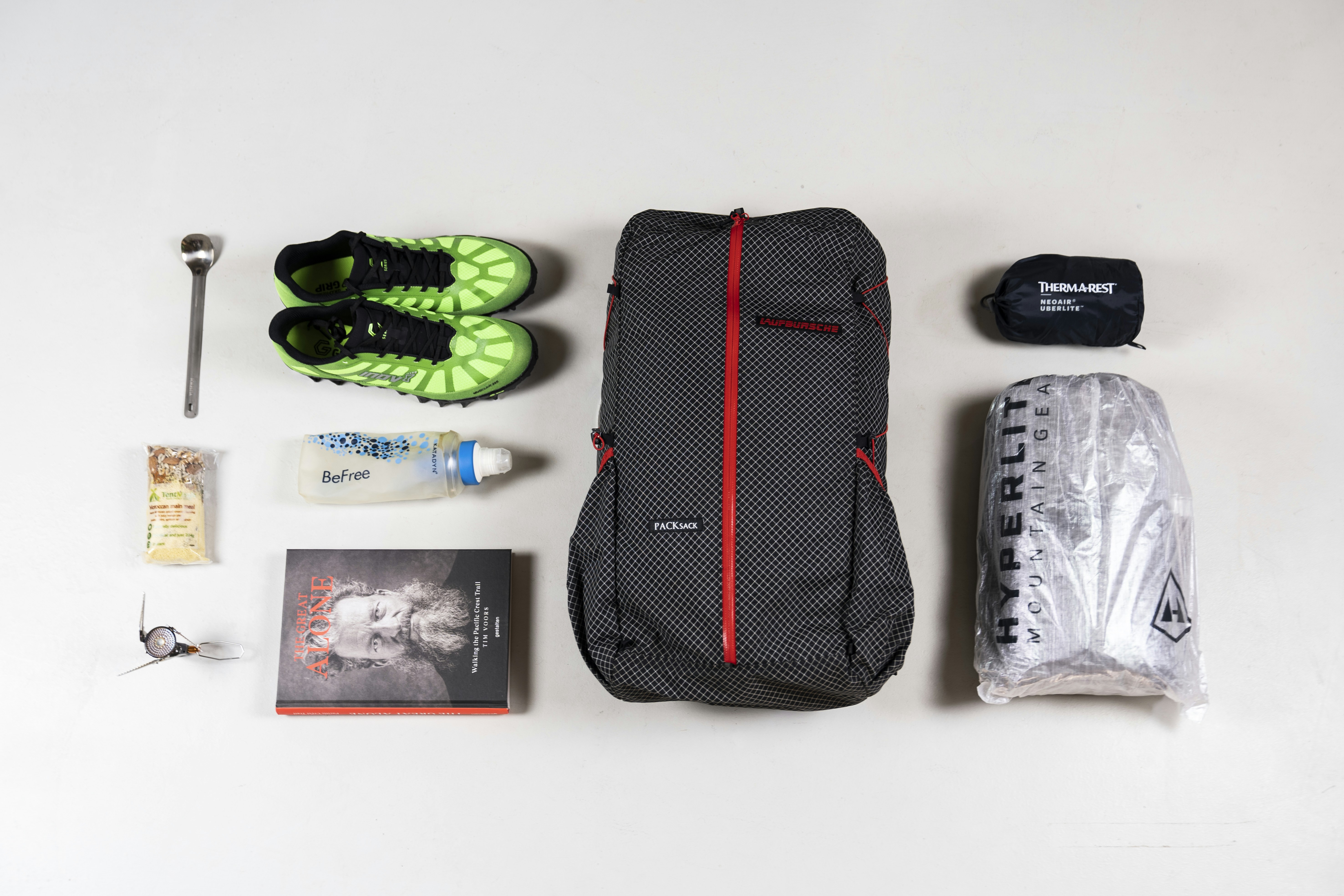
- Daypack (e.g., Osprey Daylite): For daily excursions. Light, packable, fits under bus seats.
- Quick-dry towel: Hostel towels are rare. Microfiber dries fast.
- Lock: A small padlock for hostel lockers. Dorms often don’t provide them.
- Comfortable walking shoes: You’ll walk miles daily. Hiking boots for Patagonia or the Inca Trail. Trail runners for everything else.
Climate Considerations
- Amazon: Lightweight, breathable clothing. Rain jacket. Mosquito repellent.
- Andes (Cusco, La Paz): Layers. Mornings and evenings are cold. A fleece and windbreaker work.
- Patagonia: Waterproof jacket, thermal base layer, warm sleeping bag. The wind is relentless.
Common Packing Mistakes
- Overpacking: You’ll buy things along the way. You’ll wear the same three shirts. Pack for a week, not a month.
- Wrong sleeping bag rating: A summer bag is useless in Patagonia. Know your coldest destination.
- Too many shoes: One pair of walking shoes, one pair of sandals. That’s it.
Consider a water filter like the Grayl Geopress for remote areas or to avoid buying plastic bottles. Travel insurance is non-negotiable. World Nomads or SafetyWing cover backpackers properly.

Common Mistakes Solo Backpackers Make in South America
I’ve made most of these myself. Here’s what to avoid.
- Flying between cities instead of taking buses. Flights add cost, carbon, and hassle with airports. Buses are part of the experience. They’re cheap, comfortable on long routes, and let you see the landscape. Only fly when crossing countries (e.g., Bogotá to Quito) or when short on time.
- Not carrying enough cash in Bolivia/Argentina. ATMs in Bolivia are unreliable. Argentina’s official exchange rate is terrible—you need USD for the blue dollar. Carry a week’s worth of cash for both countries.
- Skipping altitude prep for Cusco. Cusco sits at 3,400m. Flying in from sea level and immediately hiking is a recipe for sickness. Spend a day resting, drink coca tea, and avoid alcohol. If you feel dizzy, slow down.
- Booking too rigidly. Book the first few nights and your big-ticket items (Machu Picchu entrance, Patagonia refugios). Leave room for spontaneity. A flexible itinerary lets you stay longer where you love and skip where you don’t.
Solo vs. Paired Travel: Tradeoffs to Consider
Should you go solo or find a travel partner? Both have real tradeoffs.
Solo
- Pros: Total freedom. You eat when you want, go where you want, change plans instantly. You meet more people because you’re approachable.
- Cons: Mental load is heavier. Safety in numbers is real—being alone in a sketchy neighborhood feels different. Loneliness can hit on long bus rides or quiet evenings.
Paired
- Pros: Shared costs (accommodation, taxis). Someone to watch your bag while you use the bathroom. Easier negotiation at markets.
- Cons: Compromise is constant. You might want to move faster or slower than your partner. Arguments over budget, route, and where to eat are common.
There’s no right answer. If you’re introverted and independent, solo works. If you’re social and prefer shared decision-making, find a travel buddy or join a short group tour for a specific segment (e.g., the Inca Trail). The key is knowing yourself.
Packing Recommendations: Gear That Makes the Trip Easier
A few specific items that solve real problems:
- Portable charger (10,000mAh+): Hostel outlets are scarce and unreliable. Charge your phone overnight on the bus or in your dorm. Don’t buy a cheap one in-country—they’re often fake.
- Money belt vs. hidden pouch: I prefer a slim neck pouch worn under my shirt. It holds passport, cash, and cards. A money belt is fine but bulky. Test both before leaving.
- Good sandals (e.g., Chaco or Teva): For hostel showers, beaches, and walking in warm weather. Flip-flops break. Sandals last.
- Dry bag: For boat trips (Amazon, Uyuni salt flats) or rainy days. Keeps electronics and documents dry.
- Headlamp: For reading in dorms after lights out, walking at night in remote areas, and early morning treks.
- Microfiber towel: Already mentioned, but it’s worth repeating. Hostels rarely provide towels.
- Safety whistle: For solo hikes in remote areas. Cheap, light, and potentially life-saving.
Final Thoughts: Is a Solo South America Backpacking Trip Right for You?
Solo backpacking in South America is doable with preparation. The key steps are clear: choose a route that matches your comfort level, understand the safety landscape, budget realistically for each country, and pack for the climate extremes. None of this is complicated—it just requires attention to detail.
If you’re the type who enjoys solving problems on the fly, who can handle a missed bus without panicking, and who likes meeting strangers in hostels, this trip will suit you. If you prefer certainty and comfort in every step, consider a shorter trip or a guided tour for part of the journey.
Start planning now. Book your first few nights, buy a good backpack, and get your Spanish basics down. The rest unfolds as you go. It’s not magic—it’s logistics.
Colombia Adventure Travel: Cities, Coast, and Jungle
Solo Backpacking Europe: Budget Tips and Routes That Actually Work