Solo Adventure Travel Over 50: The Complete Guide
Introduction
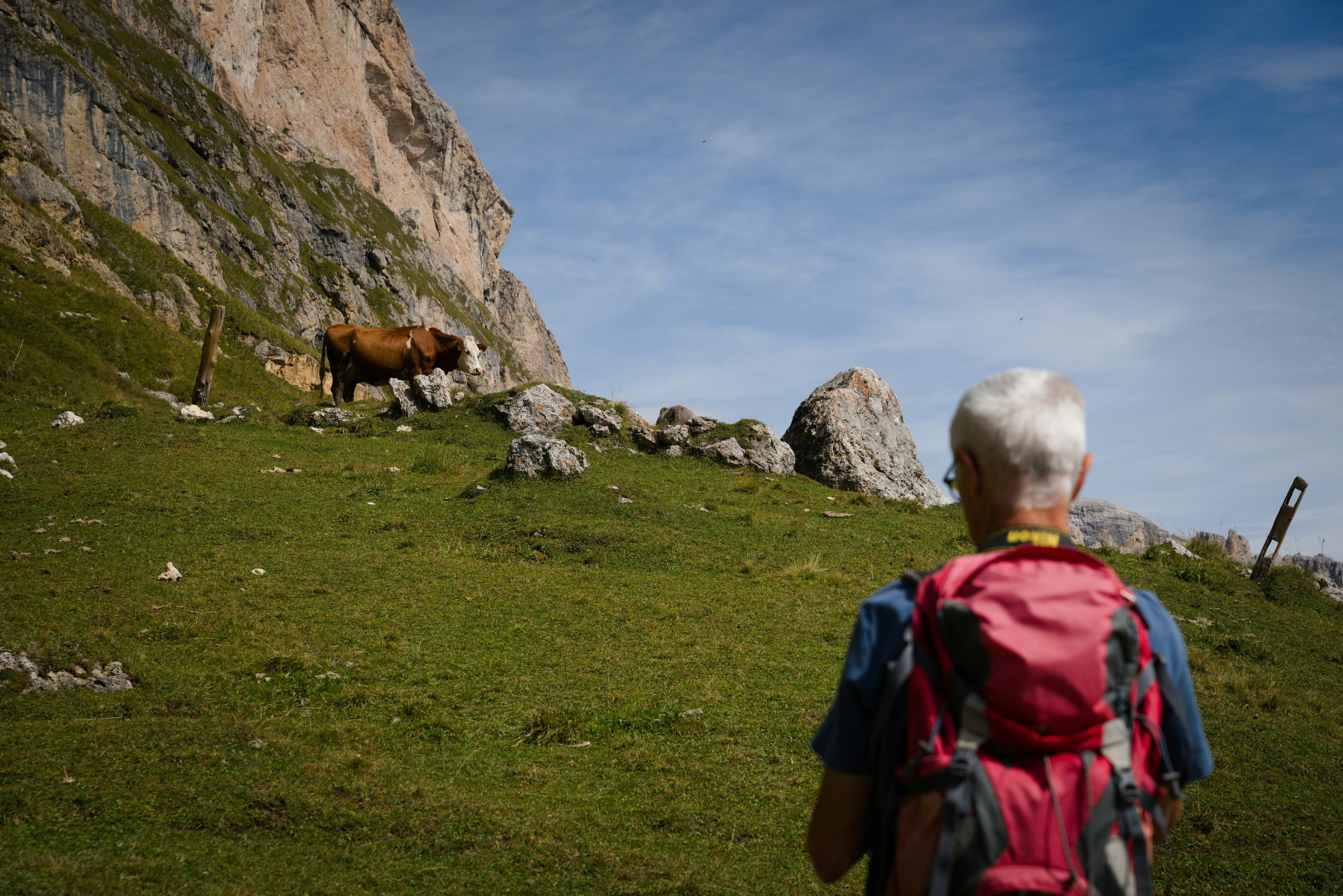
Solo adventure travel after 50 isn’t a compromise. It’s often the most rewarding kind of trip you can take. You’ve got decades of experience navigating people, logistics, and your own preferences. That gives you a genuine advantage over the 22-year-old backpacker who’s figuring out hostels on the fly. But the planning needs to be different. Your body isn’t the same as it was at 25. Your priorities are different. You’re not chasing cheap drinks or hostel dorm parties. You want real experiences, meaningful connections, and a trip that feels energizing rather than exhausting. This solo travel over 50 guide is built to help you plan that kind of trip. It covers practical gear, health prep, destination decisions, and the real tradeoffs you’ll face. It’s not about inspiration. It’s about execution.

Why Solo Travel Over 50 Requires a Different Planning Approach
Planning a solo trip at this stage in life is different from doing it in your twenties. That’s not a bad thing. It just means you need to account for different variables. The obvious one is health. You need to think about pre-existing conditions, medication access, and the physical demands of activities you want to do. The second big factor is energy management. You can’t pack twelve sights into a single day and expect to bounce back the next morning. The third is your tolerance for discomfort. A 12-hour bus ride on a hard seat or sharing a dorm with a snorer might have been fine in your twenties. Now it’s a different calculation. Travelers who need to protect their sleep quality and physical comfort might consider a memory foam travel pillow for longer transit days.
Another practical difference is budget. Many solo travelers over 50 have more financial flexibility than younger travelers. That changes the tradeoff equation. Paying for a direct flight, a private room, or first-class train seats often makes sense when it saves energy and reduces stress. There’s no medal for doing it the uncomfortable way. The goal is a rewarding trip, not a test of endurance. Plan with your actual limits, not the ones you think you should have.
Before You Book: Health, Fitness, and Medical Preparations
This isn’t about fear-mongering. It’s about making sure you don’t end up stranded in a place with inadequate medical support. Before you book anything, have an honest conversation with your doctor. Ask about your specific destination. Are there recommended vaccinations? Do you need altitude sickness medication? Is the activity level realistic for your current fitness? Get clear answers.
Travel insurance is non-negotiable. And I don’t mean the cheapest policy you find on a comparison site. You need coverage that handles pre-existing conditions, medical evacuation, and trip interruption. Two providers worth considering are World Nomads and Allianz Travel Insurance. World Nomads is popular among active travelers and covers many adventure activities. Allianz has solid plans for older travelers with pre-existing condition waivers available within a certain period after booking. Read the fine print on exclusions. If you have a condition like high blood pressure, diabetes, or a heart condition, confirm that it’s covered. The cost difference between a basic policy and a good one is usually under fifty dollars. The difference in stress reduction is enormous.
One more practical step: bring a copy of your prescriptions and a note from your doctor explaining the medication and dosage. Keep it in your carry-on. If your luggage gets lost, you still have access to your meds. Also, look up the nearest hospital or clinic to your accommodation before you go. Do this for each stop. It takes five minutes and saves panic later. A portable medication organizer can help keep your daily doses sorted when you’re moving between cities.
Choosing the Right Destination for Your First Solo Adventure
Not every destination works well for solo travelers over 50. Safety, English proficiency, ease of transport, and a culture that welcomes older solo travelers all matter. Here’s a practical comparison of four top choices.
Costa Rica is best for nature-focused travelers who want reliable infrastructure. English is widely spoken in tourist areas. The bus system is decent. Private shuttles are affordable. There’s a strong tour culture, so joining a day tour is easy. Consider it if you want a mix of wildlife, hiking, and beaches with minimal friction. The main tradeoff is cost. It’s not a budget destination.
Portugal is best for city-based solo travel with good train connections. Lisbon and Porto are walkable, safe, and full of solo-friendly cafes and small-group food tours. English is common in the tourism sector. The train network is reliable and comfortable. Consider it if you want a European trip that feels manageable and doesn’t require a car. The Algarve coast in the south is also excellent for a quieter beach stay.
New Zealand is best for active travelers who want to drive and explore at their own pace. The roads are well-maintained, accommodation options range from private rooms to self-contained apartments, and the locals are genuinely helpful. English is the primary language. Consider it if you have a moderate fitness level and enjoy hiking, kayaking, and scenic drives. The flight is long, so budget for at least two weeks to make it worthwhile.
Japan is best for travelers who value efficiency, safety, and cultural depth. The train system is world-class. Even if you don’t speak Japanese, navigating major cities like Tokyo, Kyoto, and Osaka is straightforward with apps like Google Maps. Solo dining is completely normal. Consider it if you’re comfortable with a high level of planning and want a trip that feels different from Western destinations. The main challenge is pacing. Japanese cities can be overwhelming if you try to see too much. Plan one major activity per day and leave space for wandering.
For your first solo adventure, I usually recommend Portugal or Costa Rica. They’re both forgiving destinations with strong support for independent travelers.
Packing Smart: Essential Gear for Comfort and Safety
Packing for a solo trip over 50 isn’t about fitting everything into a carry-on. It’s about having the right items to make your trip smoother and safer. Here’s what I’ve found useful after years of travel.
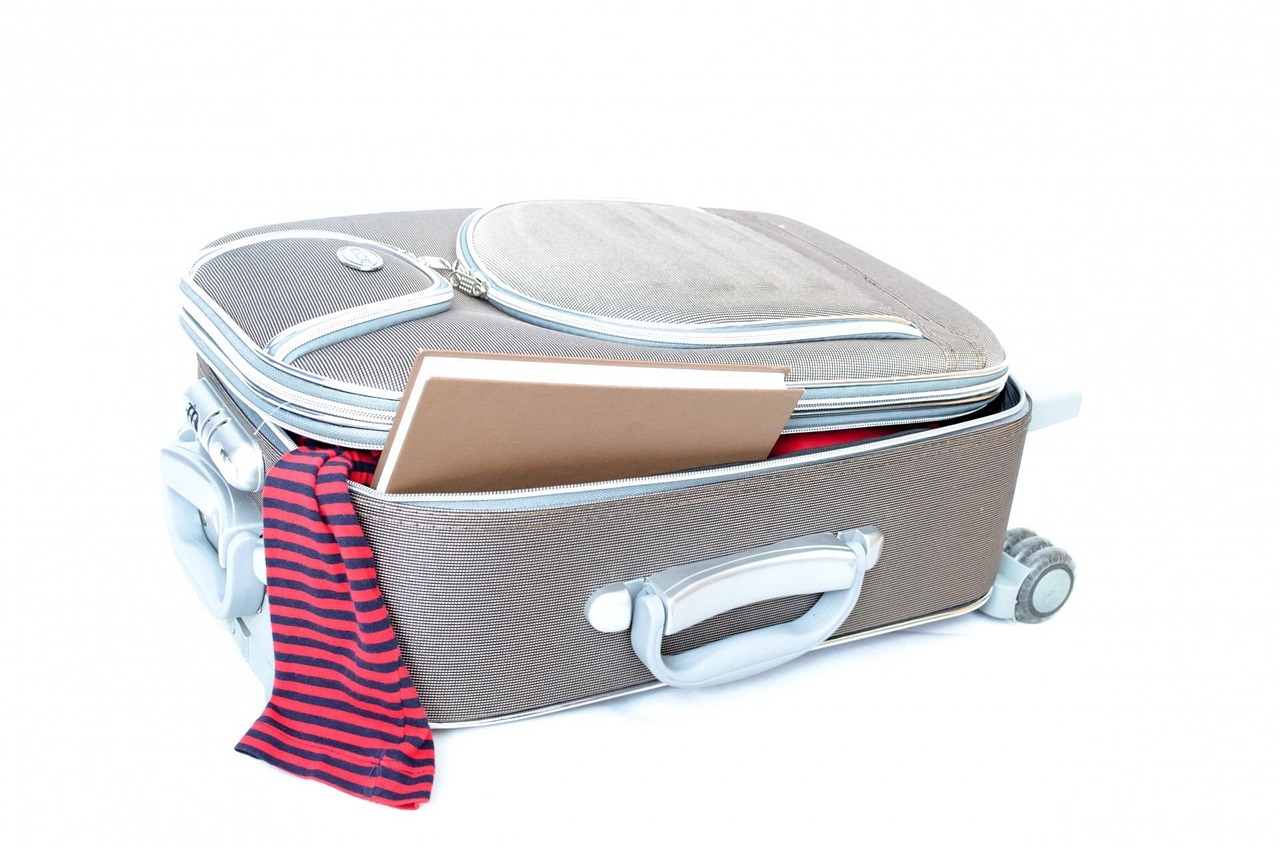
A lightweight, wheeled suitcase. This is non-negotiable. Backpacks are fine if you’re moving between hostels every two days, but over 50, a wheeled bag reduces strain on your back and shoulders. Look for one with four spinner wheels and a weight under 6 pounds. The Travelpro Maxlite 5 is a reliable option. It’s durable, lightweight, and has a comfortable handle.
Compression socks. If you’re flying more than four hours, compression socks reduce the risk of deep vein thrombosis and help with leg fatigue. They also keep your feet from swelling. CEP Progressive Compression Socks are comfortable for all-day wear. Worth the investment.
A personal safety alarm. This is a small device that emits a loud noise when activated. It’s not a weapon. It’s a deterrent. If you’re walking alone at night or feel unsafe, pulling the alarm draws attention and often scares off potential threats. Sabre’s Personal Alarm is compact and loud. It’s also TSA-friendly.
A good daypack. You’ll be carrying this everywhere. It needs to be comfortable, lightweight, and organized. Look for one with a padded laptop sleeve, multiple pockets, and a water bottle holder. The Osprey Daylite Plus is a solid choice. It’s 20 liters, fits easily under airplane seats, and has a sternum strap for better weight distribution.
A small first-aid kit. Include bandages, antiseptic wipes, pain relievers, antidiarrheal medication, and any prescription meds you need. Buy a pre-packed kit like the Adventure Medical Kits Sportsman and supplement it with your own items.
These items solve real problems. The suitcase reduces physical strain. The socks reduce circulation issues. The alarm gives peace of mind. The daypack keeps you organized. Don’t skimp on these.

Accommodation Strategies: Hotels, Hostels, or Airbnb?
Your accommodation choice has a bigger impact on a solo trip than on a group trip. It affects your energy, your social opportunities, and your budget. Here’s a realistic breakdown.
Hotels are the safest choice for solo travelers over 50. You get a private room, an ensuite bathroom, and soundproofing. You can sleep without disruptions. Look for hotels that are explicitly quiet. Read recent reviews mentioning noise from thin walls, street traffic, or adjoining rooms. Avoid hotels located above bars or nightclubs. Booking directly through the hotel’s website sometimes offers perks like free breakfast or late checkout, which are valuable. Alternatively, use Booking.com with a focus on properties with high ratings for comfort and cleanliness.
Hostels are usually a bad idea for this age group. The savings are real, but the tradeoffs are significant. You lose sleep quality. You lose privacy. You share a bathroom. If you’re on a tight budget and okay with these tradeoffs, look for hostels that offer private rooms. Not all do. And even private rooms in hostels can be noisy. I’d skip it unless you’re genuinely budget-constrained or prioritize social interaction above everything else.
Airbnb fills a middle ground. You get a private apartment or room. You have a kitchen, which can save money on meals. You often get local advice from the host. The tradeoff is variability. Quality standards fluctuate. Read reviews carefully for mentions of cleanliness, noise, and honesty of the listing. Avoid anything with fewer than 4.5 stars and fewer than 10 reviews. For solo travelers, a private apartment in a good location often provides better value than a hotel, especially for stays longer than five days.
My recommendation: choose a hotel for your first solo trip. Once you’re comfortable, consider Airbnb for longer stays. Skip hostels unless you’re experienced and know what you’re getting into.
Common Mistakes Solo Travelers Over 50 Make (And How to Avoid Them)
These are patterns I’ve seen regularly. They’re not embarrassing. They’re just easy to miss when you’re excited about a trip.
Mistake 1: Overplanning. It’s tempting to schedule every hour. You want to maximize your time. But travel is tiring. A packed itinerary creates stress, not joy. Leave at least one full day per week completely open. Use it to rest, explore spontaneously, or revisit something you loved.
Mistake 2: Not budgeting for comfort. You’re not 25. A 12-hour bus ride with a hard seat is a bad idea. A cheap hostel in a noisy location is a bad idea. Budget extra for direct flights, comfortable transport, and decent accommodation. The cost is worth the reduced fatigue and improved experience.
Mistake 3: Ignoring travel insurance. I covered this earlier, but it bears repeating. A medical evacuation can cost tens of thousands of dollars. A basic travel insurance policy leaves you exposed. Spend the extra money for comprehensive coverage that includes pre-existing conditions and medical evacuation. You won’t regret it.
Mistake 4: Assuming health limits aren’t there. Many travelers over 50 are in excellent shape. But altitude, jet lag, and unfamiliar food hit differently than they did at 30. Listen to your body. If you feel exhausted, rest. Don’t push through for the sake of a schedule. A skipped day is better than a ruined week.

Mistake 5: Not sharing your itinerary. This is a safety issue. Before you leave, share your rough itinerary with someone at home. That includes flight numbers, hotel names, and contact information. Check in every few days. If something goes wrong, someone knows where you are.
These mistakes are avoidable. Plan for them, and your trip will be smoother.
Transport and Navigation: Getting Around Without Stress
Transport can be the most stressful part of a solo trip if you’re not prepared. Here’s how to reduce that stress.
Trains and buses. In most countries, booking first-class or premium seats is worth the extra cost. You get reserved seating, more legroom, and quieter carriages. Use apps like Rome2Rio to compare routes and prices. Download offline maps on Google Maps before you leave. That way, you’re never without navigation. For longer train journeys, a train seat organizer can keep your phone, book, and snacks within easy reach without cluttering the seat beside you.
Rental cars. If you’re driving, book a car with automatic transmission unless you’re comfortable with a manual. Many countries outside the US and Canada primarily use manual cars. Also, consider renting a smaller car. They’re easier to park and navigate in narrow streets. Check with your credit card company to see if you have rental car insurance already. If not, buy the rental company’s collision damage waiver.
Navigation apps. Google Maps works well in most destinations. For hiking, use AllTrails. For public transport, use Moovit. Download these apps and their offline maps before you leave. Also, consider buying a local SIM card or an eSIM from providers like Airalo. Having reliable data gives you real-time navigation and backup if you get lost.
Airport transfers. Pre-book airport transfers for your arrival. It eliminates the stress of figuring out local taxi systems after a long flight. Most airports have online booking options for shuttles or private cars. It’s a small cost for a big reduction in initial anxiety.
Transport planning is about reducing uncertainty. The more you pre-book, the less you have to figure out when you’re tired and disoriented.

Social Connection: Meeting People Without Group Travel
Solo travel doesn’t mean you have to be alone the entire time. But the strategies for meeting people are different than they are for younger travelers.
Day tours are the most reliable way to meet people. A small-group tour of a city, a cooking class, or a hiking trip naturally creates interaction. Companies like Intrepid Travel and G Adventures offer small group tours that are well-suited to solo travelers. You’re not locked into a full tour schedule. You can join for a single day or a multi-day trip. The group sizes are small, and you’re not expected to socialize constantly. But if you’re open, it’s easy to strike up conversations.
Dinner-sharing apps like EatWith or the free version of BonAppetour help you find local hosts who welcome solo diners. You get a home-cooked meal and a chance to meet locals and other travelers. It’s a low-pressure way to have company without feeling forced.
Social boutique hotels are another option. Some hotels explicitly design common areas to encourage interaction. Look for hotels with a rooftop bar, a shared courtyard, or a communal breakfast table.
The tradeoff is real: solitude gives you freedom and reflection. Companionship gives energy and shared experiences. You decide the balance on each day. There’s no wrong choice.
Budgeting for a Solo Trip Over 50: Costs and Tradeoffs
A typical two-week solo trip to a mid-range destination like Portugal or Costa Rica will cost between $3,500 and $5,000, not including flights. Here’s a rough breakdown.
Accommodation: $100-200 per night for a decent hotel or Airbnb. That’s $1,400 to $2,800 for two weeks.
Food: $50-80 per day for three meals including one sit-down lunch or dinner. That’s $700 to $1,120.
Local transport: $200-400 for trains, buses, and local flights.
Activities and tours: $300-800 for day tours, entrance fees, and guides.
Travel insurance: $100-200 for a good policy.
Miscellaneous: $200-400 for tips, snacks, souvenirs, and unexpected costs.
The biggest cost is accommodation. That’s because you’re paying for a single room instead of splitting cost with a partner. That’s the solo traveler penalty. You can reduce it by staying in slightly cheaper hotels or using Airbnb. You can also look for hotels that waive the single supplement. Some tour operators and hotels specifically cater to solo travelers and don’t charge extra.
On the spending side, prioritize comfort and experiences over luxury. Pay for a comfortable bed, good transport, and a meaningful tour. Skip the high-end restaurant every night. A local market dinner is often more rewarding anyway.
For saving money, consider a travel credit card with no foreign transaction fees. The Chase Sapphire Preferred and Capital One Venture are solid options. Also, use a budgeting app like Trail Wallet or a simple spreadsheet to track expenses in real time.
Final Checklist for Your Solo Adventure
Before you go, run through this checklist. It covers the most important action items.
- Book comprehensive travel insurance that covers pre-existing conditions and medical evacuation.
- Share your itinerary with a trusted contact at home.
- Pack your carry-on with medication, a copy of prescriptions, and a change of clothes.
- Download offline maps and transportation apps.
- Pre-book airport transfers and first-night accommodation.
- Confirm your passport validity and any visa requirements.
- Inform your bank of your travel dates to avoid card blocks.
- Get a local SIM or eSIM for reliable internet.
- Pack compression socks, a safety alarm, and a first-aid kit.
- Leave space in your schedule for rest and spontaneity.
The trip is yours to design. Every choice you make should serve your enjoyment and safety. You’ve earned this. Go do it.