Best Adventure Travel Destinations for Solo Travelers: Where to Go & What to Know
What Makes a Destination Great for Solo Adventure Travel?
Not every adventure-friendly country works well for someone traveling alone. I’ve made the mistake of landing in a place that looked incredible on paper but was a logistical nightmare without a partner. After a few of those trips, I started filtering destinations through a specific lens. Here’s what I look for:
- Safety ratings. This is non-negotiable. I check travel advisories and solo female traveler forums. Low crime rates and respectful local attitudes toward solo travelers matter more than wow-factor landscapes.
- Solo-friendly infrastructure. Does the destination have hostels with private rooms? Group tours that don’t require a minimum of two? Restaurants where eating alone feels normal? Places like Chiang Mai and Queenstown nail this. Others, not so much.
- Ease of transportation. Reliable buses, trains, or well-marked roads for self-drive. Nothing drains your energy faster than spending four hours figuring out how to get from point A to point B because nothing is labeled in English or online.
- Language accessibility. You don’t need everyone to speak English, but having enough English signage or tour operators who can communicate clearly removes a major stress point, especially when you’re navigating adventure activities solo.
- Variety of activities. Solo travelers don’t always want to do the same thing every day. A destination with hiking, water sports, cultural experiences, and wildlife gives you options if the weather shifts or you need a rest day.
These aren’t luxuries. They’re practical requirements. If a destination fails on two of these, I move on. There are too many good options to waste time on a place that will frustrate you.

1. Patagonia, Chile & Argentina — Best for Hiking and Remote Wilderness
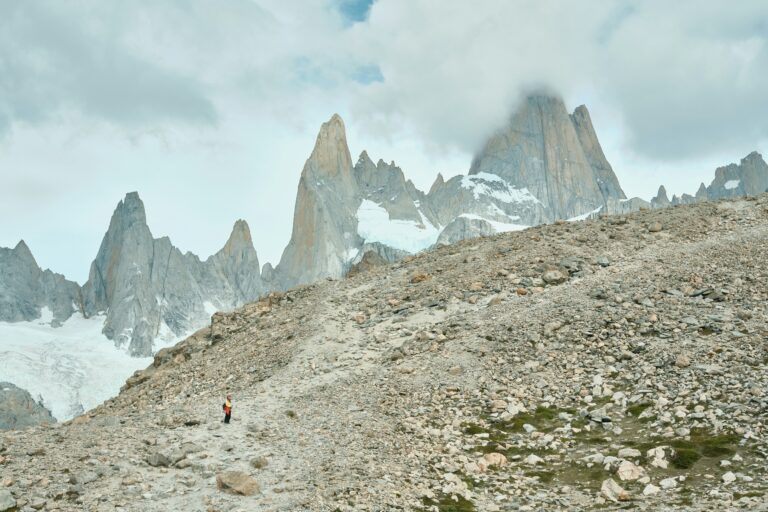
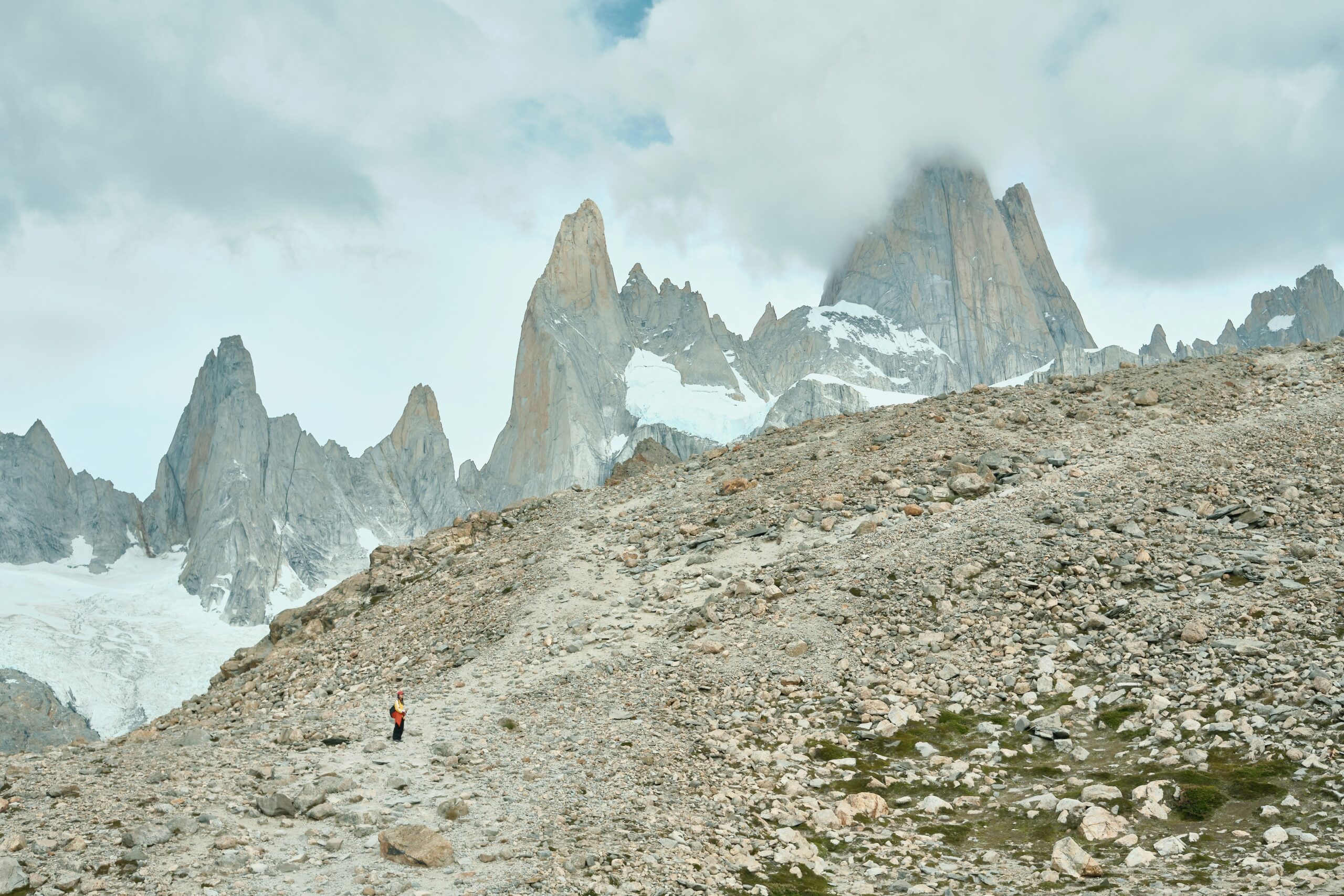
Patagonia is the kind of destination that changes how you think about adventure. The scale of the landscape alone makes you feel small in the best way. For solo travelers, the Torres del Paine W Trek and the Fitz Roy area around El Chaltén are the main draws.
Logistics: Fly into Punta Arenas or Santiago and connect to Puerto Natales (Chile) or El Calafate (Argentina). The best months are November through March. Book refugios or campsites months in advance—especially for the W Trek. Permits sell out fast. If you miss the window, consider the O Trek or a self-guided camping setup, but that requires carrying more gear.
Safety: Hiking alone in Patagonia is doable if you’re experienced, but the weather can turn dangerously fast. Wind gusts over 60 mph are normal. I’d recommend joining a guided group for the first few days if you’re not confident in navigation or weather reading. Solo hikers should carry a personal locator beacon.
Gear recommendation: A solid backpack makes or breaks a multi-day trek. After testing several, I keep coming back to the Osprey Atmos AG for its ventilation and load distribution. It’s worth the investment when you’re carrying five days of food and gear. Travelers looking for a reliable pack may want to compare prices on comfortable multi-day backpacks.
Tradeoffs: Patagonia is expensive. Meals, accommodation, and tours add up fast. Weather is unpredictable—you might get stuck for an extra day. And you need to plan ahead more than most other destinations on this list. But if you want raw, unfiltered wilderness without crowds of package tourists, it’s unmatched.
2. Chiang Mai, Thailand — Best for Multi-Activity Adventures on a Budget
Chiang Mai is the easiest place I’ve found for a solo traveler to step into adventure without overthinking logistics. You land, check into a hostel (I’d recommend ones in the Old City), and within 24 hours you’ve booked three different day trips through your accommodation or a local tour shop.
What to do: Jungle trekking through Doi Inthanon National Park, zip-lining through the canopy, rock climbing at Crazy Horse Buttress, and taking a cooking class. The variety keeps things fresh. You can switch from adrenaline to chill without losing momentum.
Meeting people: This is where Chiang Mai excels. Hostel culture is strong. Group tours are easy to join. You’ll naturally strike up conversations over dinner at the night markets. It’s hard to feel lonely here.
Common mistake: Trying to pack five activities into three days. You’ll burn out. Leave at least one full rest day every three days. The heat and physical activity accumulate faster than you expect.
Budget tip: Most day tours cost between $20 and $40. Quality varies. Read recent reviews before booking. And don’t skip travel insurance—scooter accidents are common here.

3. Queenstown, New Zealand — Best for Adrenaline Junkies
Queenstown calls itself the adventure capital of the world, and for once the marketing isn’t exaggerated. If your idea of a good trip involves throwing yourself off something tall or fast, this is your place.
Activities: Bungee jumping off the Kawarau Bridge, skydiving over Lake Wakatipu, jet boating through Shotover Canyon, and hiking the Ben Lomond Track for a free adrenaline hit. The concentration of adventure operators here is absurd. You can jump out of a plane in the morning and go wine tasting in the afternoon.
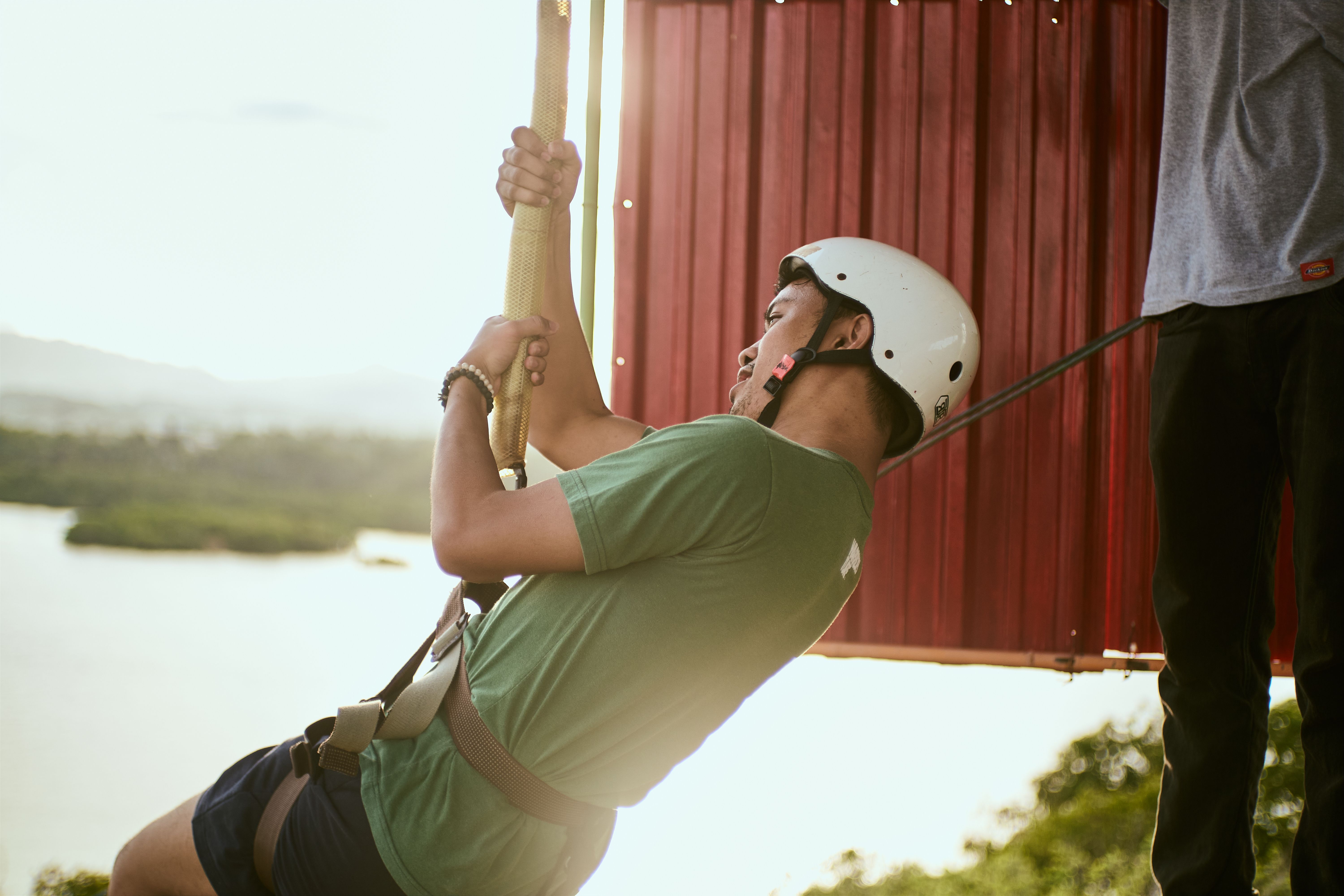
Solo infrastructure: Queenstown has excellent hostels, shuttle buses between activity hubs, and group bookings that don’t penalize single travelers. Activity operators are used to solo adventurers. You won’t get weird looks for showing up alone.
Cost: It’s not cheap. A bungee jump runs around $200 NZD. Skydiving starts at $300 NZD. But the combo deals save money. Book multi-activity packages through reputable operators.
Weather window: Activities get canceled often due to wind and rain. Build flexibility into your itinerary. A buffer day after skydiving or heli-hiking can save you from disappointment.
4. Costa Rica — Best for Nature and Wildlife Solo Adventures
Costa Rica packs an absurd amount of biodiversity into a small country. For solo travelers, it offers a range of adventures that don’t require advanced planning or expensive gear.
Top spots: Zip-lining in Monteverde’s cloud forest, whitewater rafting on the Pacuare River, hiking Arenal Volcano, and wildlife spotting in Corcovado National Park. Each region has a different vibe. Monteverde is cool and misty. The coast is hot and humid.
Solo experience: Eco-lodges are common and often have communal dining, making it easy to meet other travelers. Guided tours are affordable and group sizes are small. English is widely spoken in tourist areas.
Common mistake: Trying to see the entire country in one trip. The roads are slow and distances are deceptive. Focus on two regions max. I’d recommend Arenal plus either Manuel Antonio or Corcovado, depending on whether you want beaches or deep jungle.
Comparison: Arenal is better for adventure activities like rafting and hanging bridges. Manuel Antonio is better for beach time and wildlife viewing with less physical effort. For the humid climate, a sustainable travel backpack from a brand like Cotopaxi is a practical choice that can handle the conditions.
5. Iceland — Best for Self-Drive and Single-Explorer Adventures
Iceland is the ultimate destination for solo travelers who prefer their own company. The Ring Road gives you a clear route with enough variation to keep things interesting for ten to fourteen days.
How it works: Rent a car, pack a tent or book guesthouses in advance, and drive. You control the pace. Want to spend an extra hour at a waterfall? Do it. Want to skip a glacier hike because the weather turned? No problem.
Activities: Glacier hiking on Sólheimajökull, ice caving in Vatnajökull, soaking in thermal hot springs, and hiking to waterfalls. The activities are spread out, so you’re never in one place long enough to get bored.
Challenges: It’s expensive. You won’t be splitting gas or accommodation costs. Guesthouses can run $150–$250 per night. Camping saves money but requires a solid sleeping bag rated for cold weather. A high-quality waterproof jacket is essential—wind and rain hit without warning.
App recommendation: Download Maps.me or another offline GPS app before you go. Cell service drops on long stretches of the Ring Road.
Tradeoff: Weather can cancel plans at the last minute. Always have a backup activity or rest day planned. Flexibility is the price of self-drive freedom.
6. Peru — Best for Cultural and Trekking Adventures (Solo-Friendly)
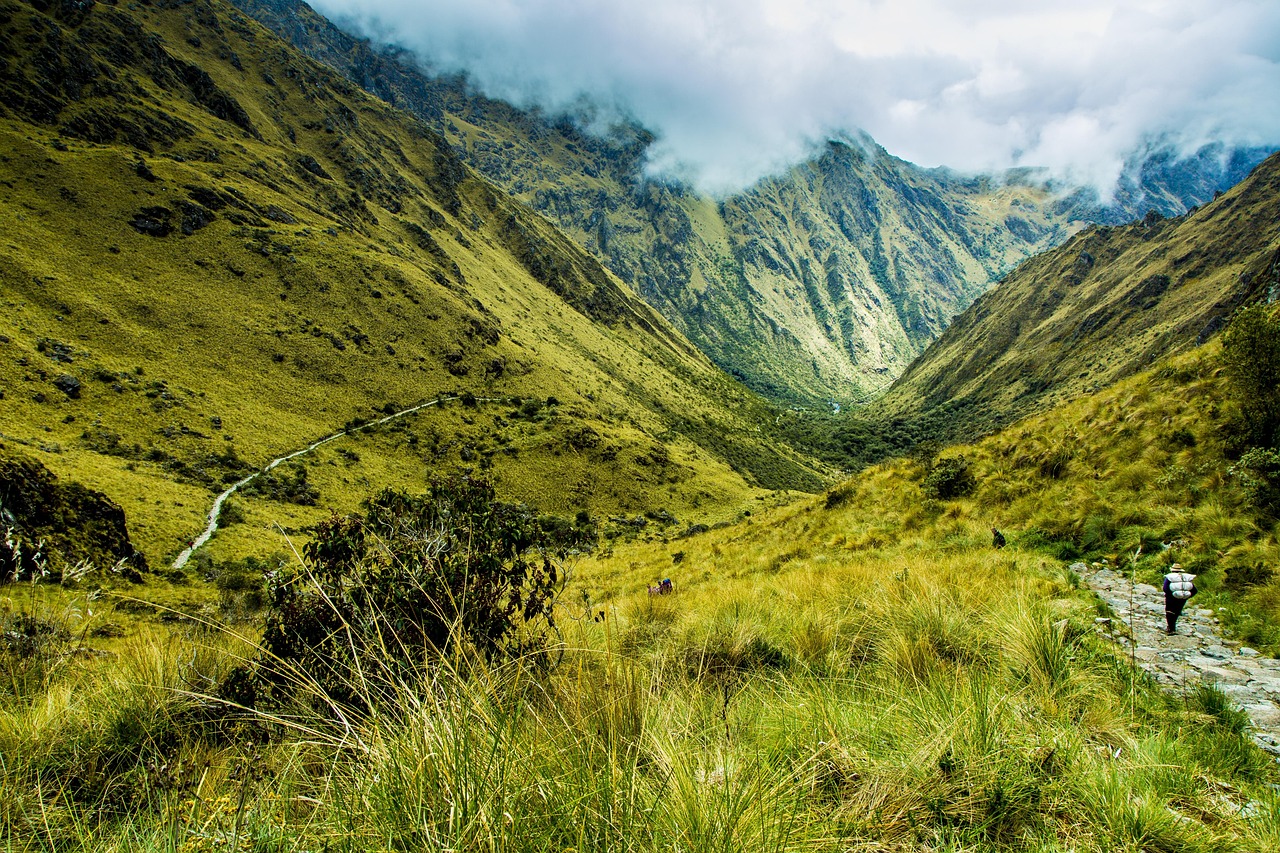
Peru combines world-class trekking with deep cultural immersion. For solo travelers, it’s one of the few places where joining a guided group trek feels more natural than trying to go it alone.
The treks: The Inca Trail is the most famous, but permits sell out months ahead. The Salkantay Trek is a solid alternative that doesn’t require early booking and offers stunning mountain scenery. The Lares Trek is quieter and more cultural, passing through villages where you’ll see traditional weaving.
Solo experience: Guided group treks are the norm here. You’ll join a group of 8–16 people plus guides and porters. It’s an easy way to meet fellow travelers without forced social pressure. Cusco is a great base for solo exploration—walkable, safe, and full of hostels and cafes.
Altitude prep: Spend two days in Cusco before starting any trek. Drink coca tea, skip the heavy meals, and consider acetazolamide if you’ve had altitude issues before.
Common mistake: Not booking Inca Trail permits early—they sell out six months before the season starts. If you show up in July without a permit, you’re not getting on the trail.
Gear: A good sleeping bag rated to at least -5°C makes a difference on cold nights. A portable charging bank is essential since outlets in refugios are limited.
Comparison: Inca Trail offers the classic experience with ruins along the route. Salkantay is more physically demanding but less crowded and more flexible with booking.

7. Bali, Indonesia — Best for Surfing, Yoga, and Jungle Adventures
Bali is everywhere on social media, but it earns its reputation for solo adventure travel. The infrastructure for solo travelers is mature, and the digital nomad community means you won’t struggle to find company if you want it.
Activities: Surf camps in Canggu or Uluwatu, sunrise trek up Mount Batur, waterfall hopping near Ubud, and whitewater rafting on the Ayung River. The mix of ocean and jungle keeps the adventure variety high.
Solo experience: Hostels and co-living spaces are common. Signing up for a group surf lesson is an easy way to meet people. The Balinese are genuinely friendly, and most tourism workers speak functional English.
Safety and scams: Stick to official guides for treks and tours. Unofficial guides near Mount Batur will try to charge inflated prices. Always agree on a price before starting any activity. To avoid hassles, you can pick up a portable door lock for extra security in your accommodation.
Best time to go: April, May, September, and October offer good weather with fewer crowds. Avoid December and January—rain can wash out plans.
8. Croatia — Best for Coastal Adventures and Island Hopping Solo
Croatia doesn’t get as much attention as Greece for solo travel, but it might be better for adventure-focused travelers. The coastline is dramatic, the water is clear, and the islands are connected by reliable ferries.
Activities: Sea kayaking around the Elaphiti Islands, hiking through Plitvice Lakes National Park, cycling through Istria’s wine country, and exploring Dubrovnik’s Old Town. The mix of coastal and inland activities keeps the trip varied.
Logistics: Ferries connect major islands like Hvar, Korčula, and Brač. Hostels are common in Dubrovnik, Split, and Zadar. Group tours are easy to find and reasonably priced.
Cost: Moderate. Accommodation on islands is more expensive than in Split or Dubrovnik. Island hopping adds up if you’re doing multiple legs. Ferries are not always punctual, so build buffer time into your schedule.
Comparison: Croatia vs. Greece: Croatia is better for active adventures (kayaking, cycling, hiking). Greece is better for beach lounging and history. Both are safe for solo travelers. A waterproof phone case is a cheap investment for sea kayaking and waterfall swimming.
Solo Adventure Travel Mistakes to Avoid
After enough solo trips, I’ve collected a list of mistakes that keep coming up. Avoiding these will save you time, money, and frustration.
- Overpacking. You carry everything yourself. There’s no one to share the load. Pack for one week regardless of trip length and do laundry. A 40–50 liter backpack is enough.
- Not planning for solo meals. Eating alone can feel awkward at first. Research restaurants with communal tables or bar seating. Street food and markets make solo dining feel natural.
- Underestimating transport delays. In Patagonia, a bus cancellation can mean losing a night of paid accommodation. Always book refundable lodging where possible.
- Skipping travel insurance. This is not optional. Ever. Medical evacuation, trip cancellation, and gear replacement can cost thousands.
- Ignoring flexible itineraries. Solo travel means you’re the only decision maker. That’s freedom, but it also means you have no buffer if things go wrong. Build in spare days. Don’t pre-book every single night.
How to Choose the Right Solo Adventure Destination for You
Not every destination suits every traveler. Here’s how to narrow it down:
By budget:
- Budget ($50–$80/day): Chiang Mai, Bali, parts of Peru and Costa Rica
- Mid-range ($100–$150/day): Croatia, Costa Rica (with some tours), Peru (including a trek package)
- Premium ($200+/day): Patagonia, Queenstown, Iceland
By adventure type:
- Hiking and trekking: Patagonia, Peru, Iceland
- Water sports and surfing: Bali, Costa Rica, Croatia
- Adrenaline activities: Queenstown, Costa Rica, Chiang Mai
- Cultural immersion: Peru, Chiang Mai, Bali
By social comfort level:
- Want to meet people easily? Chiang Mai, Queenstown, Bali
- Prefer solitude? Iceland, Patagonia (self-guided), Costa Rica (off the beaten path)
- Mixed? Peru (trek group + solo days), Croatia (hostels + self-guided cycling)
Logistics come first. Check visa requirements, flight costs from your home airport, and weather windows for your preferred activities. A destination that looks perfect in theory can fall apart if you can’t get there easily or the timing is wrong.
Frequently Asked Questions About Solo Adventure Travel
Is solo adventure travel safe for women?
Yes, with the usual precautions. Destinations like Iceland, Queenstown, and Croatia rank high for safety. Stick to well-traveled routes, avoid walking alone at night in unfamiliar areas, and trust your instincts. A portable door stop alarm adds peace of mind in accommodation.
How do I meet people on a solo adventure trip?
Stay in hostels with common areas. Join group day tours. Take a class—cooking in Chiang Mai, surfing in Bali, or a multi-day trek in Peru. Common experiences create natural conversation starters.
What gear do I absolutely need?
A good backpack, waterproof jacket, sturdy hiking shoes, quick-dry clothing, a reusable water bottle (with filter if needed), a headlamp, and a portable power bank. Everything else is optional. Buy gear as needed based on your destination.
How do I save money on solo trips?
Cook your own meals when possible. Stay in hostels or guesthouses instead of hotels. Book tours in groups to split costs. Travel during shoulder season. Use public transport instead of taxis. And skip the souvenirs—take photos instead.
Final Thoughts: Start Planning Your Solo Adventure
The best solo adventure travel destinations are the ones that match your budget, your comfort level, and your appetite for risk. Every destination on this list is a solid choice for a first or tenth solo trip. Pick one that resonates with you. Check the weather window. Book your first night’s accommodation. Everything else will follow.
The hardest part is deciding to go. After that, it’s just logistics.