9 Best Countries for Solo Adventure Travel
Introduction
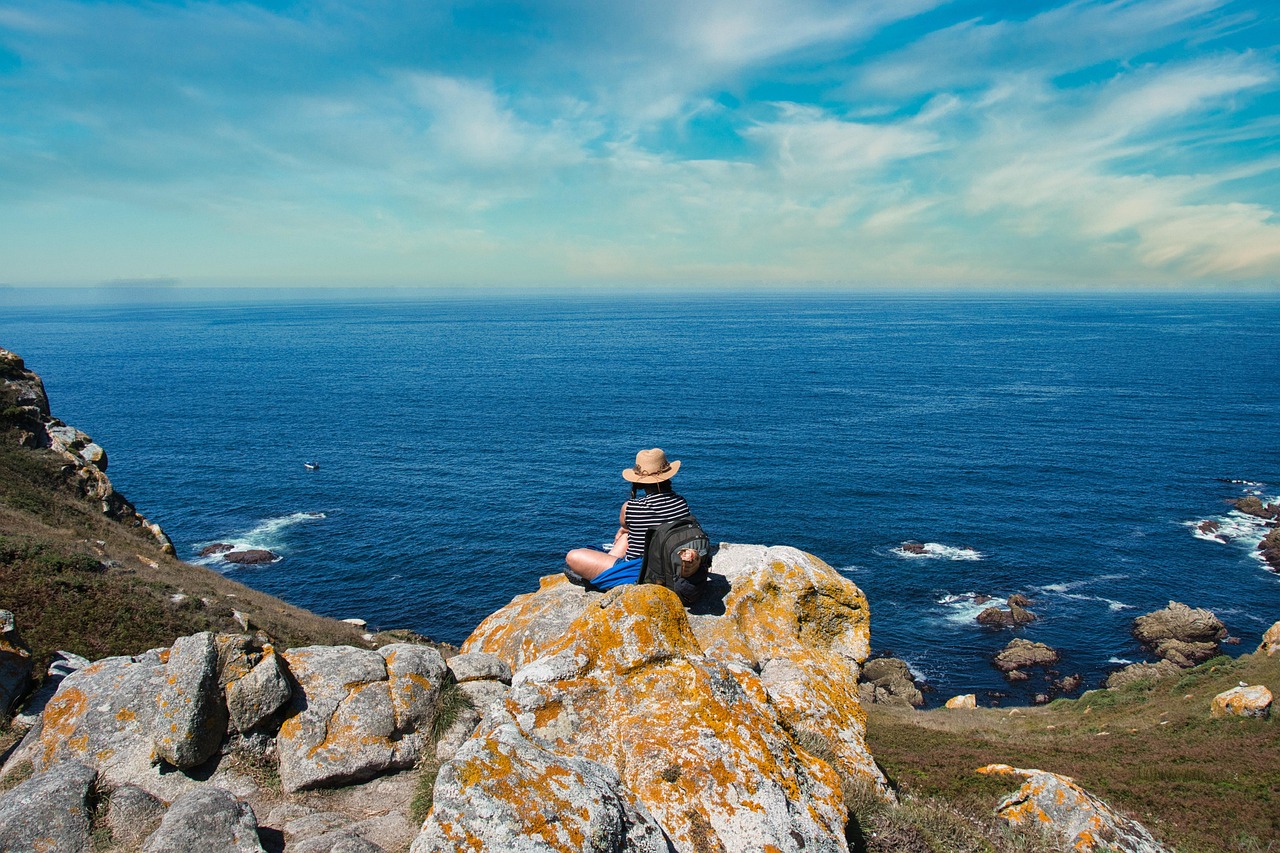
This article ranks the best countries for solo adventure travel. It’s not about party spots or luxury beach resorts. This is for solo travelers who want active, outdoor-focused trips—hiking, climbing, kayaking, trekking, and genuinely immersing yourself in the landscape. Each destination here was assessed on three things: safety for a solo traveler, variety of adventure activities, and how easy it is to get around and meet people. The list comes from personal experience and research. You’ll get comparisons, tradeoffs, and honest advice about what each destination is actually like to travel alone. If you know what kind of adventure you want, jump ahead to the country that fits. If you’re still deciding, read through and you’ll have a clear picture by the end.

Why Trust This List? How I Assessed Each Destination
I’ve traveled solo to over 40 countries, many of them on adventure-focused trips. Some were easy. Some were genuinely tough. The destinations here made the cut because they meet three core criteria. First, safety for solo travelers. That means low violent crime rates in tourist areas, reliable public transport, and a culture where solo travelers (including women) can move around without constant vigilance. Second, variety of adventure activities. There’s no point going somewhere that only has one decent hike. I looked for places where you can mix it up—hike one day, dive the next, or climb a peak on a whim. Third, ease of logistics. Good hostels, English widely spoken, and a travel infrastructure that doesn’t require a tour operator for everything. This isn’t a generic ‘best of’ list. It prioritizes destinations where a solo traveler won’t feel isolated, overwhelmed, or stuck relying on expensive private tours. If a country doesn’t deliver on those three fronts, it didn’t make the list.
1. New Zealand – The Gold Standard for Solo Adventure
New Zealand is the benchmark for solo adventure travel. It’s safe, English-speaking, and packed with outdoor infrastructure that caters to independent travelers. The Department of Conservation (DOC) maintains a network of huts and campsites on the Great Walks, and the backpacker hostel culture is one of the best in the world. You’ll find shuttles, buses, and rideshare options that connect all the major trailheads. The South Island is where most of the dramatic scenery is—Milford Sound, the Routeburn Track, and Aoraki/Mount Cook. The North Island has better geothermal areas and the Tongariro Alpine Crossing, a must-do day hike. The tradeoff is cost. New Zealand is not cheap. Food, accommodation, and activities add up quickly. But for a first-time solo adventurer who wants hiking and nature without worrying about safety or language barriers, it’s hard to beat. If you’re flying in, bring a solid pair of hiking boots that are already broken in, and a waterproof jacket. The weather changes fast, especially in the mountains. Travelers who frequently hike wet trails may appreciate waterproof hiking boots that stay comfortable mile after mile. New Zealand is the gold standard, but it might not suit everyone. It’s expensive and can feel isolated if you’re not careful. If budget is a major concern, it’s worth looking at cheaper alternatives first.
2. Nepal – High-Altitude Solo Hiking Without the Crowds
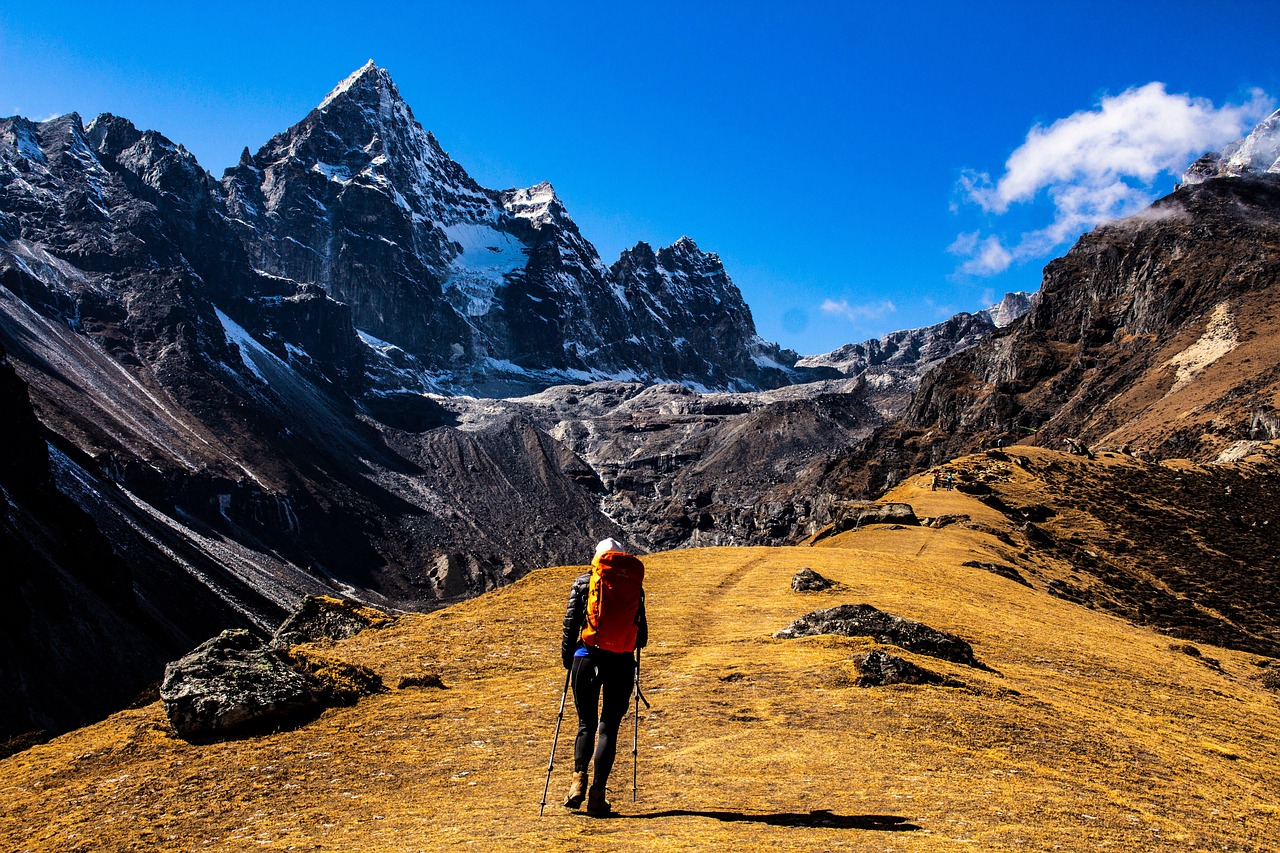
Nepal is the best choice for serious trekkers on a budget. The Annapurna Circuit and the Everest Base Camp trek are the two most famous routes, and for good reason. The teahouse culture means you can hike for days without carrying a tent or cooking gear. You walk from village to village, sleep in lodges, and eat warm meals. That makes solo trekking much easier than in many other mountain ranges. There is a common misconception that you need a guide for all trails. You don’t. The Annapurna region and many sections of the Everest region can be hiked independently. You do need a guide for certain restricted areas, like Upper Mustang or the Manaslu Circuit, and it’s a good idea to have one if you’re not experienced with altitude. Altitude sickness is a real risk and should not be underestimated. The tradeoff with Nepal is physical difficulty. The trails are steep, the altitude is high, and the infrastructure is basic compared to New Zealand. But it’s significantly cheaper and offers a cultural depth you won’t find in the Alps or the Rockies. For trekkers concerned about staying hydrated without buying plastic bottles, a water filter bottle is a smart addition to your daypack. Best for experienced hikers or anyone willing to train for a proper physical challenge.

3. Costa Rica – Central America’s Most Solo-Friendly Adventure Hub
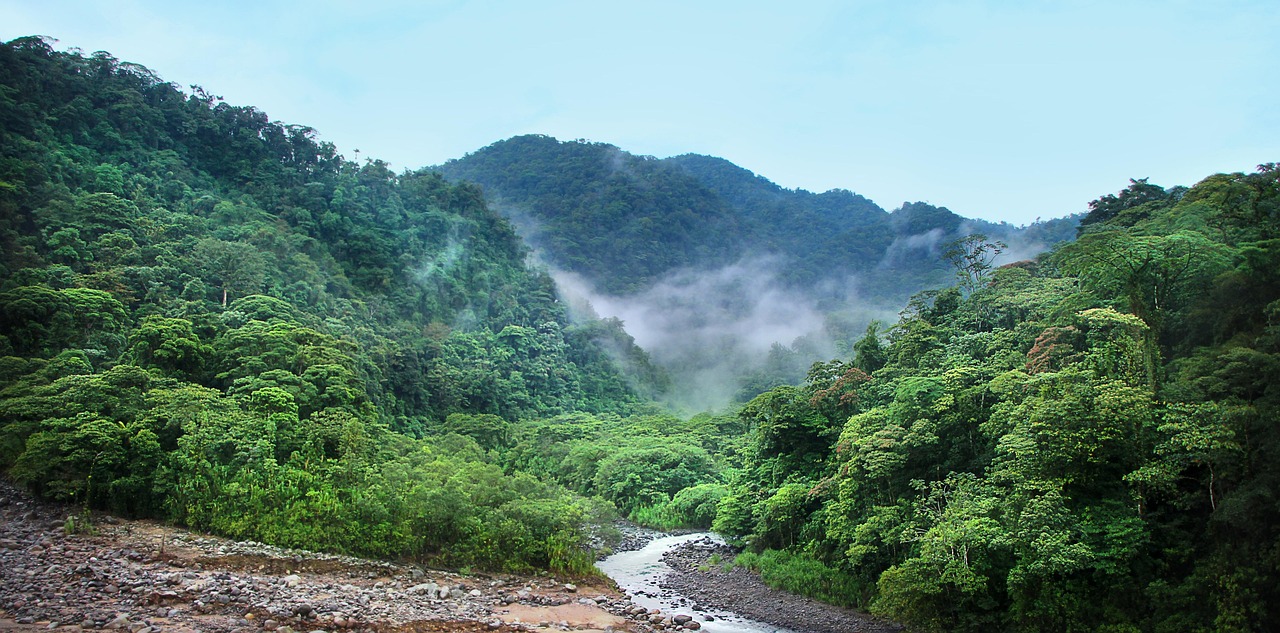
Costa Rica is the most solo-friendly country in Central America for adventure travelers. It’s safer than its neighbors, has a well-developed bus network, and the ‘Pura Vida’ culture makes solo travel less isolating. You’ll find group tours for almost every activity—whitewater rafting on the Pacuare River, ziplining through cloud forests, and hiking active volcanoes like Arenal. This is a place where it’s easy to join a group for a day and then head off on your own the next. The Osa Peninsula and Corcovado National Park offer some of the best wildlife viewing in the world. The Nicoya Peninsula has quieter beaches and good surfing for beginners. The main tradeoff is cost. Costa Rica is more expensive than Nicaragua or Panama, but you pay for safety and ease of logistics. If you’re a first-time solo adventurer who prefers guided group activities, this is a great starting point. Travelers tackling rainforest tours often find a waterproof phone case useful for sudden downpours and river crossings. Best for nature lovers and solo travelers who want structure without being locked into a full package tour.
4. Portugal – A Budget-Friendly European Adventure Base
Portugal is the best entry point for solo adventure travel in Europe. The Algarve coast offers sea kayaking, cliff hiking, and surf-friendly beaches. The Azores islands are a separate world—volcanic craters, hot springs, and whale watching in a setting that feels genuinely remote. Lisbon and Porto are excellent bases with strong hostel cultures and easy access to nearby natural areas. The cost is significantly lower than Iceland, Switzerland, or Norway. You can eat well, stay in decent hostels, and still afford activities. The tradeoff is that Portugal’s adventure options are less extreme than Nepal or New Zealand. You won’t find technical mountaineering or multi-day treks at high altitude. But for a solo traveler who wants a mix of culture, moderate outdoor activities, and a social hostel scene, it’s one of the best options in Europe. For day trips from these cities, a lightweight daypack makes carrying water and layers easy without weighing you down. Best for solo travelers who want a European adventure without the high price tag and who prefer a blend of culture and moderate activities.
5. The Tradeoff: New Zealand vs. Nepal vs. Costa Rica
Here’s a quick comparison to help you narrow down your choice based on budget, difficulty, and adventure type.
- New Zealand: High cost. Easy logistics. Low physical difficulty (well-marked trails, hut system). Best for hiking, kayaking, and nature. Safest option overall. Ideal for first-time solo adventurers with a comfortable budget.
- Nepal: Low cost. Moderate logistics (basic but functional). High physical difficulty (altitude, steep terrain). Best for trekking and cultural immersion. Requires more self-sufficiency. Ideal for experienced hikers or anyone willing to train hard.
- Costa Rica: Moderate cost. Easy logistics (good bus network, group tours). Low to moderate physical difficulty. Best for biodiversity and guided activities (rafting, ziplining, wildlife). Safer than other Central American options. Ideal for nature lovers who want a mix of independent and group travel.
6. Iceland – Otherworldly Landscapes, But Be Prepared for Costs
Iceland delivers landscapes that feel like another planet—glaciers, volcanoes, black sand beaches, and geothermal hot springs. It’s also one of the safest countries in the world. The challenge is cost. Iceland is expensive. Accommodation, food, and especially rental cars will eat through your budget quickly. For solo travelers, the best approach is to either use the public bus system in summer (which connects Reykjavik to major natural attractions) or join a small group tour. Renting a car alone is doable but adds significant expense. The weather is unpredictable year-round, and trails can close suddenly due to conditions. Layering is key to comfort here; a thermal base layer helps regulate temperature on cold and windy days. A good reusable water bottle will save you money since tap water is excellent everywhere. Best for solo travelers with a higher budget who want a once-in-a-lifetime landscape-focused trip. Not ideal if you’re on a tight budget or prefer social hostel scenes.
7. Thailand – The Classic Solo Adventure Starter Destination
Thailand is the classic starting point for solo adventure travel. The north, centered around Chiang Mai, offers jungle trekking, ethical elephant sanctuaries (do your research on which ones are truly ethical), and rock climbing at Crazy Horse Buttress. The south has world-class rock climbing in Krabi and diving around Koh Tao. The backpacker trail is well-worn, which means it’s easy to find tours, transport, and accommodation. The cost is low, and the food is excellent. The main tradeoff is overcrowding. Popular spots like Koh Phi Phi and Railay Beach are busy. If you want solitude, you need to go off the beaten path, which takes more planning. For a first-time solo adventurer, the infrastructure and low cost make it hard to beat. A quick-dry towel is a space-saving item for humid climates and hostel stays. A good quality padlock is also useful for hostel lockers. Best for first-time solo adventurers and budget travelers who want a mix of activities and a strong social scene.

8. Colombia – A Rising Star for the Adventurous Solo Traveler
Colombia is one of the most underrated destinations for solo adventure in Latin America. The Cocora Valley offers some of the most unique hiking in the world—towering wax palms and cloud forest trails. San Gil is the adventure capital of the country, with whitewater rafting, paragliding, and caving. Cartagena provides a cultural contrast with colonial architecture and Caribbean beaches. Safety is a legitimate concern, but it’s manageable if you stick to tourist corridors, use common sense, and avoid risky areas at night. The tradeoff is a language barrier. English is not widely spoken outside tourist zones, so a basic level of Spanish is helpful. The value for money is excellent, and locals are genuinely warm and helpful. For those navigating new cities, a Spanish phrase book can be a practical addition for communicating in markets and bus stations. Best for solo travelers with some experience who want a mix of adventure and culture off the beaten path.
9. Quick Look: 3 More Countries Worth Considering
Norway: Fjords, glaciers, and world-class kayaking. Extremely safe, but expensive. Best for solo travelers willing to invest in a high-cost, high-reward adventure focused on dramatic landscapes.
Peru: The Inca Trail to Machu Picchu is a classic. The Colca Canyon is less crowded but equally impressive. Good for beginner trekkers if you join a guided tour. Altitude is a factor, but the infrastructure is solid.
Japan: The Kumano Kodo pilgrimage trails in the Kii Peninsula offer a unique blend of hiking and culture. The country is safe, orderly, and has excellent public transport. The challenge is social isolation—it can be harder to meet other solo travelers compared to hostel-heavy destinations.
Common Mistakes Solo Adventurers Make (And How to Avoid Them)
I’ve made most of these mistakes myself. Here’s what to avoid. First, overpacking. You don’t need five pairs of shoes. You need one pair of trail runners or hiking boots, one pair of sandals, and one pair of casual shoes. Everything else is excess weight. Second, skipping travel insurance. If you’re doing adventure activities—hiking at altitude, diving, rafting—you need insurance that covers emergency evacuation. It’s not optional. Third, ignoring altitude sickness. It can hit anyone, regardless of fitness. Acclimatize properly. Don’t ascend more than 300 meters per day above 2,500 meters. Fourth, underestimating local transport. In Nepal, a local bus is different from a tourist bus. In Colombia, it’s different again. Research transport options before you arrive. A travel insurance policy for solo adventure is one of the most important items to secure before departure. Packing cubes also help keep your gear organized in hostels.
How to Choose the Right Country for Your Solo Adventure
Start with three questions. First, what type of adventure do you want? Hiking and trekking point toward New Zealand, Nepal, or Peru. Water sports and jungle activities point toward Costa Rica or Thailand. Cultural depth points toward Colombia or Japan. Second, what’s your budget? If you have a flexible budget and want comfort, New Zealand or Iceland. If you want to stretch your money, Nepal or Thailand. Third, what’s your experience level? First-time solo adventurers should start with New Zealand, Portugal, or Thailand. Experienced travelers can handle the logistics of Nepal or Colombia. If you want to push your limits and don’t mind roughing it, start with Nepal. If you want comfort and scenery with excellent infrastructure, go to New Zealand. Use these questions to filter the list and you’ll find the right fit quickly.
Final Tips for Planning Your Solo Adventure Trip
Three things matter more than anything else when planning a solo adventure trip. First, always buy travel insurance. Don’t skip it. Second, pack light. You’ll carry everything on your back. A 40-liter pack is usually enough. Third, book the first night’s accommodation in advance. It removes stress when you land in a new country. Leave a copy of your itinerary with someone back home. It’s a simple safety net that costs nothing. Use the links in this article to check current prices for gear or insurance for your chosen destination. The best time to go is when you’re ready. Book smart, travel safe, and enjoy the adventure.
Best Adventure Travel Destinations for Solo Travelers: Where to Go & What to Know
Solo Backpacking Australia: The Complete Route & Planning Guide
How to Book Adventure Travel on a Budget: Practical Tips for Planning Without Breaking the Bank
The Best Solo Female Hiking Tours & Guided Adventures: A Practical Guide