How to Book Adventure Travel on a Budget: Practical Tips for Planning Without Breaking the Bank
Introduction
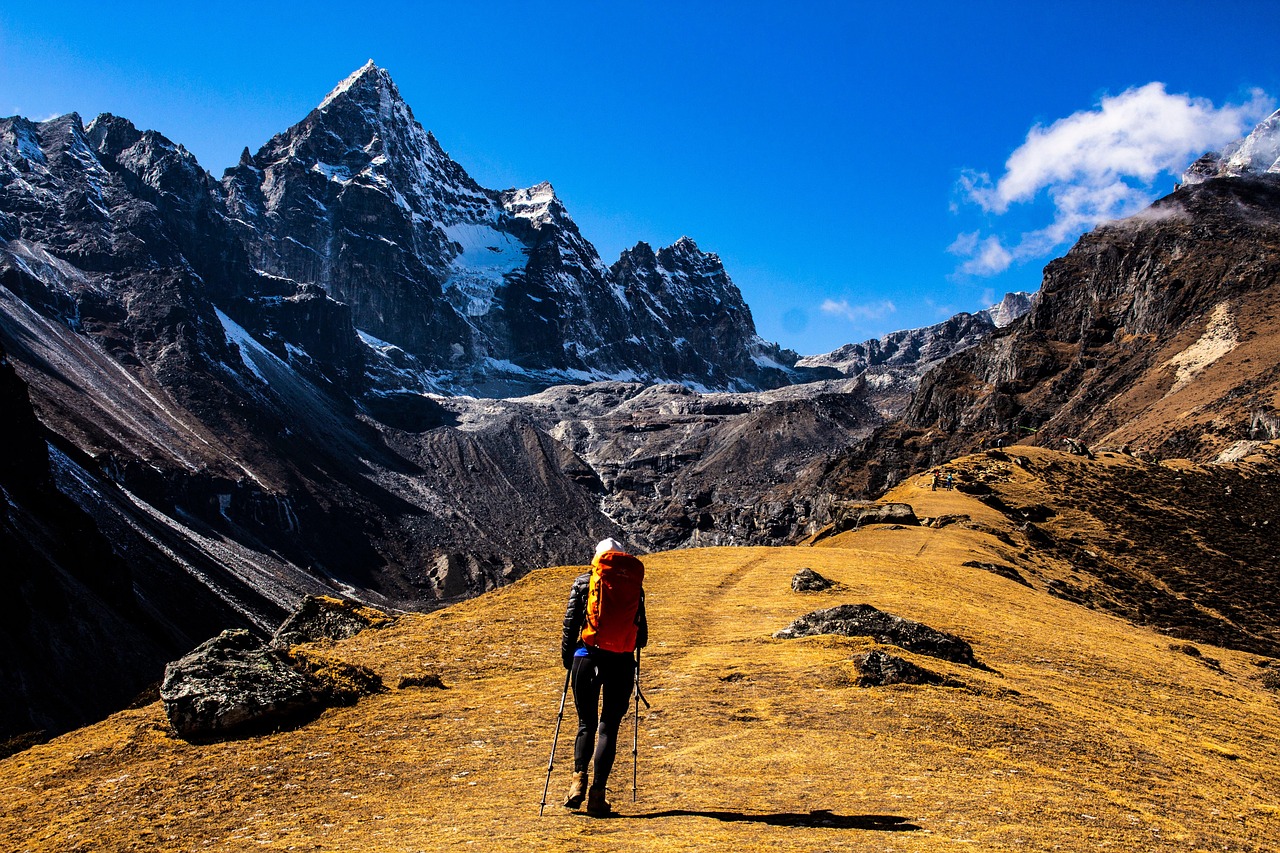
For years, the travel industry has done a great job convincing us that adventure travel costs a fortune. You see glossy images of heli-hiking in British Columbia, luxury safaris in Tanzania, or guided Everest Base Camp expeditions, and the price tag makes you feel like that world isn’t for the average traveler. I’ve seen that misconception stop more people than lack of ambition. I’ve spent over a decade planning trips on a realistic budget, and I can tell you that the core of adventure—being outside, pushing yourself, exploring the unknown—is often cheaper than a standard beach vacation. This article covers practical budget adventure travel tips for planning trips that deliver on excitement without emptying your bank account. We’ll talk flights, destinations, gear, and the tradeoffs that actually save you money. Skip the packaged tours. The real adventure starts with the planning.

Why Adventure Travel Doesn’t Have to Be Expensive
The biggest barrier I hear from people isn’t time or fitness. It’s the belief that adventure travel is inherently expensive. That belief comes from confusing “adventure” with “luxury adventure.” A guided luxury trek in Patagonia with heated lodges and porters can cost $5,000 for a week. But trekking independently on the same trails, camping at designated sites, and cooking your own meals might run $500. The mountains, the solitude, the physical challenge—the core experience—is nearly identical.
There are always tradeoffs. More planning usually means less cost. More flexibility usually means fewer frills. But these aren’t bad tradeoffs. The planning process itself is part of the adventure. Camping instead of glamping gives you more control. Cooking your own meals keeps you away from overpriced tourist restaurants. Taking local transport instead of private shuttles gives you a better feel for the place. This isn’t about finding loopholes or hack deals. It’s about understanding where your money actually goes and whether the cost is worth the convenience. Most of the time, it isn’t.
The Single Biggest Mistake Budget Adventure Travelers Make
The mistake I see over and over is booking a fully packaged tour before doing any research on DIY options. Say you want to do the Inca Trail to Machu Picchu. A reputable tour operator might charge $600 for a four-day trip. That includes guides, porters, food, and tents. But if you book the trail permit yourself for about $150, rent gear in Cusco for $50, and bring food from the local market, you’re looking at under $300. The main difference is you organize your own group and carry your own pack.
This applies everywhere. Kayaking in Croatia, trekking in Nepal, even climbing Kilimanjaro—the packaged price includes a massive markup for convenience and marketing. My rule is simple: always price out the DIY version first. If the logistics seem too complex or unsafe, then consider a guide. But do the research first. Most budget travelers I know book one or two critical tours for safety (like technical climbs) and handle the rest themselves.
How to Find Cheap Flights for Adventure Trips
Flights are usually the biggest single expense, so getting this right sets the entire budget. There are specific tactics that work. Travelers who need a lightweight carry-on that fits budget airlines may want to consider an ultralight travel backpack for flexibility on multi-leg flights.
- Use aggregators with filters. Google Flights and Skyscanner are my go-tos. The key is using the “Explore” feature on Google Flights. Pick a general region (like Southeast Asia or the Balkans) and see where round-trip tickets are cheap that month. I’ve found $300 tickets to Guatemala and $400 tickets to Nepal this way.
- Flexible dates matter. If you can move your departure by just three days, you can often save 30% to 40%. Midweek flights are almost always cheaper. Tuesday and Wednesday departures are the sweet spot.
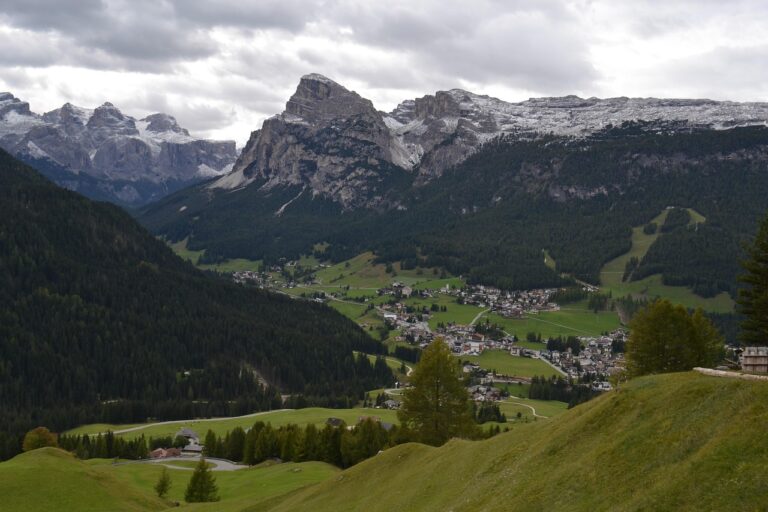
- Secondary airports. Flying into a smaller airport can save money and time. For Patagonia, fly into Santiago instead of Buenos Aires. For the Dolomites, fly into Venice or Milan instead of the expensive Innsbruck option. Just factor in ground transport costs.
- Real timing tips. The incognito mode myth is mostly debunked. Prices don’t spike because you searched twice. But booking early is real—domestic flights about 6 to 8 weeks out, international about 3 to 4 months. Sign up for price alerts on a service like Going (formerly Scott’s Cheap Flights) and be ready to pull the trigger when the price drops.
A good travel rewards card with no foreign transaction fees can also cut costs if you use it strategically for flights and gear purchases. But don’t go into debt for points. Cash is always cheaper if you’re disciplined.
Choosing Budget-Friendly Destinations That Still Deliver on Adventure
Some destinations are naturally cheaper than others for the same type of adventure. Here’s a comparison of destinations that maximize your budget.
Guatemala vs. Costa Rica. Costa Rica is famous for adventure—zip-lining, rafting, volcanoes—but it’s expensive. A week of adventure activities easily runs $1,200 to $1,500 including mid-range accommodation. Guatemala offers similar volcanic hikes, jungle treks, and lake kayaking at half the cost. Daily budgets can fall under $40. The tradeoff? Lower English fluency, less tourist infrastructure, and some safety considerations in cities. For the adventurous traveler comfortable with local buses and basic Spanish, Guatemala is a sleeper hit.
Portugal vs. New Zealand. New Zealand is the gold standard for adventure travel but it’s also pricey, especially for accommodation and food. Portugal offers world-class hiking in the Azores, surf beaches along the Algarve, and the Peneda-Gerês National Park. You can keep daily costs under $60. The tradeoff? New Zealand has more dramatic scenery and easier access to multi-day treks. Portugal’s adventure scene is smaller but still solid for a week-long trip.
Nepal vs. Peru. Both are classic budget adventure destinations. Nepal is probably the cheapest per day for trekking—$20 to $30 per day for food, lodging, and permits on the Annapurna Circuit. Peru’s Cusco region is slightly more expensive, around $40 to $50 per day for similar self-guided trekking. Both are safe for independent travel with good infrastructure. The choice comes down to altitude preference and time zone.
When choosing, always check the shoulder seasons. Traveling in April-May or September-October saves you 20-30% on everything while avoiding the worst crowds.

Where to Stay: Accommodation Strategies for the Budget Adventurer
Skip the hotels unless you need a specific comfort after a multi-day trek. For most budget adventures, the best options are hostels with private rooms, camping, and homestays.
Hostels with private rooms give you the social atmosphere of a hostel and a lockable door for gear storage. They’re often the cheapest private accommodation available. Look for ones with a kitchen so you can cook. Read recent reviews about noise if you plan early-morning starts.
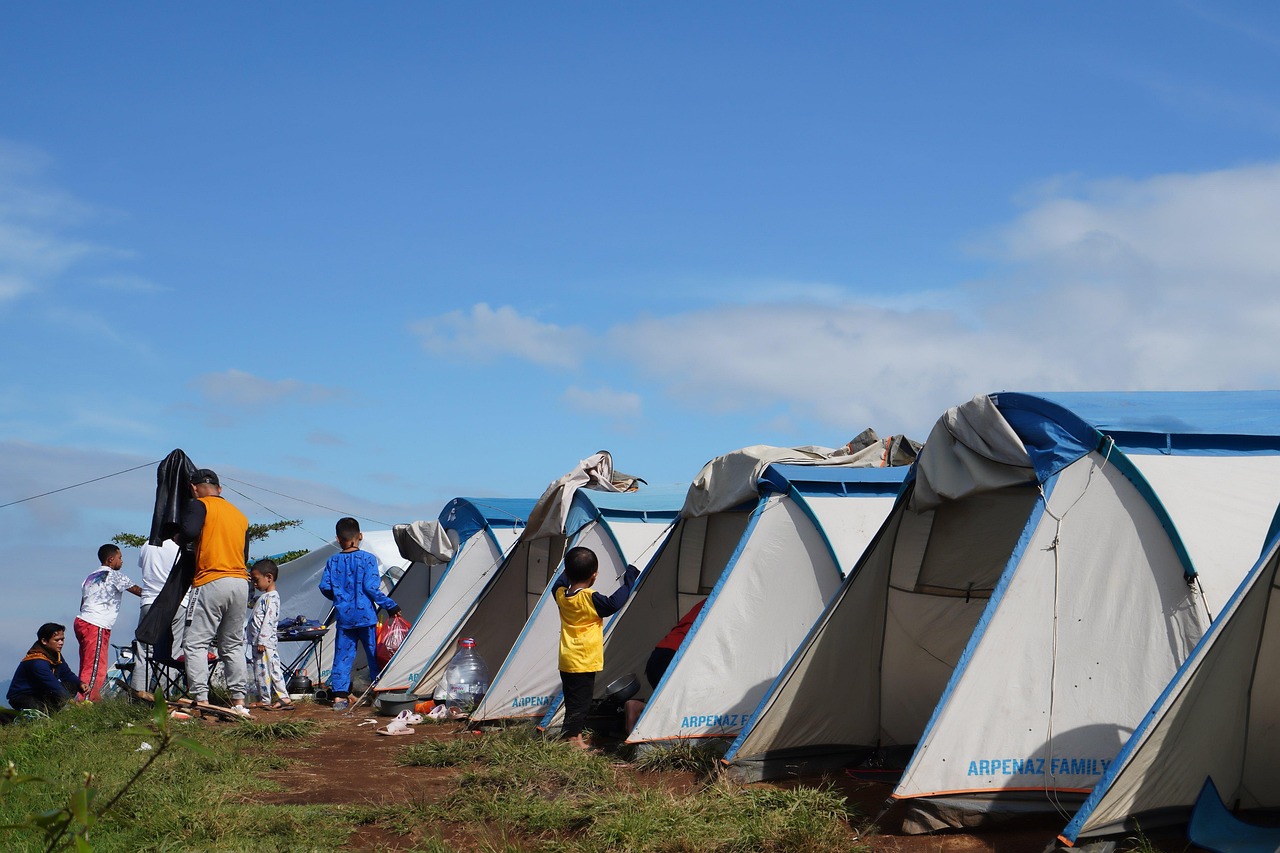
Camping is the ultimate budget strategy. If you are car camping, a quality tent and sleeping bag pay for themselves after five nights versus cheap hotels. For backpacking, a lightweight tent is worth the investment. I recommend the REI Co-op Half Dome SL 2+ Tent. It’s roomy for two, under $230, and durable enough for moderate weather. If that’s too much, rent gear locally. Most adventure towns have gear rental shops that rent tents, sleeping bags, and stoves for $10 to $15 per day each. Check online in advance to ensure availability. Avoid renting for more than a few days unless you’re testing gear for a future purchase.
Homestays are common in places like Nepal, parts of Peru, and rural Iceland. They cost a fraction of hotels and usually include meals. The tradeoff is basic amenities and little privacy. For solo travelers, homestays offer a cultural experience hotels can’t replicate.
Gear on a Budget: What You Actually Need vs. What You Can Skip
You don’t need $500 hiking boots or a $300 jacket to have a successful adventure. Here’s the breakdown of essentials and hype.
- Footwear. This is the one thing I don’t skimp on. A good pair of trail runners or lightweight hiking boots (like the Merrell Moab 3 at around $120) will last years. Cheap boots lead to blisters and injuries.
- Water filter. A portable water filter like Sawyer Squeeze or LifeStraw costs $20-$40 and saves you from buying bottled water. This pays for itself within days.
- Dry bags. Keep electronics and clothes dry. A set of three Sea to Summit dry bags runs under $50. Not negotiable for river trips or rainy treks.
- Sleeping bag. Rent this instead of buying unless you camp frequently. Rental quality varies, so check condition before accepting.
- GPS watch. Skip it unless you are doing remote backcountry routes. A phone with offline maps (Gaia or AllTrails) works fine for 95% of trips.
- Premium camping stove. A basic MSR PocketRocket or Jetboil is enough for most trips. The expensive multi-fuel stoves are only needed for high-altitude expeditions.
The rule is simple: buy the gear that prevents injury or illness (boots, water filter, shelter), rent or borrow everything else.
How to Book Activities and Tours Without Overpaying
Booking activities directly with local operators is almost always cheaper than using international booking platforms. In Cusco, for example, a three-day trek to Choquequirao costs $250 through a local agency. The same trek on a platform like Viator costs $350 to $400. The advantage of local booking is negotiation—ask if there are discounts for paying cash or booking multiple activities.
But convenience has value. If you are short on time or want the security of a reviewed operator, platforms like GetYourGuide offer free cancellation and price matching. Use them for day trips in cities where haggling feels awkward. For multi-day expeditions, book in person. Always check recent reviews on TripAdvisor or Google Maps for the specific operator, not the platform.
One mistake: never book last minute at the destination without checking online first. Prices on the street are often inflated for tourists. Show the operator the online price and ask if they can match it. Most will.
Saving on Food While on the Trail or in Remote Areas
Food is a sneaky budget killer. In remote adventure areas, restaurants charge a premium for convenience. The solution is planning.
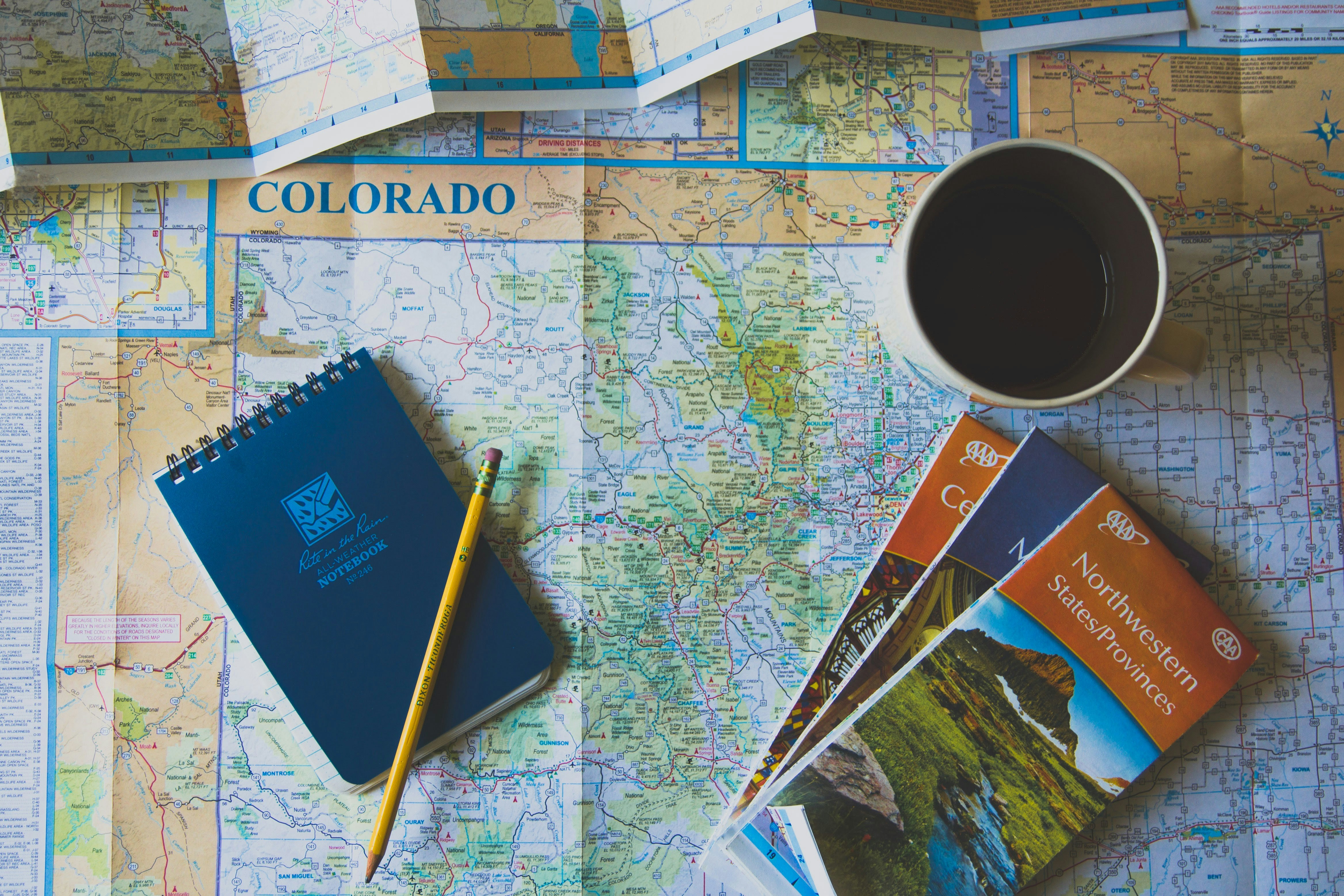
Buy from local markets. Most trail towns have daily markets where you can buy rice, lentils, vegetables, and local bread for a fraction of restaurant prices. Carry a small portable stove like the MSR PocketRocket 2 ($40). It weighs 3 ounces and fits in a pocket. Cook your own meals.
Freeze-dried meals are convenient but expensive—$8 to $12 per pouch. I use them only for multi-day treks where weight matters. For shorter trips, cook from scratch. A typical dinner of pasta, vegetables, and sauce costs under $2 and is just as calorie-dense.
Water purifiers reduce the cost and waste of buying bottled water. A Sawyer Squeeze at $25 is my go-to. It treats 100,000 gallons. You’ll never buy a plastic bottle again.
Transportation on a Budget: Getting Around Once You Arrive
Local transport is where you win or lose your budget.
Public buses are the cheapest option in most developing countries. In Nepal, local buses cost $1 for a three-hour ride. In Peru, collectivos are similarly cheap. The tradeoff is comfort and speed. Buses are crowded, have no schedule, and stop constantly. Learn basic phrases like “how much?” and “where to?”
Rent a car when public transport doesn’t cover your route. In Iceland, renting a small 4×4 and camping is cheaper than taking guided tours or staying in hotels. In Patagonia, renting a car to drive the Carretera Austral saves money compared to booking shuttle services. Factor in fuel costs and rental insurance.
Hitchhiking is common and safe in parts of New Zealand, Iceland, and the Balkans. Use your judgment—travel with a companion, trust your gut, and never get into a vehicle with more than one person you don’t know. I’ve hitchhiked across Slovakia and Norway without issues, but it’s not for everyone.
Whatever you do, have travel insurance that covers rental car damage or gear theft. A policy from World Nomads or SafetyWing costs about $50 per month and covers medical, gear, and trip interruption. It’s not a luxury.
When to Spend More: The One Thing Worth Paying For
Not everything should be cheap. There are a few things where paying more makes you safer and saves you money in the long run.
- A good guide for technical terrain. If you’re climbing a glacier, summiting a 6,000-meter peak, or rafting a Class IV river, don’t go with the cheapest operator. Guide ratios, safety equipment, and experience vary. Pay for a reputable company. One mistake can ruin an entire trip.
- Reliable travel insurance. Cheap insurance often doesn’t cover evacuation or high-altitude activities. Spend the extra $30 for a policy that explicitly covers your sport. Medical evacuation from a remote trail can cost $10,000. Insurance costs $100.
- Proper footwear. I covered this earlier, but it bears repeating. Shoes you don’t trust are shoes that will fail. A $150 pair of boots that fit correctly is cheaper than a $60 pair that ruins your feet and forces you to buy a second pair mid-trip.
The rest—sleeping bags, stoves, clothes—can be budget or rental. Focus your money on things that keep you safe and comfortable.
Realistic Budget Breakdown: What $1,500 Can Get You in 2025
Let’s make this concrete with two scenarios.
Scenario 1: One-week camping and hiking trip in Guatemala.
- Flight (round trip from the US): $350
- Accommodation (4 nights hostel/camping): $80
- Food (market and stove): $100
- Activities (Acatenango volcano hike, Lake Atitlán kayak): $150
- Transport (local buses and shuttles): $60
- Gear rental (tent, stove, sleeping bag): $60
- Miscellaneous (visa, tips, reserves): $50
- Total: $850
You have $650 left for gear or extra days. This is a realistic trip with solid adventure.
Scenario 2: Four-day guided trek in Peru (Inca Trail) with minimal frills.
- Flight (round trip): $450
- Inca Trail permit and guide: $350
- Accommodation (hostels pre and post trek): $100
- Food (mix of market and restaurant): $150
- Transport (airport, collectivos): $50
- Miscellaneous: $100
- Total: $1,200
This is tight but doable. The guided component is the biggest expense, but it’s the non-negotiable part of the experience. Both scenarios work. The difference is how much you want someone else to handle the logistics versus doing it yourself. A budget tracking app like Trail Wallet helps you stay on top of daily spending.

Final Checklist Before You Book
- Price out the DIY version of every major activity before booking a tour.
- Check visa costs and entry fees. Some countries (like Tanzania for Kilimanjaro) have expensive visas.
- Book flights with flexible cancellation or change policies if your itinerary is tight.
- Save at least 10% of your budget for emergencies or unexpected costs.
- Download offline maps and translation apps for your destination.
- Confirm gear availability for rent at your destination before you buy anything new.
- Buy travel insurance that covers your specific activities.
Following these steps doesn’t guarantee a perfect trip, but it does guarantee you won’t overpay. Adventure travel on a budget isn’t about cheapness. It’s about intentional spending. Put your money where it matters for safety and experience, and save everywhere else. That’s how you see the world without breaking it.