Best Safari Destinations in Africa for First Timers: A Practical Guide
Introduction
If you’re reading this, you’re probably at the stage where the idea of an African safari feels equal parts thrilling and overwhelming. You have a long list of countries, parks, and lodges, and you’re not sure where to start. That’s exactly why this africa safari for first timers guide exists. The truth is that not every safari destination is a good fit for someone who has never done this before. Some are too remote, some are too expensive, and some create more logistical headaches than they’re worth.
Picking the right starting point is the single most important decision you will make for a successful first trip. Get it right, and you’ll spend your days actually enjoying wildlife instead of dealing with complicated transfers or unexpected costs. Get it wrong, and you risk burnout before you even see a lion. This guide cuts through the hype and compares destinations based on what actually matters for a first timer: ease of access, safety, wildlife density, and practical logistics.

What Makes a Safari Destination Good for a First Timer?
Before looking at specific countries, it helps to know what separates a beginner-friendly safari from one that is better left for a second or third trip. I have broken this down into five practical criteria that I use whenever someone asks me where they should go for the first time.
- Ease of access. You want a destination with direct or short connecting flights from major hubs. Long, multi-leg journeys with charter planes add cost and stress.
- Wildlife density and visibility. First timers often have limited time. You want a park where animals are regularly spotted without spending hours searching. High-density parks like the Serengeti or the Ngorongoro Crater deliver consistently.
- Accommodation variety. You need options across budget ranges. A good destination offers everything from budget campsites to luxury lodges.
- Safety and health infrastructure. You want a country with good roads, reliable medical facilities, and manageable malaria risk.
- Language. English-speaking guides and staff make everything easier for most travelers. Travelers who need a quick reference can check a safari planning guide for practical tips on destinations.
These are the basic filters. If a destination fails on several of these, it is generally better to save it for later.
The Big Five vs. The Bigger Experience: Setting Realistic Expectations
One of the most common traps for first timers is obsessing over the Big Five (lion, leopard, elephant, rhino, buffalo). I understand why it happens. The term is iconic, and everyone wants a checklist to measure their trip by. But spending your entire safari worrying about ticking off all five animals is a mistake.
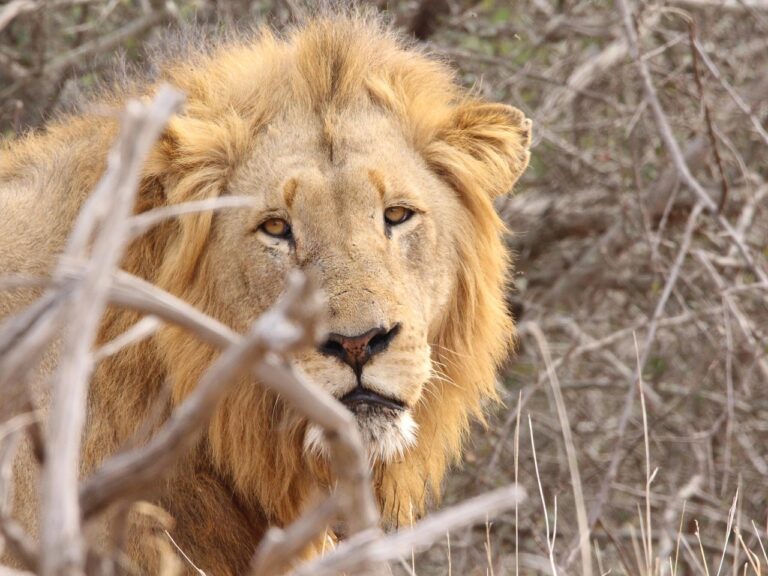
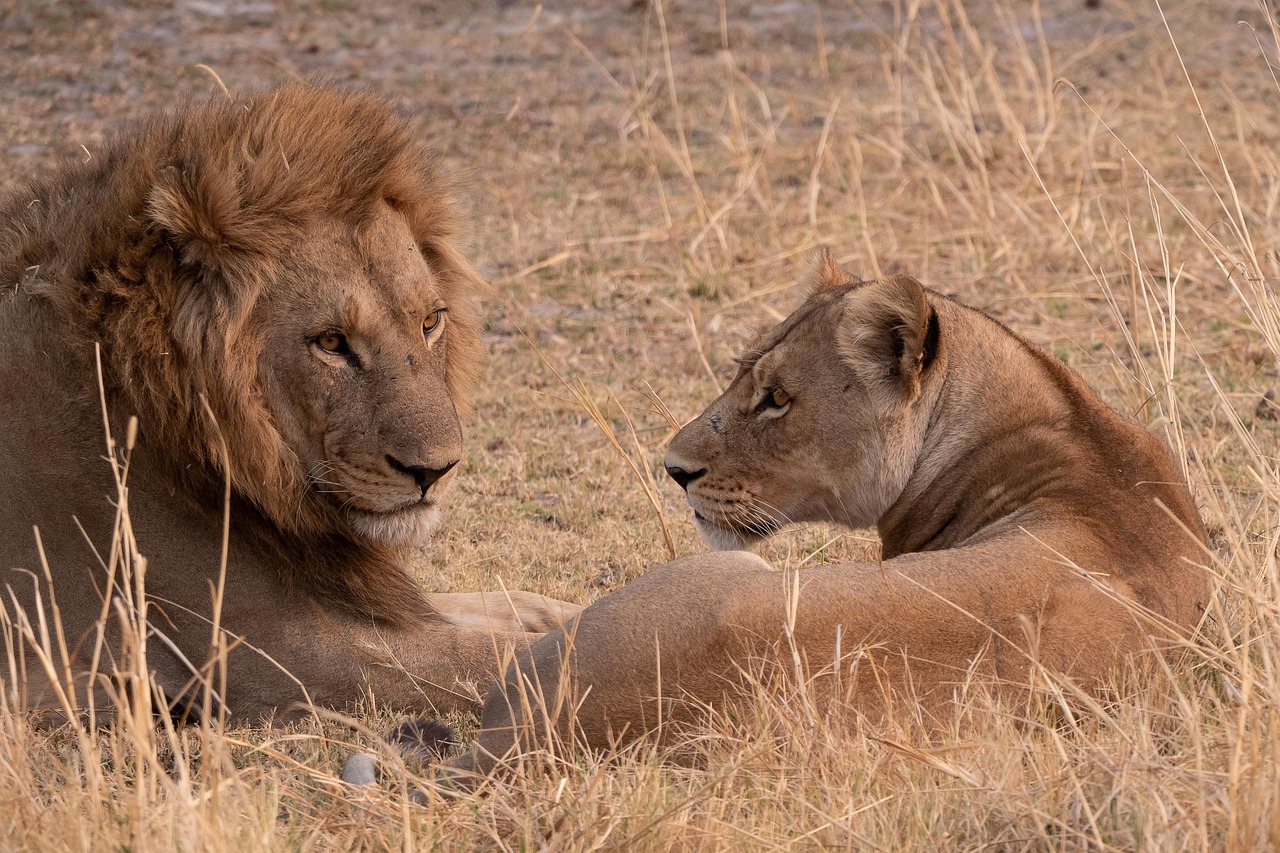
A normal game drive involves a lot of waiting and a lot of driving. You might see a lion sleeping under a bush for forty minutes. You might find a herd of elephants at a watering hole and just watch them drink. That is the reality of a safari, and it is profoundly rewarding if you let go of the checklist mentality.
Another tradeoff worth understanding is between popular parks and less famous ones. Parks like Kruger or the Masai Mara offer high densities of the Big Five, but they are also crowded, especially in peak season. You will share sightings with other vehicles. Less famous parks like Etosha in Namibia have fewer cars and a more solitary feel, but you may not see all of the Big Five. For a first trip, I usually recommend starting in a high-density park because it increases your chances of memorable sightings early on. Save solitude for your second safari.
Top Pick: South Africa (Kruger National Park & Private Reserves)
For most first timers, South Africa is the obvious starting point. Kruger National Park and the adjacent private reserves like Sabi Sand offer the best balance of wildlife, infrastructure, and affordability that you will find anywhere in Africa.
The roads inside Kruger are paved and well-maintained. You can actually self-drive your rental car through the park and spot animals at your own pace, something you cannot easily do in most East African parks. Accommodation ranges from basic rest camps inside the park that cost around $50 per night to luxury lodges that run well over $500. There is something for every budget.
English is widely spoken. Johannesburg and Cape Town have direct international flights. Malaria risk exists in Kruger but is manageable with prophylaxis. You do not need a complicated internal flight network to string together a good trip.
The downsides. Self-driving Kruger requires planning. You need a good map, enough fuel, and supplies if you are staying in rest camps. Peak season (June to September) can be crowded, and you may queue at gates. Private reserves are more expensive but also far less crowded.
Practical advice. If you are booking a self-drive trip, buy a detailed map of Kruger in advance. If you prefer a guided experience, look for a three or four-day tour from Johannesburg that includes pickup and all transfers. Either way, do not cheap out on binoculars. A good pair makes the difference between seeing a leopard in a tree and just seeing a tree. I recommend the 8×42 binoculars on Amazon for a solid balance of weight and magnification.

Best for First-Time Wildlife Density: Tanzania (Ngorongoro Crater & Serengeti)
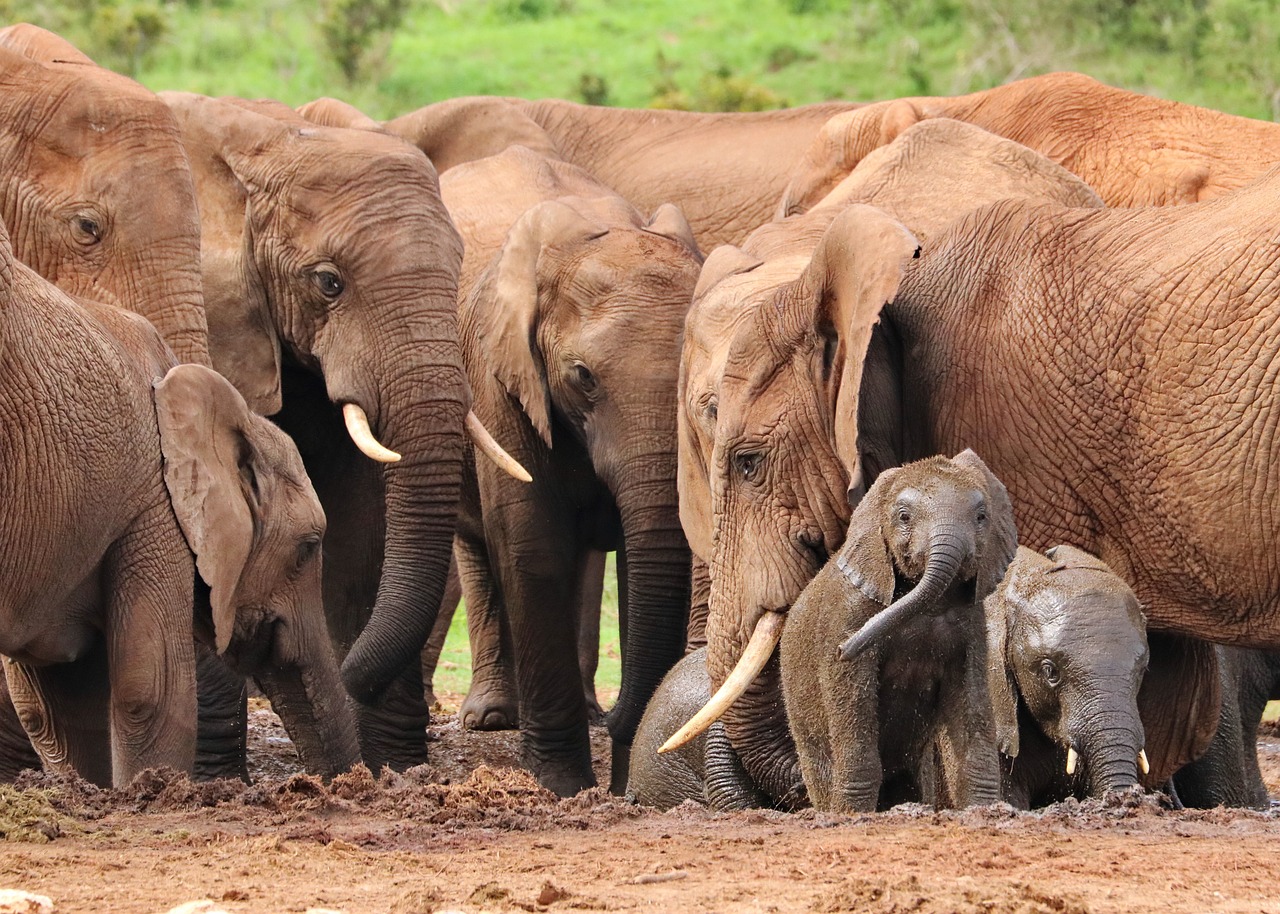
If your main priority is seeing a massive concentration of wildlife in a short time, Tanzania is hard to beat. The Ngorongoro Crater is essentially a natural enclosure where animals cannot leave. You will see lions, elephants, zebras, and wildebeest within an hour of driving in. The Serengeti offers the Great Migration, which is an extraordinary spectacle if you time it right.
Tradeoffs. Tanzania is more expensive than South Africa. You will almost certainly need a guided tour because self-driving is not practical in most parks. You also need a longer flight time, often connecting through Nairobi or flying direct into Kilimanjaro Airport.
Best time to see the migration. December to July is when the herds are in the Serengeti. Calving season (January to March) is excellent for predator sightings. August to October is the river crossing season in the northern Serengeti.
What to pack. It gets hot in the Serengeti and surprisingly cold at the crater rim in the early morning. Layers are essential. A good safari hat and a high-SPF sunscreen are non-negotiable. The sun burns fast at high altitude. I recommend a wide-brimmed safari hat and a reef-safe sunscreen with SPF 50.
The Easiest Logistical Choice: Kenya (Masai Mara & Amboseli)
Kenya is similar to Tanzania in terms of wildlife but slightly easier for short trips. The Masai Mara is the northern extension of the Serengeti ecosystem, so the migration happens there from July to October. Amboseli National Park offers the famous view of elephants walking in front of Mount Kilimanjaro.
Logistically, Kenya works well for first timers because Nairobi has excellent international connections and you can reach multiple parks within a few hours by road or a short flight. English-speaking guides are everywhere, and the safari camp infrastructure is well developed.
Comparing Kenya to Tanzania. Kenya is slightly cheaper for shorter trips because you spend less time on internal transfers. If you only have five to seven days, a Kenya safari is easier to organize. Tanzania rewards longer stays.
Practical tip. If you take a guided safari that includes a cultural visit to a Masai village, be respectful and ask your guide about appropriate behavior before you go. Also, consider packing a travel camera with a good zoom lens. A 200mm lens is a minimum for decent wildlife photography. Check out the travel cameras with zoom lenses on Amazon for some solid options.
The Budget-Friendly Option: Namibia (Etosha National Park)
Namibia offers a different kind of safari, but it is surprisingly friendly for first timers, especially if you are budget-conscious. Etosha National Park is a vast, semi-desert landscape around a massive salt pan. The wildlife gathers around permanent waterholes, so you can often sit at a waterhole and watch animals come to drink without driving around all day.
Why Namibia works for first timers. The roads are excellent. You can easily self-drive a normal sedan rental in Etosha. Campsites are cheap and well-maintained, and park entry fees are lower than in East Africa. There are also mid-range lodges and luxury options, so you can mix and match.
Tradeoffs. Wildlife density is lower than in the Serengeti or Kruger. You will not see the sheer numbers of animals that you would in East Africa. But you will see unique species like oryx, springbok, and desert-adapted elephants. The landscapes are stunning, and the parks are far less crowded.
What you need. A good self-drive planning book is essential. The GPS in Namibia is reliable, but a portable GPS or a downloaded offline map is a smart backup. Pack a portable GPS device or use your phone with offline maps.
Destinations to Skip (or Save for Later)
Not every iconic destination is right for a first trip. Botswana’s Okavango Delta is often listed as one of the world’s best safari destinations, and it is incredible. But it is also expensive, requires fly-in camps that cost thousands of dollars per night, and involves complex multi-leg charter flights. For a first safari, it creates more stress than it is worth. Save it for your second or third trip when you know exactly what you want.
Similarly, remote parts of Zambia like the Luangwa Valley are fantastic for walking safaris but have limited accommodation options and require longer flights. These destinations reward experienced travelers who know how to handle rough roads and basic camp conditions. For a first timer, they are more likely to be a logistical nightmare than a dream trip.
Accommodation Types: Safari Lodge, Tented Camp, or Budget Campsite?
Your accommodation choice has a big impact on your experience. Here is a practical breakdown.
- Luxury lodges. All-inclusive with meals, drinks, game drives, and transfers. Expensive but effortless. Ideal if you want to just show up and have everything handled.
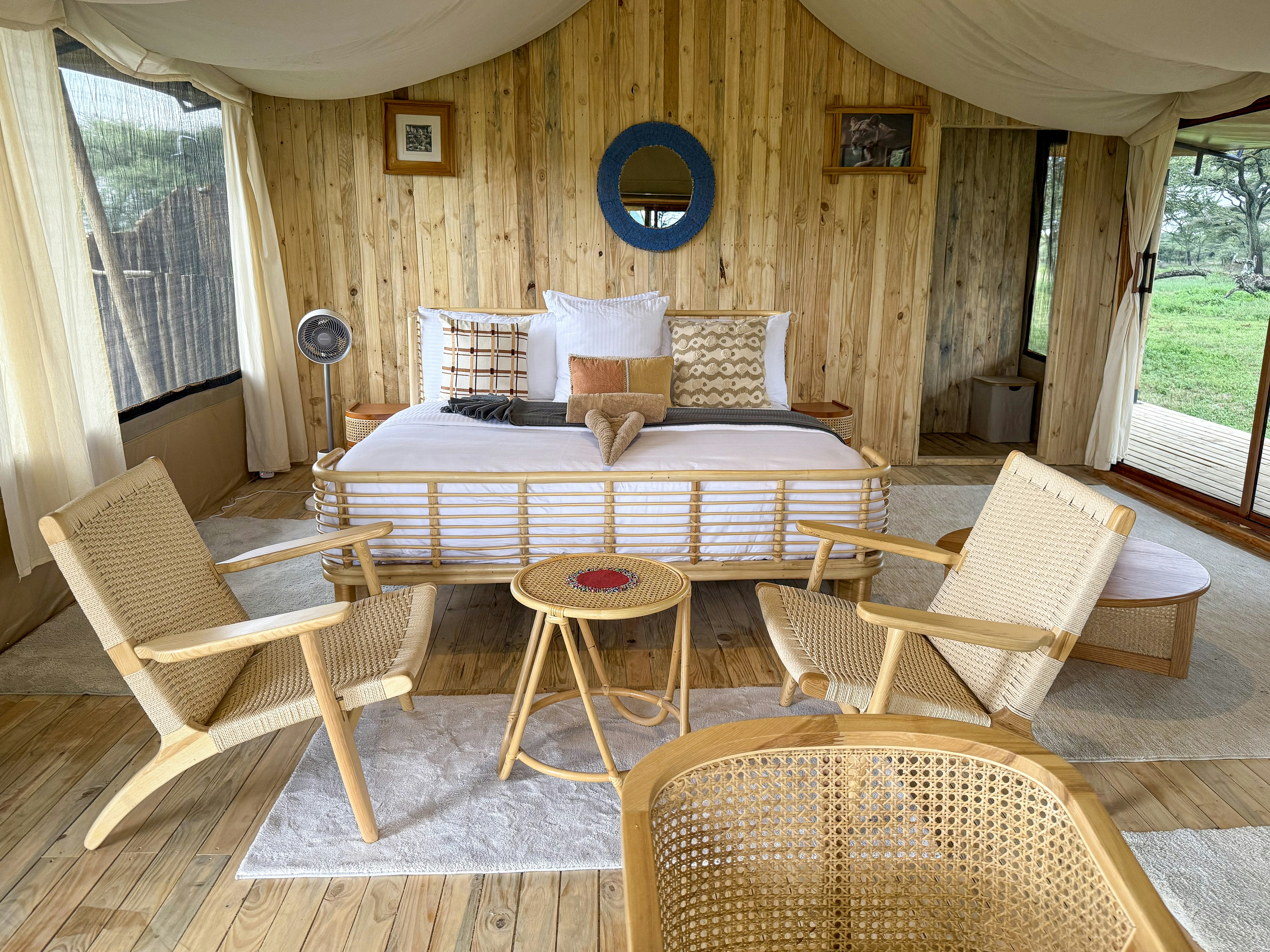
- Tented camps. Canvas tents with proper beds, en-suite bathrooms, and a more immersive feel. They range from basic to luxurious. A good middle ground for the adventurous traveler who still wants comfort.
- Budget campsites. You pitch your own tent and cook your own food. Very cheap but requires work and planning. Best for self-drive trips in South Africa or Namibia.
Who should choose what. If you are traveling as a couple or solo and want a hassle-free trip, go with a mid-range tented camp. If you are on a tight budget and don’t mind cooking, camping is the cheapest way to safari. If you can afford it, a few nights in a luxury lodge is a memorable experience, especially for older travelers who value convenience.

Mistakes First-Time Safari Goers Make (and How to Avoid Them)
Here are the most common mistakes I see and how to avoid them.
- Overpacking. Most safari flights have a strict luggage weight limit of 15 to 20 kg per person. You do not need more than three outfits. Pack light, wash clothes at your lodge, and carry a small duffel bag instead of a hard suitcase.
- Wearing bright colors or strong perfume. Animals notice both. Stick to neutral colors (khaki, green, beige) and skip scented products. You are not invisible, but you are also not advertising your presence unnecessarily.
- Not booking in advance. Peak season (June to September) fills up months ahead. If you are planning a trip during that period, book your accommodation and tours at least three to four months in advance. Last-minute bookings are either unavailable or extremely expensive.
- Expecting animals on cue. Safari is not a zoo. Animals move, hide, and sleep. Some days you see more than others. Accept the unpredictability and enjoy the downtime between sightings.
Essential Gear for Your First African Safari
You do not need a lot of gear, but you need the right gear. Here is a shortlist.
- Binoculars (8×42 or 10×42). Non-negotiable. Do not rely on your phone’s zoom. I recommend a reliable 8×42 or 10×42 pair.
- Neutral-colored clothing (khaki, green). Long sleeves and pants for sun protection and bug bites. A light fleece for cold mornings.
- Wide-brimmed sun hat. The African sun is unforgiving. A good safari hat protects your face and neck.
- Sunscreen (SPF 50). Reapply regularly. Buy reef-safe sunscreen if you are going to coastal areas.
- Insect repellent with DEET. Malaria mosquitoes are active at dawn and dusk. Use DEET-based repellent.
- Camera with a 200mm+ zoom lens. A smartphone cannot capture wildlife at a distance. A 200mm lens or a bridge camera is a solid investment.
- Reusable water bottle. Staying hydrated is important. A good insulated water bottle keeps your water cool.
- Small flashlight or headlamp. Lodges and camps often lack lighting at night. A small headlamp is handy.
- Universal power adapter. Power sockets vary across Africa. A good universal adapter solves this.
Booking Your Safari: DIY vs. Travel Agent vs. Package Tour
You have three main ways to book a safari. Here is how they compare.
- DIY. You book flights, rental car, and accommodations yourself. This works best for self-drive safaris in South Africa or Namibia. It gives you full control and can be cheaper, but it requires significant research and flexibility. Not ideal for first timers who want everything handled.
- Specialized safari travel agent. You tell an agent your dates, budget, and interests, and they plan the entire trip. They handle transfers, internal flights, and lodge bookings. This is the best option for first timers who want a smooth experience. The fee is usually built into the price, and it is worth it for peace of mind.
- Package tour. You buy a fixed itinerary from a tour operator. This is the easiest option. You join a group and follow a schedule. Great for solo travelers or couples who want built-in social interaction. Companies like Intrepid and G Adventures offer reliable packages.
My recommendation for first timers. If you are going to East Africa (Tanzania or Kenya), use a specialized travel agent. If you are doing a self-drive in South Africa or Namibia, DIY is fine after some research. Package tours are good for short trips where you do not want to think about anything. Whatever you choose, make sure you buy travel insurance that covers medical evacuation.
Health, Safety, and Practical Logistics in Africa
Health and safety are common concerns for first timers. Here is what you actually need to know.
- Vaccinations. Yellow Fever vaccination is required if you are traveling from a country with risk. Typhoid and Hepatitis A are recommended. Check with a travel clinic six to eight weeks before your trip.
- Malaria prophylaxis. Most safari parks are in malaria-risk areas. Take prescribed pills, use DEET repellent, sleep under a mosquito net, and wear long sleeves at dusk. It is extremely effective.
- Visa requirements. South Africa, Kenya, and Tanzania all have straightforward e-visa or visa-on-arrival processes for most nationalities. Check your country’s requirements in advance.
- Travel insurance. Do not skip this. Medical evacuation from a game park can cost thousands of dollars.
- Water. Do not drink tap water. Stick to bottled or filtered water. A portable water purifier is a good backup for self-drive trips.
With proper preparation, a safari is very safe. The bigger risk is sunburn or dehydration, both of which are easy to prevent.
Final Thoughts: Choosing Your First Safari Destination
For most first timers, South Africa remains the best all-around choice. It offers the widest range of accommodation, the easiest logistics, and excellent wildlife viewing. If your priority is seeing massive concentrations of animals, Tanzania or Kenya are better bets. If you are on a tight budget and love the idea of a self-drive adventure, Namibia is a hidden gem.
The key is to match the destination to your priorities, not to the hype. A safari is an incredible experience, but only if you pick a starting point that matches your comfort level, budget, and available time. If you are ready to book, I recommend starting with a three-day safari in Kruger to test the waters. It is affordable, accessible, and it will tell you exactly whether you want to come back for more.