Mount Kilimanjaro Climbing Routes Compared: Which One Is Right for You?
Introduction
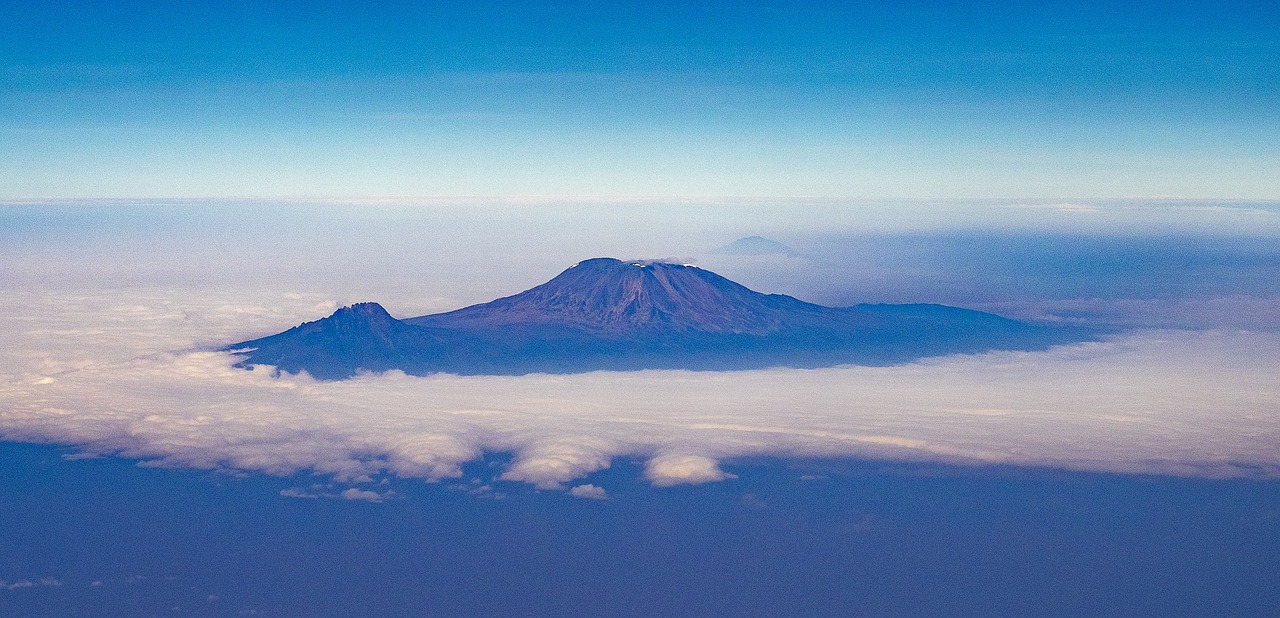
Choosing your route is the biggest decision you’ll make for a Kilimanjaro climb. It’s not really about which mountain you’re climbing—it’s how you go up it. Each of the seven established routes gives you a different experience, different success rates, and different challenges. This Kilimanjaro climbing routes comparison cuts past the marketing and gives you the breakdown you actually need. We’re comparing terrain, difficulty, scenery, cost, and real success rates. If you’re actively comparing options, this is where you start.

Why the Route You Choose Matters More Than You Think
Your route choice directly affects your chances of making it to the summit. These aren’t minor differences. Success rates range from around 50% on the shortest routes to over 95% on the longer, better-acclimatized ones. The main reason is altitude sickness risk. Routes that go up too fast don’t give your body time to adapt. You’ll be dealing with headaches, nausea, and fatigue long before you reach Stella Point. Beyond altitude, trail traffic matters. Some routes feel like a highway of hikers, while others offer genuine quiet. Accommodation varies too. You’ve got huts on the Marangu route and tents everywhere else, each with its own comfort tradeoff. Don’t underestimate how much these factors shape your experience. A well-planned route with proper acclimatization can be the difference between a trip highlight and a brutal, unsuccessful grind. For those concerned about altitude, a reliable measure of oxygen levels during the trek can help monitor your acclimatization.
The Two Most Popular Routes: Marangu and Machame
If you’ve done any Kilimanjaro research, you’ve heard the nicknames. Marangu is the “Coca-Cola” route. Machame is the “Whiskey” route. The names hint at the difference: one is smoother, the other is stronger. Marangu is the only route with hut accommodation. You sleep in dormitory-style huts, which means no tent setup and slightly better weather protection. It’s also the shortest standard route—usually 5 days, sometimes 6. That sounds convenient, but it’s a real problem. The rapid ascent gives your body less time to adjust to altitude. Success rates hover around 50-60% because of this. Marangu’s trail is also the most monotonous. You walk through rainforest and moorland, but the summit night is a brutal, steep push. Machame is 6-7 days and entirely tent-based. You camp every night, which means more exposure to the elements but also more time acclimatizing. The terrain is more varied: rainforest, heath, alpine desert, and a stunning traverse across the Barranco Wall. Success rates are 75-85%. For most first-timers, Machame is the smarter choice. You get better acclimatization, better scenery, and better odds. Marangu is only worth considering if you’re short on time and strongly prefer a roof over your head every night. Be aware you’re trading comfort for a significantly lower chance of summiting. Hikers on camping routes like Machame often find a comfortable sleeping pad makes a big difference in rest quality between long days of trekking.
The Scenic Routes: Lemosho and Shira
Lemosho and Shira are the premium options for scenery. They both start on the western side of the mountain and traverse the Shira Plateau, a high-altitude volcanic plain that offers spectacular views. Lemosho is the more popular of the two, and for good reason. It starts lower, around 2,100 meters, and spends more time traversing through lush rainforest before joining the Shira Plateau. This longer approach gives you excellent acclimatization. Most Lemosho itineraries are 7-8 days, which pushes success rates above 90%. The route is quiet until it merges with the Machame trail around day four, so you get genuine wilderness time. Shira starts higher, at about 3,800 meters, which means less walking but a more aggressive altitude gain. You either drive to the start or take a shorter trek, but the high start point increases altitude sickness risk. Shira is quieter than Lemosho but has lower success rates because of that rapid elevation. Wildlife viewing is better in the early days of both routes. You might see colobus monkeys, elephants, and buffalo in the forest sections. For anyone with 7+ days who prioritizes scenery and summit odds, Lemosho is your best bet. It’s not the cheapest option, but it’s the most reliable for a first-time climber who wants a beautiful, successful trek.

The Technical Challenge: Umbwe Route
Umbwe is the route for people who want to suffer. It is the steepest, most direct, and most technically challenging way up Kilimanjaro. The trail wastes no time—you gain elevation almost immediately through dense forest that quickly opens into steep ridges with serious drop-offs. It’s intense from day one. The standard Umbwe itinerary is 5-6 days, which is brutally short for any route above 5,000 meters. The rapid ascent gives your body almost no chance to acclimatize. Success rates for Umbwe are the lowest of all seven routes, often sitting around 50% or below. This is not a route for first-time climbers. It’s not even a route for experienced trekkers unless they have previous high-altitude experience and are comfortable with exposed, narrow trails. There is a real risk of serious altitude sickness, and the rescue options are more limited because of the remote terrain. My advice: skip Umbwe unless you’re an experienced high-altitude hiker who specifically wants the challenge. Even then, consider adding an acclimatization day or choosing a longer itinerary. Most operators strongly discourage Umbwe for a reason.
The Quiet Alternative: Rongai Route
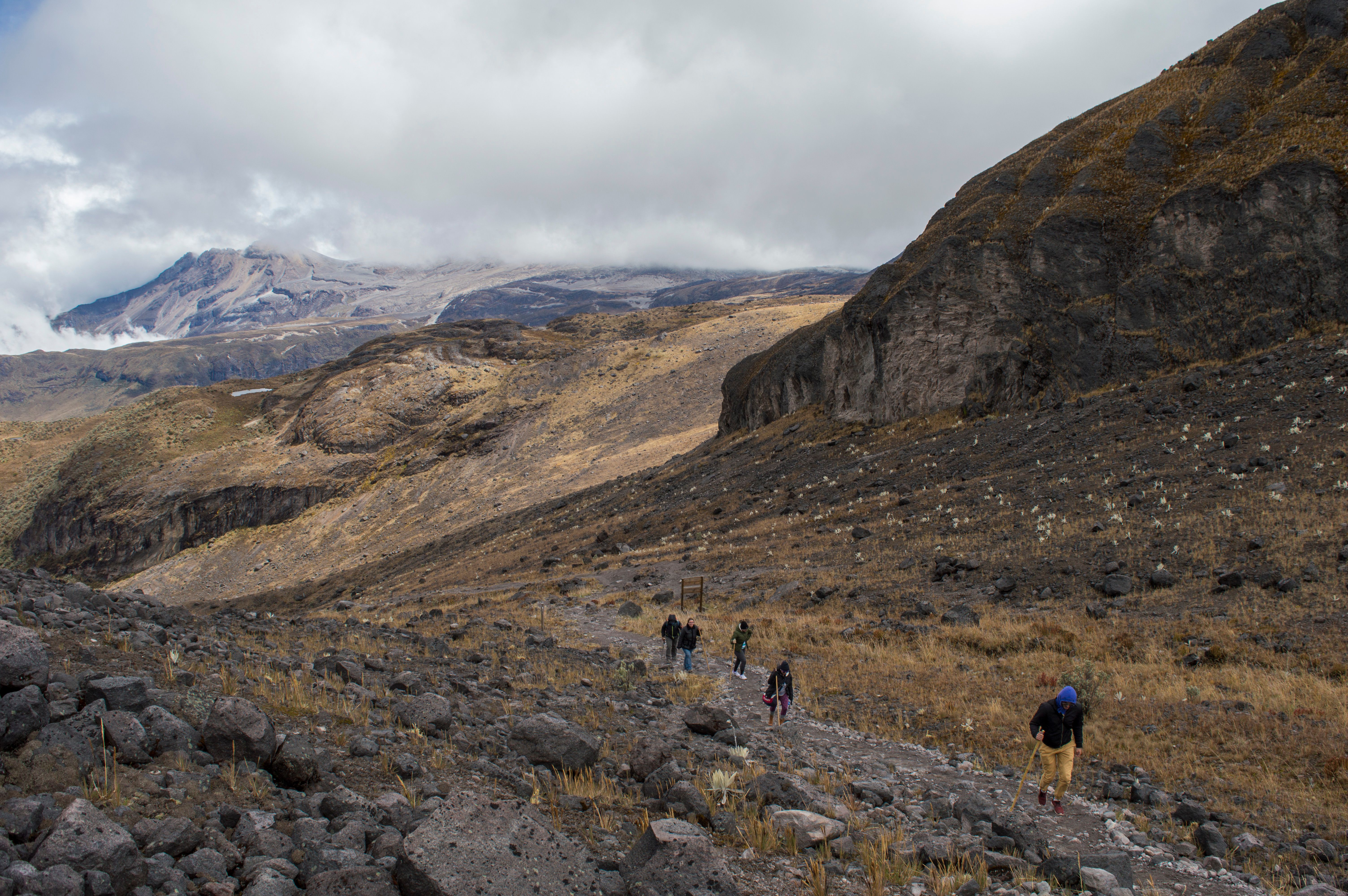
Rongai is the only route starting from the northern side of Kilimanjaro, near the Kenyan border. It offers a completely different perspective. Instead of rainforest, you start in agricultural land and quickly transition into open, dry moorland. The landscape feels more desert-like, with sparse vegetation and big skies. Rongai is quieter than the western routes. You won’t see the crowds you get on Machame or Marangu. It’s a good choice if you’re climbing during the rainy season because the northern side is drier. Success rates are comparable to Machame, around 75-85%, depending on the itinerary length. The standard is 6 days, but 7-day versions exist and are worth the extra cost. The summit approach from Rongai is different too—you approach the crater from the east, which gives you a less steep final push compared to some other routes. The main downside is the drive. Getting to the trailhead takes about two hours from Moshi, and the road can be rough. If you value solitude, a unique landscape, and reliable weather during the wet season, Rongai is a solid option. It’s not the most scenic, but it’s consistent.
The Long and the Short: Northern Circuit vs. Marangu
This is the clearest tradeoff on the mountain. The Northern Circuit is the longest route, typically 9 days. It circles the entire northern side of Kilimanjaro, offering views you won’t see on any other route. The acclimatization is exceptional. You spend a full day at high camp before summit night, and the gradual ascent across the northern slopes gives your body maximum time to adapt. Success rates for the Northern Circuit are the highest on the mountain—95% or more with a good operator. The cost is higher, and you need to commit to more days. But if your only goal is to stand at the summit, this is the safest bet. Marangu, at 5 days, is the shortest standard route. It saves you time and money, but you sacrifice summit odds. The question is simple: Is a longer route worth the extra cost? If you have the time and budget, absolutely. The extra days on the Northern Circuit don’t just increase your chances of summiting; they also allow for a more relaxed pace, better rest, and a more immersive experience. If you’re on a tight schedule or budget, Marangu is the most practical option, but go in knowing your summit odds are roughly half of what they’d be on a longer route. Every extra day on the mountain improves your chances. That’s the fundamental rule. For multi-day treks, having a durable headlamp is essential for early morning summit pushes and navigating camp in the dark.
Success Rates: What the Numbers Actually Show
The numbers tell a clear story. Routes with more days have higher success rates. It’s that simple. Here’s a rough ranking of average success rates based on data from major trekking operators:
- Northern Circuit (9 days): 95%+
- Lemosho (7-8 days): 90-95%
- Machame (6-7 days): 75-85%
- Rongai (6-7 days): 75-85%
- Shira (7 days): 80-85%
- Marangu (5-6 days): 50-60%
- Umbwe (5-6 days): 50% or less
Don’t get caught thinking a shorter route is “easier” because there’s less walking. The opposite is true. Less walking means faster ascent, which means higher altitude sickness risk. The body needs time to produce more red blood cells and adapt to lower oxygen. That takes days, not hours. The number of days you spend on the mountain is the single biggest predictor of success. Operators may quote specific numbers, but the variation between operators is less important than the route itself. A well-run Lemosho trek will outperform a poorly-run Machame trek, but a well-run Machame trek still won’t match a well-run Northern Circuit trek. Choose your route first, then find a good operator.

Cost Comparison: Which Route Gives You the Best Value?
Prices vary widely based on route length, operator quality, and group size. As a rough guide, expect to pay:
- Marangu group trek (5-6 days): $1,500 – $2,200
- Machame group trek (6-7 days): $1,800 – $2,800
- Rongai group trek (6-7 days): $1,800 – $2,800
- Lemosho group trek (7-8 days): $2,200 – $3,500
- Shira group trek (7 days): $2,000 – $3,200
- Northern Circuit group trek (9 days): $3,000 – $4,500
- Umbwe group trek (5-6 days): $1,500 – $2,200
Private climbs cost more. The cheapest routes are Marangu and Umbwe, but you know the tradeoffs. Lemosho and Northern Circuit cost more but offer significantly better summit odds. A practical rule: if a price sounds too good to be true, it probably is. Cheap operators cut corners on guide training, gear quality, food, and porter wages. That affects your safety, your comfort, and your success rate. Don’t bargain hunt for this trek. You’re paying for experience, safety, and a support system that can handle altitude emergencies. The best value isn’t the cheapest price—it’s the one that gets you to the top safely. Travelers who want to quickly compare packages from different operators may find a travel planning platform helpful for organizing their options.
What to Pack for Your Chosen Route
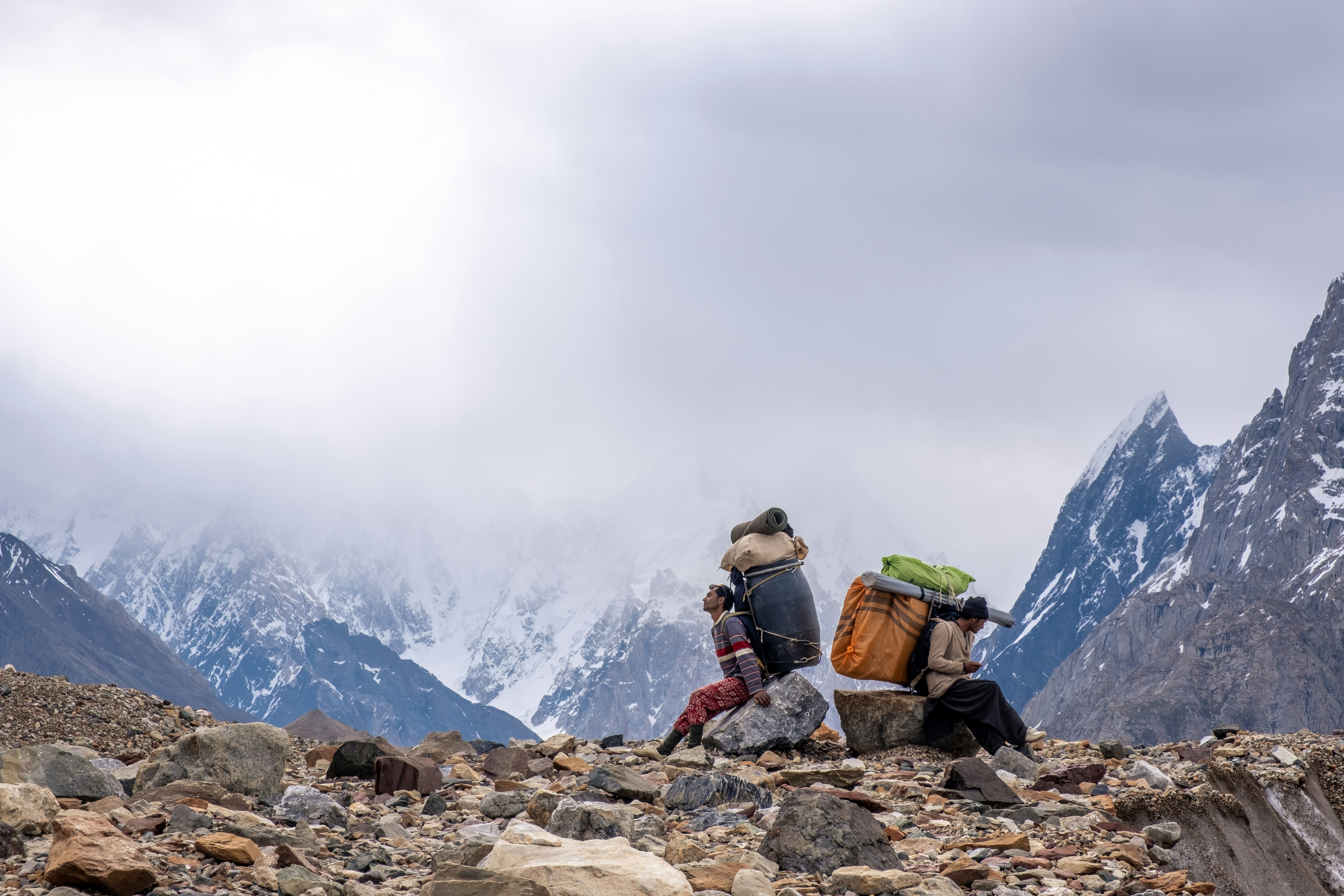
Your packing list won’t change dramatically between routes, but a few details matter. A four-season sleeping bag rated to -20°C is essential for all camping routes. Machame and Lemosho allow larger duffels because porter support is generous. Marangu uses porters too, but hut space limits what you can bring. Stick to 10-15 kg for the porter on Marangu. Trekking poles are non-negotiable on the steep sections of Machame, Umbwe, and the summit descent on any route. Waterproof gear is critical on all routes, especially the rainforest sections. Altitude medication like Diamox is worth discussing with your doctor. Some routes like Machame have more camps with water sources, so you can carry less water weight. Marangu has huts with water, so you can be slightly less careful. Don’t overpack. Aim for 10-12 kg total in your duffel for the porter, plus a daypack with essentials. Packing light makes everyone’s job easier.
Common Mistakes When Choosing a Kilimanjaro Route
Here are the mistakes I see most often:
1. Choosing a short route to save money, then failing to summit. The cheapest option often ends up being the most expensive when you don’t reach the top. You’ve spent money on flights, gear, and time off work. The extra days on a longer route are a small price for a significantly higher chance of success.
2. Underestimating Umbwe. This route is not for beginners. Beginners book it because it looks direct and short. They end up exhausted, sick, and unable to continue. Don’t do this.
3. Overpacking for routes with porter restrictions. Some routes have weight limits. Marangu porters carry 15 kg max. Machame porters carry 20 kg. If you bring too much, you either pay extra or leave gear behind. Pack smart, not heavy.
4. Not checking an operator’s specific route itinerary. Two operators can claim to run the same route but use different overnight camps or add acclimatization days. Ask for the exact itinerary. Make sure it includes enough time at altitude. A bad itinerary can kill your summit chances regardless of the route name.
Final Recommendation: Which Route Should You Book?
Here’s the short version:
If you’re a first-timer with average fitness and 7+ days: Book Lemosho or Machame. Lemosho gives you better scenery and slightly higher odds. Machame is a proven, reliable choice.
If you’re on a tight budget and okay with lower odds: Marangu is the most affordable option. Just know your summit success rate will be lower. Plan accordingly.
If you want the highest chance to summit no matter what: Go with the Northern Circuit. It’s the longest, most expensive, and most reliable. You’ll have the best odds and a quieter, more scenic trek.
If you’re experienced and want a challenge: Rongai or Umbwe, but only if you have high-altitude experience and a strong preference for solitude or difficulty.
Your route choice determines your experience. Don’t rush it. Research your operator, check your itinerary, and commit to the route that matches your goals. To take the next step, check availability for your preferred route through a trusted booking platform. The best time to start planning is now.
Frequently Asked Questions
Can I climb Kilimanjaro without previous experience?
Yes, but choose your route carefully. Lemosho, Machame, or Northern Circuit are ideal for beginners. Avoid Umbwe and Marangu if you’re inexperienced. Physical fitness matters more than prior mountaineering experience.
Which route is the easiest?
There’s no truly easy route. Marangu is the least physically demanding day-to-day because of hut accommodation, but its shorter duration increases altitude sickness risk. Lemosho is less steep overall but requires more days of walking.
Do I need a guide for all routes?
Yes. Tanzanian law requires a licensed guide for all routes. You cannot climb Kilimanjaro independently. All routes are guided through organized treks.
What is the best time of year for each route?
The best weather is June-October (dry season) and January-March (warm, clear). For rainy season climbs (April-May, November-December), choose Rongai or the Northern Circuit because they are drier. All routes are climbable year-round, but conditions vary.
Shop Music Production Gear
Shop Music Production Gear
Shop Music Production Gear
Shop Music Production Gear
Shop Music Production Gear
Shop Music Production Gear
Shop Music Production Gear
Shop Music Production Gear
Tanzania Adventure Travel Guide: Safari and Kilimanjaro Planning
Colombia Adventure Travel: Cities, Coast, and Jungle
Solo Backpacking Australia: The Complete Route & Planning Guide
Best Patagonia Hiking Routes for Multi-Day Treks: Expert Guide
Solo Trekking in Nepal: Routes and Safety Tips
Best Skydiving Spots for First Timers: Where to Jump Safely and Confidently
Best Ice Climbing Destinations for Beginners: Where to Start Your Frozen Adventure
Solo Train Travel Europe Guide: Routes, Hostels, and Tips
Best Trekking Poles for Long Distance Hiking: Expert Picks & Buying Guide