Best Trekking Poles for Long Distance Hiking: Expert Picks & Buying Guide
Introduction
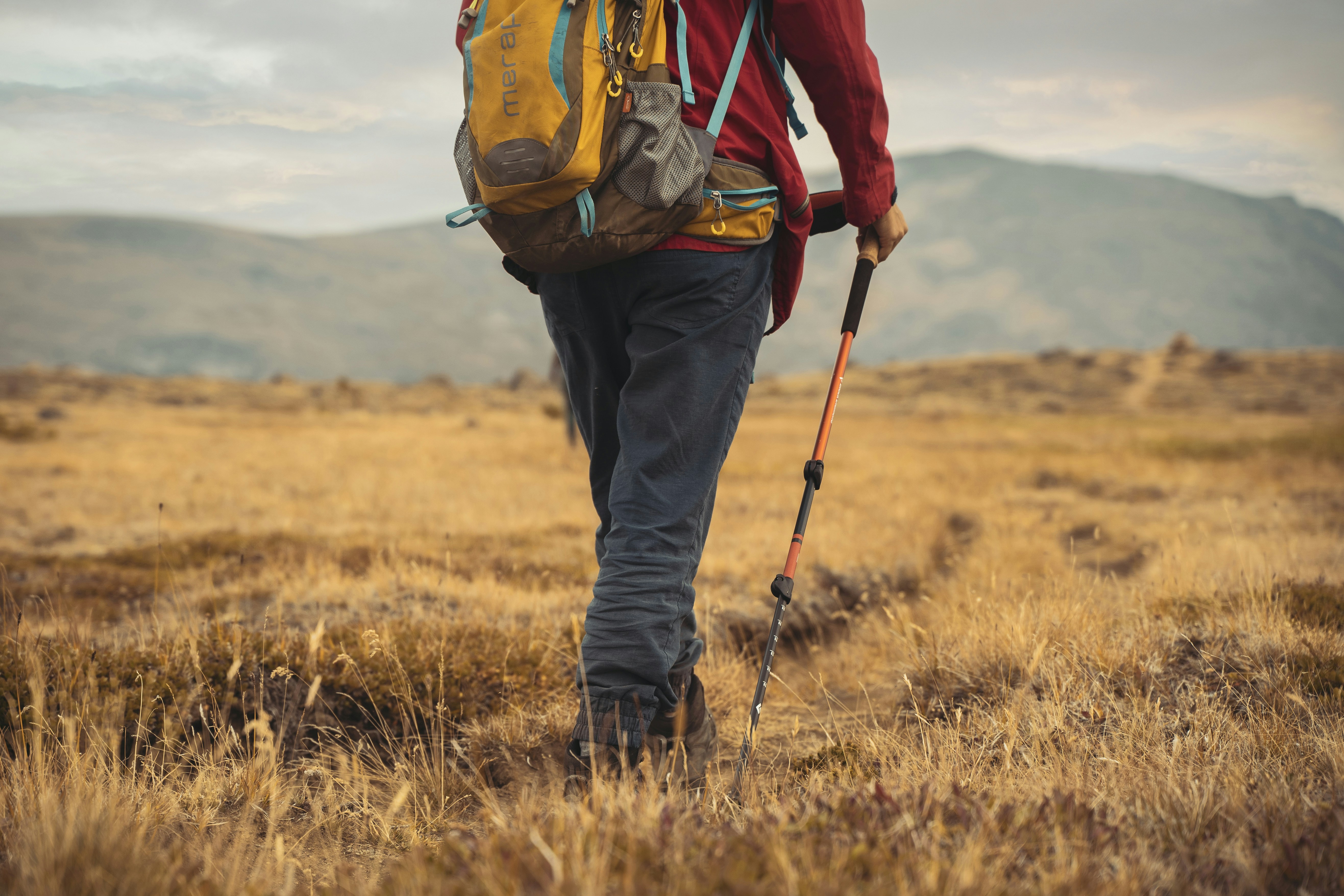
If you’re planning a long-distance hike, the gear you choose matters. Some items are optional luxuries. Trekking poles are not one of them — at least not for me. After thousands of miles on trails across different continents, I can tell you that the wrong poles will make you miserable. The right ones become an extension of your body. They save your knees, keep you stable, and cut down the fatigue that builds over a 20-mile day. This guide is for hikers comparing options for multi-day trips. I’m going to break down the key features, my top recommendations, and the mistakes I see people make when looking for the best trekking poles for long distance hiking. Let’s get to it.

Why Trekking Poles Matter on Long Distance Hikes
On a short day hike, poles might feel like an extra thing to carry. On a long trail, they become essential gear. The math is simple. Every time you take a step, you’re transmitting force through your legs. Multiply that by thousands of steps over weeks on the trail. On descents, that force hits your knees hard. A good set of poles absorbs some of that shock. They also improve your balance on uneven terrain, which matters when you’re carrying a loaded pack. Going uphill, they let you engage your upper body to help push you forward. It’s not theory — it’s mechanics. The cumulative benefit over a 500-mile hike is significant. You will feel less beat up at the end of the day. That means you can hike farther, recover faster, and enjoy the experience more. So investing in the right poles is not just about comfort. It’s about finishing the trail in one piece.
What to Look for in a Long Distance Trekking Pole
Not all poles are built the same. For long-distance hiking, a few key factors will determine whether your poles help you or frustrate you. Here’s what you need to understand before you buy.
Weight and Material
This is the biggest tradeoff. You have two main options: carbon fiber and aluminum. Carbon fiber is lighter. A pair of carbon poles might weigh around 10 to 16 ounces. That weight savings adds up over a long day. However, carbon is more brittle. If you get a side impact, like jamming the pole between rocks, it can snap. Aluminum is heavier, usually in the 18 to 22 ounce range per pair, but it bends instead of breaking. You can usually bend an aluminum pole back into shape on the trail. For a rugged long-distance hike, the reliability of aluminum is a real advantage. For an ultralight approach, carbon makes sense, but you have to be careful with it. Hikers who want to explore different weight options might consider checking out a selection of lightweight trekking poles.
Grip Material
Your hands will be on these poles for hours every day. The grip matters. Cork is the gold standard for long distance. It molds to your hand over time, wicks sweat, and doesn’t get slippery when wet. Foam grips are lighter and cheaper, but they can get slimy with sweat. Rubber grips are durable but heavy and can cause blisters in hot weather. For a long trail, cork is almost always the right choice.
Locking Mechanism
This is where reliability lives or dies. There are two main types. Flick locks, like those from Black Diamond, are simple and reliable. You open the lever, adjust the length, and close it. They rarely fail and are easy to fix if they do. Twist locks, common on some European brands, can be lighter but are more prone to slipping or jamming, especially if they get dirty. For a multi-day hike where you don’t want to fuss with gear, flick locks are the safer bet.
Number of Sections
Most poles have three sections. That’s a good balance of packability and stability. Some ultralight poles have four sections, which makes them pack down smaller, but they are usually heavier and less rigid. I prefer three sections for a long trail because they feel sturdier.
Shock Absorption
Some poles have built-in springs or dampeners. This sounds like a good idea in theory. In practice, I find them unnecessary for most long-distance hiking. They add weight and complexity. The natural flex of your arms and the trail itself already absorb plenty of shock. Unless you have specific joint issues, skip the shock absorption.

The Best Trekking Poles for Long Distance Hiking: My Top Picks
I’ve tested a lot of poles on a lot of trails. The ones below are my top recommendations for different kinds of long-distance hikers. They are not the cheapest or the fanciest. They are the ones I trust when the miles start piling up.
Best Overall: Black Diamond Trail Ergo Cork
If I had to pick one pole for almost any long-distance hike, this is it. The Black Diamond Trail Ergo Cork gets the fundamentals right. The cork grip is comfortable for all-day use and doesn’t get slippery. The flick lock mechanism is rock solid — I’ve never had one slip on a long trail. They are made of aluminum, so they are durable. At about 18 ounces per pair, they are not the lightest, but the weight is well-distributed. You don’t feel it at the end of the day. The grip also has a slight ergonomic shape that guides your hand into a natural position. It’s a small detail that makes a real difference after mile 15. Best For: All-around performance on any long-distance trail. Avoid If: You are an ultralight purist and every gram matters. This is a workhorse, not a featherweight. Check price on Amazon.
Best Ultralight: Gossamer Gear LT5 Carbon Fiber
These poles are ridiculously light. A pair weighs around 10 ounces. When you’re counting every ounce in your pack, that’s a huge win. The Gossamer Gear LT5 is a three-section carbon pole that packs down small. The tradeoff is durability. Carbon can snap, and these poles are not built for abuse. They have small grips, which saves weight but might not be comfortable for hikers with large hands. There is no shock absorption. If you are a fastpacker or an experienced ultralight hiker who uses poles carefully, these are a dream. If you are hard on gear or expect to bash them through rocky terrain, look elsewhere. Best For: Ultralight backpackers and fastpackers. Avoid If: You hike in very rocky or abrasive terrain or you’re tough on your gear. Check price on Amazon.
Best Budget: Cascade Mountain Tech Carbon Fiber
This is the pole that proves you don’t have to spend a fortune to get a good carbon fiber set. The Cascade Mountain Tech poles offer a cork grip, a reliable flick lock, and a carbon fiber shaft for about half the price of premium brands. At around 16 ounces per pair, they are lighter than many aluminum poles. They perform well on most trails. The main downside is the build quality is not as consistent. Some users report issues with the locking mechanism over time. The company’s warranty process is not as smooth as with bigger brands. For the price, though, this is a fantastic entry point into carbon fiber poles. Best For: Budget-conscious hikers who want carbon fiber without the premium price tag. Avoid If: You want a company with a robust, hassle-free warranty. Check price on Amazon.
Best for Rugged Terrain: Leki Micro Vario Carbon
When the trail gets gnarly, you need a pole that won’t quit. The Leki Micro Vario Carbon uses a SpeedLock 2 locking mechanism that is exceptionally secure. The Aergon grip is comfortable, and it has a built-in shock absorber. It’s overbuilt for a reason. The carbide tip bites into rock and ice. It’s heavier than the others on this list, around 21 ounces per pair. And it’s expensive. But if you are doing an off-trail hike, a trek through scree fields, or a super long thru-hike where gear failure is not an option, this is the pole to trust. Best For: Off-trail hiking, rugged terrain, and long thru-hikes where reliability is everything. Avoid If: Weight is your primary concern. Check price on Amazon.
Comparing Your Options: Decision Matrix
Let’s make this simple. Here’s a quick breakdown of the key differences between these poles.
- Weight: Gossamer Gear LT5 (10 oz) > Cascade Mountain Tech (16 oz) > Black Diamond Trail Ergo Cork (18 oz) > Leki Micro Vario (21 oz)
- Material: All carbon except Black Diamond (aluminum)
- Grip: All have cork except Gossamer Gear (small cork/foam hybrid) and Leki (Aergon foam/rubber)
- Locking: Black Diamond and Cascade Mountain Tech use flick locks. Gossamer Gear uses a speed cone lock. Leki uses SpeedLock 2.
- Price: Cascade Mountain Tech (budget) > Gossamer Gear (moderate) > Black Diamond (moderate) > Leki (premium)
If you want the absolute lightest pole for fast travel, go with the Gossamer Gear. If you want a workhorse that will handle abuse and costs under $100, the Cascade Mountain Tech is a solid choice. For the best all-around performer that balances weight, durability, and comfort, the Black Diamond Trail Ergo Cork is your winner. For the toughest trails where failure is not an option, choose the Leki.
Common Mistakes to Avoid When Buying Trekking Poles
I’ve seen hikers make the same errors over and over. Avoid these and you’ll be miles ahead.
1. Buying poles that are too heavy. I get it — you want durability. But a pair of poles that weighs over 24 ounces will start to feel like anchors after a week on the trail. Unless you are doing serious off-trail scrambling, you don’t need the heaviest aluminum pole. Find a balance. For most long-distance hikers, aim for under 20 ounces per pair. If you are unsure where to start, a selection of lightweight trekking poles under 20 ounces is worth looking into.
2. Ignoring grip comfort. You will be holding these poles for hours. A bad grip causes hotspots and blisters. I see people buy rubber grips because they look tough. Then they end up with sweaty, chafed hands. Cork is almost always the better choice for long, sweaty days.
3. Not considering locking mechanism reliability. I’ve watched twist locks slip on a steep downhill. That’s dangerous. Flick locks are simpler and more reliable. If you are on a long trail, the last thing you want is a pole that won’t stay at the right length.
4. Buying shock-absorbing poles when you don’t need them. The internal spring adds weight and a point of failure. It also creates a slight bounce in your step that can be annoying. Unless you have a specific injury that requires it, skip the shock absorption. Your arms and the trail will handle the impact just fine.
How to Use and Maintain Trekking Poles on the Trail
Once you have the right poles, knowing how to use and care for them will extend their life and make your hike better. First, get the length right. When you stand with the tip on the ground, your elbow should be at a 90-degree angle. Adjust the length for uphills (shorter) and downhills (longer). Use the straps properly. Your hand should come up through the strap from below and grip the pole from above. That way, you can push down on the strap without gripping the handle tightly. It saves energy. Use the baskets. They keep the pole from sinking into mud or snow. On hard-packed trails, you can remove them. When you’re not using the poles, don’t drag them behind you. It wears down the tips and looks like you’re exhausted. Finally, basic maintenance. Rinse the salt off after a hike, especially if you’ve been near the ocean. Check the locks for dirt or sand. Tighten them if they feel loose. A few minutes of care will keep your poles working for years. For those looking to keep their gear in top shape, a trekking pole maintenance kit can be useful for on-the-trail fixes.

Final Verdict: Which Trekking Poles Should You Choose?
For the vast majority of long-distance hikers, the Black Diamond Trail Ergo Cork is the best choice. It offers a proven balance of weight, durability, comfort, and reliability. It works on almost any trail from the Appalachian Trail to the Pacific Crest Trail. If your budget is tight, the Cascade Mountain Tech is a genuine value. If every ounce in your pack is accounted for, the Gossamer Gear LT5 is a fantastic tool. And if you are heading into truly rough country, the Leki Micro Vario has your back. No matter which poles you choose, make sure they fit your specific hiking style. Check the latest prices on Amazon to secure the best deal. Your knees will thank you.