Best Ice Cave Exploration Destinations: Top 7 Tours Worldwide
Why Choosing the Right Tour Matters More Than the Destination
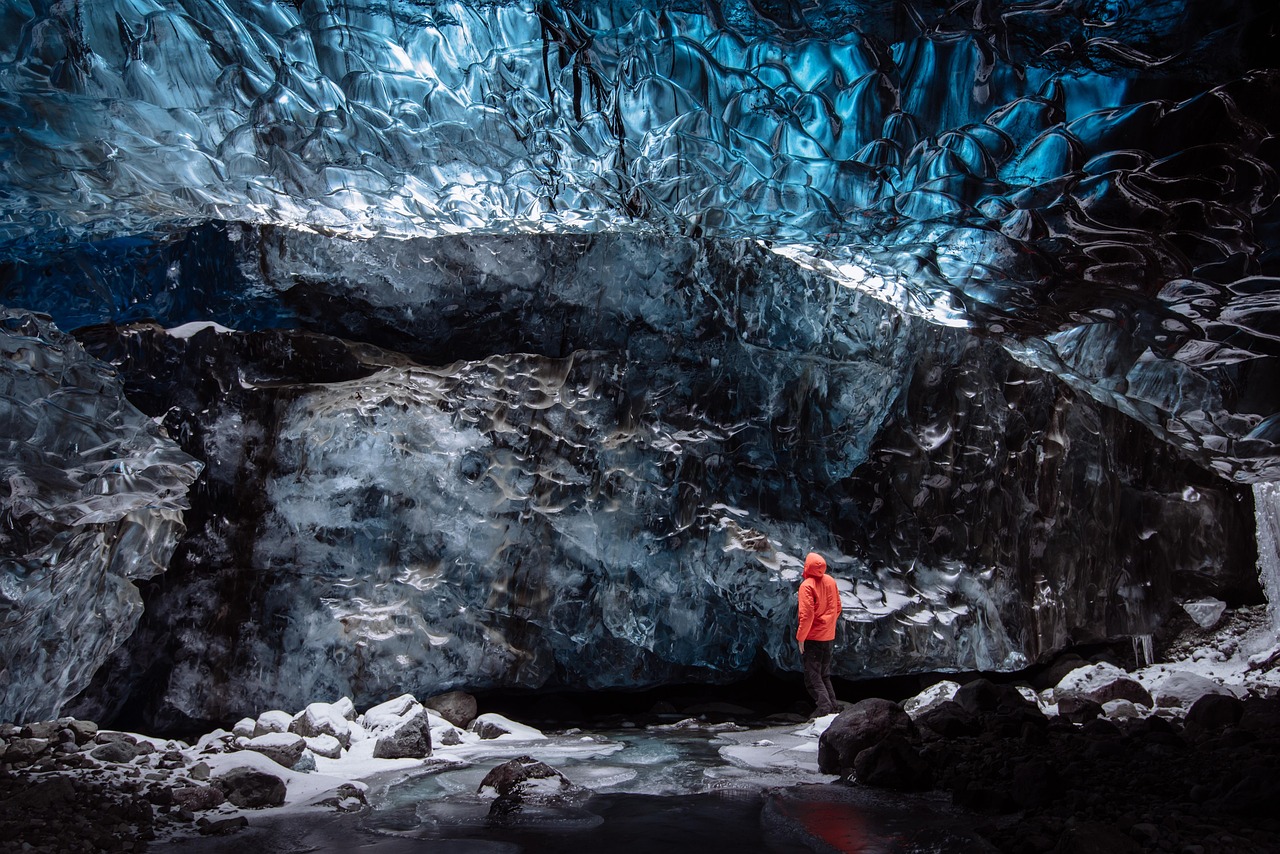
You see the photos online. Electric blue light. Frozen arches. People in helmets staring into ice cathedrals. Those get the clicks. But what nobody tells you is that the difference between a magical day and a genuine safety hazard comes down to who you book with. I’ve been on ice cave tours across Europe, the US, and Canada. Some were run by glacial institute veterans who treat every group like a research expedition. Others felt like the guide learned the route that morning from a YouTube video. The gap in experience is enormous.
Almost every ice cave is inside a glacier that moves, shifts, and melts. That cave you walked through in October might not exist by March. Access routes change weekly. Guides need to know real-time avalanche risk, water flow patterns, and structural stability. This isn’t a fixed attraction like a museum. It’s a living environment.
Then there’s the gear question. Some tours provide everything: crampons, helmets, headlamps, boots. Others expect you to show up in running shoes and a hoodie. The price difference is often small. The safety difference is not. So when people ask me for the best ice cave tours worldwide, I don’t start by naming the most Instagrammable cave. I start by telling them which operator I’d trust with my own friends and family. That’s what this guide is built on.

What Makes an Ice Cave Tour ‘Best’? Criteria for This List
I put this list together using a straightforward set of filters. If a tour failed on any of these, it didn’t make the cut.
- Safety record and guide certification: Every operator here employs experienced guides with formal glacier training. Not just someone who grew up near a mountain.
- Guide-to-visitor ratio: I prioritized small groups. Twelve people maximum, often less. You get actual attention, not a shouted instruction from fifty feet away.
- Gear provision: You should get proper crampons, a helmet, and a headlamp included. If they expect you to bring your own ice climbing gear, it’s not a beginner-friendly tour.
- Seasonal reliability: Some caves collapse or flood by late spring. The tours here run within windows where the caves are stable and accessible.
- Value for money: Not cheap. But fair. You’re paying for expertise, equipment, and access. I excluded overpriced tours that don’t deliver on experience.
- No prior experience required: These tours assume you know nothing about ice caves. They teach you what you need on the day.
This isn’t an algorithm. It’s a curation based on hundreds of hours of personal experience and conversations with guides across multiple countries. I trust these operators. You should too.
7 Best Ice Cave Tours Worldwide for 2024
1. Into the Glacier (Iceland)
Location: Langjökull Glacier, Iceland
Duration: 3–4 hours
Price Range: $150–$220 per person
Best For: First-timers who want a comfortable, reliable introduction
This is the most accessible ice cave tour I’ve done. You ride a modified truck across the glacier to a man-made tunnel that goes deep into the ice. It’s not a natural cave, but the experience is excellent for beginners. The tunnel stays open year-round, which removes the weather dependency that plagues natural caves. You get enough time inside to explore multiple chambers and learn about glacial formation. Guides are knowledgeable and speak excellent English.
Practical note: Book at least two weeks ahead during summer. Winter spots are easier to find.
Check availability and book Into the Glacier here
2. Natural Ice Adventure (Vatnajökull, Icelandceland)
Location: Vatnajökull National Park, Iceland
Duration: 2.5–3 hours
Price Range: $120–$180 per person
Best For: Photographers and those wanting a natural cave experience
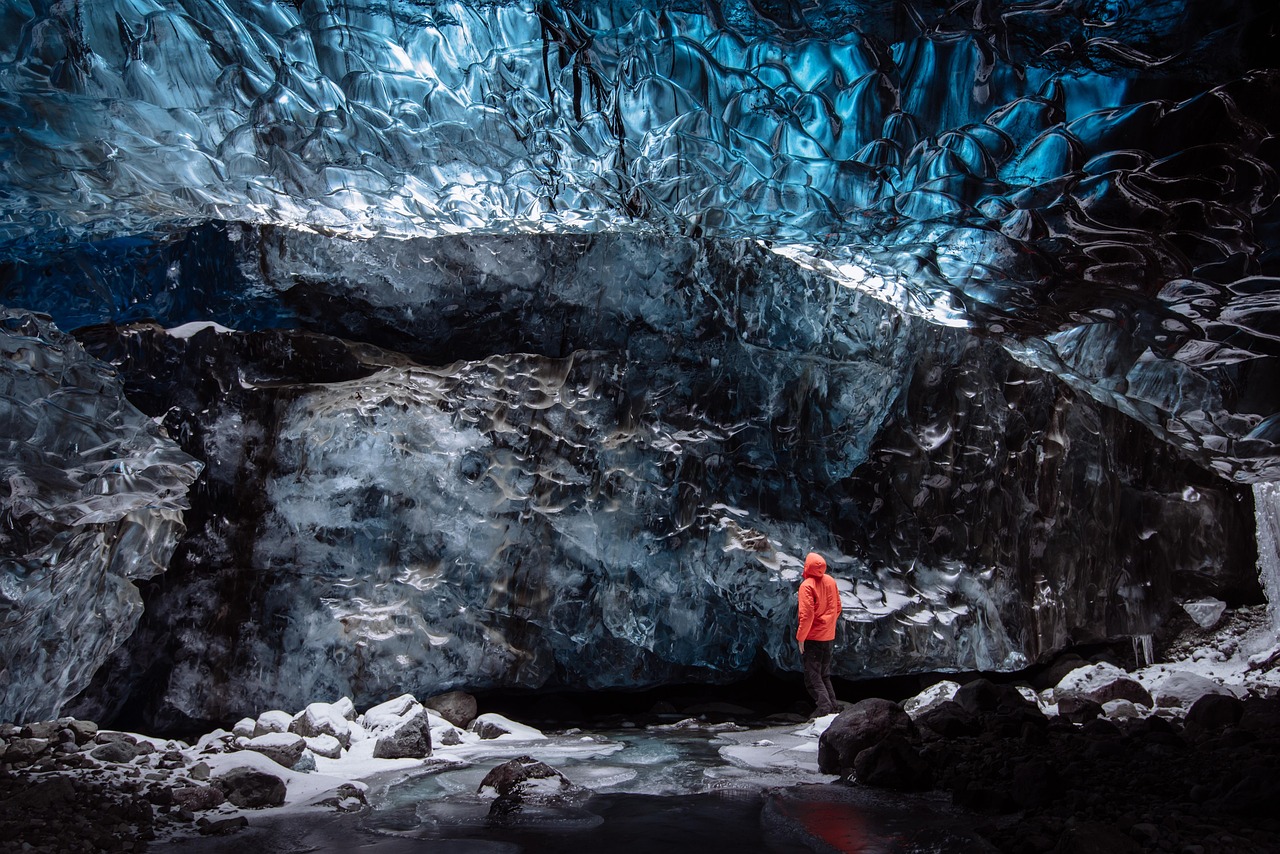
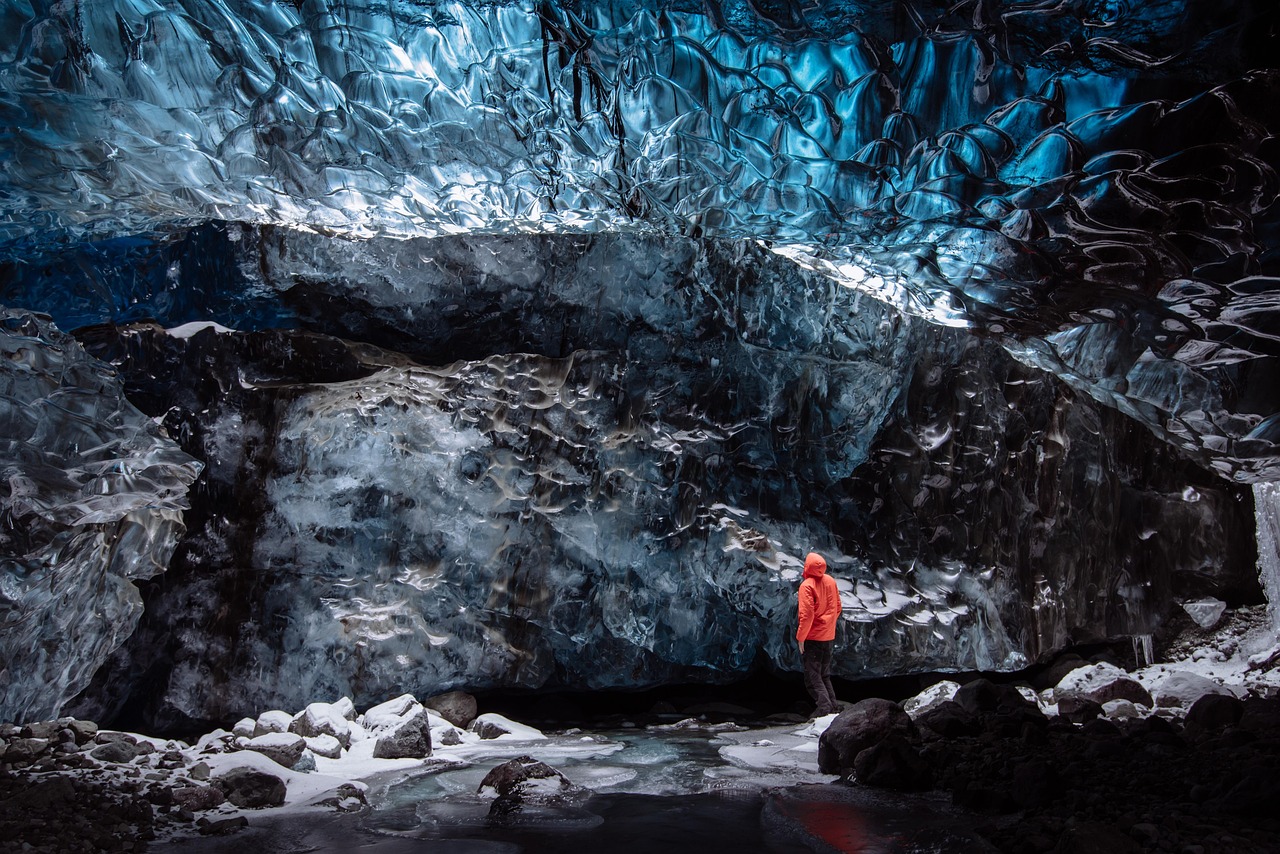
Vatnajökull is where the famous blue ice cave photos come from. This tour takes you into actual natural caves formed by glacial meltwater. The ice is incredibly clear. You’ll see deep blue light filtering through layers that are hundreds of years old. The guides know the caves intimately and adjust routes based on daily conditions. Gear is provided, including crampons and helmets. The walk to the cave is about 20 minutes across uneven ice. It’s manageable but requires decent balance.
Practical note: Only available November through March. Book early for February, which offers the longest daylight.
Book Vatnajökull ice cave tour here
3. Crystal Ice Cave Tour (Mýrdalsjökull, Iceland)
Location: Mýrdalsjökull Glacier, Iceland
Duration: 3 hours
Price Range: $130–$170 per person
Best For: Adventurers who want a more rugged experience
Mýrdalsjökull sits on top of an active volcano, which gives the ice a dramatic look with ash layers. The caves here are smaller and more intimate than Vatnajökull’s. The tour involves a short hike up the glacier to reach the entrance. Inside, you get that same stunning blue light but with a darker, more moody atmosphere. Guides are experienced and emphasize group safety. The group size is capped at 10.
Practical note: Combine with a glacier hike tour for a full day experience. Many operators offer combo packages.
4. Nigardsbreen Ice Cave Tour (Norway)
Location: Jostedalsbreen National Park, Norway
Duration: 4–5 hours
Price Range: $100–$150 per person
Best For: Budget-conscious travelers and those wanting a quieter experience
Norway’s ice caves are less crowded than Iceland’s and often more affordable. Nigardsbreen is a glacier arm of Jostedalsbreen, and the tour takes you to a natural ice cave that forms every winter. The walk to the cave is longer than most Iceland tours but goes through stunning scenery. The cave itself is impressive, though sometimes smaller than the massive Icelandic ones. The tradeoff is that you’ll have fewer tourists around you. You also get proper glacier boots and crampons included.
Practical note: Tours run from December to April. Late March offers good conditions and milder temperatures.
5. Athabasca Glacier Ice Walk (Canada)
Location: Jasper National Park, Alberta, Canada
Duration: 3–4 hours
Price Range: $80–$130 per person
Best For: Family groups and beginners on a tighter budget
The Columbia Icefield in Jasper offers guided walks onto the Athabasca Glacier. You get transported onto the ice in a massive all-terrain vehicle, then walk to explore moulins and crevasses. It’s not a cave experience in the traditional sense, but you’ll see ice formations that mimic cave interiors. The guides are excellent at explaining glacial history. Gear is basic but adequate. This is a good option if you’re traveling with older kids or want a shorter commitment.
Practical note: Tours run May to October. Dress warmly even in summer. Travelers needing reliable base layers for the cold may find a merino wool base layer a worthwhile investment.
6. Kennicott Glacier Ice Cave (USA)
Location: Wrangell-St. Elias National Park, Alaska, USA
Duration: Full day (6–8 hours)
Price Range: $200–$300 per person
Best For: Serious adventurers and off-the-beaten-path seekers
You have to work for this one. Getting to the Kennicott Glacier requires a flight to McCarthy, Alaska, then a hike into the park. But the payoff is huge. The ice caves here are some of the most spectacular in North America, with deep blue color and complex tunnel systems. Tours are led by experienced guides who know the glacier’s seasonal changes intimately. Group sizes are very small, usually 4–6 people. You get a full day on the ice, including lunch. This is not for casual tourists. It’s for people who want a genuine wilderness experience.
Practical note: Best visited in July and August when access is easiest. Flights to McCarthy are limited. Book months ahead.
7. South Island Ice Experience (New Zealand)
Location: Franz Josef Glacier, West Coast, New Zealand
Duration: 4–6 hours
Price Range: $150–$220 per person
Best For: Southern Hemisphere travelers and summer adventures
While the Northern Hemisphere freezes, New Zealand’s ice caves are in peak condition. Franz Josef Glacier is smaller than its Icelandic counterparts, but the caves are well-formed and accessible. The tour involves a helicopter ride onto the glacier, then a guided exploration of the ice formations. The guides are professional and emphasize safety. Gear includes everything except your base layers. The experience is shorter than Alaska but much easier to access. Combine with a trip to Milford Sound for a complete New Zealand adventure.
Practical note: Runs October to May. Helicopter flights are weather-dependent. Have flexible dates.

Essential Gear for Ice Cave Exploration: What to Bring and What’s Provided
You don’t need to buy $1,000 worth of mountaineering equipment for a single tour. Most good tours provide the technical gear. But you still need to show up prepared. Here’s what you should bring and what to expect.
Provided by most tours:
- Crampons or microspikes for traction on ice
- A climbing helmet with a headlamp attached
- Insulated boots in sizes that actually fit (some tours only go up to a certain size; check)
- Walking poles if needed
What you should bring yourself:
- Waterproof outer layer: A shell jacket and pants. Gore-Tex or similar. Rain will ruin your day quickly.
- Insulated mid layer: A fleece or lightweight down jacket. You’ll be moving but standing still in ice caves gets cold.
- Base layer: Merino wool or synthetic. Avoid cotton. It gets wet, stays wet, and makes you cold. For those needing a reliable start, a good merino wool base layer top is simple to pack and effective.
- Gloves: A waterproof pair that you can grip with. Touchscreen compatibility is helpful unless you want to freeze your fingers taking photos.
- Warm hat and buff: Heat escapes from your head and neck.
- Small backpack: For snacks, water, extra layers, and camera gear.
- Camera gear: A compact mirrorless or DSLR with a wide-angle lens works best. Phone cameras struggle with the low light and high contrast in caves.
- Hand warmers: Disposable packets. Cheap insurance against cold fingers. If you are dealing with very cold conditions, a pair of reusable hand warmers can make a noticeable difference.
When to Go: Seasonal Windows and Weather Considerations
Timing is everything with ice caves. You can’t just show up in July and expect to walk into a glowing blue ice room. Here’s the breakdown by region.
Iceland and Norway: The main season runs from November to March. January and February offer the best conditions for natural ice caves because the caves are fully formed and stable. March is also good but daylight increases significantly. Avoid April, when melting starts and cave collapses become a risk.
Alaska and Canada: Season depends on the glacier. The Athabasca Glacier runs May to October. Kennicott Glacier is best in July and August. But lower-latitude glaciers in Canada have shorter windows. Always confirm with the operator.
New Zealand: October to May. This flips the Northern Hemisphere season. If you want ice caves in your summer, go here.
Austria and Slovenia: Not included in the main list, but for reference, winter months from December to March work best.
Key risks to know:
- Cave collapse is more likely in warmer months as meltwater weakens the ice structure.
- Flooding from sudden rain or meltwater surges can block access routes.
- Limited daylight in deep winter means you might explore in twilight. Some tours start early to maximize light.
- Book early for peak windows. February in Iceland and July in Alaska fill up fast.
Common Mistakes First-Time Ice Cave Visitors Make
I’ve seen these mistakes ruin people’s experiences or worse, create safety risks. Avoid them.
Mistake 1: Underestimating the Cold
Temperatures inside ice caves hover near freezing year-round. But the wind on the glacier can drop the windchill into dangerous territory. I’ve seen people show up in jeans and a winter jacket. They spent the whole trip shivering and miserable. Solution: wear proper layers and waterproof outerwear.
Mistake 2: Wearing Poor Footwear
Regular sneakers or fashion boots have no grip on ice. You’ll slip, fall, and potentially injure yourself. Solution: wear insulated boots with good tread. Most tours provide crampons, but they only work if your boots are sturdy enough to attach them. For those looking for a reliable option, a pair of insulated hiking boots is worth considering for general glacier walking.
Mistake 3: Not Checking the Tour Cancellation Policy
Weather cancellations happen. If the operator cancels, you usually get a refund. But if you cancel because you’re uncomfortable with the conditions, many tours have strict policies. Solution: read the fine print before booking. Choose operators with flexible rescheduling options.
Mistake 4: Ignoring Guide Briefings
When your guide says ‘stay on the rope’ or ‘don’t step here,’ they mean it. The ice can have hidden cracks or unstable sections. I’ve seen people wander off the marked path and nearly fall into a crevasse. Solution: listen to the briefing and follow instructions.
Mistake 5: Not Bringing a Backup Camera
Condensation inside the cave can fog your lens. Batteries die faster in cold temperatures. I always carry a second camera and spare batteries in a warm pocket. Solution: bring a backup option and keep batteries close to your body.
How to Book an Ice Cave Tour: Platforms, Policies, and Payment Tips
Booking an ice cave tour isn’t as simple as picking the first Google result. There’s a smart way to do it.
Step 1: Use reputable aggregators for comparison. Platforms like GetYourGuide and Viator offer trusted reviews and secure payment. They also let you filter by duration, price, and group size. I start my search there.
Step 2: Check cancellation policies. Most tours have a 24-hour to 48-hour free cancellation window. Beyond that, you might lose your deposit. Some operators offer ‘cancel for any reason’ insurance. It’s worth the extra few dollars if your plans are uncertain.
Step 3: Read recent reviews on TripAdvisor or Google Maps. Look for mentions of guide quality, gear condition, and punctuality. One bad review isn’t a dealbreaker. A pattern of safety complaints is.
Step 4: Pay with a credit card. You get chargeback protection if something goes wrong. Avoid debit cards or wire transfers.
Step 5: Book flexible dates if possible. If the weather cancels your tour, having a backup date saves you from losing the experience. Operators often offer free rescheduling within a window.
Compare ice cave tours on GetYourGuide

Budgeting for an Ice Cave Tour: What You’ll Actually Spend
Ice cave tours aren’t cheap, but they’re not out of reach either. Here’s a realistic breakdown for a 3-day trip focused on a single tour.
Tour price: $120–$300 per person depending on location and duration. Iceland falls in the middle at about $150–$200. Alaska’s full-day tour is at the high end.
Gear rental if not provided: $20–$50 for boots and crampons. Most quality tours include this, but check.
Transport to the glacier: If you’re driving, factor in fuel. If you’re booking a shuttle, expect $50–$100 round trip.
Accommodation: A decent hotel or guesthouse near the glacier runs $100–$200 per night. Budget options exist but book early.
Food and drink: $30–$50 per day for meals.
Tips for guides: Not mandatory but appreciated if the tour is good. $10–$20 per person is standard.
Sample budget for a 3-day trip to Iceland (Vatnajökull):
- Tour: $160
- Transport (gas): $40
- Accommodation (2 nights): $240
- Food (3 days): $120
- Tips: $15
- Miscellaneous: $50
- Total: $625 per person
This is a comfortable budget. You can cut costs by staying in dorm-style accommodation or eating out less. But don’t skimp on the tour itself. The experience is worth the price.
Alternative Destinations: Underrated Ice Cave Tours Worth Considering
Iceland and Norway get all the attention. But there are excellent ice cave experiences in less crowded places.
Slovenia: The Triglav Glacier Ice Caves
Triglav National Park has small but striking ice caves that form in the high alpine terrain. Tours are run by local mountaineering clubs and are much cheaper than Iceland. Expect to pay around $50–$80. The downside is that access is more difficult, and the caves are seasonal. Worth it if you’re already in Slovenia and want a quiet adventure.
Argentina: Perito Moreno Glacier Ice Trek
Not a cave tour in the traditional sense, but the ice formations at Perito Moreno Glacier create impressive overhangs and tunnels. Guided treks include crampons and take you across the glacier surface. It’s in South America, so seasonal windows flip. The experience is stunning, and Patagonia’s landscapes are unmatched. Budget around $100–$150 per person.
Japan: Mount Tateyama Ice Caves
The Tateyama Kurobe Alpine Route includes guided walks through snow corridors and ice caves during the winter months. It’s a unique experience because the caves are formed by massive snow accumulation rather than glacial ice. Accessible by public transport from Tokyo. Tours are cheap, around $30–$50. Not as dramatic as glacier caves but definitely worth a stop.
Frequently Asked Questions About Ice Cave Tours
Do I need any prior experience?
No. The tours on this list are designed for beginners. You don’t need to know how to use crampons or read ice conditions. The guide teaches you everything on site.
Are ice caves safe?
Generally, yes, if you go with a reputable operator. The real risk comes from novice guides or ignoring safety instructions. Stick with the tours recommended here and follow your guide’s directions. Cave collapse is rare during the correct season.
What age restrictions apply?
Most tours require participants to be at least 8–12 years old. Younger children may not fit the gear and could struggle with the cold. Check individual tour policies. Some offer family-friendly options.
Can I take photos inside the cave?
Yes, and you should. But prepare for tricky lighting. Use a fast lens and bring a tripod if you want sharp shots in low light. Flash might wash out the blue color. Many guides know the best photo spots and will help you compose shots.
How fit do I need to be?
Moderate fitness is enough. You’ll walk on uneven ice for 1–2 hours. If you have severe joint issues or mobility problems, some tours might be challenging. But most people can handle it. The walk is not a technical climb.
Final Thoughts: Picking the Right Ice Cave Tour for Your Style
Ice cave exploration is one of those experiences that sticks with you. The blue light. The silence. The feeling of standing inside a 1,000-year-old piece of frozen history. But the best ice cave tours worldwide start with a good choice. If you’re new to this, go with Vatnajökull in Iceland or the Into the Glacier tunnel. If you want a few days of immersion, choose Alaska or Norway. If you’re on a budget, check out Slovenia or Japan.
Don’t rush the decision. Compare tours, read reviews, and pick the one that matches your adventure level and budget. Then book early, pack smart, and get ready to see something you won’t forget.
Start comparing the best ice cave tours now and book your adventure today