Best Via Ferrata Routes in Europe for Climbers
Introduction
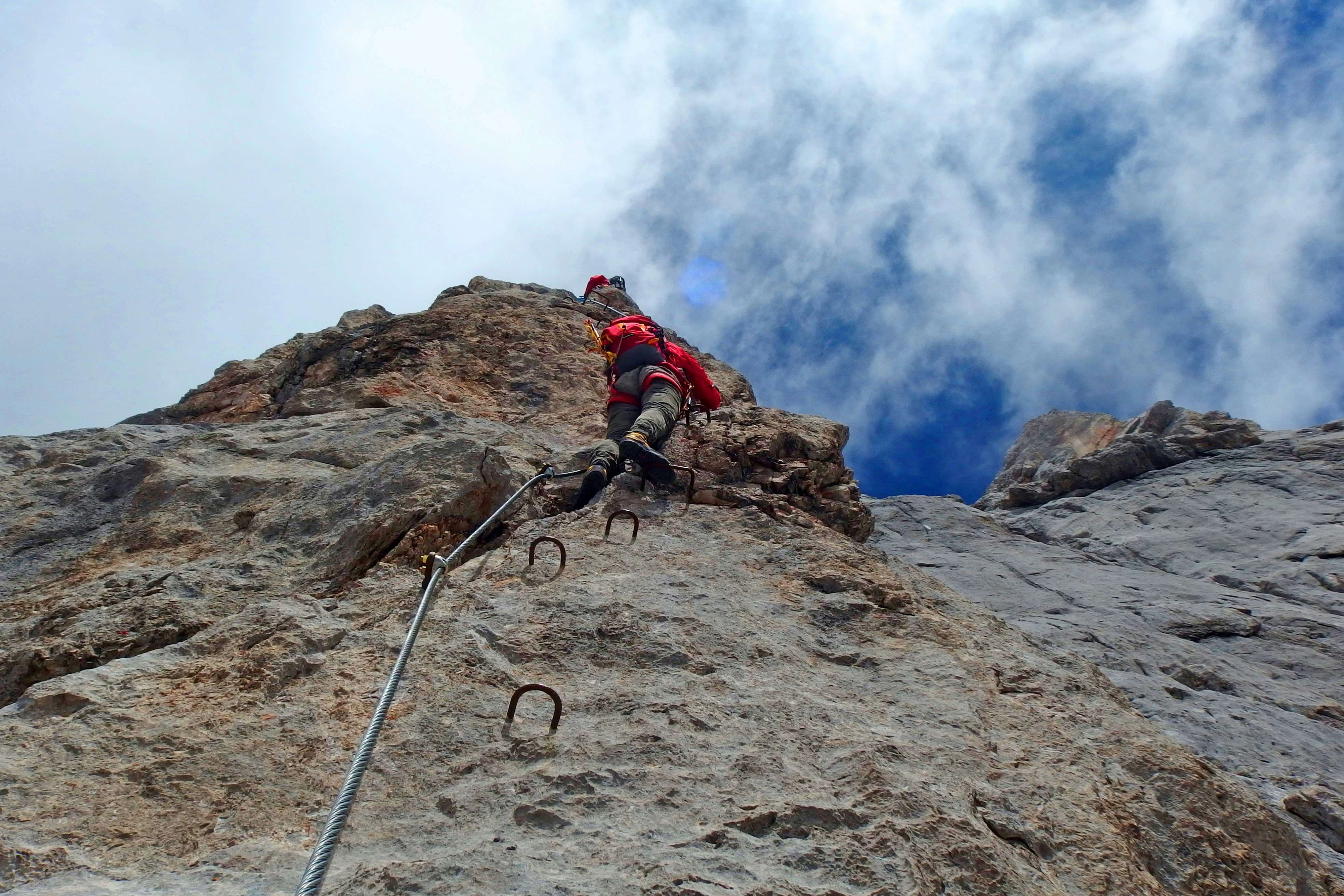
A via ferrata, or “iron path,” sits somewhere between a challenging hike and technical rock climbing. These fixed routes have steel cables, ladders, and bridges that let you move through exposed alpine terrain with more security than scrambling alone provides. For any climber heading to Europe, picking the right route for your skill level makes the difference between a great day out and one you’ll want to forget.
This via ferrata routes Europe guide is for climbers who understand what they’re signing up for. It’s a practical rundown of routes across Europe—from the Dolomites to the Tatras—so you can choose based on your experience, fitness, and tolerance for exposure. I’ve done enough of these to know that a bad route choice can turn a solid trip into a miserable experience. This guide should help you avoid that.

What to Know Before You Go: Via Ferrata Basics
Don’t show up at a via ferrata without understanding the grading system. It’s a safety issue, not just a preference. The standard grading runs from A (easiest) to E (most difficult). A or B routes are basically walks with handrails. C routes need solid upper body strength and a head for heights. D routes are strenuous, sustained, and mentally tough. E routes are for experts only—steep overhangs, minimal footholds, and serious consequences if you slip.
Gear matters just as much. A standard climbing harness works, but you absolutely need a proper via ferrata set. These lanyards include energy absorbers that reduce the shock load on your body if you fall. A dynamic climbing rope won’t cut it here. Always wear a helmet—even on easy routes. Loose rock is common, and a dropped carabiner from above can end your day fast.
Fitness-wise, expect 4–6 hours of continuous effort on a moderate route. Grip strength, leg endurance, and cardiovascular fitness all come into play. Most Alpine routes open from June through September, though some lower-elevation spots start as early as May. You usually don’t need to book for walk-up access, but if there’s a popular hut near the base, reserve months ahead.
For gear, I’ve used the Petzl via ferrata set for years. It’s reliable and straightforward. Black Diamond’s lanyards are just as solid if you prefer their system.
Top Via Ferrata Routes in the Dolomites, Italy
The Dolomites are the heart of via ferrata country. Most routes were built during World War I for military movements. They’re spectacular, historic, and crowded for good reason. Here are three every climber should consider.
Via Ferrata Ivano Dibona
This is a long, scenic route near Cortina d’Ampezzo. It’s graded moderate (C/D) but the challenge is more about exposure than technical climbing. You traverse a massive ridge with panoramic views of the Tofane peaks. The route takes about 4 hours, plus approach time. Cortina is the nearest town—you can park there and take a chairlift to the start. It gets busy by late morning during peak season. Start by 7:00 AM or you’ll be stuck in a convoy of climbers. There are plenty of hotels in Cortina d’Ampezzo, but they fill up fast in summer—book three months out.
Via Ferrata Brigata Tridentina
If you want serious exposure, this is one to aim for. Rated D, it starts with a vertical wall section and stays exposed along the ridge. The route takes 5–6 hours and ends near Rifugio Averau. That hut is a great place to spend the night—book it well ahead. Parking is near Passo Falzarego. You need a strong head for heights here; there are sections where the ledge is barely wider than your boot.
Via Ferrata Punta Anna
Technical and demanding, this route is rated D/E and not for novices. It’s a steep climb up the side of the Cinque Torri massif, with classic Dolomite limestone holds. The route is short but punchy—about 2 hours—but the approach adds another hour. Combined with a hike up to Rifugio Cinque Torri, it makes a full day. Best for climbers comfortable on steep rock. Less crowded than Ivano Dibona, which is a nice bonus.
Classic Routes in the Austrian Alps
Austria has a slightly different feel—more hut-to-hut transitions, good cable car infrastructure, and routes ranging from family-friendly to terrifying.
Dachstein Skywalk Via Ferrata
This is a moderate route (C) with incredible views of the Hallstatt region. There’s a glass skywalk at the summit, but the via ferrata is genuinely excellent on its own. It starts at the top of the Dachstein cable car, so you skip hours of uphill hiking. The route takes about 3 hours and works well for a half-day adventure. Cable car access and stable weather make it a good choice for intermediate climbers. The downside is cost—cable car tickets add up.
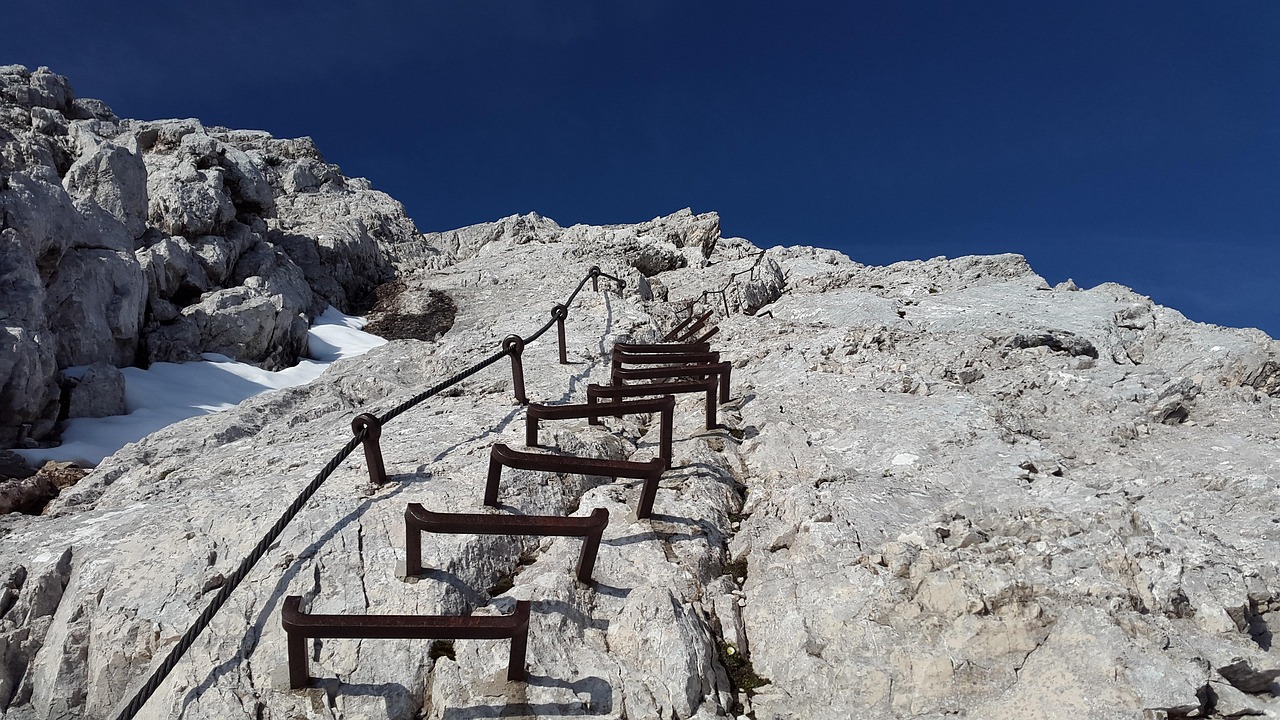
Salzkammergut Via Ferrata
A beginner-friendly (A/B) route near Lake Wolfgang, good for families or anyone easing into the sport. Short, with a clear trail alongside the cable, and no serious exposure. You could do it in sneakers if you had to, but proper shoes are better. It’s a decent warm-up for the week, but don’t expect much adrenaline.
Peter-Prinzip Via Ferrata
This one’s extreme. Rated E, near Gosau, for experienced climbers only. It includes an overhanging traverse on a steel beam and a ladder section that’s technically demanding. The route is short (under 2 hours) but relentless. If you fall, your absorber will work hard, and your body will feel it. A guide is strongly recommended unless you’ve done multiple D-grade routes before.

Switzerland’s Most Scenic Via Ferrata
Switzerland’s routes are well-maintained but expensive. If you can handle the ticket prices and accommodation, it’s worth it.
Via Ferrata Mürren-Gimmelwald
This beginner (A/B) route in the Bernese Oberland has views of the Eiger, Mönch, and Jungfrau that are hard to beat. There’s a zipline section that’s fun without being scary. It starts above Mürren, accessible by cogwheel train from Lauterbrunnen. The whole route takes about 2 hours. This is one of the few via ferratas where you can bring a first-timer and still have a good time. The infrastructure around Interlaken supports climbers well, so book a hotel in Interlaken for convenience.
Klettersteig Piz Cunturines
An advanced (D/E) high-altitude route in the Dolomites—wait, that’s Italy. The Swiss equivalent is the Via Ferrata du Bishorn near Zinal, a challenging alpine route with glacier access and high exposure. It’s long, technical, and needs good weather. You’ll want a guide unless you’re exceptionally competent. The hut system here is reliable, but expect to pay CHF 70-100 for a night with dinner.
Hidden Gems in France and Spain
These are less crowded than the Alpine classics, with better weather windows and lower costs.
Via Ferrata des Evettes
In the Savoy region of France, this moderate (C) route offers a spectacular traverse above a deep green lake. The rock is solid, the cable is well-maintained, and the scenery is pure alpine. Nearest town is Val d’Isère. The route takes about 3 hours, plus a short approach from a small parking area. It’s less known than routes near Chamonix, so you’ll avoid most crowds. The tradeoff is fewer hut options, so plan a full day or camp nearby. If you need to refill water along the way, a water bottle filter cuts down on plastic waste.
Via Ferrata De l’Ós (Montserrat, Spain)
Near Barcelona, this route is beginner-to-medium (B/C) with surreal rock formations that look like giant balanced pebbles. Start from Montserrat’s monastery via a short walk. You can do it as a day trip from Barcelona—just hop on the train and cable car. The route takes about 2 hours and is a good introduction to more exposed climbing. Bring sunscreen because there’s little shade on the sunny south face. A reliable reef-safe sunscreen is worth packing.
Adventurous Routes in Eastern Europe
For climbers on a budget or looking for true wilderness, Eastern Europe delivers. These routes see fewer tourists and offer a raw experience.
Via Ferrata Bovec (Slovenia)
Located in the Triglav National Park area, this route is graded C/D. It’s adventurous, with some exposed traverses and a short ladder section. Start near the village of Bovec, where you can find affordable guesthouses. The route takes 4–5 hours and follows the wall above the Soča River valley. The rock is limestone, well-protected but sometimes loose. Bring a headlamp in case you linger and lose the light. Bug spray is non-negotiable here—the mosquitoes in the valley are fierce.
Via Ferrata HZS (Slovakia)
In the High Tatras, this is a serious route (D/E). It’s one of the few routes in the region, and it’s tough. You need a strong head for heights and experience clipping in and out of protection on steep ground. The route takes about 2 hours, but the approach is a full day hike with some scrambling. A local guidebook for the Tatras is essential—route finding can be confusing without it. The hut network here is sparse, so bring supplies.
Easy Via Ferrata Routes for Beginners or Families
Not every route needs to be a battle. These are safe, fun, and a good way to introduce someone new without scaring them off.
Via Ferrata del Buso (Italy)
Graded A, near the town of Arco. It’s a short walk along a gorge with a steel cable and small foot bridges. Almost a walk in the park, but it gives you a taste of height and clipping into a cable. Good for kids ages 10 and up, or adults who aren’t confident with exposure.
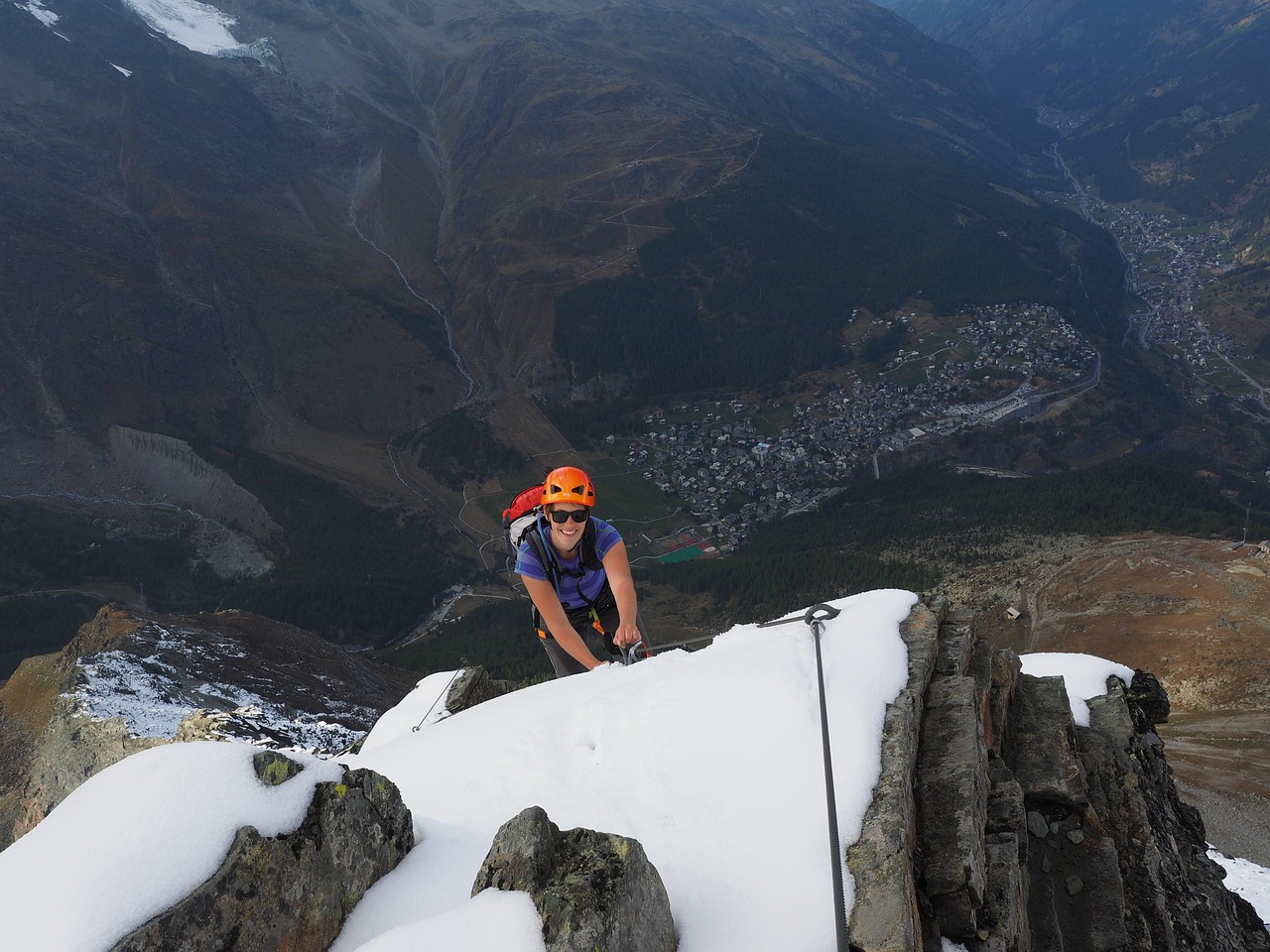
Klettersteig Graz (Austria)
Graded A/B, on the outskirts of Graz. A gentle introduction. Short, well-marked, no serious exposure. Good for testing your via ferrata set before bigger routes. No guide needed.
Via Ferrata Tous (Spain)
Graded B, near the Tous Reservoir in Valencia. A mix of gentle traverse and short vertical sections. A fun half-day adventure with a short approach and stable weather for much of the year. A beginner via ferrata kit and a quality helmet are all you need.
How to Choose the Right Via Ferrata Route
Pick your route by answering four questions:
- Grade: What’s the highest grade you’ve done? Stick to that or go one below for your first day.
- Exposure: Some routes are steep but well-protected; others are long and drop into nothing. Know your tolerance.
- Access: A route an hour from a city is different from one requiring a multi-hour approach and hut stay.
- Season: High-altitude routes close by September. Lower ones run through October.
For beginners, aim for grade A or B. Intermediate climbers, C is the sweet spot. Experts look at D or E. For current conditions and user reviews, a guidebook on Amazon is worth it—they cover detailed route descriptions you won’t find online.
Common Mistakes Climbers Make on Via Ferrata
I’ve seen the same mistakes play out on routes across Europe. Here are the big ones:
- Underestimating the grade. People see a “C” and think they’re fine. Then they hit a steep section and freeze. Start easy and build up.
- Skipping helmet on easy routes. A falling rock doesn’t care about the grade. Wear your helmet always.
- Not checking weather. Storms roll into the Alps fast. A sunny morning can become a lightning-laced afternoon. Check forecasts and bail early if needed.
- Wearing bad footwear. Running shoes or sandals are a disaster on metal rungs. Stiff hiking boots or approach shoes are the minimum. Get a proper climbing harness that fits well.
- Forgetting food and water. Dehydration and hunger kill focus. Carry 1.5 liters per person and calorie-dense snacks. A small backpack holds it all without weighing you down.
A quick test: clip into your gear at home, hang from a sturdy beam, and see if your setup feels right. Better to adjust a lanyard in your backyard than on a cliff.
Essential Gear for Via Ferrata: What to Pack
Here’s the checklist every climber should run through before heading out:
- Via ferrata set: Must-have. Energy absorbers are not optional. A quality set like Petzl’s or Black Diamond’s lasts years.
- Climbing harness: Any climb-specific harness works. Avoid worn-out gear. A new harness is cheap insurance.
- Helmet: Full stop. Wear it. Pick one that fits and don’t cheap out.
- Approach shoes or hiking boots: Stiff soles grip better on rock. Trail runners wear out fast on metal rungs.
- Gloves: Thin leather or synthetic gloves protect your hands from cable burns. Cheap—buy a pair.
- Headlamp: Even on a 2-hour route, delays happen. A headlamp weighs nothing and saves you from night-hiking disaster.
- Water and food: At least 1.5 liters of water and 500 calories of snacks per person. Nuts, bars, dried fruit—nothing fancy.
- First-aid kit: A basic kit with blister treatment, painkillers, and a bandage is enough.
- Sun protection and rain jacket: Alpine weather changes fast. Sunscreen and a lightweight shell are small but essential.

Final Tips for Planning Your Via Ferrata Trip
Book mountain huts as early as possible. In peak season, they fill weeks in advance. Check route conditions on official local tourism boards or reliable climbing sites—don’t rely on trail apps alone. If you’re trying a D or E route for the first time, consider hiring a guide for at least the first day. It’s not a failure; it’s a safety net.
Always have a backup plan. If weather rolls in, have a low-elevation hike or a museum visit in your pocket. A ruined via ferrata day shouldn’t mean a wasted trip. Finally, pick a route that fits your skill level, not your ego. The mountain isn’t going anywhere. Book a guided tour if it helps build confidence. Then go climb.
Best Safari Destinations in Africa for First Timers: A Practical Guide
Best Rock Climbing Destinations for All Levels
Best Patagonia Hiking Routes for Multi-Day Treks: Expert Guide
Solo Adventure Itinerary New Zealand: The Ultimate Guide
Best Beginner White Water Rafting Trips: Where to Start
Best Camera Straps for Hiking and Adventure Photography: The Complete Guide
Solo Train Travel Europe Guide: Routes, Hostels, and Tips
Solo Trekking in Nepal: Routes and Safety Tips
The Essential Adventure Travel First Aid Kit: What to Pack and Why
Adventure Travel Video Tips Guide: Shoot Like a Pro on the Go
How to Meet People While Solo Traveling: 15 Practical Tips
Mount Kilimanjaro Climbing Routes Compared: Which One Is Right for You?
Best Surfing Spots for Beginners and Intermediate Surfers: 10 Expert-Recommended Destinations
How to Backup Photos While Traveling: A Safe Workflow for Any Trip