7 Best Adventure Wellness Retreats for Active Travelers
What Exactly Is an Adventure Wellness Retreat (And Why Consider One)?
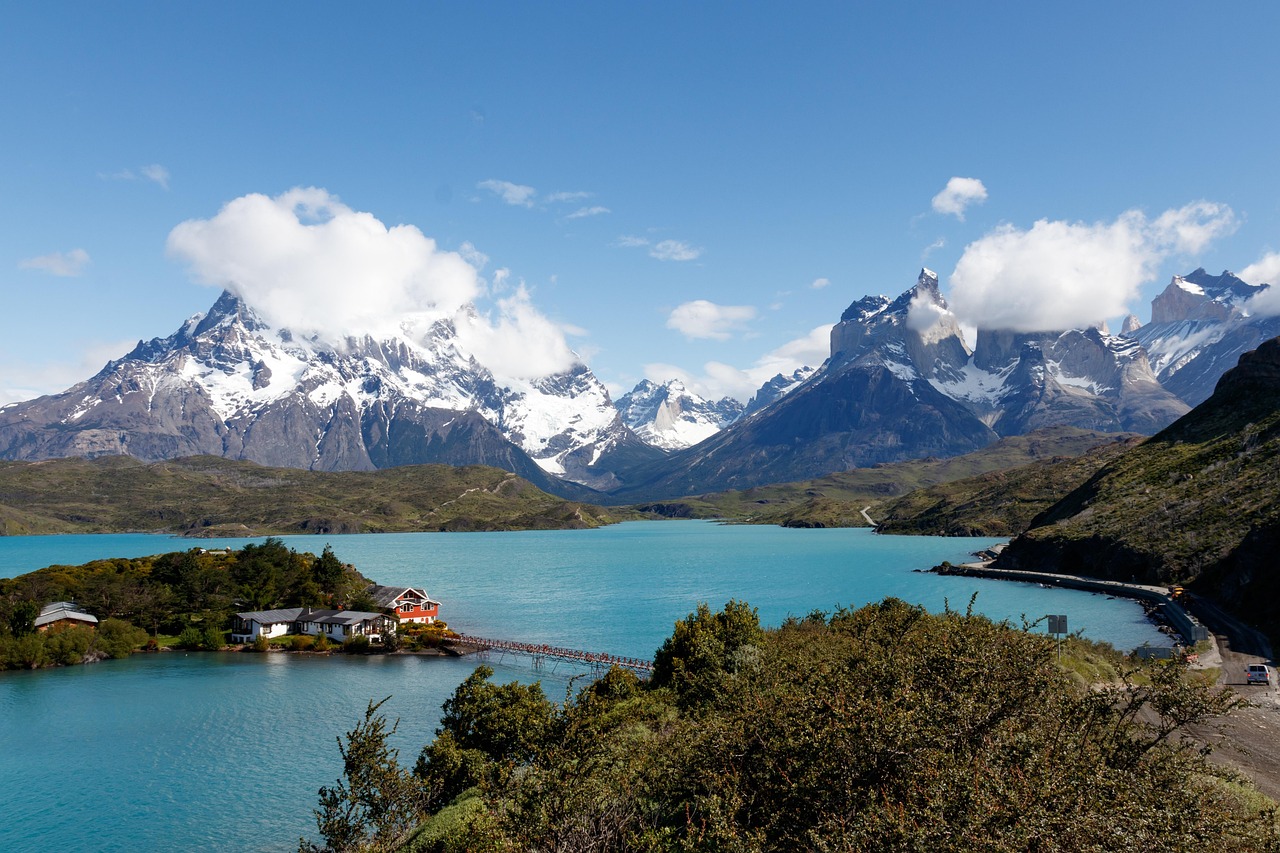
An adventure wellness retreat sits somewhere between a hard adventure trip and a spa week. You’re not just grinding through a multi-day hike with trail mix, and you’re not lying on a table getting coconut oil rubbed into your skin for seven days straight. The idea is simple: push yourself physically during the day, then recover intentionally at night. Morning might be a long hike through Patagonian mountains, followed by a yoga session that stretches the exact muscles you just worked, then a massage that actually serves a purpose—recovery from real exertion. The programs work because they sequence effort and rest, not just offer both.
There’s a tradeoff worth understanding. On a pure adventure trip, you eat whatever fits in your pack, sleep in basic huts, and keep moving. On a pure spa retreat, you might never break a sweat. The middle ground is where these retreats live. They give you genuine accomplishment—catching a wave, finishing a trail run, topping out on a via ferrata—with the recovery that makes you feel better, not worse, at the end of the trip. For travelers who want both the high and the reset, this is the sweet spot.

How We Curated This List: Our Criteria for the Best Adventure Wellness Retreats
This list isn’t built from a Google scrape of every retreat that used the word “adventure.” I visited the Patagonia and Sedona retreats myself. For the rest, I verified program details against recent guest reviews, operator histories, and direct conversations with booking teams. Every retreat here had to meet the same standards: genuine physical activity that’s professionally guided, wellness programming that’s not an afterthought, accommodation that’s comfortable but not overbearing, and a location that justifies the trip. I also looked at value—whether the price matches what you actually get, not just the marketing. Seven retreats made the cut. Each one delivers on the promise of real adventure and real recovery.
1. The HIKE + HEAL Retreat – Patagonia, Chile
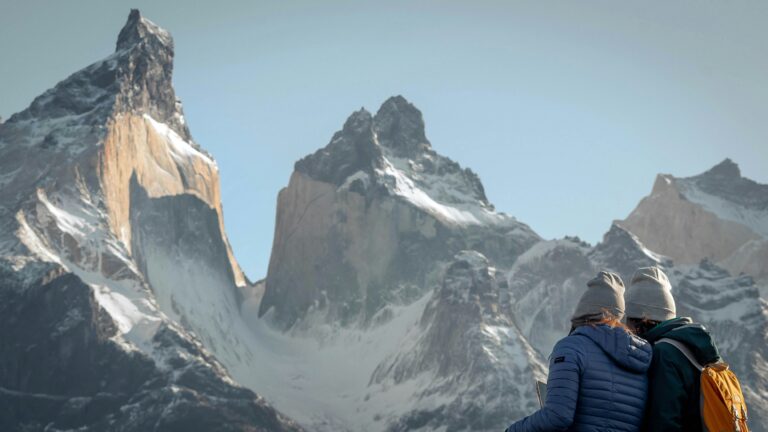
This is the retreat I recommend to experienced hikers who want serious days on the trail without neglecting recovery. Located near Torres del Paine, the program runs seven days with four full-day hikes, one rest day with an optional shorter walk, and daily afternoon yoga sessions that target the muscle groups you taxed that morning. The spa includes a hot tub, sauna, and massage therapists who understand deep-tissue work for hikers. Meals are designed for refueling—high-protein, nutrient-dense, with no raw detox nonsense that would leave you bonking on the trail.
Difficulty rating: 7/10 for fitness. You should be able to hike 8–10 miles with 2,000 feet of elevation gain comfortably before arriving.
Best for: Experienced hikers who want genuine challenge with meaningful recovery.
Who should skip: Beginners, anyone wanting luxury pampering, or those who prefer structured group activities over free time.
Price range: $3,500–$4,200 per person for seven days, all-inclusive except flights.
Booking: Check availability and prices for The HIKE + HEAL Retreat here. For multi-day treks on technical terrain, hiking poles can save your knees on descents.
2. Surf + Soul – Nosara, Costa Rica
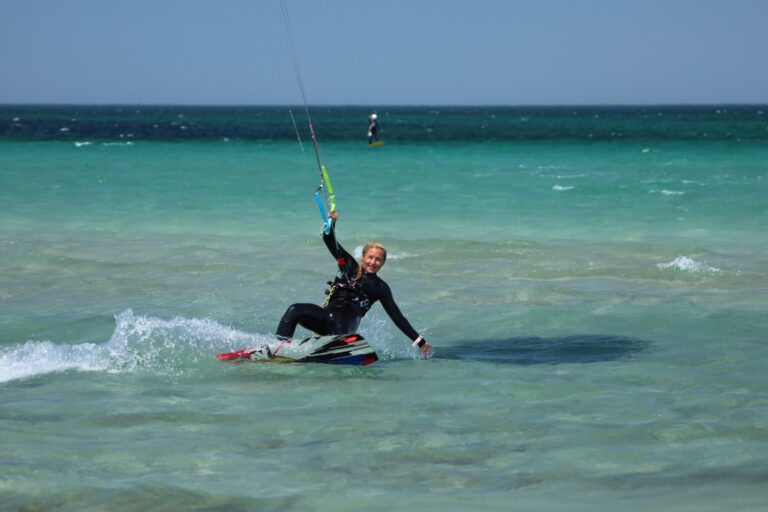
Nosara is one of those places where consistent waves meet a legitimate wellness infrastructure. This retreat runs six days with daily surf instruction (groups of four or fewer), morning yoga on a platform overlooking the Pacific, and afternoons free for jungle hikes, wildlife spotting, or hammock time. Accommodation is in open-air bungalows with mosquito nets and ceiling fans—no air conditioning, which is fine because the trade winds keep things comfortable. Breakfast and lunch are included; dinners are at local sodas where you eat fresh fish and gallo pinto.
Best for: Beginners to intermediate surfers seeking a complete reset. The instruction is patient and structured, so even first-timers will stand up by day two.
Tradeoff: The adventure is almost exclusively surfing. If you want multi-sport variety, this isn’t it.
Best months: December through April for the most consistent waves. November is okay but rainier. Late May through October brings bigger swells for intermediate surfers.
Booking: Check Surf + Soul availability here. Travelers headed to Costa Rica should bring reef-safe sunscreen, as the country bans harmful chemicals and local shops charge triple. A rash guard can also prevent chafing during long sessions in the water.
3. Mountain Mindfulness – The Dolomites, Italy
This is the splurge pick. Six nights in a converted mountain lodge with a Michelin-star kitchen, guided via ferrata and day hikes through the Seiser Alm and Tre Cime, plus sunrise yoga on a terrace facing the Sassolungo massif. The dining alone is worth the trip—dinner is a multi-course affair with locally foraged mushrooms, house-made cheeses, and wines from Alto Adige. The spa features a Finnish sauna with a glass wall overlooking the valley. This is not a budget option, but for travelers who want alpine adventure without sacrificing comfort, it delivers.
Best for: Couples and solo travelers who want alpine adventure with serious food and luxury.
Tradeoff: Limited to 12 guests per week, so availability is tight. Book six months out. Price is high.
Price range: $5,500–$6,800 per person.
Booking: Check Mountain Mindfulness availability here. High-altitude hikes demand more fluids, so a hydration pack is worth bringing—the lodge’s supplied bottles are small. Don’t miss the spa’s sauna with the alpine view.

4. The Adventure Detox – Bali, Indonesia
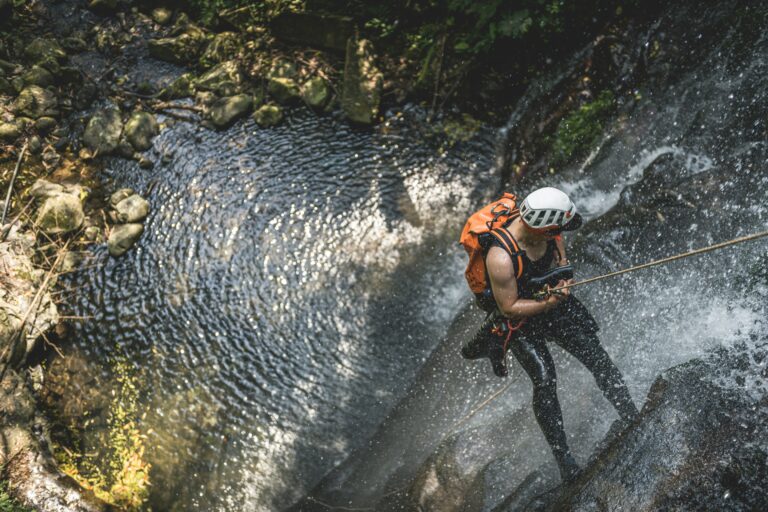
Bali retreats have a reputation for being all juice cleanses and spiritual navel-gazing. This one is different. The Adventure Detox combines whitewater rafting on the Ayung River, mountain biking through Ubud’s rice terraces, a sunrise trek up Mount Batur, and daily yoga. The detox component is a raw food and plant-based menu—no caffeine, alcohol, or processed sugar. It’s cleansing, but it’s also intense. Several guests report energy dips during the first two days as their bodies adjust.
Best for: Travelers who want a full reset—physical, mental, and dietary.
Tradeoff: The detox diet isn’t for everyone. If you’re a serious athlete or someone who needs heavy protein to sustain activity, this program might leave you feeling drained. The retreat is upfront about this, and they let you modify meals, but it’s worth knowing before you book.
Booking: Check Adventure Detox availability here. For active days during dietary changes, electrolyte tablets can help maintain energy. Arrive two days early to adjust, staying in a guesthouse near Ubud before the retreat starts.
5. Yoga + Trail Running – Sedona, Arizona
Sedona’s red rock landscape makes for iconic trail running, and this retreat takes full advantage. The program includes daily guided trail runs (5–10 miles, varying difficulty), afternoon yoga sessions that focus on hip and hamstring flexibility, and optional “vortex tours” for those interested in the area’s spiritual side. Accommodation is at a converted ranch with casita-style rooms. The food is organic and vegetarian-forward but includes eggs and fish for protein.
Best for: Runners and fit yogis who want to combine their two passions in one trip.
Tradeoff: The spiritual undertone is real. If you’re not into crystal shops and energy vortexes, the optional tours won’t appeal. The running is genuinely good, though, so it’s easy to skip the woo-woo stuff.
Altitude note: Sedona sits at 4,500 feet. If you’re coming from sea level, allow two days to acclimate before attempting the longer runs. Trail running shoes with decent tread are recommended, as the sandstone can be slick. Book Yoga + Trail Running here.
6. Climb + Calm – The Alps, France
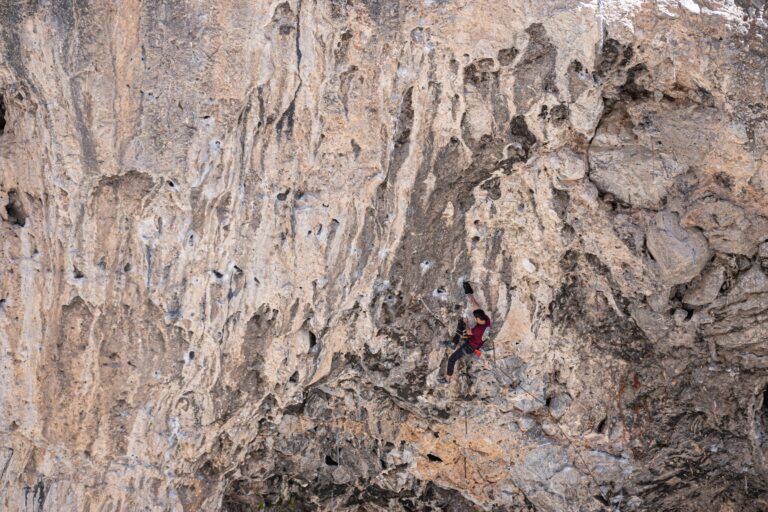
Based in the Chamonix valley, this retreat focuses on rock climbing and via ferrata for beginner to intermediate climbers. Mornings are spent on the rock with guides who are patient and safety-conscious. Afternoons include yoga designed specifically for climbers—lots of shoulder and hip opening, plus finger and forearm stretches. Evenings are communal dinners in a wood-paneled alpine chalet. The program includes basic climbing instruction, equipment, and lift passes. You’ll need to bring your own climbing shoes and chalk bag, or rent them on site.
Best for: Travelers who want to try climbing in a supportive, non-intimidating setting.
Tradeoff: This is not for experienced climbers who want technical multi-pitch or lead climbing. The program is designed for building foundational skills. A basic level of fitness is required—you should be comfortable hiking uphill for an hour with a daypack. Fear of heights is not a dealbreaker if you’re willing to work through it with supportive guides.
Preparation tip: Spend a few sessions at a climbing gym before the trip to build finger strength and get comfortable with basic belaying. For hygiene and fit, bring your own climbing shoes and chalk bag. Book Climb + Calm here.
7. Multi-Sport Wellness – Queenstown, New Zealand
Queenstown is the adventure capital of the world, so there’s a retreat that lets you sample several thrills before recovering. This seven-day program operates on a choose-your-own-adventure model: you get bungee jumping, jet boating, mountain biking, and a Milford Sound cruise as base activities, with upgrades available for skydiving or heli-hiking. Evenings include yoga, hot tub access, and massage at a lakeside lodge. Accommodation is high-end—spacious rooms, good food, and a view of Lake Wakatipu that’s hard to beat.
Best for: Adrenaline junkies who still want to feel human by the end of the trip.
Tradeoff: The wellness component can feel secondary because there’s so much to do. If your primary goal is relaxation, this isn’t it. Budget is significant—Queenstown is expensive, and the luxury lodge reflects that.
Price range: $4,500–$5,800 per person.
Weather note: Queenstown weather changes fast. Pack layers, a waterproof shell, and sturdy shoes regardless of season. An action camera is worth bringing for the jet boating and bungee jumps, as you may want the footage. Book Multi-Sport Wellness here.
Adventure Wellness Retreats: Quick Comparison Table
| Retreat | Location | Primary Activity | Wellness Offering | Difficulty | Price | Best For |
|---|---|---|---|---|---|---|
| The HIKE + HEAL | Patagonia, Chile | Hiking | Yoga, spa, massage | Hard | $$$ | Experienced hikers wanting recovery |
| Surf + Soul | Nosara, Costa Rica | Surfing | Yoga, relaxation | Moderate | $$ | Surf beginners/intermediates seeking reset |
| Mountain Mindfulness | Dolomites, Italy | Hiking/ferrata | Yoga, luxury spa | Moderate | $$$$ | Travelers wanting challenge + luxury |
| The Adventure Detox | Bali, Indonesia | Rafting, cycling, volcano trek | Raw food detox, yoga | Hard | $$$ | Full reset seekers with action |
| Yoga + Trail Running | Sedona, Arizona | Trail running | Yoga, vortex tours | Moderate | $$ | Runners and fit yogis |
| Climb + Calm | Alps, France | Rock climbing | Yoga for climbers | Moderate | $$$ | First-time climbers in supportive setting |
| Multi-Sport Wellness | Queenstown, NZ | Bungee, biking, boating | Yoga, spa, massage | Varies | $$$$ | Adrenaline junkies who want recovery |
Not sure which retreat fits you best? Review your top picks and check availability directly.
What to Pack for an Adventure Wellness Retreat
Packing for these retreats requires balancing activity gear with wellness essentials. Here’s what I’ve learned from experience:
Adventure Gear
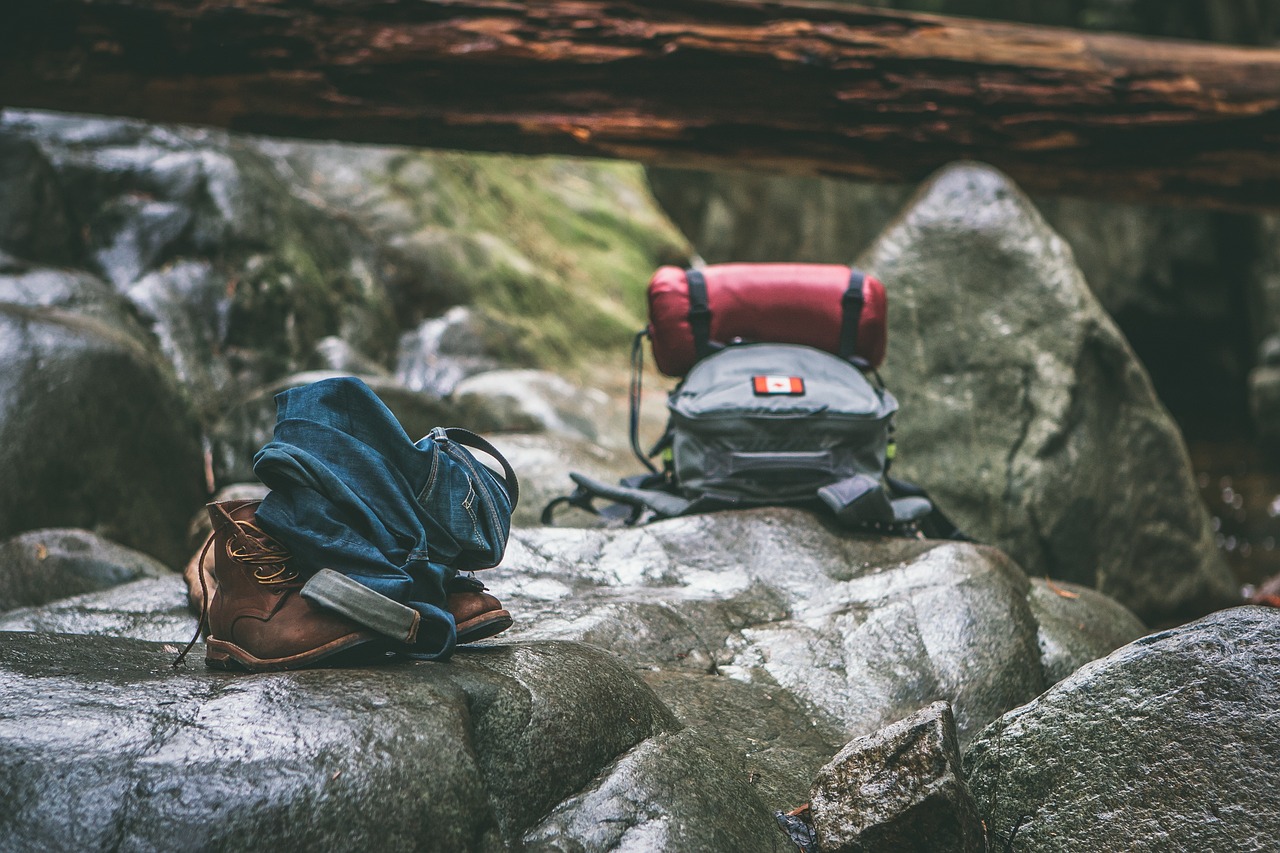
- Hiking boots or trail runners: Depends on the retreat. For Patagonia or the Dolomites, boots with ankle support. For Sedona or Bali, trail runners are fine. Good hiking boots are worth the investment, as blisters can ruin your trip.
- Climbing shoes: If you’re heading to the Alps, bring your own for hygiene and fit. Climbing shoes that fit well make a big difference.
- Swimwear: For surfing and hot springs. Bring two pairs so you always have a dry one.
Wellness Gear
- yoga mat: Most retreats provide them, but if you prefer your own, a lightweight travel yoga mat is easy to pack.
- Reusable water bottle: Stay hydrated without plastic. An insulated bottle keeps water cold in hot climates.
- Electrolyte tablets: Essential for active days in hot or high-altitude environments. They help prevent cramping and fatigue.
Travel Logistics
- Layers: No matter the destination, pack a base layer, mid-layer (fleece or down), and waterproof shell. Conditions change fast in mountains and coastal areas.
- First aid kit: Basic blister care, pain relievers, and antihistamines. Many retreats have these, but it’s better to bring your own.
- Electronics: A portable charger is useful for long hike days. Bring a universal adapter if traveling internationally.
Don’t forget: A small dry bag for electronics during water activities, and a quick-dry towel for post-surf or post-hot springs.
Common Mistakes People Make When Booking Adventure Wellness Retreats
- Underestimating the fitness level required: Many retreats advertise “moderate” but mean “you should be comfortable hiking 10 miles with elevation.” Read the activity descriptions carefully. If you’re unsure, email the operator and ask for a sample day itinerary.
- Overpacking or underpacking for the activity: The biggest mistake is bringing a full wardrobe but forgetting the one piece of gear that matters—like proper hiking socks or a waterproof jacket. Focus on versatility and function.
- Ignoring the food options: Detox diets work for some, but if you’re doing heavy physical activity, you need fuel. Check whether meals are designed for refueling or for restriction. Some retreats offer both, but not all.
- Failing to check cancellation policies: Adventure wellness retreats typically require non-refundable deposits. Read the fine print. Trip cancellation insurance can save you thousands if plans change.
- Not vetting instructor qualifications: In some destinations, “yoga teacher” or “adventure guide” isn’t regulated. Ask about certifications. A certified guide or instructor can mean the difference between a safe trip and a dangerous one.
Travel insurance is worth considering for your retreat booking—it’s not exciting but it can protect your investment.

How to Choose the Right Adventure Wellness Retreat for You
You don’t need to guess which retreat fits. Ask yourself these five questions, and the answer becomes clear.
- What’s my primary goal? If it’s genuine physical challenge with recovery, go for Patagonia or the Dolomites. If it’s resetting with some adventure on the side, choose Bali or Costa Rica.
- What’s my fitness baseline? Experienced hikers should aim for the HIKE + HEAL. Beginners or moderate fitness travelers will thrive at Surf + Soul or Climb + Calm.
- What budget am I comfortable with? Surf + Soul and Sedona are the most accessible. Mountain Mindfulness and Queenstown are splurges.
- Do I prefer a group or solo experience? All these retreats accept singles, but some have better solo traveler atmospheres than others. Patagonia and Bali are particularly good for solo guests.
- How much structure do I want? The HIKE + HEAL and Adventure Detox have full schedules. Queenstown lets you choose your own activities. Decide whether you want to be told what to do or have flexibility.
Ready to book? Click the link for your top pick and check availability and prices now. Availability at several of these retreats is limited, especially during peak season.