The Best Adventure Travel for Families With Teens: Practical Trips That Actually Work
Introduction
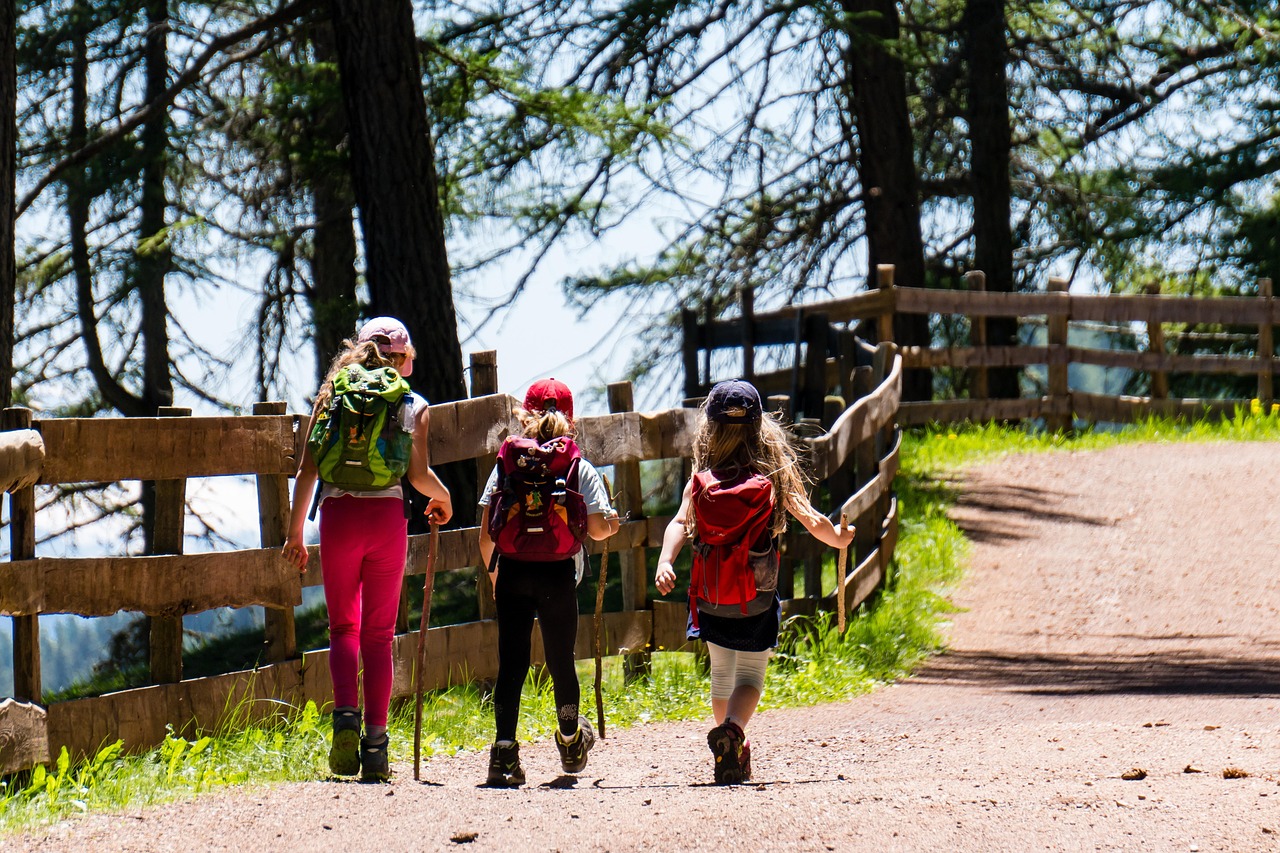
Families with teens face a particular travel challenge. You want a trip that means something. Your teenager wants action—not another museum. That’s where adventure travel for families with teens comes in. It’s built for families who’d rather do than watch. This guide covers destinations, gear, and planning so you can book something that actually works.

Why Adventure Travel Works for Families With Teens
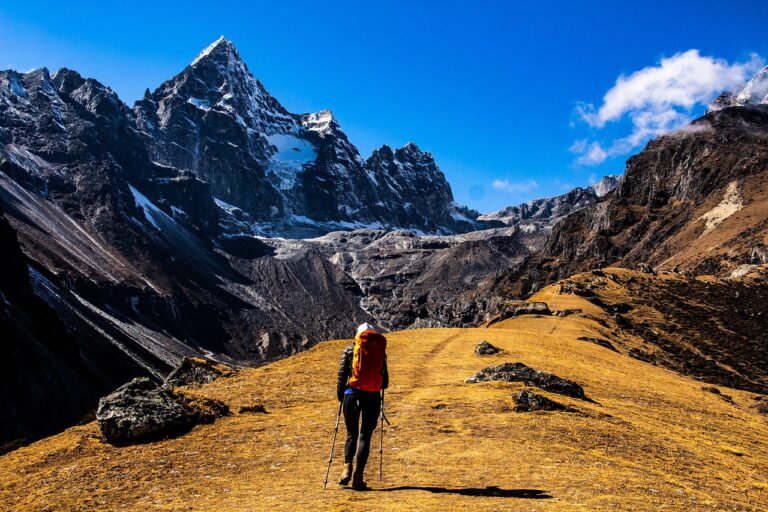
Teens are wired to seek novelty, autonomy, and challenge. Sitting in a van driving to a viewpoint is a recipe for boredom. Adventure travel flips that. Instead of touring, you’re doing things together. Rafting a Class III river, hiking a volcano, or zip-lining through a cloud forest creates shared stakes. There’s no awkward dinner conversation about school when you’re both focused on crossing a suspension bridge.
Shared physical challenge builds family bonds in a way that passive sightseeing doesn’t. It also gives teens legitimate bragging rights with their friends. When they come back with stories about glacier hiking or bungee jumping, they feel proud of the trip.
The Top 5 Destinations for Adventure Travel With Teens
These five destinations deliver for families with teenagers. They balance safety, logistics, and genuine adventure.
- Costa Rica: Ziplining, whitewater rafting, and wildlife. Easy flights from the US. Warm weather year-round. Best for first-time adventure families. Standout activity: overnight rafting trip on the Pacuare River.
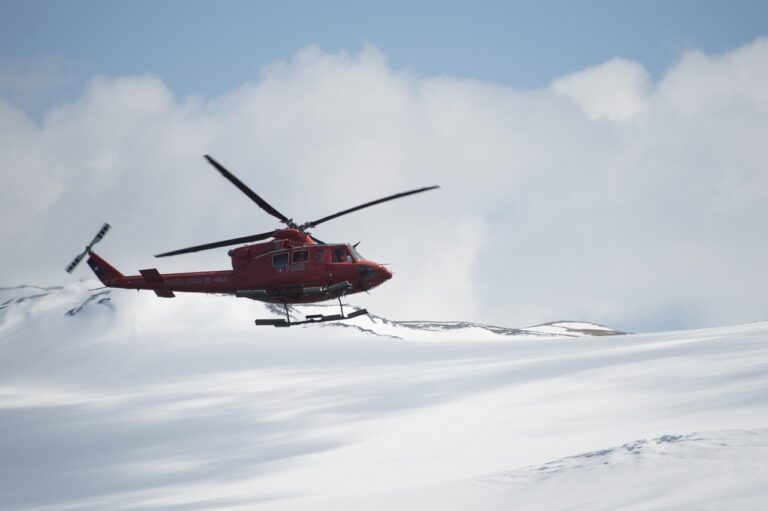
- Iceland: Glaciers, volcanoes, and geothermal hot springs. Moderate difficulty, but weather requires good gear. Best June to August. Standout activity: snowmobiling on a glacier.
- New Zealand: Extreme sports capital. Bungee jumping, jet boating, and multi-day hikes. Longer flights from the US, but worth it. Standout activity: bungee jumping off the Kawarau Bridge.
- Peru: Inca Trail, mountain biking, and sandboarding. High altitude requires acclimation. Best May to September. Standout activity: multi-day trek to Machu Picchu.
- Utah/US Southwest: Hiking, canyoneering, and mountain biking. Easy flights, no passport needed. Best spring and fall. Standout activity: canyoneering in Zion National Park.
Costa Rica: Ziplining, Whitewater Rafting, and Wildlife
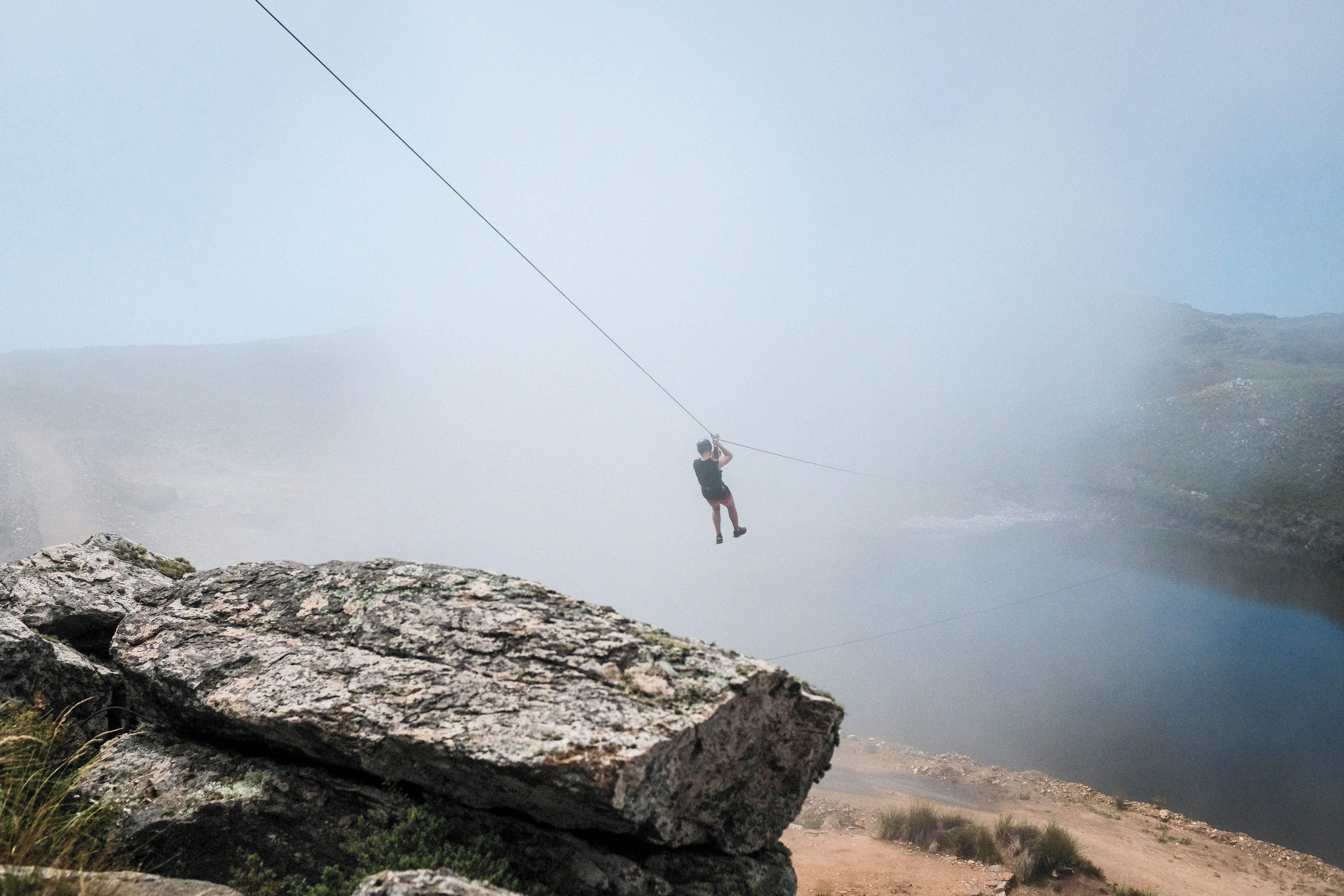
Costa Rica is the default recommendation for a reason. It’s affordable, safe, and packed with activities that require zero convincing. In Monteverde, you can zipline through the cloud forest canopy. On the Pacuare River, you can run Class III and IV rapids with overnight stays at riverside lodges. Night jungle walks in Tortuguero offer a different kind of adrenaline—spotting tarantulas and frogs with headlamps.
Flights from most US hubs are under six hours. Lodges like Pacuare Lodge cater to families, with private bungalows and included meals. Safety standards are high. You can book a multi-day family adventure package through a tour operator and let them handle logistics while you focus on the experience. That convenience offsets the cost premium.

Iceland: Glaciers, Volcanoes, and Geothermal Hot Springs
Iceland feels like another planet—teens find it fascinating. Ice cave tours under glaciers, snowmobiling on Langjökull, and snorkeling in Silfra fissure between tectonic plates are genuine bucket-list items. The weather is unpredictable even in summer, so layering is non-negotiable. Travelers dealing with cold conditions may benefit from a reliable thermal base layer set to stay comfortable.
For gear, invest in thermal base layers and waterproof outerwear. A good headlamp is useful for winter cave tours. You can rent gear in Reykjavik, but buying your own saves time. A self-drive itinerary with a campervan offers flexibility and budget control. Book car rentals early, especially in peak season.
New Zealand: Bungee Jumping, Hiking, and Hobbiton
Queenstown is the adventure capital for a reason. Your teen can bungee jump off the Kawarau Bridge, ride a jet boat through Skippers Canyon, or hike the Routeburn Track. Age and weight requirements vary. Most bungee operators require a minimum age of 10 and weight between 35 and 150 kilograms. Check policies before booking.
For downtime, Hobbiton is a surprisingly fun stop for teens who grew up on the movies. Beginners may want a good New Zealand travel guidebook to help plan itineraries. Local tour operators offer family packages that include transport and permits, reducing planning stress.
Adventure Travel Gear You Shouldn’t Leave Behind
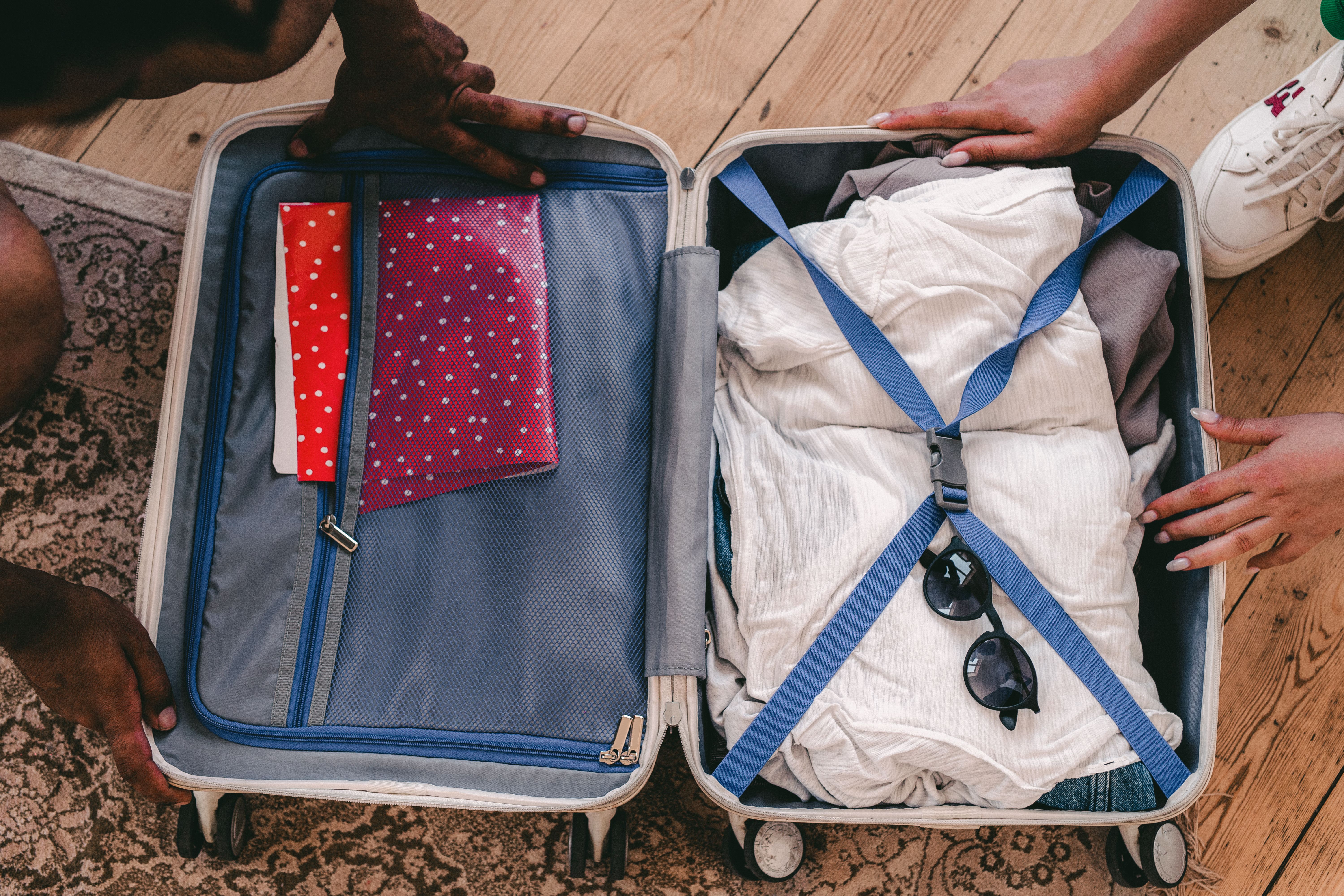
Good gear makes or breaks an adventure trip. Here’s what you need:
- Durable Daypack (20-30L): For hikes and day trips. Look for one with a hydration sleeve.
- Insulated Water Bottle: Keeps water cold in hot climates and warm in cold ones.
- Quick-Dry Clothing: Merino wool or synthetic. Avoid cotton for active days.
- Hiking Boots: Ankle support matters on uneven terrain. Break them in before the trip.
- Headlamp: Essential for early morning hikes or night walks. Don’t rely on phone flashlights.
- Compact First-Aid Kit: Include blister treatments, antiseptic, and ibuprofen.
- Power Bank (20,000 mAh+): For recharging phones and cameras. Choose one with multiple ports.
You can rent heavy gear like snow boots or camping equipment in most destinations. For lightweight items like a rechargeable headlamp and power banks, buy your own. They pack small and you’ll use them on every trip.

Adventure Travel for Families With Teens: Costa Rica vs. Iceland vs. New Zealand
Choosing between these three top destinations depends on your priorities.
- Budget: Costa Rica is cheapest. Iceland is moderate but expensive for food and fuel. New Zealand is moderate but requires long-haul flights.
- Flight Time (from US West Coast): Costa Rica (5-6 hours), Iceland (7-8 hours), New Zealand (12+ hours).
- Activity Intensity: Costa Rica (moderate), Iceland (moderate with weather challenges), New Zealand (high).
- Best Season: Costa Rica (December to April), Iceland (June to August), New Zealand (December to February).
- Teen Boredom Risk: Low for all three, but Iceland requires more proactive planning for bad weather days.
Choose Costa Rica for wildlife and warmth. Choose Iceland for otherworldly landscapes and a shorter flight. Choose New Zealand for extreme sports and longer itineraries.
4 Common Mistakes Families Make When Planning Adventure Travel With Teens
These mistakes are easy to make and easy to avoid.
- Over-scheduling: Block out rest days. Teens need downtime to recharge, even on adrenaline-packed trips.
- Ignoring teen input: Let them pick one activity. They’ll be more engaged if they have a stake in the plan.
- Underestimating physical fitness: A multi-day hike requires training. Test your family’s endurance before committing.
- Choosing the wrong season: Rainy seasons can shut down activities. Research the destination’s shoulder season for price and weather balance.
How to Keep Teens Engaged (Without Nagging)
Involving teens in planning is the most effective strategy. Let them choose one activity per destination. Give them a cheap waterproof camera or a smartphone for scrapbooking photos. Build in free time where they can explore independently within safe boundaries. Avoid lectures about cultural appreciation. Focus on shared decisions and let them opt out of one planned activity without guilt.
Booking Your Adventure: Tours vs. Independent Travel
Guided family tours offer convenience. Activities are pre-arranged, logistics handled, and your teen will likely meet other kids. The downside is less flexibility and higher cost per person. Independent travel gives you control over pace and budget. It requires more research but offers freedom to adjust plans on the fly.
For most families, a hybrid approach works: book a tour for the core adventure component, then add free days for independent exploration.
Packing for Adventure: What Each Family Member Needs
- Base Layers: Merino wool tops and bottoms (one pair per day).
- Mid-Layers: Fleece or insulated jacket.
- Outerwear: Waterproof jacket and pants. Gaiters for snowy or muddy hikes.
- Footwear: Hiking boots (broken in), water shoes for rafting, and casual sneakers.
- Extras: Sunscreen (reef-safe), insect repellent, sunglasses, and a hat.
Brands like Patagonia, REI Co-op, and Columbia offer reliable options at different price points. You don’t need top-tier gear for a single trip, but cheap boots cause blisters.
Final Tips for a Stress-Free Adventure With Teens
Start with a shorter trip to test the waters. Talk openly about expectations before departure. Invest in good gear for safety and comfort. Build flexibility into your itinerary. Remember that the trip is for the family, not for Instagram. When it works, adventure travel creates memories that stick.
Frequently Asked Questions About Adventure Travel for Families With Teens
What is the minimum age for most adventure activities?
Most operators set minimum ages between 8 and 12 for activities like ziplining and rafting. Bungee jumping often requires age 10 or older. Always check with the specific company before booking.
What is the best time of year for adventure travel with teens?
It depends on the destination. For Costa Rica and New Zealand, December to April offers good weather. Iceland is best June to August. The US Southwest is ideal in spring and fall. Avoid peak rainy seasons.
How much does a family adventure trip typically cost?
Range varies wildly. A trip within North America might cost $3,000-$5,000 per person for a week. International trips with tours can double that. Budget-conscious families can save by booking DIY itineraries and staying in budget lodges.
How do I handle a teen who is afraid of heights or fast activities?
Don’t force participation. Start with lower-stakes activities like hiking or snorkeling. Build confidence gradually. Let them decide when they’re ready. Often, watching peers do an activity lowers the fear threshold.