Best Polar Bear Watching Tours: Expert Guide to Arctic Adventures
Introduction
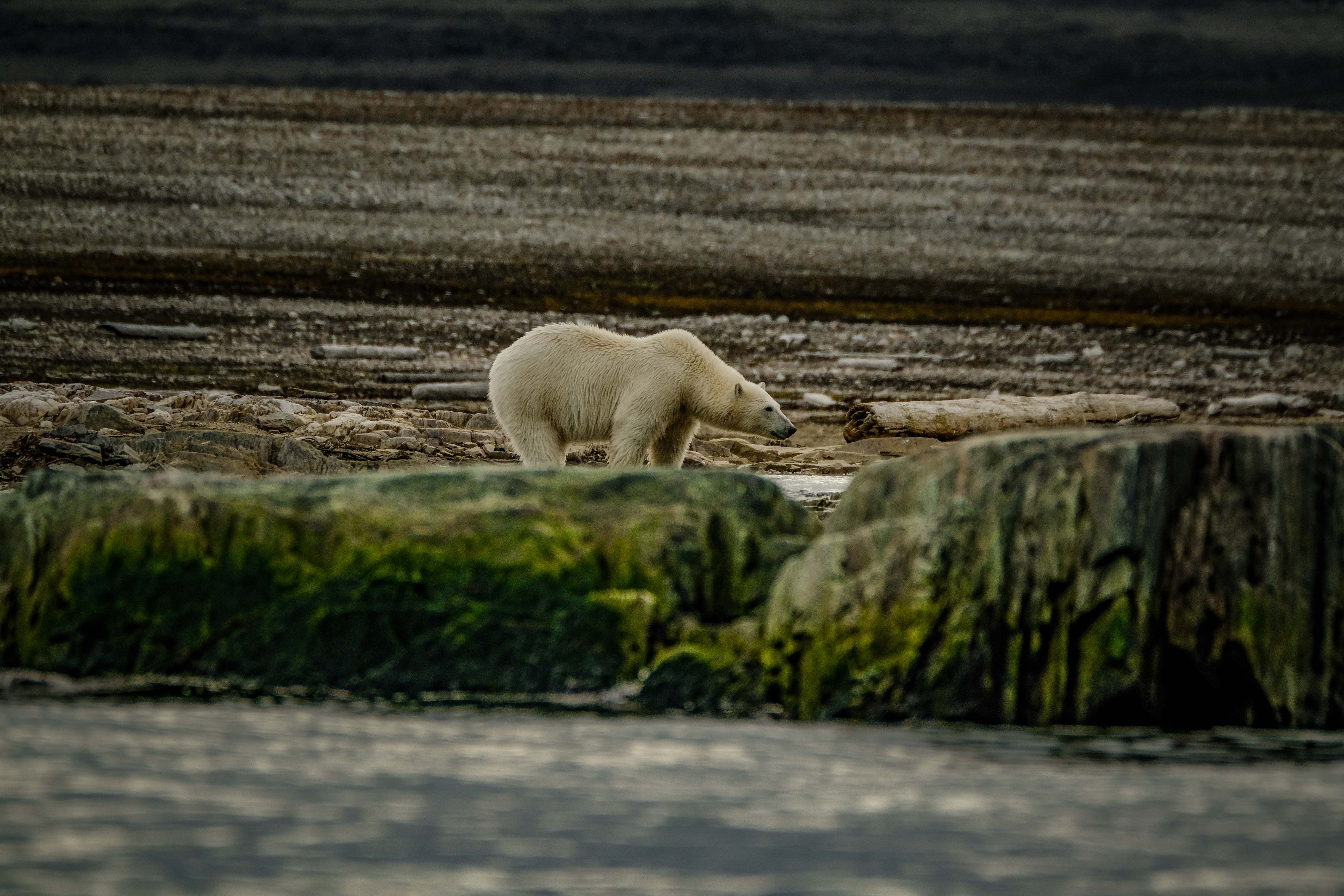
Polar bear watching isn’t a casual weekend trip. It’s an expedition into some of the most remote and unforgiving environments on earth. If you’re reading this, you already know you want to see these animals in the wild—not in a zoo. The question is how to do it without getting yourself into trouble or wasting thousands of dollars.
This guide is meant to help you find the best polar bear watching tours that actually deliver. I’ve spent years organizing Arctic travel and have been on the ground in Churchill, Svalbard, and the Alaskan coast. I know which operators cut corners and which ones earn their price tag. I’ll cover top destinations, what to look for in a tour, logistics that trip people up, and common mistakes that turn dream trips into expensive lessons. This is practical advice from someone who’s been there, not marketing copy.

Why Take a Polar Bear Watching Tour?
You might be tempted to DIY a polar bear trip—book a flight, rent a car, drive around. Don’t. The Arctic is not a road trip destination. Safety is the first reason to book a tour. Polar bears are apex predators that can cover ground faster than you can react. Guides carry firearms and know how to read bear behavior. They keep you safe without ruining the experience.
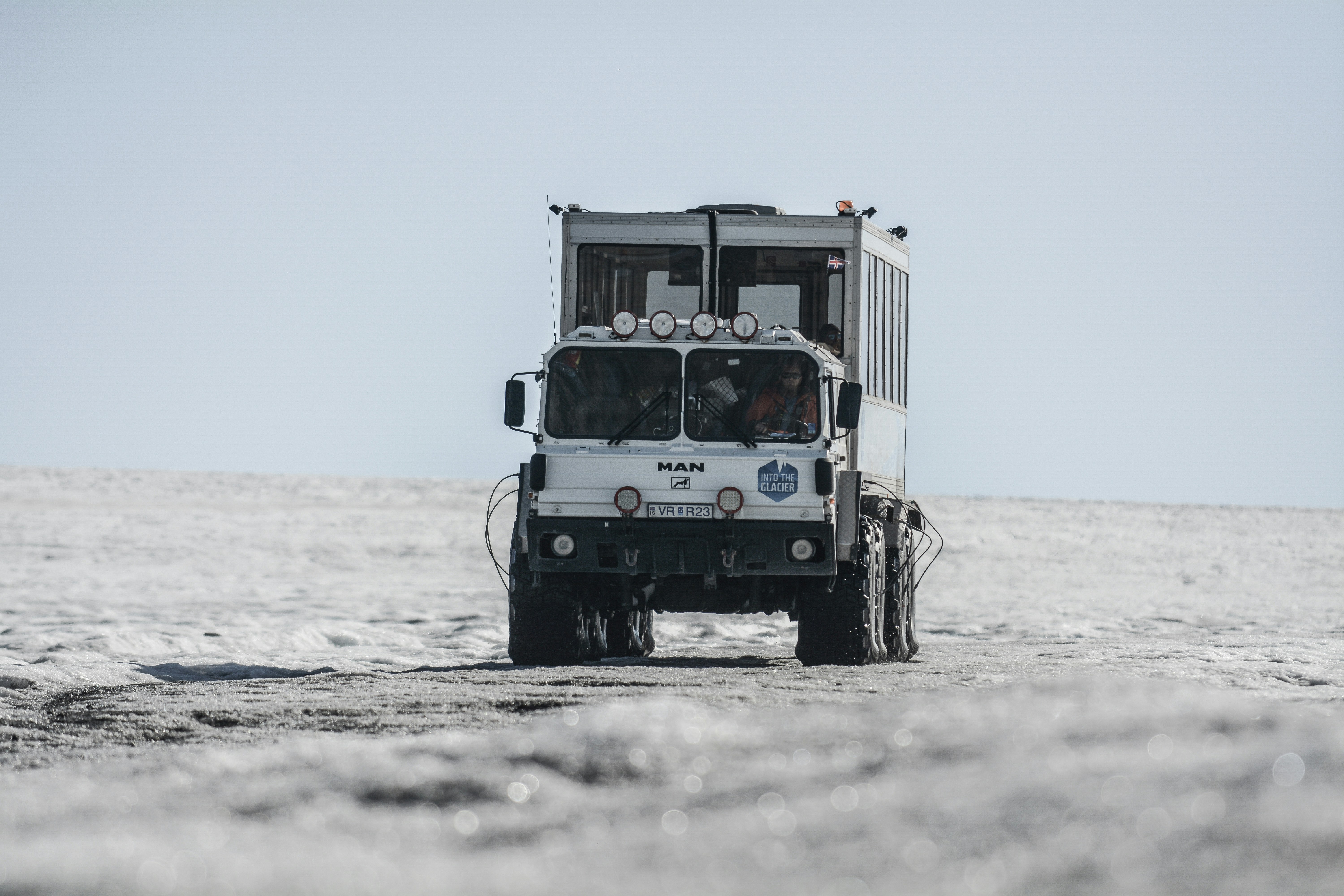
Access is the second reason. Prime bear habitat is often locked behind permits, private lands, or seasonal ice conditions. Tour operators have negotiated access for decades. You can’t just show up to the tundra and hope for the best. They also handle the logistics: specialized vehicles, heated lodges, and transport that functions in -30°C. You pay for convenience, but you also pay for a working plan. In the Arctic, a good plan is everything.
What to Look for in a Polar Bear Tour Operator
Not all tours are created equal. Here’s what actually matters when evaluating operators.
- Group size. A buggy with 40 people means you’re jostling for window space. Smaller groups (12–16) give you more time at sightings and better photo opportunities. Expect to pay more for small groups.
- Vehicle type. Tundra buggies are tall, stable, and heated. They’re the standard in Churchill. Boat-based tours work in Svalbard. Walking tours exist but are rare and require serious gear. Know what you’re booking.
- Guide expertise. Ask about guide backgrounds. Naturalists, biologists, and experienced Arctic travelers make a difference. A guide who can explain bear behavior adds value beyond just pointing.
- Season timing. Operators run tours in narrow windows. If they’re running trips outside prime season, you’re gambling with sightings. We’ll cover timing in detail later.
- Included gear. Some tours provide parkas, boots, and binoculars. Others expect you to bring everything. Check before you pack. Rental options can save you hundreds if you don’t own Arctic-grade gear. Travelers who need to start from scratch may want to browse options for arctic parkas ahead of time to understand what fits their needs.
The tradeoff is simple: smaller groups and better guides cost more. If you’re on a tight budget, expect a bigger group and fewer frills. That’s fine, as long as you know what you’re signing up for.
Best Destinations for Polar Bear Watching
Four destinations dominate the polar bear watching map. Each has strengths and tradeoffs.
| Destination | Best Season | Primary Wildlife | Access Notes |
|---|---|---|---|
| Churchill, Canada | Oct–Nov | Polar bears (high concentration) | Fly to Winnipeg, then charter to Churchill |
| Svalbard, Norway | June–July | Polar bears, walrus, seals | Fly to Longyearbyen, boat-based tours |
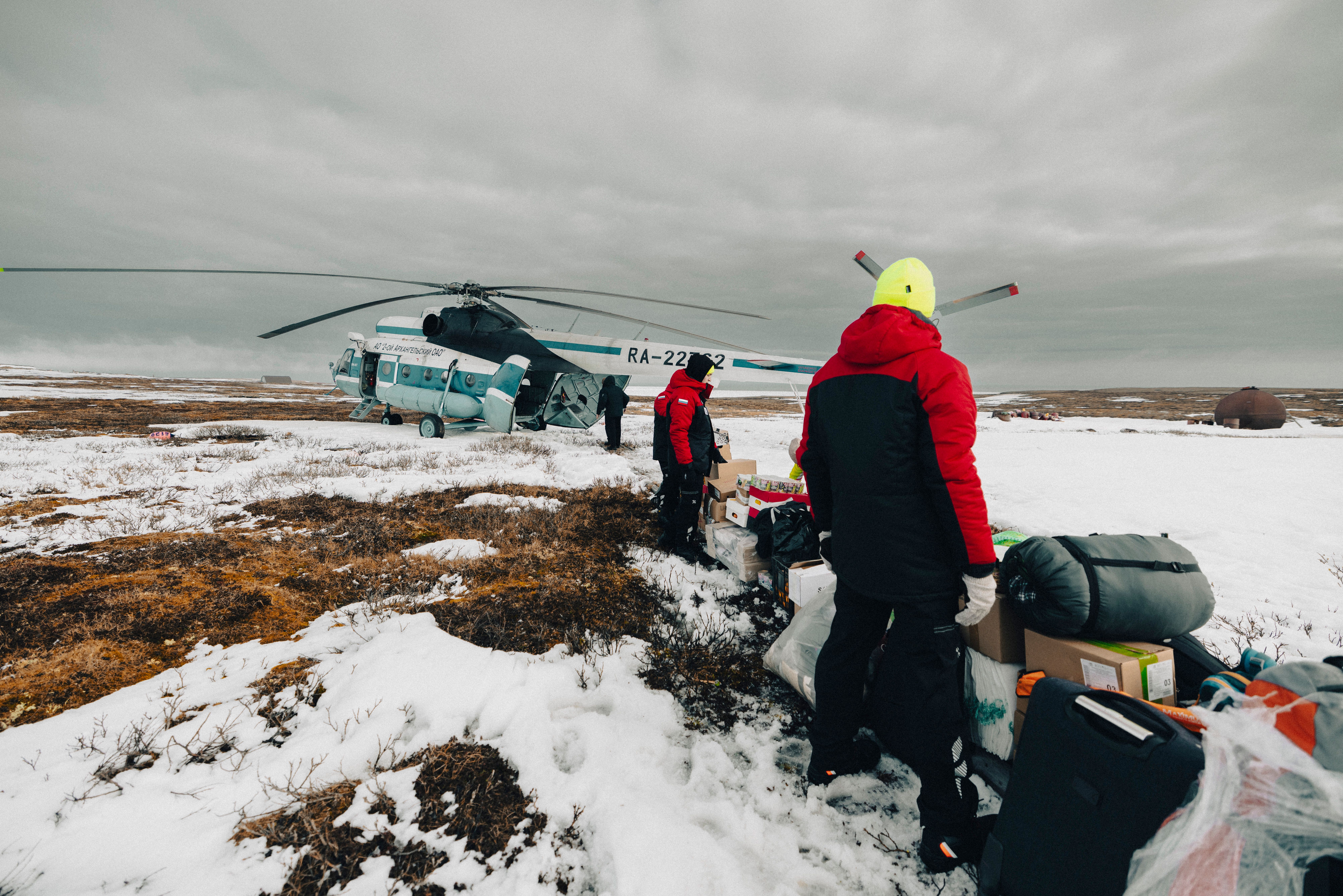
| Wrangel Island, Russia | July–Aug | Polar bears (denning area) | Requires Russian permits, limited operators |
| Kaktovik, Alaska | Aug–Oct | Polar bears (feeding on bowhead whale carcasses) | Fly to Fairbanks, then small plane |
Churchill is the most accessible and reliable for bear sightings. The bears gather near Hudson Bay waiting for ice to form. Svalbard offers a more expedition-style experience with boat travel and a chance to see other Arctic wildlife. Wrangel Island is for serious adventurers, but current geopolitical issues make it difficult to book. Kaktovik is a smaller operation but offers a unique setting with bears feeding along the coast. For most first-timers, Churchill is the best starting point.
Top 5 Best Polar Bear Watching Tours Compared
Here are five tours I’ve vetted through personal experience and conversations with guides. They cover different budgets and styles.
| Tour | Operator | Location | Duration | Price Range | Best For |
|---|---|---|---|---|---|
| Tundra Buggy Adventure | Frontiers North | Churchill | 6 days | $6,000–$8,000 | First-timers, reliable sightings |
| Churchill Lodge Trip | Natural Habitat | Churchill | 7 days | $7,500–$9,500 | Comfort, small groups |
| Polar Bears International Bundle | Multiple partners | Churchill | 7 days | $6,500–$8,500 | Educational, supports conservation |
| Svalbard Expedition | Oceanwide Expeditions | Svalbard | 10 days | $8,000–$12,000 | Adventure, Arctic ecosystems |
| Fly-In Bush Plane Tour | Arctic Wild | Alaska | 5 days | $5,500–$7,000 | Remote experience, small groups |
Frontiers North’s Tundra Buggy Adventure is the gold standard for first-timers. It’s well-organized, the buggies are comfortable, and the guides are seasoned. Natural Habitat’s lodge trip adds comfort and smaller groups for a higher price. The Polar Bears International bundle is ideal if you care about conservation and want to learn from researchers. Oceanwide’s Svalbard expedition is a different beast—boat-based, longer, and pricier, but you see more than just bears. Arctic Wild’s fly-in option is for those who want true remoteness without a crowd.

When to Go: Timing Your Trip for Peak Bear Activity
Timing is everything. Polar bears are most active when they’re waiting for ice or feeding. In Churchill, the sweet spot is October to November. Bears gather along the coast as they wait for Hudson Bay to freeze. November is peak, but weather can be brutal. October offers milder conditions and good bear activity.
In Svalbard, June and July are best. The ice is breaking up, and bears are hunting on the pack ice. Boat tours can navigate closer to the ice edge. August works but sightings taper off.
For Kaktovik in Alaska, August through October is prime. Bears feed on whale carcasses left by Inupiat hunters. It’s a different kind of spectacle, but reliable.
Weather in any destination can ground flights or limit visibility. Build in buffer days if you can. Don’t book a single-day tour and expect perfection. The Arctic doesn’t care about your schedule.
How to Get There: Transportation & Logistics
Getting to Churchill starts with a flight to Winnipeg. From there, you take a charter flight or the Via Rail train. The train takes two days and is an experience in itself, but most travelers fly to save time. Book your flight to Winnipeg well in advance—Churchill flights fill up months ahead during bear season.
For Svalbard, fly to Longyearbyen via Oslo or Tromsø. It’s a commercial flight; no special permits needed. Most tours include boat transport from Longyearbyen.
For Kaktovik, fly to Fairbanks, then a small plane to Kaktovik. This is more expensive per mile but less crowded.
Many tours include transport from the gateway city. Others expect you to get yourself there. Read the fine print. If you’re booking independently, factor in weather delays and travel insurance that covers Arctic conditions. I’ve seen people miss their entire window because they didn’t build in a buffer day.
Packing for a Polar Bear Watching Trip: What We Actually Used
Here’s what I’ve learned from multiple trips. Don’t skimp on insulation.
- Base layers: Merino wool or synthetic. Avoid cotton. It traps moisture and freezes.
- Mid layer: Fleece or lightweight down jacket. Layering is key for regulating temperature.
- Outer layer: Windproof and waterproof parka. Some tours provide these, but I prefer my own.
- Boots: Insulated, waterproof, with good traction. I use Baffin Impact boots. They’re heavy but warm. For longer trips, a reliable pair of insulated waterproof boots makes a real difference in comfort.
- Camera gear: A DSLR or mirrorless with a 200–400mm lens. Bring extra batteries—cold drains them fast. A tripod helps for stability on bumpy buggies.
- Binoculars: 10×42 or similar. Don’t buy cheap ones; you’ll regret it.
- Hand warmers and toe warmers: Disposable ones work. Bring a dozen.
If you don’t own Arctic-grade gear, check if your tour operator rents parkas and boots. Many do in Churchill. It saves you buying expensive gear you might only use once.
Common Mistakes First-Time Polar Bear Watchers Make
I’ve seen these mistakes repeat. Learn from them.
- Booking too late. Prime tours sell out 6–12 months in advance. If you wait until summer for an October trip, you’re stuck with leftovers.
- Ignoring weather delays. Flights get canceled. Roads close. Build at least one buffer day into your itinerary. I’ve watched people miss their tour entirely because they didn’t.
- Not bringing backup memory cards. You’ll take thousands of photos. Running out of storage is infuriating. Bring multiple high-capacity cards.
- Underestimating the cold. -30°C with wind chill is no joke. If you don’t dress properly, you’ll spend the tour inside the buggy, miserable. Dress for exposure, not comfort inside the vehicle.
- Expecting guaranteed sightings. No tour can guarantee a bear. The best operators have a high success rate, but wildlife is not a script. If you need a guarantee, visit a zoo. Otherwise, embrace the uncertainty.
Cost Breakdown: What You Really Pay For a Polar Bear Tour
Here’s a realistic budget breakdown for a Churchill trip.
- Tour fee: $5,000–$10,000. Includes accommodation, meals, guiding, and bear viewing vehicle.
- Flights: $1,000–$2,000 round trip to Winnipeg, plus $500–$1,000 for charter to Churchill.
- Accommodation in Winnipeg: $150–$300 per night if you stay a night before or after.
- Gear: $0–$1,500 depending on what you already own and what you rent.
- Travel insurance: $200–$500. Get it. Medical evacuation in the Arctic is expensive.
- Tips: $200–$500 for guides and lodge staff.
Budget tours ($5,000–$7,000) usually have larger groups, basic accommodations, and fewer included extras. Premium tours ($8,000–$12,000) offer smaller groups, better food, private rooms, and higher guide-to-guest ratios. Decide what matters to you. For most people, the mid-range option offers the best balance.
Best Tour Packages Under $7,000 (Value Picks)
If you’re budget-conscious, these tours deliver solid experiences without breaking the bank.
- Frontiers North Tundra Buggy Adventure (6 days, ~$6,000): The best value for first-timers. Reliable sightings, comfortable buggies, and good guides. Group size is larger, but it works.
- Arctic Wild Fly-In Tour (5 days, ~$5,500): For those who want remote Alaska. Small groups, bush plane access, and a raw experience. Less infrastructure means more authenticity.
- Kaktovik Multi-Day Package (4 days, ~$5,000): Limited availability, but the price is lower due to shorter duration and simpler lodging. Bears are highly active during whale carcass season.
The tradeoff for value tours is often comfort or group size. If you’re flexible, these are excellent options.
Luxury Polar Bear Experiences: When You Want the Best
For those who want to go all in, luxury tours cost $10,000+ but deliver an elevated experience.
- Natural Habitat Churchill Lodge Trip (7 days, ~$9,500): Smaller groups, private rooms, gourmet meals, and expert naturalists. You stay in a heated lodge, not a bunkhouse.
- Oceanwide Svalbard Expedition (10 days, ~$12,000): Helicopter access to the ice edge, zodiac landings, and top-tier guiding. You see bears, walrus, and Arctic scenery in comfort.
- Private Charter in Churchill (custom, $15,000+): If you have a group, you can book a private buggy and guide. Flexible schedule, total privacy, and maximum time with bears.
You pay for smaller groups, better food, more comfortable accommodations, and access to exclusive areas. If budget isn’t the primary concern, these tours justify their price with a smoother and more immersive experience.

Final Considerations: Choosing the Right Tour for You
Here’s a quick decision framework.
- Best for first-timers: Frontiers North Tundra Buggy Adventure. Reliable, well-organized, and reasonable cost.
- Best for photographers: Natural Habitat Churchill Lodge Trip or a private charter. Smaller groups mean better angles and more time per sighting.
- Best for value: Arctic Wild Fly-In Tour or Kaktovik multi-day package. You sacrifice comfort but gain authenticity and lower cost.
- Best for adventure travelers: Oceanwide Svalbard Expedition. It’s a proper expedition with ice navigation and diverse wildlife.
Browse our curated list of best polar bear watching tours above and book your adventure. The window is narrow, but the experience is worth every degree of cold.
Frequently Asked Questions About Polar Bear Watching
Are polar bear tours safe? Yes, when operated by reputable guides. The risk is managed through experience, firearms, and strict protocols. Do not approach bears on your own.
Can I see polar bears in summer? It depends. In Svalbard, yes—bears are on the ice edge in June and July. In Churchill, summer is not reliable. Fall is the primary season.
What’s the best age for kids? Most tours recommend ages 12 and up. The cold and long days are tough on younger children. Some operators have age minimums; check before booking.
Do tours offer refunds if no bears are seen? Most do not. They cite the uncertain nature of wildlife. Choose an operator with a proven track record and high success rate. Some offer partial credits for future trips, but don’t count on a full refund.
Can I go solo? Yes. Many operators accept solo travelers and pair you with others. Single supplements may apply for private rooms. Group tours are a good way to meet like-minded travelers.
What if I’m not in great shape? Most polar bear tours are not physically demanding. You sit in a buggy or on a boat. Some walking on uneven ground exists, but it’s minimal. Check with the operator for specific requirements.
What’s the best way to prepare? Read our packing section above, book early, and get travel insurance. The rest is logistics that your tour operator handles. Trust their guidance.
Shop Music Production Gear
Shop Music Production Gear
Shop Music Production Gear
Shop Music Production Gear