South Africa Adventure Guide: Safaris and the Coast – What You Need to Know Before You Go
South Africa Adventure Guide: Combining Safari with the Coast
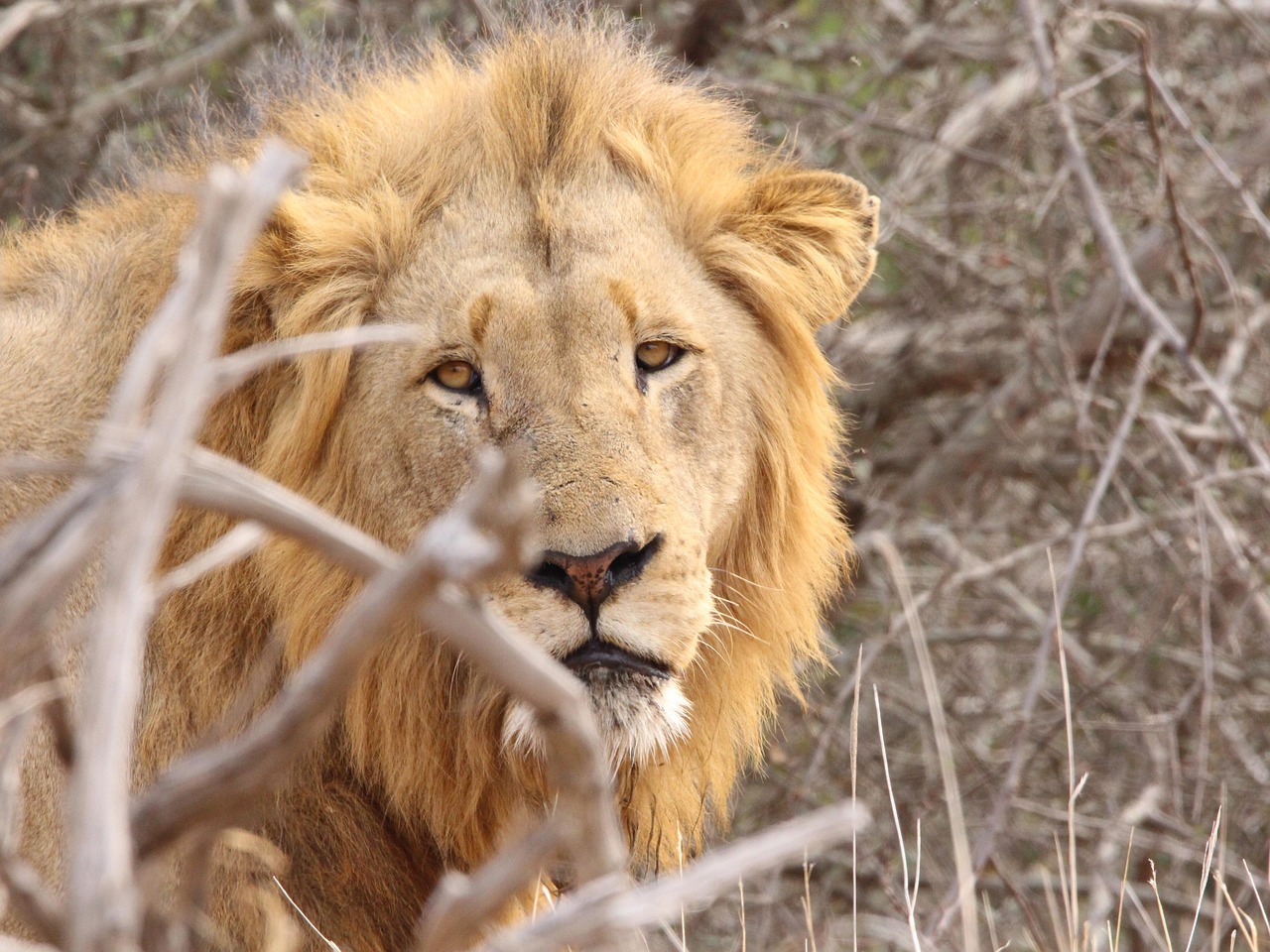
Figuring out a South Africa trip that covers both a good safari and a coastal road trip is one of the more rewarding ways to see the country. This guide covers the practical decisions you will face: how to route your itinerary, when to go, what to pack, and the common mistakes first-timers make. The goal is to help you plan a trip that uses your time and budget well, without the hype. You are here for the Big Five and the coastline, and this should help you get both.

Why Combine a Safari with the Coast in South Africa
The practical appeal is straightforward: you get two completely different ecosystems in one trip without needing a visa or crossing multiple borders. The bush gives you the raw adrenaline of tracking predators and spotting the Big Five. The coast offers a different kind of adventure—hiking Table Mountain, whale watching in Hermanus, or shark cage diving in Gansbaai.
Logistically, South Africa is set up for this combination. You fly into Johannesburg for the Kruger region or into Cape Town for the coast. Many travelers fly between the two hubs, making the transition smooth. The typical travel window for this combo is 12 to 16 days. Try to pack both into a week, and you will spend more time in transit than actually exploring. The coastline offers a slower pace—guesthouses, seafood, and wine farms—while the safari is the adrenaline draw. That rhythm works well for most people.
How to Route Your Safari and Coast Itinerary: Two Practical Options
There are two main ways to structure this trip. Neither is universally better. It depends on your tolerance for jet lag and your priorities.
Option A: Safari First, Coast Second
Fly into Johannesburg. Drive or take a short flight to Kruger or a private reserve. Spend 3 to 4 days in the bush. Then fly from Nelspruit or Johannesburg to Cape Town. From Cape Town, drive the Garden Route or explore the Cape Peninsula.
Pros: You hit the bush while your energy is highest. Jet lag from long-haul flights works in your favor—early mornings for game drives feel natural.
Cons: You might feel fatigued by the time you reach the coast. Also, winter (safari high season) means Cape Town weather can be cold and rainy.
Option B: Coast First, Safari Second
Fly into Cape Town directly. Spend a few days on the coast, then fly to Johannesburg for the safari.
Pros: You ease into the trip with a gentler pace. Coastal weather is better in summer and shoulder months.
Cons: You end the trip with long game drives, which can be physically demanding. Some travelers struggle with the transition from beach mode to bush mode.
Quick Comparison:
- Option A is better for serious wildlife enthusiasts.
- Option B is better if you prefer coastal activities and wine tasting.
- Both work well with a 14-day itinerary.
- Do not attempt both in under 10 days—you will regret the driving.
Best Time to Visit for Safaris and Coastal Weather
Timing this trip involves tradeoffs. You cannot get perfect weather for both regions at the same time.
Safari Peak Season (May–September): This is winter in South Africa. The bush is dry, vegetation is sparse, and animals gather around water sources. Game viewing is excellent. But Cape Town is cold, windy, and rainy. Coastal activities like hiking and beach time are less reliable.
Summer (November–March): Coastal weather is glorious—warm, sunny, and perfect for the Garden Route. But the bush is green and thick. Animals are harder to spot. It is also hotter and buggier.
Recommended Compromise: April–May or September–October. In these shoulder months, the bush is still good (especially in April and September) and the coast is pleasant. You avoid peak crowds and extreme temperatures. If you must choose a season, prioritize the one that matters most to you. If the safari is the main draw, accept that Cape Town weather might be mediocre. If the coast is your focus, go in summer and book a private reserve with good guides to compensate for the vegetation.
Kruger vs. Private Reserves: Which Is Right for Your Trip?
This is one of the more important decisions you will make. The difference between Kruger National Park and a private reserve is not just price—it is the whole experience.
Kruger National Park (Self-Drive): You drive your own vehicle on public roads. You find animals yourself or follow tips from other drivers. Accommodation ranges from basic rest camps to comfortable bungalows. You pay park fees and can book directly. This is the budget-friendly option. It works well if you have prior safari experience and enjoy the independence of DIY wildlife viewing. However, you are limited to daylight hours and cannot leave the road.
Private Reserves (Sabi Sands, Thornybush, Timbavati): These are adjacent to Kruger but operate differently. You stay at a lodge that includes all meals, game drives, and a guide. You can do night drives, off-road driving to get closer to animals, and walking safaris. The guides are highly trained and communicate with other vehicles. Sightings are more reliable. This is the recommended choice for first-timers or anyone who wants a premium experience. The cost is significantly higher—expect $300 to $1,000+ per person per night.
Decision Guide:
- Choose self-drive Kruger if: you are on a tight budget, you have safari experience, and you enjoy the hunt for animals.
- Choose a private reserve if: this is your first safari, you want guaranteed sightings, or you value photography and luxury.
- You can also combine both: a few nights self-drive in Kruger, then a night or two in a private reserve for deeper game viewing.

What to Pack for a Safari-Coast Combo Trip
Packing for two climates in one trip is a common struggle. The solution is layering.
Essential Items:
- Lightweight fleece or puffer jacket for cold game drive mornings. Travelers who run cold on early drives may want an extra insulating layer.
- Neutral-colored shirts and pants (khaki, olive, beige). Avoid bright colors and camouflage.
- Quick-dry hiking pants. Do not bring jeans for the bush—they trap heat and take forever to dry. For longer trips, a reliable pair of quick-dry hiking pants is worth considering.
- Comfortable walking shoes or trail runners for the coast.
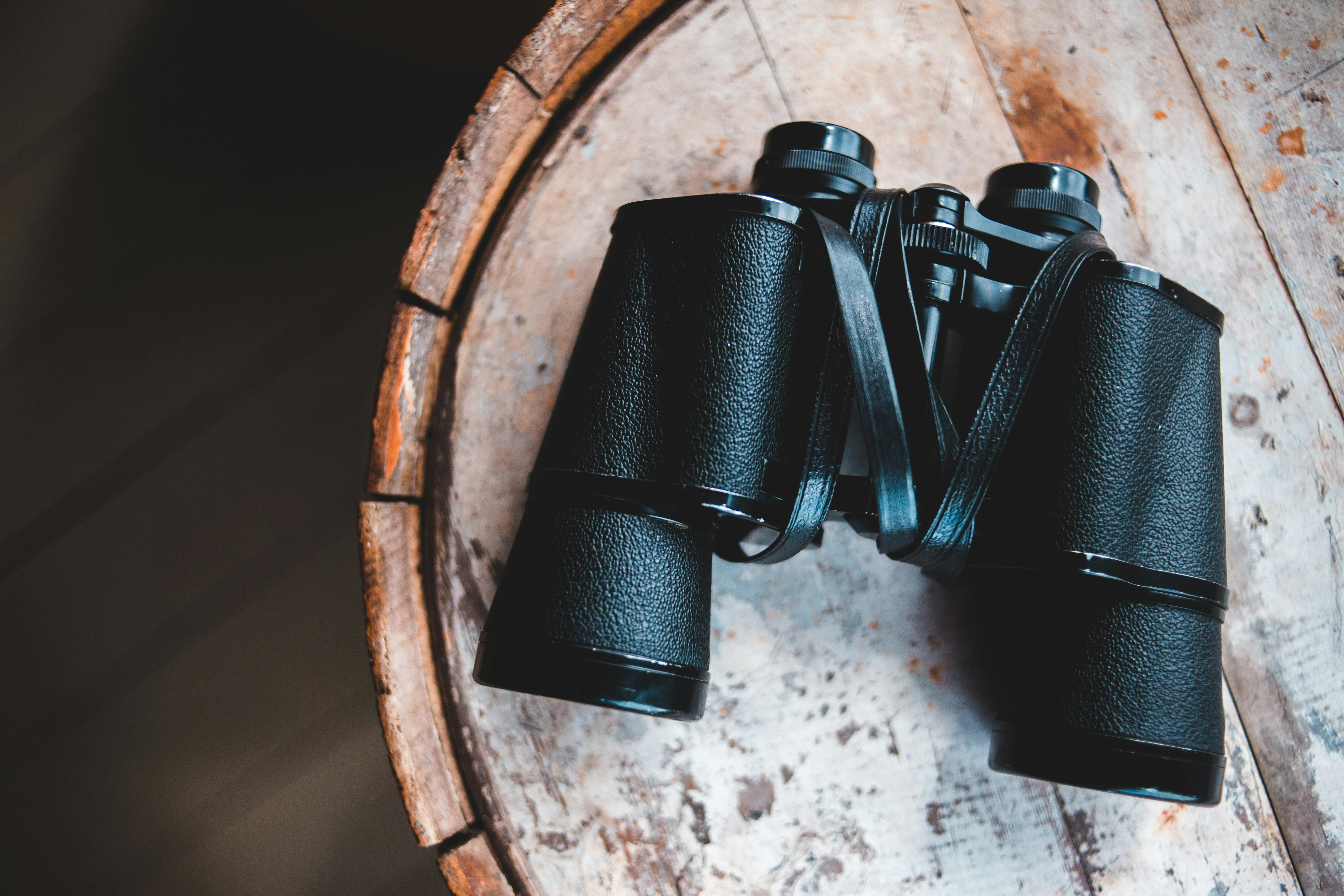
- Binoculars. A decent pair under $100 is sufficient for most travelers. Do not skimp here. If you are shopping, look for binoculars designed for safari that offer good clarity and a sturdy build.
- Power bank. Lodges and camps do not always have convenient charging points.
- Travel insurance card. Keep it accessible.
- Waterproof pouch or dry bag for coastal activities like boat trips. A small waterproof dry bag is handy for protecting electronics during boat excursions.
- Sunscreen and a hat. The African sun is intense even on cloudy days.
What Most People Overpack: Heavy jackets, formal wear, multiple pairs of shoes, and electronics. You do not need a different outfit for every evening. A single smart-casual outfit is enough for dinners at lodges. Leave the laptop at home if you can.
Marine Safaris and Coastal Activities Worth Doing
The coast offers adventure activities that complement the safari. These are not filler—they are genuine highlights.
Whale Watching in Hermanus (June–November): Hermanus is one of the best land-based whale watching spots in the world. You can see southern right whales from the cliffs without getting on a boat. Boat-based tours get you closer but come with seasickness risks. If you are prone to motion sickness, stick to the shore. Book boat trips early in the morning when the water is calmer.
Shark Cage Diving in Gansbaai (Year-Round): This is not for everyone. The water is cold (10–14°C), and you will need a thick wetsuit. Sealife is more active in winter. If you are nervous, know that operators are professional and safety standards are high. Book with a reputable company and confirm the boat has a covered cabin for warmth.
Cape of Good Hope Hike: The Cape Peninsula offers world-class hiking with dramatic ocean views. The Cape of Good Hope trail is moderate and takes about 2 hours. Go early to avoid crowds and wind. Bring a windbreaker—it gets gusty.
These activities are weather-dependent. Build flexibility into your schedule. If a boat trip is canceled, have a backup plan like a coastal walk or a wine tasting.
Where to Stay: Accommodation Types for Each Region
Accommodation varies significantly between the bush and the coast. Knowing what to expect helps you book wisely.
Kruger and Private Reserves: In Kruger, you can stay at rest camps (basic but functional) or bush lodges (more comfortable). Inside the park gives you early access to game drives but requires booking months in advance. In private reserves, you stay at the lodge itself—all-inclusive, with game drives included. Book private lodges directly or through a specialist tour operator. Avoid the BnB strip near Kruger’s Numbi Gate. It is convenient for access but often overpriced and lacking in character.
Cape Town and Garden Route: Self-catering apartments work well for flexibility and cost control. Airbnb and Booking.com have plenty of options. Guesthouses along the Garden Route offer more personal service. Book early for December and January—these months sell out. If you are on a budget, look for hostels with private rooms. They are common along the coast and often have good common areas for meeting other travelers.
Transport: Self-Drive vs. Domestic Flights vs. Guided Tours
Your transport choice will define your trip’s pace and cost.
Self-Drive: Renting a car gives you the most freedom. The roads are generally good, but rural routes can be rough. The N2 highway near the Wild Coast has potholes—drive carefully. South Africans drive on the left. If you are not used to it, stick to major highways. Self-drive is ideal for 14 days or more. For shorter trips, the driving time between regions eats into your days.
Domestic Flights: Flying between Johannesburg and Cape Town saves time but adds cost and logistics. You will need to factor in baggage limits (20 kg on most flights) and transfers to and from airports. If your trip is 10 days or less, fly between regions. If it is 14 days or more, consider self-drive on the coast and fly to the bush.
Guided Tours: A guided tour removes all planning stress but limits flexibility. You will follow a set itinerary with fixed accommodation and activities. This works well if you prefer not to make decisions, but you sacrifice spontaneity. Most guided tours are mid-range to luxury. Confirm the group size before booking—smaller groups offer a better experience.
Common Mistakes Travelers Make on a Safari-Coast Trip
These are the real-world mistakes I see repeatedly. Avoid them and your trip will be smoother.
1. Underestimating Drive Times: Google Maps is optimistic. The drive from Kruger to the coast (e.g., Nelspruit to Durban) takes longer than expected due to road conditions and traffic. Add 20% to all drive estimates.
2. Assuming WiFi Works Everywhere: The bush has limited connectivity. Private lodges often have WiFi, but it is slow. Download offline maps, podcasts, and e-books before you leave. Do not rely on streaming.
3. Overpacking for One Climate: I have seen travelers bring only shorts for a winter trip or heavy coats for summer. Check the seasonal weather for both regions and pack accordingly. Layers are your friend.
4. Skipping Travel Insurance: Medical evacuation from a remote reserve is expensive. Travel insurance is non-negotiable. Make sure it covers adventure activities like shark cage diving and hiking.
5. Booking Non-Refundable Accommodation in Weather-Dependent Areas: Coastal activities get canceled due to wind or rain. If your budget allows, book refundable rates or flexible cancellation policies for coast stays.

Budget Breakdown: What a Two-Week Trip Really Costs
Here is a realistic cost estimate for a 14-day itinerary combining 5 days in a private reserve and 9 days on the coast. These are per person for two people sharing.
Budget Tier ($2,000–$2,500 per person): Self-drive Kruger (rest camps, basic meals), hostel or guesthouse on the coast. Car rental and fuel. Minimal activities. This works if you are comfortable with DIY planning and basic accommodation.
Mid-Range ($3,500–$5,000 per person): Mix of private reserve (2–3 nights) and safari in Kruger (self-drive). Airbnb or mid-range guesthouses on the coast. Car rental and some domestic flights. A few paid activities like whale watching or a guided hike.
Luxury ($6,000–$10,000+ per person): Private lodge in a reserve for the full safari portion. High-end beach hotels or boutique guesthouses on the coast. Domestic flights and private transfers. All meals and activities included. This tier offers the most comfort and convenience.
Additional Notes: Exchange rates fluctuate. The South African rand is weak against the dollar and euro, which makes the country affordable for international visitors. Tipping is customary—10–15% at restaurants and $5–$10 per day for safari guides. Bring some cash for tips and small purchases. Credit cards are widely accepted.
Final Checklist for Your South Africa Adventure
Before you book, run through this list:
- Book domestic flights first—they are the tightest link in your itinerary.
- Reserve accommodation near the parks early, especially for private lodges.
- Download offline maps for Google Maps or Maps.me.
- Verify your rental car has driving lights and a spare wheel.
- Confirm visa requirements. Many nationalities get 60 or 90 days on arrival, but check your specific situation.
- Pack your travel insurance card and a copy of your policy.
- Book your safari and coastal accommodation through trusted partners for the best rates and flexibility.
South Africa rewards those who plan carefully. Get the logistics right, and you will have a trip that delivers both the thrill of the bush and the beauty of the coast.