Vietnam Adventure Travel: Ha Giang Loop and Caves
Introduction
People planning a trip to northern Vietnam hear about the Ha Giang Loop and its reputation. What often gets lost is the actual planning—how to avoid wasting time, dealing with bad weather, or missing the better spots. This guide breaks down the routes, caves worth stopping for, gear that actually helps, and the logistics that separate a smooth trip from a stressful one. Whether you ride yourself or hire an easy rider, this is for independent travelers and small groups who want real decisions, not hype. I’ve ridden this loop multiple times over the last few years, and this comes from experience, not a brochure.

Why the Ha Giang Loop Deserves a Spot on Your Vietnam Itinerary
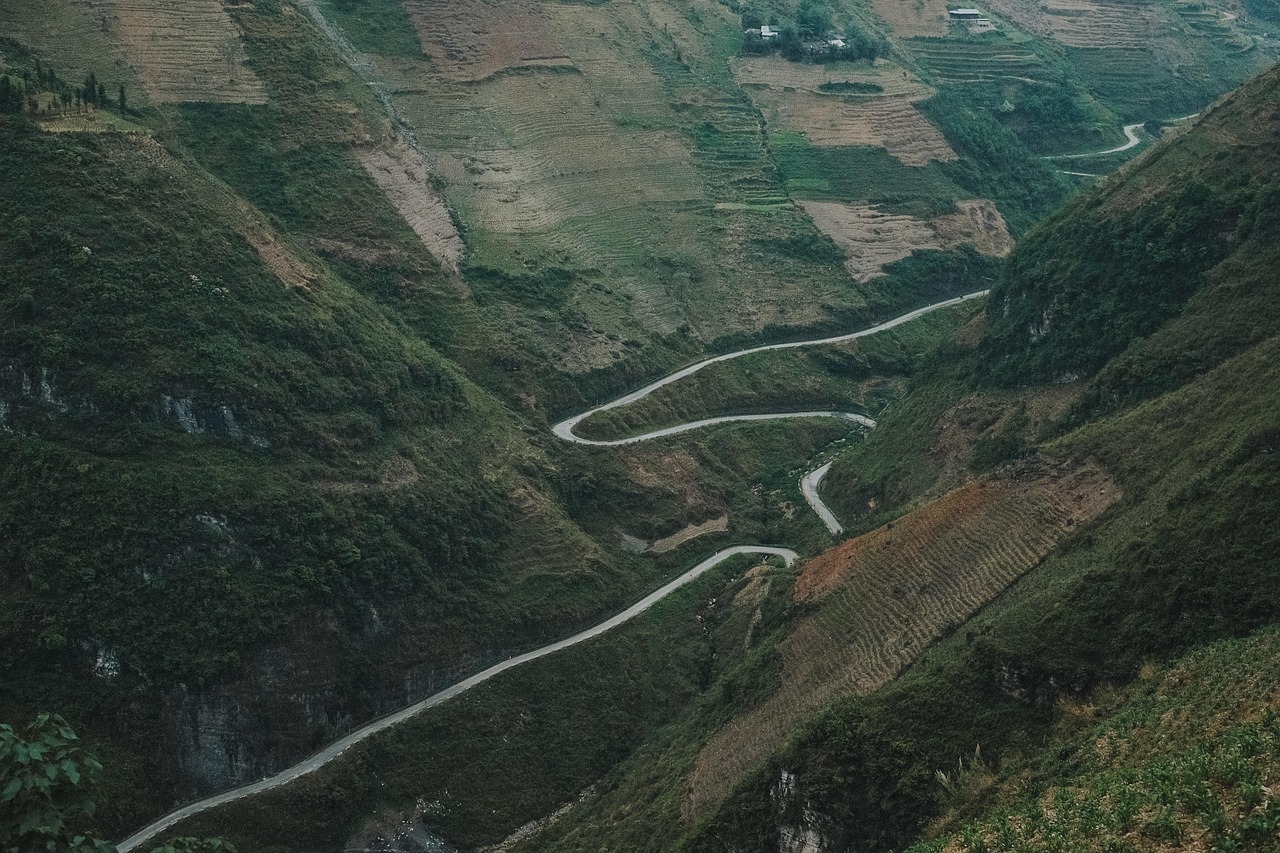
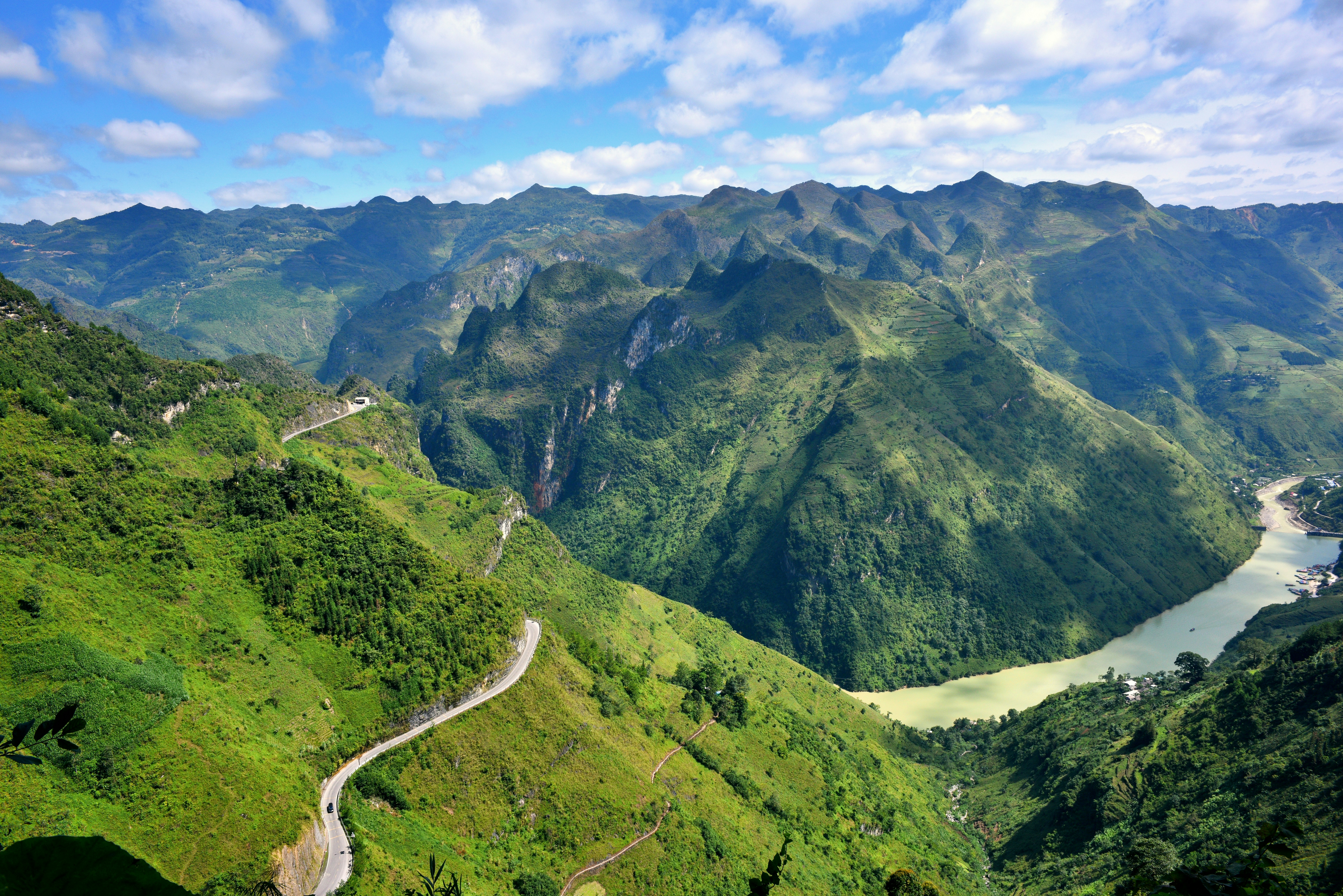
Most people skip Ha Giang because they run out of time or don’t realize what’s there. That’s a mistake. The loop isn’t just another scenic road—it’s one of the most concentrated adventure zones in Southeast Asia. You get dramatic limestone karsts, deep river valleys, ethnic minority villages, and a handful of caves most tourists never bother with. Compared to the Hai Van Pass near Da Nang, which takes maybe an hour and is ringed by resorts, Ha Giang is raw and demands more from you. You spend days on the road, sleep in remote homestays, and deal with weather that shifts fast. For adventure travelers who want something genuine, that tradeoff is exactly the point.
Ha Giang Loop Routes: Which Option Fits Your Schedule and Skill Level
The loop is basically a big circle starting and ending in Ha Giang city. Most people do it in 3 or 4 days, but you can stretch it longer if you want more time in specific towns. Here’s the practical breakdown.
3-Day Loop
This is the standard option if you’re short on time. You cover roughly 300 km total, hitting the main passes and viewpoints. Day one goes from Ha Giang to Yen Minh via Quan Ba. Day two takes you through Dong Van and the Ma Pi Leng Pass to Meo Vac. Day three loops back to Ha Giang. It’s doable but feels rushed. You won’t have much time for caves or detours. Best for experienced riders who can handle longer days on the bike.
4-Day Loop
Most adventure travelers pick this. The extra day gives you breathing room. You can add a cave visit, spend more time in Dong Van’s old quarter, or take a slower pace through the mountains. The total distance is still around 350 km, but you’re not pushing daylight every day. Best for anyone who wants a balance of riding and exploration without feeling like a delivery driver.
Extended Loop
If you have 5 to 7 days, you can branch off to remote villages like Du Gia or go deeper into the karst plateau. This is for people who want to get off the main tourist track. Road conditions get rougher, and you’ll need better navigation skills. Best for solo riders with off-road experience.
Practical tip on motorbikes: Rent a semi-automatic or manual bike if you know how to ride. Automatic scooters struggle on steep mountain grades. If you’re not confident, hire an easy rider. It costs more—around $50–$70 per day including driver, fuel, and meals—but you’ll be safer and can actually enjoy the views.
Essential Gear for the Ha Giang Loop: What to Pack and Why
Most first-timers either bring too much or forget critical items. Ha Giang isn’t a tropical beach ride. You’ll deal with cold mist in the mornings, sudden rain, and dirt roads that will test your gear. Here’s what actually matters.
- Helmet: The rental helmets are often worn out or too loose. Bring your own if you can. A full-face helmet is worth the inconvenience of carrying it. If you’re renting, check the strap and padding before accepting.
- Rain jacket: Not optional. You will get rained on, even in dry season. Get a proper waterproof jacket, not a poncho. Ponchos flap at speed and catch wind like a sail. If you need a reliable option for unpredictable mountain weather, a waterproof motorcycle rain jacket is a worthwhile investment for the loop.
- Dry bags: Your backpack will get wet. Use dry bags inside for clothes, electronics, and documents. A 20-liter dry bag is usually enough for a 4-day trip.
- Power bank: Homestays often have limited outlets. Some lose power during storms. A 10,000 mAh power bank gets you through two days of phone navigation and photos.
- First aid kit: Minor scrapes happen. Include antiseptic wipes, bandages, painkillers, and something for stomach issues. You won’t find a pharmacy in the remote stretches.
- Waterproof phone case: Your phone is your GPS and camera. If it dies from moisture, you’re in trouble. A simple waterproof pouch costs very little and saves you a lot. For a durable solution, consider a waterproof phone pouch for motorcycle use that keeps your device accessible and dry.
Most of this gear you can buy in Ha Giang city, but quality is inconsistent. If you already own something reliable, bring it. If you need to buy, arriving prepared beats scrambling at a roadside stall.


Caves Worth Exploring Along the Ha Giang Loop
Most people ride straight through without stopping at any caves. That’s a missed opportunity. Ha Giang’s karst landscape is full of caves that are easy to access and don’t require technical gear. Here are two worth your time.
| Cave Name | Location | Time Needed | Difficulty | Best For |
|---|---|---|---|---|
| Lung Khuy Cave | Near Quan Ba | 1 hour | Easy | First-time cave explorers |
| Na Luong Cave | Near Yen Minh | 1.5 hours | Moderate | Adventure seekers |
Lung Khuy Cave is the more popular one. It’s right off the main road, so you don’t need to detour far. The entrance fee is small—around 20,000 VND. Inside, you’ll find lit walkways and impressive stalactites. It’s not a wild caving experience, but it’s a solid stop for an hour break. A headlamp isn’t required here because they have lights, but bring one anyway in case of power issues. If you’re planning cave stops, a bright LED headlamp for caving adds a layer of safety and convenience.
Na Luong Cave is less developed. You’ll need to navigate a short trail through farmland to reach the entrance. Inside, it’s dark and damp. Wear sturdy shoes and bring your own headlamp—the phone flashlight won’t cut it. The payoff is a more authentic feel, with fewer tourists and dramatic chambers. If you have time for only one cave, pick this one for the experience.
Safety note: Always check conditions with a local before entering. Flash floods can happen during rainy season. Never go alone.
Navigating Weather and Road Conditions: Realistic Expectations
The loop is a mountain road. That means weather changes fast and road conditions vary dramatically by season. Here’s the real picture.
October to April (dry season): This is the best time to ride. Days are clear and cool, nights are cold. Morning fog is common in valleys, but it burns off by mid-morning. Roads are dry and stable. The tradeoff is that it’s also the busier tourist season. You’ll share the road with more riders.
May to September (rainy season): This is the monsoon period. Expect daily rain, which means muddy sections, slippery roads, and occasional landslides. Riding in heavy rain is not fun, and visibility drops significantly. If you’re experienced, you can still do it, but plan for slower progress. Avoid riding at night during this season—potholes and debris become invisible.
Landslide risk: Every year, sections of the loop get temporarily closed due to landslides. Check with your homestay or a local garage the morning of your ride. They know the current state of the roads better than any app.
Fog: Above 1,000 meters, fog can reduce visibility to under 30 meters. Slow down to 20–30 km/h when that happens. It’s not a race.
Common Mistakes First-Timers Make on the Ha Giang Loop
I see the same errors every season. Here’s what to avoid so you don’t learn the hard way.
Overpacking
You’re on a motorbike for hours. Every extra kilogram affects handling. Pack only what you’ll use: a change of clothes, rain gear, toiletries, and your camera. Leave the laptop and bulky items at your hotel in Hanoi or Ha Giang.
Underestimating ride time
The distances look short on a map—100 km might take four hours. The roads are winding, steep, and sometimes unpaved. Don’t plan for highway speeds.
Skipping rest days
Three days of continuous riding will exhaust you. You’ll get sore, make mistakes, and miss the culture. Build in a half day at a town like Dong Van or Meo Vac to recover and explore on foot.
Not bringing enough cash
ATMs in Ha Giang city work fine. Outside that, they’re rare or empty. Many homestays and food stalls only take cash. Bring at least 3 million VND (about $120 USD) for a 4-day trip. That covers food, accommodation, fuel, and small purchases.
Ignoring altitude changes
Some passes go above 1,500 meters. If you’re not used to altitude, you might feel lightheaded or get headaches. Drink water, take breaks, and don’t push yourself on the first day.
Accommodation Along the Loop: Homestays vs. Budget Hotels
Deciding where to sleep is about more than comfort—it affects how you experience the loop.
Homestays are the standard along the way. You sleep in a dorm-style room with other travelers and eat meals cooked by the family. It’s not private, but you get authentic local food, stories from the hosts, and often a bonfire at night. Prices run from $5 to $15 per person, including dinner and breakfast. Best for solo travelers and small groups who want connection.
Budget hotels are available in bigger towns like Dong Van and Meo Vac. You get a private room, a hot shower, and more quiet. Prices are $10 to $20 per room per night. Best for couples or anyone needing a break from shared spaces.
Booking tip: Don’t book far ahead unless you’re traveling during Tet (Lunar New Year). Walk-ins get better rates and flexibility. That said, having a rough plan helps. Quickly check current rates online to gauge pricing, then decide when you arrive.
Specific towns: Dong Van has a lively market and colonial-era streets. Meo Vac is quieter with fewer food options but closer to the Ma Pi Leng viewpoint. Quan Ba and Yen Minh are smaller but have essential services.
Staying Safe on the Ha Giang Loop: Practical Advice
Safety is about preparation, not luck. Here’s your checklist before you start the engine.
- Motorbike insurance: Check if your rental includes it. Most don’t. You can buy a separate short-term policy from local providers. Without it, any accident becomes expensive fast.
- Helmet quality: Test the strap and visor before riding. A cracked visor or loose strap is dangerous at speed. For an added layer of protection, a full-face motorcycle helmet with a clear visor is a solid option if you’re bringing your own gear.
- Roadside assistance: Save the number of a garage in Ha Giang city. Common mechanical failures include flat tires and chain issues. Having a contact saves hours of waiting.
- Food hygiene: Eat where locals eat. Avoid raw vegetables and street meat that’s been sitting out. Stomach issues are the most common health problem on the loop.
- Travel insurance: This is non-negotiable. Get a policy that covers motorbike riding and evacuation. Companies like World Nomads or SafetyWing are popular with riders.
Local emergency tip: The provincial hospital in Ha Giang city has basic facilities. For serious emergencies, you’ll need to get to Hanoi. Keep that in mind before venturing deep into the loop.
Booking Tours vs. Going Solo: Which Is Best for You?
Both options have tradeoffs. Here’s how to decide based on your priorities.
Solo travel: You control your pace, your stops, and your budget. You can rent a bike for $10–$15 per day, plus fuel and food. The catch is you’re responsible for navigation, repairs, and safety. If you’ve ridden motorbikes before and are comfortable with risk, go solo.
Organized tours: You pay a premium ($150–$250 for 4 days) for convenience. Transport, accommodation, meals, and a guide are included. The guide knows the roads, the homestays, and the secret viewpoints. You also don’t have to haul gear. Best for first-time riders, solo travelers who want group camaraderie, or anyone short on planning time.
My take: If you’ve never ridden a motorbike on winding mountain roads, book a tour. The learning curve on your own can turn dangerous fast. If you’ve done similar trips before and have budget flexibility, solo gives you more freedom.
Ready to ride without the hassle? Book a reputable Ha Giang Loop tour here—it handles all logistics so you can focus on the experience.

Sample 4-Day Ha Giang Loop Itinerary
This is the most balanced route. It’s long enough to see the highlights, short enough to fit a typical travel schedule.
Day 1: Ha Giang to Quan Ba to Yen Minh
Depart Ha Giang city by 8 AM. The ride to Quan Ba is about 40 km on decent roads. Stop at the Quan Ba Heaven Gate viewpoint—it’s the classic photo spot. Continue another 50 km to Yen Minh for lunch. Spend the afternoon visiting Lung Khuy Cave nearby. Sleep at a homestay in Yen Minh. Total ride time: 4 hours.
Day 2: Yen Minh to Dong Van
Morning ride of about 60 km to Dong Van. The route includes the Ma Pi Leng Pass, which is the highlight of the entire loop. Stop at the viewpoint for at least 30 minutes. Arrive in Dong Van by early afternoon. Explore the old quarter and market. Sleep at a homestay or budget hotel in Dong Van. Total ride time: 3 hours.
Day 3: Dong Van to Meo Vac
The ride to Meo Vac is only 20 km, but the road is narrow and winding. Take it slow. Once in Meo Vac, visit Na Luong Cave or hike the surrounding hills. The town is small, so you can cover it in a few hours. Sleep at a homestay in Meo Vac. Total ride time: 1.5 hours.
Day 4: Meo Vac back to Ha Giang
The return leg is about 100 km of steady riding. Roads are mixed—some sections are paved, others are rough gravel. Plan for 5 hours including breaks for photos and lunch. Arrive in Ha Giang city by late afternoon.
Ready to experience the loop without the planning stress? Secure your spot on a guided 4-day tour here.
Final Checklist Before You Go
- Passport and photocopies
- Motorcycle license (international permit if riding)
- Travel insurance documents (paper or phone backup)
- Enough cash (3 million VND minimum)
- Dry bag for electronics and clothes
- Rain jacket and headlamp
- Power bank and cables
- First aid kit and stomach medication
- SIM card with data (Viettel works best in mountains)
- Download offline maps for the loop
That’s it. The loop rewards preparation, not luck. Plan well, ride smart, and you’ll leave with stories worth telling.