Jordan Adventure Travel Guide: Petra, Wadi Rum, and the Dead Sea
Introduction
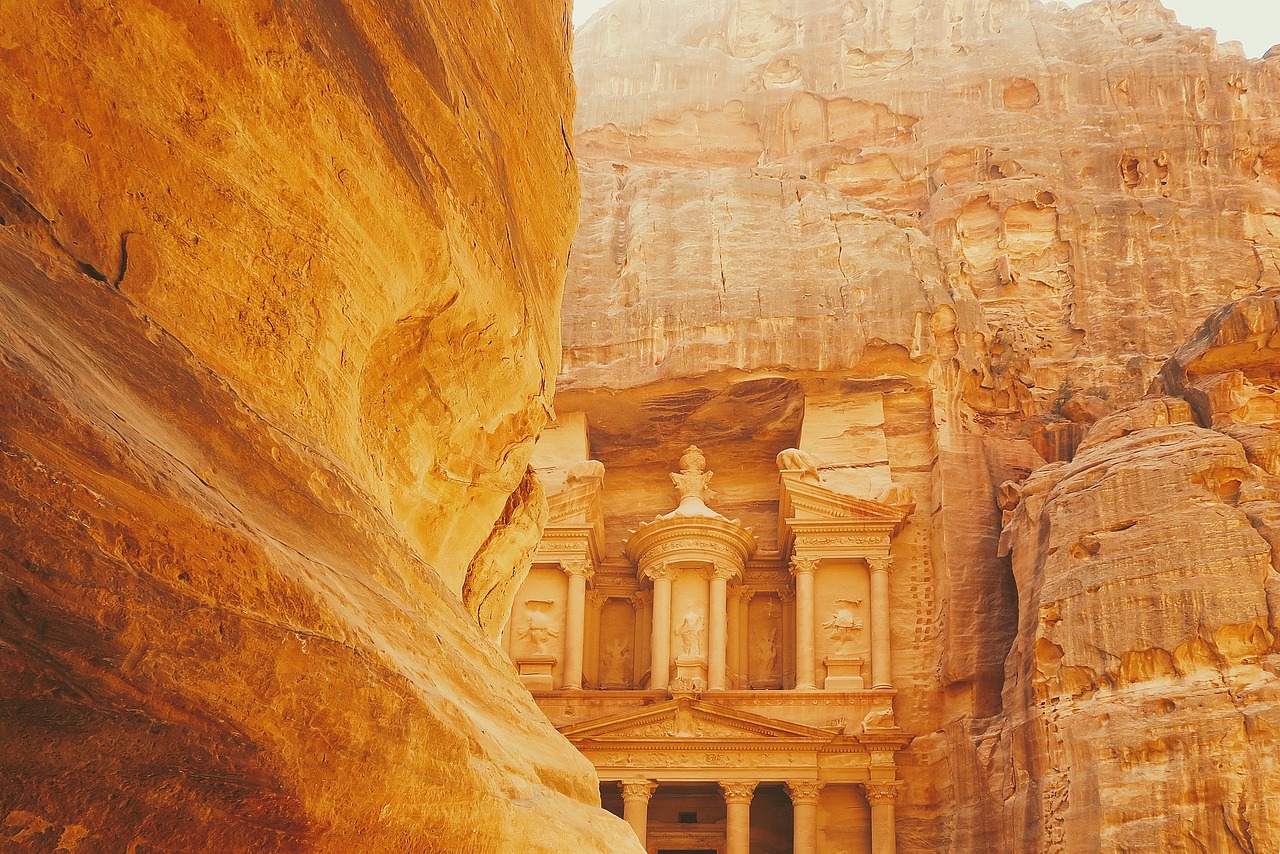
This Jordan adventure travel guide covers the classic trio of Petra, Wadi Rum, and the Dead Sea. It’s written for first-time visitors planning a 5 to 10 day trip, focusing on the practical details that actually make a difference when you’re out there. You’ll find logistical guidance, gear recommendations from real use, and honest warnings about mistakes I’ve seen travelers make in the desert. This isn’t a poetic travelogue. It’s a working plan. If you’re looking for a jordan adventure travel guide that cuts through the hype and tells you what to expect on the ground, you’re in the right place.

Why These Three Destinations Work Together as a Jordan Adventure Trip
Jordan’s geography is straightforward, and this trio makes logical sense. From Amman, you drive south to Petra (about 3 hours), then another 1.5 hours to Wadi Rum, then loop back up to the Dead Sea (roughly 4 hours from the desert). It’s a natural south-to-north route that minimizes backtracking. For a 7-day trip, you can comfortably spend two days in Petra, one in Wadi Rum, and one at the Dead Sea, with travel days in between. That leaves you time in Amman at the start or end. If you’re only doing 5 days, you’ll need to cut one destination or move fast. This trio works because each place offers something different: ancient ruins, raw desert landscapes, and a bizarre natural phenomenon. You’re not repeating experiences. You’re stacking distinct adventures.
Best Time to Visit for Adventure Travel in Jordan
Spring (March through May) and fall (September through November) are the prime windows. During these months, daytime temperatures sit in the 70s and low 80s Fahrenheit, which is comfortable for hiking in Petra and sleeping in a Wadi Rum desert camp. Summer, from June through August, is brutally hot. Daytime highs in Petra and the desert can hit 100°F or more. It’s doable if you start hiking at sunrise and rest during midday, but it’s not pleasant. The upside is lower prices and fewer crowds. Winter, from December through February, brings cold nights and occasional rain. Petra can be muddy, and desert camping becomes genuinely uncomfortable unless you have serious gear. My honest take: if you’re heat-tolerant and budget-conscious, go in November or March. If you want perfect conditions, aim for April or October. Avoid July and August unless you’re prepared to operate like a desert lizard.
Getting Around: Rental Car vs. Private Driver vs. Tours
You have three main options, and the right one depends on your comfort level with logistics.
Rental Car: This gives you full freedom. You can stop at random viewpoints, adjust your schedule on the fly, and avoid being rushed. The main roads between Petra, Wadi Rum, and the Dead Sea are well-maintained. The challenge is desert driving. Some routes to remote Wadi Rum camps are unpaved, and a standard sedan might struggle. You’ll also need to handle navigation yourself. GPS works, but offline maps are essential. Expect to pay around $30 to $50 per day for a rental car.
Private Driver: This is the middle ground. You hire a driver for the duration of your trip, usually for $50 to $80 per day. They know the roads, shortcuts, and best places to stop. They can also help with translation and recommendations. The downside is less flexibility. You’re on their schedule and need to coordinate pickup times. But for most first-time visitors, this is the smartest option. It removes stress without locking you into a tour group.
Structured Multi-Day Tour: This is the easiest option. You book a tour that includes transportation, accommodation, and guides. You show up and everything is handled. The tradeoff is reduced flexibility. You can’t linger at a site if you want to, and you’re stuck with the group’s pace. Tours typically cost $100 to $200 per day per person. For solo travelers who don’t want to plan, this works well.
What to Pack for a Jordan Adventure: Gear That Actually Matters
Forget the generic packing lists. Here’s what you actually need for the specific demands of Petra hiking, Wadi Rum camping, and the Dead Sea.
- Sturdy Hiking Boots: You’ll be walking on uneven stone, loose gravel, and steep staircases in Petra. Trail runners won’t cut it. Get boots with good ankle support and a solid tread. Browse top-rated hiking boots on Amazon for options that won’t fall apart after one trip.
- Headlamp: The Siq in Petra is best experienced at dawn before the crowds arrive. It’s dark. A headlamp keeps your hands free for photos and balance. It’s also useful for moving around your Wadi Rum camp at night.
- Sarong or Scarf: This serves multiple purposes: covering your shoulders and knees at religious sites, shading your neck from the sun, and wrapping around your face during desert wind. It’s lightweight and packs flat.
- Reusable Water Bottle with Filter: Desert hydration is non-negotiable. You’ll need 3 liters per day. A bottle with a built-in filter lets you refill at hotel taps or public fountains without worrying about stomach issues.
- Waterproof Bag: At the Dead Sea, you’ll want a dry bag for your phone, towel, and change of clothes. The salt water will destroy anything it touches, and the public beach areas don’t have secure lockers.
Petra: One Day vs. Two Days – What You Need to Know
One day in Petra is enough to see the Treasury, the Siq, and the Monastery if you move quickly and don’t stop for long. You’ll walk about 10 to 12 miles total, so you need to start early. The Monastery trail is steep, with about 800 steps, and it takes roughly 45 minutes up. If you’re fit and focused, you can cover the highlights in a single long day. But you’ll miss the lesser tombs, the High Place of Sacrifice, and the quieter back trails.
Two days is better. It allows you to hike the Monastery trail without rushing, explore the Royal Tombs, and take the back entrance trail from Little Petra. That trail is a common mistake to skip. It’s a shorter, less crowded way into Petra that ends near the Monastery. It adds depth to your visit without adding crowds. The Jordan Pass includes 1 to 3 days at Petra, so the entry cost is already covered. Also worth noting: entry after 4 PM is free, though you need to be out by sunset. If you’re on a tight budget, arrive late on Day 1 for a brief look, then use Day 2 for the full hike.
Petra by Night: Is the Candlelit Experience Worth It?
Petra by Night happens three times a week: Monday, Wednesday, and Thursday. You walk through the Siq lit by hundreds of candles, then gather at the Treasury for a short performance of music and storytelling. It costs about $20, and it lasts roughly two hours from start to finish.
Is it worth it? It depends on what you’re looking for. If you want a peaceful, atmospheric walk through an ancient city at night, it delivers. The candlelight creates a genuinely different mood. If you’re expecting a grand theatrical show, you’ll be underwhelmed. The performance is simple—a few musicians and a storyteller—and it’s over quickly. The crowd size can be large, which breaks the illusion. My honest take: do it once, but don’t build your trip around it. It’s a nice addition, not a must-see.

Wadi Rum: Desert Camping vs. Jeep Tours vs. Self-Guiding
Wadi Rum offers three distinct ways to experience the desert.
Jeep Tours: This is the most popular option. You hire a Bedouin guide with a 4×4 for a half-day or full-day tour. You’ll visit key landmarks like Lawrence’s Spring, the Red Sand Dune, and the Burdah Rock Bridge. It’s efficient, and the guides know the terrain. Expect to pay $60 to $100 for a full-day tour per person. The tradeoff is you’re in a vehicle, so you’re less connected to the landscape.
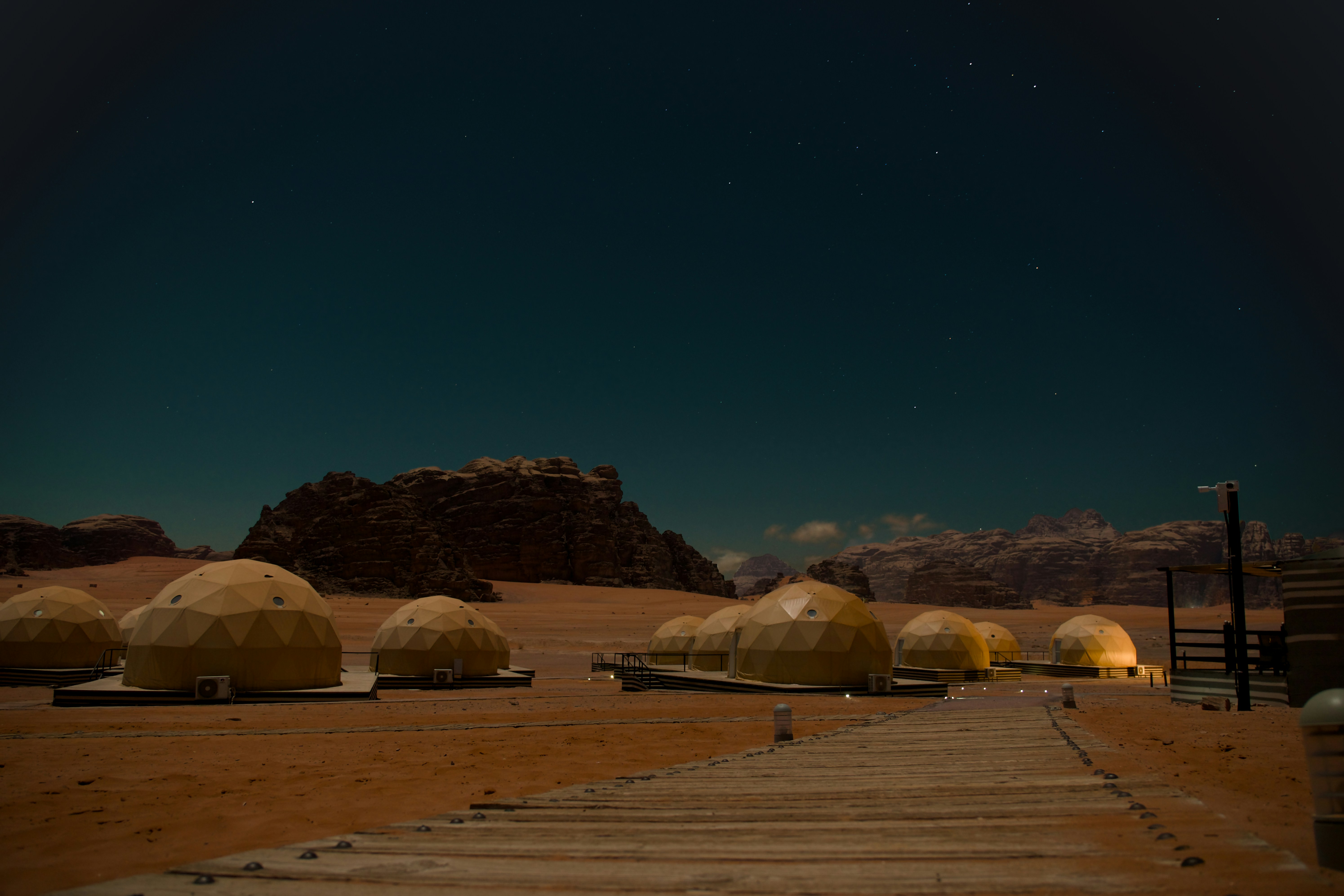
Desert Camping: This adds authenticity. You stay overnight in a desert camp, eat a traditional meal, and sleep under the stars. Camps range from basic to luxurious, with the luxury ones offering private tents, real beds, and hot showers. If you want the full experience, book a camp that includes a jeep tour during the day and camping at night.
Self-Guiding: This is for experienced desert travelers. You can hike independently, but you need to carry your own water, navigation, and shelter. The terrain is open and marked with cairns, but it’s easy to get disoriented. This is not recommended for first-time visitors unless you have serious desert experience.
My recommendation: book a combined jeep tour and overnight camp. You get the guided experience during the day and the remote atmosphere at night. It’s the best balance of convenience and immersion.
The Dead Sea: Where to Go and What to Expect
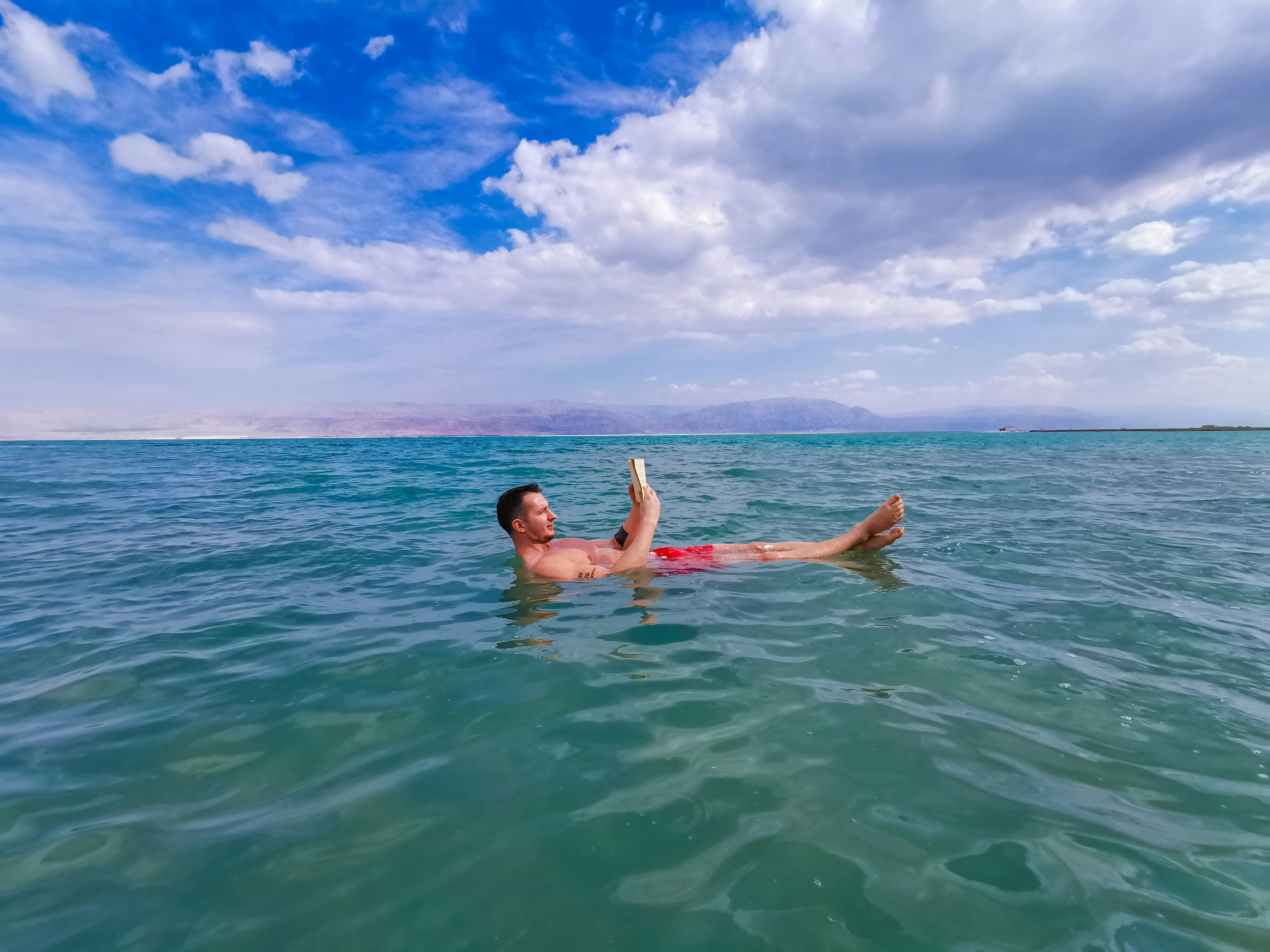
The Dead Sea is a logistical exercise more than a sightseeing destination. You have two main options for access.
Public Beaches: These are free but basic. You get a parking spot and direct access to the water. No showers, no towels, no facilities. You’ll need to bring everything with you. The north end beaches are cleaner than the south end. Avoid the south end basins if you want natural mud—those areas are part of salt extraction operations and the mud is processed, not authentic.
Resort Day Passes: This is the better option for most people. Resorts like the Dead Sea Marriott or the Kempinski offer day passes for $20 to $50. You get access to pools, showers, towels, and a designated beach area. Some also provide natural mud for coating yourself. The cost is worth it for the convenience of having a place to wash off the salt after floating.
Practical tips: Do not shave 24 hours before entering the water. The salt will sting like crazy. Keep water out of your eyes—rinse immediately with fresh water if it gets in. Limit your floating time to 20 minutes max. Prolonged exposure dries out your skin. Do not bring glass bottles to the beach. They break, and the salt water turns broken glass into a hazard.
Common Mistakes First-Time Adventurers Make in Jordan
Here’s what I see travelers mess up repeatedly, and how to avoid it.
- Underestimating the Desert Heat: You need 3 liters of water per person per day during any hiking or desert time. Two liters is not enough. Carry a reusable bottle and refill at every opportunity.
- Not Booking Wadi Rum Camp in Advance: Good camps fill up, especially during spring and fall. Book at least two weeks ahead. Showing up without a reservation leaves you scrambling for basic options.
- Skipping the Jordan Pass: The Jordan Pass costs about $70 to $80 for a 1-day Petra entry. It waives the $60 visa fee and includes entry to most major sites. If you’re staying three nights in Jordan, it saves you money. Do the math before you arrive.
- Staying Too Far from Petra: Don’t stay in Amman and day-trip to Petra. It’s a 3-hour drive each way. Stay in Wadi Musa, the town at Petra’s entrance. It’s walkable to the gate, and you can start early.
- Ignoring Dress Codes: In conservative areas and religious sites, cover your shoulders and knees. A lightweight scarf or sarong solves this. You don’t need to dress like a local, but you need to be respectful.
Budget Breakdown: What a Jordan Adventure Trip Actually Costs
Here’s a realistic estimate for a 7-day trip per person, assuming mid-range choices.
- Jordan Pass: $70 to $80 (covers visa and entry to major sites)
- Accommodation: $30 to $50 per night for mid-range hotels or desert camps
- Transportation: $50 per day for a rental car or private driver
- Food: $15 to $25 per day for street food, cafes, and simple restaurant meals
- Activities: $60 to $100 for a Wadi Rum jeep tour
Total estimate for 7 days: $700 to $1,000 per person, excluding flights. Tipping is standard. Expect to tip drivers and guides 10% to 15% of the service cost, and hotel staff $1 to $2 per bag. Factor in $50 to $100 for tips.

Final Practical Tips for Your Jordan Adventure
Buy a local SIM card at the airport. Orange and Zain both offer prepaid data plans for around $10. Download offline maps for the Petra trail network and Wadi Rum terrain before you arrive. Cell service is not reliable in the desert. Confirm dress code expectations with your accommodation—some desert camps are more relaxed than others. Learn a few Arabic phrases: shukran (thank you) and yalla (let’s go) are useful. Jordan is safe for solo travelers, including women. Exercise normal caution in cities and respect local customs. The trip is straightforward if you plan ahead. Now go do it.
Iceland Adventure Travel Guide: Waterfalls, Glaciers, and Volcanoes