The Best Adventure Travel for Over 50s: Practical Trips That Deliver
Introduction
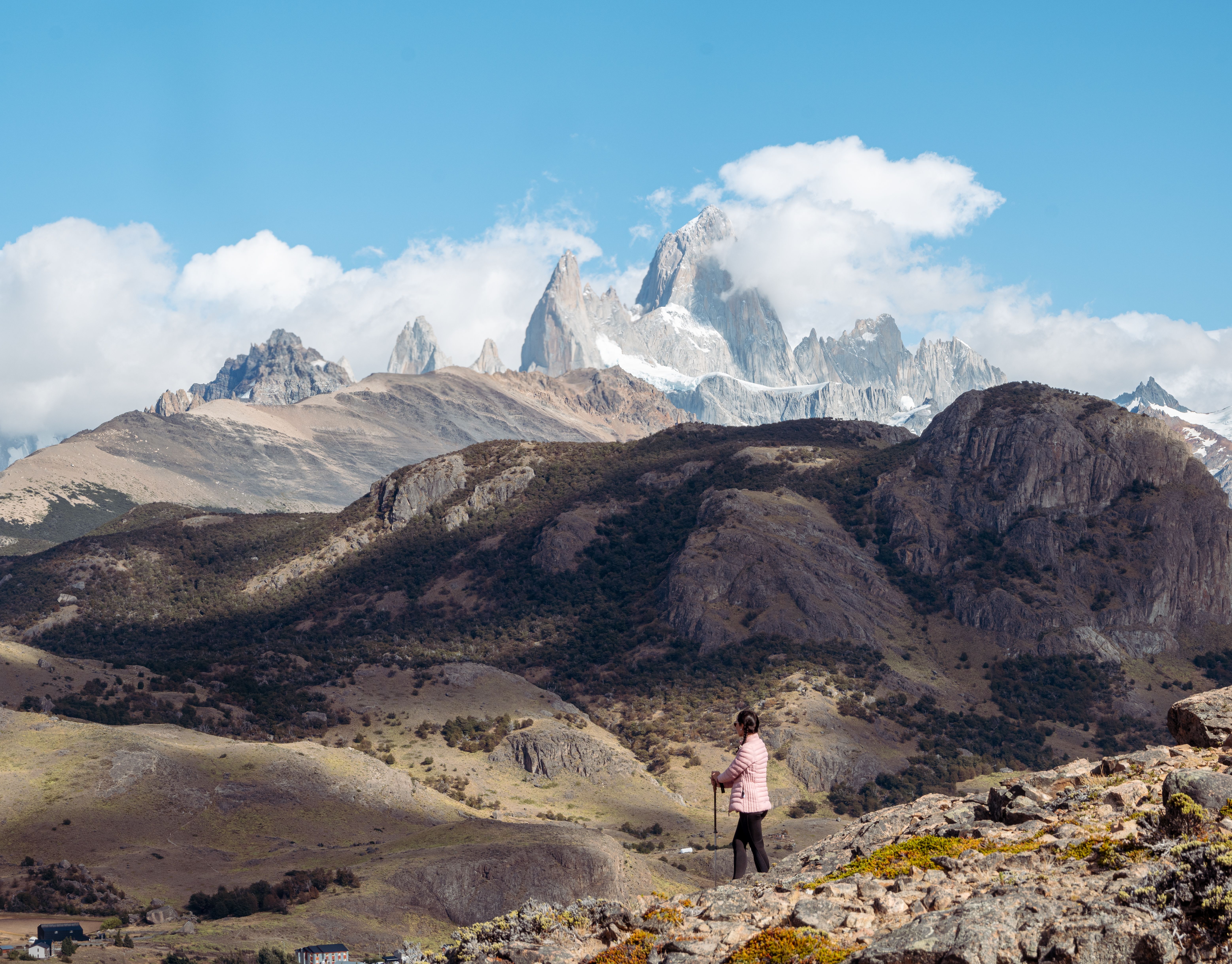
Most people assume adventure travel is a young person’s game. That assumption gets shattered the first time you find yourself on a trail in Patagonia next to a 68-year-old who’s been hiking since before you were born. Adventure travel for over 50s isn’t about proving anything to anyone. It’s about moving through the world with purpose, at a pace that lets you actually absorb what’s happening around you.
If you’re reading this, you’re probably an experienced traveler who has done the standard vacations and now wants something more substantial. This article covers exactly that—trips that balance physical challenge with comfort, logistics that keep you moving without wearing you out, and the kind of practical decisions that separate a great trip from an exhausting one. We’ll look at what types of trips actually work, what to look for when booking, mistakes to avoid, and how to spend your money where it matters.

Why Adventure Travel Over 50 Is Different (and Better)
There’s an honesty that comes with travel after 50. You stop caring about looking cool and start caring about what actually feels good.
Not Your 20-Something Adventure
The backpacker version of adventure travel involves hostels, questionable transportation, and a schedule built around whatever’s cheapest. That works when you’re 25. At 50+, the calculus shifts. You still want the remote beaches, the mountain passes, the local food markets. But you also want a bed that doesn’t wreck your back, a guide who knows how to pace a group, and a backup plan when things go sideways.
The difference is subtle but important. Adventure travel for over 50s prioritizes experience density over experience quantity. One incredible day of hiking with a knowledgeable guide beats three rushed days of souvenir shopping and bus transfers. The travel industry is finally catching up to what experienced travelers already know.
What to Look for in an Adventure Trip After 50
Not all adventure trips are created equal. Here’s what separates the ones that deliver from the ones that disappoint.
- Group size limits: Look for max 12–14 people. Larger groups move slowly, cause queueing issues at trailheads, and create noise. Small groups get better guide attention and smoother logistics.
- Physical difficulty ratings: Many operators inflate or deflate these. A trip that says “moderate” might mean 6 hours on uneven terrain at altitude. Others use “moderate” for a 3‑hour flat walk. Call and ask specifics before booking.
- Guide-to-client ratios: One guide for 12 people is standard. For trips with altitude or technical terrain, you want at least two guides. This matters for safety and for pace—slower hikers shouldn’t feel rushed.
- Cancellation policies: Life happens. The best operators offer flexible rebooking or partial refunds up to 30 days out. Avoid anyone with a “no refunds” policy unless you know exactly what you’re getting into.
- Insurance requirements: Some operators require proof of medical evacuation coverage. This isn’t a suggestion—it’s a requirement for a reason. We’ll cover this more later.
- Leader experience: Ask how many times the guide has led that specific trip. First-time guides miss things. Local knowledge matters.
Top 5 Adventure Trips for Over 50s That Actually Deliver
These are curated based on experience, not marketing hype. Each trip type has proven itself with travelers who’ve done the circuit.
Costa Rica Multi-Sport
Why it works: Accessible jungle trails, volcanic hot springs, and Pacific Coast beaches. Most operators offer “soft adventure” versions with shorter hiking days and private transfers. Best time: December to April. Fitness level needed: moderate. Practical tip: book the ziplining early in the trip when energy is fresh. Travelers who want to stay well-hydrated on the trail may find a hydration pack worthwhile.
New Zealand Walking Tours
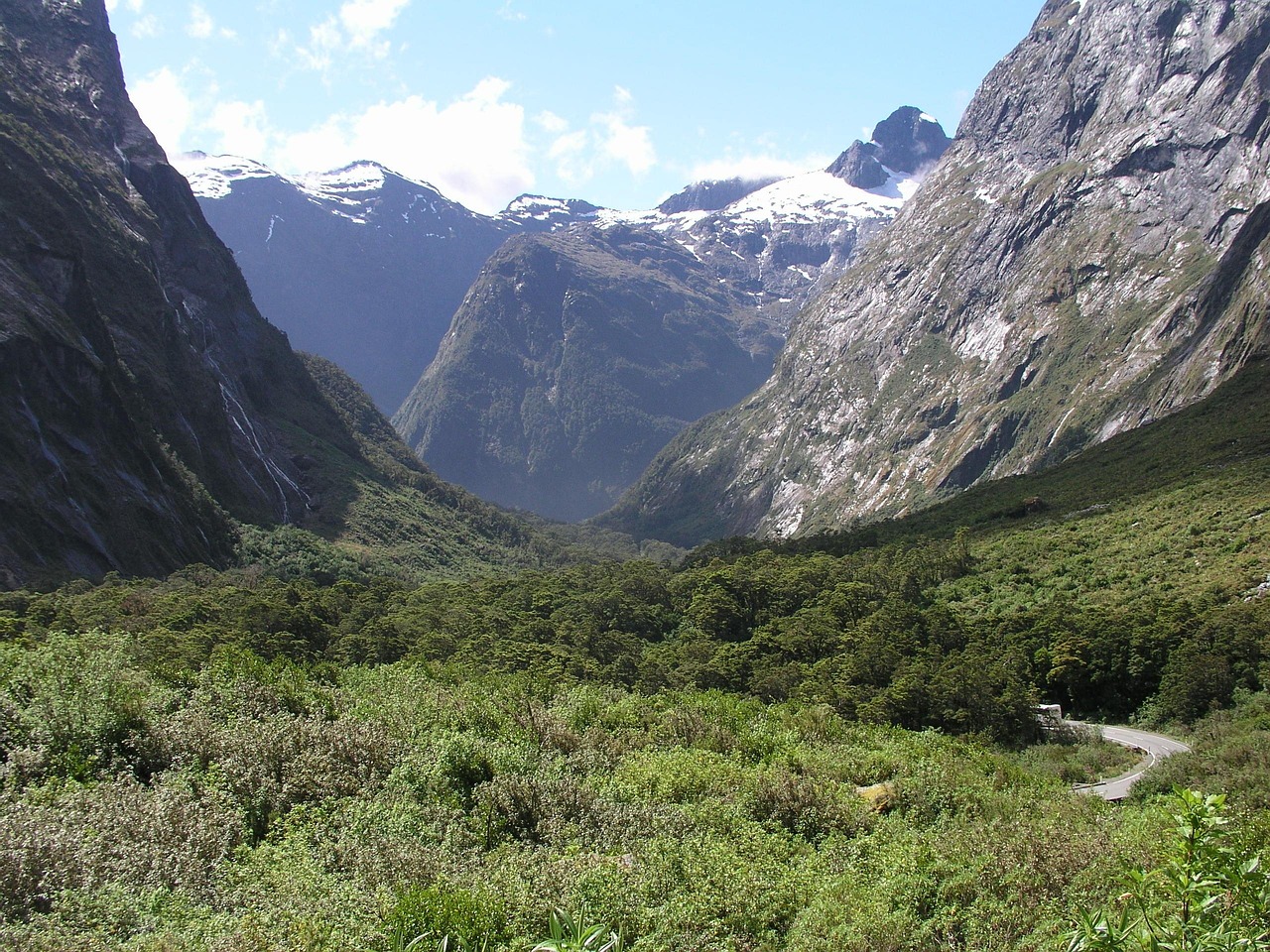
Why it works: The infrastructure for walking holidays is world-class. The Milford Track and Abel Tasman Coast Track have hut systems and luggage transfer services that let you hike with just a daypack. Best time: October to April (shoulder season avoids crowds and peak prices). Fitness level needed: moderate to strenuous. Practical tip: guided walks include meals, which saves the hassle of planning food logistics.
Greek Island Hiking
Why it works: Trails connect ancient footpaths between villages, and ferries provide easy island-hopping logistics. The itineraries tend to be lower mileage with built-in cultural stops. Best time: May–June or September–October for mild weather and fewer cruise ship crowds. Fitness level needed: easy to moderate. Practical tip: choose itineraries that include overnight stays in villages rather than returning to a base—much more immersive.
Scottish Highlands Rail-and-Walk
Why it works: Use the train network to move between trail sections, eliminating the need for car rental or long transfers. The walks are self-guided or guided, and the scenery is dramatic without requiring technical skill. Best time: June–September. Fitness level needed: moderate. Practical tip: book accommodation early in Fort William and Inverness—they fill up fast.
Peruvian Cultural Treks
Why it works: The Inca Trail is famous, but the Lares and Salkantay treks offer similar scenery with fewer crowds and more flexibility. Many operators now offer hotel-based versions where you hike during the day and sleep in a bed at night. Best time: May–September. Fitness level needed: strenuous due to altitude. Practical tip: arrive in Cusco at least three days early to acclimatize before the hike starts.

Comparison: Guided Group Trips vs. Self-Planned Adventures
Both approaches have their place. The choice comes down to what you value most.
- Guided group trips: Logistics included, social aspect, safety net. You show up, follow the itinerary, and let someone else handle the details. Best for first-time adventurers, solo travelers, or anyone who doesn’t want to think about meal planning and route finding.
- Self-planned adventures: Cost control, flexibility, deeper customization. You choose where to stay, when to move, and how long to linger. Best for experienced travelers who know their preferences and are comfortable managing logistics.
Many over-50s choose a hybrid: book the major transport and accommodation through a booking platform, then hire local guides for specific activities. This gives you the reliability of structured travel with the freedom of independent pacing.
The Gear Investment That Actually Matters
You don’t need a gear closet full of ultralight equipment. You need a handful of items that work well and last.
Walking shoes: This is the single most important purchase. Look for trail runners or light hiking boots with good ankle support and a roomy toe box. Merino wool socks are worth the premium—they prevent blisters and regulate temperature. Travelers who need a reliable option can check out merino wool hiking socks.
Moisture-wicking clothing: Cotton is a liability. Synthetic or merino base layers dry fast and prevent chafing. A good pair of hiking pants with zip-off legs converts to shorts mid-trail.
Daypack: A 20–25 liter pack with a hip belt transfers weight off your shoulders. Look for something with multiple compartments so you can access snacks, sunscreen, and a jacket without unpacking everything.
Travel pillow: Underrated. A compressible pillow makes the difference between sleeping well and waking up stiff. Get one that packs small and inflates quickly. Travelers dealing with stiff necks may appreciate a travel pillow that offers better support.
Common Mistakes Over 50s Make When Booking Adventure Travel
These come from experience—lessons learned the hard way so you don’t have to.
- Underestimating daily mileage: A 10‑kilometer hike on flat pavement is not the same as 10 kilometers on rocky, uneven terrain with elevation gain. Check the elevation profile, not just the distance. Ask the operator for the total ascent and descent for each day, not just the overall distance.
- Overplanning rest days: It’s tempting to schedule a rest day after every hiking day. This sounds smart but often leads to boredom and wasted time. Schedule one rest day mid-trip, and keep the others flexible so you can add or skip them based on how you feel.
- Ignoring altitude: Altitude sickness doesn’t care how fit you are. Some people are susceptible even at moderate elevations. Build in acclimatization days. Avoid flying directly into a high-altitude city and starting a hike the next morning.
- Choosing a trip for Instagram: Social media makes every destination look perfect. The most photographed trail might be overcrowded, overpriced, or physically beyond what’s comfortable. Read recent trip reports from people over 50. If they mention “great views but tough terrain,” believe them.
How to Assess Physical Difficulty Ratings Honestly
Trip operators use “moderate,” “strenuous,” and “challenging” without consistent definitions. Here’s a practical way to decode what they actually mean.

- Daily distance: Less than 8 km (5 miles) is easy for most reasonably active people. 8–15 km (5–9 miles) is moderate. Over 15 km is strenuous.
- Elevation gain: 200–400 meters (650–1300 feet) per day is moderate. 400–600 meters is strenuous. Over 600 meters is challenging.
- Terrain type: Paved or well-maintained trails are easiest. Rocky, rooty, or sandy terrain increases difficulty significantly. Technical terrain requiring hands-on scrambling increases it further.
- Pace: A trip with stops every hour for photos and snacks is very different from one that moves continuously. Check whether the itinerary includes scheduled breaks.
If you’re unsure, call the operator. Ask for the specific daily distances and elevation gain. A good operator will give you concrete numbers. A bad one will give you vague reassurances.
The Best Time of Year for Different Adventure Destinations
Weather makes or breaks an adventure trip. Shoulder season is almost always the answer after 50.
- Europe: May–June and September–October. Crowds are thinner, temperatures are comfortable, and accommodation prices are lower. Avoid July–August unless you enjoy heat and queues.
- Central America: December–April is the dry season. November and May are transition months with some rain but far fewer tourists. June–October brings heavy rain and slippery trails.
- Southern Hemisphere (New Zealand, Patagonia, Peru): November–March has the best weather. However, this also means peak crowds. October–April gives you good conditions with fewer people if you pick the edge months.
Why Travel Insurance Is Non-Negotiable for Adventure Travel Over 50
This isn’t about checking a box. It’s about having a plan when something goes wrong.
What to look for in a policy:
- Medical evacuation coverage: If you’re injured on a remote trail, evacuation costs can reach tens of thousands of dollars. This is the most important line item.
- Pre-existing condition cover: Many policies exclude pre-existing conditions. You need a policy that covers them or an add-on rider.
- Trip cancellation/interruption: Unexpected illness or family emergencies happen. This covers non-refundable bookings.
Saving $50 on a cheaper policy isn’t worth the risk. Buy from a provider that specializes in adventure travel. Read the fine print carefully.
Using Local Operators vs. International Tour Companies
Both have strengths. The right choice depends on what you prioritize.
- Local operators: Offer unique access to off-the-beaten-path locations. They know the terrain intimately. Costs are typically lower. The tradeoff is less flexibility with refunds and less consistency in guide quality.
- International companies: Provide standardized training, consistent support, and easier rebooking. They often partner with local guides anyway. The tradeoff is higher cost and less improvisation.
A hybrid approach works well: book through an international platform that partners with local guides. You get the reliability of a big company with the local knowledge of small operators.
FAQs: Adventure Travel for Over 50s
Do I need to be fit? Reasonably fit. You don’t need marathon training, but you should be comfortable walking 6–8 km with a daypack on uneven terrain. Start a walking routine 2–3 months before your trip.
Can I go alone? Absolutely. Many guided trips are designed for solo travelers. Room share options keep costs down, and the social aspect of a group means you’re never truly alone.
What about altitude? Altitude is the most underestimated risk in adventure travel for over 50s. Acclimatize for at least 2–3 days before starting any high-altitude activity. Be honest with your guide about how you feel.
How far in advance should I book? 4–6 months for popular destinations and seasons. Last-minute bookings still work for less busy times but eliminate the best guide slots and accommodation options.
What if I need to cancel? This is why you buy trip insurance. A good policy covers cancellations for medical reasons, family emergencies, and many unforeseen events.

Final Thoughts: Booking Your Next Adventure with Confidence
Adventure travel after 50 isn’t complicated. Choose trips designed for your pace, prioritize guides and insurance, and don’t overthink gear. The best trips respect your time and experience—good logistics, thoughtful pacing, and genuine experiences.
Start with one of the trips above and see where it takes you. The world is still full of trails worth walking, and you’ve got the wisdom to enjoy them properly.