Best Rock Climbing Destinations for All Levels
How to Choose a Climbing Destination Based on Your Level
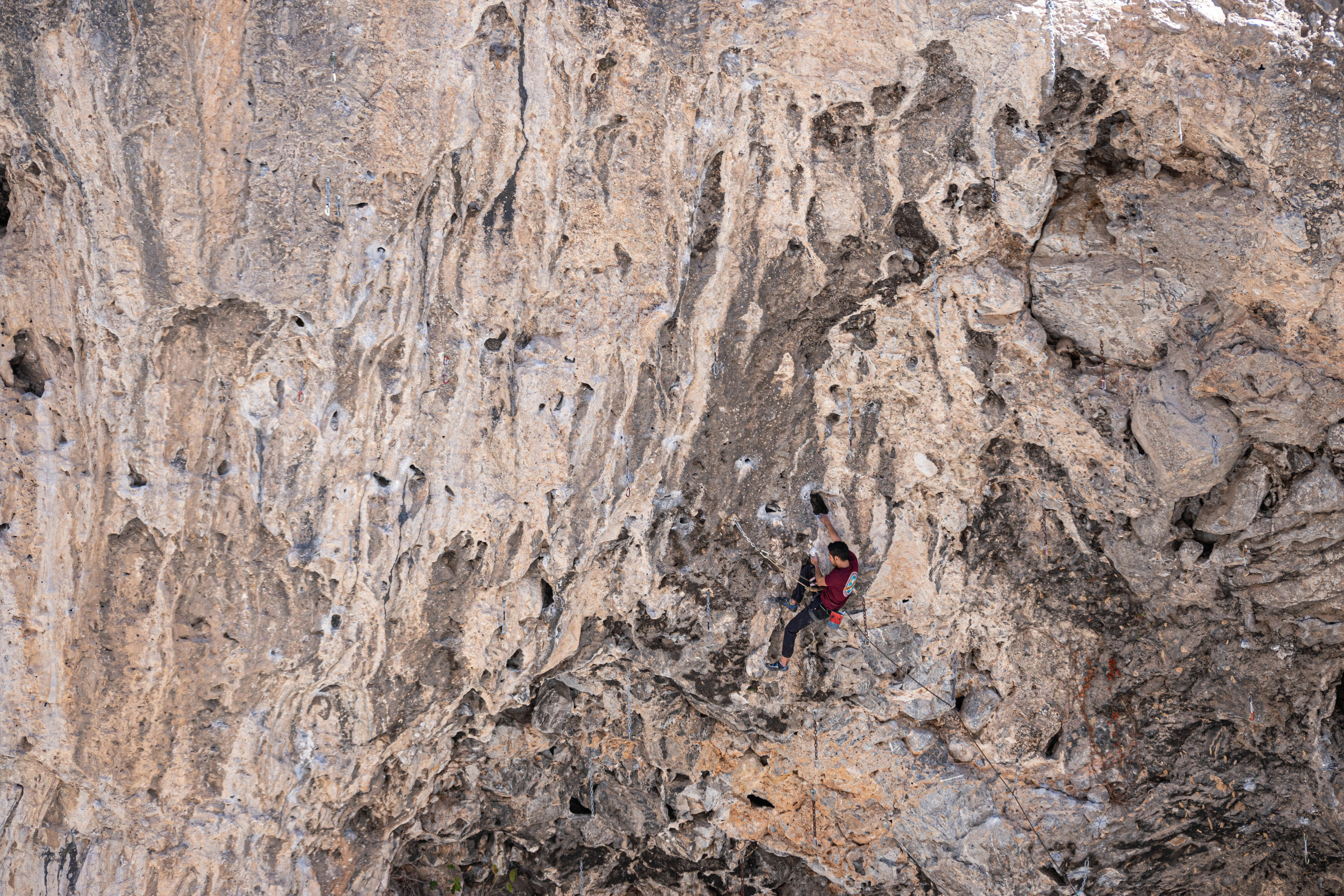
The key to a good climbing trip is matching the destination to what you actually want to climb. Many people pick a spot based on photos or hype, then show up either too strong or too weak for what’s available. That’s a quick way to waste a trip.
Here’s a simple way to think about it. Beginners should look for places with lots of single-pitch, well-bolted sport routes in the 5.6 to 5.9 range. Forgiving grades and short walks in are ideal. Intermediates can mix in trad leads and multi-pitch potential—think 5.10 to 5.11 sport or trad with room to push into a 5.11+ project. Advanced climbers want hard sport redpoints above 5.12, big walls, or demanding alpine lines.
The destinations below are grouped to make this easier. Each one has a clear profile of who it works for and why. Pay attention to seasonal notes, rock type, and local infrastructure. If you can’t rent gear or the best season is a two-week window, that matters more than how many 5.14s are bolted in the cave.

1. Kalymnos, Greece – Sport Climbing Paradise for Grades 5a to 8c
Kalymnos might be the most balanced sport climbing destination in the world. The limestone tufa is varied enough that you can climb a 5a (5.4) slab in the morning and a steep 8c (5.14b) cave route after lunch. That versatility works for almost everyone.
Beginners will find hundreds of routes in the 5a to 6b range. The rock is grippy, bolts are generally trustworthy, and approaches are short—often under ten minutes from the road. For intermediates, the massive Grande Grotta and Odyssey sector offer steep, technical climbing in the 6b to 7a range that feels harder than the grade suggests. Advanced climbers get world-class tufa pinching on routes like Siegrune (8c) and L’Ospite (8b+).
Logistics and Practical Tips
Fly into Kos, take a 45-minute ferry to Pothia (the main port), and you’re there. Spring (April–June) and fall (September–November) are the sweet spots. Summer is brutally hot. Winter is quiet but wet. Accommodation and gear rental are easy—dedicated climbing hotels like Hotel Aphrodite exist, and plenty of shops rent shoes and draws. If you want a guide for harder sectors, local companies run daily trips. Travelers who need a shoe with good downturn for steep tufa might want to look at aggressive climbing shoes before arriving.
2. Red River Gorge, Kentucky – Best for Intermediate Sport Climbers
The Red River Gorge (RRG) is a US sport climbing mecca, but it’s not a beginner’s paradise. Route density is excellent, but the sweet spot sits squarely in the 5.10 to 5.12 range. If you’re climbing below 5.9, you’ll find limited options. For intermediates looking to project in the 5.11+ range, it’s hard to beat.
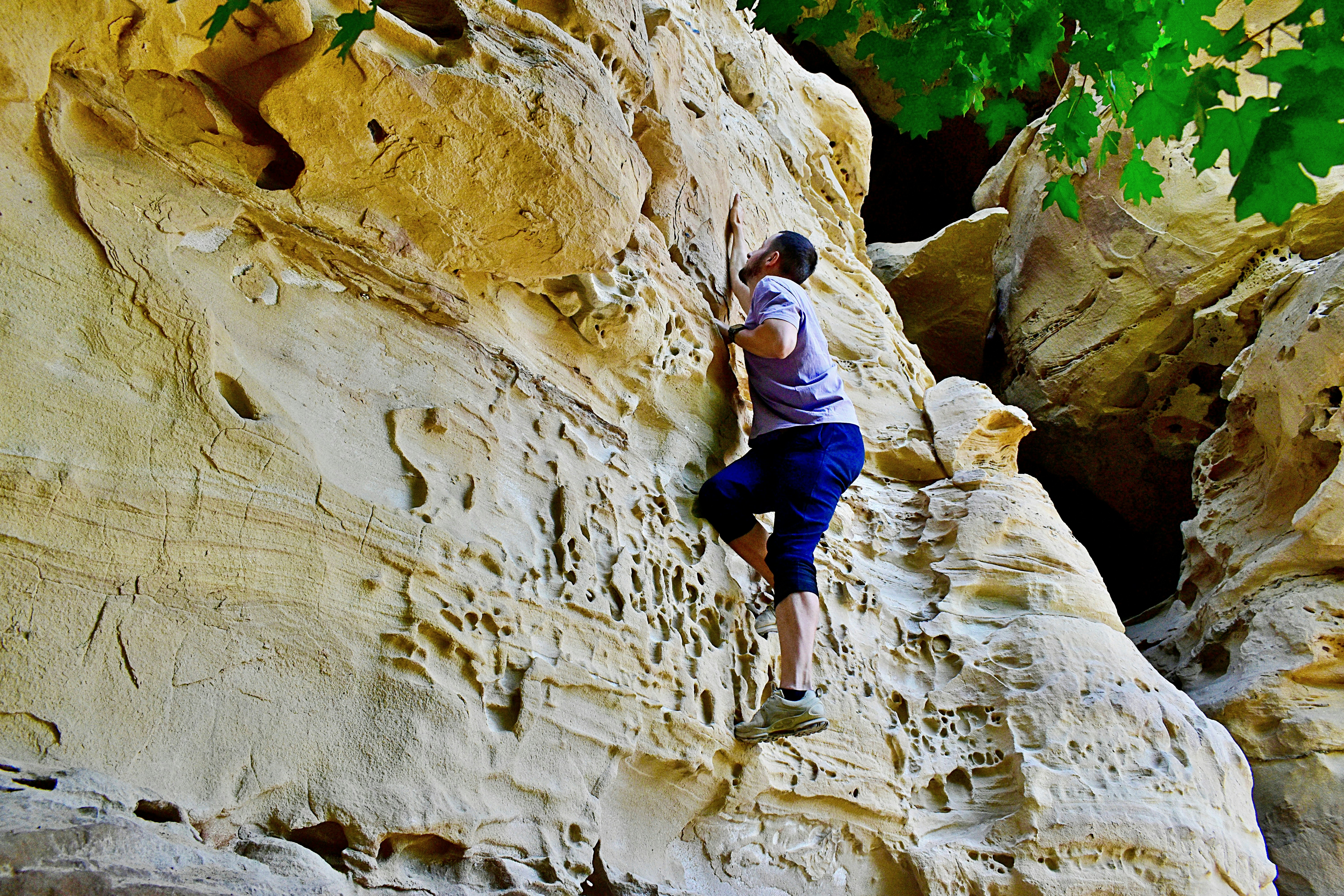
Sandstone at the RRG is juggy and feature-rich. Routes like Ro Shampo (5.12a) and Chill of the Evening (5.11c) are classics for a reason. Approach times are short—often under fifteen minutes—and the crag community is strong. Camping at Miguel’s Pizza is the standard move. It’s cheap, social, and close to gear shops like Summit City and the climbing gym in Stanton.
Warning for Beginners
If you’re new, the RRG is not the place to learn. There are a few easier routes, but most require at least 5.10 comfort. Go to the New River Gorge in West Virginia instead if you’re starting out. For intermediates, book camping early—fall season fills up fast. A good rope bag and a set of quickdraws will serve you well here. A comfortable climbing rope bag makes carrying gear to the crag much easier. I’d also bring a crash pad if you want to boulder at Pendergrass-Murray Recreational Preserve (PMRP).
3. Rocklands, South Africa – World-Class Bouldering for All Abilities
Rocklands, in the Cederberg region near Clanwilliam, is a bouldering destination that surprises most people who visit. Thousands of problems on world-class sandstone, and the grade range is genuinely accessible. You can climb V0 slabs and V10+ caves in the same day. The setting is starkly beautiful—red desert, quartzite rock, and isolated boulders that feel placed for climbing.
The season runs June through August, which is South African winter. Days are cool and dry, but nights can drop near freezing. A vehicle is mandatory—boulders are spread across a wide valley and access roads are rough but manageable with a regular car. Clanwilliam has limited gear rental, so bring your own crash pad, shoes, and chalk. The local scene is friendly, and you’ll see top boulderers training there in season. That’s a good trust signal: if pros choose to camp out here, the quality is real.
Key Practical Details
Fly into Cape Town, rent a car, and drive about three hours north. Accommodation is mostly self-catering cottages or camping at places like De Pakhuys. There are no climbing stores renting pads nearby, so pack accordingly. A dense, medium-size crash pad for bouldering works well for the flat landings. A simple chalk bucket and a decent pair of bouldering shoes will do the job.

Comparison Table: At a Glance – Best Rock Climbing Destinations for All Levels
This quick scan helps you compare destinations side-by-side. Use it to narrow down the list before reading the details.
| Destination | Best For | Rock Type | Best Season | Primary Style |
|---|---|---|---|---|
| Kalymnos, Greece | All levels (Beginner–Advanced) | Limestone Tufa | Spring/Fall | Sport |
| Red River Gorge, USA | Intermediate–Advanced | Sandstone | Spring/Fall | Sport |
| Rocklands, South Africa | All levels (bouldering) | Sandstone | June–August | Bouldering |
| Squamish, Canada | Intermediate–Advanced | Granite | Summer/Early Fall | Trad/Bouldering |
| El Potrero Chico, Mexico | Intermediate–Advanced | Limestone | November–February | Multi-pitch Sport |
| Fontainebleau, France | All levels (bouldering) | Sandstone | Spring/Fall | Bouldering |
4. Squamish, British Columbia – Granite Trad & Bouldering for Intermediates and Up
Squamish is a granite playground that demands a baseline of competence. If you’re comfortable leading 5.10 trad on gear, this is one of the best places on earth. The Chief, the Apron, and the surrounding boulders offer a lifetime of climbing. For intermediates, the Apron’s moderate routes (5.8 to 5.10+) are a fantastic place to build confidence on traditional gear. The bouldering field, with hundreds of problems from V0 to V14, also offers good options for those not ready for multipitch.
Logistics: Fly into Vancouver, drive an hour north on Highway 99, and you’re in Squamish. The town has climbing shops like Climb On Squamish where you can rent a pad or buy hardware. Camping at the Cheekye River or staying at the Portobello Hotel are common choices. Rain is a real issue—Squamish gets wet. The best months are July through September. If you’re trad climbing, you need a full rack. If you’re bouldering, bring a couple of pads and some strong chalk. Those getting into trad may appreciate a nut tool for climbing to help clean gear.
Trust Signal Warning
Don’t come here expecting to learn trad from scratch without a guide. The rock is unforgiving, and gear placements aren’t obvious. If you’re new to trad, book a guided multi-pitch day. The guides here are top-tier. For bouldering, the approach to main fields is flat and easy, but some boulders require a short hike. A comfortable harness and nut tool are must-haves for trad. For bouldering, a chalk bag with a waist strap helps when spotting.
5. El Potrero Chico, Mexico – Long Multi-Pitch for Intermediate to Advanced Climbers
El Potrero Chico (EPC) near Monterrey, Mexico is the premier winter sport climbing destination for multi-pitch addicts. The limestone walls rise for 800+ feet, and bolting is generally solid. Grade range covers 5.8 to 5.14, but the money is in the 5.9 to 5.11 range. Routes like Star Trex (5.10a, 10 pitches) and Time’s Up (5.11a, 11 pitches) are classics that demand endurance and good route reading.
Best season is November through February. It’s dry, warm, and perfect for escaping northern winters. Hostels and camping at the base of the crag are affordable and social. Parking is limited, so the shuttle bus system from Monterrey is a good option if you don’t have a car. Gear rental is available at the base, but I’d bring your own comfortable harness, quickdraws, and a headlamp for descents. Guide companies run daily trips for first-timers or those pushing grades.
Practical Advice
EPC is not for beginners on their own—long multipitch demands rope management skills and steady endurance. If you’re under 5.9, you’ll struggle with the length. For intermediates, it’s a superb training ground. Bring a single rope (70m is ideal), 15 to 18 quickdraws, and a small rack of alpine draws for wandering lines. A comfortable harness with good gear loops makes a big difference during long days on the wall.
6. Fontainebleau, France – Iconic Bouldering for All Levels (with Caveats)
Fontainebleau is the birthplace of modern bouldering, and it’s massive—literally thousands of problems spread across dozens of sectors. The good news is that the circuit color grading system makes it easy to find your level. Orange circuits are for beginners, blue for intermediates, red for strong climbers. The bad news is that grading is old-school and stiff. A blue circuit here may feel harder than a V4 at your gym.
Beginners and intermediates will find plenty of safe, low-height problems on sandstone slabs. The forest is beautiful, and the atmosphere is relaxed. Locals are friendly, and it’s common to see families out climbing for the day. Bring your own bouldering mat—rental is available in nearby Fontainebleau but limited. Climbing shoes with good edging work well here. A guidebook is essential; sector mapping is confusing without one.
Hard Boulder Warning
Advanced climbers looking for V10+ problems exist here (La Danse des Balances, Iceberg), but they’re the exception. Most sectors focus on lower grades. If you’re projecting hard, target specific sectors like Bas Cuvier or Isatis. For everyone else, it’s a classic trip that’s hard to beat. A good pair of climbing shoes and a chalk bag are all you really need.
Common Mistakes When Picking a Climbing Destination (And How to Avoid Them)
- Matching grade ceiling to ability without project goals. Just because you can flash a certain grade in the gym doesn’t mean it’s your project sweet spot. Pick a destination where you can climb comfortably at your limit and also push yourself on a few harder routes. Don’t chase numbers if you haven’t trained for them.
- Not checking route density or approach times. A crag with 30 routes that are all good is better than one with 300 that are chossy or require 45-minute approaches. Look up the average approach time and route density before committing. Sites like Mountain Project and The Crag have reliable beta.
- Ignoring seasonal choss or bolting quality. Sandstone after rain is a recipe for holds breaking. Limestone can be sharp and loose in the off-season. Check the bolting reputation of the area. Places like Kalymnos and RRG are generally well-bolted, but some destinations have rusty or spaced bolts. Pack a couple of small stoppers for backup on suspect anchors.
- Failing to confirm gear rental availability. Not every destination rents climbing shoes, draws, or pads. In remote places like Rocklands or Jiuxian, you need to bring everything. Confirm what’s available before you pack. It’s a waste of money and time to arrive and realize you can’t climb.
- Underestimating the weather’s impact. That tropical-looking crag might be a hot, humid oven in July. Read the seasonal notes for each destination. Rain, heat, and cold windows can ruin a trip more than grade selection ever will.
7. Wadi Rum, Jordan – Desert Climbing for Adventurous Intermediates and Above
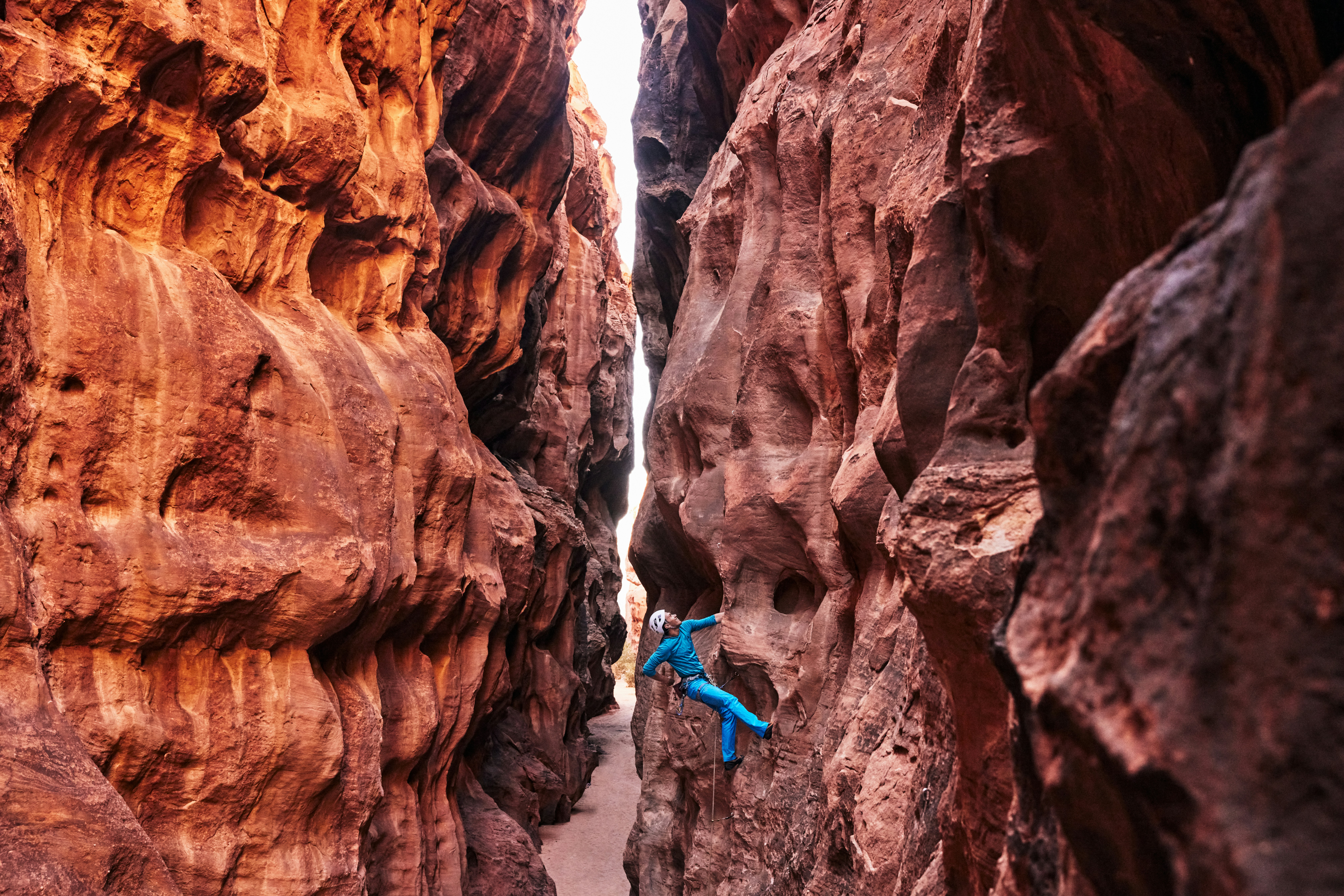
Wadi Rum is an emerging desert climbing destination that feels like another planet. The sandstone is clean, the lines are big, and the experience is unique—you’ll be climbing on massive walls with Bedouin camps as your base. Routes range from 5.9 to 5.12, but the focus is multi-pitch trad on relatively soft sandstone.
Logistics: Fly into Amman, drive about five hours south to Wadi Rum village. Most climbers stay in Bedouin camps like Camp Rum or Captain’s Desert Camp. You need a local guide and a permit. Do not try to climb here without them—access is regulated. A comfortable harness with plenty of gear loops is key. Carrying a few cams and stoppers helps for protecting wandering lines. Bring a headlamp for long descents and plenty of water—the desert is hot, even in winter.
Heat and Water Warning
Even in the best season (October–April), heat is a factor. The sun bakes the sandstone slabs. Start early, climb in the shade when possible, and carry at least 3 liters of water per person. A decent pair of climbing shoes with durable rubber handles the sandy holds. You’ll want a chalk bag you can secure to your harness during long approaches.

8. Jiuxian, China – Undiscovered Sport for Dedicated All-Level Climbers
Jiuxian is a hidden gem near Yangshuo, China, but it’s less crowded and offers more moderate grades than the famous Moon Hill area. The limestone is sharp and technical, with routes from 5.8 to 5.14. The sweet spot is 5.10 to 5.12, and the sector has a good number of established lines with solid bolting.
Best visited in spring and fall. Infrastructure is less developed than Yangshuo—expect to bring your own rope, draws, and shoes. Gear rental is not reliable. A local guide can help with route finding and safety. The climbing is good, but you’ll be rewarded with solitude if you put in the effort to get there. A set of quickdraws and a 70m rope will cover 90% of the routes. A comfortable harness and a chalk bag are standard.
Which Destination is Right for You? A Simple Decision Flow
Still stuck? Here’s a quick breakdown.
- If you’re a beginner wanting sport and warm weather – Go to Kalymnos. Tons of moderates, short approaches, good infrastructure.
- If you’re an intermediate wanting bouldering – Choose Rocklands or Fontainebleau. Both have massive fields with problems for your level.
- If you’re an intermediate wanting trad or multipitch – Squamish or El Potrero Chico. Both demand solid skills but reward with classic lines.
- If you’re an advanced climber pushing grades – Kalymnos (hard sport), Rocklands (hard bouldering), or Wadi Rum (adventure trad).
- If you’re looking for a remote, quiet trip – Jiuxian is worth the effort, but you need to be self-sufficient.
- If you want a winter escape from the north – El Potrero Chico is the obvious choice. Kalymnos is another option in late fall.
Final Tips for a Successful Climbing Trip
Plan around the season first. Then know your skill level honestly. Don’t show up to a 5.12 sport crag if you’re comfortable at 5.10, and don’t assume a bouldering trip is easier just because you don’t need a rope. Every style demands its own fitness and skills.
Pack the essentials: a rope (70m for most multipitch, 60m for single), quickdraws (12 for single pitch, 15–18 for multipitch), a comfortable harness, climbing shoes suited to the rock type, a chalk bag, and a helmet (non-negotiable on multipitch or trad). A headlamp and water are universal. Respect the local climbing community—each crag has its own ethics, from bolting to cleaning holds to wildlife closures. Leave it better than you found it.
If you’re ready to go, book your accommodation and gear through the affiliate links on this page. That’s how we keep the site running and the beta free. Most crags have decent hotels or hostels—booking early saves money, especially the Red River Gorge in fall and Kalymnos in spring. Check the gear recommendations if you need new shoes or a pad. Have a solid trip, climb hard, and stay safe.
12 Best Kayaking Destinations in Southeast Asia for Paddlers in 2025
Best Canyoneering Spots Worldwide: A Practical Guide for Adventure Travelers
Iceland Adventure Travel Guide: Waterfalls, Glaciers, and Volcanoes
Mount Kilimanjaro Climbing Routes Compared: Which One Is Right for You?
South Africa Adventure Guide: Safaris and the Coast – What You Need to Know Before You Go