Best Patagonia Hiking Routes for Multi-Day Treks: Expert Guide
Why Patagonia is a Top Destination for Multi-Day Hiking
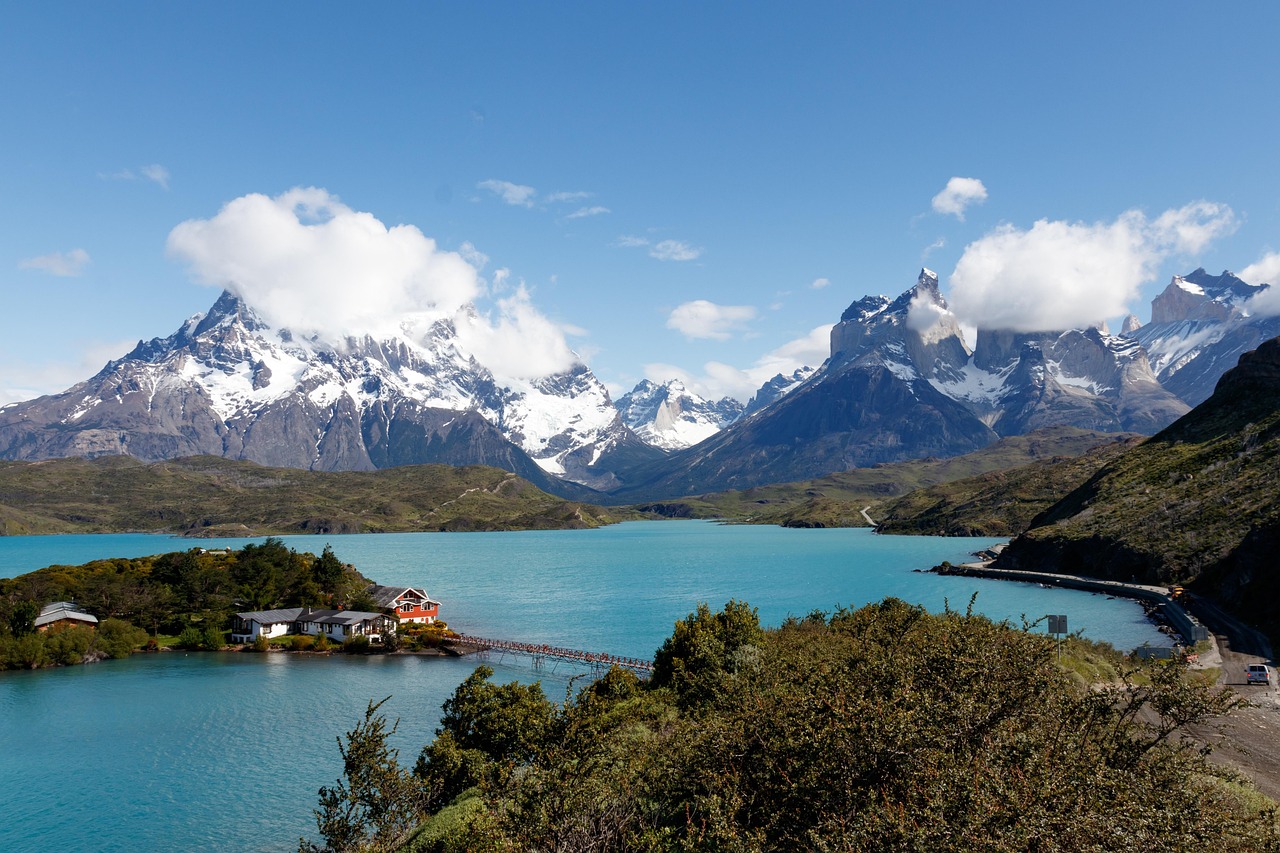
Patagonia hiking routes for multi day treks are some of the most rewarding on the planet, but they require real planning. The Andes here are young and sharp, glaciers move daily, and the winds can knock you off your feet.
What sets Patagonia apart isn’t just the scenery. It’s the trail infrastructure. Torres del Paine National Park has a well-organized system of refugios, campsites, and marked trails. El Chaltén offers day hikes and multi-day circuits that don’t require a guide. Farther south, the Dientes de Navarino route drops you into raw, untracked wilderness.
But there are trade-offs. Booking windows for refugios in Torres del Paine often open nine months in advance and sell out in hours. The weather is famously unpredictable—you can get four seasons in one afternoon. And during peak season (December to February), popular trails can feel crowded.
This guide compares the best multi-day routes, breaks down permits and gear, and helps you choose based on your experience, time, and budget.

Comparing the Top Multi-Day Treks: Quick Overview
Here’s a tactical breakdown of the five most popular Patagonia hiking routes for multi day treks. Use this to narrow down your options fast.
- W Trek (Torres del Paine) – 4-5 days, moderate difficulty. Best for first-timers and those wanting refugio comfort. Requires pre-booking. Peak season: Nov–Mar. Permit: CONAF entrance + refugio reservations.
- O Circuit (Torres del Paine) – 7-9 days, challenging. A full loop around the Paine massif. Fewer crowds, more wilderness. Mandatory booking for campsites. Permit: same as W plus remote camping permits.
- Huemul Circuit (El Chaltén) – 4 days, very challenging. No refugios, pure backcountry. Requires a guide. Permit: guided tour required.
- Dientes de Navarino (Isla Navarino) – 5-7 days, extreme. No services, route-finding required. Permit: self-registration with CONAF in Puerto Williams.
- Fitz Roy Trek (El Chaltén) – 3-5 days, moderate to challenging. Can be done as a point-to-point or circuit. Camping options, some refugios. Permit: free, register at the ranger station.
That should give you a clear starting point. Now let’s go deeper on each.
The W Trek in Torres del Paine: The Most Popular Option
The W Trek is the most famous Patagonia hiking route for multi day hikers, and for good reason. It cuts across the southern face of the Paine massif, giving you three iconic viewpoints: the Towers (Las Torres), the French Valley (Valle del Francés), and Grey Glacier (Glaciar Grey).
Logistically, you have two directions. Most people hike east to west, starting at Laguna Amarga and finishing at Refugio Grey. This puts the sunrise at Las Torres on day two and ends with the glacier. West to east is quieter and gives you different light, but you’ll finish with the climb to the Towers, which is tougher.
Booking refugios is the make-or-break step. Las Torres, Francés, and Grey refugios are the three main ones. You need to book each in advance through the official website or a tour operator. If you’re on a budget, you can camp at the same sites for less, but you still need a reservation. The system opens around July for the following season, and prime dates go fast.
The biggest downside to the W is the crowds. From late December through February, you’ll share the trail with hundreds of other hikers. The upside is infrastructure: hot showers, meals, and even wine at the refugios. You don’t need to carry a stove or tent unless you choose camping.
Best time to go? Late November or early March. The weather is more stable, crowds thin out, and refugio availability improves. Just pack for wind and rain no matter when you go.
The O Circuit: A Full Torres del Paine Experience
If you want a fuller wilderness experience, the O Circuit loops around the entire Paine massif. It adds the remote backside, including the iconic Paso John Gardner, where you look down at Grey Glacier from above.
The O usually takes 7 to 9 days depending on fitness and pace. You’ll hike through lenga forests, cross high passes, and navigate rocky terrain. The backside has no refugios, only free campsites with basic facilities (pit toilets, wind shelters). You need to carry a tent, stove, and all your food for those sections. For these conditions, a reliable camping stove is essential for cooking meals.
Choosing between the W and the O comes down to time and tolerance for self-sufficiency. If you have a week or more and want to avoid crowds, the O is better. If you only have four or five days and want guaranteed comforts, stick with the W.
Permit limitations are real. CONAF limits the number of O Circuit permits per day to control impact. Book as soon as the window opens. And for the free campsites, you’ll be assigned specific dates for each one, so you can’t improvise. Plan your food and fuel accordingly. A reliable 4-season tent is non-negotiable here because the wind on the backside is brutal.

Less Traveled Paths: Huemul Circuit and Dientes de Navarino
For experienced trekkers who want solitude, the Huemul Circuit and the Dientes de Navarino are the real deal.
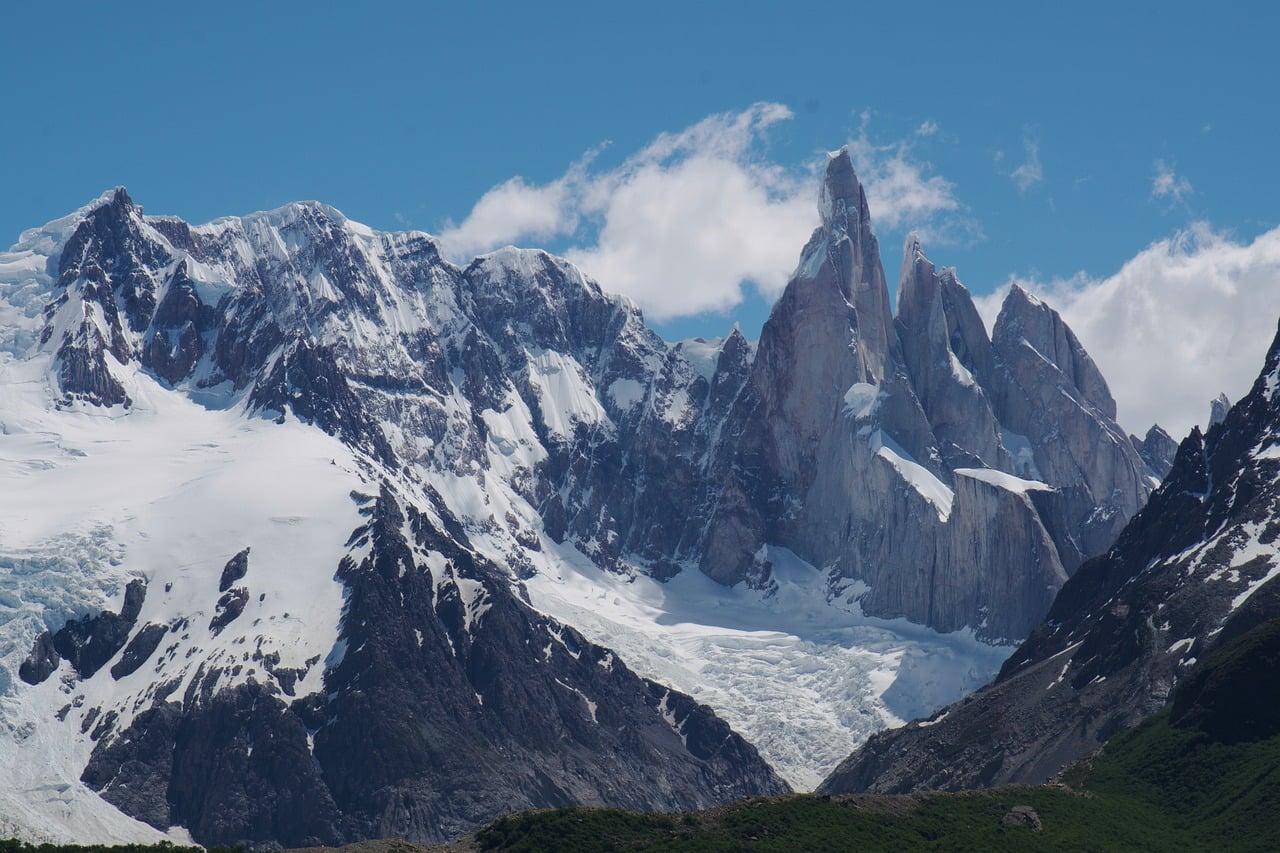
The Huemul Circuit starts in El Chaltén and loops through the Southern Ice Field. It’s technical, exposed, and requires glacier crossing. You cannot do it without a guide, full stop. The payoff is absolute silence, views of ice that go on forever, and no refugios anywhere. You’ll camp on snow, ford rivers, and navigate by GPS.
The Dientes de Navarino on Isla Navarino is different. It’s a rugged, ridge-heavy traverse above the treeline with no marked trail in sections. You’ll be navigating by map and compass, crossing scree fields, and dealing with Patagonian wind at its most unrelenting. This is not a route for beginners. You need a satellite communicator (like a Garmin inReach), full waterproof gear, and at least five days of food.
Both routes demand self-sufficiency. No backup, no bailout, no cell service. If you’re not comfortable with that level of risk, stick to the W or O. But if you are, these are two of the most rewarding Patagonia hiking routes for multi day treks you’ll ever do.
Fitz Roy and Cerro Torre: Multi-Day Treks in El Chaltén
El Chaltén is the trekking capital of Argentina, and the Fitz Roy area offers multi-day options that are more flexible than Torres del Paine.
The classic multi-day here is the Laguna de los Tres circuit. You can stretch it into 3-4 days by camping at Poincenot or taking side trips to Laguna Sucia and Laguna Torre. The views of Fitz Roy at sunrise from the lake are worth the early start.
For Cerro Torre, the approach is shorter but more technical. You can hike to Laguna Torre in a day, but the full circuit around the mountain takes 2-3 days and involves some exposed sections. The best viewpoint is at Mirador Maestri, where you get the iconic spire reflected in the lake.
Camping in El Chaltén is free but requires registration at the ranger station. You’ll need to pack in all your food and carry a stove. Resupply is easy since the town is small and has grocery stores. Stay in town for a night before and after your trek to rest and dry out gear.
Essential Gear for Patagonia Multi-Day Treks
Patagonia’s weather is the main challenge, and your gear needs to handle it. Here is a practical list focused on real problems, not generic hiking advice.
- Shelter: A 4-season tent is worth the weight. The wind on the O Circuit or Dientes can collapse a 3-season tent. Look for geodesic or semi-geodesic designs.
- Sleeping bag: Rated to at least 15°F (-10°C). Nights can drop below freezing even in summer. A down bag is lighter but must stay dry. Consider a synthetic bag if you expect heavy rain.
- Cooking: A lightweight stove like the MSR PocketRocket works, but fuel availability is spotty. You can buy canisters in Puerto Natales and El Chaltén, but stock up early. A Jetboil is fine for solo hikers but heavier.
- Navigation: Physical map and compass are non-negotiable. GPS on your phone with offline maps (Gaia, AllTrails) is backup. For remote routes, bring a satellite communicator.
- Clothing: A reliable layering system is key. Base layer (merino or synthetic), mid layer, and a waterproof shell. Waterproof pants are mandatory. Spare socks in a dry bag change everything.
- Safety: First aid kit with blister care. Microspikes for icy passes on the O Circuit or Huemul. A headlamp with fresh batteries.
How to Get Permits and Book Campsites in Patagonia
Permits for Torres del Paine are the biggest bottleneck. Here is the step-by-step process.
For the W Trek, you need a CONAF entrance permit and reservations at each refugio or campsite you plan to use. The official system (www.lastorres.com or a partner like Fantástico Sur) opens around June or July for the following season. Bookings for the most popular dates sell out within hours.
For the O Circuit, the same system applies, but you also need permits for the free campsites on the backside. These are assigned specific dates, so you lock your itinerary in stone when you book.
If you can’t get a reservation, consider going with a guided group. Tour operators often block-book campsites and can offer last-minute availability at a premium. Travel insurance that covers cancellation is a smart investment because if you book nine months out and your plans change, most reservations are non-refundable.
For El Chaltén and Dientes de Navarino, permits are free and issued by the local CONAF office. Just show up, register, and get your trail map. No advance booking needed, but be aware that camping at popular spots like Poincenot gets crowded in peak season.
Best Time to Hike in Patagonia: Seasons and Weather Patterns
Timing your Patagonia hiking routes for multi day treks is a trade-off between weather and crowds.
| Month | Avg High (°F) | Avg Low (°F) | Rainfall (in) | Wind (mph) | Crowds |
|---|---|---|---|---|---|
| Nov | 50 | 35 | 2.5 | 40 | Moderate |
| Dec | 55 | 38 | 2.0 | 35 | High |
| Jan | 58 | 40 | 1.8 | 30 | Very High |
| Feb | 57 | 39 | 2.0 | 32 | Very High |
| Mar | 52 | 36 | 2.5 | 38 | Moderate |
Summer (December to February) gives you longer days (up to 16 hours) and the best chance of stable weather. But you’ll pay for it with crowds and higher prices for flights and accommodation. Shoulder months (November and March) have fewer people and lower costs, but expect more rain and wind. Late March is excellent for the O Circuit because summer crowds are gone and the autumn colors are starting.
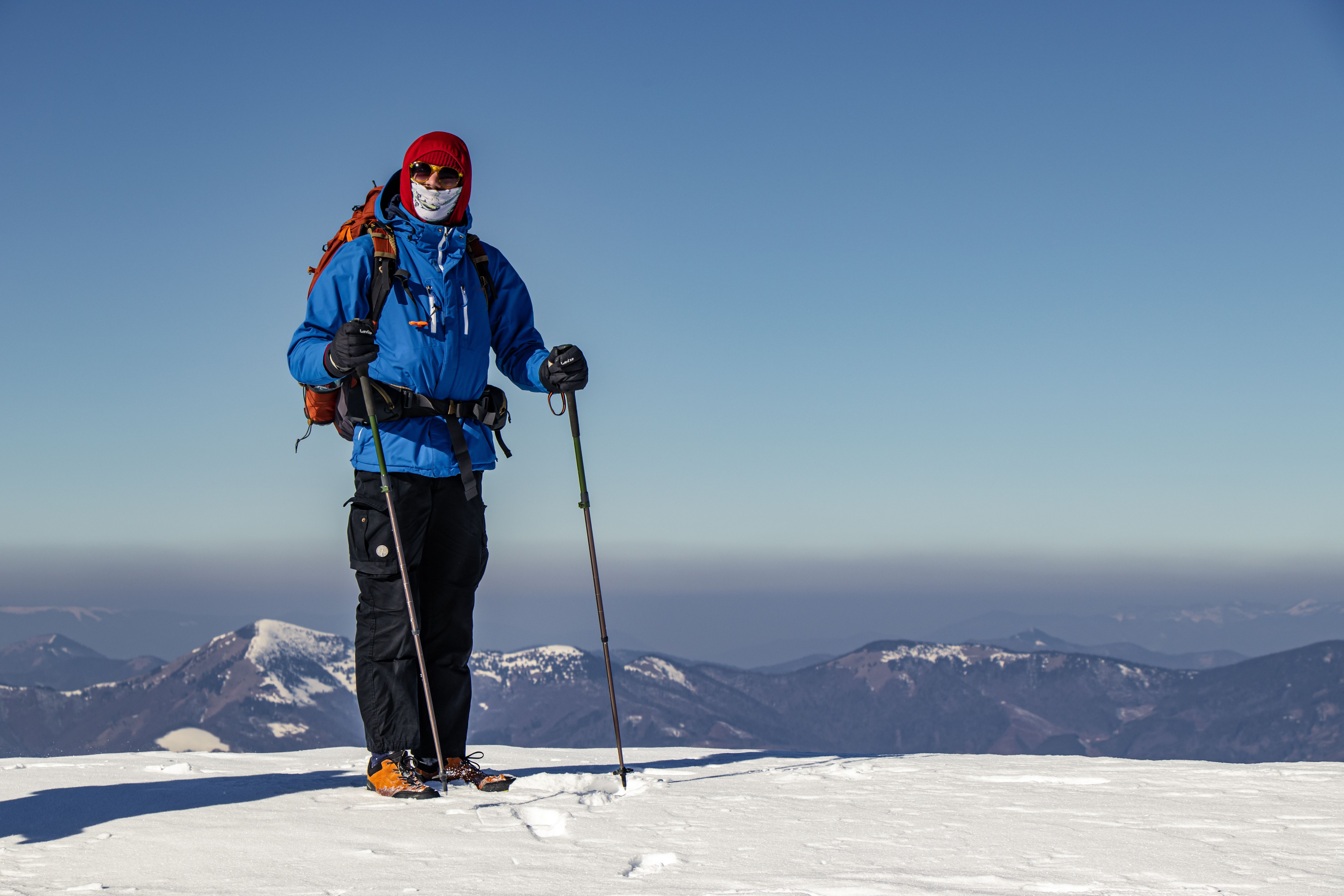
If you’re doing a self-guided route like Huemul or Dientes, aim for January or February. The extra daylight and slightly warmer temperatures make a real difference when you’re carrying all your gear and navigating exposed terrain.
Common Mistakes Multi-Day Hikers Make in Patagonia
I’ve seen a lot of hikers make the same mistakes. Here are the most common ones and how to avoid them.
- Underestimating weather changes: You can start a hike in shorts and end it in a blizzard. Always carry your rain gear and an extra insulating layer, even on a ‘good’ day.
- Not pre-booking refugios: Showing up to Torres del Paine without a reservation is a guaranteed problem. The park rangers will turn you away.
- Packing too heavy: Your pack weight should not exceed 20-25% of your body weight. The trails are long, the climbs are steep, and every extra pound hurts. Practice packing light at home. A lightweight backpack can help reduce your load.
- Forgetting microspikes: Many high passes on the O Circuit and Huemul have icy sections well into summer. Microspikes weigh almost nothing and can save you from a twisted ankle.
- Ignoring water treatment: Streams look clean but can carry bacteria. Bring a filter or purification tablets. Don’t risk it.
- Relying on cell service: There is very little or no cell coverage on most routes. Download offline maps and bring a paper backup. For remote routes, a satellite communicator is not optional.

Budgeting and Cost Breakdown for Patagonia Treks
Here is a realistic cost breakdown for a typical Patagonia hiking routes for multi day trek.
- Park entrance (Torres del Paine): $30-40 USD per person. El Chaltén is free.
- Refugio (dorm bed + meals): $80-120 USD per night. Camping at refugios: $20-40 per night.
- Free campsite permit (O Circuit): $10-20 per night.
- Guided tour (Huemul Circuit): $500-800 USD for 4 days, including guide and gear.
- Food resupply in town: $10-15 per day for groceries in Puerto Natales or El Chaltén.
- Transportation (buses): $30-60 per trip between major hubs.
- Budget per day (self-guided): $40-60 USD for camping, $100-150 for refugios.
- Mid-range per day: $150-250 for mixed refugio and guided options.
Book refugios and tours early to lock in prices. If you’re flexible, consider staying in hostels in Puerto Natales or El Chaltén instead of hotels to save money.
Final Route Recommendations: Which Trek Should You Choose?
Here is a simple decision guide.
- Choose the W Trek if: You have 4-5 days, want iconic views on a moderate schedule, and prefer refugio comfort and hot meals. It’s the best introduction to Patagonia.
- Choose the O Circuit if: You have 7-9 days, want a full wilderness loop with fewer crowds, and are comfortable camping and carrying your gear.
- Choose Huemul Circuit if: You are an advanced backpacker seeking solitude and glacier travel experience, and you’re willing to pay for a guide.
- Choose Dientes de Navarino if: You want a raw, unmarked route in a remote location, have serious navigation skills, and want to say you did one of the southernmost treks in the world.
- Choose Fitz Roy Trek if: You want flexibility and variety in El Chaltén, from day hikes to multi-day circuits, with free camping options.
Frequently Asked Questions About Patagonia Multi-Day Hikes
Do I need a guide?
No for W, O, Fitz Roy, and most El Chaltén routes. Yes for Huemul Circuit because of technical glacier travel. Dientes de Navarino can be done self-guided but requires advanced route-finding.
Can I do multiple routes in one trip?
Yes, with planning. A common combo is 5 days on the W then 4 days on the O Circuit, but you need to account for rest days and transport between parks. You can also combine the W with a day hike to Mirador de los Cóndores in Torres del Paine.
What about safety?
Patagonia’s main danger is weather, not wildlife. Wind, rain, and cold are the real risks. Be prepared for sudden changes. River crossings can be dangerous after rain. Stick to marked trails and carry a satellite communicator for remote routes.
Is altitude a concern?
No. The highest passes are around 3,000-4,000 feet (900-1,200 meters). Altitude sickness is not an issue. The terrain is tough because of steep climbs and loose rocks, not altitude.
Start Planning Your Patagonia Trek
You now have a clear picture of the best Patagonia hiking routes for multi day treks. The next step is to decide which trek fits your schedule and fitness level, then book your permits and accommodations as early as possible.
Compare guided tours and refugio packages to lock in your dates. If you’re going self-guided, start gathering your gear now, especially the shelter and clothing that will keep you safe in Patagonia’s unpredictable weather.
Don’t wait too long. The best dates sell out fast. Plan ahead, pack smart, and you’ll have an unforgettable experience.
Iceland Adventure Travel Guide: Waterfalls, Glaciers, and Volcanoes
Colombia Adventure Travel: Cities, Coast, and Jungle
Best Multi-Day Hiking Trails in the United States
Peru Adventure Travel: From Machu Picchu to the Amazon Rainforest