Best Beginner White Water Rafting Trips: Where to Start
Introduction
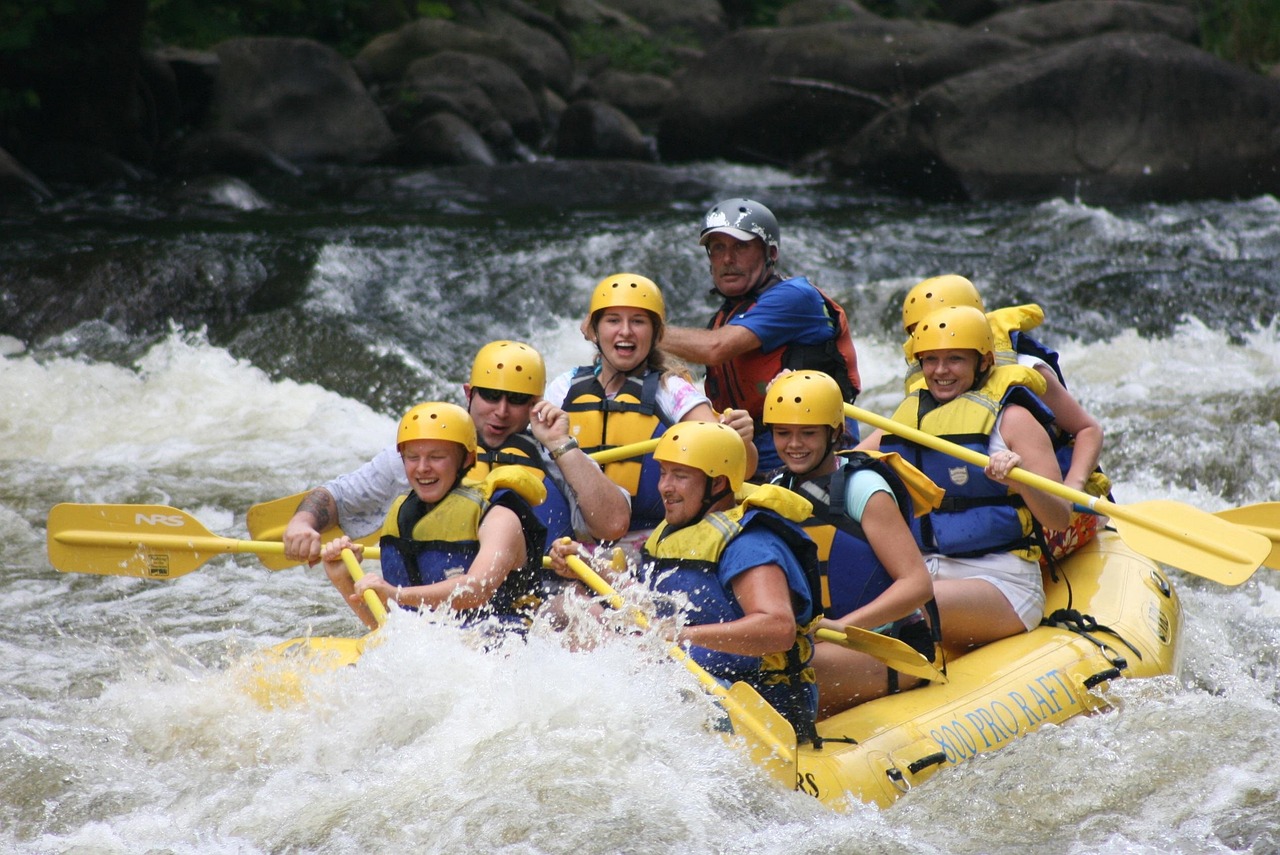
If you’re reading this, you’re probably ready to trade a calm paddling trip for something with a little more current. That’s a good instinct. But the difference between a great first experience on the water and a bad one comes down to where you go. Not all rapids are created equal. After spending years on rivers and looking into the best beginner white water rafting trips, I’ve seen how the right choice makes everything click. This article is for first-timers. We’ll cover the best rivers and outfitters for a safe, well-guided introduction. The goal here isn’t to hype up a death-defying adventure—it’s to get you on the water confidently, with a plan that works.

What Makes a White Water Rafting Trip Beginner-Friendly?
Before you start looking for a river, you need to know what makes a trip work for a first-timer. It’s not just about the rapids. Here are the key criteria that separate a good beginner trip from a potential disaster:
- Rapids Class I to III: These are safe, fun, and manageable. Class I is moving water with small waves. Class II has moderate rapids and clear channels. Class III gets your heart pumping with bigger waves but still requires no advanced skills. Avoid anything Class IV or above for your first trip.
- Professional Guides: A good guide is your safety net and your teacher. They handle the technical steering while you paddle. Reputable companies employ guides trained in swiftwater rescue and first aid.
- Calm Water Sections: Every good beginner trip has stretches of flat water for swimming, floating, or just catching your breath. This builds confidence and reduces panic.
- Short Trip Duration: Half-day or full-day trips are perfect. Anything longer adds logistics and fatigue that can ruin the experience.
- Minimal Technical Paddling: You should be able to focus on having fun, not complicated maneuvers.
- High Safety Ratings: Check that the company has a solid safety record. They should provide all safety gear: life vests (PFDs), helmets, and throw bags.
Understanding these factors shows you’re thinking like a smart adventurer. A beginner-friendly trip isn’t about being boring—it’s about being set up for success so you can come back for more.
Top 5 Beginner White Water Rafting Destinations
Here are five rivers that consistently deliver an excellent beginner experience. Each one has been chosen for its reputation, guide quality, and manageable rapids. This isn’t a random list—it’s curated from conversations with outfitters and personal experience on the water.
1. Colorado River (Upper Colorado, Colorado, USA)
Location: Near Kremmling, Colorado
Rapids: Class I–II
Duration: Half-day or full-day
Best Season: May to September
Why It’s Great for Beginners: The Upper Colorado is a classic introduction. The water is relatively warm by mountain standards, the scenery is stunning (think canyon walls and pine forests), and the rapids are gentle enough for kids or nervous adults. The guides here are top-notch. Many trips include a lunch stop on a sandy beach. It’s the kind of trip where you can relax between the small waves.
2. Gauley River (Lower Section, West Virginia, USA)
Location: Near Summersville, West Virginia
Rapids: Class II–III (Lower Section)
Duration: Full-day
Best Season: September to October (dam release season)
Why It’s Great for Beginners: The Lower Gauley is often called “the best beginner trip in the East.” The water is released from a dam, making flows consistent. The rapids are big enough to be exciting but not overwhelming. You’ll have several Class III drops with names like “Heidi’s Hole” and “Mountain.” The guides here are known for their safety-focused attitude. It’s a full-day commitment, but it’s worth it.
3. Ottawa River (Middle Channel, Ontario, Canada)
Location: Near Foresters Falls, Ontario
Rapids: Class II–III
Duration: Half-day or full-day
Best Season: May to September
Why It’s Great for Beginners: The Ottawa River is famous for consistent water levels and big, friendly waves. The Middle Channel is perfect for first-timers because it has a mix of exciting rapids and calm sections for floating. The guides are professional, and many companies offer photo packages. The vibe here is more “fun” than “extreme.”
4. Pacuare River (Costa Rica)
Location: Near Turrialba, Costa Rica
Rapids: Class II–III
Duration: Full-day or multi-day
Best Season: December to April (dry season)
Why It’s Great for Beginners: The Pacuare is a bucket-list trip for good reason. It runs through a lush jungle canyon with waterfalls and wildlife. The rapids are fun without being scary. This is a full-day trip, and many operators include a meal on the riverbank. The guides are bilingual and well-trained. If you’re looking for an exotic first rafting experience, this is it.
5. Futaleufú River (Manso Section, Chile)
Location: Near Futaleufú, Chile
Rapids: Class II–III (Manso Section)
Duration: Half-day or full-day
Best Season: December to March (summer)
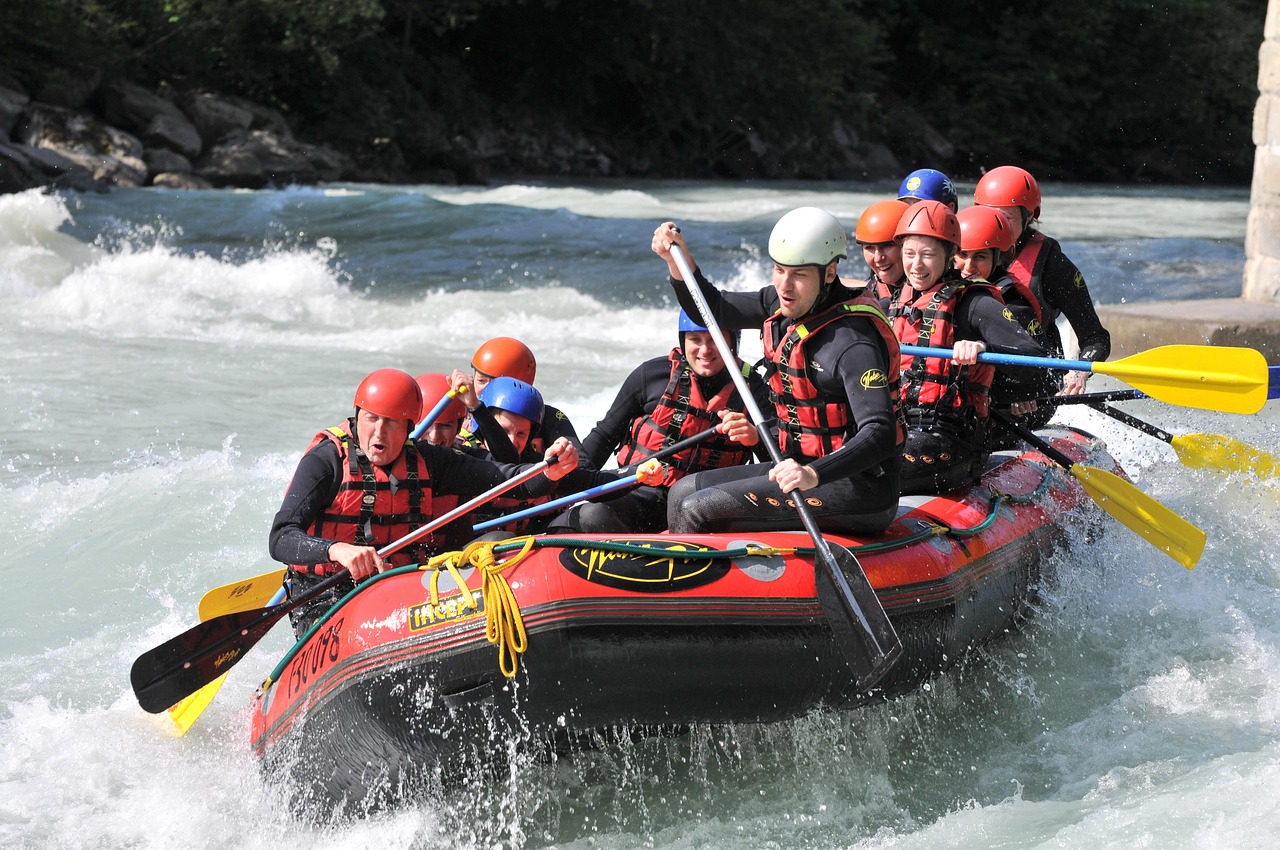
Why It’s Great for Beginners: The Manso Section of the Futaleufú is a hidden gem for beginners. It offers turquoise water, granite gorges, and consistent rapids. The operators here are extremely safety-conscious. This is a great pick if you’re planning a trip to Patagonia and want to mix in a rafting adventure without pushing your limits.

Gear Checklist: What You Need (and What You Don’t)
One of the most common questions from beginners is about gear. The good news: you don’t need to buy a whole rafting kit. Reputable outfitters provide the big stuff: life vests, helmets, paddles, and rafts. But here’s what you should bring from home:
- Wetsuit or Splash Jacket: Even in summer, river water can be cold. A thin wetsuit top or a waterproof splash jacket keeps you comfortable. Travelers who need extra warmth can find wetsuit tops online.
- Water Shoes or Sturdy Sandals: Flip-flops will float away. Get something with a heel strap that you can get wet. A simple solution is to browse water shoes with heel straps.
- Sunscreen (Water-Proof): The sun reflects off the water. You will burn. A waterproof SPF 30+ is essential.
- Dry Bag: For your phone, keys, and dry clothes. Some outfitters provide these; otherwise, bring your own. For longer trips, a reliable dry bag for rafting is worth considering.
- Change of Clothes: Leave a dry set in your car for after the trip. You will be soaked.
- Optional Items: A waterproof phone case or a GoPro mount (if you want photos). Avoid expensive jewelry or loose-fitting clothing.
- What NOT to Bring: Cotton clothes. They get heavy and cold when wet. Also leave behind any electronics that aren’t in a sealed dry bag. A wallet is a waste.
What to Expect on Your First Rafting Trip
Here’s a realistic timeline to take the mystery out of the day:
- Check-In (30 min): You arrive, sign waivers, and pay any balance. The staff will ask about your weight for raft placement.
- Safety Briefing (15 min): Your guide will explain how to hold the paddle, what to do if you fall in (swim to the raft, keep feet up), and basic commands.
- Gear-Up (10 min): You put on your life vest, helmet, and any wetsuit gear. Make sure everything fits snugly.
- Shuttle to River (30 min): You ride a van or bus to the put-in point. This is a good time to get to know your guide and group.
- On-Water Instructions (10 min): You practice a few paddle strokes in calm water. Your guide will teach you “forward,” “back,” “stop,” and “hold on.”
- Paddling Through Rapids: The real fun starts. You’ll hit Class I–III waves. Your guide will call commands. You’ll get splashed. It’s exhilarating without being terrifying.
- Calm Sections: Between rapids, you might swim, float, or just joke around. Many guides let you jump out and float downstream.
- Lunch Stop (if full-day): You’ll pull over on a sandbar or bank. The outfitter usually provides lunch—sandwiches, fruit, snacks.
- Final Take-Out: The trip ends at a designated point. You carry the raft up and head back to the base for a dry change of clothes.
Expect to get fully wet. Expect to use your arms and core (but not extreme fitness). Expect to have a blast. The guides will make sure you’re safe the whole time.
Beginner Mistakes to Avoid
Even smart people make these errors on their first trip. Don’t be one of them:
- Mistake #1: Overestimating Your Fitness: You don’t need to be an athlete, but paddling works your core and arms. Take breaks if needed. The guide can slow the pace. Don’t pretend you’re not tired.
- Mistake #2: Choosing the Wrong River Class: A friend tells you “it’s fine” on a Class IV river. It’s not fine for a beginner. Stick to Class I–III. Your first trip should feel exciting, not like survival mode.
- Mistake #3: Ignoring the Safety Briefing: It’s boring. You’ve heard it before. But the guide explains how to swim in rapids or how to avoid foot entrapment. Pay attention. It could save your trip—or your life.
- Mistake #4: Bringing the Wrong Gear: Cotton clothes, no shoes, or non-waterproof sunscreen will ruin your comfort. Plan ahead. A quick-dry shirt for rafting helps you stay warm on the water.
- Mistake #5: Not Listening to the Guide: Your guide knows the river. They know where the rocks are. When they say “paddle hard,” do it. When they say “hold on,” don’t argue.
How to Choose the Right Outfitter or Tour Company
Not all rafting companies are the same. A bad outfitter can turn your trip into a headache. Here’s how to pick a good one:
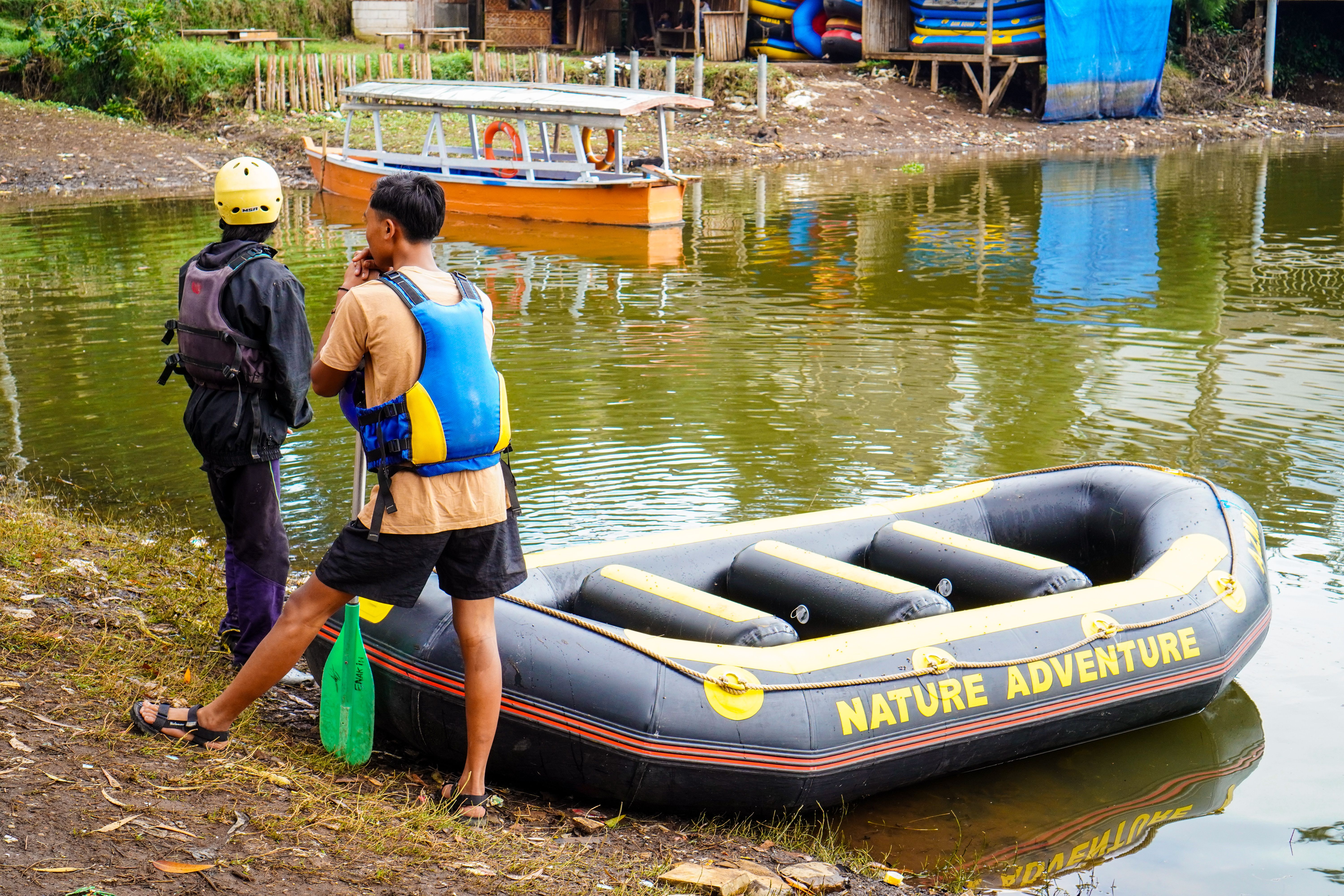
- Check Reviews: Look at Google Reviews, TripAdvisor, or YouTube. Read the recent ones. Pay attention to mentions of guide quality and safety.
- Verify Safety Record: Ask about their safety training. Reputable companies have swiftwater rescue trained guides and first aid kits.
- Guide Certifications: Look for certifications from the American Canoe Association (ACA) or equivalent local bodies. It shows they take training seriously.
- Small Group Sizes: A good ratio is 4-6 guests per guide. Smaller groups mean better instruction and safety.
- Included Gear: The outfitter should provide life vests, helmets, and paddles. Ask if they supply wetsuits or splash gear for an extra fee.
- Cancellation Policy: Weather changes fast on the river. A clear, fair refund policy is a sign of a professional operation.
You can find vetted options on platforms like Viator or GetYourGuide. Browse beginner rafting trips here.
Class I vs. Class III: Understanding Rafting Difficulty Ratings
The International Scale of River Difficulty (Class I to VI) is your key to choosing the right trip. Here’s a breakdown for beginners:
- Class I (Easy): Moving water with small waves. No obstacles. Perfect for families or absolute beginners. Example: Upper Colorado River.
- Class II (Novice): Moderate rapids with clear, wide channels. You might get bumped around a little. Example: Middle Ottawa River (calm sections).
- Class III (Intermediate): Rapids with bigger waves, some technical maneuvering, and more excitement. You need to paddle together. Example: Lower Gauley or Upper Futaleufú (Manso). This is the sweet spot for adventurous beginners.
For your first trip, stick to Class I–III. Class IV and above requires experience. The goal is to enjoy the ride, not to fight for survival.
When Is the Best Time to Book a Beginner Trip?
Timing matters for water flow and weather:
- Spring (April-June): Snowmelt creates higher flows. This can make rapids more energetic but also colder. Good for adrenaline seekers, but check water temperature.
- Summer (July-August): Warmer weather means more comfortable swimming. Many rivers have consistent flows from dam releases. This is peak season, so book in advance.
- Autumn (September-October): Lower flows often mean more technical fun. The water is still warm in some locations (like the Gauley). Great for avoiding crowds.
- Winter: Most rafting operations shut down or run limited trips. Not recommended for beginners.
Booking early (2-3 months out) for summer trips ensures availability. If you’re flexible, last-minute deals exist in shoulder seasons. Check the outfitter’s calendar.

Frequently Asked Questions About Beginner Rafting
Here are the answers to the most common concerns first-timers have:
Q: Do I need experience?
A: No. Beginner trips are designed for people who have never touched a paddle before. Guides teach you everything you need in the first 15 minutes.
Q: What if I can’t swim?
A: You don’t need to be a strong swimmer. Your life vest (PFD) will keep you afloat. The guide will train you on what to do if you fall in. Most trips rarely have anyone fall out, but it’s safe if you do.
Q: How much does a beginner trip cost?
A: Expect to pay $80-250 for a half-day trip, $150-350 for a full-day, depending on the river and location. Multi-day trips are more.
Q: Is it safe?
A: Yes, when you choose a reputable outfitter and stay within Class I–III. Rafting is statistically safer than many common activities. Thousands of beginners raft safely every year.
Q: What should I wear?
A: Quick-dry shorts or swim trunks, a synthetic or wool shirt (not cotton), and water shoes. If it’s cold, a wetsuit top or jacket helps. Bring a change of clothes for after.
Final Thoughts: Start Small, Go with a Guide
Here’s the truth: the best way to get into white water rafting is to start with a river that’s exciting but not demanding. Choose one of the five destinations above. Book with a company that has a strong safety culture. Bring the right gear, listen to your guide, and expect to get wet. You don’t need to be an expert on day one. You just need a good plan and a willingness to let the river show you what’s possible. So pick your trip, book it, and get on the water. The rest is just details.
Best Ice Climbing Destinations for Beginners: Where to Start Your Frozen Adventure
Best Ice Cave Exploration Destinations: Top 7 Tours Worldwide
Iceland Adventure Travel Guide: Waterfalls, Glaciers, and Volcanoes