Best Horseback Riding Adventure Destinations for Thrill-Seekers
Introduction
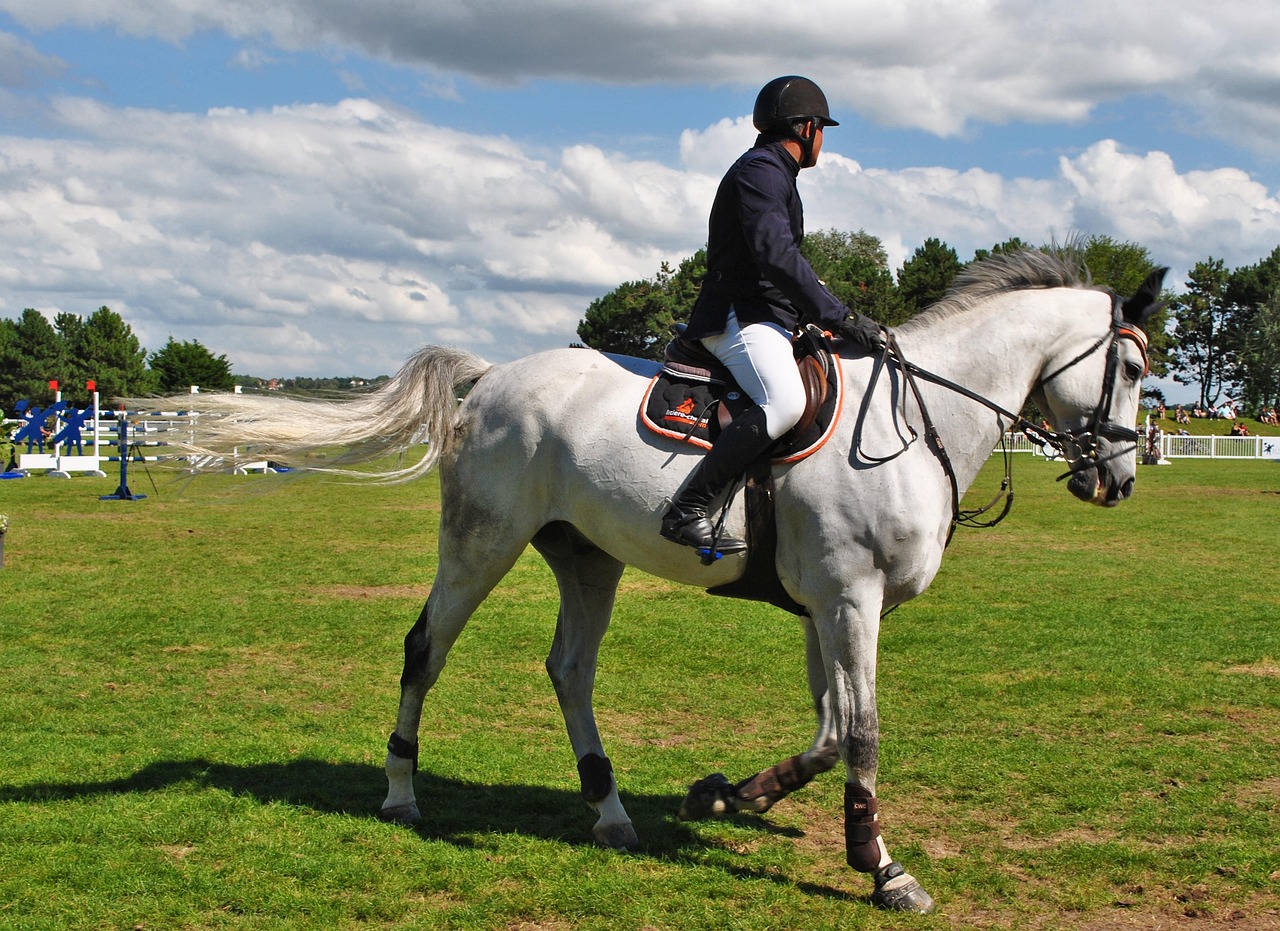
If you’re already comfortable in the saddle, you know the difference between a trail ride and a real adventure. Horseback riding adventure travel isn’t about plodding along a flat path for an hour. It’s about covering serious ground on a capable horse, through terrain that challenges both of you. This guide is for active riders who want to plan a trip that matches their skill level and their appetite for discovery. We’ll skip the beginner fluff and focus on where to go, when to ride, and what to expect from five distinct destinations. The goal here is practical decision-making: you’ll leave with a shortlist of places that fit your riding style, budget, and sense of adventure.

What Makes a Great Horseback Riding Adventure Destination?
A great riding destination isn’t just about pretty scenery. It’s about the entire logistics package coming together so you can focus on the ride. Here are the key factors I look for when vetting a place:
- Varied Terrain: Mountains, beaches, deserts, or open plains each offer different challenges and rewards. A destination with diverse terrain lets you keep things interesting over a multi-day trip.
- Reliable Outfitters: This is non-negotiable. You need operators who maintain their horses well, provide clear safety briefings, and keep group sizes small (under 8 to 10 riders). Check recent reviews specifically about horse condition and guide competence.
- Clear Safety Protocols: Helmets should be standard. Weight limits should be stated upfront. Guides should have first-aid training and a plan for emergencies. If a place is vague on safety, move on.
- Good Seasonal Weather: Riding in a downpour or a heatwave isn’t enjoyable. Knowing the optimal season for each destination is critical. Don’t assume year-round is fine—most places have a narrow window where conditions are perfect.
- Rider-Friendly Accommodations: You’re not going to want to sleep in a tent after a long day in the saddle, unless that’s part of the trip. Look for ranches, lodges, or hotels that understand riders’ needs: hot showers, good food, and laundry services for your gear.
These criteria separate a well-planned adventure from a logistical headache. Keep them in mind as you read through the destinations below.
Top 5 Horseback Riding Adventure Destinations
These five destinations were chosen because each offers something distinct—whether it’s raw, untamed wilderness, unique horse breeds, or cultural immersion. Each one is backed by reliable outfitters and has a clear best season. Here’s where you should be pointing your horse.
1. Patagonia, Argentina & Chile
Patagonia is the gold standard for horseback riding adventure travel. The terrain is vast and varied: open pampas grass plains, jagged Andean peaks, and glacial lakes. The wind is constant, but that’s part of the experience. The best time to ride is from November through March (the Southern Hemisphere summer). You’ll find rides ranging from half-day outings to week-long expeditions that cross borders between Argentina and Chile.
Most rides here are on Criollo horses, known for their stamina and sure-footedness on steep inclines. If you’re not comfortable with long stretches of steep, rocky trail, this isn’t the place to start. Multi-day trips often include camping or staying at remote estancias. A practical tip: pack a good rain shell—the weather changes fast even in summer. If you’re ready to commit to a multi-day ride, book a tour with a reputable operator well in advance. For rain gear, look for something like a lightweight waterproof jacket that packs down small.
2. Iceland’s Highlands
Iceland offers a completely different kind of adventure. You’ll be riding the Icelandic horse, a small, sturdy breed known for its unique gaits, especially the tölt. The terrain is otherworldly: volcanic lava fields, black sand deserts, and glacial rivers. The riding season is short—roughly June through August—and you absolutely need waterproof gear. Rain and wind are constants, even in summer.
This destination is best for intermediate riders. The terrain can be challenging, and the horses are spirited. Compared to Patagonia, Iceland’s rides are shorter and more focused on covering ground at speed rather than navigating technical climbs. A guided tour is the standard way to experience it. Book one that includes all gear and meals. You’ll want a solid pair of waterproof pants and a good rain jacket. If you’re booking a tour, look for operators that limit group size to 8 riders.
3. Costa Rica’s Tropical Trails
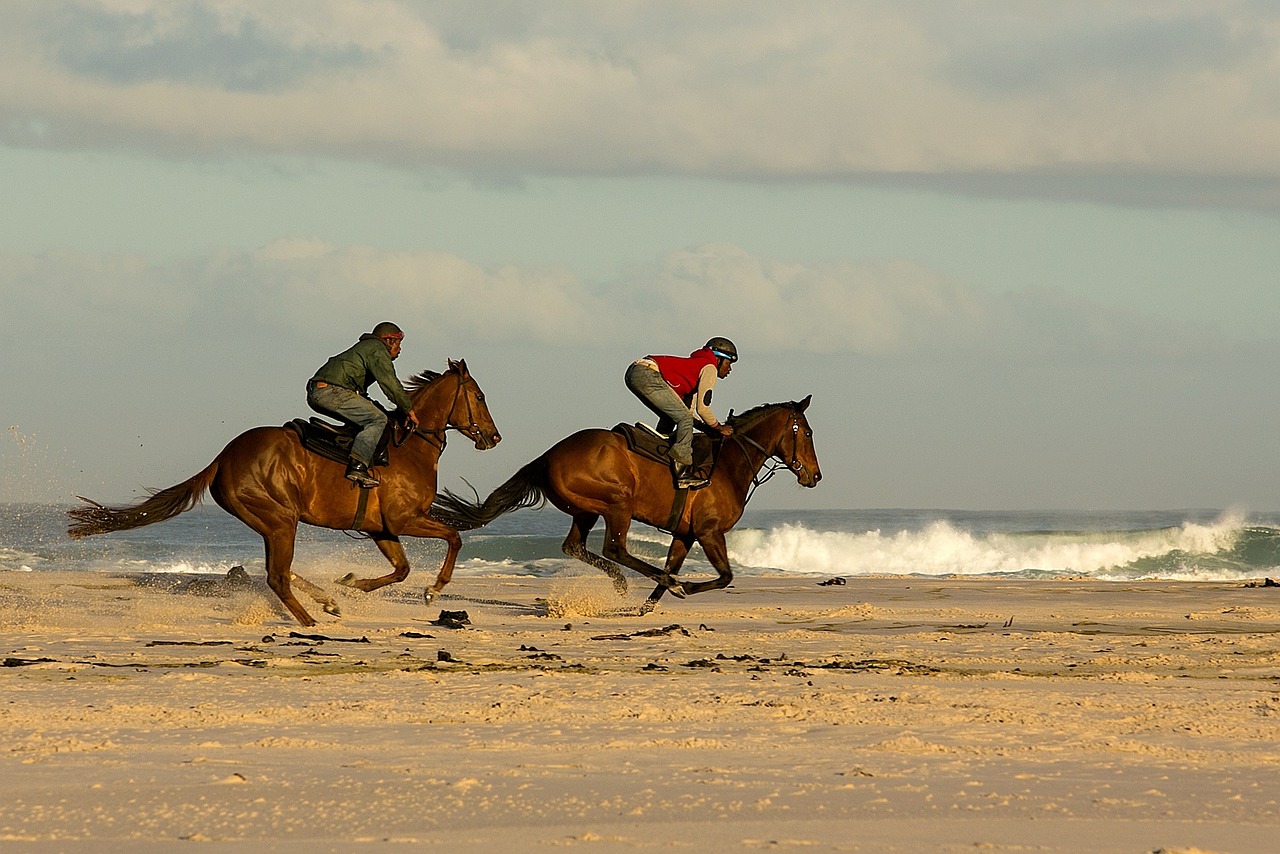
Costa Rica is the most accessible of these destinations for a wider range of riders, including beginners and families. The terrain is lush rainforest, with rides that take you through jungle paths, past waterfalls, and onto Pacific or Caribbean beaches. The weather is warm year-round, but expect mud—especially during the green season (May to November). Insects are a constant companion, so pack a strong repellent.
Rides here are typically half-day or full-day, with multi-day options available but less common. The horses are well-trained and used to tourists, so you don’t need to be a seasoned rider. The tradeoff is that you won’t get the raw, untamed feeling of Patagonia or Iceland. But for sheer scenery and ease of planning, Costa Rica is hard to beat. For insect repellent, consider a DEET-free option like Picaridin. A half-day beach ride is a perfect introduction to the country.

4. Montana, USA
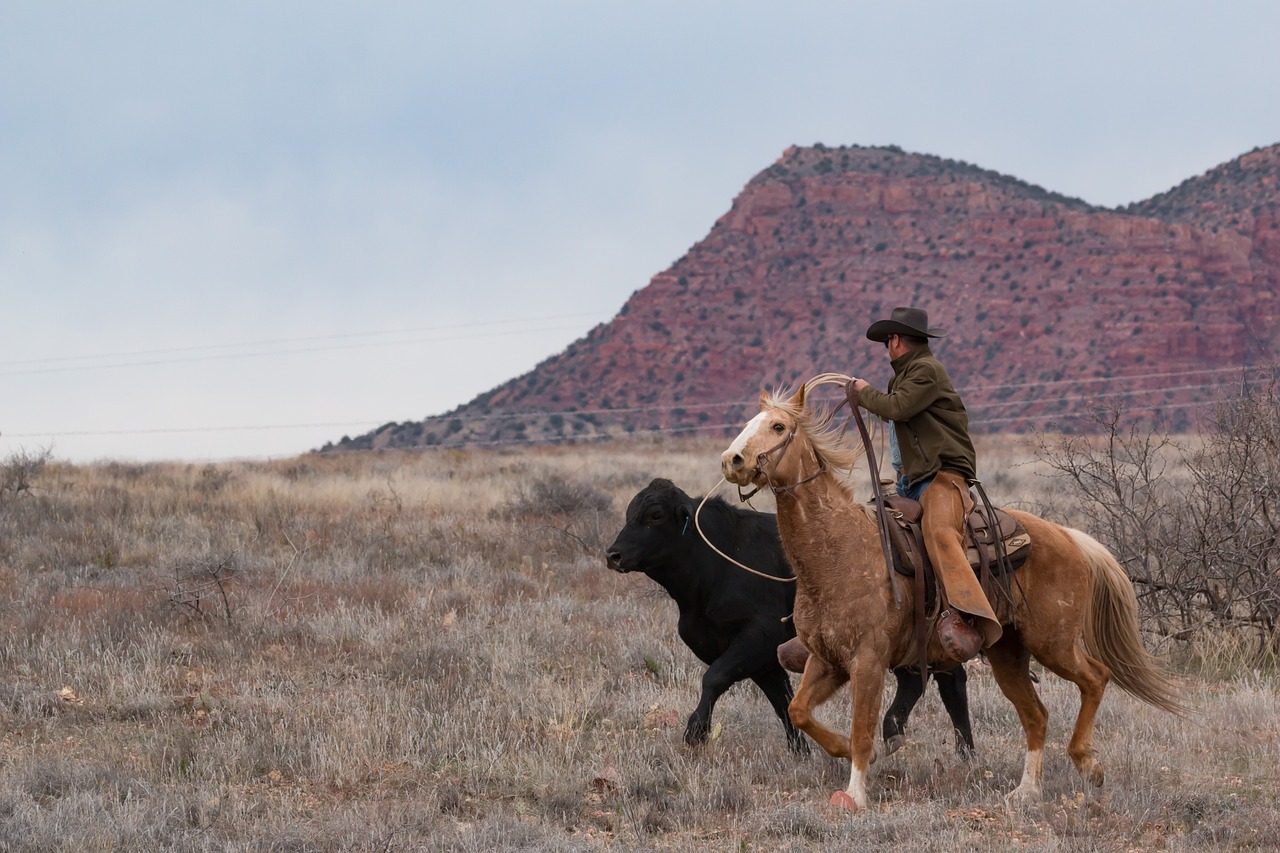
Montana is the American West, pure and simple. Think open plains, pine-covered mountain passes, and working cattle ranches. The season runs from June through September, and the best way to experience it is on a dude ranch where you can join cattle drives or just explore the backcountry. These are real working ranches—don’t expect a guided tour every step of the way. You’ll be expected to help with cattle work if you sign up for a working ranch experience.
Skill level matters more here than in Costa Rica. You should be comfortable at a walk and trot, and ready for some loping across open ground. The horses are typically American Quarter Horses, known for their cow sense and steady temperament. A dude ranch stay is the most authentic way to do this. Book one that offers a mix of riding and downtime.
5. Andalusia, Spain
Andalusia combines riding with culture in a way no other destination on this list does. You’ll be riding Andalusian horses through olive groves, past whitewashed villages, and along ancient Roman routes. The best times to ride are spring (March to May) and fall (September to November). Summers are brutally hot, and winters can be damp.
Rides here often include wine-tasting stops or visits to historical sites. The terrain is mostly gentle, with some rolling hills. This is a good option for intermediate riders who want a mix of equestrian activity and cultural immersion. You’ll need decent fitness for longer rides—some are full-day affairs with a lunch stop. For boots, you want something with a heel and good ankle support. The Ariat Heritage Contour boots are a solid choice. Book a multi-day tour that includes accommodation and meals.
Comparing Destinations: Terrain, Season, and Skill Level
| Destination | Best Season | Terrain Type | Skill Level | Best For |
|---|---|---|---|---|
| Patagonia | Nov–Mar | Mountains, pampas | Intermediate to Advanced | Solitude, raw nature |
| Iceland | Jun–Aug | Volcanic, lava fields | Intermediate | Unique landscape, speed |
| Costa Rica | Year-round | Rainforest, beaches | Beginner to Intermediate | Scenery, family trips |
| Montana | Jun–Sep | Plains, mountains | Intermediate | Cattle work, ranch life |
| Andalusia | Mar–May, Sep–Nov | Hills, olive groves | Intermediate | Culture, history |
Use this table to narrow down your options. If you want solitude and a physical challenge, Patagonia is your pick. If you’re looking for a family-friendly trip with warm weather, Costa Rica wins. For a working ranch experience, Montana is unmatched.
What to Look for in a Horseback Riding Tour Operator
Not all tour operators are created equal. Here’s what separates a good one from a bad one:
- Small Group Sizes: Look for groups of 8 riders max, ideally 6. Anything larger and the ride becomes a parade. The guide can’t give individual attention.
- Safety Briefings: A decent operator will give a thorough safety talk before you mount up. They should cover how to handle the horse, what to do in an emergency, and what to expect on the trail.
- Horse-to-Rider Weight Limits: This is a non-negotiable for horse welfare and rider safety. If a company doesn’t have clear weight limits, find someone else.
- Insurance: Check that the operator has liability insurance. This protects you if something goes wrong. Most reputable companies will have it.
- Red Flags: No helmets provided, no weight check, overbooked rides, vague itineraries, or bad reviews mentioning horse condition. Walk away.
If you want a complete reference for vetting outfitters, a good guidebook on choosing adventure travel operators can save you a lot of headaches.

Essential Gear for Horseback Riding Adventure Travel
Packing for a riding trip is different from packing for a standard vacation. Here’s what you actually need:
- Riding Boots with a Heel: Essential for safety. The heel prevents your foot from slipping through the stirrup. For warm climates, a pair of well-ventilated boots works well. For colder or wetter conditions, a pair of waterproof paddock boots is a better bet.
- Padded Gloves: Your hands will thank you after a full day on the reins. Look for gloves with padding over the palm and fingers for durability and comfort.
- Waterproof Jacket: In Iceland or Patagonia, a good waterproof shell is critical. In Costa Rica, a lighter waterproof layer is fine.
- Sunscreen and Lip Balm: High-altitude sun is no joke. Apply SPF 50+ and bring a lip balm with SPF. You’ll be outside for hours.
- Small First-Aid Kit: Bring blister plasters, antiseptic wipes, pain relievers, and any personal medications. A multi-tool can also come in handy.
- Riding Helmet: Even if the operator provides one, having your own ensures a proper fit and hygiene. A lightweight, affordable helmet is a good option.
Gear recommendations are tailored to each destination. For Iceland, prioritize waterproof layers. For Costa Rica, focus on insect repellent and breathable clothing. For Patagonia, bring layers that handle wind and cold.
Common Mistakes to Avoid When Booking Riding Trips
I’ve seen experienced riders make these mistakes. Don’t be one of them:
- Overestimating Your Ability: Booking a multi-day Patagonia ride when you’re only comfortable at a walk is a recipe for sore muscles and a miserable trip. Be honest about your experience. If you’re intermediate, don’t sign up for an advanced ride.
- Ignoring Weather Windows: Booking Patagonia in March might be fine, but in April the weather can turn nasty. Stick to the recommended seasons. Similarly, Iceland in July is perfect; in September, it’s cold and wet.
- Not Checking Weight Limits: This sounds obvious, but many riders assume they’re fine. Operators have limits for a reason. Exceeding them puts the horse at risk and can result in you being dropped from the ride.
- Skipping Reviews on Third-Party Sites: Don’t rely solely on the operator’s own website. Check TripAdvisor or Google reviews for recent feedback specifically on horse care and guide professionalism.
- Booking Too Late: Popular destinations like Patagonia and Iceland book out months in advance. If you’re planning a trip for the upcoming season, start researching at least six months ahead.
Tying mistakes to specific destinations helps you avoid them. For Costa Rica, don’t go during the peak rainy season unless you love mud. For Montana, book your dude ranch stay by spring if you want a spot in July.
Frequently Asked Questions About Horseback Riding Adventures
What level of riding experience is needed?
It depends on the destination. Patagonia and Iceland require intermediate to advanced skills. Costa Rica and some Montana ranches welcome beginners. Always check the operator’s stated skill level and don’t exaggerate your own.
Can beginners try these destinations?
Yes, but only certain ones. Costa Rica is the best bet for beginners. Some dude ranches in Montana also offer beginner-friendly rides. Avoid Patagonia and Iceland until you’re comfortable at a trot and can handle a horse at speed.
What about kids?
Costa Rica and Montana are the most family-friendly. Many ranches have age minimums (usually 8–12). Check with the operator for height and weight requirements for children. Patagonia and Iceland are generally not suitable for young children.
How much should a multi-day trip cost?
Expect to pay anywhere from $1,500 to $4,000 for a 5-to-7-day trip, including accommodation, meals, and guiding. Patagonia and Iceland are on the higher end. Costa Rica and Montana are more affordable. Gear rentals and tips are extra.
How do I handle altitude?
In Patagonia, some rides reach high altitudes. Acclimate for a day or two before riding. Stay hydrated, avoid alcohol, and know the symptoms of altitude sickness—headache, nausea, dizziness. If you feel unwell, tell your guide immediately.
Final Thoughts: Choosing Your Riding Adventure
Your choice comes down to what matters most: terrain variety, cultural immersion, or ease of logistics. If you want raw wilderness and a physical challenge, Patagonia delivers. For a family-friendly trip with year-round warmth, Costa Rica is a solid bet. Iceland offers a landscape you can’t find anywhere else. Montana is the real American West. Andalusia is culture with your ride.
All of these picks are based on firsthand reviews from experienced riders and years of feedback. Don’t overthink it. Pick the destination that aligns with your skill level and the type of adventure you want. Then book your tour and pack your gear. The trail is waiting.
Colombia Adventure Travel: Cities, Coast, and Jungle
Best Ice Cave Exploration Destinations: Top 7 Tours Worldwide
Best Canyoning Destinations for Adventure Seekers: Top Spots Worldwide
The Best Solo Female Hiking Tours & Guided Adventures: A Practical Guide