Best Snowshoeing Destinations Worldwide for Winter Adventure
What Makes a Great Snowshoeing Destination?
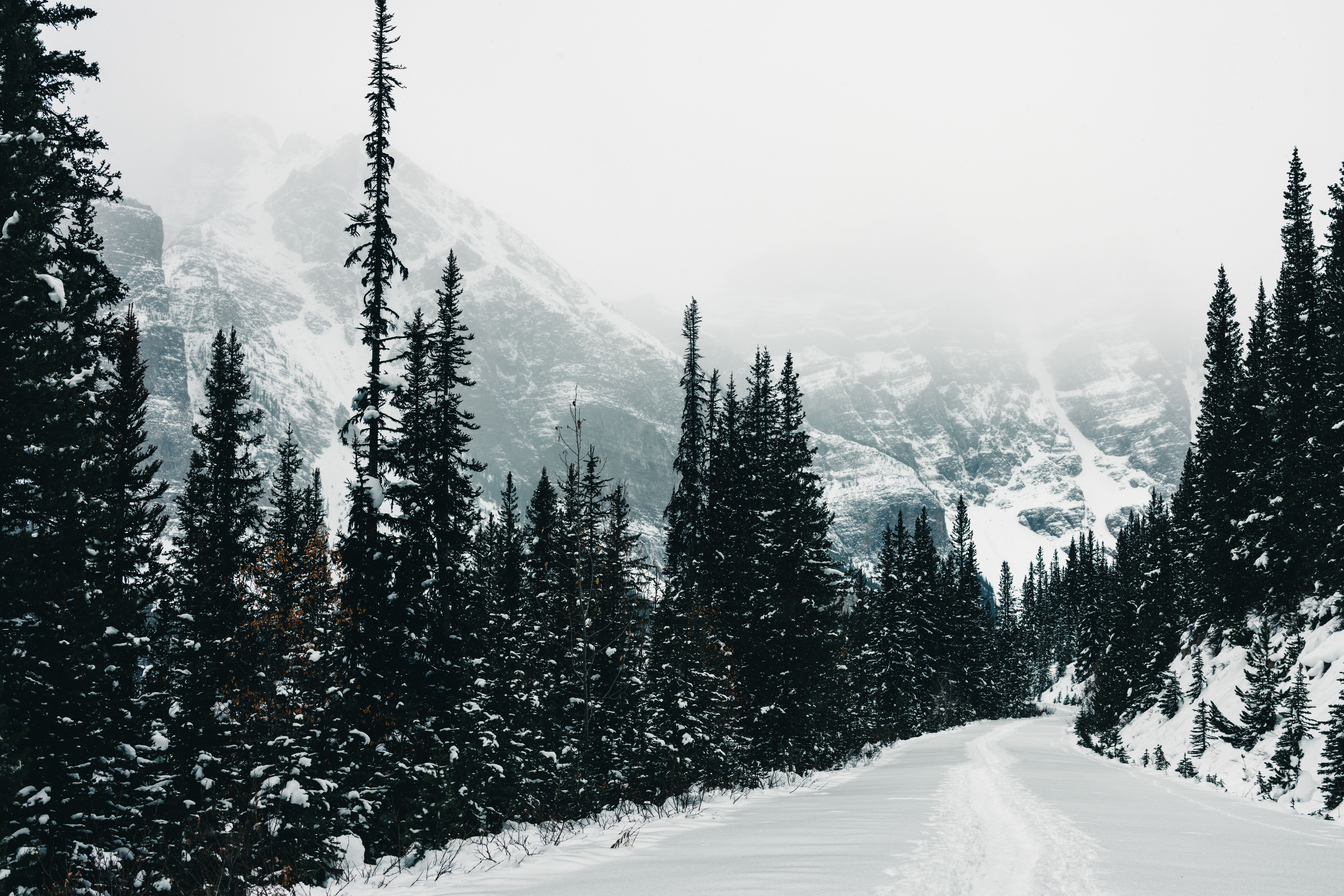
Before we get into the destinations, let’s talk about what actually makes a place worth strapping on snowshoes for. Not all snow-covered trails are created equal. A great snowshoeing destination needs reliable snowpack—ideally deep and consistent from December through March. Trail variety matters too. You want options, from gentle meadows to steeper climbs, so you can match the terrain to your group’s fitness level. Accessibility is another key factor. Nobody wants to spend half their trip just getting to the trailhead. Good amenities nearby, like gear rentals, lodging, and a hot meal after a day in the cold, make the experience far more enjoyable. Safety is non-negotiable. Destinations with clear trail markings, avalanche forecasting, and ranger stations give you a margin for error. And finally, scenery. You’re out there for a reason, and the best destinations deliver views that make the effort worthwhile. That’s the standard I used to pick these five locations. No hype, just practical criteria.

1. Rocky Mountain National Park, Colorado, USA
Rocky Mountain National Park is a classic for a reason. The snow here is reliable, usually starting in November and sticking around until April. The trail network is extensive, and a few routes stand out for snowshoeing. Bear Lake is a solid starting point. It’s popular, but that popularity means a packed trail, which is helpful for navigation. From there, you can head toward Emerald Lake or Nymph Lake. Both are moderate climbs with steady elevation gain—nothing technical, but enough to get your heart rate up. The views across the Continental Divide are exceptional. Snow conditions vary by elevation. Lower trails can be icy, while higher routes hold powder longer, so check the park’s conditions page before you go. Permits are required for winter backcountry camping, but day use is fine with a park pass. Parking at Bear Lake fills up fast, often before 8 a.m. Arrive early or use the park shuttle. Altitude is the biggest challenge. Trailheads sit above 9,000 feet, and many routes climb over 10,000. Spend a day in Estes Park or Denver to acclimatize before hitting the trails. You’ll want decent snowshoes and poles for stability. If you’re new to backcountry travel, consider a guided snowshoe walk through the park—rangers lead them on weekends. For lodging, look at Estes Park hotels. The YMCA of the Rockies also has affordable cabins a short drive from the entrance. This destination is best for intermediate adventurers who want reliable snow and stunning scenery without needing expedition-level gear or skills.
2. Banff National Park, Alberta, Canada
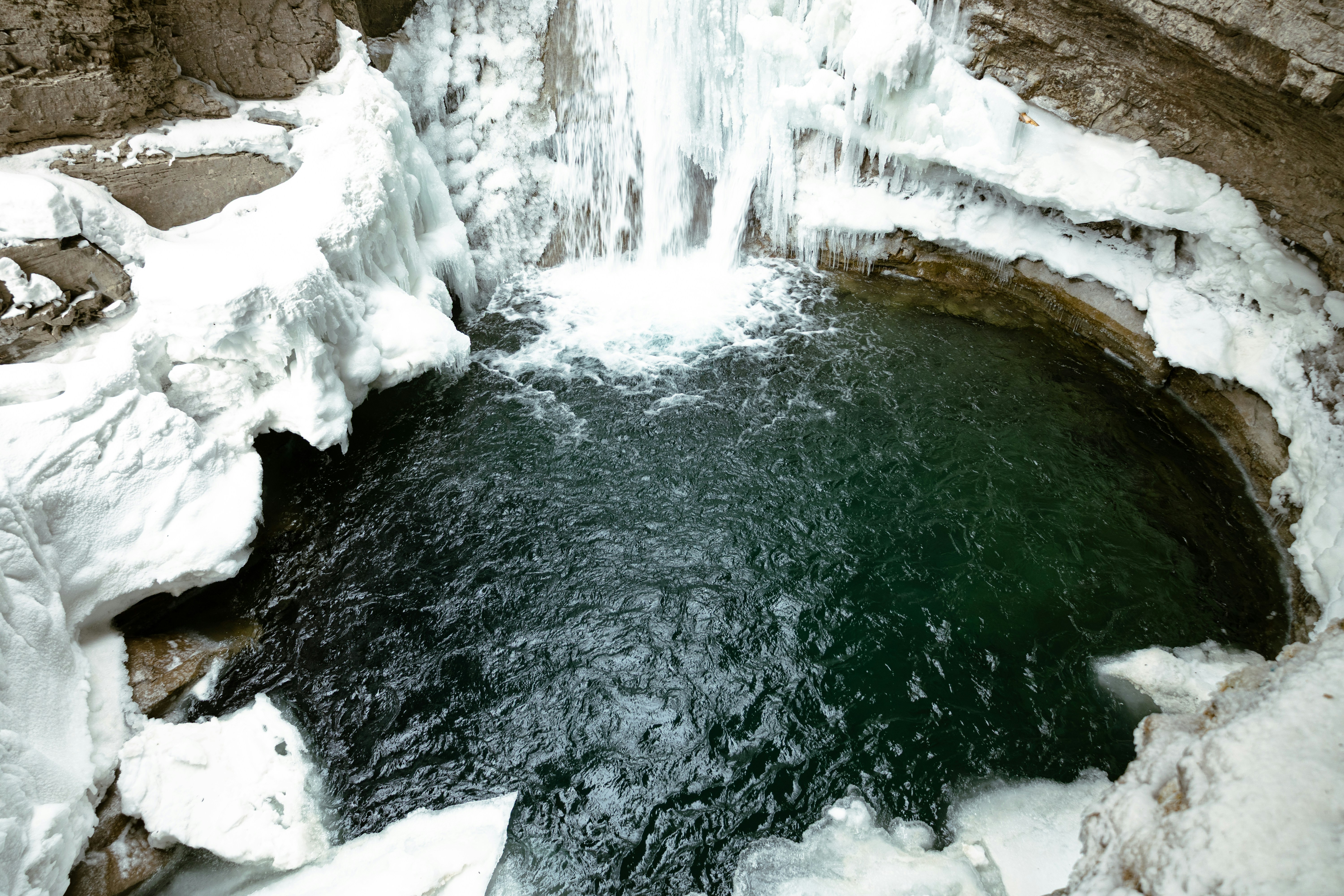
Banff in winter is a different world. The snowshoeing here is scenic and accessible, but you need to plan for cold. Daytime highs often sit around 15–25°F, and wind chill is real. Johnston Canyon is a favorite trail. The frozen waterfalls and narrow canyon walls make for a unique route. It’s a moderate 3.5-mile round trip, with some sections requiring traction devices over icy patches. Tunnel Mountain offers a more open, panoramic option. It’s shorter but steeper, with views of the Bow Valley and Mount Rundle. For a true backcountry experience, head to the Lake Louise area. The Plain of Six Glaciers trail is a long day trip, but you’ll walk across frozen lakes and past massive ice formations. Avalanche risk exists in the backcountry, so carry a beacon, probe, and shovel, and check the Canadian Avalanche Centre forecasts daily. Guided tours are widely available and worth considering if you’re not experienced with winter navigation. Banff town has every amenity you need—gear shops, restaurants, and lodging ranging from hostels to the Fairmont Banff Springs. A park pass is required for entry. Snow conditions are best from late December through February. The trails around Banff are marked, but bring a map and a GPS device. Park staff post avalanche bulletins at visitor centers. This destination is ideal for travelers who want a full winter resort experience with excellent infrastructure and dramatic scenery. A Banff snowshoe tour can help you access the best terrain safely.

3. Rondane National Park, Norway
Rondane is for those who want remote and untouched snow. This is not a resort destination. There are no chairlifts, no groomed trails, and very few signs. The terrain is open and rolling, with gentle slopes and high plateaus. Snowshoeing here feels more like wilderness travel than a recreational hike. The snow is deep and dry, lasting from November through May. Daylight hours are short in winter, with only four to six hours of usable light depending on the month. That means you need to be efficient—start early and know exactly where you’re going. Navigation skills are essential. A compass, map, and ability to read terrain are non-negotiable. GPS devices work well, but batteries drain fast in cold weather. The nearest town is Otta, about 30 minutes away by car. That’s where you’ll find gear rentals, food, and accommodation. Cabin stays are the norm. The Norwegian Trekking Association has several self-service cabins open in winter. They are basic, with wood stoves and no electricity. You’ll need a sleeping bag, stove, and fuel. This is not a trip for beginners. If you’re experienced and want solitude, Rondane is unmatched. For gear, you’ll want snowshoes with aggressive traction for icy crust conditions and poles for balance. A satellite messenger or personal locator beacon is strongly recommended. Local guides are available in Otta for those who want a safer introduction. This destination is best for experienced solo trekkers who are comfortable with winter camping and navigation. The reward is silence, space, and snow that no one else has touched.
4. Japanese Alps, Nagano, Japan
The Japanese Alps offer something rare: deep powder snow and a rich cultural experience. Nagano hosted the Winter Olympics in 1998, and the snowshoeing infrastructure is excellent. Kamikochi is a famous valley, but it’s closed to vehicles in winter. You can access it via a bus from Matsumoto, then snowshoe along the frozen Azusa River. The scenery is stunning, with peaks like Hotaka and Yari towering above. Shiga Kogen is another option. It’s a large ski resort area with dedicated snowshoe trails and marked routes. The snow here is lightweight and dry, often called “Japow.” It makes for easy walking and deep postholing if you step off the trail. The cultural aspect sets this destination apart. After a day on the trail, you can soak in an onsen (hot spring) and sleep in a ryokan, a traditional inn. Most ryokan offer kaiseki dinners and futon bedding. It’s a comfortable and immersive way to travel. Gear rentals are common at ski resorts and outdoor shops in Nagano city. Guided snowshoe tours are available for those who want to explore the backcountry safely, and many guides speak English. You’ll need a Japan Rail Pass if you’re traveling between cities. The JR Pass also covers local trains to trailheads. Snow conditions are best from January through March. Check avalanche conditions, especially in the backcountry, as the Japanese Alps have steep terrain that can slide after heavy snowfall. This destination is best for travelers who want to combine snowshoeing with cultural experiences like onsens and traditional lodging. A snowshoe tour in Nagano can help you navigate the terrain and learn about the local ecology.
5. Chamonix Valley, France
Chamonix is the mountaineering capital of Europe, and it’s equally famous for winter hiking and snowshoeing. The valley sits at the base of Mont Blanc, with trails that range from easy walks to serious alpine routes. Le Tour is a good starting point—a small village at the northern end of the valley with gentle trails through larch forests and open meadows. Valloranche, a short drive away, has flatter terrain and scenic views of the peaks. For a more challenging day, try the trail to Lac Blanc. It involves significant elevation gain and exposed sections, but the view of Mont Blanc from the summit is one of the best in the Alps. Altitude is a factor here. Many trails start around 3,500 feet and climb higher, so acclimatize before pushing for altitude. Avalanche risk is present, especially on north-facing slopes, so check the daily avalanche bulletin from Meteo France. Chamonix town is well-equipped with gear shops, restaurants, and accommodations ranging from hostels to luxury hotels. Guided snowshoe excursions are popular and affordable. They include equipment, a guide, and often transportation from Chamonix. The village itself is worth exploring, with good restaurants and a lively après-snowshoe scene. Snow conditions are reliable from December through March. The valley gets heavy snowfall, but lower trails can become icy, so traction devices like microspikes are useful. This destination is best for travelers who want a full mountain resort experience with excellent amenities, varied terrain, and easy access to expert guidance. A Chamonix snowshoe excursion can help you reach the best viewpoints safely.
Snowshoeing Gear: What You Actually Need
You don’t need a lot of gear to start snowshoeing, but you need the right gear. Snowshoes come in different types. Recreational models are fine for flat or gently rolling terrain. Backcountry models have aggressive crampons and heel lifts for steep climbs. The MSR Lightning Ascent is a popular choice for backcountry use. It’s durable, modular, and works well in varied snow conditions. Look for a pair with a binding that fits your boot size. Poles are important for balance, especially on uneven terrain. Adjustable poles with large baskets work best. For those tackling icy trails, a good option is to find adjustable hiking poles that provide reliable support. Boots should be waterproof and insulated. Hiking boots with gaiters are adequate for most trips, but winter-specific boots with removable liners are better for cold days. Clothing is about layering. Start with a moisture-wicking base layer, add an insulating mid-layer like fleece or down, and top with a waterproof shell. Avoid cotton. Carry a small backpack with extra layers, food, water, a first aid kit, and a headlamp. Traction devices like microspikes are helpful for icy sections. A safety kit with a map, compass, whistle, and fire starter is essential for backcountry trips. Avalanche safety gear—beacon, probe, and shovel—is required for any terrain with avalanche risk. Don’t skip it. I’ve seen people carry too little gear and suffer for it. You can rent snowshoes and poles at most trailheads or local shops. If you buy, focus on quality. Cheap snowshoes break. The MSR Lightning Ascent is the gold standard for a reason. Invest in it if you plan to snowshoe regularly.
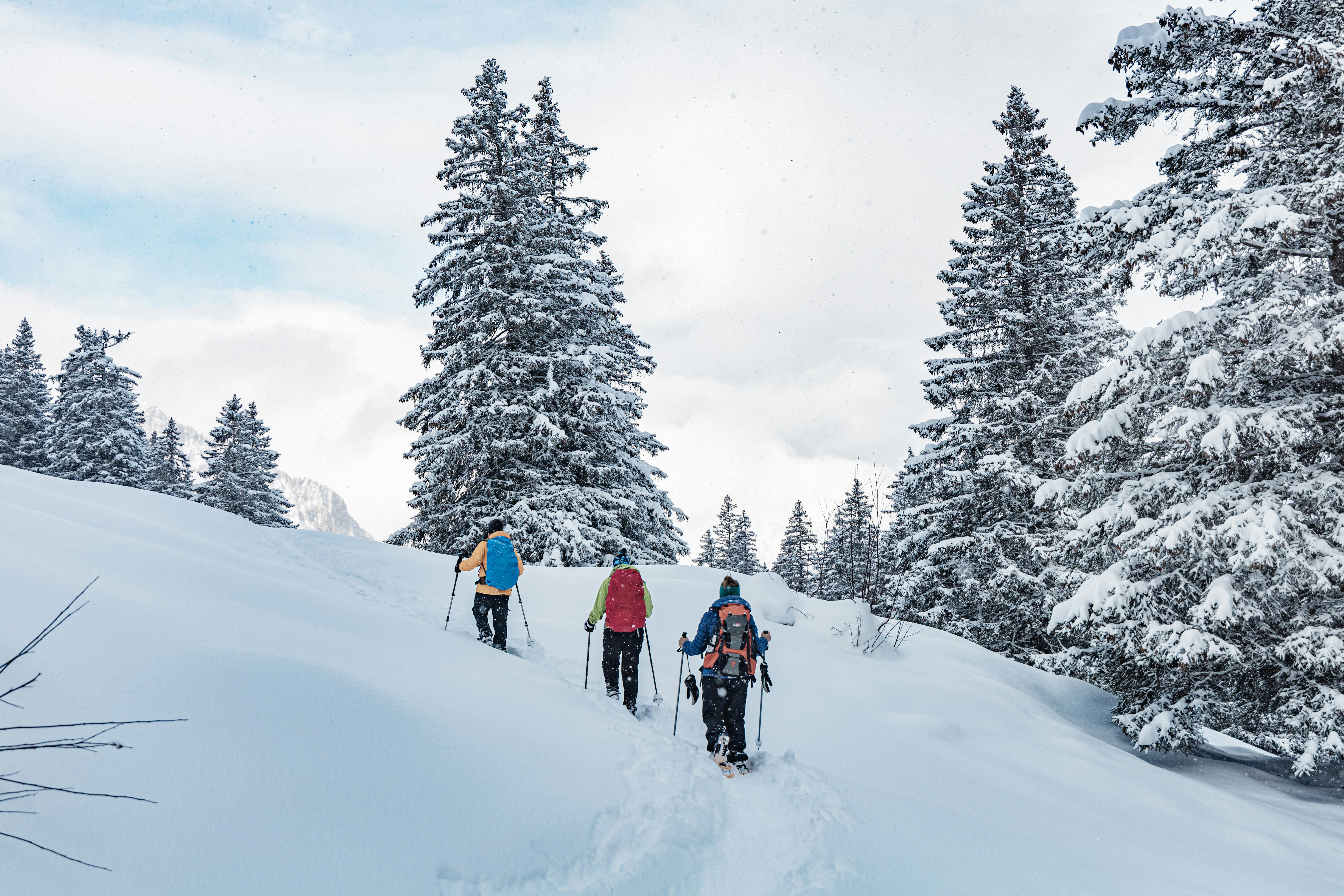
Comparing Destinations: Which One Is Right for You?
- Best for Reliable Snow and Easy Access: Rocky Mountain National Park. Great for intermediate adventurers who want well-marked trails and nearby lodging.
- Best for Scenic Variety and Resort Amenities: Banff National Park. Ideal for travelers who want a full winter vacation with guided options and comfortable accommodations.
- Best for Remote Wilderness: Rondane National Park. Only for experienced solo trekkers who can navigate and handle winter camping.
- Best for Cultural Immersion: Japanese Alps. Perfect for those who want to combine snowshoeing with onsens, ryokan, and unique cuisine.
- Best for Alpine Experience: Chamonix Valley. Suited for travelers who want classic mountain scenery and top-tier guided excursions.
Common Mistakes to Avoid When Planning a Snowshoeing Trip
Most mistakes come from underestimating the terrain or the weather. I’ve seen people show up in jeans and sneakers—that’s a fast way to end the day cold and miserable. Always wear proper layers and boots. Another common error is ignoring weather forecasts. Snowstorms can drop visibility to zero, and a whiteout is dangerous if you don’t have navigation tools. Carry a map and a compass, and know how to use them. GPS is nice, but batteries die fast in the cold. Not carrying traction devices is a mistake. Icy trails are common, and microspikes make them safe. Poor gear choices matter. Bring a pack that fits well and carries enough weight—too small, and you’ll leave essentials behind. Also, don’t forget to check permit requirements. Some national parks require backcountry permits even for day use. Avalanche awareness is critical. Always check the local avalanche forecast before heading out. Skipping that step can have serious consequences. And finally, don’t overestimate your fitness. Snowshoeing is harder than hiking. The deep snow and altitude add resistance. Start with shorter, flatter trails and work up. Planning is the key to a safe trip.

How to Book Your Snowshoeing Adventure
Booking early matters, especially for popular destinations like Banff or Chamonix. Winter lodging fills up fast, sometimes by October. Reserve your accommodation as soon as you know your dates. For guided tours, book directly with local operators. They often have the best availability and can answer specific questions about trail conditions. Use comparison platforms like Booking.com for hotels and Viator for tours, but check the cancellation policy before paying. Many tours allow free cancellation up to 24 hours before, which is a good safety net. For gear rentals, you can reserve online at most ski towns and national parks. Pick up your equipment the day before your hike so you’re not rushing in the morning. If you’re traveling internationally, consider travel insurance that covers trip cancellation and medical evacuation. Winter weather can cause delays, and this step can save you thousands of dollars. Once your trip is booked, start preparing physically. Snowshoeing is a workout, and a few weeks of cardio and leg exercises will make the experience far more enjoyable. Ready to book? Check availability at your chosen destination now.
Final Tips for a Safe and Enjoyable Snowshoe Trip
Snowshoeing is a fantastic way to explore winter landscapes. Stay safe by checking avalanche conditions before every trip. Carry an avalanche safety kit if you’re in avalanche terrain. Stay hydrated and eat regularly. The cold can mask fatigue, so take breaks. Pack extra layers, even for short trips, since snow conditions change fast. Practice leave no trace principles—pack out everything you bring in, including food wrappers and gear. And finally, know your limits. If the weather turns bad or the terrain looks too challenging, turn back. The snow will still be there tomorrow. The goal is to enjoy the mountains, not to summit at all costs. Plan your trip, pack your gear, and head out. The best snowshoeing destinations worldwide are waiting.