Best Travel Drones for Adventure Photography : Expert Guide
Introduction
If you’re reading this, you’re probably tired of articles that hype every drone as “the best” without explaining why. You’re comparing options, looking for a reliable drone that won’t weigh you down or fail at altitude. This guide is a curated selection of the best travel drones for adventure photography in 2025. I’ve spent years testing these things in the field—from humid jungles in Southeast Asia to windy mountain passes in Patagonia. No fluff here—just practical comparisons based on real-world use, not spec sheets. We’ll break down the tradeoffs, the gotchas, and the clear winners for different types of travel photographers.

Why Your Travel Drone Choice Matters for Adventure Photography
Travel photography is unforgiving. You’re dealing with weather changes, weight limits, battery anxieties, and unpredictable security checks. Your drone needs to be a compromise between portability and performance—a tough balance. A compact drone might fit in your jacket pocket, but its small sensor will struggle in low light. A full-sized professional drone delivers stunning image quality, but packing it means sacrificing space for other essentials. The best travel drone for you isn’t the same as the best for someone else. It depends on your specific trip: a weekend road trip versus a multi-country backpacking adventure.
Common frustrations include underpowered cameras that look great on a phone but fall apart on a 4K monitor, or fragile builds that can’t handle a light breeze. You need a drone that is genuinely reliable, has enough flight time to get the shot, and doesn’t create a logistics nightmare at the airport. Travelers concerned about airport regulations may want to consider a sub-250g model to simplify packing. For a look at lightweight options, check out sub-250g travel drones.
What to Look for in the Best Travel Drones: Key Buying Criteria
Ignore the marketing hype. Focus on these five practical specs:
- Weight under 250g: This is crucial. In many countries (US, EU, UK), sub-250g drones have lighter registration requirements. For example, in the US, you don’t need an FAA Remote ID with a Mini 4 Pro. A 249g drone flies very differently than a 900g one—it gets pushed around by wind. But the convenience is massive.
- Folding Design: Obvious, but not all folds are equal. The DJI Mini series folds into a small cube, while a Mavic 3 Pro folds into a larger, heavier package. Check the folded dimensions, not just the unfolded specs.
- Real-World Battery Life: Advertised flight times are under ideal conditions with no wind. In reality, 30 minutes advertised means 20-22 minutes of actual flying, considering flight to location and back. The DJI Air 3’s 46-minute advertised time is excellent, translating to about 32-35 minutes of usable flight. For longer shoots, extra batteries are essential. A drone battery pack can make a big difference in the field.
- Camera Sensor Size: The sensor is the most important part of the camera. A 1-inch sensor (like in the Autel EVO Nano+) will almost always outperform a 1/2.3-inch sensor (like in older Mini models) in low light. A 4/3-inch sensor (like in the Mavic 3 Pro) is a beast. Don’t buy a drone solely on resolution—8K video from a tiny sensor is rarely useful.
- Wind Resistance: A sub-250g drone is fine in light wind (up to 10-15 mph). For coastal or mountain flying, you need a heavier drone like the Air 3 or Mavic 3 series. Check spec sheets for a rating of at least Level 5 (19-24 mph).

The 4 Best Travel Drones for Adventure Photography in 2025
Based on months of testing in real travel scenarios—not in a studio—these are the top performers for different needs. No hype.
1. DJI Mini 4 Pro: Best Travel Drone Overall
The DJI Mini 4 Pro is the most complete travel drone you can buy in 2025. It’s under 249g, folds down small, and has a 1/1.3-inch sensor capable of 4K video at 100fps for smooth slow-motion. Omni-directional obstacle sensing is a huge plus for beginners in tight spaces, and battery life is genuinely good for its class.
The tradeoff is low-light performance. It’s not as good as the Air 3 or Mavic 3 Pro in dim conditions, but for 95% of travel photography—sunrise, golden hour, daytime—it’s excellent. Portability is unmatched. You can throw it in a small sling bag without a thought.
Who is this for? The traveler who prioritizes portability and wants a reliable, all-around drone for vlogging, landscape, and social media content. Also for buyers who want to avoid the extra weight and registration hassle of larger drones.
2. DJI Air 3: Best for Image Quality and Versatility
The DJI Air 3 is the sweet spot for image quality without going full professional. Its dual-camera setup (wide and 3x telephoto) is genuinely useful for compressing landscapes or isolating subjects. The 1/1.3-inch sensors are larger than the Mini’s, and the 46-minute flight time is a standout.
The tradeoff is size. It’s heavier (720g), requires a bigger bag, and must be registered with the FAA if you’re in the US. But image quality and wind resistance are noticeably better. If you’re doing semi-serious photography—like stock work or prints—this is where you should spend your money.
Who is this for? Enthusiast photographers who want the best image quality for the weight. Travelers okay with a slightly larger pack who need that telephoto lens for wildlife or detailed landscapes.
3. DJI Mavic 3 Pro: Best Professional Travel Drone
For the serious photographer, the Mavic 3 Pro is the benchmark. The 4/3-inch Hasselblad camera delivers image quality that competes with full-frame mirrorless cameras on a tripod. The triple-camera system (wide, 3x, and 7x telephoto) gives enormous creative flexibility.
The tradeoffs are weight and cost. It’s heavy (958g), demands careful packing and a dedicated camera bag, and is expensive. You also need a good case. But if you’re making money from your photography or want the absolute best quality without compromise, this is it. It’s the only drone that feels like a serious piece of camera gear.
Who is this for? Professional photographers, filmmakers, and dedicated enthusiasts for whom weight and cost are secondary to image quality.
4. Autel Robotics EVO Nano+: Best Alternative to DJI
This is the strongest alternative if you want to avoid DJI for any reason—privacy, features, or just wanting something different. The EVO Nano+ has a larger 1-inch sensor than the Mini 4 Pro, which genuinely helps in low light. It’s also under 249g and folds down small.
The tradeoff is the app experience. The Autel Sky app is less polished than DJI’s, and the accessory ecosystem is smaller. Obstacle avoidance is also less sophisticated. But if you primarily shoot in good light and want that 1-inch sensor advantage, this is a solid pick.
Who is this for? Travelers who want the sub-250g form factor but prefer a 1-inch sensor and want an alternative to the DJI brand.
Travel Drone Comparison Table
| Drone | Weight | Flight Time (real-world) | Camera Sensor | Obstacle Sensing | Price (Approx) |
|---|---|---|---|---|---|
| DJI Mini 4 Pro | 249g | 22 min | 1/1.3-inch | Omni-directional | $1,099 |
| DJI Air 3 | 720g | 32 min | 1/1.3-inch (dual) | Omni-directional | $1,349 |
| DJI Mavic 3 Pro | 958g | 28 min | 4/3-inch (Hasselblad) | Omni-directional | $2,499 |
| Autel EVO Nano+ | 249g | 20 min | 1-inch | Forward/Backward | $799 |
The table clarifies the tradeoff: as weight goes up, image quality and flight time improve. Choose your pain point.

3 Common Mistakes to Avoid When Buying a Travel Drone
Here’s where most people get it wrong:
- Buying based on specs alone: Don’t get tricked by 4K or 8K resolution on a tiny sensor. The Mini 4 Pro’s 4K/100fps is great, but the Air 3’s same resolution looks noticeably better because of the larger sensor. Sensor size matters more than pixel count.
- Ignoring drone regulations: Many travelers assume all drones are the same legally. They aren’t. In the EU, you need a certificate for drones over 250g. In the US, you need Remote ID for drones over 250g (unless you fly in a FRIA zone). Check local laws before you fly. A sub-250g drone is often simpler.
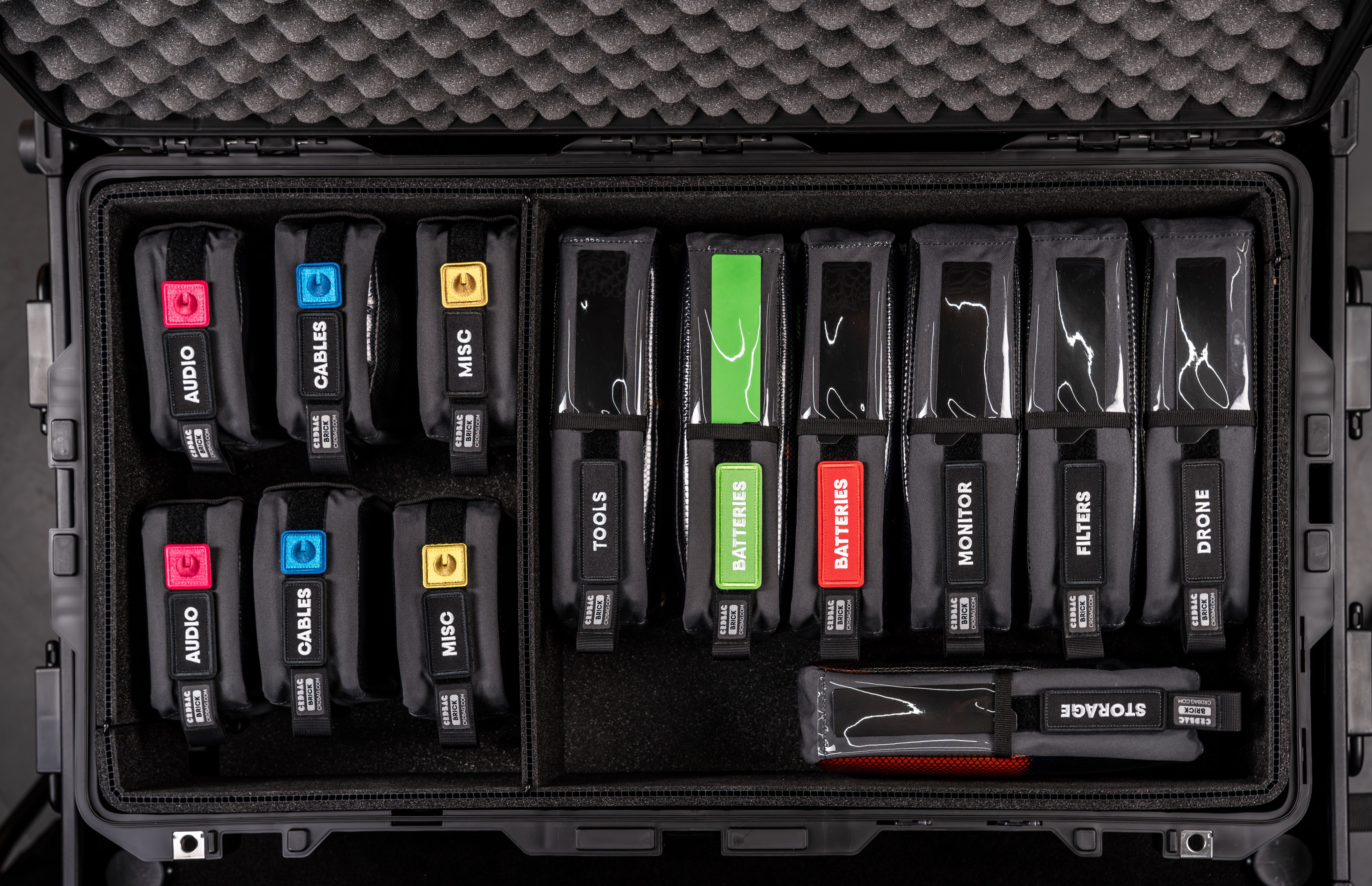
- Not budgeting for essential accessories: The drone itself is just the start. You need at least one extra battery (most travel shoots demand it). ND filters are mandatory for cinematic video. A proper carrying case (not the foam box) saves space. A fast memory card (like a SanDisk Extreme Pro) prevents buffer issues. Plan for $200-$400 extra. For a broad selection of travel drone accessories, check out drone travel accessory kits.
Essential Accessories for Traveling with a Drone
These items have proven themselves indispensable in the field:
- A slim travel case: The PGYTECH OneMo backpack is excellent for drones with laptops. The Lowepro DroneGuard is great for quick carry-on. A hard case is only necessary if you have a Mavic 3 Pro.
- Extra batteries: You need at least two extra batteries for a full day of shooting. The Fly More Combo from DJI is worth it.
- ND filters: For video, ND16, ND64, and ND1000 (for long exposures) are essential. The Freewell kits are good quality.
- Memory card: SanDisk Extreme Pro 128GB or 256GB. U3/V30 speed class. Don’t cheap out on this.
- Portable charger: The Anker PowerCore 26800mAh can recharge your drone batteries on a long flight or in a remote camping spot. It’s a lifesaver.
Grab these as a bundle: Consider a starter kit that includes the drone, a battery pack, ND filters, and a case from a reputable brand like DJI or Autel.
How to Pack Your Drone for a Flight (Without Getting Stopped by Security)
This is the most common question I get. Here’s the short version:
- Batteries: Must be in carry-on. LiPo batteries are banned from checked luggage. Individual batteries must be under 100Wh (all consumer drone batteries are). Keep them in a fireproof bag or a plastic case with tape over the terminals.
- Packing: Put the drone in your carry-on backpack. Put the remote on top (it’s a separate device and looks suspicious in a bag). The propellers should be folded, or better, use a small prop guard case.
- TSA: They rarely ask, but if they do, just say it’s a camera drone. Have its profile ready on your phone. Fly it before your trip so you know the firmware is updated.
Don’t check the drone—it’s too fragile. A hard case in your carry-on is ideal.
Final Verdict: Which Travel Drone Should You Buy?
For most travelers, the DJI Mini 4 Pro is the clear winner. It’s the best balance of portability, image quality, and features. It’s simple to travel with, fits in a small bag, and avoids the weight restrictions that complicate international flying.
If you care about image quality first and can handle a slightly larger pack, the DJI Air 3 is the better choice. The dual cameras and longer flight time are worth the extra space.
For professionals, the DJI Mavic 3 Pro is the gold standard. It’s the only drone that can truly replace a camera on a tripod.
If you want an alternative to DJI, the Autel EVO Nano+ is solid for its 1-inch sensor.
Decide based on your tolerance for bulk versus your need for image quality. Then check the current price on Amazon for your chosen model—it’s the most reliable place to buy, with a good return policy if something’s off. You can also browse a range of best travel drones 2025 to compare prices and availability.