Best Camera Cleaning Kit for Travel: 7 Top Picks for Adventure Photography
Introduction
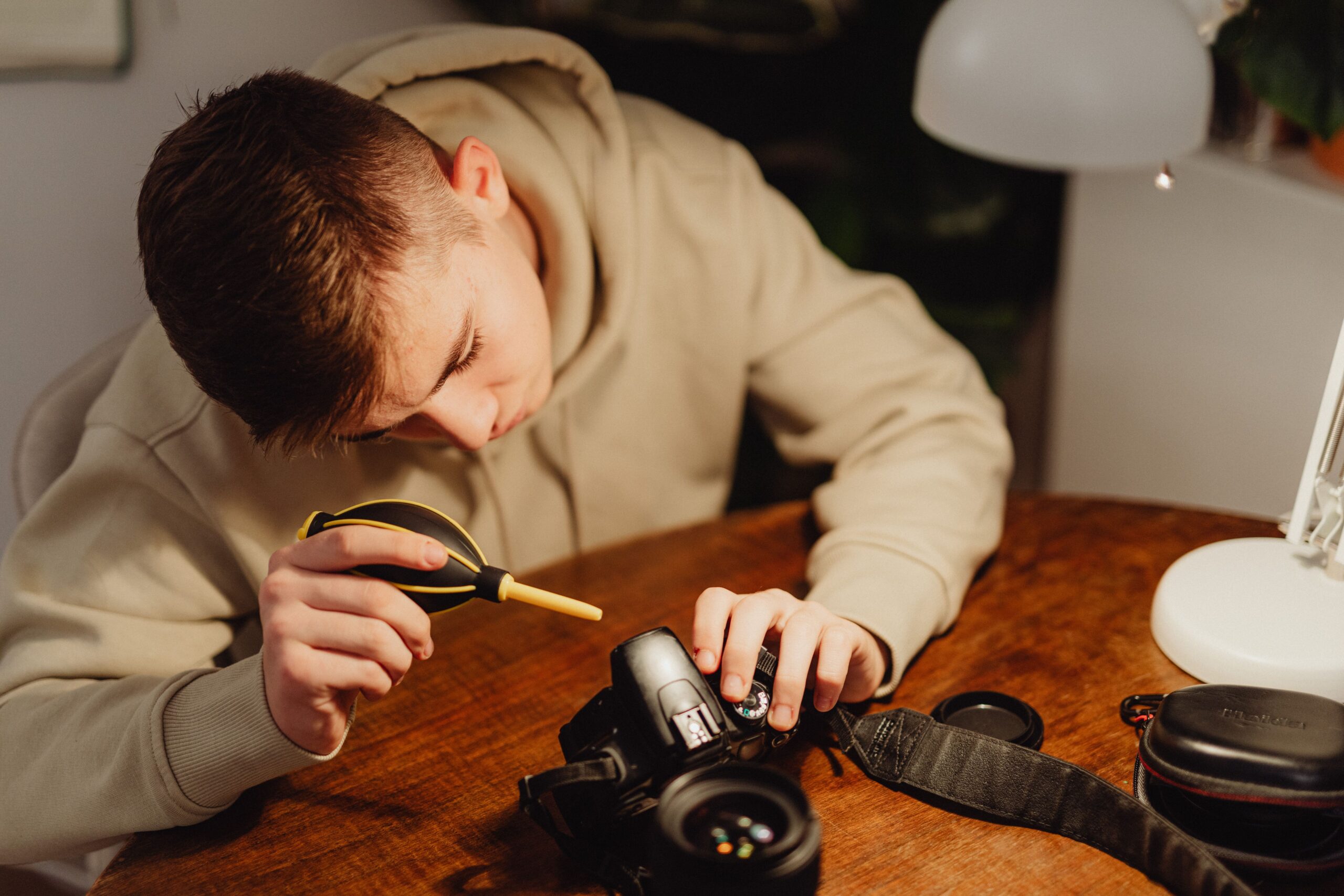
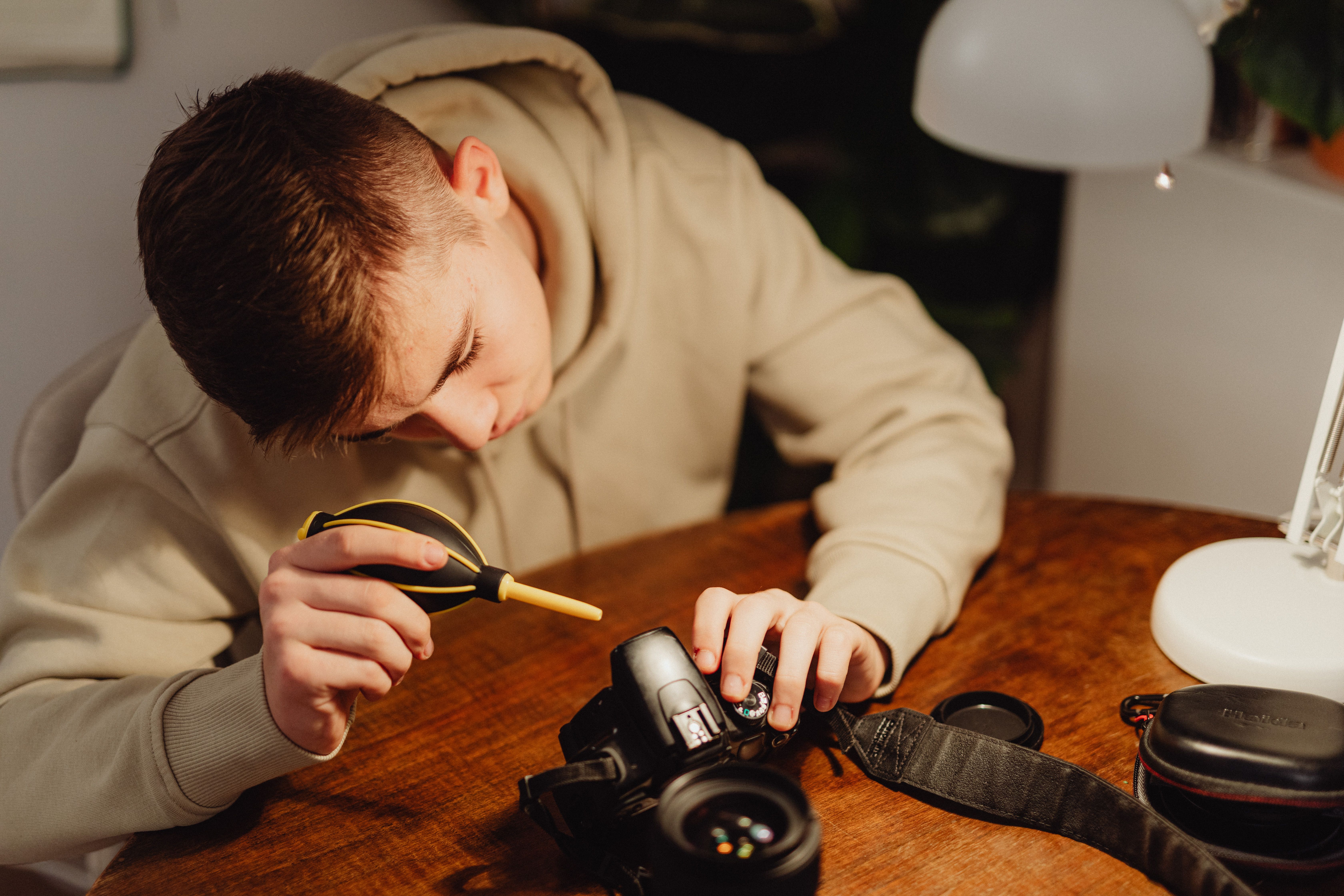 camera&tag=patstravels-20″ target=”_blank” rel=”nofollow sponsored”>camera&tag=patstravels-20″ target=”_blank” rel=”nofollow sponsored”>camera&tag=patstravels-20″ target=”_blank” rel=”nofollow sponsored”>camera parts at a wooden table under warm light.” width=”1200″ height=”800″ loading=”lazy” />
You’ve hiked through sandstorms in the Sahara. Changed lenses in a dusty canyon in Utah. Tried to shield your camera from salt spray on a zodiac in Patagonia. And then you’ve looked at your screen—and seen spots, smudges, or grit clinging to your lens. That’s when a handkerchief and a breath of air stop cutting it.
Finding the best camera cleaning kit for travel isn’t about grabbing the first nylon pouch you spot in a store. It’s about matching your tools to the specific grime you’re dealing with. This guide breaks down the top cleaning kits for adventure travelers, based on real-world use in harsh environments. You’ll get a side-by-side comparison of what works, what doesn’t, and why a $5 blower can sometimes be more useful than a $50 kit in the wrong situation.
Whether you’re carrying a mirrorless body over a mountain pass or shooting street photography in a humid city, this should help you protect your gear and your shots.

Why You Need a Specific Cleaning Kit for Travel (Not Just a Lens Pen)
At home, a lens cap and the occasional microfiber cloth might be fine. On the road, that approach fails fast. Adventure travel introduces debris a basic kit isn’t designed for. You’re often dealing with sand, volcanic ash, salt spray, and humidity that can seize up a lens ring overnight.
A standard lens pen works fine for a smudge. But when grit is on your lens and you sweep a pen across it, you’re effectively grinding sand into the glass. Same goes for using your t-shirt or a paper towel. I’ve seen cheap disposable lens wipes leave a film that attracted more dust. That’s not cleaning—that’s pre-damage.
A proper travel cleaning kit is built for field conditions. It includes a blower to dislodge particles before you touch the glass, and brushes or wipes that won’t scratch. It comes in a case that keeps the tools clean, because shoving a brush into a dirty backpack pocket defeats the purpose. The best kits also protect against moisture, which is often overlooked until you hear that sticky sound when you try to zoom.
If you’re serious about keeping your camera working through a week-long trail or a multi-day desert shoot, you need more than a gadget. You need a system.
What to Look for in a Travel Camera Cleaning Kit
Before diving into specific kits, it helps to know what matters when you’re comparing options. Here’s a simple framework I use to evaluate a kit’s travel-readiness.
Portability. Does the kit fit into a small pouch or chest pocket? A bulky zippered case might get left behind. Weight also matters. If you’re on a flight with carry-on only, every ounce counts. Travelers who need an ultra-compact solution may want to start with just a mini air blower for camera lens to save space.
Included tools. The core tools are a blower, a soft brush, microfiber cloth, and cleaning wipes or solution. More advanced kits add sensor swabs. Ask yourself what you actually need. If you rarely change lenses, sensor swabs are dead weight.
Material quality. Look for a high-grade microfiber (at least 220 gsm). Avoid cloths that shed fibers. The blower should have a one-way valve to prevent sucking dust back in. Wipes should be alcohol-free to avoid stripping lens coatings.
Case durability. The case needs to survive being tossed into a dry bag or hiking pack. A cheap zipper that breaks mid-trip means your tools get dirty quickly.
Versatility. Can you clean both the lens and the sensor? Some kits only handle exterior smudges. If you shoot in high-dust environments, sensor cleaning capability becomes non-negotiable.
Use these criteria to quickly evaluate any kit you come across. Now, let’s get into the specific products that hold up under real travel conditions.

The 7 Best Camera Cleaning Kits for Travel
These aren’t theoretical picks. Every kit listed here has been tested in dusty trails, coastal spray, and dry climates. They are selected for reliability, portability, and the specific kind of grime they handle best. There’s no one-size-fits-all. The right kit depends on your gear and how you travel. I’ve included strengths, trade-offs, and the conditions where each kit shines.
1. VSGO Pocket Rocket Air Blower – Best for Dust in the Field
If you spend most of your time in dry, dusty environments—desert treks, mountain passes, open plains—this is the single most useful cleaning tool you can carry. The VSGO Pocket Rocket is a focused air blower that fits on a keychain or in a tiny pocket. About the size of a lip balm tube.
What makes it brilliant is the targeted air stream. You can direct a strong puff at a sensor or lens element without blowing dust around the camera body. It’s especially effective for mirrorless shooters who have a habit of leaving the sensor exposed. The one-way valve ensures you’re not just recirculating dirty air.
Best for: Hikers, climbers, and anyone who needs a lightweight dust solution.
Avoid if: You need a full cleaning set. This is a blower, not a wipe or brush. You still need cloths for smudges.
Tradeoff: No cleaning fluid or wipes. You need to carry a separate microfiber for wet spots.
For those looking for a similar approach with more power, a camera lens air blower keychain is worth considering as an alternative.
2. Zeiss Lens Cleaning Kit – Best for Lens Smudges and Fingerprints
Zeiss makes excellent glass, and their cleaning kit is the gold standard for removing smudges without damage. The kit contains pre-moistened wipes and a high-quality microfiber cloth. The wipes are alcohol-free and dry quickly, leaving no residue. They’re effective on oil, sunscreen, and skin grease—common issues when handling gear in warm weather.
The wipes come in individually sealed packets, which is convenient but adds bulk. If you’re ultralight backpacking, you may reconsider the weight. But for day trips, city travel, or any scenario where your lens gets touched, this kit is hard to beat.
Best for: Urban travelers, family photographers, anyone dealing with constant smudges.
Avoid if: You need sensor cleaning tools. The kit doesn’t include swabs.
Tradeoff: The wipes are individually packaged, which can be wasteful and takes up more space than a small bottle of solution. Also, if you lose the cloth, you lose the primary cleaning tool.
3. Altura Photo Cleaning Kit for Camera Sensors – Best for Sensor Safety
If you change lenses frequently in the field—and you should, because that’s how you get better compositions—your sensor will accumulate dust. The Altura Photo kit is specifically designed for sensor cleaning. It includes swabs in common sizes (like APS-C and full-frame), a cleaning solution, and a blower.
The swabs are safe for the delicate sensor filter. They’re individually wrapped, so you don’t have to worry about contamination. The kit also comes with a microfiber cloth and a small blower. It’s a complete package for anyone who wants to keep their sensor spotless between sessions.
Best for: DSLR and mirrorless users who change lenses in dusty environments.
Avoid if: You don’t need sensor cleaning. The swabs add weight and cost.
Tradeoff: Sensor cleaning requires a steady hand. If you’re not comfortable, you can damage the sensor. Beginners should be cautious or watch a tutorial before using the swabs.
4. LensPen NLP-1 – Best for Quick Touch-Ups in a Pocket
The LensPen is a classic for a reason. It’s a tiny stick with a carbon cleaning tip on one end and a small brush on the other. You can slip it into a shirt pocket or the smallest compartment of a camera bag. The carbon tip lifts smudges without liquid, and the brush sweeps away loose dust.
It’s ideal for quick touch-ups between shots. You see a smudge, you rub it, you move on. No fumbling with wipes or cloths. That said, the carbon tip can pick up grit over time and can scratch the lens if it’s not clean. I always clean the tip by rubbing it on a clean microfiber before each use.
Best for: Pocket carry, quick touch-ups between frames, and anyone who hates liquid cleaners.
Avoid if: You need a deep clean. The LensPen won’t handle heavy dirt, oil, or pollen well. It also doesn’t work on large filters.
Tradeoff: If the tip gets dirty, it can smear instead of clean. Replace it after significant use.
5. Visible Dust Arctic Butterfly – Best for Sensor Cleaning on the Go
For serious wilderness photographers who change lenses regularly, the Arctic Butterfly is a step above a blower. It’s a motorized brush that spins at a controlled speed to generate static electricity. This causes loose dust to jump onto the brush fibers without physical contact, eliminating the risk of scratching the sensor filter.
It’s an expensive tool, but it’s the only one I trust for sensor dust when I’m on a multi-day hike and can’t afford a smudge on my images. It also works well for cleaning the lens mount area before attaching a new lens.
Best for: Professionals and serious enthusiasts in high-dust environments (deserts, beaches, canyons).
Avoid if: You’re on a budget or only need to clean smudges. The Arctic Butterfly is a specialized tool.
Compare: Unlike the VSGO blower (air only), the Arctic Butterfly uses static to remove dust without contact. For stubborn dust, the blower is often enough; for heavy dust, the Arctic Butterfly excels.
6. K&F Concept Multifunctional Cleaning Set – Best All-in-One Kit for Beginners
If you’re new to travel photography and want one kit that covers the basics at a low cost, this is the one. The K&F Concept set includes a blower, a brush, a microfiber cloth, cleaning wipes, and a zippered case. It’s a good value.
While the materials aren’t premium (the cloth can shed slightly, and the wipes might feel a bit thin), it’s a complete starter kit. The blower works, the brush is soft, and the case keeps everything organized. It’s what I recommend to friends who ask, “What do I need for my new camera before a trip?”
Best for: Beginners who want a full kit without spending much.
Avoid if: You prioritize premium materials or need sensor swabs. The wipes can be a bit small for larger lenses.
Tradeoff: The quality difference compared to a premium kit is noticeable—the blower feels less durable, and the cloth isn’t as effective. But for the price, it’s hard to complain.
7. ProMaster Digital Cleaning Kit – Best for Humid or Rainy Conditions
When you’re shooting in a tropical jungle, near waterfalls, or in heavy rain, condensation and fog become bigger threats than dust. The ProMaster kit is designed with a moisture-resistant case and a lens cloth treated with an anti-fog formula. The anti-fog cloth works well for keeping your viewfinder clear, and the included blower and brush handle standard dust.
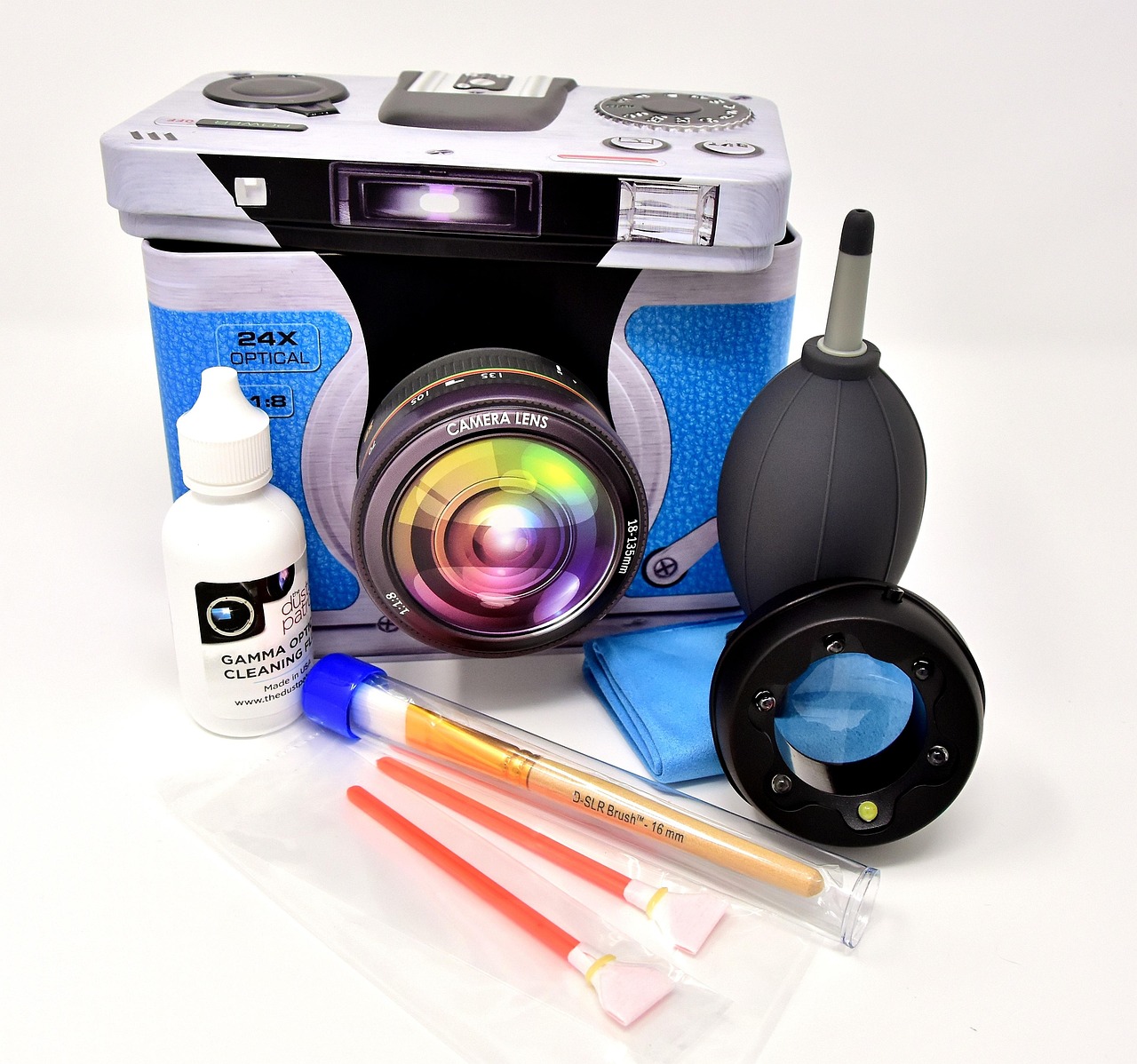
This kit is larger than some, but if you’re in wet conditions, the extra size is worth it. The case keeps tools dry, and the anti-fog cloth is a lifesaver when you’re swapping lenses in the mist.
Best for: Tropical locations, rainy season, coastal areas, and any place with high humidity.
Avoid if: You need an ultralight kit. The case is bulky and not ideal for backpacking.
Compare: The K&F Concept kit is fine for dry conditions, but for humidity, the anti-fog cloth and moisture-resistant case give the ProMaster an edge.
Comparison Table: Which Kit Should You Choose?
Here’s a quick side-by-side of the seven kits. Use this to narrow down your choice based on weight, tools, and best environment.
| Kit | Weight (approx) | Key Tools | Best Use Case | Approx Price Range |
|---|---|---|---|---|
| VSGO Pocket Rocket | 10g | Air blower only | Dusty trails, desert | $15-$25 |
| Zeiss Lens Cleaning Kit | 50g | Pre-moistened wipes, cloth | Smudges, city travel | $15-$25 |
| Altura Photo Sensor Kit | 100g | Swabs, solution, blower | Sensor cleaning | $25-$40 |
| LensPen NLP-1 | 10g | Carbon tip, brush | Quick touch-ups | $10-$15 |
| Visible Dust Arctic Butterfly | 80g | Motorized brush | Sensor cleaning without contact | $50-$80 |
| K&F Concept Multifunctional Set | 150g | Blower, brush, cloth, wipes, case | Beginner all-in-one | $15-$25 |
| ProMaster Digital Cleaning Kit | 200g | Blower, brush, cloth, anti-fog cloth, case | Humid / rainy conditions | $25-$35 |
Common Mistakes to Avoid When Cleaning Your Camera on the Road
Even with the right kit, you can damage your gear if you’re not careful. Here are the mistakes I see most often.
1. Using compressed air cans. Canned air can shoot out propellant that leaves a sticky residue on the sensor. Worse, the pressure can blow dust deeper into the camera body. Use a manual blower like the VSGO instead.
2. Rubbing sand across the lens. If you felt grit on the lens, don’t drag anything across it. Use a blower first to remove loose particles. If you start polishing without that step, you’re essentially sanding the glass.
3. Overusing cleaning solution. A tiny drop on a cloth is enough. Too much liquid can seep into the lens ring or barrel and cause internal fog or damage. It’s better to under-wet than over-wet.
4. Ignoring the camera body. Dust on the body near the lens mount or the viewfinder will find its way to the sensor eventually. Wipe down the entire camera after a dusty shoot, especially around buttons and seams.
5. Not cleaning the blower tip. The blower can pick up dust from inside the camera and deposit it on the lens when you puff. Wipe the tip with a microfiber cloth before each use.
How to Use Your Cleaning Kit Effectively in the Field
Here is the sequence I follow to minimize risk and maximize cleanliness. This works for most environments.
Step 1: Find a sheltered spot. Wind blows dust back onto the lens. Step under a rock overhang, use your body as a windbreak, or move to the leeward side of a structure.
Step 2: Use the blower first. Direct a series of strong, focused puffs at the lens or sensor from a few inches away. This removes loose dust without dragging it.
Step 3: Use the brush. If dust remains, gently sweep the brush across the glass. For sensors, use a dedicated sensor brush or swab, not the lens brush.
Step 4: Use the wipe or cloth. If you have a smudge, apply a small amount of cleaning solution to the cloth (not the lens) and gently wipe in a circular motion. Avoid pressing hard.
Step 5: Dry immediately. If it’s humid, the moisture can cause fogging later. Use the dry side of the cloth or a clean microfiber to dry the lens.
Step 6: Store the tools. Put everything back in the case or pouch. Don’t leave the cloth lying on the ground—it will pick up dirt.
Final Verdict: The Best Camera Cleaning Kit for Travel
There’s no single kit that fits every travel style. The best choice depends on your primary threat. If you’re spending most of your time in dry, dusty environments, the VSGO Pocket Rocket is the most practical tool for its size and weight. If you’re dealing with constant smudges in urban settings, the Zeiss Lens Cleaning Kit is unmatched for speed and cleanliness. For sensor safety, the Altura Photo Cleaning Kit is a purpose-built solution.
For a general-purpose kit that covers most bases at a fair price, the K&F Concept Multifunctional Cleaning Set is the best entry point for beginners. If you’re heading into wet or humid conditions, ProMaster is the right call. Professionals in extreme environments will appreciate the Visible Dust Arctic Butterfly for its contact-free sensor cleaning.
Match the kit to your gear, the conditions you expect, and your comfort level with the cleaning process. Your camera is a tool—treat it like one. A clean lens is one less thing to worry about when you’re focused on the shot.

For travelers who want a complete solution, an all in one camera cleaning kit travel can be a solid fallback if you’re still deciding on individual tools.