Best Waterproof Cameras for Adventure Travel: What Actually Works in the Field
Best Waterproof cameras for Adventure Travel
If your trip involves water, mud, dust, or just rough handling, your phone probably won’t make it. That’s where a best waterproof adventure cameras comes in. I’ve tested these from snorkeling in Indonesia to trekking through Patagonian rain. This is for hikers, divers, kayakers, and overlanders who need gear that handles real conditions without terrible photos. A ruined camera can mess up a trip, and I’ve seen enough dead phones to know where the real tradeoffs are.

What Actually Matters in a Waterproof Camera for Travel?
Not all “waterproof” cameras work the same. The marketing numbers can be misleading. Here’s what to look at:
- Depth rating: 10 meters works for snorkeling and rain. 15–20 meters is better for shallow dives. 30 meters is overkill for most people.
- Drop and crush resistance: A 2-meter drop rating means you can fumble it on a rocky trail without panic. Crushproof ratings (like 100kg) matter if you pack it in a full bag.
- Freeze-proofing: Shooting in cold environments? A -10°C rating means the battery won’t die instantly.
- Lens quality underwater: Cameras with dedicated underwater modes or adjustable white balance produce better colors. Without this, everything looks blue-green.
- Ease of use with gloves: Physical buttons beat touchscreens when your hands are wet or gloved.
An IP rating alone (like IP68) only tells you about dust and temporary submersion. It doesn’t account for salt water, shock, or pressure changes. Real adventure cameras handle all four: water, dust, drops, and temperature extremes.
The honest truth? No waterproof compact can match a full-frame DSLR in image quality. But many are more practical for actual travel. You’ll capture more usable shots with a rugged camera that stays on your wrist than with a high-end body you leave in the hotel.
The Tradeoff: Ruggedness vs Image Quality vs Price
This is the central tension in the waterproof camera market. You have to choose where to compromise:
- Budget rugged compact ($200–$400): Tough, waterproof, decent in good light. The sensor is small (1/2.3 inch). Great for snorkeling, bad for low light. Example: Olympus TG-7, Kodak PIXPRO WPZ2.
- Action camera ($250–$500): Excellent video stabilization, waterproof to 10m without housing. Still photos are mediocre. Better for mounting on gear or capturing movement. Example: GoPro HERO13.
- Mirrorless camera with housing ($800–$2,500): High-end image quality, custom optics, depth-of-field control. But you carry a bulky housing ($200–$400), need to swap lenses underwater, and the setup is clumsy on land.
- iPhone with waterproof case ($40–$100): Phone cameras are excellent now, but cases add bulk and you risk your primary communication device. Fine for casual use, not for serious adventure.
There is no perfect camera. The TG-7 is tough but the sensor is small. The HERO13 shoots great video but stills are flat. A housing setup takes excellent photos but costs as much as a used car and demands planning. The trick is matching your compromise to your trip type, not your ideal spec sheet.
Best Overall Waterproof Adventure Camera: Olympus Tough TG-7
For the vast majority of adventure travelers, the Olympus Tough TG-7 is the smartest choice. Here’s what it offers:
- Waterproof to 15 meters without housing
- Drop-proof from 2.1 meters
- Crushproof to 100kg
- Freeze-proof to -10°C
- 4K video at 30fps
- Excellent macro mode with focus stacking
- Reliable autofocus even underwater
- Built-in GPS and compass without needing a phone
I’ve used the TG-7 on everything from muddy trail runs to shallow reef snorkels. The macro mode is genuinely good—you can photograph a sea slug or a raindrop on a leaf with sharp detail. The GPS logs your location automatically, which is useful for documenting remote spots. Battery life is reasonable at about 300 shots per charge, but you should always carry a spare. If you plan long days in the field, it’s worth checking extra batteries for the Olympus TG-7 to avoid running out of power.
Where it falls short: low-light performance is mediocre (small sensor problems), and the zoom range is only 4x optical. You won’t get wildlife shots from a distance. Video quality is decent but not as smooth as a GoPro.
Who should buy it: Hikers, snorkelers, paddlers, overlanders—anyone who wants a tough camera that works in wet conditions and doesn’t require a separate housing.
Who should skip it: Divers going below 15 meters (get a housing), serious video shooters (get an action cam), or people who prioritize image quality at dusk (look at a housing setup).

Best for Serious Underwater Adventures: GoPro HERO13 Black
If your adventure centers on video—diving, kayaking, mountain biking, or mounting a camera on gear—the GoPro HERO13 Black is the better tool. It’s waterproof to 10 meters without a housing, and with a dive housing you can go to 60 meters or more.
What makes it stand out:
- Excellent HyperSmooth 6.0 stabilization
- 5.3K video at 60fps
- Wide angle lens for immersive POV shots
- 8x slo-mo at 120fps
- Voice control works even underwater
- Mounting ecosystem is unmatched
I use the HERO13 primarily for diving and kayak trips where I need hands-free shooting or POV video. The stabilization is so good that handheld footage looks like it was shot on a gimbal. For wide-angle underwater scenes, it’s excellent.
The tradeoff: still photo quality is mediocre compared to a dedicated camera. The lens flare can be bad in direct sunlight, and low-light shots are noisy. Battery life is short—you’ll get about 1.5 hours of continuous recording. The official GoPro batteries are expensive and degrade over time. If you deal with cold water dives, you might want spare batteries for the GoPro HERO13 to swap quickly between dives.
Who should buy it: Divers, surfers, mountain bikers, anyone capturing action video. Also good for mounting on gear or getting unobtrusive POV shots.
Who should skip it: Casual point-and-shoot users, photographers who prioritize still images, or people who hate dealing with mobile app transfers.
Best Premium Option: Ricoh WG-8
The Ricoh WG-8 is a direct competitor to the TG-7 with a few tradeoffs that matter for specific users. It’s waterproof to 20 meters (5 more than the TG-7), drop-proof from 2.1 meters, and crushproof to 100kg. Its standout feature is a built-in ring flash around the lens, which is excellent for underwater macro photography.
Why you might choose the WG-8 over the TG-7:
- Deeper waterproof rating (20m vs 15m)
- Ring flash reduces backscatter in murky water
- Better battery life (around 340 shots per charge)
- Slightly wider angle lens for group shots
Where the WG-8 falls behind: the user interface feels clunkier, the mobile app is less polished, and autofocus is slower than the TG-7. If you shoot mostly above water in good light, you won’t notice much difference. But if you do a lot of underwater macro work or need that extra 5 meters of depth, the WG-8 is a solid alternative.
Who should buy it: Underwater macro photographers, divers who don’t want a housing, people who prefer longer battery life over polish.
Who should skip it: Anyone who prioritizes a smooth app experience, fast autofocus, or video features. The TG-7 is better for general use.
Best Budget Pick: Kodak PIXPRO WPZ2
If you’re on a tight budget but still want a camera that can handle water and drops, the Kodak PIXPRO WPZ2 is the cheapest entry point that doesn’t completely fail. It’s waterproof to 15 meters, drop-proof from 2 meters, and dust-proof. You get 4K video at 30fps and a 4x optical zoom range.
Here’s what you’re trading off at this price point:
- Slow performance: It takes about 2 seconds to start up. Autofocus is slow, especially in low light.
- Mediocre low-light shots: Small sensor and limited ISO range mean noisy images at dusk or indoors.
- Average build quality: It feels plasticky. The lens cap is manual and easy to lose.
- Limited zoom: 4x is fine for landscapes but not long enough for wildlife.
That said, for beach days, casual snorkeling, or rain forest hikes where you want something that works without worrying about it, the WPZ2 is adequate. It’s not a camera you’ll grow into, but it’s one you can grow out of without much financial pain.
Who should buy it: Budget-conscious travelers, families with kids who want a rugged camera, someone trying waterproof photography for the first time.
Who should skip it: Anyone serious about image quality, someone who needs fast autofocus, or people who shoot in low light regularly.
The Mirrorless Housing Route: When a Phone Case Isn’t Enough
For advanced travelers who value image quality above all else, the mirrorless housing route deserves consideration. This isn’t for everyone—it’s bulky, expensive, and demands a dedicated workflow—but the results are unmatched.
Here’s what you need:
- Housing: Brands like Aquatech, Fantasea, or Ikelite make housings specific to camera models. Expect to pay $200–$400 for a quality one.
- Camera: A compact mirrorless like the Sony A6000 series or Olympus OM-D E-M10 works well. The housing adds about 1kg to your bag.
- Lens: A small prime (like a 28mm f/2.0) allows better depth-of-field and low light performance than any rugged compact can achieve.
The upside is obvious: you get real image quality, shallow depth of field, and interchangeable lenses. The downside is equally clear: you have a bulky setup that takes time to assemble, you can’t change lenses underwater without additional gear, and it’s expensive. If your trip is 90% water activities, this might be worth the hassle. If water is just an occasional element, stick with a rugged compact.
How to Choose the Right Waterproof Camera for Your Trip
Rather than listing specs, here’s a decision framework based on trip type:
- Snorkeling in Thailand or similar warm reefs: Olympus TG-7 or Ricoh WG-8. You need a camera that handles shallow water and has good macro mode for small reef life.
- Cold water diving (Alaska, Norway, Iceland): GoPro HERO13 with a dive housing. The colder the water, the shorter your battery life. A housing gives you the ability to swap batteries between dives without drying the camera.
- Trekking in Patagonia or similar wet trails: Olympus TG-7. It’s tough, works in rain, and the built-in GPS logs your route. Low light is an issue at dusk, but acceptable.
- Kayaking or paddleboarding: GoPro HERO13. Mount it on your board or helmet. Video stabilization is key here.
- Casual beach days with kids: Kodak PIXPRO WPZ2. Cheap enough not to stress over, functional enough for instagram-level shots.
- Serious underwater photography (macro or wide angle): Mirrorless with housing (Sony A6000 series + Ikelite housing). Not for the casual user, but the results justify the cost and bulk if you’re dedicated.
If you’re still unsure, start with the TG-7. It covers 80% of scenarios well, it’s affordable, and it won’t let you down in the field.
5 Common Mistakes Travelers Make with Waterproof Cameras
- Not rinsing the camera after salt water use. Salt crystals don’t just corrode the seals—they can scratch the glass on the lens port. Always rinse with fresh water after use, even if the camera was only splashed. One minute of rinsing prevents weeks of regret.
- Not checking the seals before opening. A single grain of sand or a hair across the rubber seal can break the waterproofing. Always wipe the seal and door before opening—especially after a day at the beach.
- Assuming depth rating is temperature-independent. The depth rating is tested at 20°C water. In cold water, the rubber seals stiffen and compress differently, reducing the effective depth by 20-30%. Don’t push the limit in cold conditions.
- Buying a camera that’s too heavy for hiking. You won’t bring a mirrorless housing setup on a 6-hour trail. A TG-7 is about 300 grams. A mirrorless with housing is 1.5kg. Weight is the main reason good cameras stay in the hotel room.
- Forgetting spare batteries in cold weather. Lithium-ion batteries lose up to 50% of their capacity in near-freezing temperatures. A single battery dive in cold water can end in 20 minutes. Always carry at least two spares in an inside pocket.

Must-Have Accessories for Waterproof Travel Photography
These accessories make a real difference in the field:
- Floating wrist strap: A must-have for open water use. No one wants to watch their camera sink to the bottom. Prices range from $10 to $30. A simple way to reduce the risk of losing your camera is to pick up a floating wrist strap for your camera.
- Spare batteries: As mentioned, cold weather kills battery life. For any camera, carry at least one spare.
- Water-resistant microSD card holder: You don’t need a fancy Pelican case—just a small dry bag or waterproof pouch works. Losing a full card of photos in a puddle is more common than you think.
- Small underwater light: For macro shots in murky water, a small dive light (about $30) clipped to your camera or wrist helps with color correction. It’s cheap and improves results noticeably.
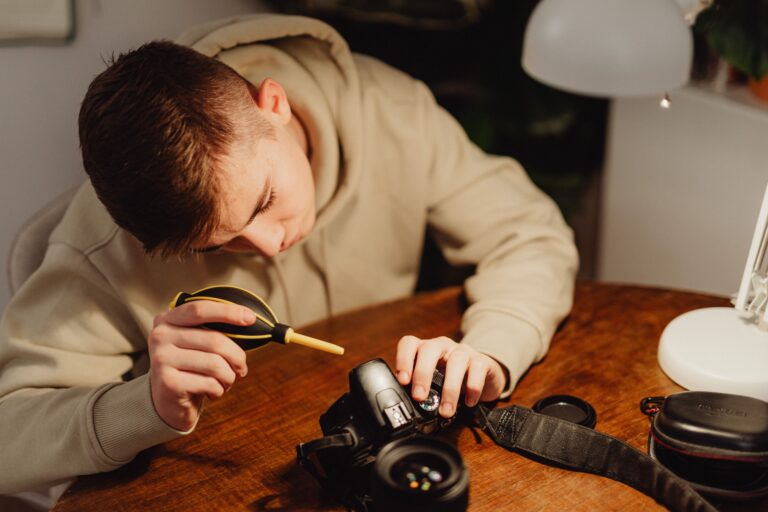
- Cleaning cloth: A microfibre cloth in a Ziploc bag is cheap insurance against water spots and dust on the lens.
You don’t need to buy everything at once. Start with the strap and spare batteries. You can pick up the rest as you discover your specific needs.
Final Verdict: Which Waterproof Adventure Camera Should You Buy?
For most travelers, the Olympus Tough TG-7 is the best balance of toughness, image quality, and practicality. It’s the only camera you need for snorkeling, rain hikes, and beach days. If video is your priority, get the GoPro HERO13 Black. On a tight budget? The Kodak PIXPRO WPZ2 works for casual use but don’t expect professional results.
If you already own a mirrorless camera and want better underwater photos, invest in a quality housing instead of buying a rugged compact. It’s more expensive and heavier, but the image quality gap is large.
Go out and shoot. That’s all that matters.