Thailand Adventure Travel Guide: From Jungle to Islands
Introduction
This Thailand adventure travel guide is for first-time adventure travelers who want to bridge the gap between the jungle treks of the north and the island life of the south without wasting time or money. Thailand remains one of the best entry points into Southeast Asian adventure because the infrastructure is solid, the risks are manageable, and the variety—from elephant sanctuaries to world-class scuba sites—is unmatched for the price. This guide covers the logistics that matter: when to go, where to base yourself, how much to budget, and what gear you actually need. Skip the fluff, plan the trip.

Why Thailand Works for Adventure Travel
Thailand has been a backpacker and adventure hub for decades, and there’s a reason. The tourism industry is mature but not yet sterile—you can still find raw experiences like sleeping in a hill tribe village or swimming with whale sharks off a sleepy island. The cost of entry is low: a decent meal costs two dollars, a comfortable bungalow twenty or thirty. Domestic flights, buses, and ferries connect the north to the south in a single day. Safety is generally high, with honest operators and a culture that respects travelers. For someone wanting to test their limits without an expedition budget, Thailand delivers consistently.
Best Time for a Thailand Adventure
The weather in Thailand is divided into three main seasons that affect the north and south differently. The cool, dry season from November to February is the most reliable period for trekking in Chiang Mai and the north. Temperatures drop to comfortable levels at night, and trails aren’t muddy enough to ruin a hike. The islands in the Andaman Sea (Phuket, Krabi, Railay) are at their best from December to April, when the water is calm and visibility high. The Gulf side near Koh Tao and Koh Phangan stays decent from March to September.
The hot season from March to May can be brutal for jungle trekking—heatstroke is a real risk on exposed trails. The rainy season from June to October brings afternoon downpours that can flood trails and make boat transfers rough. But that same rain also greens up the jungle, lowers prices, and empties the crowds. If you’re flexible, October and March are sweet spots where you get decent weather without peak-season pricing. For a combined north-to-islands trip, stick to November through April.
Key decision point: If your focus is diving the Similan Islands, they are closed from mid-October to mid-May. Plan accordingly.
Northern Thailand: Jungle Treks and Hill Tribes
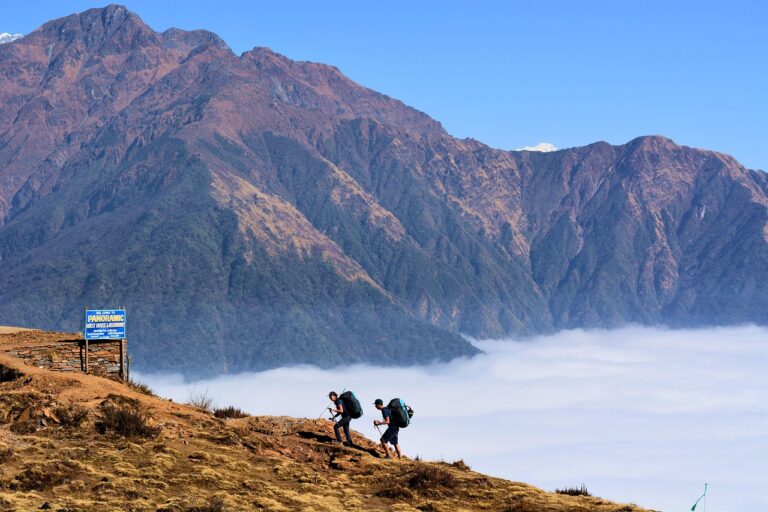
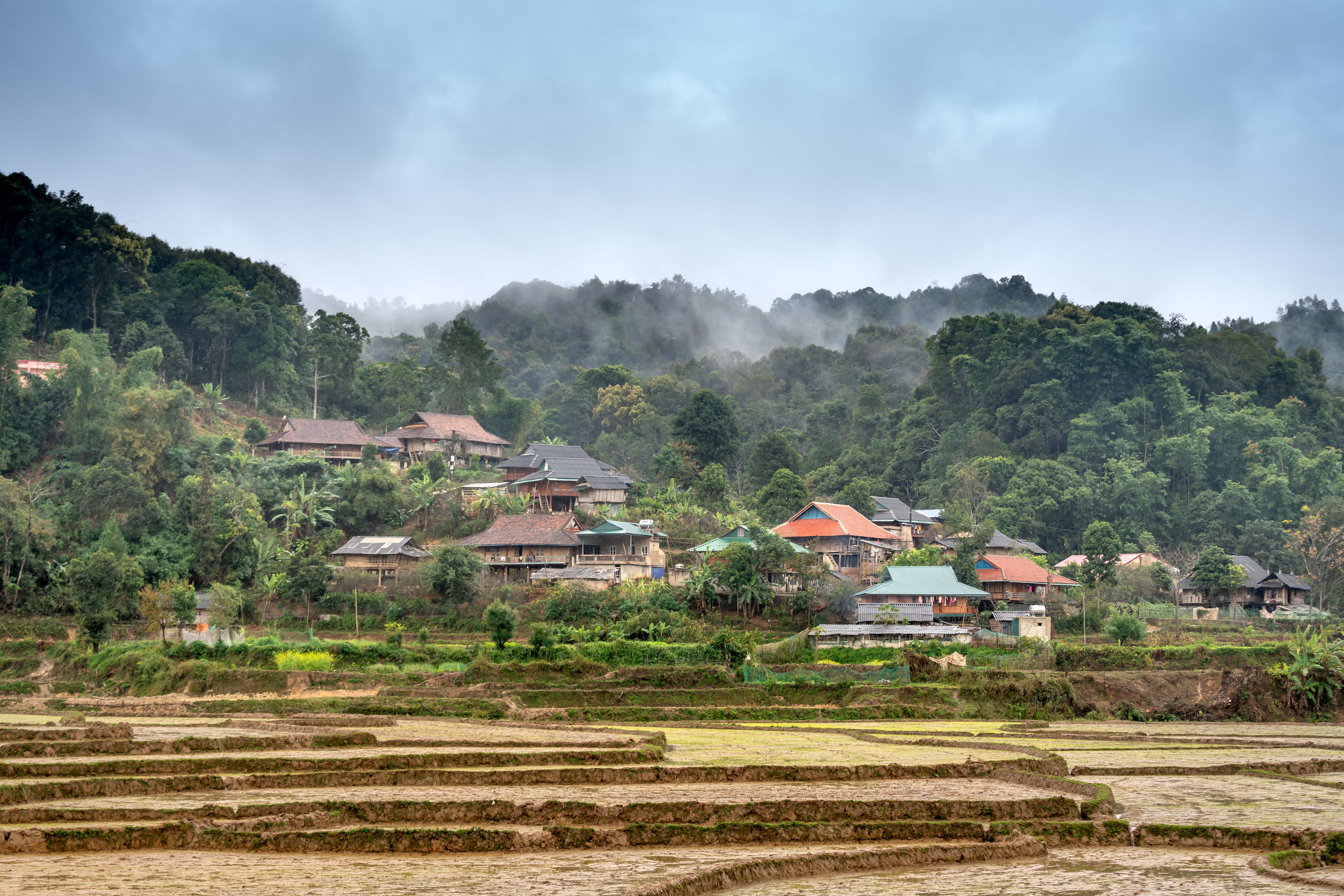
The north around Chiang Mai is where most adventure itineraries start. The signature experience is a multi-day jungle trek that takes you through bamboo forests, past elephant sanctuaries, and into hill tribe villages where you can overnight with a family. These treks typically run two to four days. The standard two-day hike is beginner-friendly but still demands decent fitness—think five to seven hours of walking on uneven terrain with a pack.
One important choice is whether to go with an overnight trek or a day hike. Day hikes are easier to fit into a tight schedule and cost around $30, but they don’t give you the immersion of sleeping in a remote village. Overnight treks cost $50 to $80 per day and include food, guide, and basic accommodation. The value is high. For a more adrenaline-focused experience, zip-lining through the jungle canopy near Mae Rim is a solid half-day activity, and white-water rafting on the Mae Taeng River runs from March to November during the wetter months.
Ethical considerations matter here. Stick with tour operators that are members of the Responsible Thailand network or have clear animal welfare policies. Avoid any trek that includes elephant riding or shows where animals perform tricks. For gear, pack the essentials: a comfortable pair of lightweight hiking boots with ankle support for muddy sections, water purification tablets for refilling from streams, and a quality rain jacket that won’t wet out after an hour of drizzle. Travelers who need reliable rain protection for unpredictable downpours should consider a lightweight rain jacket that packs small. The north is cooler than you expect at night, so bring a fleece or a thermal layer.
Khao Sok National Park: Lake and Rainforest
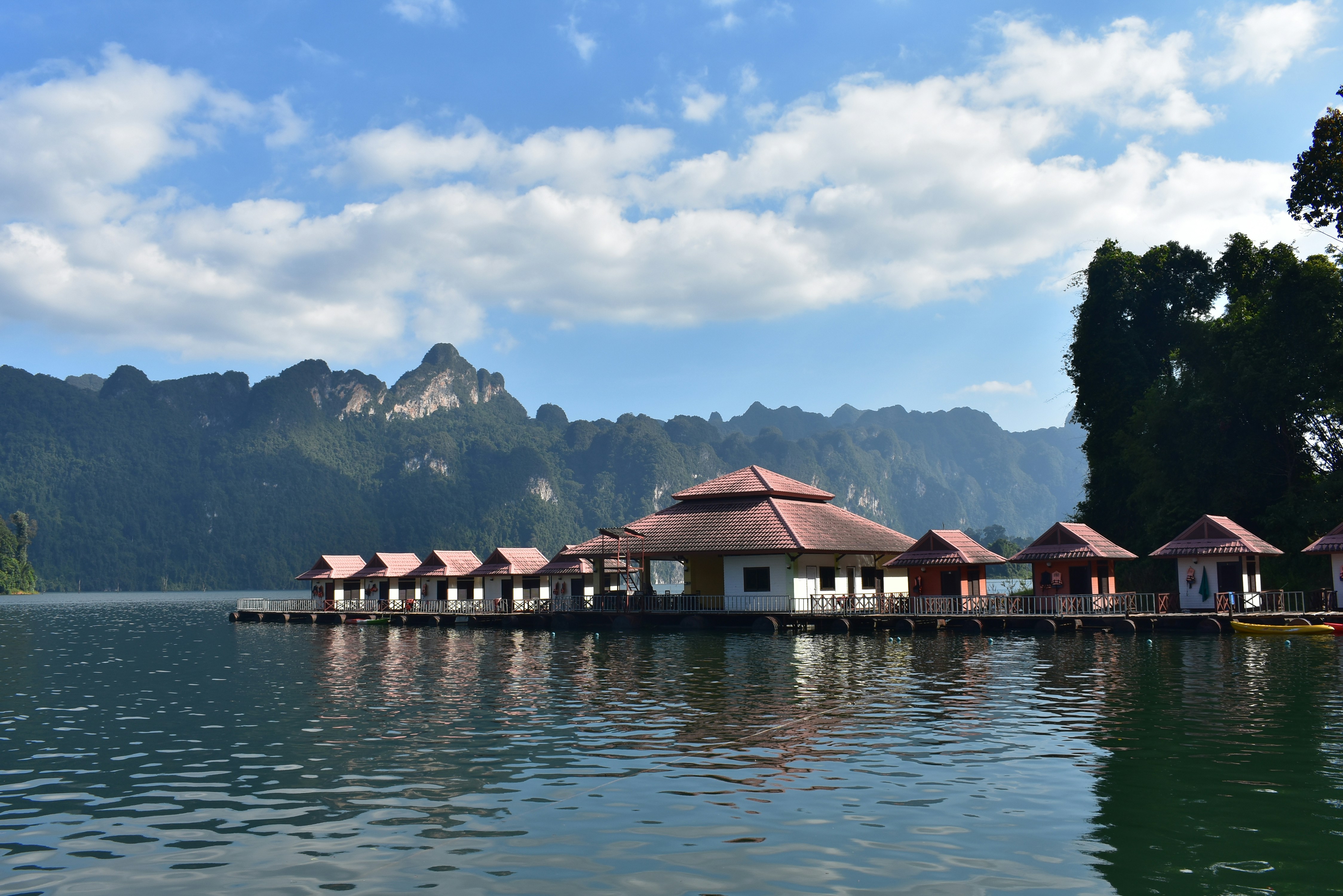
Khao Sok is the crown jewel of Thailand’s mainland jungle experiences. The park centers around Cheow Lan Lake, a massive reservoir surrounded by limestone karsts and wild, dense rainforest. The most popular way to explore is via a long-tail boat tour that takes you through the flooded forest into the main lake. You can stop for jungle treks, spot gibbons and hornbills, and visit caves that open into the limestone cliffs.
Accommodation splits into two categories: floating bungalows on the lake itself, or standard resorts on the mainland. The floating bungalows are the memorable choice—basic rooms with mosquito nets, solar-powered lights, and no Wi-Fi—but they put you right on the water with early-morning wildlife views. Mainland options are cheaper and more comfortable but require a boat ride to reach the lake. Getting to Khao Sok is straightforward from Phuket or Krabi via minivan (about two hours from either).
Gear that matters here: a dry bag is non-negotiable for protecting electronics during boat rides and sudden rain. A headlamp is essential if you stay on the lake, as the floating bungalows are not lit well after dark. For longer trips where power is unreliable, a rechargeable headlamp ensures you can navigate safely at night. Strong insect repellent with DEET is a must—the mosquitoes here are persistent and can carry dengue. Most visitors join a guided overnight tour that covers boat transfer, lunch, and a short jungle walk. Budget around $60–80 per person for a full-day package.

Southern Thailand: Island Hopping and Water Activities
The south splits into two distinct zones: the Andaman coast on the west (Phuket, Krabi, Railay) and the Gulf coast on the east (Koh Tao, Koh Phangan, Koh Samui). Both offer world-class water activities but differ in crowd levels and atmosphere.
Andaman Side
Railay Beach is the rock climbing capital of Thailand. The limestone cliffs rise straight from the sand, offering routes for beginners and intermediates. A half-day climbing session with a guide costs about $40 and includes all gear. Nearby, Ao Phang Nga National Park is perfect for sea kayaking through mangroves and between limestone caves. The park is less crowded than Phi Phi and offers a quieter day out. Getting between these spots is easy via long-tail boat or ferry.
Gulf Side
Koh Tao is the scuba certification hub of Southeast Asia (more on that in the next section). Beyond diving, the island has excellent snorkeling at spots like Shark Bay and Hin Wong Bay. Koh Phangan is best known for the Full Moon Party, but outside those dates it offers quieter beaches and a few jungle trails worth exploring. Koh Samui has more infrastructure and luxury resorts but better transport links if you need to fly out.
Ferry routes connect the Gulf islands to each other and to the mainland. In high season, book ferry tickets at least a day in advance. For gear, a high-quality snorkel mask that fits your face is worth buying—rental masks are often fogged or loose. Quick-dry towels pack small and dry fast between boat rides. A waterproof phone pouch prevents the saltwater damage that ends many island trips. Beginners may prefer a snorkel mask with anti-fog technology to avoid frustration in the water.
Best for each:
- Rock climbing: Railay, Krabi
- Kayaking: Ao Phang Nga
- Snorkeling: Koh Tao
- Beach bars and parties: Koh Phangan
- Luxury with island access: Koh Samui
Scuba Diving in Thailand: Best Spots for Beginners and Pros
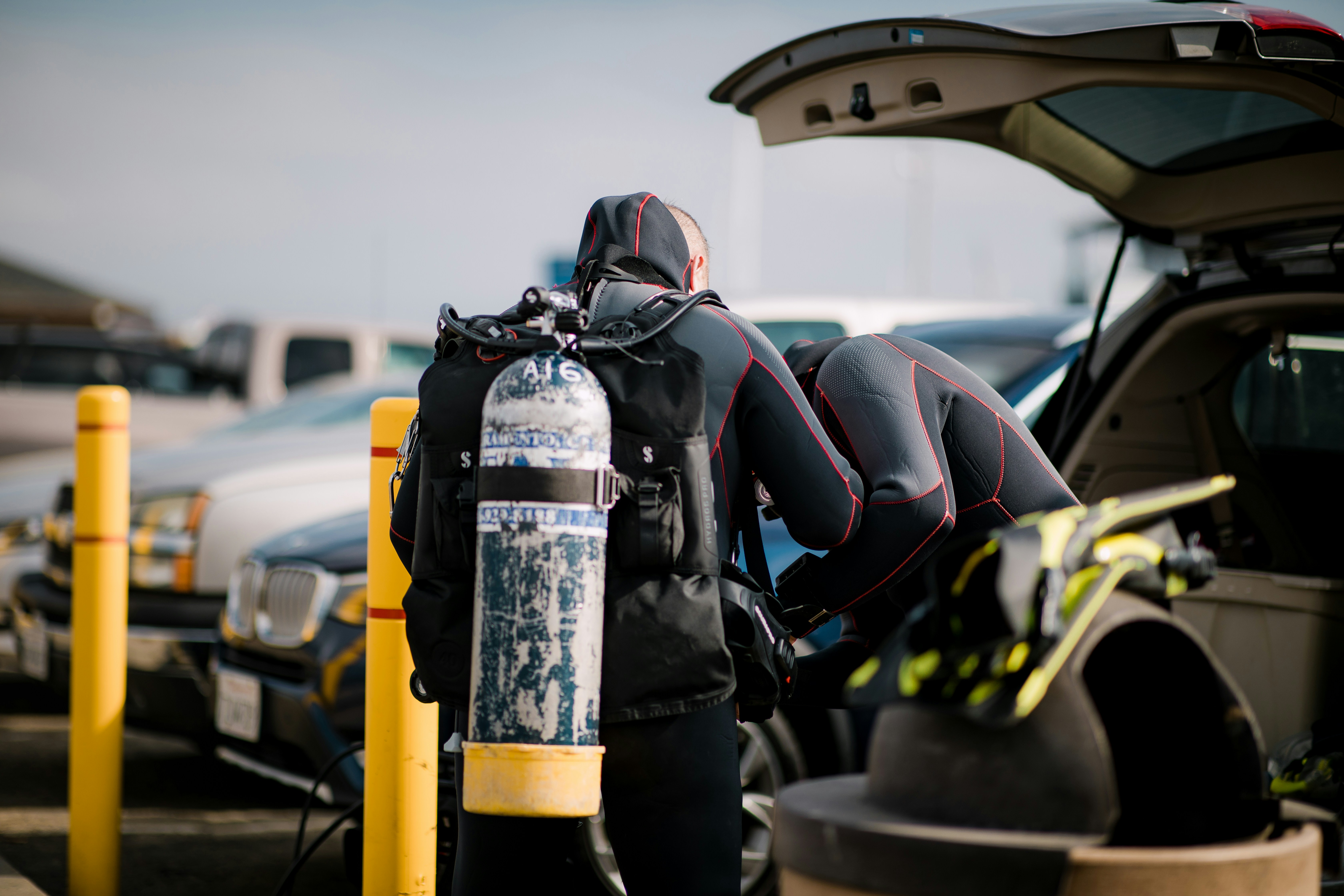
Thailand has some of the cheapest and most accessible scuba diving in the world, making it a top destination for new divers and a regular stop for experienced ones. Koh Tao is where most people get certified. A PADI Open Water course costs around $350 and takes three to four days. The visibility is decent, the waters are warm, and the dive sites are sheltered. It’s not the best diving in the country, but it’s the best place to learn.
Experienced divers should head to the Similan Islands, about two hours northwest of Phuket by speedboat. These islands offer drift diving over granite boulders, clear water, and pelagic life including manta rays and leopard sharks. The best months are December to April when visibility exceeds twenty meters. A typical liveaboard trip costs $300–500 for a three-day, two-night trip and includes food, accommodation, and up to eleven dives.
Richelieu Rock, part of the Surin Islands, is widely considered the best dive site in the Gulf of Thailand. It’s a pinnacle that attracts whale sharks and large schools of fish. Getting there requires a longer boat ride, but serious divers say it’s worth it. For gear, a dive computer replaces the basic rental models and gives you better safety data underwater. Reef-safe sunscreen is required by many operators to protect the coral. A high-quality mask and snorkel you’ve tested for fit will save you fogged-up dives and frustration. Frequent divers may benefit from a dive computer watch to track depth and time more accurately.
Common Mistakes to Avoid on a Thailand Adventure Trip
Overpacking is the most frequent mistake I see. Travelers arrive with a full hiking backpack and a rolling suitcase, then realize they’re dragging it through paddy fields and onto ferries. Stick to a 40–50 liter backpack and plan on hand-washing clothes. Another common error is booking an itinerary that’s too tight. Bangkok to Chiang Mai is an hour by air, but the actual journey includes airport transfers and check-in. The same applies to the islands—ferries don’t run frequently enough to island-hop in a day without looking at a watch constantly.
Respecting weather windows is critical. Booking diving in the Andaman during monsoon season means cancelled trips or low visibility. Similarly, trekking in the north during the burning season (March-April) subjects you to thick smoke from agricultural fires that can ruin views and hurt your lungs. Travel insurance is not optional. Medical evacuation from a remote island or a motorbike accident can cost thousands. Finally, avoid any attraction that involves captive animals performing tricks. Elephant rides, tiger temples, and snake shows are unethical and often abusive. Stick to reputable sanctuaries.
Thailand Adventure Costs: Budget vs. Mid-Range
Thailand remains affordable, but adventure activities add up. On a budget, expect to spend around $40 per day. This covers a dorm bed ($8), three street food meals ($6), local transport ($5), and one activity like a day trek ($30). Budget travelers can still do multi-day hikes and some island hopping, but they will be staying in basic hostels and taking public buses instead of direct minivans.
Mid-range travelers should budget $80–100 per day. This buys a private bungalow or a nicer guesthouse ($30), sit-down restaurant meals ($15), a few domestic flights ($50 per leg), and guided adventures like multi-day treks or liveaboards. A Similan Islands liveaboard runs $300–500 for three days. A private overnight trek in Chiang Mai is $60–80 per day. A day of rock climbing at Railay with a guide costs $40. Budgets stretch further if you buy your own gear and eat locally.
Miscellaneous costs: domestic flight Chiang Mai to Phuket ($40–80), ferry from Surat Thani to Koh Tao ($20), entrance fees to national parks ($10–20). Add a buffer of $100 for unexpected boat cancellations or gear replacements.
Essential Gear for a Thailand Adventure
Packing smart saves money and reduces hassle. Here’s a practical checklist specific to adventure travelers:
- Quick-dry clothing: Polyester or nylon shirts and shorts that dry overnight. Avoid cotton for treks.
- Sturdy sandals: Chaco or Teva-type sandals for river crossings and island walks. Not flip-flops.
- Headlamp: A Petzl or Black Diamond model with red light mode. Essential for nighttime treks and bungalows without power.
- Portable charger: 10,000mAh or higher. Power outlets can be scarce on boats and in remote guesthouses.
- Water bottle with filter: A Lifestraw or Grayl bottle means you can drink from taps and streams safely.
- First aid kit: Include antiseptic, blister patches, ibuprofen, and antihistamines. Local pharmacies are well-stocked but can be far from hill tribe villages.
- Dry bag: 15–20 liters for electronics and documents.
- Reef-safe sunscreen: Protects your skin and the coral. Many operators require it.
All of these items can be found on Amazon and will last multiple trips. For reliable sun protection that respects marine environments, look for a reef-safe sunscreen with SPF 50. Buy these before you leave—imported brands in Thailand cost double.

Getting Around for Adventure Travelers
Domestic flights are the fastest way to move between regions. Bangkok to Chiang Mai is an hour by air on Thai Lion Air or Nok Air for $30–50. Bangkok to Phuket is $40–80. Booking a week ahead yields the best prices. Overnight trains from Bangkok to Chiang Mai are a budget classic—they save accommodation and are comfortable enough with a sleeper berth ($20–30). They take twelve hours but leave from the main train station.
Buses connect most towns and are cheaper than flights but slower. The VIP buses with reclining seats are worth the extra few dollars for long hauls. Ferries run between the Gulf islands and from the mainland to the islands. In high season (December–April), book ferry tickets at least one day ahead through your hotel or a reliable operator like Lomprayah. For short rides within islands or towns, use the ride-hailing app Grab rather than flagging down a taxi. It’s cheaper and avoids negotiation.
Renting a motorbike is common but carries risk. Many travelers underestimate the traffic and road conditions. If you do rent, wear a helmet, carry an international driving permit, and take photos of the bike before riding off.
Sample 14-Day Thailand Adventure Itinerary
This itinerary combines the north and south without rushing, with good transitions and built-in buffer days.
Day 1: Arrive Bangkok
Land in Bangkok, transfer to your hotel near Khao San Road or the old city. Spend the afternoon adjusting to the heat and visiting a night market.
Day 2: Bangkok to Chiang Mai
Fly to Chiang Mai in the morning (1 hour). Check into a guesthouse near the Old City. Evening stroll through the Sunday Walking Street if it’s Sunday, or hit a night bazaar.
Days 3–5: Chiang Mai Trekking
Book a 2-day/1-night jungle trek that includes a hill tribe stay. Day 3 is trekking and bamboo rafting. Day 4 is the return and a half-day zip-line session. Day 5 is a free day to relax, visit a temple, and prep for the next leg.
Day 6: Chiang Mai to Khao Sok
Fly from Chiang Mai to Phuket (90 minutes), then take a minivan to Khao Sok (2 hours). Check into a mainland bungalow near the park entrance.
Days 7–8: Khao Sok Lake Tour
Day 7 is a full-day boat trip on Cheow Lan Lake with jungle trekking and cave exploration. Overnight on a floating bungalow. Day 8 is a morning wildlife walk, then return to the mainland.
Day 9: Khao Sok to Koh Tao
Minivan from Khao Sok to Surat Thani (2 hours), then ferry to Koh Tao (1.5 hours). Arrive late afternoon and settle in.
Days 10–12: Koh Tao Diving and Snorkeling
Day 10: start your PADI Open Water course or join a fun dive. Day 11: complete the course or explore Shark Bay snorkeling. Day 12: afternoon ferry to Koh Phangan or Koh Samui if you want island variety (or stay on Koh Tao for more dives).
Day 13: Railay Rock Climbing
Ferry from Koh Tao to Krabi (via Surat Thani, about 4 hours total), then long-tail boat to Railay. Spend the afternoon climbing at the beach.
Day 14: Departure
Long-tail boat from Railay to Krabi town, then fly out from Krabi Airport to Bangkok for your international flight.
This itinerary includes realistic travel times and avoids back-to-back long transfers. Book ferries and flights in advance during peak season, leaving a buffer day between major legs.
Final Tips for a Smoother Adventure
Get a local SIM card at the airport—AIS or TrueMove work well everywhere. Download offline maps on Google Maps and offline translations on Google Translate for areas with weak signal. Pack insect repellent and sunscreen in your carry-on—you’ll need them immediately. Always confirm tours and accommodations in person rather than trusting online photos alone. And most importantly, buy a quality dry bag and a reliable headlamp before you go. They’ll pay for themselves the first time you get caught in a monsoon or need to navigate a dark bungalow.
If you’re ready to start booking, check out recommended multi-day tours linked here, or grab the gear on Amazon that adventure travelers actually use. Thailand is waiting—go get muddy.