Switzerland Adventure Travel: Alps and Lakes – A Complete Guide
Introduction
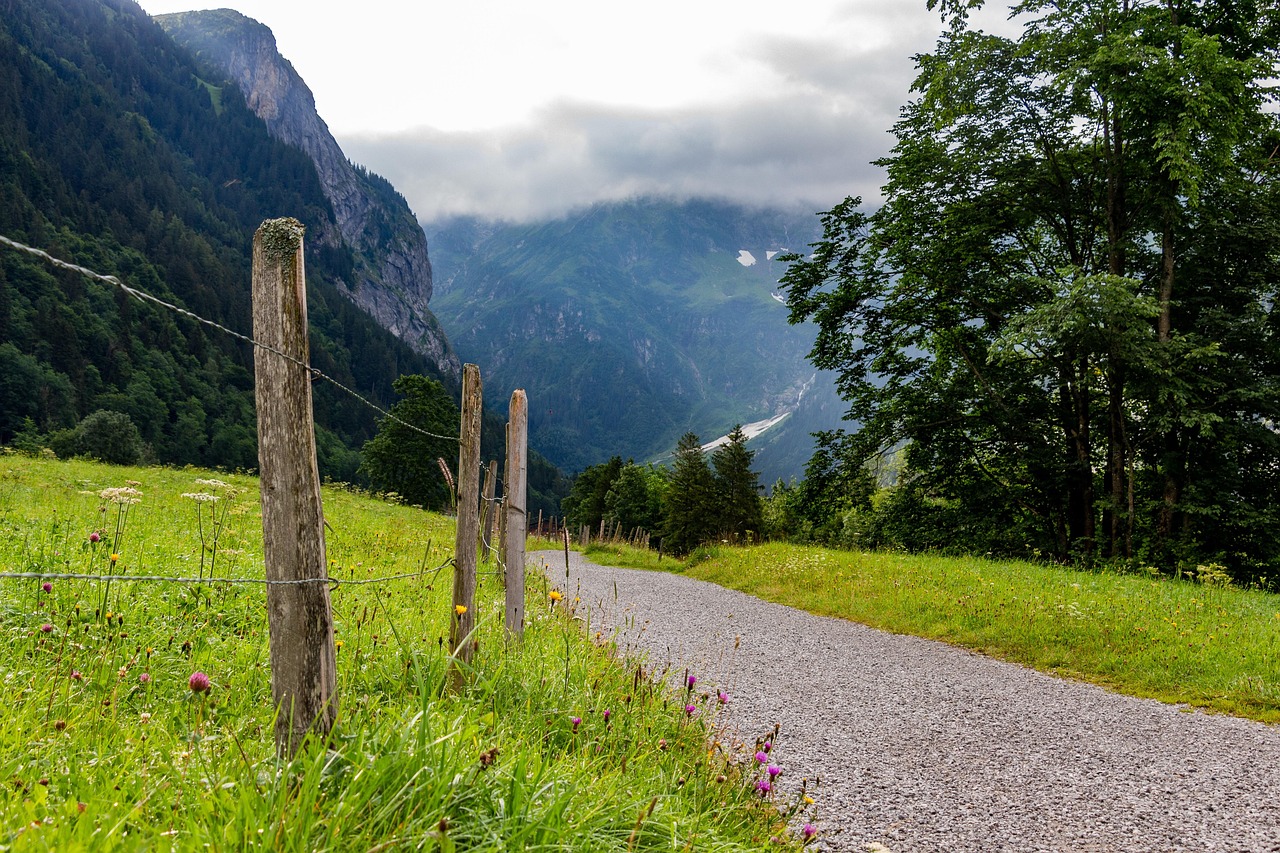
Switzerland delivers some of the most dramatic adventure travel on the planet. The Alps cut through the sky. The lakes hold water so clear you can see the bottom at twenty feet. For the active traveler, this is a playground that rewards planning and punishes spontaneity. This Switzerland adventure travel guide is for people who want to hike, bike, paddle, climb, and fly through the Alps and lakes without wasting time or money. We get into the logistics that matter: when to go, how to move, where to base yourself, and what to book months in advance. You already know Switzerland is beautiful. What you may not know is how quickly the costs add up and how easy it is to end up in tourist traps. We focus on the practical side—gear, timing, realistic expectations, and the tradeoffs that make or break a trip.

When to Go: Best Seasons for Adventure Travel in Switzerland
Timing is everything. Each season offers a different version of the country, and picking the wrong one for your activities means closed lifts, missing views, or overpaying for mediocre conditions.
Summer (June–September) is prime for hiking, via ferrata, mountain biking, and lake swimming. Trails are open, cable cars run full schedules, and the weather is stable. Crowds are heavy, especially in July and August. Prices for accommodation and trains hit their peak. If you plan a summer trip, book mountain huts and cable car tickets as early as you can. Popular spots like the Eiger Trail or Grindelwald First sell out weeks ahead.
Winter (December–March) belongs to skiers and snowboarders. The resorts in Zermatt and the Jungfrau Region are world-class. Off-piste adventure is possible, but you need proper guides and avalanche gear. Train schedules shrink in remote valleys. Daylight is short—around eight hours in December.
Shoulder seasons (May and October) offer a compromise. Prices drop. Crowds thin. The weather is unpredictable. Some cable cars and mountain trails close for maintenance. If you are flexible and willing to adapt, you can save a lot. Just have a backup plan when a trail is still under snow.
Here is a quick reference:
- Summer: 20–30°C (lowlands), long daylight, busy, expensive. Best for hiking and water sports.
- Winter: -5–5°C (mountains), short days, busy at resorts. Best for skiing and snowshoeing.
- Shoulder: 10–20°C, variable weather, fewer tourists. Best for budget trips with flexible plans.
Pro tip: For any summer trip, book mountain huts and cable cars at least 4–6 weeks in advance. Last-minute bookings often lead to disappointment or paying a premium for remaining slots.
Getting Around Switzerland: Trains, Buses, and Rental Cars
Switzerland has one of the best public transport systems in the world. It is also expensive. The Swiss Travel Pass, half-fare card, and point-to-point tickets serve different types of travelers. Choose carefully.
The Swiss Travel Pass is best for tourists covering multiple regions in a short trip. It covers unlimited travel on trains, buses, and boats, plus free entry to many museums and 50% off most mountain railways. It pays for itself if you are moving every day. The half-fare card is better for longer stays or slower itineraries. You pay 120 CHF for a month and get half off all tickets. If you spend two weeks based in one town with day trips, this saves you money.
Point-to-point tickets work for short, focused trips. Use the SBB app to check prices and buy tickets. Last-minute fares on certain routes are cheaper, but regular prices are high.
A rental car gives you flexibility that trains cannot match. Remote valleys like the Engadin or the Ticino region are easier by car. Mountain driving has rules—tunnels have tolls, parking in villages is tight, and you need winter tires from November to April. If you go this route, book a small car. Large vehicles are a headache on narrow Alpine passes.
For scenic journeys, the Bernina Express (Tirano to St. Moritz) and Glacier Express (Zermatt to St. Moritz) are worth the time and money. Book seats in advance.
Best for: Swiss Travel Pass for 7–10 day trips with daily moves. Half-fare card for 2+ week stays. Rental car for families or those exploring remote areas.
Top Regions for Adventure: Alps vs. Lakes
Each region in Switzerland demands a different approach. Choosing the wrong base can waste time and money.
The Jungfrau Region (Grindelwald, Lauterbrunnen) is the classic choice. You get the Eiger, Mönch, and Jungfrau in one view. Hiking is excellent. Via ferrata routes are accessible but require experience. The region is busy and hotel prices reflect that. Stay in Mürren or Wengen for a quieter, cheaper experience.
Zermatt is the iconic Matterhorn view. Skiing here is world-class. Summer hiking is serious—the Haute Route starts here. Zermatt is car-free, which adds charm but also means extra logistics. Accommodation costs are high in peak seasons.
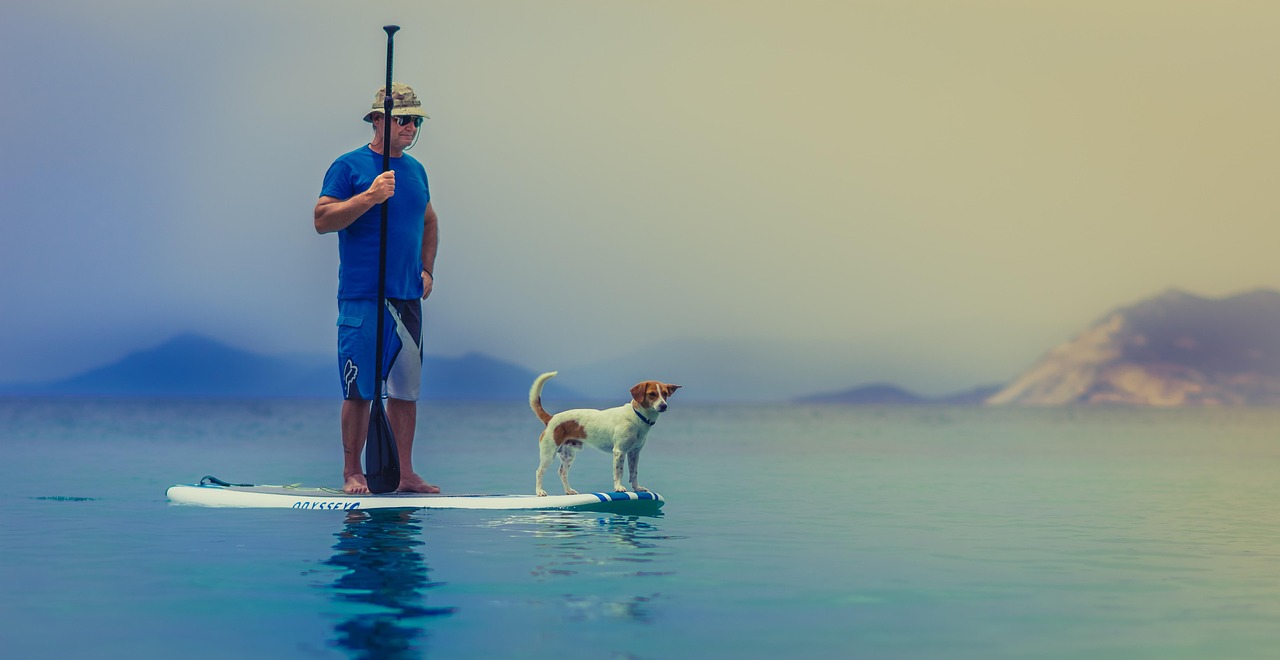
The Lake Geneva region (Montreux, Lausanne) offers a different flavor. Water sports like paddleboarding and sailing dominate. The Lavaux vineyards are beautiful for cycling and walking. This area is less alpine-focused, more lake-centric. Great for a mixed trip.
Lake Lucerne is the easiest base for day trips. The Pilatus, Rigi, and Titlis mountains are close. The lake itself is perfect for swimming and boat rides. Families do well here. Resorts like Weggis are more affordable than Interlaken.
Interlaken sits between two lakes and is the adventure sports capital. Paragliding, canyoning, skydiving—you name it. It is also the most commercialized. The main street is full of souvenir shops and expensive restaurants. Stay in a nearby village like Unterseen for better value.
What to avoid: Trying to cover too many regions. Stick to two, maybe three. Travel between regions takes time and costs money. A week in the Jungfrau Region with a side trip to Lucerne is more rewarding than a rushed tour of four areas.
Hiking in the Alps: Trails for Every Skill Level
Hiking is the backbone of Swiss adventure. The trail network is vast, well-marked, and maintained. But altitude and weather change fast. Do not underestimate either.
The Eiger Trail is a moderate 6 km hike that runs along the base of the Eiger North Face. It takes about 3–4 hours. The path is well-defined but rocky in places. Best from June to October. Views of the face are unreal. You need sturdy boots. Poles help on the descent.
The Five Lakes Walk near Zermatt is easier. 9 km, roughly 2.5 hours. It loops past five alpine lakes with the Matterhorn in the background. The trail is mostly flat. Suitable for beginners or families. Best in July and August when the lakes are ice-free. A hydration pack and sun protection are essential.
The Haute Route is the serious option. A multi-day trek from Chamonix to Zermatt or vice versa. High passes, glacier crossings, and exposed terrain. Required: experience with altitude, route finding, and proper gear. Guide recommended. Best in August and September. This is not a first-time hiker’s trail.
Common mistake: Underestimating altitude. Trails at 2,000+ meters can have thin air and sudden weather shifts. Carry rain gear even on clear days. Sunscreen is non-negotiable. Altitude sickness hits some people above 2,500 meters—plan a rest day for acclimation.
Gear recommendation: For tougher terrain, a reliable pair of hiking boots with good grip can help you stay steady on rocky sections. A lightweight daypack makes carrying layers and water much easier on longer walks.

Lake Adventures: Swimming, Paddleboarding, and Boat Tours
Swiss lakes are cold, clear, and surprisingly accessible. They are not tropical, but they are perfect for active cooling after a hike.
Lake Lucerne has the best swimming spots. Lido di Locarno on Lake Maggiore is warmer than most. The water hits 25°C in August. Public beaches are free or cost a few francs. Paddleboarding is popular. Rentals run about 20 CHF per hour on Montreux or Lugano. Boat tours on Lake Lucerne’s paddle steamers are scenic and affordable.
Lake Geneva is larger and windier. Windsurfing and sailing are common. SUP rentals near Montreux. The lake promenade is wheelchair and stroller accessible, which is rare for Swiss outdoor spots.
Safety note: Currents in some lakes can be stronger than they look. Lake Geneva in particular has unpredictable undertows near the outflow. Swim near lifeguard stations. Also, water temperatures drop sharply below 10 meters—do not swim far from shore without a wetsuit.
Gear tip: Travelers who plan to spend time on the water may want a dry bag to keep electronics and clothing safe from splashes. It is a simple way to reduce the stress of getting soaked while paddleboarding or swimming.
Biking in Switzerland: Mountain Biking and E-Bikes
Switzerland’s bike trail network is extensive but not all easy. Marked trails run across mountains, valleys, and vineyards. Skill levels vary dramatically.
For casual riders, e-bikes are the smart choice. The Swiss National Park has designated e-bike routes with stunning views and lower physical demand. The Lavaux vineyards near Lake Geneva are flatter and scenic. Rent an e-bike in advance—they sell out quickly in summer.
For advanced riders, the Aletsch Glacier bike trail offers technical descents and breathtaking views. This is black diamond terrain. Rocks, steep switchbacks, and altitude make it demanding. Ride only if you are confident on a mountain bike.
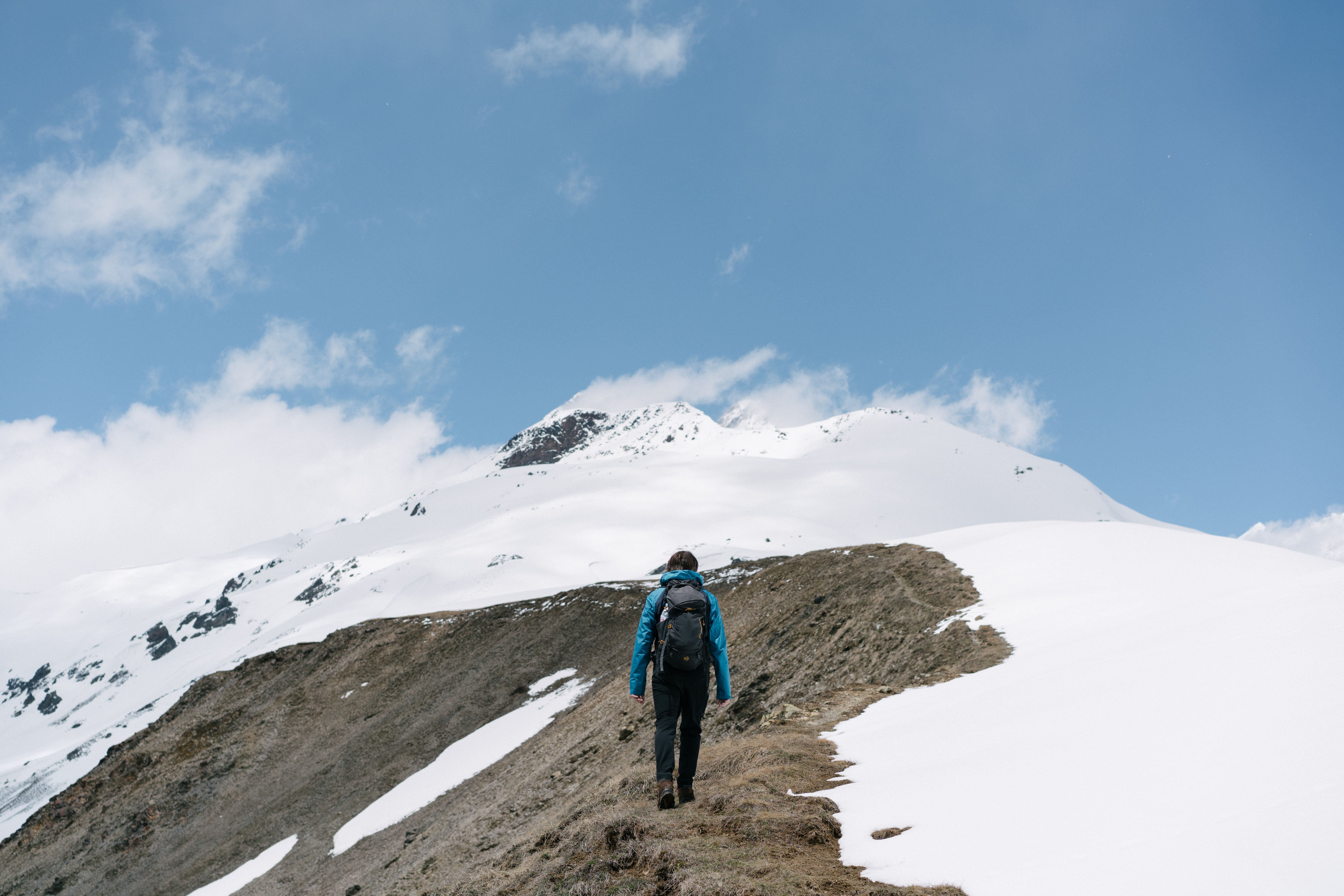
Practical tips: Helmets are mandatory in some cantons. Check local laws. A bike pass is required for certain trails—buy at the trailhead or in advance. Overestimating fitness at altitude is the most common mistake. E-bikes cost more to rent, but they let you cover more ground without exhaustion.
Gear recommendation: A bike repair kit with tire levers and a multi-tool is worth carrying on remote routes. Frequent users may benefit from a foldable lock for quick stops at viewpoints.
Action Sports: Paragliding, Canyoning, and Via Ferrata
For adrenaline, Switzerland delivers. The key is choosing the right operator and activity for your experience level.
Paragliding in Interlaken is the most accessible. Tandem flights launch from Beatenberg. You get 15–20 minutes of flight with aerial views of the lakes and Jungfrau. Costs around 180 CHF. Go early in the morning for calmer air. Operators are certified, but the experience is commercialized. Smaller operations in Saas-Fee offer a more personal feel.
Canyoning in Lauterbrunnen is a half-day commitment. You rappel, slide, and jump through gorges. Wet suits and helmets provided. A safety briefing is mandatory. Good for beginners with moderate fitness. Cost is about 120 CHF. Book through a certified operator with a Swiss Tourism seal.
Via ferrata in Grindelwald is for experienced climbers. The Eiger Trail via ferrata is exposed and requires prior knowledge. You need your own harness, helmet, and via ferrata lanyard. Cost for gear rental is around 50 CHF. If you are a first-timer, hire a guide or stick to simpler routes like the one at Gletscherschlucht.
Tradeoffs: Interlaken is convenient but expensive and crowded. Smaller operators in Saas-Fee or Adelboden offer lower prices and fewer people. Always check that the operator displays a Swiss Tourism seal—this guarantees insurance and safety standards.
Where to Stay: Budget-Friendly Adventure Bases
Accommodation costs can break a Swiss trip. Budget options exist, but they fill up fast.
Camping near Lake Lucerne at Camping Lido Seeburg offers tent pitches from 15 CHF per person. It saves money and puts you close to the lake. Facilities are good. Book a pitch a month ahead in summer.
Hostels like Balmer’s in Interlaken have dorm beds from 40 CHF per night. The vibe is social. They organize activities and have a bar. Good for solo travelers. Dorms sell out weeks in advance.
Vacation apartments in less touristy villages like Mürren or Wengen give more space for families. Prices range from 100–150 CHF per night. Kitchen access saves on eating out. Airbnb and Booking.com list them. Book early.
Best for: Camping for flexibility and price. Hostels for socializing and solo trips. Apartments for families needing space and kitchen access.
Pro tip: Mountain huts exist for hikers on multi-day routes. They cost about 30 CHF per night but require membership in the Swiss Alpine Club. You cannot just walk in—reserve in advance.
Packing List for Swiss Adventure Travel
Packing right means comfort and safety. Overpacking means struggling on trains. Focus on layers and versatility.
- Footwear: Hiking boots and water shoes for lakes.
- Clothing: Base layers, fleece, waterproof rain jacket, sun hat, lightweight trousers.
- Gear: 20L daypack, 1L water bottle, poles, dry bag.
- Tech: Power bank, universal adapter (Type J plug).
What to leave at home: Heavy luggage. Everything should fit in a 40L backpack or rolling duffel. Trains have limited overhead space. Pack light.

Common Mistakes to Avoid in Switzerland
- Not booking trains or lifts in advance: Prices spike last minute. Buy Schweizerische Bundesbahnen tickets or Swiss Travel Pass early.
- Underestimating food costs: A meal out can cost 30 CHF. Eat at Coop or Migros supermarkets. Sandwiches, salads, and fruit are much cheaper.
- Forgetting a universal adapter: Switzerland uses Type J sockets. Most adapters for Europe (Type C) work, but check. A universal travel adapter covers you for multiple plug types and is easy to pack.
- Trying to see too many areas in one trip: Pick 2–3 regions max. Travel eats time and budget.
- Ignoring altitude sickness symptoms: Headaches, nausea, fatigue. Slow down on day one. Avoid heavy exercise above 2,500 meters.
- Not carrying cash: Many mountain huts and small shops do not accept cards. Always have 100–200 CHF in notes.
Final Thoughts: Making Your Swiss Adventure Happen
Switzerland is expensive, but it rewards the prepared. Choose your season. Pick two regions. Book key activities early. Pack light and layers. Use the SBB app for train schedules and tickets. Book a few key tours through trusted providers. Do not let logistics overwhelm you. With this guide, you should be set for a solid adventure. Start planning your trip today.